
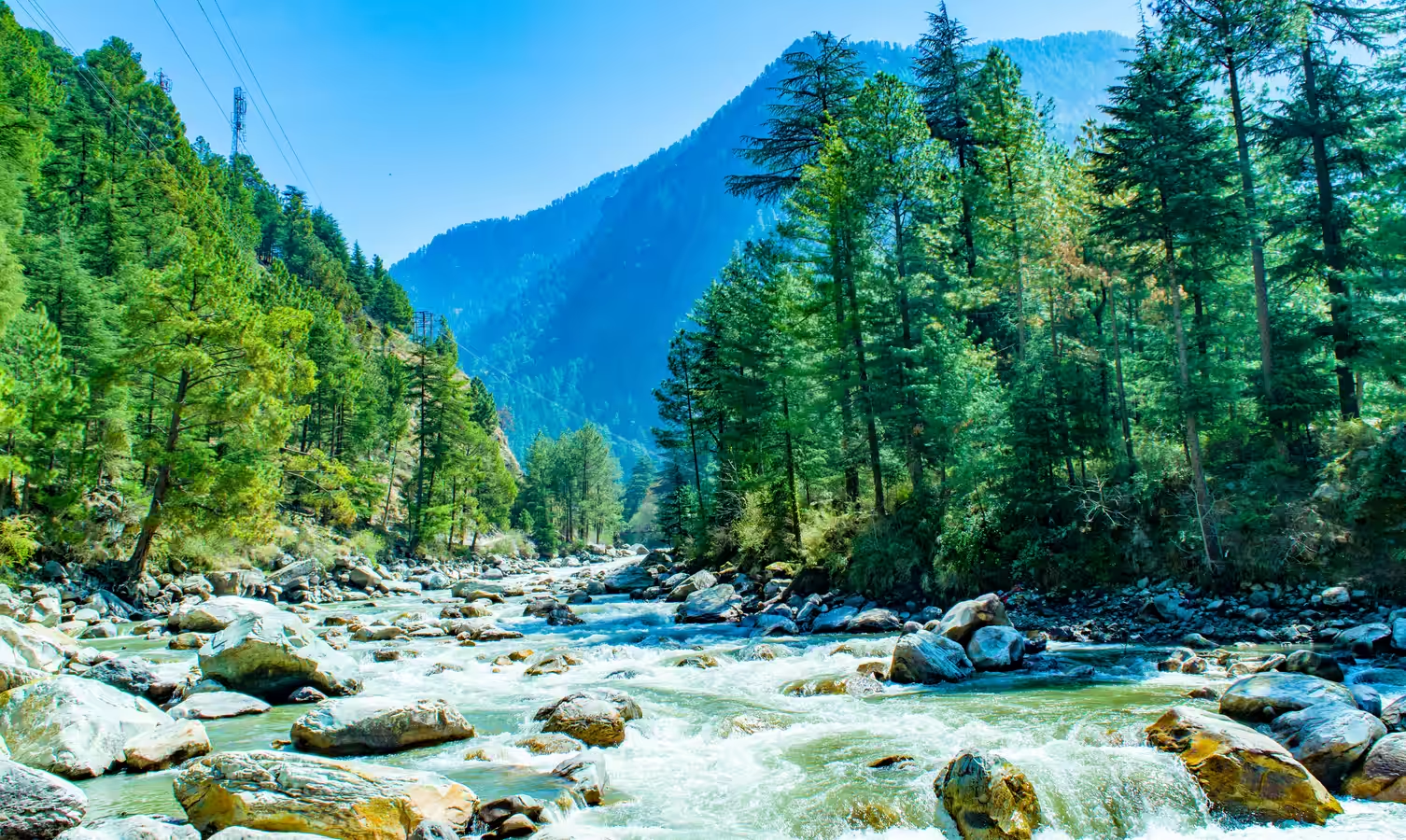
Best Treks in Kasol Himachal: Difficulty, Duration & Route Highlights

Rahul Garg
February 19, 2026
Discover the best treks in Kasol Himachal with route details, difficulty levels, season guidance, and practical planning tips from beginner trails to advanced expeditions.
Introduction
Kasol is one of the most popular trekking gateways in Himachal Pradesh because it sits right in the Parvati Valley trekking corridor. From beginner-friendly village hikes to high-altitude expeditions, the region offers routes for almost every level of hiker. What makes Kasol special is not only scenic beauty, but also route variety within short transfer distance: hot-spring trails, pine-forest villages, cultural settlements, and glacier-bound pass routes.
If you are planning your first trek from Kasol, choosing the right trail matters more than choosing the most famous one. Fitness level, season, rain/snow window, and altitude response all affect how enjoyable the trek feels. A short easy route can be far more memorable than an over-ambitious route attempted at the wrong time.
This guide covers the best treks in Kasol Himachal with distance, difficulty, duration, highlight points, and practical planning tips. For complete valley planning, also read best Airbnbs in Kasol, Kasol travel guide, and Pin Parvati Pass trek guide.
Kasol Trekking Overview: Which Trek is Right for You?
| Trek | Difficulty | Duration | Best For |
|---|---|---|---|
| Kheerganga | Easy to Moderate | 2-3 days | First-time trekkers and hot-spring experience |
| Tosh Valley | Easy | 1-2 days | Short scenic trek and village stays |
| Malana | Moderate | 1-2 days | Cultural route and valley views |
| Rasol Village | Moderate | 1-2 days | Offbeat route and steep village trail |
| Pulga-Kalga circuits | Easy to Moderate | 1-2 days | Forest walks and relaxed trekking |
| Pin Parvati Pass | Challenging | 10-12 days | Experienced high-altitude trekkers |
For beginners, Kheerganga and Tosh are usually the strongest starting choices. Advanced trekkers with proper preparation can consider Pin Parvati as a separate expedition rather than a casual extension.
Kheerganga Trek from Kasol
Kheerganga is the most sought-after trek around Kasol because it offers a complete trekking experience in a manageable format: forest trail, river soundscape, scenic mountain sections, and the iconic hot-water spring region at the top. It is often the first Himalayan trek for many Indian travelers.
Route Snapshot
- Common access: Kasol to Barshaini by road, trek onward to Kheerganga
- Approx trail distance: often treated as around 10-12 km one way depending on chosen path
- Typical duration: 2 days for most travelers, 3 days for slower pace
- Difficulty: Easy to Moderate
The trek is not technically difficult, but stamina and steady pacing are important, especially for first-timers. Start early, keep hydration consistent, and avoid racing uphill. Camps and guesthouse options in and around the upper zone are usually available in season, but advance checks are recommended during peak periods.
Best months are usually spring to early summer and post-monsoon autumn windows. Monsoon can make trails slippery and less predictable.

Tosh Valley Trek
Tosh is often treated as a light trek plus village stay experience rather than a heavy trail challenge. The route gives wide valley views, mountain backdrops, and a relaxed trekking rhythm suitable for beginners and slow travelers. Many people combine Tosh with other short Parvati Valley trails for a multi-day casual trekking plan.
Tosh Trek Profile
- Difficulty: Easy
- Duration: 1-2 days
- Best for: beginners, scenic village culture, short-stay trekkers
The trail and village environment are best enjoyed with unhurried pacing. If you only have a weekend, Tosh can be a practical option that still delivers the mountain mood of Kasol without high technical demand.
Malana Village Trek
Malana routes are popular for trekkers interested in both mountain terrain and unique village culture. The trail is moderate for most fit travelers and offers strong views through the route corridor. The key rule for Malana visits is cultural respect. Local norms are strict, and responsible behavior is essential.
Malana Trek Profile
- Difficulty: Moderate
- Duration: usually 1-2 days
- Best for: culturally curious trekkers with moderate fitness
Because this trek combines physical effort with social sensitivity, preparation should include both trail planning and cultural etiquette awareness. Do not treat the village as a novelty stop. Follow local instructions and keep your visit respectful.
Rasol Village Trek
Rasol is a good offbeat option for trekkers who want a quieter trail compared with high-traffic routes. The trek is short in distance but can feel demanding due to steep sections. It is a strong choice for intermediate hikers who prefer less-commercial paths and authentic village settings.
Rasol Trek Profile
- Difficulty: Moderate (steeper stretches)
- Duration: 1-2 days
- Best for: offbeat trekkers and village-route enthusiasts
For this route, carry minimal but essential gear and start early. Overpacking makes steep climbs harder and reduces overall trail comfort.
Pulga and Kalga Trek Circuits
Pulga and Kalga side routes are ideal for travelers who enjoy forest walks and gentle mountain movement rather than high-gradient climbs. These trails are often included in relaxed Kasol itineraries where trekking is one component of a broader valley stay.
Pulga-Kalga Profile
- Difficulty: Easy to Moderate
- Duration: 1-2 days
- Best for: laid-back trekkers, scenic short hikes, mixed-age groups
The main advantage here is flexibility. You can keep the trek light, extend with village stops, or pair it with nearby routes depending on weather and energy.
Pin Parvati Pass Trek (Advanced Route)
Pin Parvati Pass is one of the toughest and most respected high-altitude routes linked to the broader Kasol-Barshaini region. It is not a beginner trek and should never be attempted casually. This expedition involves long days, high-altitude exposure, potentially technical terrain, and serious weather dependency.
Pin Parvati At a Glance
- Difficulty: Challenging
- Duration: typically 10-12 days
- Altitude: very high pass environment
- Best for: experienced trekkers with expedition preparation
If you are aiming for this route, train in advance, go with a reliable operator/team, and treat acclimatization and safety protocols as mandatory. For most Kasol visitors, this is a separate dedicated expedition, not an add-on.

Best Time for Trekking in Kasol
The two most practical trekking windows are usually March to June and September to November. Spring and early summer offer active trail season and favorable temperatures. Post-monsoon autumn gives clearer skies and strong mountain visibility.
Monsoon months can be beautiful but often risky for trail stability and movement speed. Peak winter may restrict access on some routes and significantly raise cold exposure. Your final timing should match route difficulty, not just leave availability.
| Season | Trekking Suitability | Notes |
|---|---|---|
| March-June | Excellent | Most popular season for classic Kasol treks |
| July-August | Caution | Rain, slippery trails, and weather unpredictability |
| September-November | Excellent | Clear views and strong trail conditions in many routes |
| December-February | Limited/Route dependent | Cold conditions and seasonal access constraints |
Trek Difficulty Planning for Beginners
If you are new to Himalayan trekking, start with one easy route and one buffer day instead of stacking multiple moderate routes back-to-back. A practical beginner plan is one short acclimatization walk, then Tosh or Kheerganga, and then a recovery day before return.
The biggest beginner mistake is trying to complete too many trails in too little time. Trek quality is about rhythm, not count. Kasol offers enough variety to build a safe progressive trekking journey.
Packing Checklist for Kasol Treks
- Good-grip trekking shoes (broken in before the trip)
- Layered clothing for temperature shifts
- Rain shell and quick-dry layers in shoulder/monsoon periods
- Headlamp, reusable water bottle, basic first-aid
- Energy snacks and personal medication
- Power bank and offline route notes
Avoid heavy unnecessary loads. Light, functional packing improves pace and reduces fatigue.
Route Logistics from Kasol
Most treks begin with a short road transfer from Kasol to a trailhead such as Barshaini or nearby points. Start transfers early in the day to maximize trail daylight and keep contingency for traffic or weather delays. During high-season weekends, pre-arranging transport can save time and reduce last-minute stress.
For multi-trek plans, base yourself in Kasol only if it supports efficient daily movement. In some cases, shifting your stay closer to the next trailhead improves itinerary quality.
Safety and Responsible Trekking Practices
- Trek in groups or with reliable local guidance on unfamiliar routes.
- Respect local villages, private property, and community customs.
- Do not litter; carry back non-biodegradable waste.
- Do not push fast pace at altitude if symptoms appear.
- Check weather and trail status close to departure.
Responsible behavior keeps trails sustainable and improves community relationships in mountain regions.
Sample 4-Day Kasol Trekking Plan
Day 1: Arrive Kasol, acclimatization walk and route briefing.
Day 2: Kheerganga or Tosh route start based on fitness.
Day 3: Return and rest, optional short local walk.
Day 4: Offbeat short trail (Pulga/Kalga or Rasol depending conditions).
This pattern works better than overpacked schedules because it includes recovery and route flexibility.
Common Trek Planning Mistakes in Kasol
- Choosing route fame over fitness suitability.
- Ignoring weather risk in monsoon windows.
- Overloading itinerary without rest buffers.
- Starting long climbs too late in the day.
- Underestimating basic gear quality requirements.
Permits, Local Support, and Route Ethics
Most short Kasol treks do not require complicated permit handling in normal conditions, but route rules can change in sensitive stretches, forest zones, or high-altitude expedition routes. Advanced treks like Pin Parvati usually involve structured logistics and should be done with experienced support teams. Always verify latest local requirements before departure instead of relying on old route posts.
Hiring local guides for less familiar or weather-sensitive trails is often a smart decision, especially in monsoon and shoulder windows. Local guides not only help with direction and pace, but also provide current updates on trail condition, water points, campsite suitability, and village-specific etiquette. This improves safety and usually gives a richer trail experience than navigating solely with map screenshots.
Route ethics matter in Parvati Valley. Keep noise low in village zones, avoid leaving any plastic or food waste, and use marked paths instead of creating informal shortcuts that damage fragile sections. Responsible trekking keeps these routes sustainable and improves traveler-community relations over time.
Food, Hydration, and Energy Management on Kasol Treks
Even on easy treks like Tosh and Kheerganga, fatigue often comes from poor hydration and rushed pacing rather than route difficulty. Start with a moderate breakfast, carry water in reusable bottles, and take short breaks at regular intervals rather than long irregular halts. For full-day climbs, carry compact high-energy snacks so you do not depend entirely on uncertain trail-side options.
In colder months, many trekkers drink less water without noticing, which increases headache and fatigue risk. Maintain regular intake even when weather feels cool. In warmer periods, use electrolyte support during longer trail blocks. A steady energy rhythm will make your trek safer and more enjoyable than a start-fast, burnout-late approach.
Emergency Mindset for Mountain Treks
Kasol routes can feel social and accessible, but mountain conditions can still change quickly. Keep basic emergency awareness: save offline maps, share your day plan with someone, note return cut-off times, and avoid pushing unknown sections late in the day. If weather deteriorates, turning back early is a strong decision, not a failed trek.
For group travel, assign one person to track timing, water status, and weather observations. This simple coordination avoids decision chaos when fatigue builds. Safe trekking is not about fear; it is about structured judgment on terrain where small mistakes can escalate.
Conclusion
The best treks in Kasol Himachal range from beginner-friendly village routes to expedition-level mountain passes. Kheerganga, Tosh, Malana, Rasol, and Pulga-Kalga circuits cover most traveler goals, while Pin Parvati is for experienced trekkers only. Choose route by ability, season, and purpose, and Kasol can deliver one of the most rewarding trekking bases in Himachal Pradesh.
Location
Frequently Asked Questions
Q1.Which is the best trek in Kasol for beginners?
Q2.How many days are enough for Kasol trekking?
Q3.Is Kheerganga trek suitable for beginners?
Q4.What is the difficulty level of Tosh trek?
Q5.Can we trek to Malana from Kasol?
Q6.How long is Pin Parvati Pass trek?
Q7.What is the best time for trekking in Kasol?
Q8.Is trekking in Kasol possible in monsoon?
Recommended For You
Best Cafes in Kasol: Scenic Spots, Timing and Tips
Best cafes in Kasol guide with riverside timing strategy, food planning, budget tips, and practical one-day scenic cafe routes.
Best Restaurants in Kasol: Riverside Cafes, Israeli Food & Top Picks
Discover the best restaurants in Kasol with Israeli specialties, riverside cafes, local Himalayan meals, and practical budget and safety tips.
Photography Spots in Kasol: Valley Views, River Shots & Treks
Best photography spots in Kasol Himachal with Parvati Valley viewpoints, river frames, trek routes, and practical camera and timing guidance.
Never Miss an Adventure
Get the latest trekking guides, travel tips, and exclusive offers delivered straight to your inbox.
