
Kasol: Complete Travel Plan Places And Weather

Neha Kapoor
February 20, 2026
Complete Kasol travel guide featuring Parvati Valley, Kheerganga trek, Manikaran, Tosh village, cafes, trekking & practical tips.
Introduction to Kasol
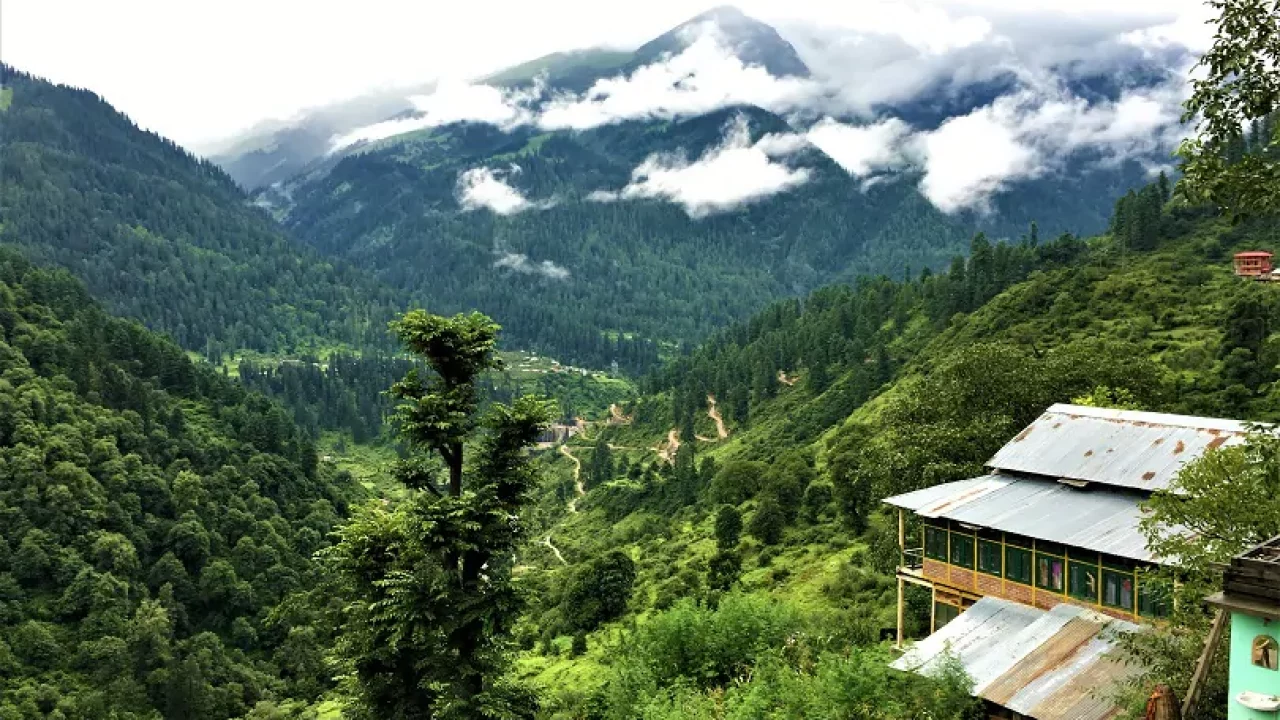
Kasol, a small village in the Parvati Valley of Himachal Pradesh, has earned the nickname 'Mini Israel' due to its large Israeli population and Israeli influence. Located at an altitude of 1,580 meters along the banks of the Parvati River, Kasol has transformed from a quiet Himachali village into a popular backpacker destination while retaining its scenic beauty and relaxed atmosphere.
What makes Kasol special is its remarkable blend of natural beauty, counter-culture vibe, and accessibility. The village is surrounded by snow-capped peaks, lush pine forests, and the glistening Parvati River flowing through it. Yet unlike many hill stations that have become over-commercialized, Kasol maintains a laid-back, bohemian atmosphere that attracts long-term travelers, backpackers, and those seeking an escape from mainstream tourism.
Kasol serves as the base for exploring the wider Parvati Valley, including destinations like Kheerganga, Tosh, Malana, and Manikaran. The village has numerous cafes serving Israeli, Continental, and Himachali food, guesthouses ranging from basic to comfortable, and a vibrant traveler community. Whether you're seeking relaxation, trekking, spiritual experiences, or simply a good time, Kasol offers something for everyone.
The journey to Kasol itself is spectacular - the road from Bhuntar winds through the mountains, following the Parvati River as it cuts through deep valleys. The region has become famous for its charas (hashish), which grows wild here, though consumption remains technically illegal. The hippie culture, combined with stunning natural beauty, has made Kasol a legendary destination in India's backpacking circuit.
Best Time to Visit Kasol
Kasol enjoys a pleasant climate for most of the year, though winters can be cold and the monsoon brings heavy rainfall. The timing of your visit depends on what you want to do - trekking, relaxation, or escaping the crowds.
March to June is the best time to visit Kasol when the weather is pleasant with daytime temperatures ranging from 15°C to 25°C. The summer months are perfect for trekking, exploring the valley, and river activities. This is also the peak season, so expect more visitors and higher prices on accommodations. The weather is comfortable during the day and cool at night - ideal for outdoor activities.
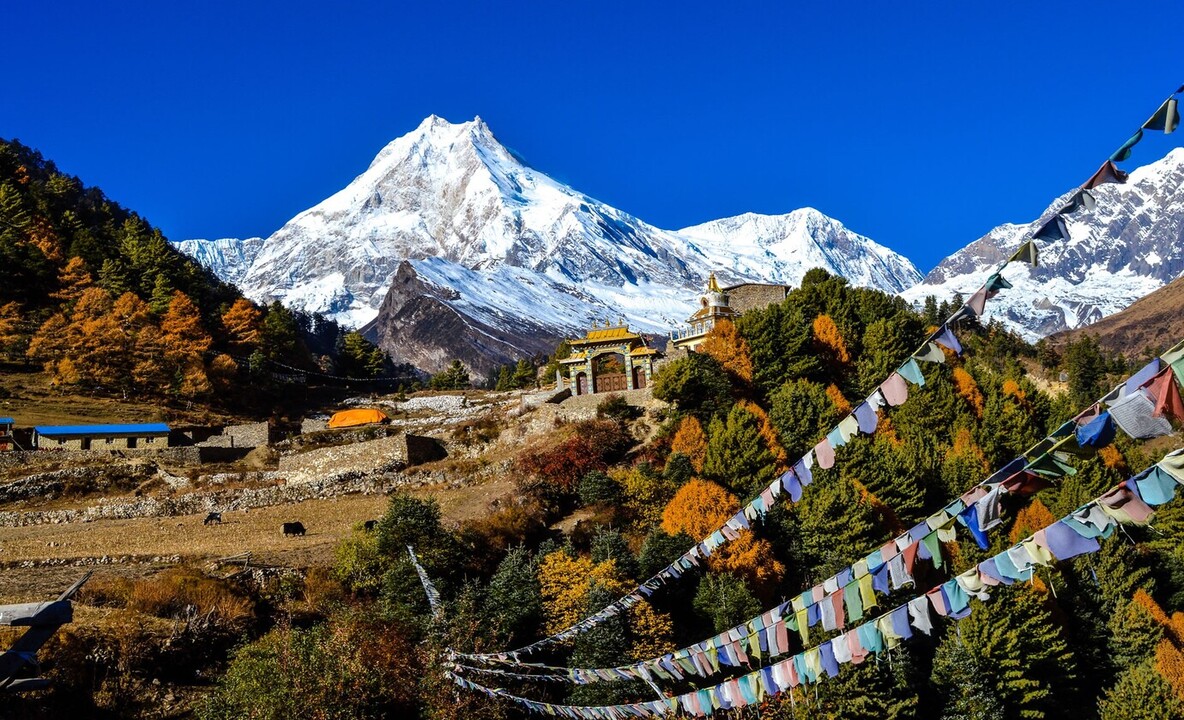
July to September brings the monsoon season when Kasol receives moderate to heavy rainfall. The region transforms into lush green, trekking trails become slippery, and the Parvati River swells dramatically. This is the off-season with significantly fewer tourists and lower prices. However, landslides can disrupt roads, making access challenging. If you enjoy rain and the monsoon ambiance, and don't mind potential travel disruptions, this can be a beautiful time to visit.
October to November, immediately after the monsoon, is perhaps the most beautiful time. The rains have cleared, the skies are crystal clear offering excellent mountain views, and the entire valley is lush green. Temperatures are pleasant (15-20°C during the day, cooler at night). This is an excellent time for photography, trekking, and outdoor activities.
December to February brings winter to Kasol with daytime temperatures of 10°C to 20°C and nighttime temperatures dropping below freezing. Snowfall is common in higher reaches like Kheerganga, making winter perfect for those wanting to see snow. Kasol itself rarely receives heavy snow, though occasional light snowfall occurs. This is the quietest season with very few tourists. Carry heavy woolens if visiting during winter.
Top Attractions in Kasol
Parvati River
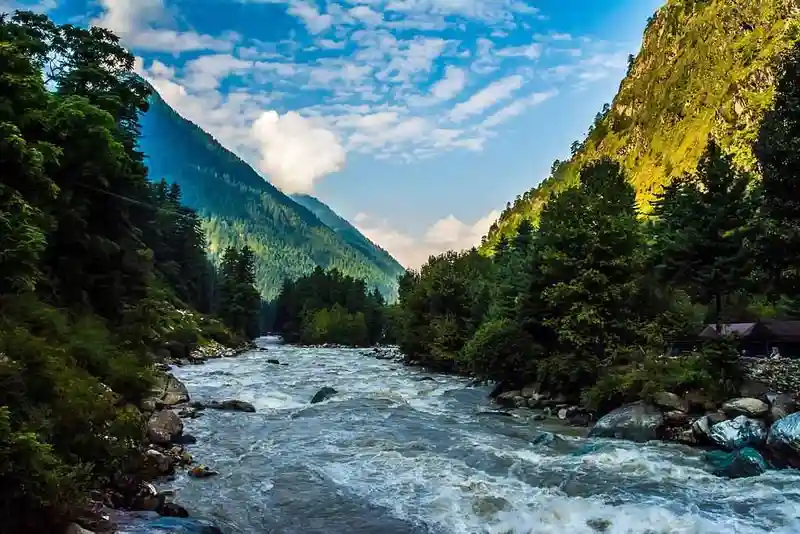
The Parvati River, flowing through the heart of Kasol, is the lifeline of the valley. The crystal clear water, originating from glaciers, creates a stunning contrast against the surrounding mountains and forests. The river has several spots ideal for relaxation, photography, and simply soaking in the natural beauty.
The riverbank near Kasol has numerous cafes and guesthouses with seating areas overlooking the water. The sound of the flowing river, especially at night when everything else is quiet, creates a peaceful atmosphere. The river is particularly beautiful in the morning when mist rises off the water and the mountains glow in the first light of day.
Manikaran
Located approximately 32 kilometers from Kasol, Manikaran is famous for its hot water springs and religious significance for both Hindus and Sikhs. The hot springs, with water temperatures reaching up to 95°C, are believed to have healing properties. Pilgrims cook rice and dal in the hot water as an offering.
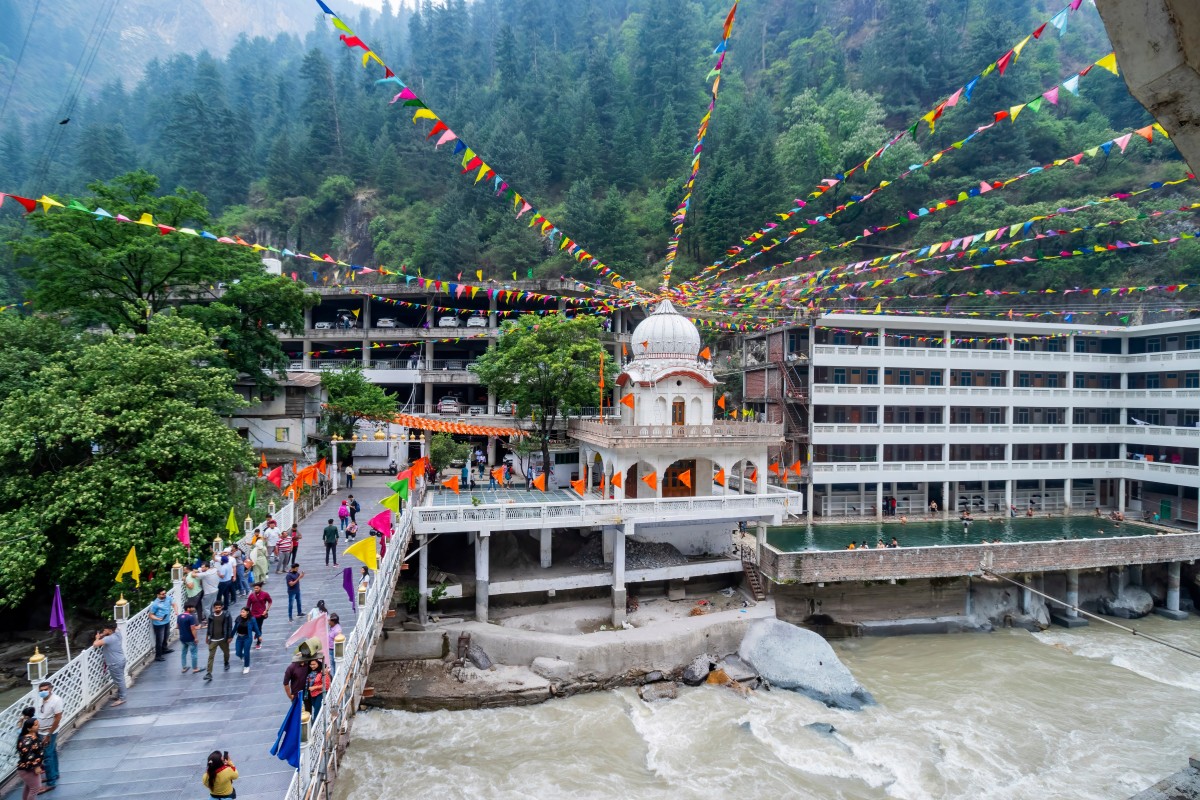
Manikaran has an ancient Ram Temple and the Gurudwara Manikaran Sahib. According to Hindu legend, Manikaran is where Manu recreated human life after the great flood. For Sikhs, the town is associated with Guru Nanak Dev who performed miracles here. The journey from Kasol to Manikaran is scenic, following the Parvati River through beautiful villages.
Kheerganga Trek
Kheerganga, located at an altitude of 2,950 meters, is accessible via a trek from Barsheni (approximately 16 kilometers from Kasol). The trek is one of the most popular in the Parvati Valley, passing through dense forests, waterfalls, and scenic villages. The trek takes approximately 4-5 hours one way and is moderate in difficulty.
Kheerganga is famous for its hot water springs where trekkers can soak after the long trek. The views from Kheerganga are spectacular, with snow-capped peaks surrounding the meadow. Many trekkers camp overnight at Kheerganga to witness the sunset and sunrise. The best time for the trek is from March to June and October to November.
Tosh Village
Tosh, located approximately 20 kilometers from Kasol at an altitude of 2,400 meters, is a beautiful village offering spectacular views of the surrounding snow-capped peaks. The village can be reached by a short drive from Kasol followed by a moderate trek, or by hiring a taxi all the way to the village.
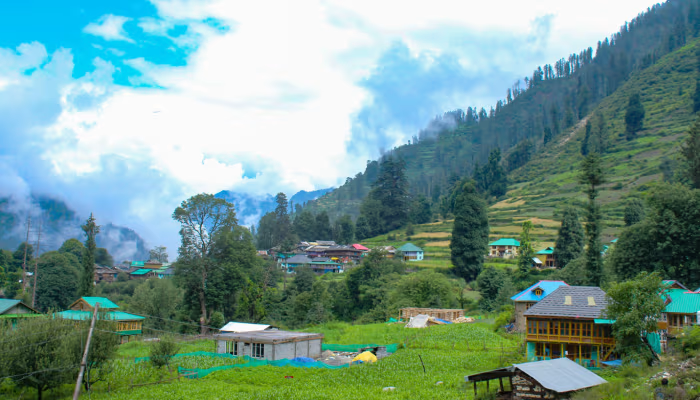
Tosh has a more relaxed atmosphere compared to Kasol, with numerous guesthouses and cafes. The village offers excellent views, fresh mountain air, and a glimpse into traditional Himachali village life. The trek from Barsheni to Tosh takes approximately 1 hour and is moderately easy.
Experiences in Kasol
Cafe Hopping
Kasol's cafes are an institution, offering diverse cuisine, spectacular views, and a relaxed atmosphere. Popular cafes include Little Italy, Moon Dance Cafe (famous for its wood-fired pizzas and Israeli food), Moon Dance Cafe (great music and views), Evergreen Cafe, and numerous others. These cafes serve Israeli, Continental, Italian, North Indian, and Himachali cuisine.
The cafes are perfect for relaxing, reading, meeting fellow travelers, and watching the world go by. Most have outdoor seating with views of the river and mountains. The food is excellent, the coffee is good, and the vibe is laid-back - perfect for whiling away hours or days.
Trekking
Beyond Kheerganga and Tosh, Kasol serves as the base for numerous treks in the Parvati Valley. Popular trekking destinations include Pulga and Kalga villages, Rasol (a secluded village with spectacular views), and for experienced trekkers, the Pin Parvati Pass trek (a challenging multi-day trek crossing into the Spiti Valley).
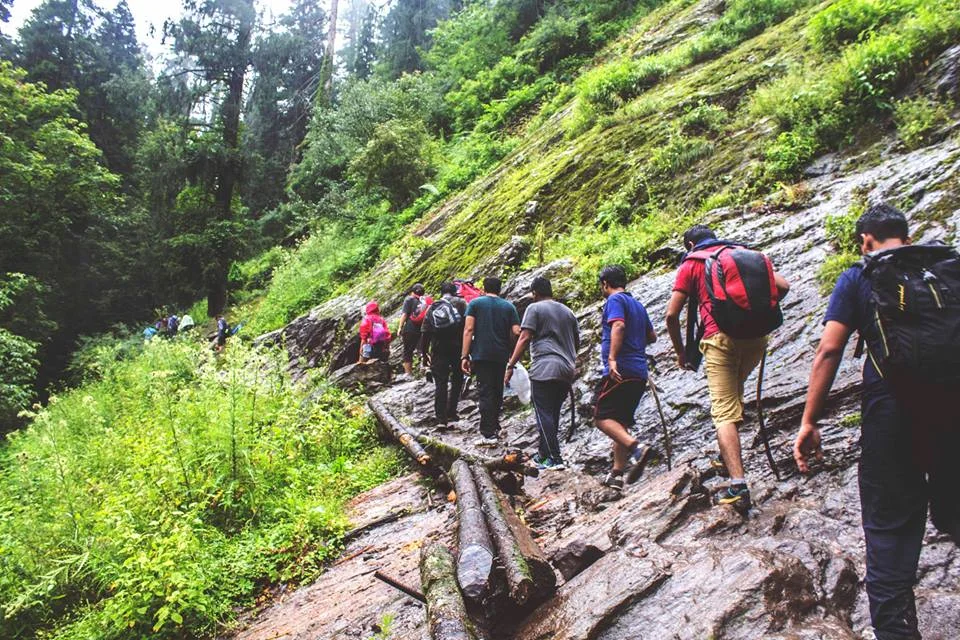
The region offers trekking options for all fitness levels - from easy day treks to challenging multi-day expeditions. The trekking season is from March to June and October to November. Always go with a guide for unfamiliar treks, carry adequate warm clothing and water, and be prepared for rapidly changing weather in the mountains.
Riverside Camping
Camping along the Parvati River is a popular activity in and around Kasol. Numerous campsites offer tents ranging from basic to comfortable, with some providing all meals and bonfire nights. Sleeping to the sound of the river, waking up to misty mountains, and spending time around a bonfire under the stars is magical.
Campsites are located both in Kasol and at nearby locations including Kheerganga and along the trek to Rasol. Camping packages typically include accommodation, all meals, and sometimes activities. The best time for camping is from March to June and September to November.
Where to Stay in Kasol
Kasol offers accommodation options for every budget, from basic guesthouses and hostels to mid-range hotels. Most accommodations are located along the main road or near the river.
For budget travelers, numerous guesthouses and hostels offer rooms for ₹400-800 per night. Popular hostels include Zostel and The Hostel by Hostelcrowd. These hostels have common areas, kitchens, and organized activities, making them great for meeting fellow travelers.
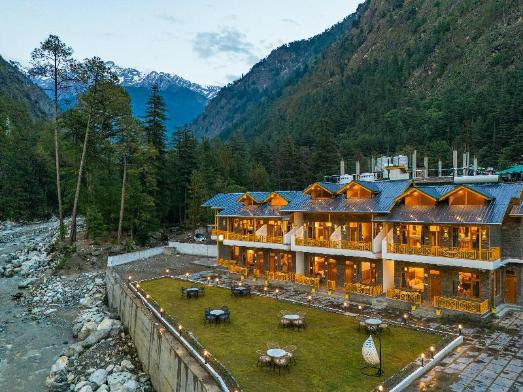
Mid-range hotels (₹1000-2500 per night) offer comfortable rooms with attached bathrooms, hot water, and sometimes room service. Many of these hotels have riverside locations with excellent views. For those wanting more comfort, a few upscale options are available in and around Kasol.
Food in Kasol
Kasol's food scene reflects its diverse visitor population. You'll find everything from traditional Himachali food to Israeli, Italian, Continental, and North Indian cuisine. Israeli food is particularly prominent - try the shakshuka, hummus, falafel, and various Israeli breakfast options that are available at almost all cafes.
Popular cafes include Little Italy, Moon Dance Cafe (excellent pizzas and pasta), Moon Dance Cafe (great food, music, and atmosphere), Evergreen Cafe (Israeli and Indian food), and Bhoj Cafe (traditional thali). The food is generally inexpensive - a meal typically costs ₹150-400.
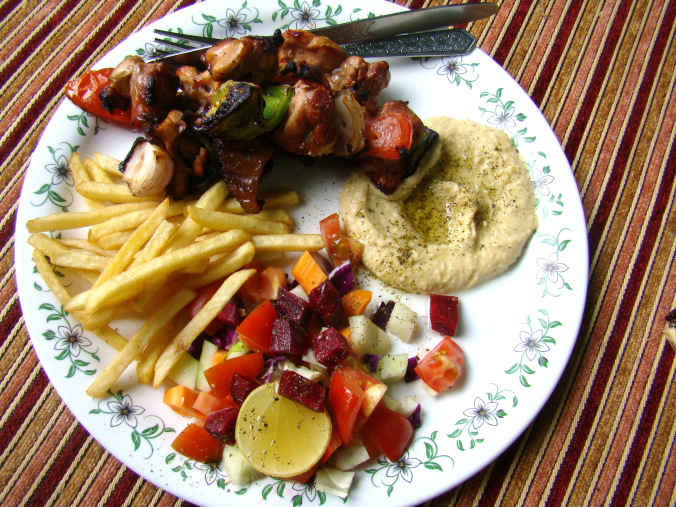
For traditional Himachali food, try the sidku (local bread), various rajma dishes, and trout (a local fish). The region grows excellent cannabis, and some cafes offer space cakes and other cannabis-infused items, though this exists in a legal grey area.
How to Reach Kasol
By Air
The nearest airport to Kasol is Bhuntar Airport (Kullu-Manali Airport), located approximately 31 kilometers away. The airport has limited connectivity with flights from Delhi. From the airport, taxis and buses are available to Kasol (approximately 1.5 hours journey).
By Train
The nearest railway station is Joginder Nagar, approximately 125 kilometers away. However, this narrow-gauge station has limited connectivity. A more practical option is to take a train to Chandigarh or Pathankot and then travel by road to Kasol.
By Road
Kasol is well connected by road. From Delhi, the distance is approximately 520 kilometers and the journey takes approximately 12-14 hours. From Manali, Kasol is approximately 80 kilometers (3-4 hours drive). Regular buses connect Kasol to Delhi, Manali, and Chandigarh. Shared taxis are also available from Bhuntar.
Travel Tips for Kasol
Respect local culture and customs. Kasol is in a conservative state - dress modestly, especially when visiting villages. The region has a significant Israeli population - respect their culture and be open to different customs. Many long-term visitors are here for spiritual pursuits - respect their privacy.
Cannabis grows wild in the region and is widely used, but it's technically illegal. Be cautious if choosing to consume, and never carry or transport across state borders. Possession can lead to legal consequences.
The weather in the mountains can change rapidly - carry layers even in summer. Good walking shoes are essential, especially if trekking. The altitude (1,580 meters) can affect some people - take it easy for the first day and stay hydrated.
ATMs are available in Kasol but can run out of cash. Carry sufficient cash, especially if visiting smaller villages. Mobile connectivity is generally good but can be patchy in some areas.
Conclusion
Kasol offers a unique blend of natural beauty, counter-culture vibe, and adventure that's hard to find elsewhere in India. Whether you're trekking to Kheerganga, soaking in Manikaran's hot springs, relaxing in riverside cafes, or exploring the wider Parvati Valley, Kasol delivers experiences that are both memorable and transformative.
The village has a way of making visitors extend their stays - what was planned as a few days often turns into weeks or even months. The relaxed pace, beautiful scenery, diverse community of travelers, and general vibe create an atmosphere that's addictive.
For those seeking an alternative to mainstream hill stations, Kasol is perfect. It's not for everyone - if you want luxury resorts and organized sightseeing, go elsewhere. But if you're seeking nature, good vibes, adventure, and a community of like-minded travelers, Kasol might just become your favorite place in India.
Location
Frequently Asked Questions
Q1.What is the best time to visit Kasol?
Q2.How many days are enough for Kasol?
Q3.Is Kasol safe for tourists?
Q4.Why is Kasol called Mini Israel?
Q5.Is the Kheerganga trek difficult?
Q6.Can we see snow in Kasol?
Q7.Is Kasol expensive?
Q8.What should I pack for Kasol?
Recommended For You
Manali: Complete Travel Plan Places And Weather
Complete Manali travel guide featuring Rohtang Pass, Solang Valley, Hadimba Temple, adventure activities, best time to visit & practical tips.
Spiti Valley Road Trip: The Ultimate Guide to Himalayan Adventure
Spiti Valley road trip guide: routes from Shimla/Manali, best time, permits, vehicles, itinerary, accommodation & tips for the ultimate Himalayan adventure.
Kullu Manali Honeymoon: 3-4 Day Itinerary, Budget & Tips
Plan your Kullu Manali honeymoon with practical 3-4 day itineraries, romantic experiences, budget guidance, and season-smart travel tips.
Never Miss an Adventure
Get the latest trekking guides, travel tips, and exclusive offers delivered straight to your inbox.
