
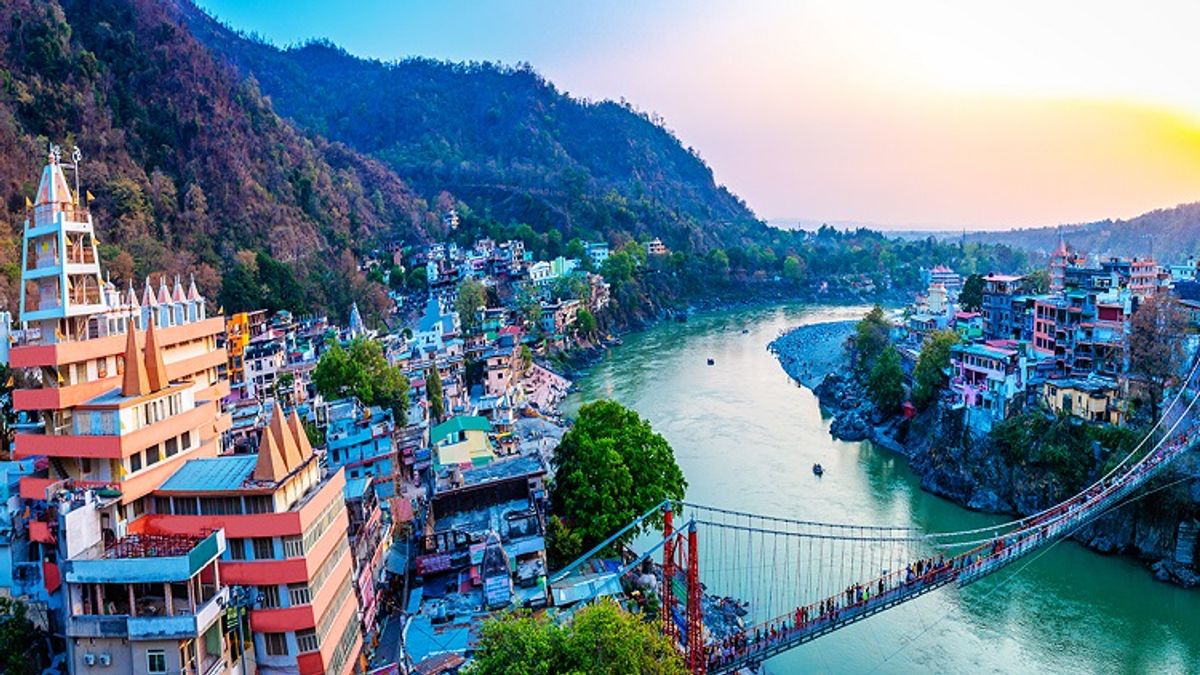
Places Near Delhi in Summer: Cool Weekend Escapes by Distance

Rohan Malhotra
February 20, 2026
Plan summer getaways near Delhi with destination filters, route models, and heat-control travel tactics for smoother weekend trips.
Introduction
Summer travel near Delhi is most successful when destinations are selected by heat escape efficiency, travel time realism, and crowd behavior rather than social-media popularity. Hill stations, short mountain retreats, and water-rich zones can work well if planned with early departures and clear accommodation strategy.
For route support, use places near Delhi in June, compare options at less crowded hill stations near Delhi, and prep city exits via road trip planning from Delhi.
Destination Selection Framework
Pick destinations by objective: fast weekend reset, family comfort, or activity-focused travel. Avoid stacking too many transfer-heavy stops in peak summer weekends. One base and one local extension usually gives better results.
Top Summer-Ready Route Types
- Short hill escapes: lower travel burden, high recovery value.
- Forest and lake zones: moderate climate + nature pacing.
- Heritage + cool-climate blends: balanced culture and weather.
Weekend Itinerary Model
| Duration | Model | Tip |
|---|---|---|
| 2 days | One base + local viewpoint loop | Avoid long detours |
| 3 days | One base + one day excursion | Keep one recovery block |
| 4 days | Two nearby clusters only | No aggressive switching |
Heat-Control Travel Practices
Start early, hydrate consistently, keep midday movement light, and reserve high-effort activities for cooler windows. Weather-aware pacing is the main determinant of comfort during North India summer travel.

Detailed Planning Model
High-quality travel planning works best when each day is structured around one anchor objective and one optional extension. This keeps plans realistic and preserves quality when weather, traffic, or local operating conditions change. If a delay crosses your threshold, activate a nearby fallback instead of forcing the original sequence. Fast switching protects momentum and prevents schedule collapse later in the day.
Use zone clustering throughout the itinerary. In practice, this means keeping activities within one geographic area per half-day. It reduces transfer fatigue, improves meal timing, and creates more time for meaningful on-ground experience. Group travel becomes easier when roles are clear: one person handles navigation, one handles timing, and one handles payments or reservations. This simple division reduces confusion and avoids repetitive decision loops.
Budget efficiency depends on spending for certainty. Prioritize reliable transport, verified bookings, and essentials that improve execution. Avoid low-impact extras that increase cost without improving outcomes. Keep digital confirmations available offline and maintain a compact essentials kit including hydration, weather layer, power backup, and basic medical support. These small systems have outsized impact during long travel days.
Responsible behavior is part of good itinerary design. Follow local customs, respect restricted areas, and avoid unsafe photo positions. In cultural and spiritual spaces, maintain low noise and appropriate dress. A strong travel day is not measured by attraction count; it is measured by depth, safety, and consistency of experience. End each day with a five-minute review to refine the next day with real on-ground learning.
Detailed Planning Model
High-quality travel planning works best when each day is structured around one anchor objective and one optional extension. This keeps plans realistic and preserves quality when weather, traffic, or local operating conditions change. If a delay crosses your threshold, activate a nearby fallback instead of forcing the original sequence. Fast switching protects momentum and prevents schedule collapse later in the day.
Use zone clustering throughout the itinerary. In practice, this means keeping activities within one geographic area per half-day. It reduces transfer fatigue, improves meal timing, and creates more time for meaningful on-ground experience. Group travel becomes easier when roles are clear: one person handles navigation, one handles timing, and one handles payments or reservations. This simple division reduces confusion and avoids repetitive decision loops.
Budget efficiency depends on spending for certainty. Prioritize reliable transport, verified bookings, and essentials that improve execution. Avoid low-impact extras that increase cost without improving outcomes. Keep digital confirmations available offline and maintain a compact essentials kit including hydration, weather layer, power backup, and basic medical support. These small systems have outsized impact during long travel days.
Responsible behavior is part of good itinerary design. Follow local customs, respect restricted areas, and avoid unsafe photo positions. In cultural and spiritual spaces, maintain low noise and appropriate dress. A strong travel day is not measured by attraction count; it is measured by depth, safety, and consistency of experience. End each day with a five-minute review to refine the next day with real on-ground learning.
Conclusion
The best places near Delhi in summer are those that match your travel-time tolerance and heat-management strategy.
Choose fewer stops, better pacing, and realistic buffers for a more comfortable and memorable trip.
Comprehensive Execution Layer
Every successful itinerary follows a consistent execution logic. First, define your anchor: the one experience that justifies the day. Second, define your support block: an adjacent activity that adds value without adding excessive transfer load. Third, define your fallback: a nearby low-risk option that can replace support activity if timing shifts. This three-tier model keeps your day resilient and reduces stress when conditions change unexpectedly.
Apply timing control aggressively. Use planned departure windows, hard cut-off times for each segment, and explicit switch rules. For example, if you are delayed by more than thirty minutes, switch to fallback without debate. Decision latency is a major cause of poor travel outcomes. Fast, pre-decided transitions protect quality and preserve your anchor objective. In group settings, designate one person as schedule controller so calls are consistent.
Energy management is not optional. Keep hydration checkpoints, short recovery breaks, and realistic meal timing. Travelers often try to optimize movement while ignoring physical fatigue, which causes weak decision-making by afternoon. A better method is alternating high-intensity and low-intensity blocks. This keeps attention stable and reduces avoidable mistakes in navigation, purchasing, or activity selection.
Budget control should focus on certainty. Pay for reliable transport, verified access, and critical comfort elements. Cut non-essential extras that do not affect your main experience. Use fixed spend bands per block to avoid impulsive overrun. When buying goods or booking add-ons, compare quickly and decide within your pre-set limits. This keeps the trip financially predictable and prevents end-of-day regret spending.
Risk control requires practical discipline. Check weather, route advisories, and local notices before each movement block. Keep essentials accessible: power backup, medicine basics, hydration, ID copies, and emergency contacts offline. Never rely on a single app or network connection in remote or variable-coverage regions. Operational redundancy is a small effort with high payoff.
Respect local context consistently. Cultural, religious, and community spaces require modest behavior, lower noise, and consent before photography. Responsible conduct improves interactions and often unlocks better local guidance. Poor behavior does the opposite: it creates friction, delays, and reduced access quality. Respect is therefore not only ethical; it is operationally efficient.
End each day with a compact review: what worked, what failed, and what should change tomorrow. Remove one low-value element and strengthen one high-value element for the next day. Over multiple days, this feedback loop dramatically improves travel quality. The best itineraries are not static documents; they are adaptive systems refined by real-time learning.
If conditions remain stable, use spare buffer for depth rather than additional movement. Spend extra time at one meaningful location, repeat a high-value local experience, or improve documentation quality. Depth generally beats volume in memory value, content quality, and overall satisfaction.
Final Optimization Layer
Use a staged execution cycle for every travel day. Stage one is validation: weather, transport, and operating status checks before departure. Stage two is commitment: lock the first anchor stop and avoid distraction until it is complete. Stage three is adaptation: compare current time against planned time and trigger fallback if delay threshold is exceeded. Stage four is closure: secure return movement and complete a short day-end review. This staged model prevents schedule drift and keeps decisions objective.
When traveling with family or mixed groups, communication discipline matters as much as route planning. Set regroup points before entering markets, attractions, or dining zones. Confirm next move before the current move ends. This removes ambiguity and reduces the “what now” delays that commonly eat into high-value windows. Keep one person accountable for timeline continuity so the group can move with confidence.
Operationally, short buffers beat long assumptions. Plan for ten-minute micro-delays across each movement and protect one larger buffer near day-end. This single habit dramatically lowers stress and preserves schedule integrity. If everything runs on time, use the spare buffer for deeper local engagement rather than extra transit. Depth typically delivers better value than one more rushed stop.
Finally, keep decision quality high by managing fatigue. Maintain hydration, avoid long no-break blocks, and schedule quick resets after intensive segments. Good travel is a systems problem: when pace, buffers, and fallback logic are sound, outcomes improve consistently across destinations.
Closing rule: end each day with confirmed next-step transport, weather check, and one intentional buffer. This small discipline prevents rushed errors and keeps travel quality consistently high across changing conditions.
Final reminder: keep departures early, monitor real-time conditions, and preserve calm decision-making when plans shift. This approach protects comfort, safety, and itinerary quality on every travel day.
Keep your route simple and your rest windows protected for better summer outcomes.
Location
Frequently Asked Questions
Q1.What are the best summer weekend trips near Delhi?
Q2.How far should I travel for a 2-day trip?
Q3.Should I avoid multi-stop plans?
Q4.What is the best departure time from Delhi?
Q5.How can families plan better?
Q6.Are less-crowded places better in summer?
Q7.What should I pack first?
Q8.How to control budget?
Recommended For You

10 Best Water Parks in Delhi: Entry Fee & Timings
Explore best water parks in Delhi NCR with entry fee, timings, rides, facilities & location. Top water parks including Worlds of Wonder, Splash & more.
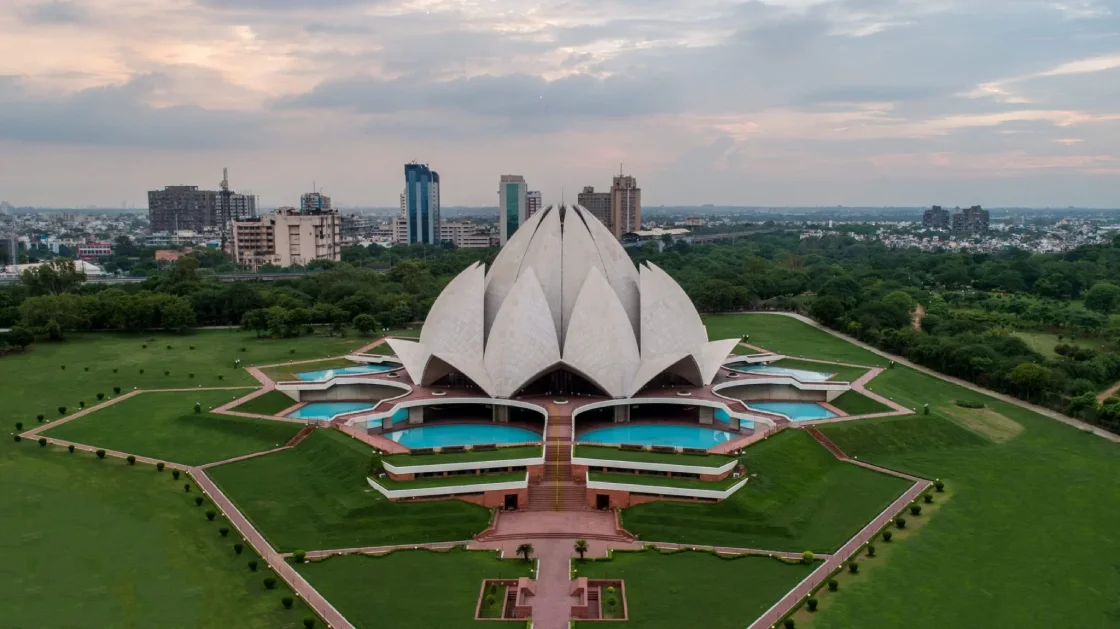
15 Famous Temples in Delhi: Timings, Routes & Darshan Highlights
Explore 15 famous temples in Delhi. From Akshardham to Lotus Temple, discover spiritual sites, timings & entry details.
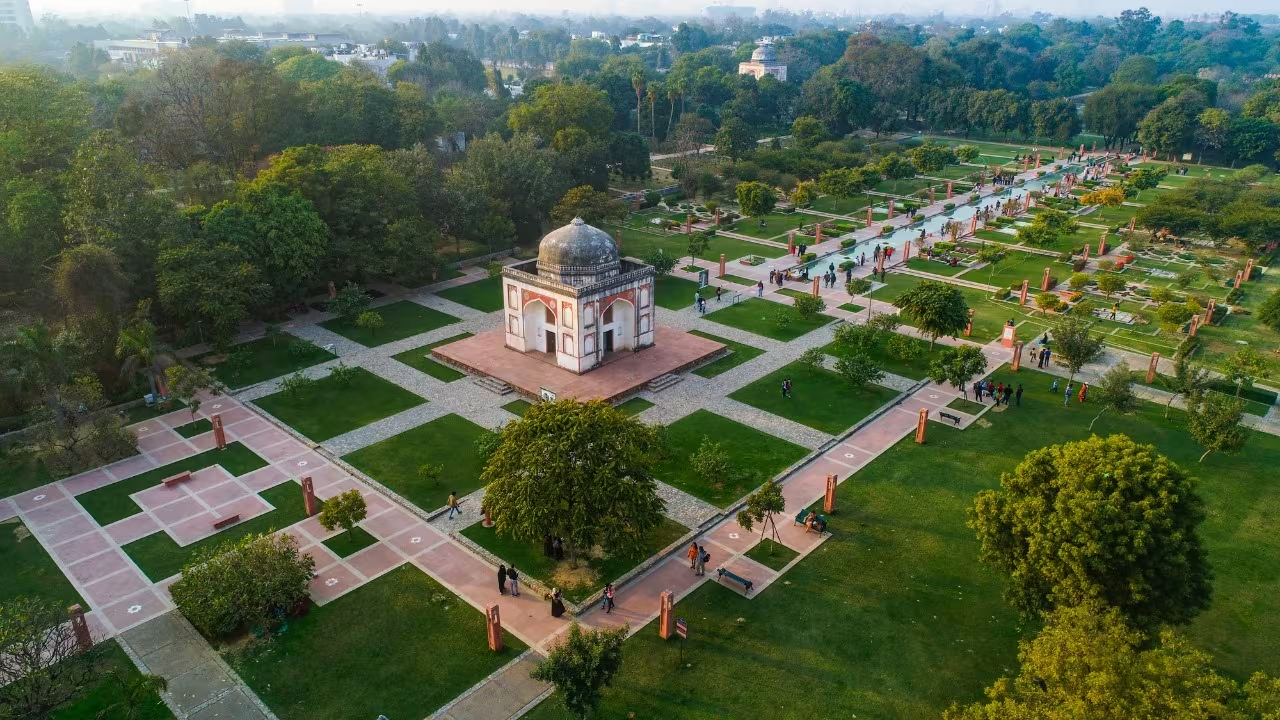
Romantic Places Delhi: Top Spots for Couples
Discover the best romantic places in Delhi for couples, from gardens and heritage spaces to rooftop dinners and budget-friendly evening date ideas.
Never Miss an Adventure
Get the latest trekking guides, travel tips, and exclusive offers delivered straight to your inbox.
