
Air Force Museum Shillong: History, Exhibits & Visit Guide 2026

Priya Mehta
February 19, 2026
Plan your Air Force Museum Shillong visit with key exhibits, timings, entry details, and practical local tips.
Air Force Museum Shillong: A Tribute to Aviation Heritage
The Indian Air Force Museum in Shillong stands as a testament to India's rich aviation history and the valiant efforts of the Indian Air Force personnel. Located within the Eastern Air Command headquarters, this museum offers visitors a fascinating journey through the evolution of military aviation in India's northeastern region. The museum showcases an impressive collection of aircraft, weapons, uniforms, photographs, and memorabilia that chronicle the development of the IAF from its early days to its current status as one of the world's most capable air forces.
What makes this museum particularly special is its focus on the eastern sector's contribution to India's defense and the unique role that Shillong played during World War II and subsequent conflicts. The museum houses aircraft that actually served in various operations, including the 1962 and 1971 wars, giving visitors a chance to see real war machines up close. The exhibits provide insights into the technological evolution of aviation, the heroic stories of IAF personnel, and the strategic importance of the northeastern region in India's defense setup.
Historical Significance
Shillong's association with military aviation dates back to World War II when the city served as an important base for Allied forces. The airport in Shillong was a crucial refueling and maintenance stop for aircraft flying between India and China on the famous Hump route. After independence, Shillong became the headquarters of the Eastern Air Command, given its strategic location in India's northeastern region. The museum was established to preserve this rich heritage and educate visitors about the role of air power in national defense.
The museum's location within the Eastern Air Command headquarters adds to its authenticity and provides visitors with a sense of being at an active military facility. The exhibits document the IAF's participation in various conflicts, peacekeeping missions, and humanitarian operations. Special emphasis is given to the challenges of operating in the difficult terrain and weather conditions of the northeast. The museum also honors the brave air warriors who made the ultimate sacrifice while serving the nation.
Major Exhibits and Collections
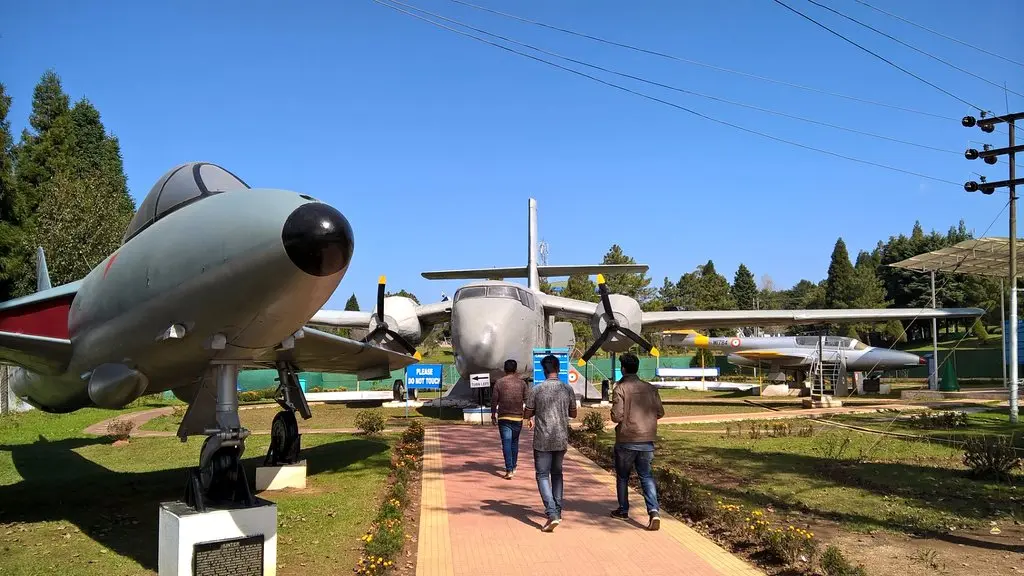
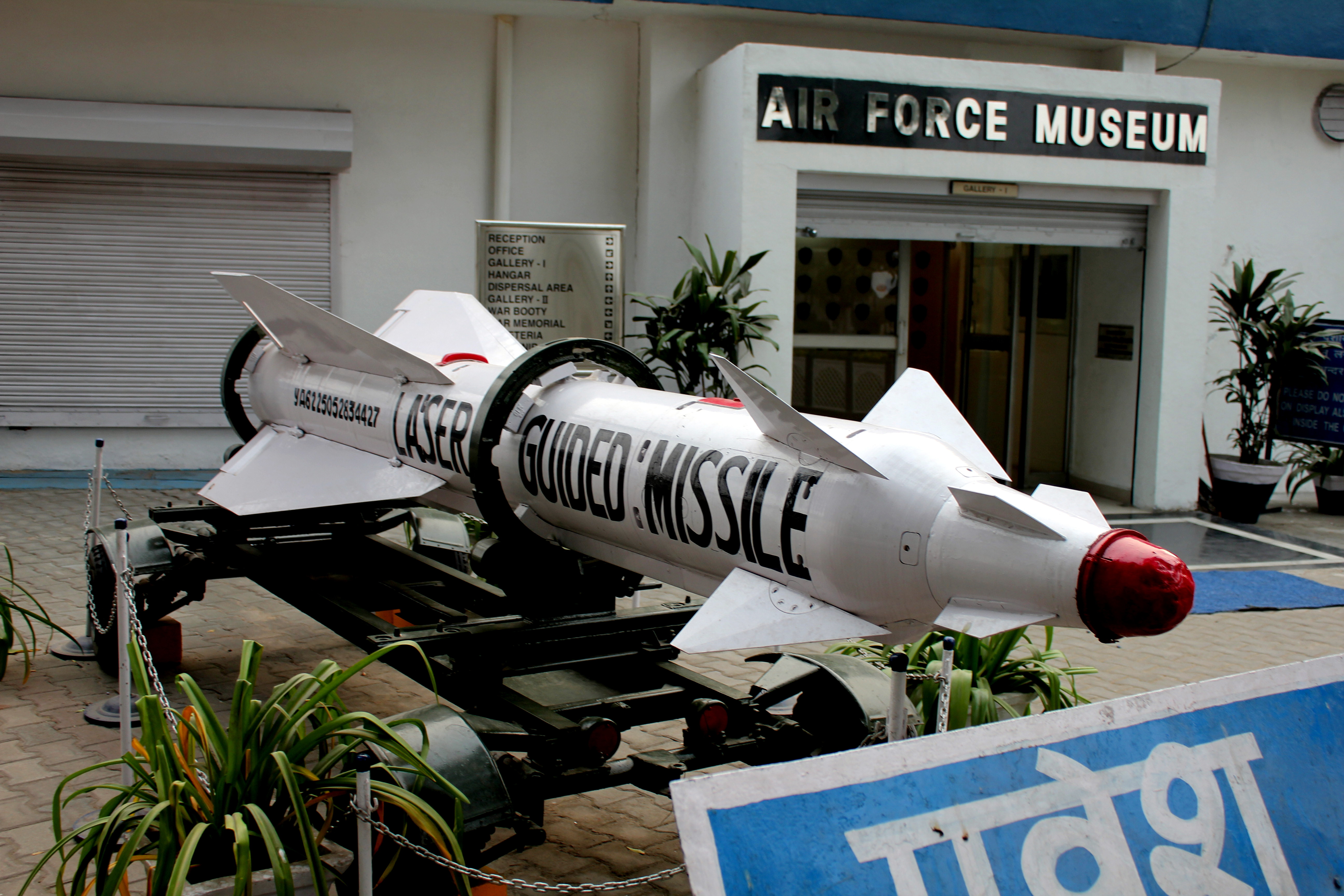
The Air Force Museum in Shillong houses an impressive array of exhibits that appeal to both aviation enthusiasts and casual visitors. The outdoor display area features several aircraft that served with the IAF, including fighter jets, transport aircraft, and helicopters. These aircraft are maintained in excellent condition and provide visitors with an opportunity to see military machines up close. Each aircraft comes with detailed information panels explaining its role in IAF operations and technical specifications.
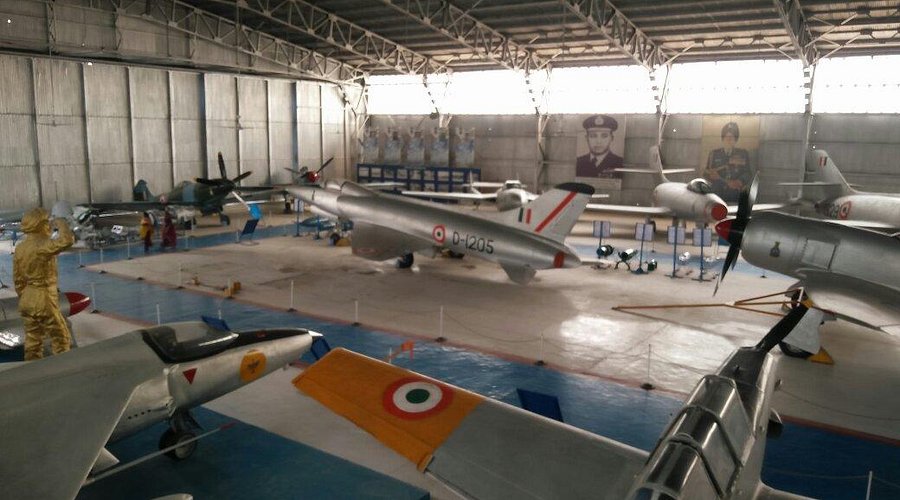
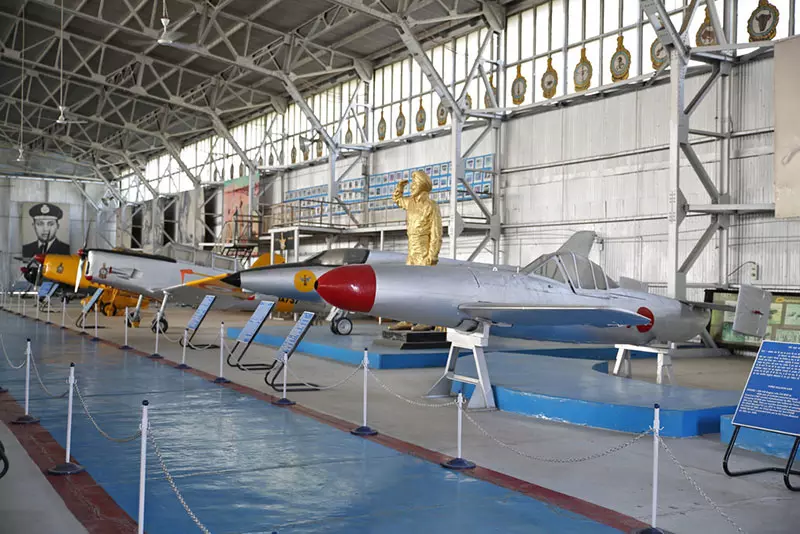
The indoor galleries house uniforms worn by IAF personnel over the decades, medals and decorations awarded for gallantry, weapons and equipment used in various operations, and models of different aircraft. The photograph gallery documents important moments in IAF history, including famous operations, notable achievements, and the evolution of air bases in the northeast. The museum also features exhibits on the 1971 Bangladesh Liberation War, highlighting the crucial role played by the IAF from bases in the eastern sector.
Aircraft on Display
The outdoor display area is the museum's highlight, featuring actual aircraft that served with distinction. Visitors can see fighter jets like the MiG-21 and HAL Ajeet, which were mainstays of IAF's combat fleet for decades. Transport aircraft including the Avro and Dakota are on display, showcasing the logistical capabilities required to support operations in remote northeastern areas. Helicopters like the Mi-8 and Chetak demonstrate rotary-wing aviation's crucial role in the mountainous terrain of the northeast.
Each aircraft has been maintained with care, preserving its original markings and configuration. Information plaques provide technical details, service history, and interesting facts about each machine. Aviation enthusiasts will appreciate the opportunity to see these aircraft at close range, examining details of their design and construction. The scale of these machines becomes apparent when standing next to them, giving visitors a true appreciation of military aviation's technological achievements.
Uniforms and Equipment
The museum's collection of uniforms traces the evolution of IAF attire from the early days to the present. Flying gear, including helmets, oxygen masks, and flight suits from different eras, shows how technology and safety equipment have progressed. The medals and decorations gallery showcases the highest gallantry awards including the Param Vir Chakra, Maha Vir Chakra, and Vir Chakra awarded to IAF personnel from the eastern sector.
Weapons and equipment displays include aircraft guns, missiles, bombs, and communication equipment. Model aircraft collections provide detailed replicas of various IAF aircraft throughout history. The museum also houses personal effects of distinguished officers and air warriors, adding a human element to the displays. These items help visitors understand the personal sacrifices and dedication of those who served in the IAF.
To build a full Shillong day around the museum, add Shillong Peak, a short break at Ward's Lake, local markets from shopping in Shillong, and broader route ideas from the Meghalaya travel guide.
Location and Accessibility
The Air Force Museum is located within the Eastern Air Command headquarters in Shillong. The exact location is near the Upper Shillong area, approximately 5 kilometers from the city center. Given its location within a military establishment, visitors need to follow specific entry procedures and may need to show identification at the gate. The museum is accessible by taxi or private vehicle, though signage within the cantonment area can be confusing, so asking for directions is recommended.
The museum's location offers scenic views of the surrounding hills, adding to the visit's enjoyment. The drive to the museum takes visitors through parts of Shillong's cantonment area, which itself has colonial-era architecture and interesting buildings. Public transport options are limited, so hiring a taxi is the most convenient way to reach the museum. The roads are well-maintained, and the journey through Shillong's hilly terrain is part of the experience.
Timings and Entry Requirements
The Air Force Museum in Shillong is typically open from 9:00 AM to 4:00 PM on weekdays, though it's advisable to check current timings before visiting, as military establishments can have varying schedules. The museum may be closed on weekends and public holidays, or have restricted access. There is usually no entry fee, though visitors need to carry valid identification proofs. Indian citizens should carry Aadhar card, voter ID, or passport. Foreign nationals should carry their passport and visa.
Photography rules may be stricter than in other museums, given the military establishment. Visitors should ask about photography permissions and restricted areas before taking photographs. Some sections of the museum or certain exhibits might be off-limits to photography for security reasons. Security checks are standard procedure, and visitors should cooperate with security personnel. The museum visit typically takes 1-2 hours, depending on your level of interest in aviation and military history.
Best Time to Visit
The best time to visit the Air Force Museum in Shillong is during the summer and autumn months from March to November when the weather is pleasant. Shillong's climate remains comfortable throughout the year, but winter months (December-February) can be quite cold, especially when exploring the outdoor aircraft display. Morning visits are recommended as the weather is generally clearer, providing good lighting for viewing the exhibits and photography.
The museum receives fewer visitors on weekdays compared to weekends when it's open. Visiting during weekdays offers a quieter, more contemplative experience. The outdoor aircraft display is best viewed in natural daylight, so planning your visit between 10 AM and 3 PM ensures good visibility. Monsoon season (June-September) brings heavy rainfall to Shillong, which might affect outdoor viewing, though the indoor galleries can be explored comfortably regardless of weather.
Visitor Experience
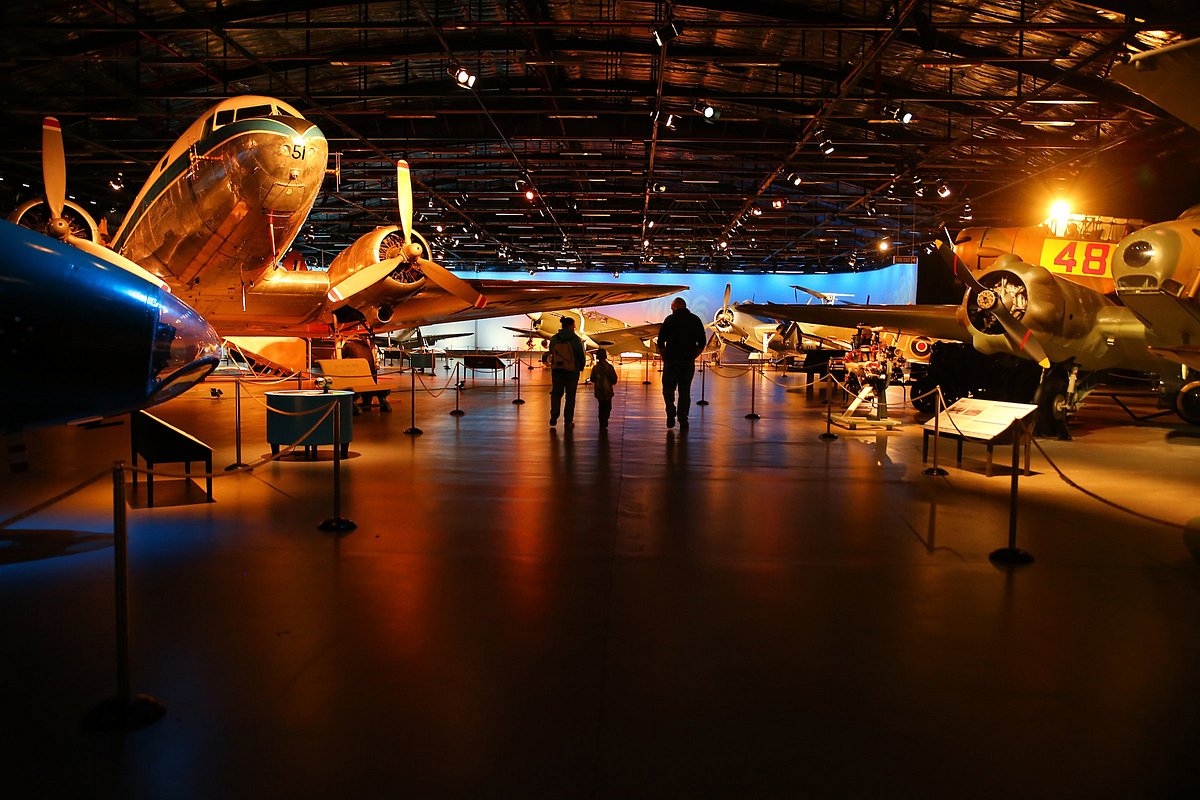
A visit to the Air Force Museum offers a unique educational experience that combines history, technology, and patriotism. As you walk through the galleries, you'll gain insights into the evolution of military aviation in India and the specific challenges of operating in the northeastern region. The real aircraft on display provide a tangible connection to history, allowing visitors to appreciate the scale and complexity of these machines. The museum succeeds in making technical aviation information accessible to laypersons through well-designed information panels and knowledgeable staff.
The museum particularly appeals to children interested in aviation, families looking for educational outings, and defense enthusiasts. The sense of patriotism that naturally develops while learning about the IAF's contributions to national security makes this a meaningful visit for Indian citizens. The museum's location within an active military base adds authenticity to the experience, though visitors should remember they are in a secure facility and conduct themselves accordingly.
Facilities for Visitors
The Air Force Museum offers basic facilities for visitor comfort. Restroom facilities are available within the museum complex. The outdoor display area has pathways that allow visitors to move around the aircraft safely. Information boards are placed throughout the museum, providing context for the exhibits. However, the museum lacks some of the modern amenities found in commercial museums, such as cafeterias or souvenir shops.
Parking is available near the museum entrance for those arriving by private vehicle. Given the military establishment's security requirements, vehicles may be subject to security checks. The museum staff, typically IAF personnel, are generally knowledgeable and willing to answer questions about the exhibits. However, visitors should respect any restrictions or security protocols. The museum maintains basic cleanliness standards, though facilities are functional rather than luxurious.
Nearby Attractions in Shillong
Shillong offers several attractions that can be combined with a visit to the Air Force Museum. The Shillong Peak, located about 10 kilometers away, offers panoramic views of the city and surrounding hills. Ward's Lake in the city center is a beautiful artificial lake with gardens and boating facilities. The Don Bosco Museum, one of northeast India's best museums, showcases the region's culture and biodiversity. Police Bazar is the main market area where visitors can experience local shopping and food.
Other attractions include the State Museum, Lady Hydari Park, and the golf course (one of India's oldest and highest). The Elephant Falls, approximately 12 kilometers from the city, is a popular waterfall worth visiting. The Umiam Lake area, about 15 kilometers from Shillong, offers water sports and scenic beauty. Combining the Air Force Museum with these attractions makes for a full day of sightseeing in Shillong.
Educational Value
The Air Force Museum serves as an important educational resource, particularly for students interested in aviation, history, and military affairs. The exhibits provide a comprehensive overview of how air power has evolved and its role in national defense. Schools and colleges often organize educational trips to the museum, helping students understand the technological and historical aspects of aviation. The museum's focus on the eastern sector provides specific insights that aren't available in other IAF museums.
For those considering a career in the armed forces, particularly the Indian Air Force, the museum provides valuable information about training, equipment, and career paths. The stories of brave air warriors inspire patriotism and dedication to service. The technical aspects of aircraft and aviation technology offer learning opportunities for engineering students. The museum's documentation of historical events provides researchers with primary sources for studying India's military history.
Planning Your Visit
When planning a visit to the Air Force Museum in Shillong, carry valid identification as it's mandatory for entry. Check current opening timings before your visit as military establishment schedules can change. Wear comfortable walking shoes as you'll be exploring both indoor galleries and outdoor displays. Photography permissions should be confirmed at the entrance – some areas may be restricted for security reasons.
Allow 1-2 hours for a comprehensive visit. The museum is best suited for visitors aged 10 and above who can appreciate the historical and technical aspects of the exhibits. Consider visiting on a weekday for a quieter experience. Combine the museum visit with other Shillong attractions for a full day of sightseeing. Be respectful of the military establishment's protocols and dress modestly. Ask permission before photographing any personnel or restricted areas.
Significance for Aviation Enthusiasts
For aviation enthusiasts, the Air Force Museum in Shillong offers a unique opportunity to see actual military aircraft up close. Unlike many museums that display only replicas, this museum features aircraft that served in active duty. The collection includes both vintage aircraft that represent the early days of the IAF and more modern machines that show technological advancement. The outdoor display allows visitors to walk around the aircraft, examining details from multiple angles.
The museum's documentation of each aircraft's service history adds depth to the viewing experience. Knowing that a particular aircraft participated in specific operations creates a connection to history. The technical specifications provided satisfy the curiosity of those interested in aviation engineering. The museum also serves as a resource for researchers studying military aviation history in India's northeastern region.
Role in Promoting Air Force Awareness
The Air Force Museum plays an important role in promoting awareness about the Indian Air Force among the general public. Many civilians have little exposure to military life and operations, and museums like this help bridge that gap. By showcasing the IAF's history, achievements, and capabilities, the museum helps citizens appreciate the role of air power in national security. The stories of bravery and sacrifice highlighted in the museum create emotional connections and foster respect for the armed forces.
The museum's presence in Shillong, a major city in the northeast, helps regional residents understand the strategic importance of their area in national defense. This awareness is particularly important in border regions where the military has a significant presence. The museum's educational programs for students help inspire the next generation of potential air force personnel. By making the exhibits accessible and informative, the museum succeeds in its mission of educating the public about the IAF.
Preservation and Maintenance
The preservation of historic aircraft and artifacts requires specialized knowledge and resources. The Indian Air Force has dedicated teams responsible for maintaining the museum's exhibits. The outdoor aircraft need regular maintenance to prevent weather damage, including corrosion control and painting. The indoor exhibits require climate control and proper storage conditions to prevent deterioration. The museum faces challenges typical of military museums, including balancing security requirements with public access.
The IAF's commitment to maintaining this museum demonstrates its recognition of heritage's importance in military culture. Preserving historic aircraft allows new generations of air warriors to understand their predecessors' challenges and achievements. The museum also serves as a repository of institutional knowledge, documenting lessons learned from various operations. This preservation work ensures that the IAF's history and traditions are not lost to time.
Conclusion
The Air Force Museum in Shillong offers a unique window into India's aviation heritage and the Indian Air Force's illustrious history. Its collection of real aircraft, weapons, uniforms, and memorabilia provides an authentic experience that can't be replicated in commercial museums. The museum's focus on the eastern sector adds regional specificity that makes it particularly valuable for understanding the complete story of India's defense.
For visitors to Shillong, the museum offers an educational and inspiring experience that combines history, technology, and patriotism. Whether you're an aviation enthusiast, a student of military history, or simply curious about the Indian Air Force, this museum delivers on all fronts. The opportunity to see actual military aircraft up close, to learn about heroic operations, and to understand the challenges of defending India's northeastern frontier makes this museum a meaningful addition to any Shillong itinerary.
As the IAF continues to evolve and modernize, museums like this play a crucial role in preserving heritage and educating future generations. The Air Force Museum in Shillong stands as a tribute to the brave air warriors who served in the eastern sector and as an inspiration for those who will follow in their footsteps.
Location
Frequently Asked Questions
Q1.Where is the Air Force Museum located in Shillong?
Q2.What are the timings of Air Force Museum Shillong?
Q3.Is there an entry fee for Air Force Museum Shillong?
Q4.What can we see at Air Force Museum Shillong?
Q5.Is photography allowed in Air Force Museum Shillong?
Q6.How much time is needed to visit Air Force Museum?
Q7.What is the best time to visit Air Force Museum?
Q8.Who should visit Air Force Museum Shillong?
Recommended For You
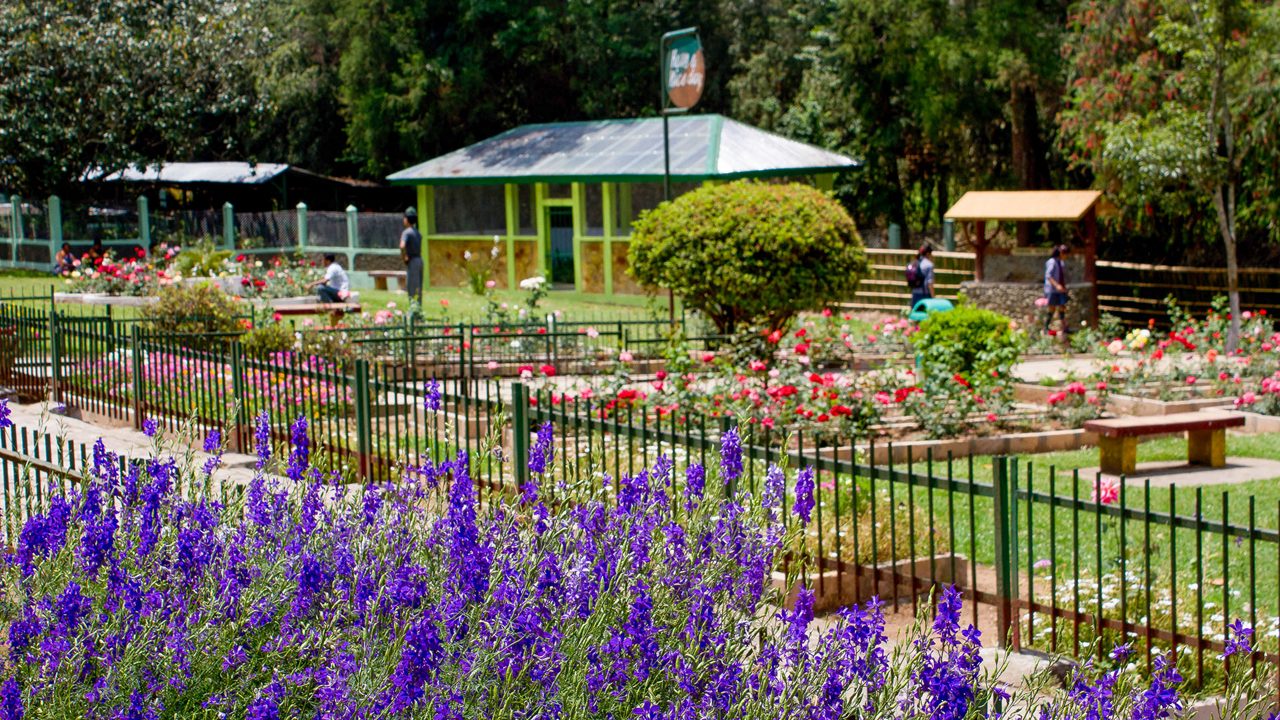
Butterfly Museum Shillong: Timings, Ticket Info & Visitor Details
Plan your Butterfly Museum Shillong visit with timings, entry details, species highlights, route tips, and nearby attractions for a well-paced city day.
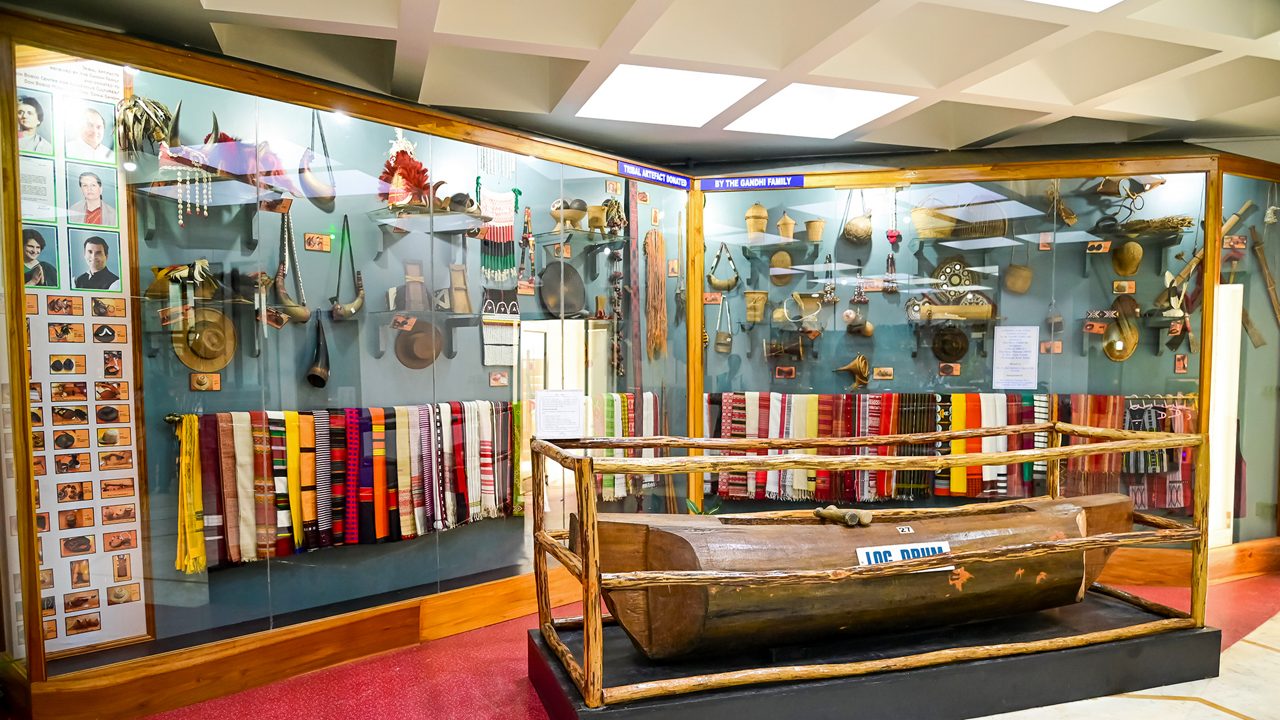
Museums in Shillong: Complete Guide to 5 Museums
Explore museums in Shillong - Butterfly Museum, Don Bosco Centre, Air Force Museum & more. Complete guide with timings, entry fees, and visitor information.
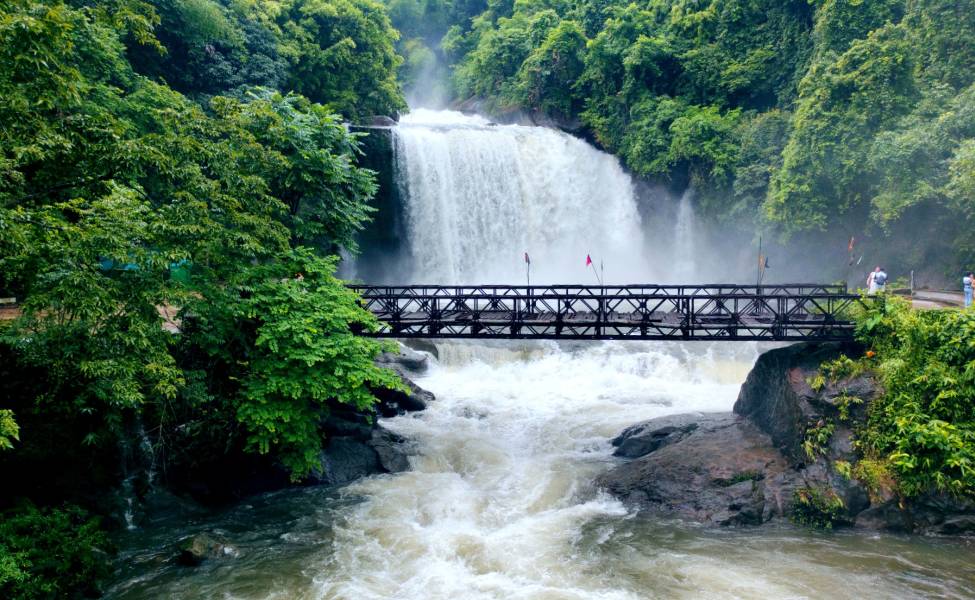
Tourist Places in Shillong: Sightseeing Route, Timings & Best Views
Discover the top tourist places in Shillong with waterfalls, lakes, viewpoints, museums, markets, and practical day-trip planning for Cherrapunji and Dawki.
Never Miss an Adventure
Get the latest trekking guides, travel tips, and exclusive offers delivered straight to your inbox.
