
15 Famous Temples in Delhi: Timings, Routes & Darshan Highlights

Ananya Sharma
November 30, 2025
Explore 15 famous temples in Delhi. From Akshardham to Lotus Temple, discover spiritual sites, timings & entry details.
Introduction to Delhi Temple Heritage
Delhi, as the capital of India and a melting pot of diverse cultures, holds a rich temple heritage that reflects the country's spiritual diversity. The city's temple landscape spans ancient traditions, modern architectural marvels, and worship practices from different religious traditions. From historic temples dating back to the Mughal era to contemporary complexes representing new India, Delhi offers temple experiences that are both spiritually meaningful and architecturally fascinating.
What makes Delhi's temple scene particularly interesting is this architectural and historical range. You can find traditional North Indian temple architecture alongside modern structures that represent India's contemporary spiritual identity. The city's temples maintain regular worship while also serving as important cultural and community centers. For travelers exploring India's spiritual heritage, Delhi provides a concentrated temple circuit that can be covered efficiently while offering diverse experiences.
This guide covers Delhi's most famous temples, practical information for visits, and temple circuit planning tips to help you explore efficiently.
Akshardham Temple
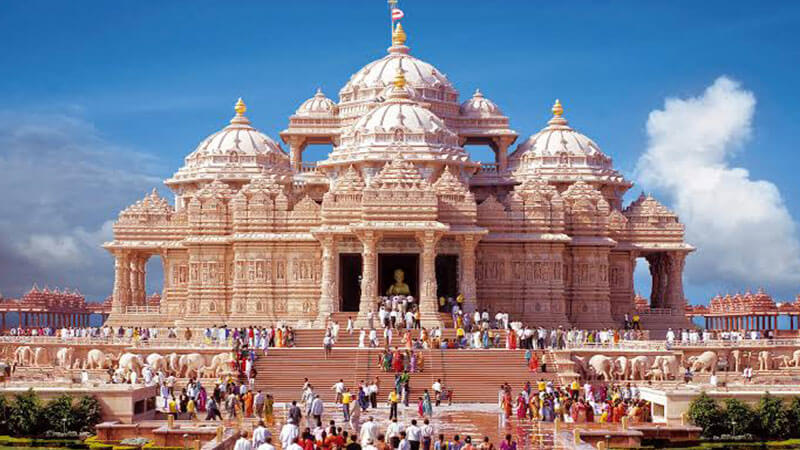
Akshardham Temple, located in East Delhi near Noida Mor, is one of Delhi's most visually striking temples. Dedicated to Swaminarayan, a form of Lord Vishnu, the temple was inaugurated in 2014 and represents modern Indian temple architecture. The temple's contemporary design while maintaining traditional elements makes it architecturally unique among India's temples.
The temple complex is expansive and well-maintained, featuring beautiful gardens, water features, and the famous musical fountain show. What makes Akshardham particularly visitor-friendly is its combination of free entry (except for paid exhibitions and special features), excellent facilities, and efficient crowd management. The temple maintains a peaceful atmosphere despite receiving large visitor numbers daily.
Highlights and Practical Information
| Detail | Information |
|---|---|
| Location | East Delhi, near Noida Mor |
| Timings | 9:30 AM - 6:30 PM (Closed Monday) |
| Entry | Free (paid exhibitions available) |
| Duration | 3-4 hours for complete visit |
| Metro Access | Akshardham Station (Blue Line) |
| Deity | Swaminarayan (Vishnu) |
| Special | Musical fountain show; exhibitions; modern architecture |
| Photography | Not allowed inside main sanctum |
| Best Time | Morning or evening shows for fountain display |
Lotus Temple (Bahá'í House of Worship)
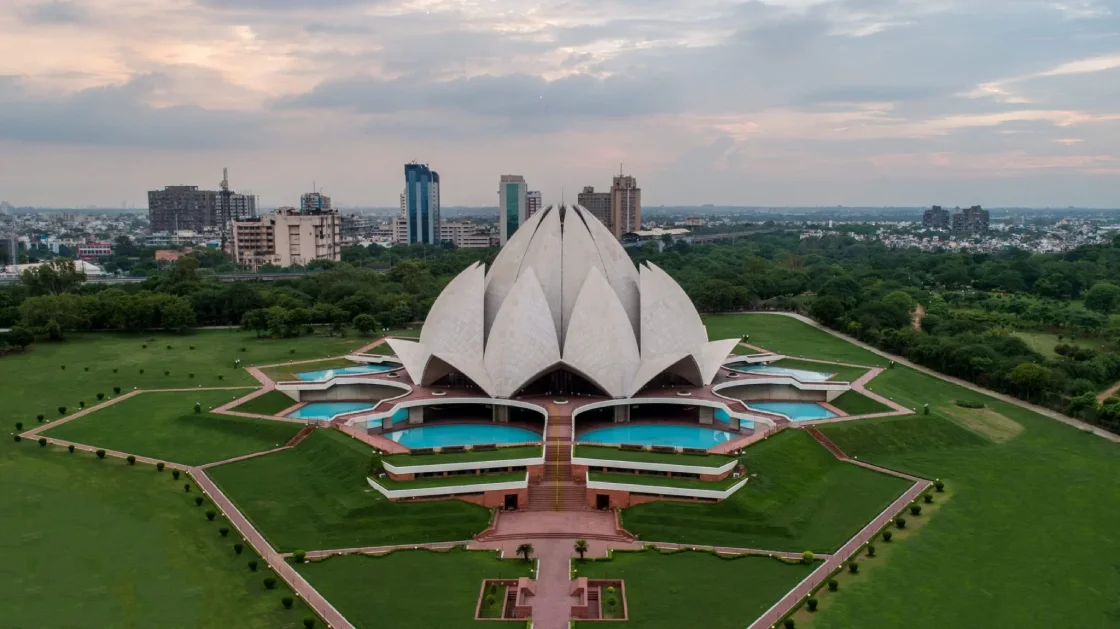
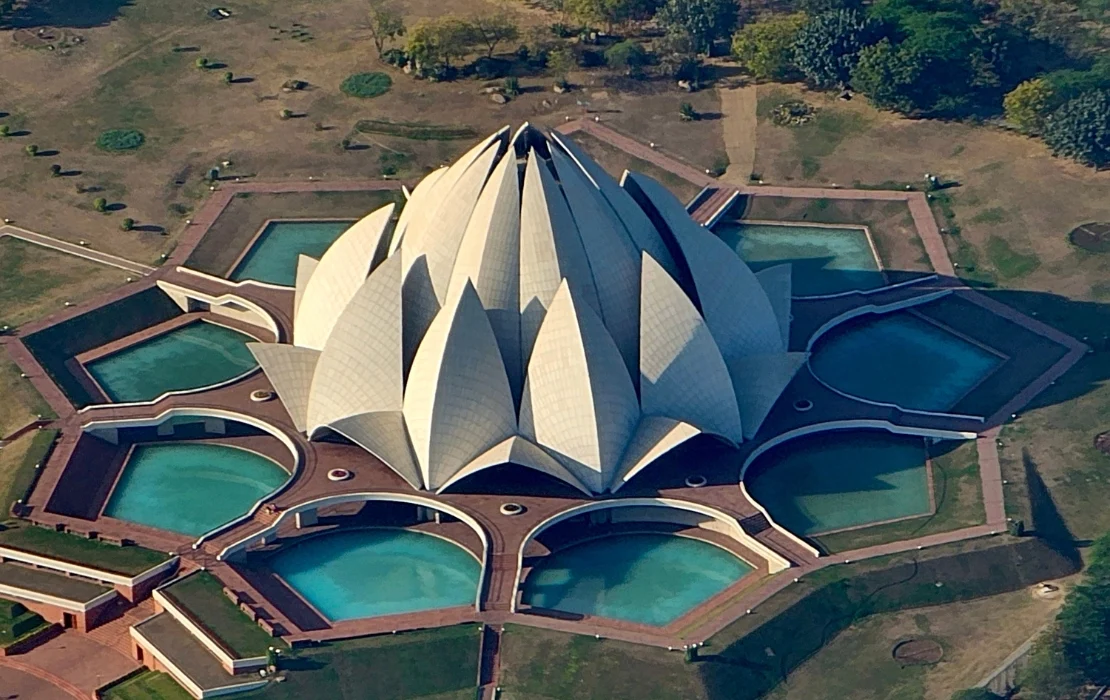
Lotus Temple, officially known as Bahá'í House of Worship, is one of Delhi's most distinctive spiritual landmarks. Located in Bahapur area near Kalkaji, the temple's lotus flower-shaped architecture makes it visually stunning and architecturally significant. The temple serves as the mother temple of the Bahá'í faith in the Indian subcontinent.
The temple design, completed in 1986, features 27 independent lotus-shaped marble petals that form the main structure. The central hall, where Bahá'í scriptures are read during services, can accommodate 1,300 people. What makes Lotus Temple special beyond its architecture is the peaceful meditation atmosphere it maintains. The temple premises include extensive gardens and water features that create a serene environment for contemplation.
Practical Information
- Location: Bahapur, near Kalkaji, South Delhi
- Timings: 9:00 AM - 5:30 PM (Closed Monday)
- Entry: Free for all visitors
- Duration: 1-2 hours for visit and meditation
- Metro Access: Kalkaji Mandir Station (Violet Line)
- Deity: Bahá'í faith (no idol worship)
- Architecture: Lotus flower shape, marble petals
- Special: Peaceful meditation; prayer hall with capacity 1,300
- Photography: Allowed outside main hall
- Best Time: Weekday mornings for quieter atmosphere
ISKCON Temple Delhi
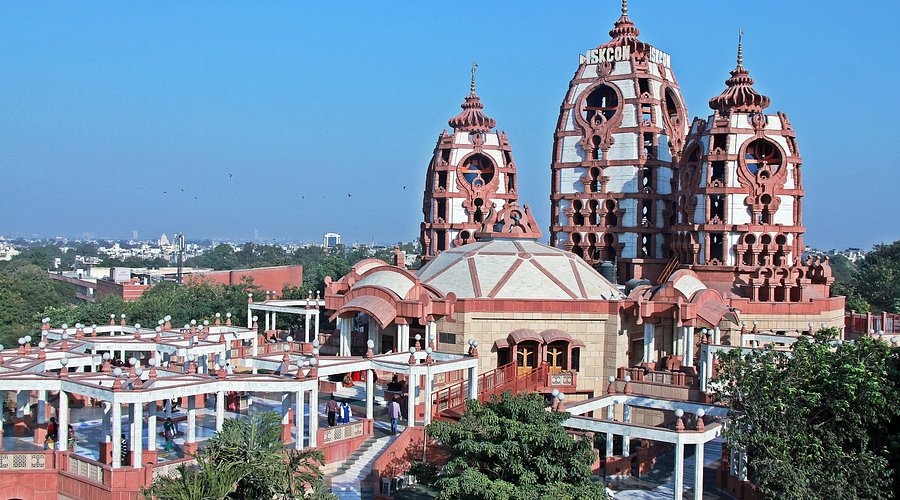
ISKCON Temple Delhi, located in Sant Nagar area of East Delhi near Kailash Colony, represents the ISKCON movement's presence in the capital. The temple is dedicated to Lord Krishna and Radha, following ISKCON's worship traditions that focus on Krishna consciousness, devotional singing (kirtan), and prasadam distribution.
The temple architecture blends modern construction with traditional temple elements, creating a clean and well-maintained spiritual environment. Beyond darshan, the temple offers Sunday feast programs that are popular among both devotees and visitors interested in experiencing ISKCON culture. The temple maintains regular aarti schedules, and the evening aarti typically has strong devotional atmosphere.
Practical Information
- Location: Sant Nagar, East Delhi (near Kailash Colony)
- Timings: 4:30 AM - 8:00 PM
- Entry: Free (donations welcome)
- Duration: 1-2 hours for darshan and exploration
- Metro Access: Kailash Colony Station (Blue Line)
- Deity: Lord Krishna and Radha
- Special: Sunday feast program; prasadam distribution; kirtan sessions
- Architecture: Modern traditional style
- Best Time: Evening aarti for devotional experience; Sunday for feast
Hanuman Temple Connaught Place
Hanuman Temple at Connaught Place, located on Baba Kharak Singh Marg in Central Delhi, is one of the capital's historic temples with roots in the Mughal era. The temple is dedicated to Lord Hanuman and maintains unique worship traditions. What makes this temple particularly notable is the continuous chanting of Hanuman Chalisa that takes place throughout the day, creating a distinct devotional atmosphere.
The temple's historical significance and central location make it easily accessible for devotees and tourists. The small but spiritually charged space sees regular visitors throughout the day. Tuesdays and Saturdays, considered auspicious for Hanuman worship, typically see increased footfall. The temple's 24-hour chanting tradition adds to its spiritual energy and distinct character.
Practical Information
- Location: Baba Kharak Singh Marg, Connaught Place
- Timings: 5:00 AM - 10:00 PM (all days)
- Entry: Free for all visitors
- Duration: 30-45 minutes for darshan
- Metro Access: Rajiv Chowk Station (Blue, Yellow Lines)
- Deity: Lord Hanuman
- History: Mughal-era origins
- Special: Continuous Hanuman Chalisa chanting (24 hours)
- Best Time: Tuesday and Saturday for Hanuman worship
Birla Mandir (Lakshmi Narayan Temple)
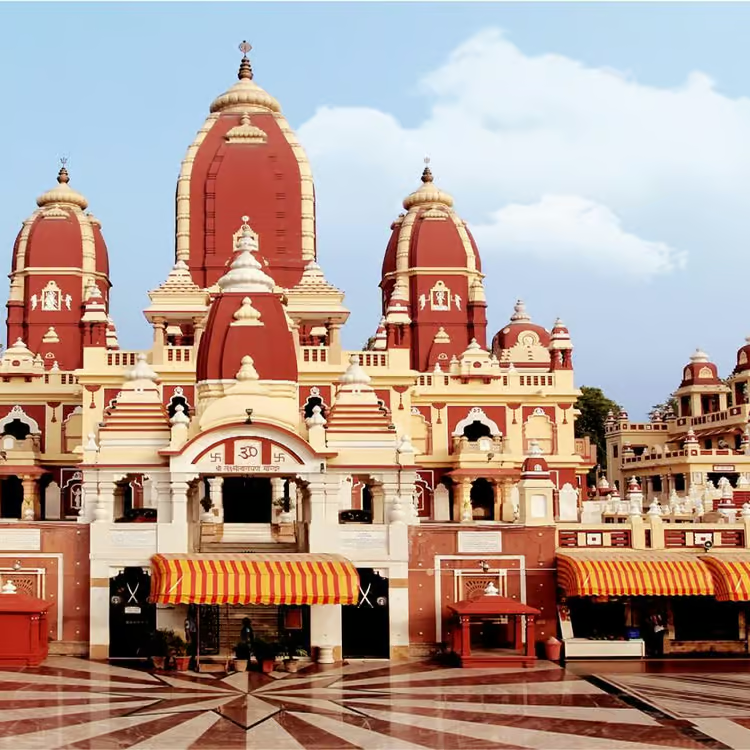
Birla Mandir, located on Mandir Marg near Shivaji Stadium, is dedicated to Lord Lakshmi Narayan, a form of Lord Vishnu and Goddess Lakshmi. Built by the Birla family, the temple follows traditional Nagara architectural style and features intricate marble work that represents Birla family's temple-building tradition.
The temple's elevated location provides excellent views of surrounding areas. The temple complex includes well-maintained gardens and water features that add to the visitor experience. Major festivals like Janmashtami (Lord Krishna's birthday) and Diwali are celebrated here with elaborate arrangements, special decorations, and increased devotee participation.
Practical Information
- Location: Mandir Marg, near Shivaji Stadium
- Timings: 4:30 AM - 1:00 PM, 2:30 PM - 9:00 PM
- Entry: Free for all visitors
- Duration: 1-2 hours for visit
- Metro Access: Shivaji Stadium Station (Blue Line)
- Deity: Lord Lakshmi Narayan (Vishnu and Lakshmi)
- Architecture: Traditional Nagara style with marble work
- Special: Gardens and water features; elevated views
- Festivals: Janmashtami, Diwali with elaborate celebrations
- Best Time: Morning aarti for peaceful darshan
Chhatarpur Temple
Chhatarpur Temple, located in Chhatarpur area of South Delhi, is a major temple complex dedicated to Goddess Katyayani, a form of Goddess Durga. The temple is architecturally significant as it is said to be the second largest temple complex in Delhi after Akshardham. The extensive temple premises include multiple shrines, gardens, and well-maintained facilities.
The temple complex represents North Indian temple architecture and maintains regular worship throughout the day. Navratri, the festival dedicated to Goddess worship, is a major celebration here with special pujas, decorations, and large devotee gatherings. The temple's location makes it accessible by both metro and road transport.
Practical Information
- Location: Chhatarpur, South Delhi
- Timings: 6:00 AM - 10:00 PM
- Entry: Free for all visitors
- Duration: 1-2 hours for temple exploration
- Metro Access: Chhatarpur Station (Violet Line)
- Deity: Goddess Katyayani (Durga)
- Architecture: North Indian style; extensive temple complex
- Special: Second largest temple complex in Delhi; gardens
- Festivals: Navratri with grand celebrations
- Best Time: Navratri period for festival experience
Other Notable Temples in Delhi
Beyond the major temples covered above, Delhi has several other sacred sites that contribute to its diverse temple landscape:
Kalkaji Temple: An ancient temple dedicated to Goddess Kali, located in Kalkaji area. The temple has historical significance and maintains regular worship. Its proximity to Lotus Temple makes it convenient to visit both temples in one trip.
Jhandewalan Temple: A Durga temple located in Delhi, known for its historical significance and regular worship activities. The temple sees increased devotee footfall during Navratri and Durga Puja periods.
Sai Baba Temple: Located on Lodhi Road, this temple is dedicated to Shirdi Sai Baba and follows Sai worship traditions. The temple attracts devotees seeking blessings and participates in Sai-related festivals.
Yogmaya Temple: Located in Mehrauli area, this temple is dedicated to Lord Shiva and maintains traditional worship practices. The temple provides a spiritual retreat from Delhi's busier central areas.
Gauri Shankar Temple: Located in Old Delhi, this ancient temple is dedicated to Lord Shiva and has historical importance. The temple's location in Old Delhi makes it part of the city's older spiritual landscape.
Temple Circuit Planning Tips
Best Time to Visit Delhi Temples
October to March offers the most comfortable weather for temple visits in Delhi. Winter months provide cool, pleasant conditions for outdoor exploration. Summer months (April-June) can be hot; early morning or evening visits are more comfortable during this period. Monsoon season (July-September) brings occasional rain; plan indoor temple activities during heavy rainfall.
Duration for Temple Tour
A comprehensive temple circuit covering Delhi's major temples typically requires 2-3 days. Akshardham Temple needs 3-4 hours including exploration and shows. Lotus Temple requires 1-2 hours for visit and meditation. ISKCON, Hanuman Temple (Connaught Place), Birla Mandir, and Chhatarpur can be covered efficiently in one day. Other temples like Kalkaji, Sai Baba, and Yogmaya can be added as per interest and time.
Transportation
Delhi Metro is the most convenient transport option for temple visits. Most major temples—Akshardham (Akshardham Station), Lotus Temple (Kalkaji Mandir Station), ISKCON (Kailash Colony Station), Hanuman Temple (Rajiv Chowk Station), Birla Mandir (Shivaji Stadium Station), and Chhatarpur (Chhatarpur Station)—are accessible by metro. Auto-rickshaws, taxis, and app-based cabs are available for last-mile connectivity.
Accommodation
Delhi offers extensive accommodation options across all budget ranges. Staying in central Delhi areas like Connaught Place, Karol Bagh, or South Delhi provides convenient access to multiple temples. Hotels range from budget to luxury, and choosing accommodation near metro lines adds convenience for temple hopping.
Dress Code and Temple Etiquette
Modest, traditional clothing is recommended for all Delhi temples. Footwear must be removed before entering temple premises. Photography rules vary by temple—Akshardham and Lotus Temple have specific restrictions (no photography inside main sanctum), while others may be more flexible. Ask permission and follow guidelines at each temple.
Food and Prasadam
Most temples distribute prasadam, which can be accepted as blessings. Delhi's food scene offers extensive dining options after temple visits. North Indian cuisine, various regional specialties, and international options are all available. For those interested in exploring festival-related dining, Durga Puja Pandals in Delhi and Diwali in Delhi celebration guide provide insights into festive food experiences.
Conclusion
Delhi's temple landscape offers a comprehensive spiritual journey through diverse traditions, architectural marvels, and unique worship practices. From the modern grandeur of Akshardham Temple to the peaceful meditation space of Lotus Temple, from ISKCON's Krishna consciousness to Hanuman Temple's continuous chanting, from Birla Mandir's marble elegance to Chhatarpur's extensive complex, Delhi temples provide varied and meaningful experiences.
Whether you're seeking blessings at a historic Hanuman temple, marveling at modern temple architecture, experiencing different worship traditions, or combining spiritual visits with Delhi's cultural attractions, the capital's temples deliver rich and memorable encounters. Plan your temple circuit with realistic time allocation, use Delhi Metro for efficient movement, respect temple customs, and combine spiritual exploration with the city's diverse offerings for a complete Delhi experience.
Location
Frequently Asked Questions
Q1.What are the famous temples in Delhi?
Q2.What are Akshardham Temple timings?
Q3.Is Lotus Temple open on all days?
Q4.What is the best time to visit Akshardham?
Q5.Are cameras allowed inside Akshardham?
Q6.How much time is needed at ISKCON Temple?
Q7.What is the entry fee for Delhi temples?
Q8.Are there dress codes for Delhi temples?
Q9.How to reach Akshardham by metro?
Q10.Can we cover all temples in one day?
Recommended For You
Temples in Guntur: 15 Sacred Sites
Explore 15 famous temples in Guntur, Andhra Pradesh. From Amaravati to Mangalagiri, discover spiritual heritage sites.
Temples in Guwahati: 15 Sacred Sites
Explore 15 famous temples in Guwahati, Assam. From Kamakhya to Umananda, discover Shakti Peeth & spiritual heritage.
Temples in Hyderabad: 20 Sacred Sites
Explore 20 famous temples in Hyderabad. From Birla Mandir to Chilkur Balaji, discover spiritual sites, timings & heritage.
Never Miss an Adventure
Get the latest trekking guides, travel tips, and exclusive offers delivered straight to your inbox.
