
Places to Visit in Gujarat: Rann, Gir & Temples

Ananya Sharma
January 12, 2026
Explore the best places to visit in Gujarat - from the Statue of Unity (world's tallest) to the white Rann of Kutch, Asiatic lions of Gir, sacred temples of Dwarka & Somnath. Complete travel guide.
Introduction: Kuch Din Toh Gujaro Gujarat Mein
Imagine a land where the world's tallest statue stands guard over ancient temples, where the only Asiatic lions roam freely in their last natural habitat, where a white desert shimmers under the full moon, and where Mahatma Gandhi began his journey that would change a nation. Welcome to Gujarat – a state that seamlessly blends the ancient and the modern, the spiritual and the spectacular, the wild and the wonderful. Gujarat, India's westernmost state, offers travelers an incredible diversity of experiences. From the white salt marshes of Kutch to the deciduous forests of Gir, from the sacred shores of Dwarka to the colonial streets of Ahmedabad, Gujarat is a treasure trove of culture, heritage, wildlife, and natural beauty. The state's famous tourism campaign "Kuch Din Toh Gujaro Gujarat Mein" (Spend a Few Days in Gujarat) wasn't just marketing hyperbole – it was an invitation to discover a state that rewards curious travelers with unique experiences found nowhere else in India. What makes Gujarat special is its ability to surprise you. You might come for the lions but leave enchanted by the stepwells. You might visit for the temples but fall in love with the food. You might come for the Rann Utsav but find yourself staying for the warmth of the people. Whether you're a wildlife enthusiast, a spiritual seeker, a history buff, or simply someone looking to explore India beyond the obvious, Gujarat has something extraordinary in store.Statue of Unity: The World's Tallest Statue
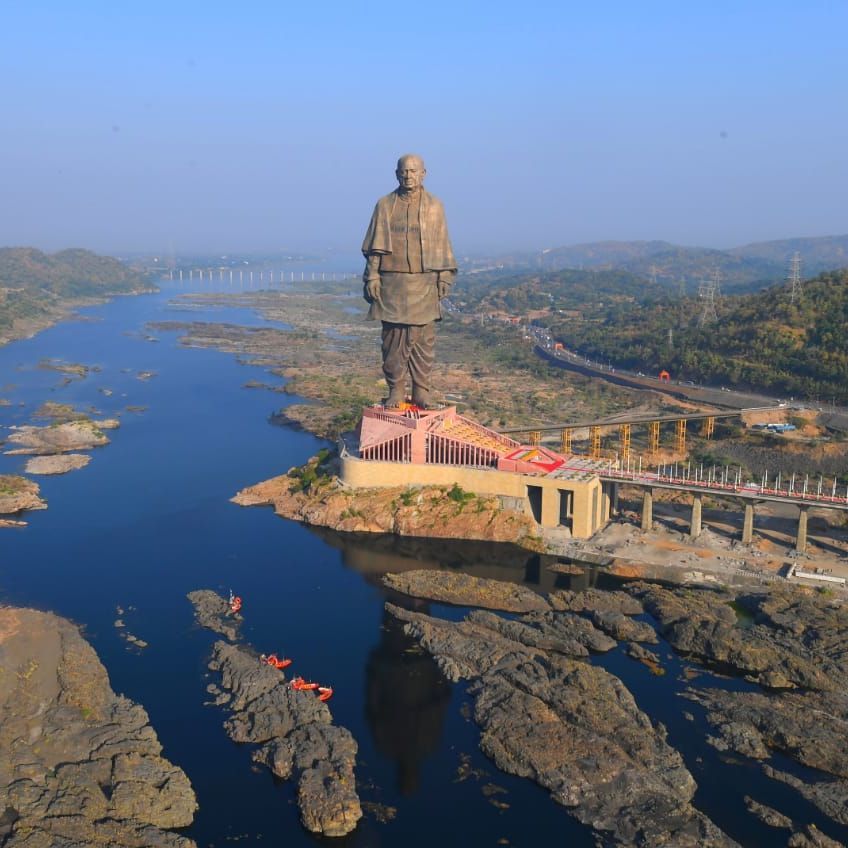 Rising 182 meters (nearly 600 feet) above the Narmada River, the Statue of Unity is not just Gujarat's newest landmark – it's the world's tallest statue, towering even over the Spring Temple Buddha in China. Dedicated to Sardar Vallabhbhai Patel, India's first Deputy Prime Minister and the architect of modern India, this colossal monument is an engineering marvel that has quickly become one of India's most visited attractions.
The Experience
The statue depicts Sardar Patel in a walking posture, wearing typical Gujarati attire. Its sheer scale is difficult to comprehend until you see it firsthand – the statue is so tall that it can be seen from kilometers away. The viewing gallery at 153 meters offers panoramic views of the Sardar Sarovar Dam, the Vindhya and Satpura mountain ranges, and the surrounding forests.What to Do
- Viewing Gallery: Access the 153-meter-high gallery for spectacular views. Tickets must be booked online in advance.
- Valley of Flowers: Spread over 600 acres, this beautifully landscaped garden features thousands of flowers, a butterfly garden, and a maze.
- Museum & Exhibition: Learn about Sardar Patel's life and India's unification through interactive exhibits.
- Laser Show: Evening laser shows illuminate the statue with colorful projections, accompanied by narration about Patel's legacy.
- Jungle Safari: A zoo with animals from across the world, including lions, tigers, and exotic birds.
Practical Information
- Location: Kevadia, approximately 200 km from Vadodara and 400 km from Ahmedabad
- Ticket Prices: ₹350 for viewing gallery, ₹150 for valley entry, ₹250 for laser show
- Best Time to Visit: October to March for pleasant weather
- How to Reach: Direct buses available from Vadodara, Surat, and Ahmedabad
Rann of Kutch: The White Desert
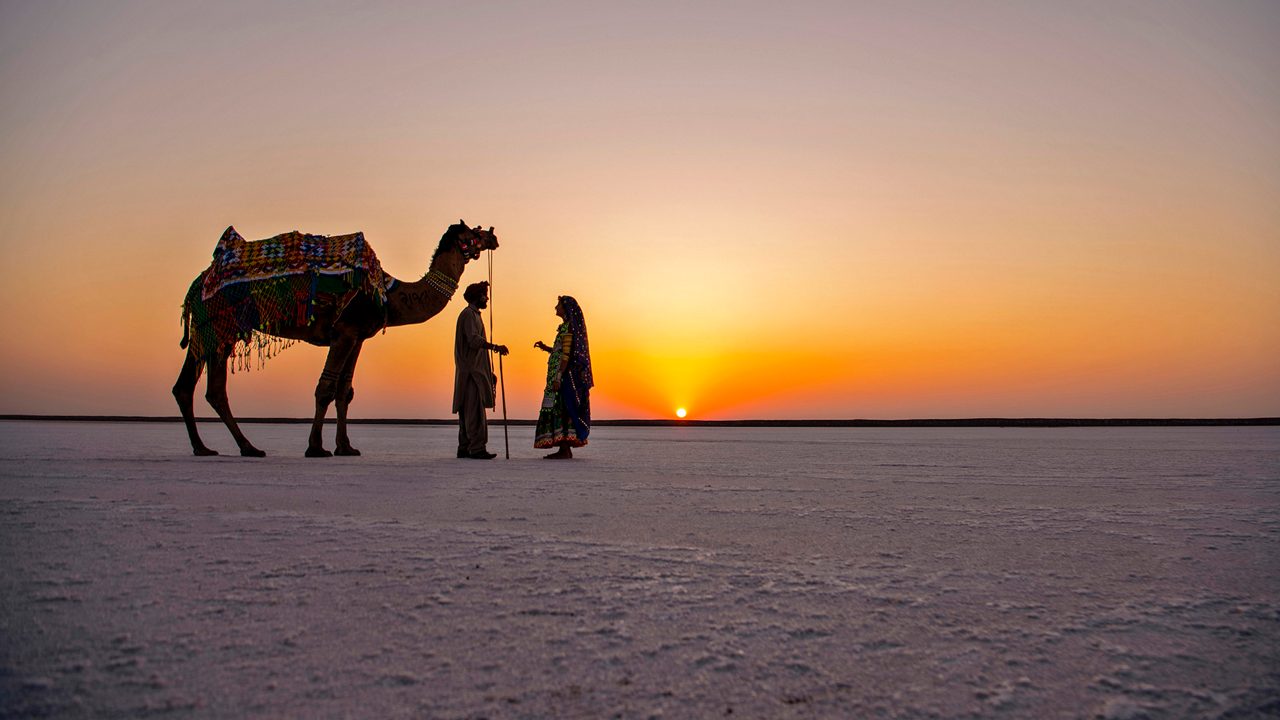 The Great Rann of Kutch is one of the most surreal landscapes on Earth – a vast expanse of white salt desert that stretches as far as the eye can see, merging with the horizon in a blindingly beautiful white expanse. For most of the year, this salt marsh in the Thar Desert appears inhospitable. But come winter, and the Rann transforms into one of India's most magical destinations.
Rann Utsav: The Festival of Colors
From November to February, the Rann hosts the Rann Utsav – a cultural festival that celebrates Gujarat's art, craft, music, and dance. The white desert comes alive with luxury tents, cultural performances, camel safaris, and handicraft markets. The full moon nights are especially magical, with the white salt reflecting the moonlight, creating an otherworldly glow.Key Attractions in Kutch
- White Desert Excursion: The main attraction – vast white salt flats that gleam under the sun and moon. Full moon nights (November-February) are spectacular.
- Kala Dungar (Black Hill): The highest point in Kutch offers panoramic views of the Great Rann. A 400-year-old temple of Dattatreya stands at the summit.
- Aina Mahal: This 18th-century palace in Bhuj features a hall of mirrors, ornate fountains, and a royal collection of artifacts.
- Prag Mahal: An Italian Gothic-style palace next to Aina Mahal, offering stunning views from its bell tower.
- Handicraft Villages: Visit villages specializing in embroidery, mirror work, pottery, and tie-dye textiles.
- Mandvi Beach: A pristine beach where the camel meets the sea. The Vijay Vilas Palace here is worth visiting.
Practical Information
- Best Time: November to February (Rann Utsav period)
- Stay: Tent City offers luxury tents with all amenities. Book well in advance.
- Duration: Plan at least 2-3 days for Kutch
Gir National Park: Home of the Asiatic Lion
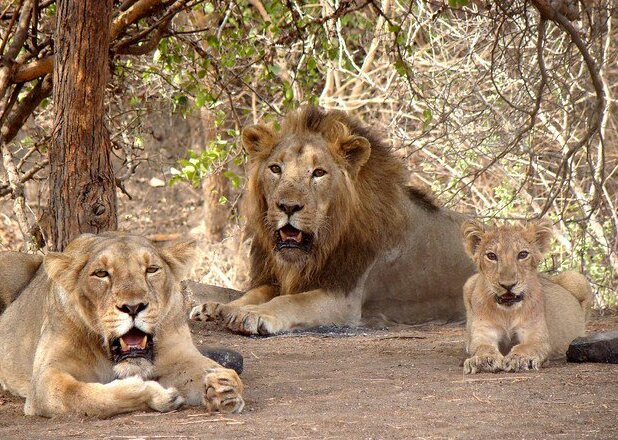 Gir National Park and Wildlife Sanctuary is the only place in the world where Asiatic lions can be seen in their natural habitat. Once found across Southwest Asia, these majestic cats were hunted to near extinction, with only around a dozen remaining by the late 19th century. Thanks to conservation efforts by the Nawabs of Junagadh and later the Gujarat Forest Department, the population has rebounded to over 600 lions today.
The Safari Experience
A jeep safari through Gir's dry deciduous forests offers the thrill of encountering these apex predators in the wild. Unlike African safaris where multiple sightings are common, Gir lions can be elusive – they're excellent at hiding in the dry, scrubby vegetation. But the excitement of tracking them, guided by expert naturalists who interpret pug marks, alarm calls of deer, and lion roars, makes every safari an adventure.Beyond the Lions
While lions are the star attraction, Gir is also home to:- Leopards: Gir has one of India's highest leopard densities
- Sambar Deer: Large deer that are the lions' primary prey
- Spotted Deer (Chital): Commonly seen grazing in open areas
- Nilgai (Blue Bull): India's largest antelope
- Four-horned Antelope (Chowsingha): Unique to the Indian subcontinent
- Wild Boar: Often seen foraging in groups
- Crocodiles: Found in the Kamleshwar Dam reservoir within the park
- Over 300 bird species: Including the endangered Oriental White-backed Vulture
Practical Safari Information
| Zone | Lion Sightings | Landscape | Cost |
|---|---|---|---|
| Tourism Zone | High | Dry deciduous forest | ₹4,800/jeep (Indians) |
| Devalia Safari Park | Guaranteed* | Enclosed area | ₹800/jeep |
*Devalia is a fenced interpretation zone where lions are guaranteed to be seen, though it's less "wild" than the main park.
- Booking: Safari permits must be booked online in advance at girlforest.gujarat.gov.in
- Timing: Morning safari (6-9 AM) and evening safari (3-6 PM)
- Best Time: December to April (vegetation is sparse, making sightings easier)
- Where to Stay: Gir has excellent options from luxury resorts (The Gateway Gir, Taj Gir) to budget homestays
Spiritual Gujarat: Dwarka, Somnath & Palitana
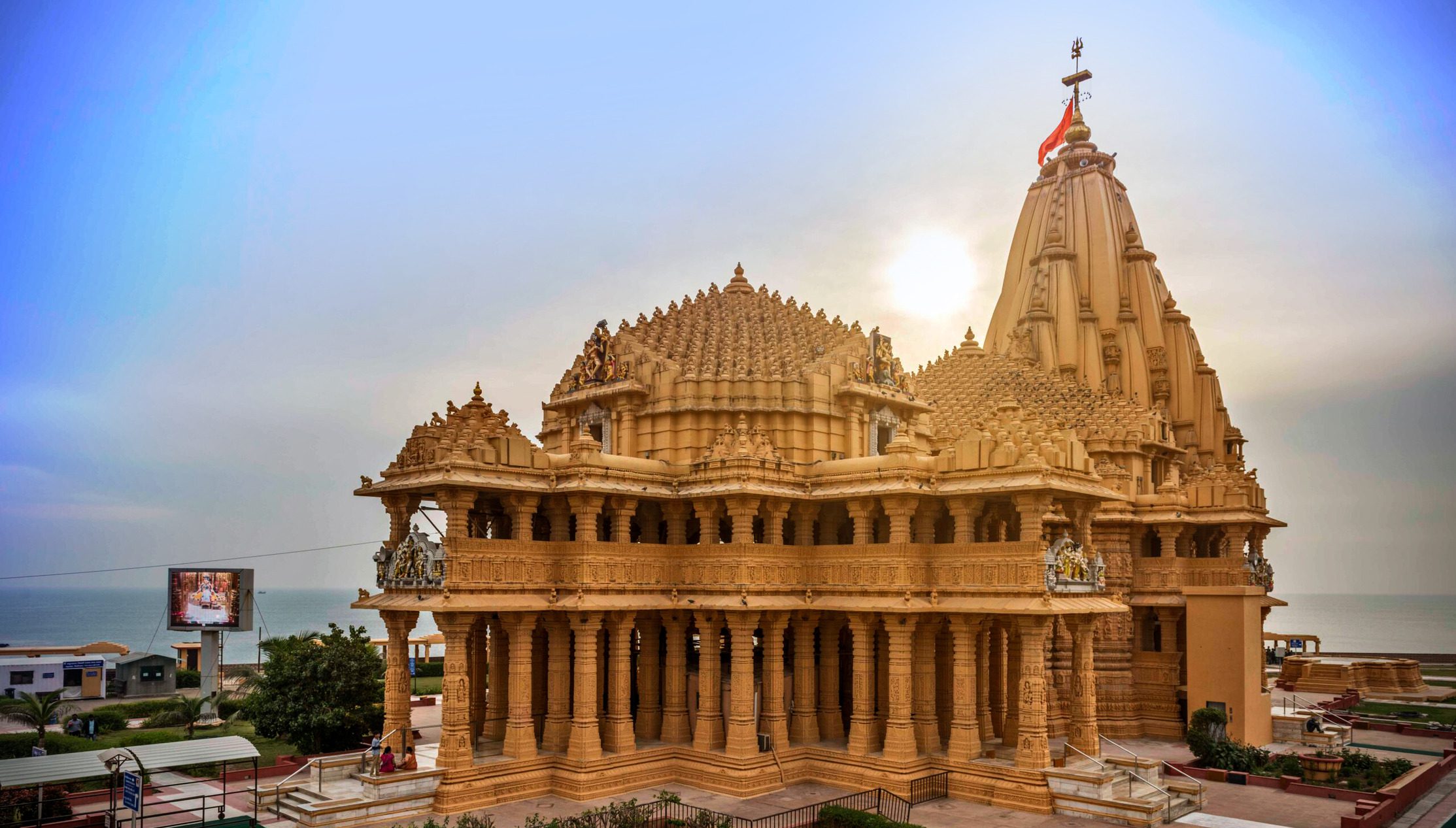 Gujarat is home to some of India's most sacred pilgrimage sites, drawing devotees from across the country and beyond.
Dwarka: The Kingdom of Lord Krishna
According to Hindu mythology, Dwarka was the golden kingdom of Lord Krishna, where he ruled after leaving Mathura. Today, the Dwarkadhish Temple, dedicated to Krishna as Dwarkadhish (King of Dwarka), stands as a testament to this ancient legacy. The five-story temple with its intricately carved spire reaches 78 feet high and houses a beautiful idol of Lord Krishna. Key Attractions:- Dwarkadhish Temple: One of the Char Dham (four holy pilgrimage sites), the temple sees thousands of devotees daily.
- Bet Dwarka: An island accessible by ferry, believed to be Krishna's original residence. The Dwarkadhish Temple here is small but deeply sacred.
- Nageshwar Jyotirlinga: One of the 12 Jyotirlingas, dedicated to Lord Shiva.
- Rukmini Devi Temple: Dedicated to Krishna's wife Rukmini, known for its beautiful carvings.
- Gomti Ghat: The sacred ghat where pilgrims take a ritual dip in the Gomti River before visiting the temple.
Somnath: The Eternal Jyotirlinga
The Somnath Temple in Prabhas Patan is believed to be the first of the 12 Jyotirlingas and has a history as dramatic as its spiritual significance. Destroyed and rebuilt multiple times by invaders, the current structure stands resilient, overlooking the Arabian Sea. The sound of waves crashing against the shore below adds to the temple's mystical atmosphere. Key Features:- Shikhar: The 150-foot main spire dominates the skyline
- Arrow Pillar: A pillar indicating the direction to the South Pole (ancient Indian astronomy)
- Baan Stambh: A pillar inscribed with its distance from various world landmarks
- Sound & Light Show: Evening show that narrates Somnath's history
Palitana: The City of Temples
The Shatrunjaya Hill in Palitana is crowned by over 900 temples, making it the world's largest temple complex. Climbing the 3,500+ steps to reach the summit is a pilgrimage for Jains, who believe that every Jain should visit Palitana at least once in their lifetime. The marble temples, some over 900 years old, are architectural marvels with intricate carvings.- Best Time to Climb: Early morning (starts at 5 AM) to avoid midday heat
- Duration: 2-3 hours for the climb and temple exploration
- Facilities: Palanquins (doli) available for those who can't climb
Ahmedabad: UNESCO World Heritage City
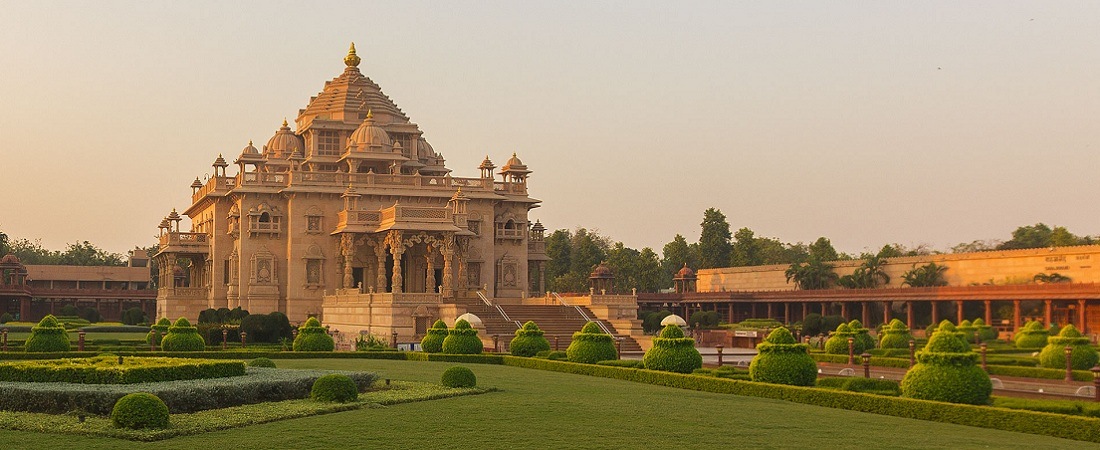
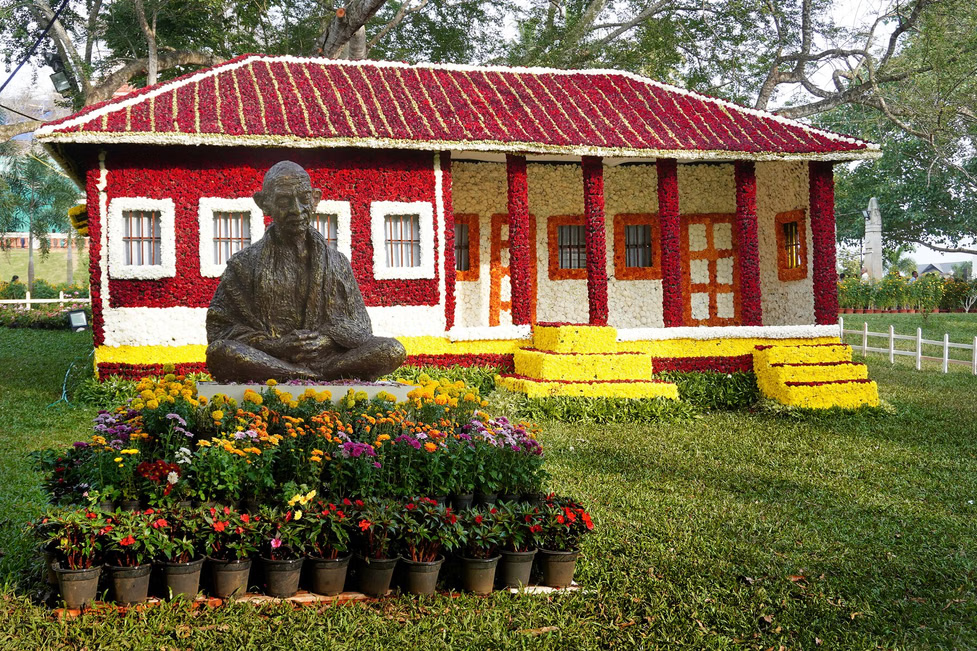 Gujarat's largest city and former capital, Ahmedabad, was declared India's first UNESCO World Heritage City in 2017. Founded by Sultan Ahmed Shah in 1411, the city beautifully blends Islamic architecture, Hindu temples, Jain sanctuaries, and Indo-Saracenic monuments.
Must-Visit in Ahmedabad
- Sabarmati Ashram: Mahatma Gandhi's headquarters from 1917-1930 and the starting point of the famous Dandi March. The ashram, on the Sabarmati River, offers a peaceful retreat and insights into Gandhi's life and philosophy.
- Adalaj Stepwell: This five-story stepwell, built in 1499, is an architectural masterpiece with intricate carvings and a unique cooling system. Stepwells were once crucial water sources in arid Gujarat.
- Jama Masjid: Built in 1424, this is one of India's most beautiful mosques, with 15 domes supported by 300+ pillars.
- Sidi Saiyyed Mosque: Famous for its intricately carved jali (lattice) screens, especially the "Tree of Life" window.
- Kankaria Lake: A 34-sided man-made lake built in 1451, now surrounded by gardens, a zoo, and entertainment options.
- Calico Museum of Textiles: One of the world's finest textile museums, showcasing India's fabric heritage.
Heritage Walk
For deeper exploration, join the Ahmedabad Municipal Corporation's Heritage Walk (starts at 8 AM daily from Swaminarayan Temple). This 2-hour walking tour covers the old city's pols (traditional housing clusters), havelis, and temples, offering insights into Gujarati culture and architecture.More Heritage Sites
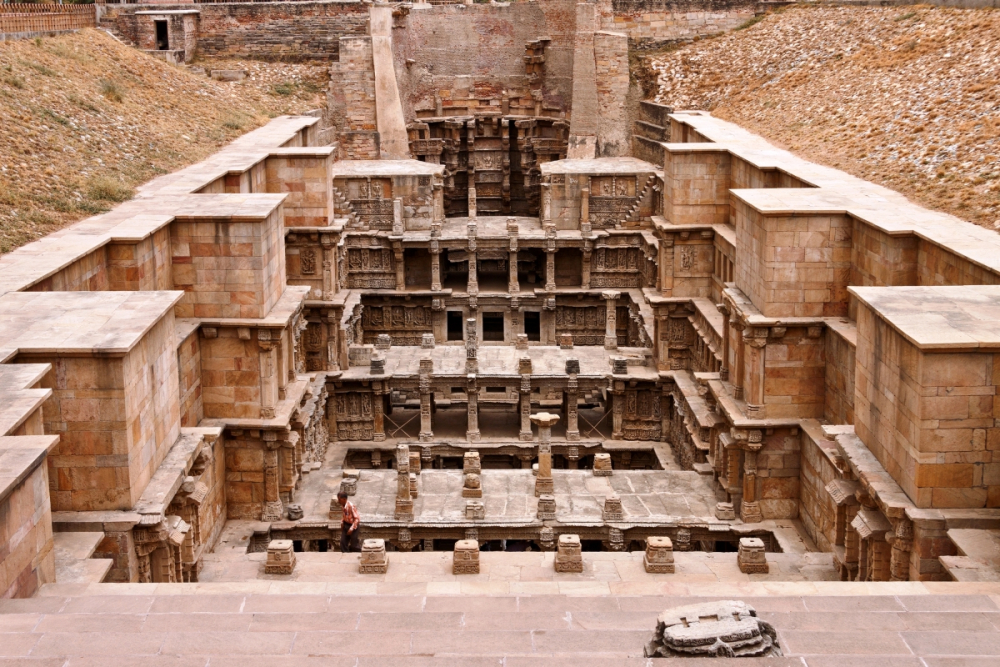
Rani Ki Vav (Patan): This 11th-century stepwell, featured on the new ₹100 currency note, is seven stories deep with over 800 elaborate sculptures. A UNESCO World Heritage Site, it's considered Gujarat's finest stepwell. Sun Temple (Modhera): Dedicated to the Sun God, this 11th-century temple features an intricately carved exterior, a grand sabha mandap (assembly hall), and a kunda (step tank) with 108 miniature shrines. The Modhera Dance Festival (January) is a spectacular time to visit. Champaner-Pavagadh Archaeological Park: A UNESCO World Heritage Site featuring pre-Mughal Islamic architecture, forts, palaces, and temples. The climb to Kalika Mata Temple atop Pavagadh Hill offers panoramic views. Laxmi Vilas Palace (Vadodara): Four times the size of Buckingham Palace, this is one of the world's largest private residences. The Indo-Saracenic palace houses a remarkable collection of armory, sculptures, and art.Saputara: Gujarat's Only Hill Station
Nestled in the Sahyadri range on the Gujarat-Maharashtra border, Saputara ("Abode of Serpents") is Gujarat's only hill station. At 873 meters above sea level, it offers a cool escape from the Gujarat heat, though compared to hill stations in other states, Saputara is relatively small and less developed. Key Attractions:- Saputara Lake: Boating is the main activity here
- Sunset Point: Spectacular views of the Dang forest
- Gira Waterfalls: Especially impressive in monsoon (30 km from Saputara)
- Artist Village: See traditional Warli paintings being created
Gujarati Cuisine: A Vegetarian Paradise
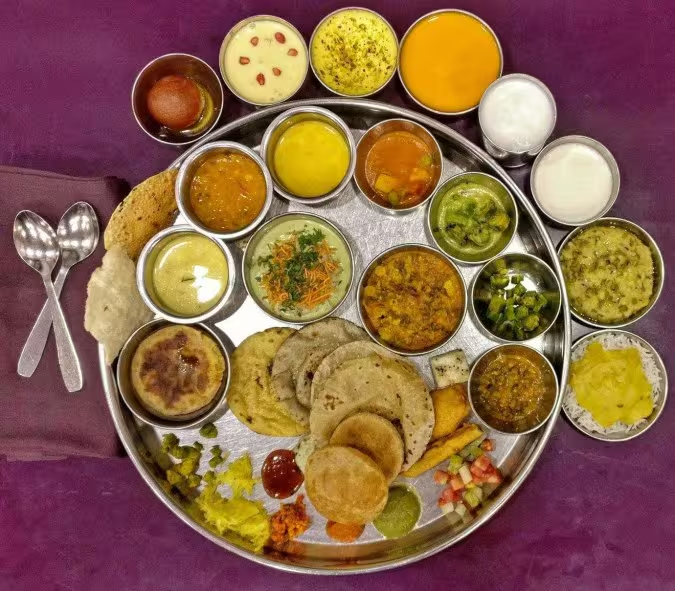 Gujarat is a vegetarian's paradise, with a cuisine that's subtle, slightly sweet, and incredibly diverse. The traditional Gujarati thali is a meal in itself, featuring a variety of dishes that balance sweet, sour, spicy, and salty flavors.
Must-Try Dishes:
Gujarat is a vegetarian's paradise, with a cuisine that's subtle, slightly sweet, and incredibly diverse. The traditional Gujarati thali is a meal in itself, featuring a variety of dishes that balance sweet, sour, spicy, and salty flavors.
Must-Try Dishes:
- Dhokla: Fermented rice and chickpea flour steamed cakes – Gujarat's most famous snack
- Khandvi: Spiced gram flour rolls tempered with mustard seeds and curry leaves
- Fafda Jalebi: The quintessential Gujarati breakfast (especially on Dussehra)
- Thepla: Spiced flatbread – perfect for travel
- Undhiyu: A mixed vegetable dish made during winter (available November-February)
- Gujarati Dal: Sweet and tangy lentil preparation – unlike any dal you've had elsewhere
- Farsan: Collectively refers to snacks like khaman, khandvi, fafda, and gathia
- Srikhand: Sweetened strained yogurt flavored with saffron and cardamom
- Dudhal Halwa: A unique sweet made from bottle gourd
- Agashiye: (Ahmedabad) Upscale restaurant serving authentic Gujarati thali
- Havmor: Chain restaurant famous for its thalis and ice creams
- Local Thali Places: Every city has excellent options – ask locals for their favorite
Suggested 1-Week Gujarat Itinerary
| Day | Location | Activities |
|---|---|---|
| Day 1-2 | Ahmedabad | Sabarmati Ashram, Heritage Walk, Adalaj Stepwell, Jama Masjid |
| Day 3 | Statue of Unity | Statue, Valley of Flowers, Laser show, Jungle Safari |
| Day 4-5 | Dwarka & Somnath | Dwarkadhish Temple, Bet Dwarka, Nageshwar, Somnath Temple, Sound & Light Show |
| Day 6-7 | Gir National Park | Morning & Evening Jeep Safaris, optional beach time at Diu |
This itinerary covers the highlights. For Rann Utsav, add 2-3 days. For heritage sites, add time for Patan, Modhera, and Vadodara.
Best Time to Visit Gujarat
- Winter (November - February): Best weather. Ideal for all regions. Rann Utsav happens during this period. This is peak tourist season.
- Summer (March - June): Extremely hot (40-45°C). Not recommended for tourism.
- Monsoon (July - September): Good for Saputara and the Dangs region. Gir remains open but safaris can be challenging. Rann is inaccessible.
- Shoulder Months (October, March): Pleasant weather, fewer crowds.
Conclusion: Discover Gujarat's Treasures
Gujarat is a state that rewards curious travelers. Whether you're watching lions in Gir, witnessing the white desert under a full moon in Kutch, marveling at the Statue of Unity, seeking blessings at ancient temples, or savoring a traditional Gujarati thali, the state offers experiences that are both uniquely Gujarati and universally appealing. What makes Gujarat special is its blend of the ancient and the modern, the spiritual and the spectacular, the wild and the wonderful. It's a state where you can see the world's tallest statue in the morning and track lions in the evening. Where you can shop for centuries-old crafts and eat from recipes passed down through generations. Where you can stand at the westernmost point of India and feel the ocean breeze carrying stories of maritime trade. For travelers looking to explore India beyond the well-trodden tourist trail, Gujarat offers an incredible diversity of experiences in one state. Come for the sights, stay for the warmth of the people, the delicious vegetarian cuisine, and the memories that will last a lifetime. After all, as the famous Gujarati saying goes: "Kuch din toh gujaro Gujarat mein" – Spend a few days in Gujarat, and you'll leave with a piece of the state in your heart forever.Location
Frequently Asked Questions
Q1.How many days are needed to visit Gujarat?
For a comprehensive Gujarat experience, plan 7-10 days minimum. Here's a breakdown:
Minimum 5 Days (Very rushed):
• Day 1-2: Ahmedabad
• Day 3: Statue of Unity
• Day 4-5: Gir safari
Recommended 7 Days:
• Day 1-2: Ahmedabad (Sabarmati Ashram, Heritage Walk, Adalaj Stepwell)
• Day 3: Statue of Unity
• Day 4-5: Dwarka & Somnath temples
• Day 6-7: Gir National Park (2 safaris)
Ideal 10-14 Days:
• Add 2-3 days for Rann of Kutch (especially during Rann Utsav)
• Add heritage sites: Patan (Rani Ki Vav), Modhera (Sun Temple)
• Add Vadodara (Laxmi Vilas Palace) and Champaner
• Add Saputara hill station
Region-Specific:
• Kutch only: 2-3 days (Rann Utsav period)
• Gir only: 2 days (2 safaris recommended)
• Spiritual circuit: 3-4 days (Dwarka, Somnath, Palitana)
• Ahmedabad & surroundings: 2-3 days
Q2.What is the best time to visit Gujarat?
The best time to visit Gujarat is from November to February (winter season).
Winter (November - February):
• Weather: Pleasant (15-30°C during day, cooler at night)
• Ideal for: All regions including Rann of Kutch and Gir
• Rann Utsav: Cultural festival in Great Rann (November-February)
• Peak season: Higher hotel prices, more tourists
Why Winter is Best:
• Comfortable weather for sightseeing and safaris
• Rann of Kutch is accessible (in summer, it's wet and inaccessible)
• Gir safaris are more comfortable
• Perfect for temple visits and heritage walks
Other Seasons:
Monsoon (July - September):
• Good for: Saputara hill station and Dangs region (lush green)
• Average for: Gir (safaris can continue but trails get muddy)
• Poor for: Rann (wet), Kutch (flooding)
• Fewer tourists, lower prices
Summer (March - June):
• Not recommended – extremely hot (40-45°C)
• Only visit if necessary – carry sun protection and stay hydrated
Special Timing:
• Full Moon Nights: Visit Rann during full moon (check lunar calendar)
• Dwarka: Visit during Janmashtami (Krishna's birthday) for special celebrations
• Shivratri: Somnath Temple hosts elaborate celebrations
Q3.Can we see Asiatic lions in Gir National Park?
Yes, Gir National Park is the ONLY place in the world where Asiatic lions can be seen in the wild.
Lion Sightings:
• Current population: ~600+ lions
• Sightings are NOT guaranteed – lions are elusive despite good population
• Success rate: Around 60-70% in Tourism Zone (varies by season, luck)
• Best zones for sightings: Tourism Zone has highest density
Types of Safaris:
1. Gir Jungle Safari (Main Park):
• Cost: ₹4,800 per jeep (Indians, up to 6 people)
• Zones: 8 tourism zones, allocated randomly
• Duration: 3 hours (morning: 6-9 AM, evening: 3-6 PM)
• Booking: Online at girlforest.gujarat.gov.in (book well in advance)
• Experience: Authentic wildlife tracking, wild lions (no guarantee)
2. Devalia Safari Park (Interpretation Zone):
• Cost: ₹800 per jeep
• Area: Enclosed 412-hectare zone
• Lions guaranteed (captive but free-ranging within enclosure)
• Also: Leopards, deer, antelope, birds
• Good for: Those who want guaranteed lion sightings
Tips for Better Sightings:
• Book at least 2-3 safaris (morning and evening)
• Go with experienced guides (tip: request zone allocation based on recent sightings)
• December-April: Sparse vegetation makes spotting easier
• Be patient and quiet – lions can appear suddenly
• Listen for alarm calls of deer (sign of predator nearby)
Beyond Lions:
• Leopards (frequently seen)
• Sambar, spotted deer, nilgai, four-horned antelope
• Crocodiles (Kamleshwar Dam)
• 300+ bird species
Q4.Is Rann of Kutch white all year round?
No, the Rann of Kutch is white and accessible only from October to February.
Seasonal Nature of the Rann:
Monsoon (July - September):
• Rann is underwater – the salt marsh becomes a shallow wetland
• Inaccessible for tourists
• Roads to white Rann are closed
• Only the periphery (Bhuj city) is accessible
Post-Monsoon (October):
• Water begins receding
• Ground becomes wet, muddy, gradually drying
• White salt starts becoming visible by late October
• Rann Utsav begins mid-November
Winter (November - February):
• ONLY time white desert is fully visible and accessible
• Salt crust is hard, gleaming white
• Perfect for visiting, camel safaris, camping
• Full Moon Nights: Most spectacular – white salt reflects moonlight
• Rann Utsav in full swing
Summer (March - June):
• Rann is dry and white
• Extremely hot (40-45°C) – not recommended
• Limited tourist infrastructure
• Only die-hard photographers visit
Best Time to Visit:
• November - February: White desert accessible, pleasant weather
• Full Moon Nights: Plan around lunar calendar for magical experience
• Rann Utsav: December 15 - January 15 is peak festival period
Important:
Don't plan Kutch trip during July-September expecting to see white Rann – you'll be disappointed. The desert is a seasonal phenomenon!
Q5.What is the ticket price for Statue of Unity?
Statue of Unity ticket prices are quite reasonable considering the world-class infrastructure:
Individual Tickets (2024-25 Prices):
Viewing Gallery (153 meters high):
• Adults: ₹350
• Children (3-15 years): ₹200
• Includes: Elevator access, viewing gallery, basic entry
Express Entry (Skip Queue):
• Adults: ₹1,000 (worth it during peak season)
Valley of Flowers:
• Adults: ₹150
• Children: ₹95
Combination Tickets (Value for Money):
• Basic Entry: ₹350 (gallery only)
• Premium: ₹650 (gallery + valley + bus)
• All-Inclusive: ₹1,200 (gallery, valley, laser show, jungle safari)
Other Attractions:
• Laser Show: ₹250 per person
• Jungle Safari (Zoo): ₹250 per person
• Cactus Garden: ₹30 per person
• Butterfly Garden: ₹50 per person
How to Book:
• Online: Official website soutickets.com (recommended, book in advance)
• On-Site: Ticket counters available (long queues during peak season)
Important Notes:
• Booking Fee: Additional ₹10-20 per ticket
• Timing: Viewing gallery open 9 AM - 6 PM (last entry 5 PM)
• Laser Show: 7:30 PM (check current schedule)
• ID Proof: Carry ID card (required for entry)
• Photography: Allowed (no extra charge for still cameras)
Money-Saving Tip:
Visit on weekdays – fewer crowds and sometimes promotional pricing available.
Q6.Is alcohol allowed in Gujarat?
No, Gujarat is officially a dry state – the sale, purchase, and consumption of alcohol is prohibited.
Prohibition Details:
• Gujarat banned alcohol in 1960 (implementation of prohibition in Indian Constitution)
• Strict enforcement: No alcohol served in hotels, restaurants, or bars
• No liquor shops anywhere in the state
• Penalties: Heavy fines and possible imprisonment for possession/consumption
Exceptions:
• Diu Union Territory: The beach town of Diu is NOT part of Gujarat (it's a Union Territory)
• Alcohol is legally available in Diu
• Many tourists combine Gujarat with Diu specifically for this reason
For Foreigners:
• No special permits available for foreign tourists
• Unlike some dry states, Gujarat doesn't issue liquor permits
• All visitors, regardless of nationality, must abide by prohibition
Reality Check:
• While officially prohibited, some individuals do access alcohol illegally
• NOT recommended – legal consequences are serious
• Quality of illegal alcohol is unreliable and potentially dangerous
• Don't risk it – legal trouble can ruin your trip
What to Drink Instead:
• Chaas: Buttermilk, the perfect cooler in Gujarat's heat
• Lassi: Sweet or salted yogurt drinks
• Fresh Fruit Juices: Widely available and delicious
• Chai: The ubiquitous Indian spiced tea
• Soft Drinks: Coca-Cola, Pepsi, etc. widely available
Accommodation:
• Hotels understand and respect prohibition – don't ask staff for alcohol
• Most 5-star hotels don't serve alcohol (except in some designated areas of Diu)
Bottom Line: Plan a Gujarat trip knowing it's alcohol-free. Embrace the local beverages and cuisine!
Q7.What is famous food of Gujarat?
Gujarati cuisine is predominantly vegetarian with a unique balance of sweet, sour, spicy, and salty flavors. Here's what you must try:
Snacks (Farsan):
• Dhokla: Fermented rice & chickpea flour steamed cakes (Gujarat's most famous)
• Khandvi: Gram flour rolls tempered with mustard, curry leaves
• Fafda: Fried gram flour sticks – eaten with jalebi on Dussehra
• Gathia: Fried chickpea flour snack
• Khaman: Similar to dhokla but softer, made from gram flour
Main Course:
• Gujarati Thali: Complete meal – 10+ dishes including dal, rotli, shaak, farsan, rice, sweets
• Gujarati Dal: Sweet-tangy lentil preparation (uniquely Gujarati)
• Undhiyu: Mixed vegetable dish – winter specialty (Nov-Feb)
• Thepla: Spiced flatbread – perfect for travel
• Dhokli: Spiced wheat flour dumplings in curry
• Kadhi: Yogurt-based curry with chickpea flour dumplings
Breads (Rotli/Bhakri):
• Bajra Rotla: Pearl millet flatbread – winter staple
• Jowar Bhakri: Sorghum flatbread
• Fulka Rotli: Wheat bread
Sweets:
• Jalebi: Deep-fried pretzel soaked in sugar syrup
• Srikhand: Sweetened strained yogurt with saffron
• Mohanthal: Gram flour fudge with ghee and nuts
• Dudhal Halwa: Unique sweet made from bottle gourd
• Ghari: Surat's famous sweet (especially during Chandi Padvo)
Street Food:
• Pav Bhaji: Though from Mumbai, extremely popular in cities
• Dabeli: Kutchi specialty – spicy potato in bun with pomegranate and peanuts
• Kulfi: Indian ice cream (mango, pistachio flavors)
Where to Eat:
• Agashiye: (Ahmedabad) Authentic Gujarati thali in royal setting
• Havmor: Chain restaurant – good thalis
• Local Thali Places: Every city has excellent options – ask locals
• Street Food: Try local stalls for snacks
Special Note:
• Gujaratis use jaggery (gur) in many dishes, creating sweet undertones
• The cuisine is light on digestion (traditionally)
• Each region has specialties – explore local eateries!
Q8.Is Gujarat safe for tourists, especially solo female travelers?
Yes, Gujarat is considered one of the safest states in India for tourists, including solo female travelers.
Safety Factors:
• Low Crime Rate: Gujarat consistently reports lower crime rates than most Indian states
• Women's Safety: Generally safe during day and night in cities and tourist areas
• Family Culture: Strong family values mean respectful treatment of visitors
• Police Presence: Good security, especially at major tourist sites
For Solo Female Travelers:
• Safe: Many women travel alone in Gujarat without issues
• Dress Modestly: In cities like Ahmedabad, Vadodara, modern clothing is fine. In rural areas, temples, smaller towns – dress conservatively (salwar kameez, clothing covering shoulders and knees)
• Accommodation: Choose safe, reputable hotels – Gujarat has excellent options
• Transport: Avoid isolated areas after dark alone. Use registered taxis/auto-rickshaws
• Interact with Families: Gujarati families are hospitable – staying at homestays can be safe and culturally enriching
General Safety Tips:
• Scams: As with anywhere, be wary of overly friendly strangers, fake guides
• Wildlife: In Gir, follow instructions – don't exit vehicle during safari
• Rann at Night: Full moon celebrations can get crowded – stay with your group
• Valuables: Use hotel safes. Pickpocketing is rare but possible in crowded markets
• Emergency Numbers: Police: 100, Women's Helpline: 1091
What Makes Gujarat Safe:
• No Alcohol: Prohibition means alcohol-related issues are virtually non-existent
• Vegetarian Culture: Generally peaceful, non-aggressive society
• Business-Minded: Gujaratis are commercially savvy – they value tourism
• Infrastructure: Good roads, connectivity, healthcare in cities
Recommendation:
While Gujarat is safe, exercise normal precautions as you would anywhere. Respect local customs, dress modestly in religious and rural areas, and trust your instincts. Most importantly: don't let fear prevent you from exploring this wonderful state – thousands of women travel solo here annually without issues.
Recommended For You
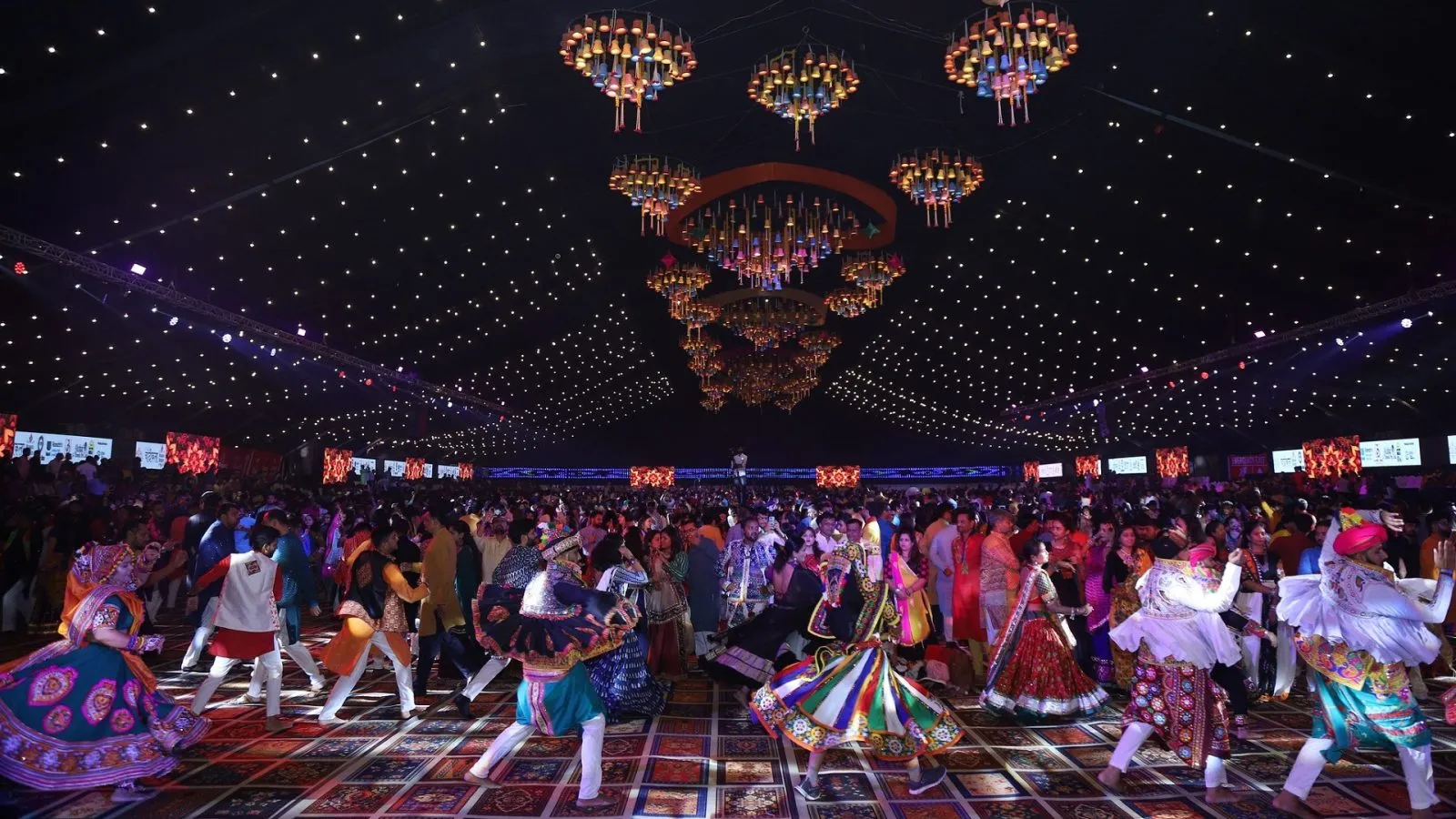
Navratri in Gujarat: Garba Dates, Venues and Travel
Plan Navratri in Gujarat with city-wise Garba venues, date guidance, outfit tips, ticket strategy, and practical travel advice for first-time visitors.
20 Best Places to Visit in Ahmedabad: Heritage & Fun
Explore top places to visit in Ahmedabad with heritage landmarks, food streets, shopping hubs, and practical 1-day/2-day itinerary planning.
Rani ki Vav Gujarat: UNESCO Stepwell, Timings & Ticket Details
Plan your Rani ki Vav visit with timings, ticket price, history, architecture highlights, and travel tips for Patan, Gujarat.
Never Miss an Adventure
Get the latest trekking guides, travel tips, and exclusive offers delivered straight to your inbox.
