
Gir National Park: Safari Booking Timings And Visit
Rohit Verma
February 20, 2026
Complete Gir National Park guide featuring Asiatic lions, safari booking, best time to visit, zones, accommodations & practical tips.
Introduction to Gir National Park
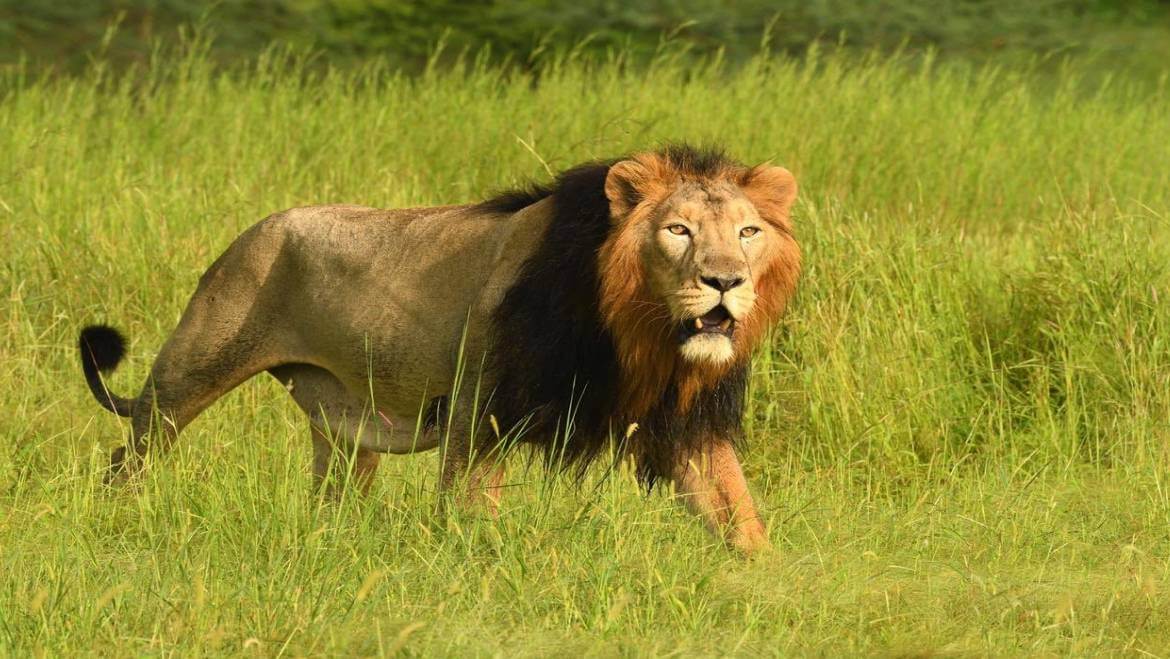
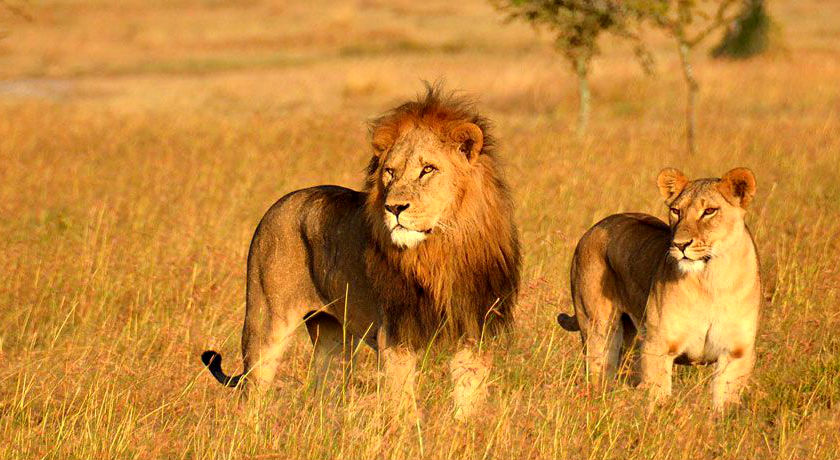
Gir National Park and Wildlife Sanctuary, located in Gujarat's Junagadh district, is the only place in the world outside Africa where you can see Asiatic lions in their natural habitat. This 1,412 square kilometer protected area is home to the entire remaining population of wild Asiatic lions - approximately 674 individuals as of the 2020 census. Once distributed across Southwest Asia, the Asiatic lion was hunted to near extinction, with only about a dozen remaining by the late 19th century. Thanks to conservation efforts by the Nawabs of Junagadh and later the Gujarat Forest Department, the population has recovered to its current numbers, though the species remains endangered. For wildlife enthusiasts interested in exploring more of India's rich wildlife heritage, Ranthambore National Park offers another incredible safari experience with tigers.
What makes Gir truly special is not just the lions but the entire ecosystem. The dry deciduous forest, with its teak trees, grasslands, and rocky hills, supports remarkable biodiversity including leopards (Gir has one of India's highest leopard densities), striped hyenas, golden jackals, antelopes including the chital (spotted deer), sambar, nilgai (blue bull), and chinkara, plus over 300 species of birds. The sanctuary's location in the Saurashtra region of Gujarat, surrounded by human settlements, creates a unique conservation story where wildlife and people coexist. If you're planning a comprehensive wildlife tour of India, consider also visiting Jim Corbett National Park, India's oldest national park.
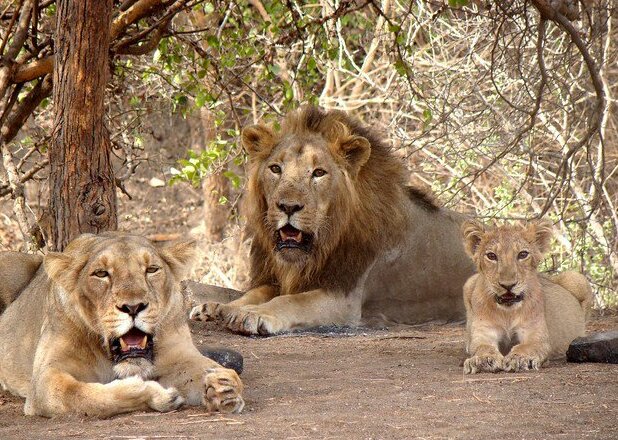
A Gir safari is one of India's most rewarding wildlife experiences. Unlike some tiger reserves where sightings can be elusive, lion sightings in Gir are relatively frequent - the cats are diurnal (active during the day), less secretive than tigers, and Gir's relatively open terrain makes spotting easier. The thrill of tracking the King of the Jungle, watching a lioness with cubs, or hearing a male lion's resonant roar echo through the forest is unforgettable. Beyond lions, Gir offers excellent leopard sightings, diverse birdlife, and the unique Maldhari tribal culture - pastoralists who have lived alongside lions for generations.
Best Time to Visit Gir
Gir is open to tourists from October 16th to June 15th annually (closed during monsoon July-mid-October). Within this period, different seasons offer different experiences.
December to March is the best time weather-wise with pleasant temperatures (20-30°C), minimal humidity, and lush greenery after the monsoon. The forest is beautiful, water sources are abundant attracting wildlife, and sightings are good. This is peak tourist season, so book safaris and accommodations well in advance (2-3 months ahead). December and January can get cool in early mornings (10-15°C), so carry layers.
April to May is summer when temperatures rise to 40-45°C. The heat is intense, especially midday, but this is actually excellent for wildlife sightings. As water holes dry up, wildlife congregates around remaining water sources, making animal concentrations predictable. The grass dries out, improving visibility. Many tourists avoid summer, so there are fewer crowds and better chances of securing safari permits. However, the heat can be draining. Book early morning and late afternoon safaris, rest during the hottest hours, carry plenty of water, and wear light-colored, loose clothing and a hat/cape.
October to November is post-monsoon when the forest is lush green and beautiful. Temperatures are starting to rise but still pleasant. This period offers a good balance of decent weather, improving visibility as grass starts drying, and fewer crowds than peak winter. Wildlife sightings are good as animals are active after the monsoon.
Gir Safari Zones
Gir is divided into multiple tourism zones for safari purposes. Each zone requires separate permits and offers different landscapes and wildlife experiences.
Gir Interpretation Zone (GIZ) or Gir Jungle Trail: This is the most popular and tourist-friendly zone, located near Sasan Gir village. The terrain here is relatively flat with mixed deciduous forest and grasslands. Lion sightings are quite frequent in this zone, and it's well-developed with good roads. Most first-time visitors book safaris here. The zone has a high concentration of safari vehicles, which can detract from the wilderness experience but also means more eyes to spot wildlife.
Devalia Safari Park (Gir Interpretation Zone - Enclosed): Also called the "Gir Safari Park" or "Caged Safari," this is a 412 hectare enclosed area where wildlife including lions, leopards, deer, and antelopes have been relocated. You take a guided bus tour (approximately 30-45 minutes) through the enclosed area. Sightings are almost guaranteed - you'll see lions, leopards, and various herbivores. However, it's a less authentic experience than the open forest and feels somewhat like a zoo. Good for those short on time or wanting guaranteed sightings, especially with children.
Other Zones: Gir has multiple other zones including Hidadhar, Kansari, Jamwada, and others. These zones receive fewer tourists, offer more pristine wilderness experiences, and have excellent wildlife. However, reaching these zones often requires longer travel from accommodation and the terrain can be more challenging (rougher roads, hilly terrain). Experienced wildlife enthusiasts and photographers often prefer these zones for the more exclusive experience. Permit availability and logistics can be trickier for these zones.
Gir Safari Experience
Understanding how Gir safaris work is essential for planning your trip.
Safari Timing
Gir offers two safaris daily:
Morning Safari: 6:00 AM - 9:00 AM (October-January), 5:30 AM - 8:30 AM (February-June). Early morning when wildlife is most active and the light is beautiful. The forest is misty and magical in the early hours. Temperatures are pleasant. This is generally the best time for wildlife photography.
Evening Safari: 3:00 PM - 6:00 PM (October-January), 3:30 PM - 6:30 PM (February-June). Afternoon when animals emerge from shade to feed and drink before night. The golden hour light can be spectacular. Summer evenings can be quite hot initially but cool toward safari end.
Each safari is approximately 3 hours. You must arrive at the interpretation center (Sasan Gir for GIZ) at least 30 minutes prior to safari time for check-in and gypsy allocation.
Safari Vehicles
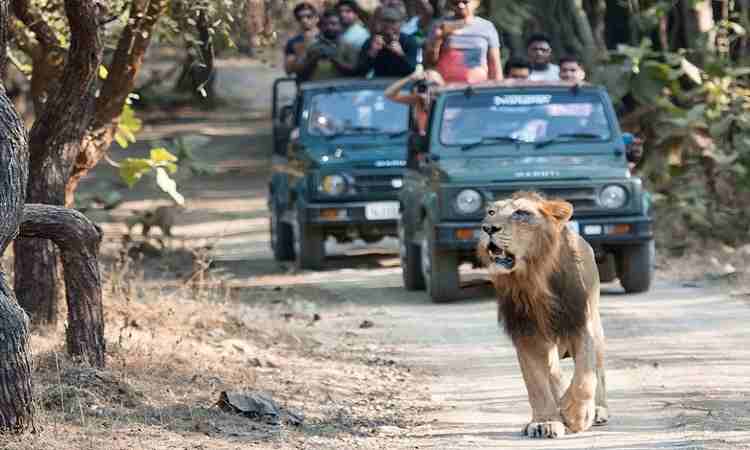
Jeeps (Gypsys): Open 4x4 vehicles carrying 6 passengers plus driver and guide. This is the best way to experience Gir - you're out in the open, can hear forest sounds, see better, and photograph easily. The jeeps are sturdy enough for Gir's terrain. Book entire jeep (₹8,000-10,000 depending on season and zone) or share seats (₹1,500-2,500 per person). Booking entire jeep gives flexibility with route, timing, and stops.
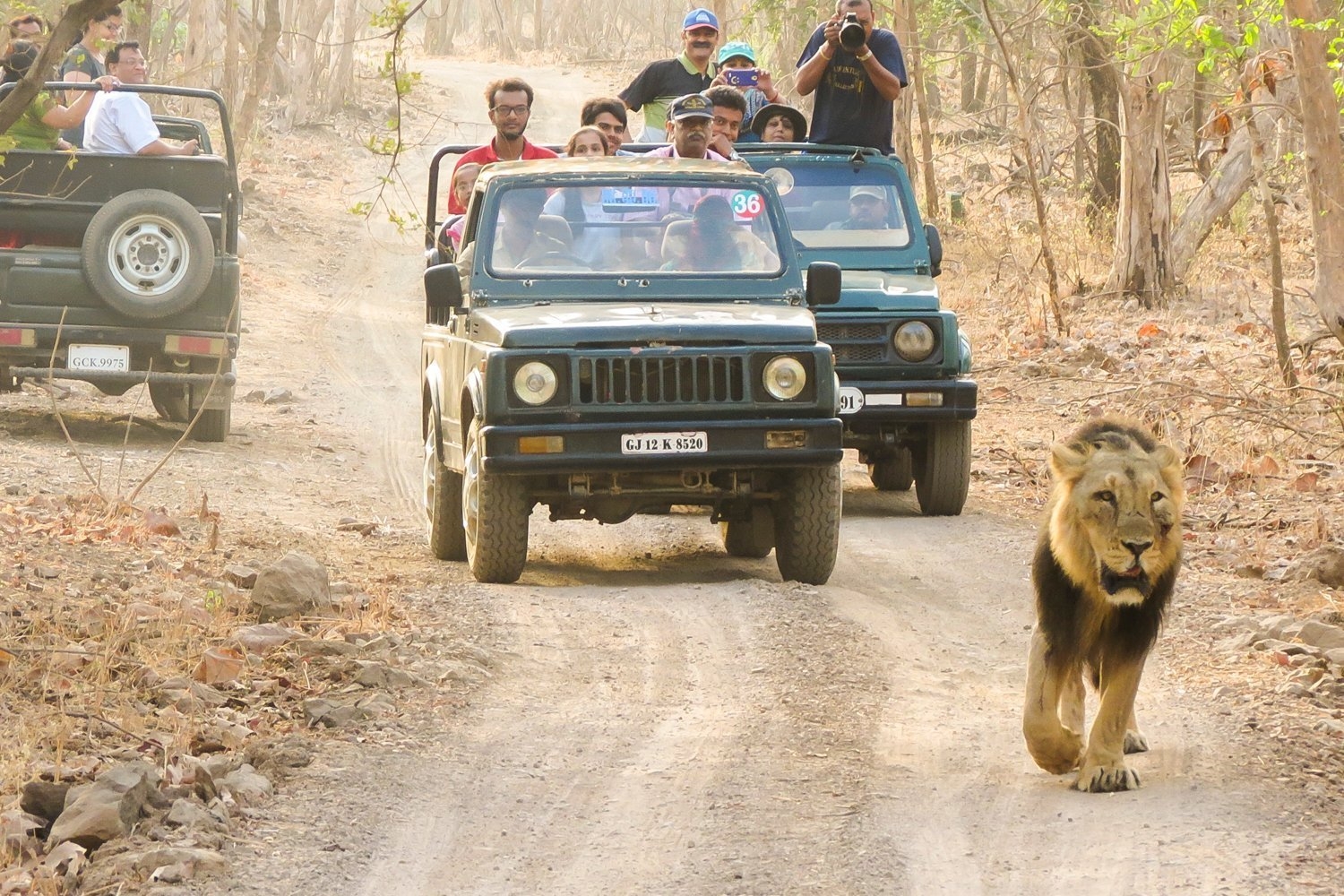
Bus: For Devalia Safari Park only, you travel in an enclosed bus with large windows. Not recommended for serious wildlife enthusiasts but acceptable for the enclosed safari experience.
Booking Safaris
Safari permits must be booked in advance, especially for peak season (December-March) when they sell out weeks ahead. Book online through the official Gujarat Forest Department website (girlion.in) or through authorized tour operators. Booking opens 90 days in advance for international tourists and 60 days for domestic tourists. For popular dates and zones, book as soon as booking opens.
You'll need to provide identification (passport for foreigners, any ID for Indians), select date, safari time (morning/evening), zone, and vehicle type (shared/full jeep). After booking online, you'll receive a permit that must be presented at the interpretation center before the safari.
Last-minute bookings are sometimes possible for less popular zones or weekdays, but don't count on it, especially in peak season. Some tour operators have block bookings and can arrange permits - consider using them if booking online is difficult.
What to Expect on Safari
The safari begins at the interpretation center where permits are checked and you're assigned a jeep, driver, and mandatory guide. The guide is officially mandatory though their expertise varies - some are excellent naturalists, others less knowledgeable. Tipping good guides is appreciated.
The jeep enters through a gate into the protected forest. For the first hour or so, the guide and driver will track lion signs - pug marks, alarm calls from deer (langur and chital give loud alarm calls when predators are near), and other indicators. Tracking lions requires skill, patience, and luck.
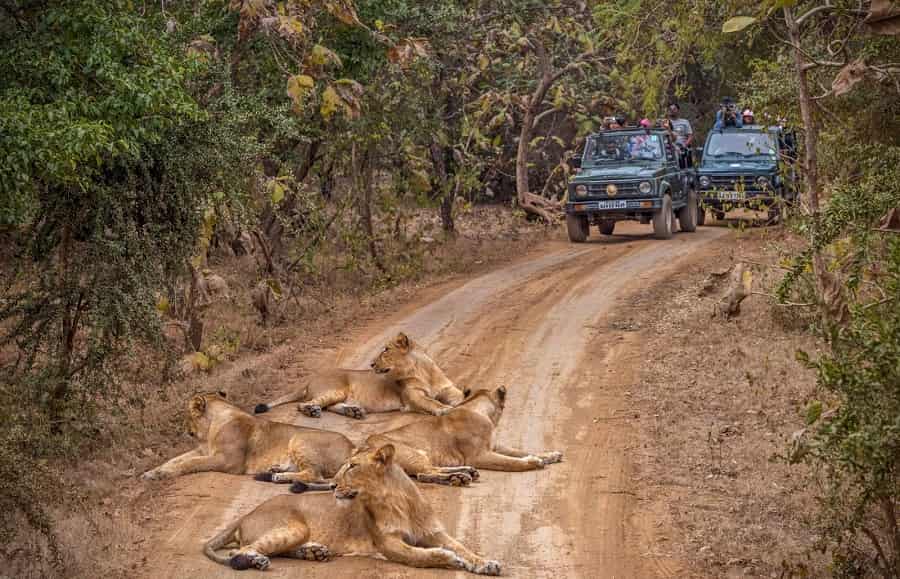
If lions are found, jeeps typically gather (subject to certain rules about distance and number of vehicles). Viewing time is limited to allow other jeeps a turn - you typically get 10-20 minutes before moving on. Respect the guides' instructions about not making noise, not getting off the vehicle, and maintaining distance.
Beyond lions, you'll likely see chital (spotted deer) everywhere, sambar (larger deer), nilgai (blue bull - India's largest antelope), chinkara (Indian gazelle), wild boar, and plenty of birds. Leopard sightings are less frequent than lions but Gir has a healthy leopard population. Striped hyenas and golden jackals are also seen but are more elusive and often nocturnal.
The safari experience varies - sometimes you'll see lions within 30 minutes, other times you might track for hours without success. That's the unpredictable nature of wildlife viewing. However, Gir's lion sighting success rate is quite high compared to many tiger reserves.
Accommodation Options
Sasan Gir, the main village serving Gir, offers accommodation options for various budgets. Most properties are within a few kilometers of the interpretation center.
Forest Department Lodges: The Gujarat Forest Department operates several properties including Gir Lodge (the original heritage property, now privatized), Sinh Sadan (forest rest house), and others. These locations are excellent, often within the forest or very close, but booking is challenging (online booking fills quickly) and facilities are basic.
Luxury Resorts: Several excellent luxury resorts (₹8,000-15,000+ per night) including Taj Gir Forest Resort, The Fern Gir Forest Resort, and similar properties offer comfortable rooms, excellent service, pools, and often naturalists who can enhance your wildlife experience. These are ideal for those wanting comfort after dusty safaris.
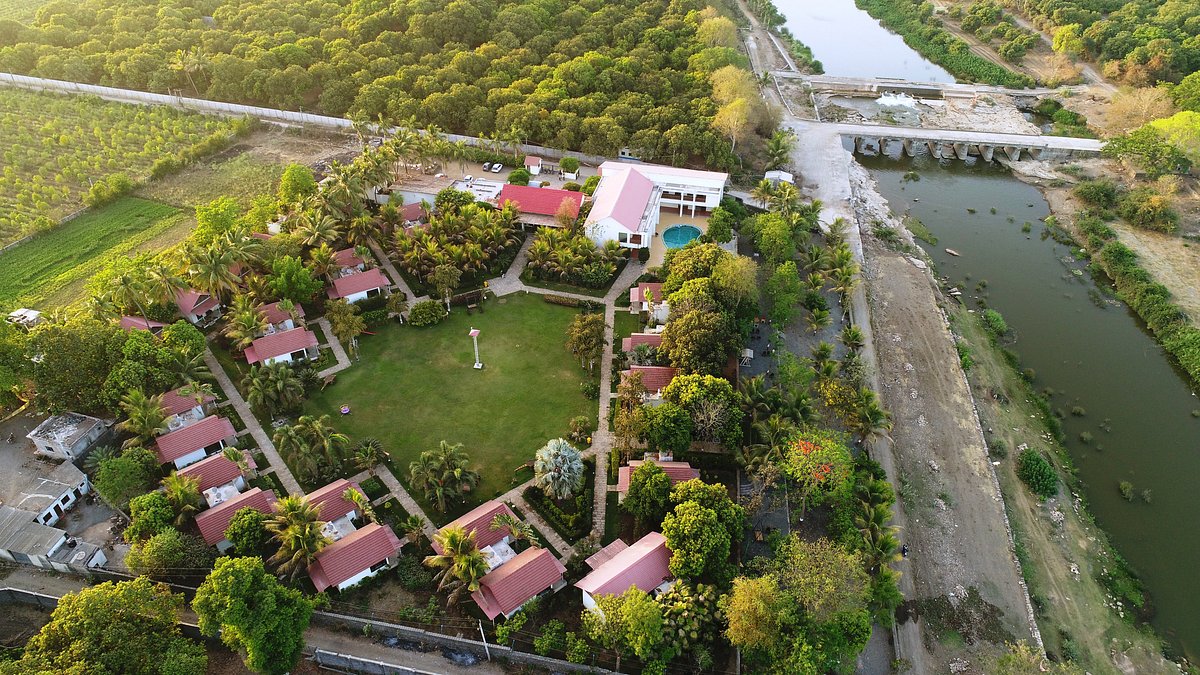
Mid-Range Hotels: Numerous mid-range hotels (₹3,000-6,000 per night) offer comfortable rooms, restaurants, and sometimes pools. Properties like Gir Birding Lodge, Lion Safari Camp, and similar are good options. These offer a balance of comfort, value, and proximity to the park.
Budget Options: Budget guesthouses and homestays (₹1,000-2,000 per night) are available for backpackers and budget travelers. Facilities are basic but adequate. These are often family-run and can offer insights into local life.
Consider staying at a Maldhari village homestay for a unique cultural experience. The Maldharis are pastoralists who have coexisted with lions for generations. Their traditional knowledge of lions and the forest is fascinating.
Getting to Gir
By Air
The nearest airport is Rajkot (160km, approximately 3 hours), which has flights from Mumbai and other major cities. Diu Airport (110km, 2 hours) has fewer connections but can be convenient. Ahmedabad Airport (335km, 6-7 hours) has the best connectivity. Pre-paid taxis are available from all airports to Sasan Gir.
By Train
The nearest railway station is Junagadh (60km, 1.5 hours), which is well-connected to major Gujarat cities. From Ahmedabad, several trains run to Junagadh (6-7 hours). Delwada railway station (10km from Sasan Gir) is closest but has very few trains - only one passenger train runs from Junagadh to Delwada. From the railway station, taxis and buses are available to reach Sasan Gir.
By Road
Gir is well-connected by road. From Ahmedabad (335km), the journey takes approximately 6-7 hours via Rajkot or Junagadh. From Rajkot (160km), approximately 3 hours. From Diu (110km), approximately 2 hours. State-run buses connect Sasan Gir to Junagadh, Rajkot, and other towns. Self-driving or hiring a taxi gives you flexibility and comfort for the long journey.
Beyond the Lions: Other Attractions
Junagadh
Located approximately 60km from Sasan Gir, Junagadh is a historic city worth visiting. The Uparkot Fort, an ancient fort with impressive gates, Buddhist caves, and stepwells, offers insight into the region's layered history. The Mahabat Maqbara, a stunning mausoleum with intricate architecture, is worth seeing. The city has several interesting temples including the famous Somnath Temple (approximately 90km from Junagadh) - one of the 12 Jyotirlingas in India and a highly revered pilgrimage site.
Diu
Located approximately 110km from Sasan Gir, Diu is a former Portuguese colony with beautiful beaches, Portuguese architecture, and a relaxed atmosphere. If you're traveling from Mumbai or want to combine wildlife with beach time, Diu is an excellent add-on. Diu has the Nagoa Beach, Diu Fort, and Portuguese churches. The journey from Gir to Diu through the Gir forest landscape is scenic.
For the culturally inclined, visiting a Maldhari village and learning about their traditional lifestyle and coexistence with lions is fascinating. Some tour operators and homestays can arrange these visits.
Wildlife Photography Tips
For wildlife photographers, Gir offers excellent opportunities. For lions, a telephoto lens (minimum 200mm, ideally 400mm or more) is essential for frame-filling shots while maintaining respectful distance. A zoom lens (70-200mm or 100-400mm) offers versatility. Bring a wide-angle (16-35mm or 24-70mm) for landscapes, forest shots, and environmental portraits showing lions in their habitat.
Carry plenty of memory cards and batteries - you don't want to run out during a sighting. Carry a cleaning kit as dust is inevitable on safari. Use a bean bag or support for stability - shooting from a moving jeep requires fast shutter speeds. Use auto-focus with continuous tracking for moving subjects. For landscape and detail shots of the forest, trees, and light, take breaks from wildlife photography.
Most importantly, respect the animals and follow ethical wildlife photography practices. Don't harass animals for photos, don't exceed time limits at sightings, and never get off the vehicle. The animal's welfare always comes before the photograph.
Travel Tips
Book safaris well in advance - at least 2-3 months for peak season (December-March), especially for weekend safaris and popular zones. Have flexibility in your dates if possible.
Bring neutral-colored clothing - khaki, olive, beige, or brown. Avoid bright colors or white that disturb wildlife. Camouflage clothing is not necessary and may look pretentious. Layers are essential - early mornings can be cool, afternoons hot.
Carry binoculars - essential for scanning the forest and observing wildlife from a distance. Even if not a serious birder, binoculars significantly enhance the safari experience by revealing details invisible to the naked eye.
Be patient and manage expectations. Not every safari will yield lion sightings. That's wildlife - unpredictable and wild. Even without lion sightings, Gir's beautiful forest, diverse wildlife, and birdlife make for rewarding experiences.
Respect the forest and its inhabitants. Don't litter, don't make noise, don't use flash photography (it disturbs animals and is prohibited). Follow your guide's instructions. Remember we're visitors in their home.
Tip your guide and driver if they provided a good experience. They work hard for relatively low pay, and tips are an important part of their income.
Carry medications, especially if you're traveling from abroad. The medical facilities near Gir are basic. Carry motion sickness medication if you get sick on winding roads.
Conclusion
Gir National Park offers one of India's most rewarding wildlife experiences - the chance to see Asiatic lions, kings of the forest, in their only remaining wild home. The thrill of tracking these magnificent cats, the privilege of watching a lioness with cubs, or the spine-tingling sound of a male lion's roar echoing through the forest are experiences that stay with you forever.
But Gir is about more than just lions. It's a success story of conservation - a species brought back from the brink of extinction through dedicated efforts. It's a unique ecosystem where diverse wildlife thrives. It's a place where ancient Maldhari pastoral traditions continue alongside modern conservation. It's a landscape of beautiful forests, rocky hills, and grasslands that has its own charm beyond the megafauna.
Whether you're a serious wildlife enthusiast, a photographer, or simply someone who appreciates nature's magnificence, Gir delivers experiences that are both thrilling and humbling. The forest works its magic on everyone who visits, reminding us of the preciousness of wild places and the urgent need to protect them. A visit to Gir is not just a safari - it's a pilgrimage into one of the last strongholds of one of the world's most iconic species.
Location
Frequently Asked Questions
Q1.What is the best time to visit Gir National Park?
Q2.How do I book Gir safari permits?
Q3.What are the chances of seeing Asiatic lions in Gir?
Q4.How many safaris should I book in Gir?
Q5.What is the difference between Gir Jungle Trail and Devalia Safari Park?
Q6.Is Gir National Park safe?
Q7.What should I pack for a Gir safari?
Q8.How do I reach Gir National Park?
Recommended For You
National Parks in Andaman: Marine Life, Forest Trails & Permit Basics
Explore National Parks in Andaman. Mahatma Gandhi Marine, Mount Harriet, Saddle Peak. Wildlife, trekking, tickets & best time to visit.
National Parks in Rajasthan: Tiger Safari Parks & Booking Tips
Explore National Parks in Rajasthan. Ranthambore, Sariska, Keoladeo. Tigers, birds, safari booking & best time to visit.
Wildlife Safari in Rajasthan: Top Parks, Costs & Route Planning
Experience wildlife safari in Rajasthan - Ranthambore tigers, Keoladeo birds, Sariska wildlife. Complete guide to safaris, booking, best time, and travel tips.
Never Miss an Adventure
Get the latest trekking guides, travel tips, and exclusive offers delivered straight to your inbox.
