
Rani ki Vav Gujarat: UNESCO Stepwell, Timings & Ticket Details

Rohit Verma
January 16, 2026
Plan your Rani ki Vav visit with timings, ticket price, history, architecture highlights, and travel tips for Patan, Gujarat.
Rani Ki Vav Gujarat: Complete UNESCO Stepwell Guide
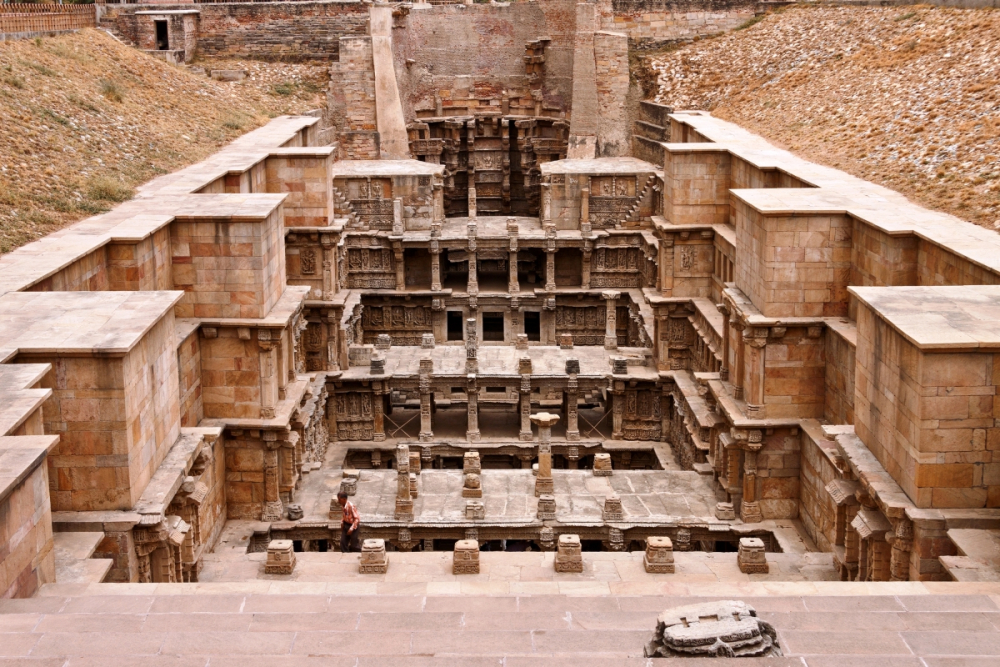
Rani Ki Vav in Patan is one of India’s most extraordinary stepwells and a UNESCO World Heritage Site celebrated for sculpture-rich architecture, symbolic depth, and engineering brilliance. Built in the 11th century and associated with Queen Udayamati in memory of King Bhimdev I, the monument is both a water structure and a monumental work of sacred art. Travelers often arrive for photos, but the site deserves careful study.
The stepwell’s descending sequence creates an architectural narrative where function and spirituality intersect. If you are planning a Gujarat heritage circuit, Rani Ki Vav should be a core stop and can be combined with adalaj stepwell for comparative understanding of stepwell traditions.

Historical and Cultural Importance
Rani Ki Vav reflects the Solanki-era peak of architecture and hydraulic design in western India. Over time, the structure was buried by silt and later rediscovered and restored, which helped preserve carvings in remarkable condition. This preservation history is part of its significance: the monument survived environmental shifts and re-emerged as a heritage treasure.
It is also a strong example of how pre-modern India built public infrastructure with artistic and symbolic ambition. Water access, ritual meaning, and royal memory are all embedded in one space.
Architecture: Why It Is Exceptional
The stepwell is multi-tiered and richly ornamented with sculptural panels depicting deities, celestial figures, and narrative motifs. Descending levels create rhythm, depth, and changing visual frames. Structural alignment and detailed stonework reveal both engineering precision and advanced artisan networks.
One of the most studied features is the iconographic program centered around Vishnu forms and related sacred imagery. The density and quality of carving make this site one of the finest surviving examples of subterranean temple-like architecture in India.
How to Explore Rani Ki Vav Properly
- Start from upper level overview to understand full geometry.
- Descend gradually while tracking sculptural clusters.
- Observe pillar and bracket details, not just major panels.
- Pause at each level to study light and shadow transitions.
- Revisit one section before exit for comparative reading.
This method prevents visual overload and improves memory retention from the visit.
For broader planning, combine this with world heritage sites india and places to visit gujarat when designing your route.

Best Time to Visit
October to March is generally best for comfortable exploration in Gujarat. Summer heat can be intense by midday, so morning entry is recommended in warmer months. Winter light is excellent for capturing relief depth and stone texture.
Weekdays are usually better for slower observation and lower crowd pressure. Keep enough time for patient movement; this is not a 20-minute destination.
How to Reach Rani Ki Vav
Rani Ki Vav is located in Patan and is accessible by road from Ahmedabad and surrounding heritage circuits. Private cabs and guided routes are common for day trips. If combining multiple sites, keep transit buffers realistic and avoid stacking too many long drives in one day.
A strong heritage day can include this stepwell with selective nearby stops from places to visit near ahmedabad gujarat depending on direction and available hours.
Suggested Visit Plan
| Time Block | Recommended Focus |
|---|---|
| 09:00-09:20 AM | Site orientation and top-level geometry |
| 09:20-10:15 AM | Descending levels and sculptural reading |
| 10:15-10:45 AM | Photography and iconographic notes |
| 10:45-11:00 AM | Second-pass comparison and recap |
This structure provides enough depth without rushing.
Photography and Etiquette
- Use side light for carvings and relief texture.
- Avoid touching or leaning on fragile sculptural surfaces.
- Respect barriers and designated visitor pathways.
- Keep noise low in narrow stepped sections.
- Carry water but avoid littering at all costs.
Preservation at such sites depends on cumulative visitor behavior.

Common Mistakes to Avoid
- Viewing Rani Ki Vav only as a photo location.
- Skipping historical context and restoration story.
- Rushing through levels without structured observation.
- Ignoring weather and hydration planning.
- Missing connected Gujarat heritage stops like lothal in ahmedabad and sidi saiyyed mosque ahmedabad.
Why Rani Ki Vav Is a Must-Visit
Rani Ki Vav is one of the clearest examples of how infrastructure, ritual, and art merged in pre-modern India. Its scale, detail, and preservation make it a world-class heritage experience. A well-paced visit here can reshape how travelers understand stepwell architecture and regional history.
Approach it with patience, read details level by level, and leave with notes. This method turns a beautiful monument into a deeply educational journey.
Before exiting, take one final full-depth view from above. That single perspective captures the monument’s architectural intelligence better than any close-up frame alone.
Interpretation Tips for Architecture Enthusiasts
Rani Ki Vav can feel visually overwhelming because of sculptural density. A useful method is to divide your reading into layers: structural geometry first, iconography second, and ornament detail third. Start by understanding how the well descends and where major platforms are placed. Then move to deity panels and symbolic programs. Finally study smaller decorative motifs and carvings in brackets, pillars, and frame edges. This sequence prevents fatigue and produces clearer understanding.
Another effective approach is comparative note-taking. Select one feature—such as column profile or deity representation—and track it across multiple levels. This reveals variation and hierarchy that are easy to miss in a single-pass walk. Travelers who use this method usually leave with stronger architectural memory and more accurate interpretation than those who only chase headline viewpoints.
How to Build a Strong Gujarat Stepwell Circuit
If you are deeply interested in stepwells, build your itinerary as a thematic journey rather than isolated stops. Start with one major site like Rani Ki Vav, then compare with Adalaj and other heritage water structures in Gujarat. Focus on differences in patronage, sculptural intensity, and public function. This thematic design helps you understand stepwells as social infrastructure, not just aesthetic monuments.
Keep distances and climate in mind. Stepwell visits are detail-heavy, and mental fatigue can reduce quality quickly if you overpack the same day. Schedule hydration breaks and avoid peak-noon exploration in hotter months. A measured pace allows you to appreciate both craftsmanship and engineering logic. For documentation projects, revisit one section at a different hour to study light impact on relief depth.
Why Rani Ki Vav Remains Globally Significant
Rani Ki Vav represents a rare convergence of technical water management and monumental sacred art. Its preservation status and UNESCO recognition are justified not only by beauty but by civilizational intelligence embedded in the structure. It demonstrates how medieval Indian societies integrated utility, ritual, and design in public architecture.
End your visit by summarizing three takeaways: one engineering feature, one iconographic insight, and one conservation observation. This short reflection turns a visual experience into lasting historical understanding.
Location
Frequently Asked Questions
Q1.What are Rani ki Vav timings?
Q2.What is the entry fee for Rani ki Vav?
Q3.Where is Rani ki Vav located?
Q4.Who built Rani ki Vav?
Q5.When was Rani ki Vav built?
Q6.How to reach Rani ki Vav from Ahmedabad?
Q7.Is parking available at Rani ki Vav?
Q8.Is Rani ki Vav open on all days?
Recommended For You

Lothal near Ahmedabad: Harappan Site History, Timings & Museum Info
Explore Lothal near Ahmedabad with history, excavation highlights, dockyard significance, museum guide, route planning, and practical tips for a meaningful heritage visit.
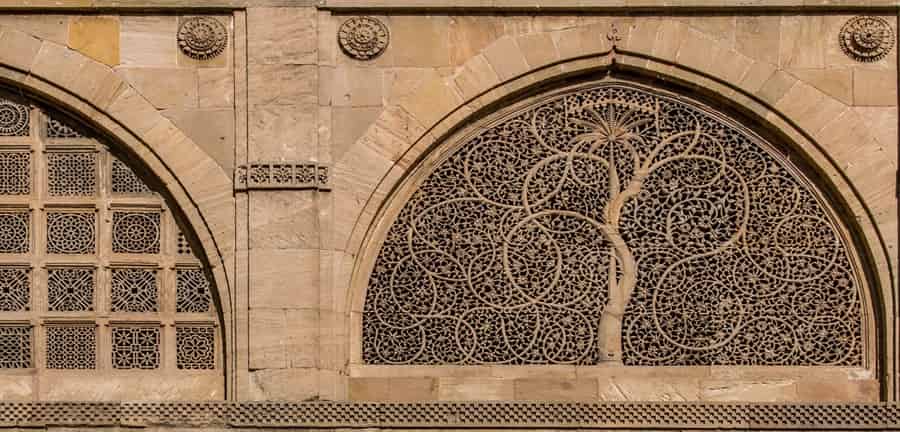
Sidi Saiyyed Mosque Ahmedabad: Iconic Jaali, History & Visitor Tips
Explore Sidi Saiyyed Mosque Ahmedabad with history, jaali architecture insights, visitor tips, and nearby heritage walk suggestions.

UNESCO World Heritage Sites in India: Full List, States & Highlights
Explore all 40 UNESCO World Heritage Sites in India. Complete guide to Taj Mahal, Red Fort, Ajanta Ellora, Kaziranga, and more with visit planning tips.
Never Miss an Adventure
Get the latest trekking guides, travel tips, and exclusive offers delivered straight to your inbox.
