
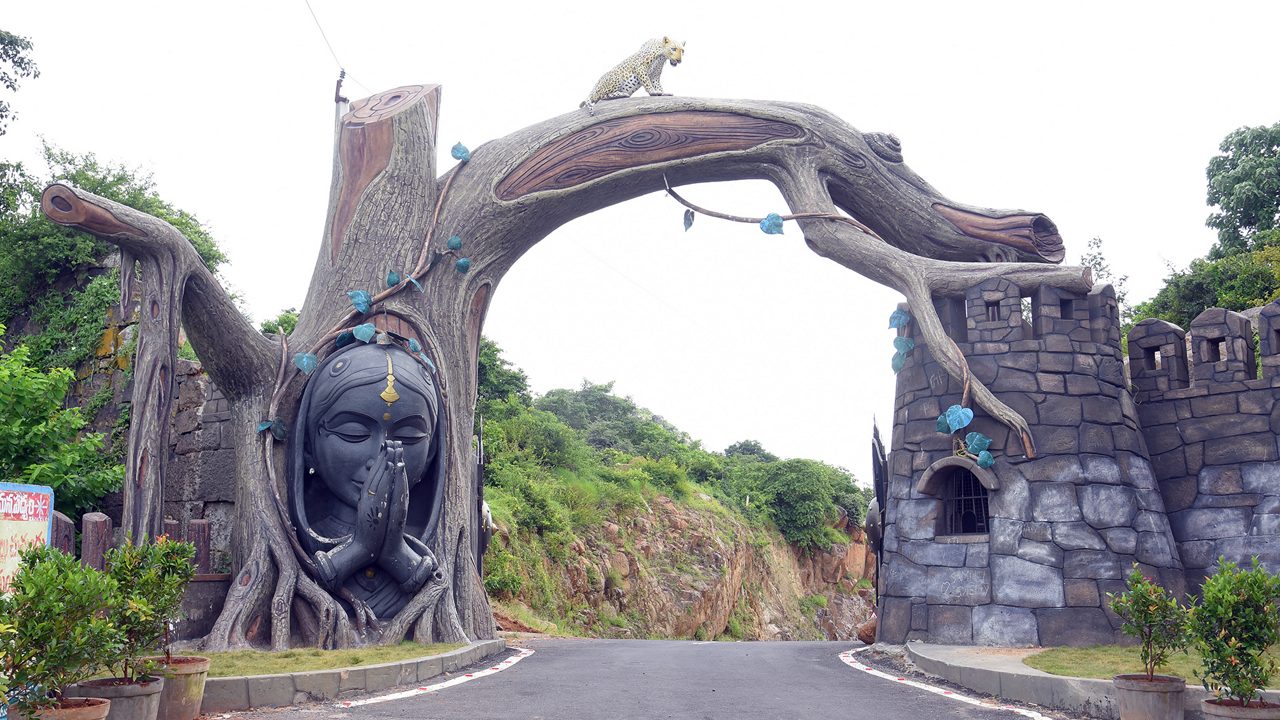
12 Best Places to Visit in Guntur: Heritage & Food

Rohit Verma
December 23, 2025
Discover 12 best places to visit in Guntur including Kondaveedu Fort, Amaravathi, Mangalagiri, Uppalapadu, and practical itinerary tips.
Introduction: Why Guntur Is Worth More Than a Quick Stop
Guntur is often treated as a transit city between Vijayawada, Amaravathi, and coastal Andhra, but the district has enough history, spirituality, nature, and food culture to justify a focused trip. If you are searching for places to visit in Guntur, the right approach is to combine one heritage site, one temple circuit, one nature stop, and one local food block rather than trying to rush everything in a single day.
The city and surrounding region are linked to Buddhist history, medieval hill fort architecture, major Hindu pilgrimage centers, and one of India's best-known chilli trade ecosystems. This gives Guntur a distinct travel profile: educational in the morning, spiritual in the afternoon, and culinary in the evening.
Before you build your route, also review places to eat in Guntur, shopping places in Guntur, and temples in Guntur so your day plan stays practical.
1. Kondaveedu Fort
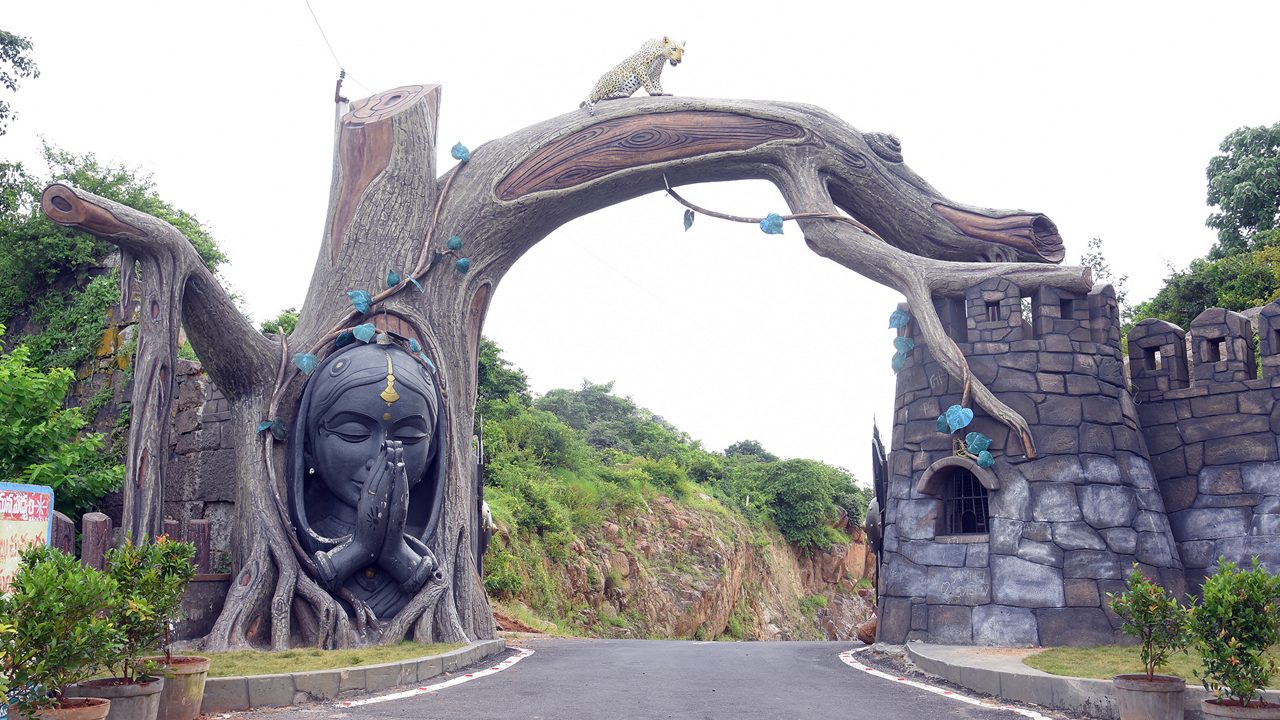
Kondaveedu Fort is one of the strongest heritage attractions near Guntur and a core stop for history-focused travelers. Built during the Reddy kingdom period and developed over time, the hill fort complex is known for elevated views, old defensive structures, and a sense of layered regional history. Recent tourism attention has improved visitor movement and general accessibility around the zone, but conditions can still vary by season and crowd load.
The fort area is best visited in the early morning or late afternoon, especially outside peak summer months. If you are interested in panoramic photography, carry water and plan gradual movement because terrain sections can feel tiring in midday heat.
- Approx distance from Guntur: around 25-30 km
- Best window: October to March
- Ideal visit time: 2-3 hours including approach and viewpoint breaks
2. Amaravathi Stupa and Museum Circuit
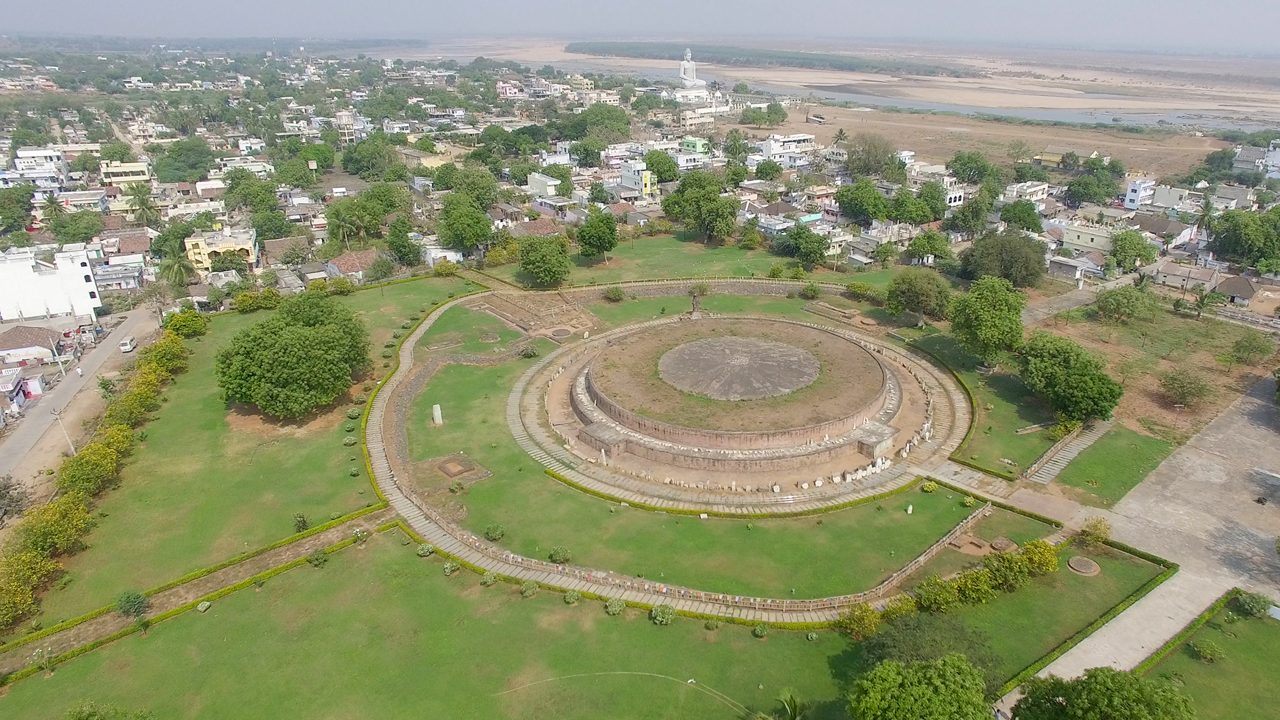
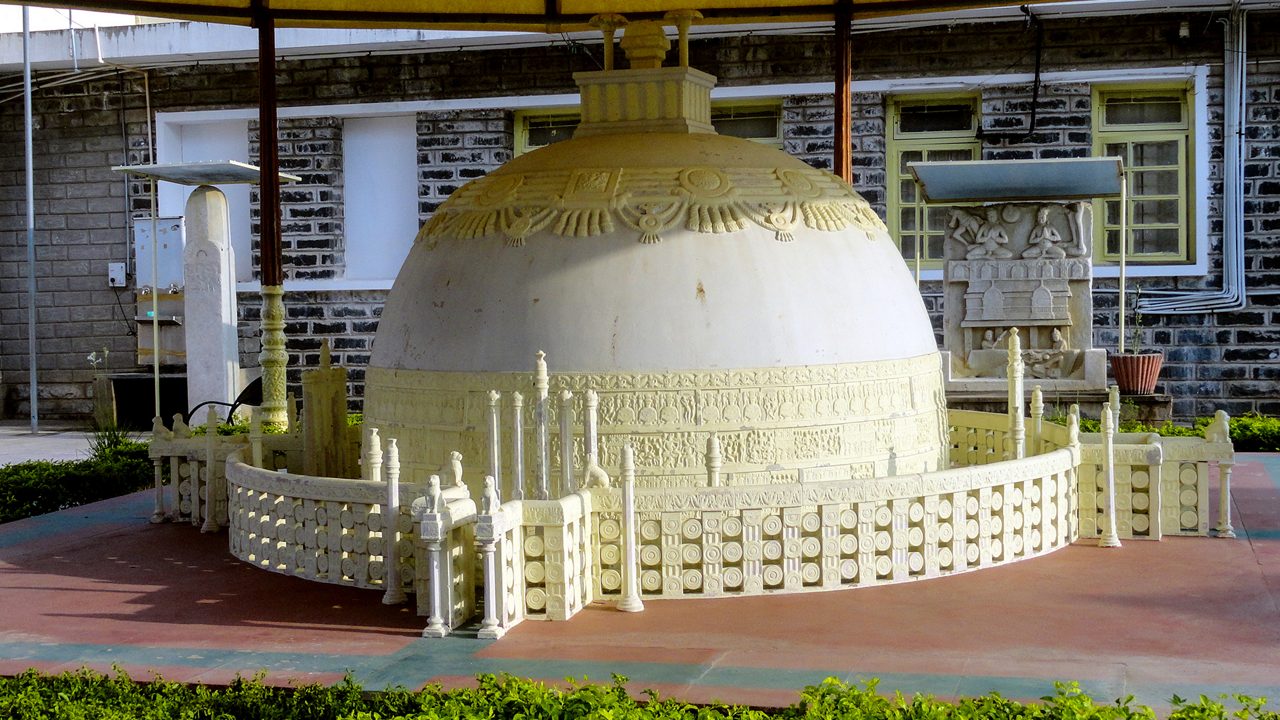
Amaravathi is one of the most significant cultural extensions from Guntur, especially for travelers interested in Buddhist heritage. The stupa site and museum circuit reflect a long historical arc and are usually planned as a half-day educational stop. The surrounding Krishna river belt adds landscape value to the experience, making this a good contrast to the fort-and-temple route.
For first-time visitors, guided interpretation or prior reading improves the visit substantially because the site's importance is in context, not only visual scale. Combine this with a calm lunch break and avoid packing too many distant attractions in the same slot.
- Approx distance from Guntur: around 30-35 km
- Best for: history learners, families, and culture-focused trips
- Practical tip: confirm current ticketing and museum hours before departure
3. Uppalapadu Bird Habitat
Uppalapadu is one of the best nature-side short excursions near Guntur for birdwatching and light photography. Seasonal bird presence makes this stop most rewarding during cooler months, especially mornings. Visitors who want a lower-effort nature activity compared to trekking usually prefer this route.
Recent conservation focus in the region has increased awareness around habitat protection. Because this is an active ecological zone, keep noise low and avoid crowd-style behavior near nesting clusters.
- Best season: November to March for migratory sightings
- Best time of day: early morning
- Trip style: short, quiet, observation-led
4. Mangalagiri Lakshmi Narasimha Swamy Temple
Mangalagiri is a major pilgrimage and heritage stop in the wider Guntur-Vijayawada corridor. The temple circuit here is known for its ritual traditions, hill setting, and strong spiritual footfall. It works well for devotees as well as cultural travelers who want to understand local temple history and architecture.
Since darshan patterns and crowd density vary by festival calendars and weekends, start early and keep conservative buffers. Dress modestly and follow local temple guidance.
- Approx distance from Guntur: around 20-25 km
- Best window: mornings for smoother darshan flow
- Plan note: check latest darshan timing before travel
5. Kotappakonda Trikoteswara Swamy Temple
Kotappakonda is one of the most respected Shiva pilgrimage centers in the broader Guntur region and is especially popular during Maha Shivaratri. The hill-temple setting and religious atmosphere make it a strong spiritual addition to a two-day Guntur trip.
Even outside festival windows, many travelers visit for the scenic hill profile and temple setting. If you are combining this with central-city stops, keep transport buffers because this route is longer than inner Guntur attractions.
- Approx distance from Guntur: around 55-65 km (route dependent)
- Best for: pilgrimage and spiritual circuits
- Best practice: avoid overpacked same-day multi-district plans
6. Suryalanka Beach (Extended Day Trip)
Suryalanka is commonly added as a beach extension for travelers staying in Guntur for multiple days. It is suitable for sunrise walks, relaxed coastal time, and short weekend driving plans. This is not a city-center stop, so treat it as a dedicated half-day or full-day outing based on your pace.
For families and groups, coastal visits work best when combined with simple meal planning and early return scheduling. Always prioritize local safety advisories for sea conditions.
- Approx distance from Guntur: around 90-100 km depending on start point
- Best season: October to March
- Best use: weekend extension rather than rushed same-day stacking

7. Undavalli Caves
Undavalli Caves are an important rock-cut heritage stop in the Guntur district region and are often combined with Mangalagiri and Vijayawada-side movement. The caves offer a strong archaeological and architectural experience, especially for travelers interested in early historic carving traditions.
Because this stop requires stair and site walking, carry comfortable footwear and avoid peak heat windows where possible. It is ideal in a heritage-heavy day plan with limited additional transfers.
8. Haailand and Leisure Stops
If you are traveling with children or mixed-age groups, including one leisure stop can balance a history-heavy itinerary. Haailand and similar recreational zones in the broader corridor are used as downtime attractions between temple and heritage segments. Use these only if your group prefers activity variety; culture-focused travelers can skip them and spend more time in Amaravathi or fort circuits.
9. NTR Manasa Sarovaram and Urban Green Pockets
Urban garden and lake-style spaces near the Guntur region are useful for low-intensity evening visits. These are not headline attractions like Kondaveedu or Amaravathi, but they help slow down a packed itinerary and are practical for families after a long day on roads.
10. Local Temple Clusters in and Around Guntur
Beyond major pilgrimage hubs, Guntur has many smaller temple clusters that offer short, peaceful visits. If your itinerary already includes temple routes in Guntur, choose 1-2 neighborhood temples instead of trying to cover many in one stretch. This approach improves travel comfort and preserves time for food and local market exploration.
11. Chilli Market and Food-Culture Walk
Guntur's identity is closely linked to chilli trade and Andhra food culture. Even if you are not planning a shopping-focused trip, spend one route block around local markets and regional dining zones. This gives context to why Guntur cuisine tastes distinct and why the city is such an important node in South Indian spice movement.
For practical planning, continue with Guntur food places and shopping spots in Guntur.
12. One-Day and Two-Day Guntur Itinerary Ideas
One-Day Plan (Fast but Balanced)
- Morning: Kondaveedu Fort or Amaravathi (pick one headline site)
- Afternoon: Mangalagiri or a short temple stop
- Evening: market plus food trail in Guntur city
Two-Day Plan (Recommended)
- Day 1: Kondaveedu Fort + city temple/market + local dining
- Day 2: Amaravathi circuit + Uppalapadu or Mangalagiri
This structure gives heritage, spirituality, and nature without route fatigue.
Best Time to Visit Guntur
October to March is generally the most comfortable period for sightseeing in Guntur and nearby districts. Winter and post-monsoon months are better for fort walks, birding, and day trips with lower heat stress. Summer travel is possible but should be built around early starts, hydration planning, and fewer outdoor midday blocks.
| Season | Travel Conditions | Best Use |
|---|---|---|
| Oct-Mar | Pleasanter weather | Full sightseeing and day trips |
| Apr-Jun | Hot daytime conditions | Early-morning and indoor-focused plans |
| Jul-Sep | Mixed monsoon conditions | Flexible plans with weather buffer |
How to Reach Guntur
Guntur has strong rail and road connectivity and can be reached easily from major Andhra and Telangana cities. The nearest major airport access for most visitors is via the Vijayawada side. In-city and inter-point movement is usually done through cabs, local transport, or private vehicles for multi-stop day routes.
- By train: Guntur Junction is well connected.
- By road: direct access from Vijayawada and Hyderabad corridors.
- By air: nearest airport connectivity via Vijayawada region.
Travel Tips for Guntur Sightseeing
- Pick one major heritage site per half-day to avoid fatigue.
- Carry water, cap, and sun protection for fort and temple walks.
- Confirm timings and fee details on the same day for key monuments.
- Keep a food break between long road segments.
- Do not overstack beach and hill-fort routes in one day.
With route discipline, Guntur becomes a high-value short-trip destination rather than a rushed checklist city.
Final Take
The best places to visit in Guntur combine Kondaveedu's hill heritage, Amaravathi's Buddhist history, Mangalagiri and Kotappakonda's spiritual pull, and nature add-ons like Uppalapadu and Suryalanka extensions. Plan for two days if possible, keep travel clusters tight, and pair sightseeing with local cuisine for the complete Guntur experience.
If you want to extend your Andhra circuit after Guntur, you can continue toward Hyderabad travel routes for an urban-history contrast.
Location
Frequently Asked Questions
Q1.How many days are enough for Guntur sightseeing?
Q2.What is Guntur most famous for?
Q3.Is Kondaveedu Fort worth visiting?
Q4.What can we see in Amaravathi near Guntur?
Q5.How do I reach Guntur from Hyderabad?
Q6.What is the best time to visit Guntur?
Q7.Is Guntur safe for tourists?
Q8.Can Guntur be covered in one day?
Recommended For You
Places to Eat in Hyderabad: Biryani Spots, Cafes & Fine Dining
Explore places to eat in Hyderabad with biryani icons, Irani cafes, street food, traditional Hyderabadi cuisine, dessert picks, and practical dining budgets.

Street Food in Hyderabad: 25 Must-Try Dishes & Locations
Complete guide to Hyderabad street food featuring biryani, haleem, kebabs, Irani chai, and best locations in Old City, Charminar, and beyond.
Best Places to Visit in Hyderabad: Heritage Sites, Food & City Icons
Discover the best places to visit in Hyderabad including Charminar, Golconda Fort, Ramoji Film City, Salar Jung Museum, and practical itinerary tips.
Never Miss an Adventure
Get the latest trekking guides, travel tips, and exclusive offers delivered straight to your inbox.
