
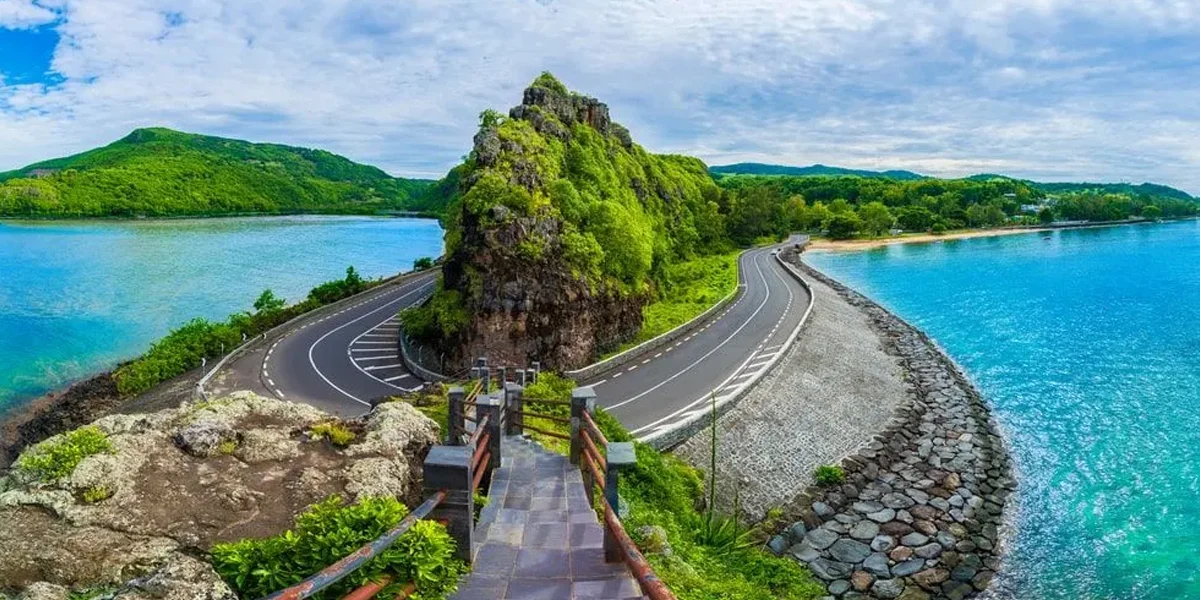
Places to Visit Mauritius: Paradise Island
Rohit Verma
November 22, 2025
Discover the best places to visit in Mauritius with a practical guide to beaches, mountains, nature parks, Port Louis, and a balanced 6-day itinerary.
Introduction: Why Mauritius Is More Than Just a Beach Holiday
Mauritius is often marketed as a postcard island of turquoise lagoons and luxury resorts, but the real destination is much broader. If you are searching for places to visit Mauritius, you are planning a trip that can include city culture, volcanic landscapes, forest hikes, sacred lakes, and heritage sites alongside famous beaches. This balance is exactly what makes Mauritius one of the best international itineraries for couples, honeymooners, families, and mixed-interest groups.
The island is compact enough for efficient day trips but diverse enough that every coast feels different. The west gives dramatic sunsets and calmer beach stretches, the south offers rugged scenery and mountain landmarks, and central regions add crater viewpoints and gardens. Port Louis brings urban energy, while Chamarel and Black River Gorges deliver nature depth.
This guide covers the top mauritius tourist places with practical stop planning, realistic timing, and route logic. For budget and long-haul planning context, you can also compare cheapest countries in Europe and cheapest flights to Europe from India style budgeting frameworks before finalizing an international itinerary.
1. Port Louis: Culture, Market Streets, and Waterfront Energy
Port Louis is the capital and one of the most important places to visit in Mauritius if you want to understand local life beyond resorts. Many travelers skip the city and miss key culture layers: market commerce, street food, colonial-era architecture, and modern waterfront development. A half-day or full-day city block can add strong depth to your island itinerary.
What to prioritize in Port Louis:
- Central Market: ideal for local produce, spices, snacks, and people-watching.
- Caudan Waterfront: dining, shopping, arts spaces, and marina-side walking.
- Fort Adelaide viewpoint: elevated views over city and harbor layout.
- Blue Penny context areas: useful for visitors interested in history and philately.
Best visiting pattern is morning market followed by late-lunch waterfront movement. If you start after noon, heat and traffic can slow the experience. Keep city transit compact and avoid overloading this day with far-out attractions.
2. Flic en Flac Beach: Relaxed West-Coast Base
Flic en Flac remains one of the most popular Mauritius attractions for travelers who want a beach that is easy, social, and visually strong without heavy planning complexity. The coastline here is known for broad sandy stretches and sunset views that work well for both short visits and longer stays.
Why Flic en Flac works in most itineraries:
- Good access from central and western hotel belts.
- Useful base for combining beach time with inland day trips.
- Suitable for swimming and low-intensity water activities in favorable conditions.
Practical tip: use early morning for calmer beach walks and late afternoon for sunset sessions. Midday sun can be harsh, so keep hydration and shade planning in place. If your trip includes honeymoon priorities, this coast is one of the easiest to integrate into a romantic, low-stress schedule. For broader couple planning, see international honeymoon places in April.
3. Chamarel: Seven Colored Earth and Waterfall Landscapes
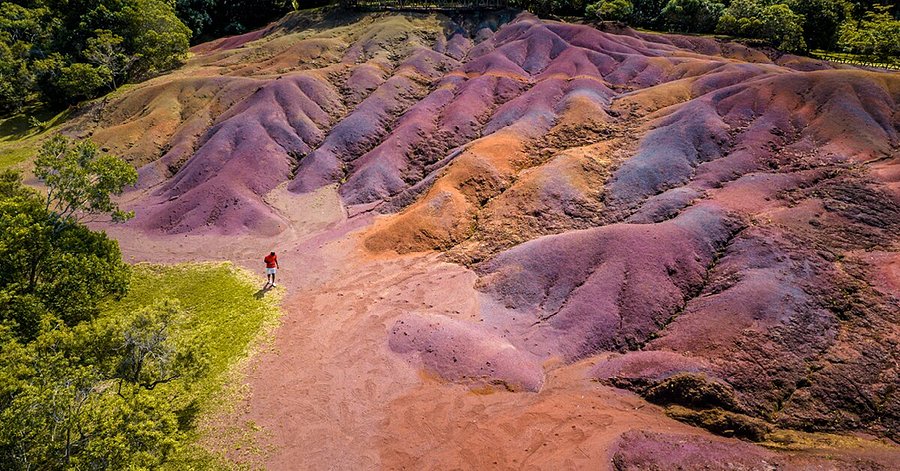
Chamarel is one of the most distinct sightseeing zones in Mauritius because it combines geological uniqueness with scenic viewpoints. The Seven Colored Earth area is famous for its naturally occurring multicolored dunes formed through weathering of volcanic material. Nearby Chamarel Waterfall adds vertical drama and helps build a complete half-day nature circuit.
What makes Chamarel special:
- Rare color-banded earth formation unlike standard beach environments.
- High photo value, especially in softer morning and late-afternoon light.
- Easy pairing with viewpoints, cafes, and inland scenic drives.
Execution tips:
- Arrive early to avoid dense tour-bus clustering.
- Carry a light rain layer because inland weather can shift quickly.
- Use designated walkways and do not cross restricted dune zones.
Plan 2 to 3 hours for a comfortable visit including the waterfall viewpoint. This is one of the best places to visit in Mauritius for travelers who want scenery beyond beaches.
4. Black River Gorges National Park: Core Nature Zone
Black River Gorges National Park is the largest protected forest landscape in Mauritius and an essential stop for hiking-focused travelers. If your trip goal includes biodiversity, forest trails, and elevated viewpoints, this is where Mauritius tourism feels most adventurous.
The park includes multiple trails with varying difficulty, and conditions depend on rain, season, and trail selection. Some routes are suitable for casual walkers, while longer segments require better fitness and weather awareness. Birdlife, endemic vegetation, and valley views make this one of the highest-value nature stops on the island.
How to plan a safe and useful visit:
- Select one route matching your group's fitness level.
- Start early to avoid afternoon humidity build-up.
- Carry water, sun protection, and basic rain cover.
- Keep offline navigation support for trail confidence.
A half-day block is usually enough for first-time visitors. Serious hikers can dedicate a full day, but only with clear route discipline and weather checks. This park is where Mauritius moves from resort leisure to real outdoor exploration.
5. Le Morne Brabant: Heritage, Views, and Symbolism
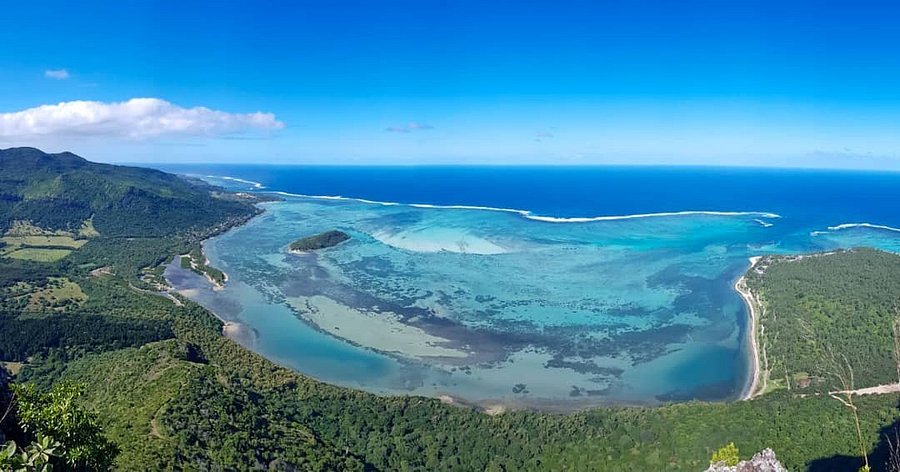
Le Morne Brabant is one of the most meaningful landmarks in Mauritius, not only for scenery but also for history. Recognized by UNESCO as a cultural landscape, Le Morne carries memory linked to resistance and freedom, giving the mountain a significance that goes beyond viewpoint photography. This makes it one of the most important mauritius sightseeing stops for travelers who value historical context.
Travel value of Le Morne:
- Powerful panoramic views over lagoon and reef systems.
- Deep cultural significance recognized at global heritage level.
- Strong combination of mountain and beach in one region.
Hike planning notes:
- Start early due heat and exposure on open sections.
- Use local guide support for safer navigation on upper stretches.
- Wear shoes with grip; surfaces can be slippery after rain.
If you are not doing the full hike, the surrounding Le Morne coast is still worth visiting for beach quality and landmark views. Many travelers combine this with a west-south scenic drive for an efficient day route.
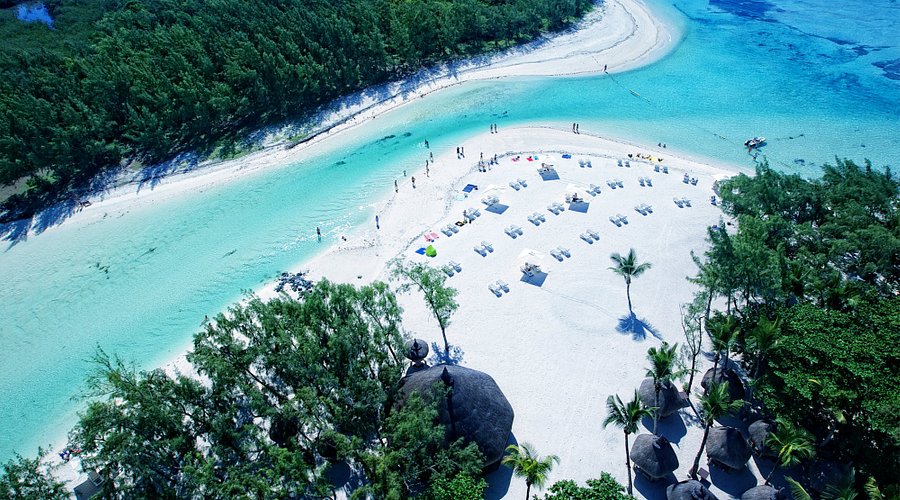
6. Ile aux Cerfs: Water Sports and Lagoon Day
Ile aux Cerfs is often described as a classic lagoon excursion and is one of the best places to visit in Mauritius for water-focused day trips. Reached by boat from the east coast, the island is known for bright shallow waters, beach lounging zones, and activity operators offering parasailing and other water sports.
What to expect:
- A full-day outing model, usually with fixed transfer windows.
- High visual appeal and open-water recreation options.
- Crowds during peak season and weekends.
To get better value from the day:
- Book activity combinations in advance when possible.
- Carry reef-safe sun protection and dry bags for electronics.
- Check weather and sea conditions before departure.
This excursion works best when paired with a lighter following day, since full-day marine outings can be physically tiring even when the itinerary looks relaxed.
7. Grand Bassin (Ganga Talao): Sacred Lake in the Highlands
Grand Bassin, also called Ganga Talao, is one of the most spiritually important sites in Mauritius, especially for the Hindu community. Set in the island's highland region, this crater-lake shrine complex offers a very different atmosphere from coastal tourism circuits. Large deity statues, temple spaces, and peaceful water views make it a meaningful stop for both pilgrims and respectful cultural travelers.
Why include Grand Bassin:
- Strong cultural and religious significance in Mauritius identity.
- Cooler inland setting compared with beach heat zones.
- Easy integration into Chamarel or central highland day routes.
Visit etiquette matters here. Dress modestly, avoid loud behavior, and treat the site as an active place of worship rather than a photo set. A 60 to 90 minute visit is usually enough unless you are attending specific religious observances.
8. Sir Seewoosagur Ramgoolam Botanical Garden, Pamplemousses
Pamplemousses Botanical Garden is one of the oldest botanical gardens in the region and a signature stop for travelers interested in tropical flora. Known for giant water lilies, palm collections, and landscaped pathways, it offers an accessible, low-intensity experience suitable for all age groups.
Highlights typically include:
- Large lily ponds and heritage tree sections.
- Palm diversity and tropical plant collections.
- Shaded walking tracks that fit half-day schedules.
Most visitors spend 1.5 to 2.5 hours depending pace. Morning and late afternoon are usually more comfortable for walking. If this is part of a city-oriented day, combine it with Port Louis stops rather than mixing it with distant southern attractions in the same block.
9. Trou aux Cerfs: Easy Crater Viewpoint
Trou aux Cerfs near Curepipe is a dormant volcanic crater and one of the easiest highland viewpoints to include in a Mauritius itinerary. It does not require technical hiking and is suitable for quick scenic halts, making it a practical addition on transfer-heavy days.
Why travelers like Trou aux Cerfs:
- Short access and low physical effort.
- Wide island views when conditions are clear.
- A geological contrast to coastal landscapes.
Keep this as a 45 to 75 minute stop and pair it with nearby central attractions. It is particularly useful for travelers who want variety but cannot commit to long trekking segments.
10. Suggested 6-Day Mauritius Sightseeing Framework
If you want to cover the top places to visit Mauritius without rushing, a six-day structure works well:
- Day 1: Port Louis + Caudan + Pamplemousses.
- Day 2: Flic en Flac beach and west coast leisure.
- Day 3: Chamarel + Black River Gorges viewpoints.
- Day 4: Le Morne region and beach-hike balance.
- Day 5: Ile aux Cerfs full-day water excursion.
- Day 6: Grand Bassin + Trou aux Cerfs + shopping buffer.
This sequencing keeps long-transfer days separated and gives a good mix of beach, nature, and cultural content.
Practical Travel Tips: Season, Budget, Transport, and Safety
Best time to visit Mauritius: May to December is commonly preferred for drier and less humid conditions. Shoulder periods can still be good, but wind and showers vary by coast.
Trip duration: 5 to 7 days is ideal for first-time travelers. Shorter plans are possible, but you will need strict prioritization.
Budget reality: Mauritius can be done in both mid-range and premium style. Costs change sharply based on resort category, activities, and transport choices.
Transport strategy: A hired car with driver or self-drive plan gives better flexibility than relying only on ad-hoc taxis for multi-stop days.
Entry requirements: Indian travelers often have favorable entry conditions for short tourist stays, but rules can change. Always verify latest requirements on official immigration channels before booking.
Health and comfort: carry sun protection, hydration support, and reef-safe products. For hikes, use proper shoes and avoid overexertion in high humidity.
Food experience: Mauritius rewards local tasting. Try street and casual options like dholl puri, gateaux piment, and Creole-influenced dishes at trusted outlets.
For honeymoon planners: split stay strategy works well, for example west coast sunset base plus east-coast lagoon day, instead of staying only in one zone for the entire trip.
Money and payments: carry a mix of card and cash. Urban zones and major hotels accept cards, but local markets, small food counters, and some activity pickup points may still prefer cash payments.
Shopping picks: travelers commonly buy vanilla tea, model ships, local rum products, handcrafted decor, and beachwear. Compare prices between city markets and resort boutiques before final purchases.
Day-trip pacing: avoid packing opposite coasts into a single day. Mauritius feels small on maps, but transfer time plus activity wait time can quickly consume your schedule.
Adventure lovers can also compare activity style and pricing with Casela World of Adventures Mauritius before planning inland action blocks.
If you are comparing multiple international options before finalizing, use this alongside international honeymoon places April to evaluate season and budget fit.
Final Take
The best places to visit Mauritius combine coast, culture, and landscape diversity: Port Louis, Flic en Flac, Chamarel, Black River Gorges, Le Morne, Ile aux Cerfs, Grand Bassin, Pamplemousses, and Trou aux Cerfs. Plan your days by region, not random attraction order, and you will get much better trip flow. With smart pacing, Mauritius delivers far more than a beach holiday and stands out as one of the most complete island destinations in the Indian Ocean. Smart route clustering also reduces fatigue and transfer waste.
Location
Frequently Asked Questions
Q1.How many days are enough for Mauritius?
Q2.What is the best time to visit Mauritius?
Q3.Is Mauritius expensive for Indian travelers?
Q4.What are the top attractions in Mauritius?
Q5.Which is the best beach area in Mauritius?
Q6.Is Chamarel worth visiting?
Q7.Do Indian citizens need a visa for Mauritius?
Q8.Is Mauritius safe for tourists?
Recommended For You
Casela World of Adventures Mauritius: Rides, Safari & Entry Details
Discover Casela World of Adventures in Mauritius - a 350-hectare park offering thrilling safaris, wildlife encounters, ziplining, canyoning, and quad biking. Complete guide with tickets, timings, and tips.
Top Romantic Honeymoon Destinations World
Discover the most romantic honeymoon destinations worldwide. Beach, mountain & exotic locations with best time to visit, budget & travel tips for couples.
International Destinations Under 1.5 Lakh from India: Budget Trip Ideas
Discover international destinations under 1.5 lakh! Explore 15+ budget-friendly countries from India with cost breakdown, visa info & complete budget travel guide.
Never Miss an Adventure
Get the latest trekking guides, travel tips, and exclusive offers delivered straight to your inbox.
