
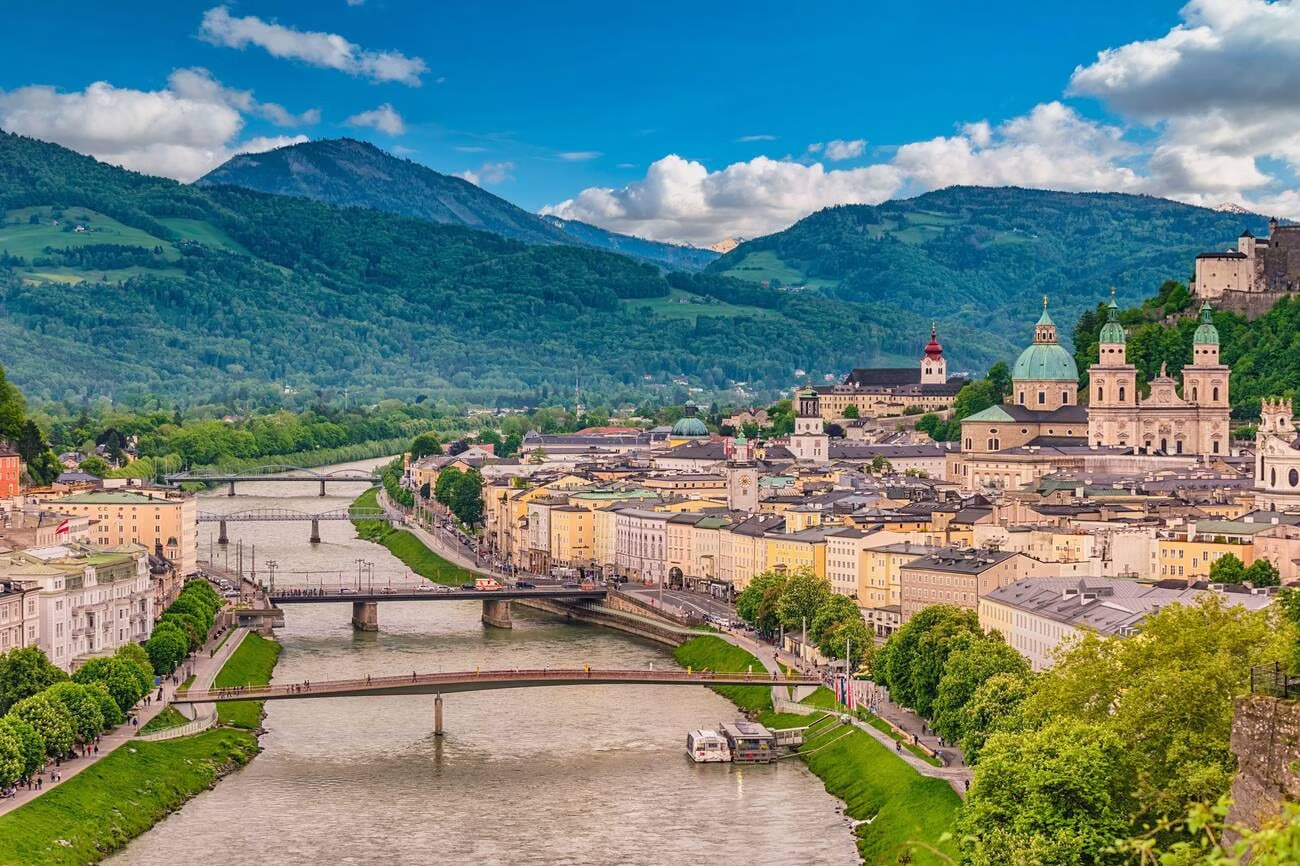
Cheapest Countries to Visit in Europe from India: Budget Breakdown

Neha Kapoor
February 18, 2026
Discover Europe's most affordable destinations! Complete budget guide covering Albania, Bosnia, Bulgaria, Hungary & more. Daily costs, accommodation, food, and money-saving tips.
Introduction: Europe Doesn't Have to Break the Bank
Dreaming of cobblestone streets, historic castles, and diverse cultures across Europe? Contrary to popular belief, experiencing the continent's rich heritage doesn't require a fortune. While Western European destinations like Switzerland, France, and Scandinavia can strain your wallet, Eastern and Central Europe offer incredible value without compromising on experiences.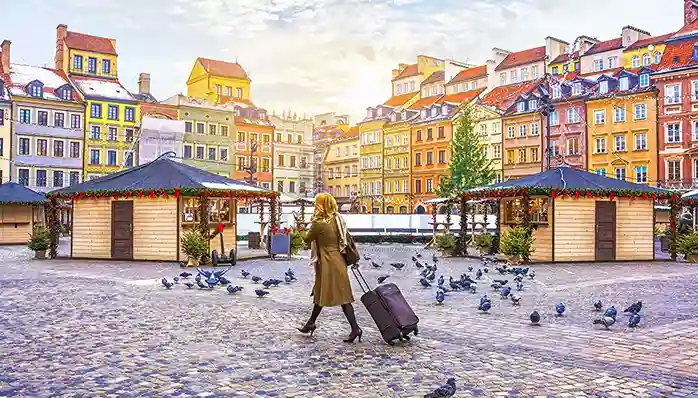 The secret to affordable European travel lies in choosing the right destinations. Countries that were once part of the Eastern Bloc, along with several Balkan nations, provide stunning architecture, delicious cuisine, and warm hospitality at a fraction of the cost you'd expect. Whether you're a backpacker, a solo traveler, or planning a family vacation, these budget-friendly European destinations deliver unforgettable experiences.
Smart planning and strategic choices can save you hundreds, if not thousands, of dollars on your European adventure. From accommodation to dining, transportation to sightseeing, we'll guide you through everything you need to know about exploring Europe on a budget without missing out on the magic that makes this continent so special.
The secret to affordable European travel lies in choosing the right destinations. Countries that were once part of the Eastern Bloc, along with several Balkan nations, provide stunning architecture, delicious cuisine, and warm hospitality at a fraction of the cost you'd expect. Whether you're a backpacker, a solo traveler, or planning a family vacation, these budget-friendly European destinations deliver unforgettable experiences.
Smart planning and strategic choices can save you hundreds, if not thousands, of dollars on your European adventure. From accommodation to dining, transportation to sightseeing, we'll guide you through everything you need to know about exploring Europe on a budget without missing out on the magic that makes this continent so special.
Top 10 Cheapest Countries to Visit in Europe
1. Albania – Europe's Hidden Gem
Albania emerges as one of Europe's most affordable destinations, offering pristine beaches along the Riviera, dramatic mountain landscapes, and fascinating Ottoman architecture. Daily budgets range from €30-50, making it exceptionally wallet-friendly even for extended stays. What makes Albania truly special is its authentic, unspoiled character. Unlike more touristy European destinations, Albania offers genuine experiences where traditional culture thrives. The Albanian Riviera boasts beaches that rival those of Italy or Croatia, but at a fraction of the cost. Towns like Saranda, Ksamil, and Himara offer crystal-clear waters and seaside accommodation for €15-25 per night.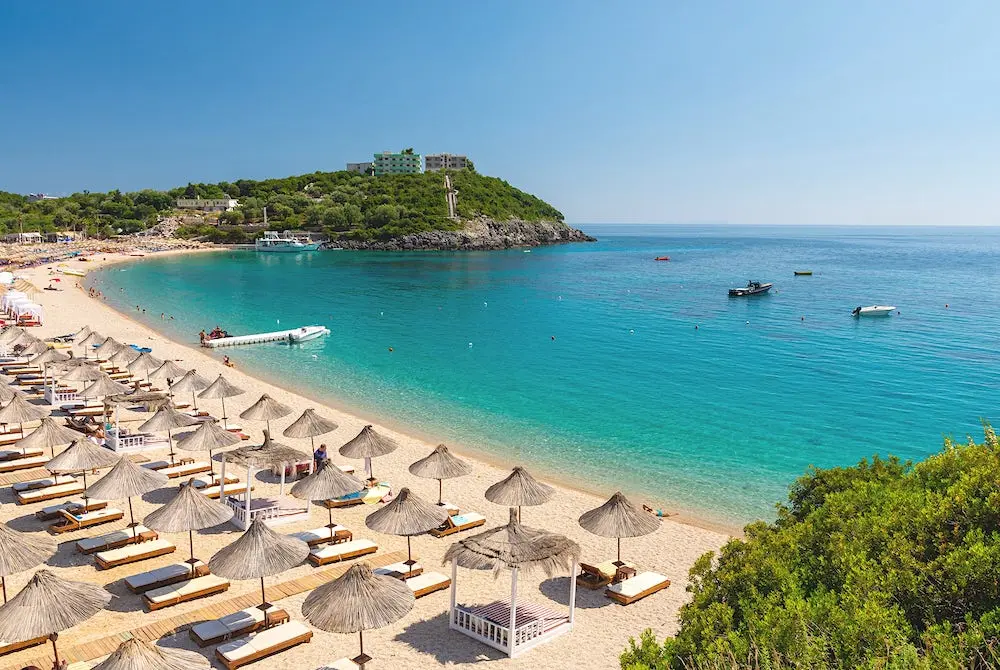 Inland, explore the UNESCO-listed cities of Berat and Gjirokastër, known as the "City of a Thousand Windows" and "City of Stone," respectively. These Ottoman-era towns offer boutique guesthouses for €20-35 and some of the best-preserved architecture in the Balkans. Food is incredibly affordable – expect to pay €3-6 for a hearty meal at local taverns, where fresh seafood and traditional dishes like tavë kosi (baked lamb with rice) delight visitors.
2. Bosnia and Herzegovina – Where History Meets Natural Beauty
With a daily budget of €35-55, Bosnia and Herzegovina offers an incredible mix of natural wonders, historical significance, and cultural richness. Mostar's iconic Stari Most (Old Bridge), a UNESCO World Heritage Site, draws visitors from around the world, but the country offers far more beyond this famous landmark. The capital, Sarajevo, captivates with its blend of East and West, where mosques, churches, and synagogues stand within blocks of each other. The city's poignant recent history is documented in moving museums, while the vibrant Baščaršija old bazaar offers traditional copper crafts, coffee houses, and ćevapi (grilled meat) for €2-4. Beyond the cities, Bosnia's natural beauty shines. The Kravice Waterfalls, often compared to miniature versions of Niagara, can be visited for just a few euros. Rafting on the Neretva River, hiking in the Dinaric Alps, and exploring the mysterious Pyramids of Visoko (claimed by some to be the oldest in the world) provide adventure without the high price tags found elsewhere in Europe.3. Bulgaria – EU's Best Value Destination
As one of the European Union's most affordable members, Bulgaria offers remarkable value with daily budgets of €35-60. The capital, Sofia, combines ancient history (ruins of Serdika dating back 2000 years sit alongside modern buildings) with a thriving café culture and excellent public transportation. Bulgaria's second city, Plovdiv, one of Europe's oldest continuously inhabited cities, boasts a beautifully preserved Roman theater still in use today. Walking through Plovdiv's Old Town feels like stepping back in time, yet accommodation costs just €25-45 per night in family-run guesthouses. The Black Sea coast offers beach destinations like Varna and Burgas at prices far below Mediterranean counterparts. During summer, expect beachfront hotels for €40-60 (compared to €150+ in Italy or France). Bulgaria is also one of the world's oldest wine-producing regions – visit wineries in the Thracian Valley for tastings that cost just €5-10, sampling indigenous varieties you won't find elsewhere.4. Hungary – Budapest's Grandeur Without the Price
Hungary, particularly Budapest, has earned a reputation as Central Europe's value capital. With daily budgets of €40-65, visitors can enjoy world-class thermal baths, stunning architecture, and vibrant nightlife without the Western European price tag. Budapest's thermal bath culture, dating back to Roman and Ottoman times, offers relaxation at reasonable prices. The Széchenyi Medicinal Bath, one of Europe's largest spa complexes, costs around €15-20 for a full day of soaking in 18 pools ranging from 18-38°C. The city's ruin bar scene – unique pubs built into abandoned buildings – provides entertainment with beers costing €2-4, compared to €8-10 in Vienna or Prague.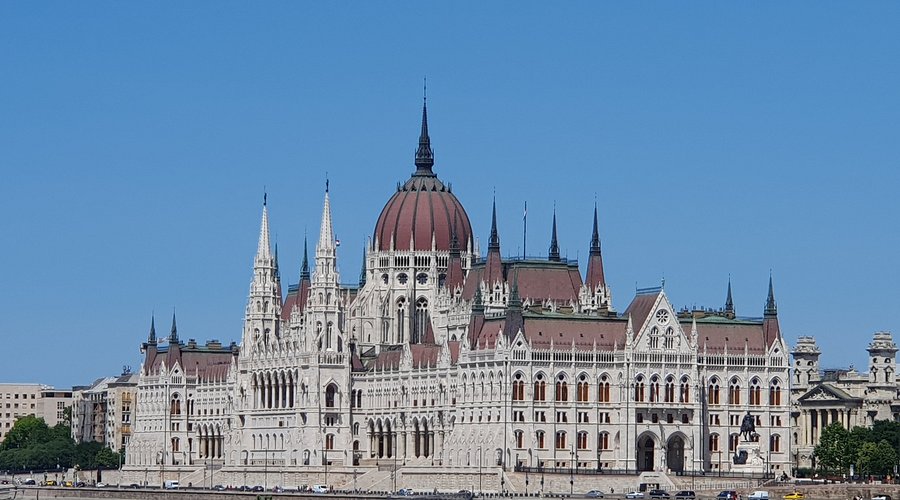 Beyond Budapest, explore Lake Balaton, Central Europe's largest lake, offering beach resorts and wine regions at Hungarian prices. The Tokaj wine region, famous for its sweet dessert wines, offers cellar tastings for €3-7, while the Eger region produces Hungary's famous Bull's Blood wine.
5. Poland – History and Culture at Great Prices
Poland offers tremendous value with daily budgets of €40-70, combining deep history, vibrant cities, and hearty cuisine. Krakow, Poland's cultural capital, boasts one of Europe's best-preserved medieval town squares, the Wawel Castle complex, and a poignant Jewish quarter history. Food in Poland is exceptionally affordable – a plate of pierogi (dumplings) costs €3-5, while a hearty dinner at a milk bar (bar mleczny – traditional cafeteria-style eateries) runs €4-7. These institutions, dating back to communist times, serve homemade Polish classics at unbeatable prices. Warsaw, rebuilt from WWII destruction, offers a fascinating mix of reconstructed historic buildings and modern skyscrapers. The city's excellent museums, including the Warsaw Uprising Museum and POLIN Museum of Polish Jews, cost just €3-6. Poland's efficient and affordable intercity trains connect major cities for €10-25, making multi-city exploration budget-friendly.6. Romania – Castles, Mountains, and Medieval Towns
Romania (€35-60 daily) surprises most visitors with its diverse offerings: Transylvanian castles (including Bran Castle, associated with Dracula legends), stunning Carpathian mountain scenery, and remarkably preserved medieval towns. Brasov's Saxon heritage, Sighisoara's colorful clock tower, and Sibiu's impressive architecture rival anywhere in Central Europe. Romanian cuisine is delicious and inexpensive – try sarmale (cabbage rolls), mici (grilled skinless sausages), and ciorbă (sour soup) for €4-7 at local restaurants. The country's wine regions, particularly Transylvania and Moldova, offer tastings for €5-10, often including beautiful castle settings. For nature lovers, Romania offers some of Europe's best-value outdoor experiences. Hiking in the Carpathians, exploring the dramatic Transfăgărășan highway (one of the world's most spectacular roads), and visiting traditional villages in Maramureş cost little beyond transportation. Accommodation in guesthouses ranges from €20-40, often including generous Romanian breakfasts.7. Serbia – Balkan Hospitality and Vibrant Culture
Serbia (€35-55 daily) offers perhaps the warmest hospitality in the Balkans, alongside a vibrant capital city, dramatic monasteries, and excellent food and wine. Belgrade has emerged as one of Europe's coolest party destinations, with floating clubs (splavovi) along the Danube and Sava rivers offering nightlife that lasts until dawn. Food in Serbia is carnivore heaven – ćevapi, pljeskavica (Balkan burgers), and ražnjići (skewers) cost €4-8, usually accompanied by bread and onions. The country's brandy (rakija) culture means you'll likely be offered homemade brandy by locals – part of Serbia's legendary hospitality. Beyond Belgrade, explore Novi Sad's charming Petrovaradin Fortress (often called "Gibraltar of the Danube"), study at the monasteries of Fruška Gora ( Serbia's Mount Athos), and experience the ethereal landscapes of Đavolja Varoš (Devil's Town) rock formations. Serbia's position at the crossroads of Central and Southern Europe means influences from Ottoman, Austro-Hungarian, and Slavic cultures create a unique blend.8. North Macedonia – Affordable Balkan Beauty
One of Europe's most affordable destinations (€30-50 daily), North Macedonia offers extraordinary value. Ohrid, a UNESCO World Heritage site, sits on one of Europe's oldest and deepest lakes, boasting beautiful beaches, medieval churches, and an ancient theater. Lake Ohrid's summer destination appeal rivals Croatian or Greek coastlines, but accommodation costs just €20-40 per night. The capital, Skopje, offers a unique blend of ancient (Skopje's Old Bazaar dates to the 12th century) and ultra-modern, with a massive urban renewal project adding hundreds of statues, neoclassical buildings, and monuments since 2010. Food in North Macedonia is incredibly affordable – try tavče gravče (baked beans), ajvar (roasted red pepper spread), and shopska salad for €3-6. Macedonia's wine industry, one of Europe's oldest (dating back 4000 years), offers excellent value. Visit Tikveš wine region for tastings of Vranec and Smederevka varieties at €5-10, often including tours and stunning vineyard landscapes. The country's mountainous terrain also offers excellent hiking opportunities in Mavrovo National Park.9. Montenegro – Adriatic Luxury at Balkan Prices
Montenegro (€40-65 daily) delivers stunning Adriatic coastline, dramatic mountains, and picturesque towns at prices far below neighboring Croatia. The Bay of Kotor, often described as Europe's southernmost fjord, offers breathtaking scenery, medieval towns like Kotor and Perast, and island churches – all accessible without Western European crowds or costs. Budva, with its walled Old Town and vibrant beaches, serves as Montenegro's tourist hub, offering beachfront accommodation for €30-60 (compare to €100-150+ in Croatian Dubrovnik just across the border). The country's dramatic interior includes Durmitor National Park, with Tara River Canyon – Europe's deepest – offering rafting, hiking, and stunning photography opportunities. Montenegrin cuisine combines Mediterranean and Balkan influences, featuring seafood, grilled meats, and local wines. Expect to pay €5-10 for a full meal at local restaurants. The country's small size means you can easily combine coast and mountains in a single trip, maximizing experiences within a modest budget.10. Portugal – Western Europe's Budget Champion
The only Western European country making this list, Portugal (€50-80 daily) offers exceptional value compared to neighbors like Spain, France, and Italy. Lisbon and Porto provide world-class charm, excellent food, and stunning scenery at prices significantly lower than most Western European capitals. Portugal's famous pastéis de néis (custard tarts) cost just €1-2, while a full meal with wine at a typical restaurant runs €10-15. The country's excellent wine industry offers table wines for €3-5 per bottle, with quality comparable to French or Italian wines costing twice as much. Port wine cellars in Porto offer tastings from €5-10.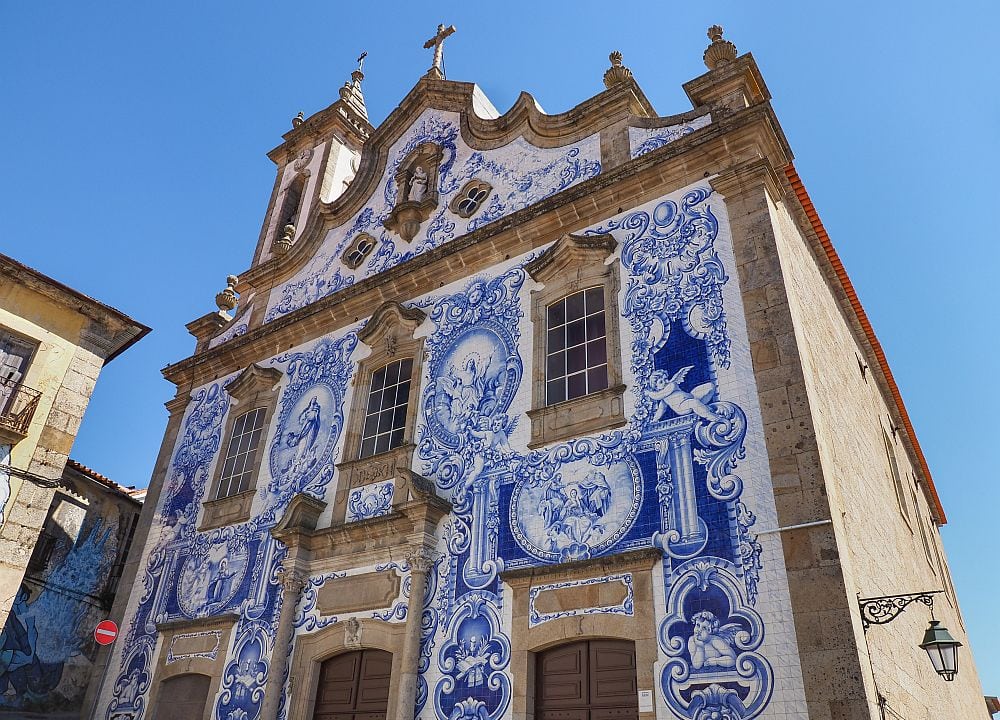 Accommodation offers good value – expect €30-50 for budget hotels or quality guesthouses in cities, slightly less in rural areas. Portugal's extensive coastline provides beach destinations like the Algarve (far cheaper than France's Riviera) and surf towns like Ericeira and Nazaré (home to the world's largest surfed waves).
Daily Budget Breakdown
Understanding where your money goes helps plan better and stretch your budget further. Here's a detailed breakdown of typical costs across these affordable European destinations:| Category | Backpacker Budget | Comfort Budget | Mid-Range |
|---|---|---|---|
| Accommodation | €10-25 (hostels, camping) | €25-50 (guesthouses, budget hotels) | €50-100 (3-4 star hotels) |
| Food | €10-20 (groceries, street food) | €20-35 (local restaurants, some dining out) | €35-60 (mixed dining, wine with meals) |
| Transport | €5-15 (public transit, walking) | €15-30 (buses, some trains) | €30-60 (trains, rental car share) |
| Activities | €5-10 (free tours, parks) | €10-25 (museums, attractions) | €25-50 (guided tours, special experiences) |
| Daily Total | €30-50 | €50-80 | €80-120 |
Accommodation Options
Budget travelers in Eastern Europe can find excellent value in hostels, with dorm beds costing €8-15 per night. Many hostels offer private rooms for €25-40, providing affordable comfort for couples. Guesthouses and pensions (family-run small hotels) offer authentic local experiences, usually including breakfast, for €30-50 per night. For longer stays, Airbnb apartments provide great value, particularly for groups. Monthly rentals in cities like Budapest, Krakow, or Sofia cost €400-700, compared to €1000-1500 in Western European capitals. University dormitories rent out rooms during summer breaks, offering simple accommodation for €15-25 per night in cities across the region.Food and Dining
Eating well affordably is easy in these countries. Street food and quick lunches cost €2-6 – try banitsa (cheese pastry) in Bulgaria, langos (fried dough) in Hungary, or pljeskavica in Serbia. Local markets offer fresh produce, cheese, and bread for €5-10 per day if you're preparing your own meals. Restaurants serving traditional cuisine offer incredible value. A filling lunch with soup, main course, and drink costs €6-12 in local establishments (away from tourist centers). Look for "daily menu" deals at restaurants, particularly during weekday lunch hours – these multi-course meals cost €8-15 and offer authentic home-style cooking.Transportation
Getting around these countries affordably requires some strategy. Public transportation in cities costs €1-3 per ride, with day passes available for €3-7. Intercity buses (companies like FlixBus operate throughout the region) offer the cheapest way to travel between cities, with fares of €10-30 for long distances. Trains provide comfortable travel, particularly in Poland, Hungary, and Romania, with prices ranging from €15-50 depending on distance and how far in advance you book. Night trains offer the dual advantage of saving on accommodation and covering long distances while you sleep. Ridesharing platforms like BlaBlaCar connect drivers with passengers, offering informal carpooling for gas money contributions.Best Time for Budget Travel
Timing significantly impacts travel costs in Europe. The shoulder seasons (April-May and September-October) offer the best value combination: pleasant weather, fewer crowds, and lower prices than peak summer. During these periods, accommodation can cost 30-50% less than July-August rates, while temperatures remain comfortable for exploration. Winter (November-March, excluding Christmas/New Year) offers the lowest prices but comes with trade-offs: cold weather, shorter days, and some seasonal closures. However, cities transform beautifully under snow and Christmas lights, museums are less crowded, and indoor cultural experiences take center stage. Budget of 20-30% less than summer during winter months. If you must travel during summer, plan strategically: visit in June or late August to avoid the absolute peak of July. Book accommodation well in advance – early bookings often secure the best rates, particularly in popular destinations like Croatia's coast or Prague. Consider less-discovered alternatives: instead of Dubrovnik, visit Montenegro's coast; instead of Prague, explore Budapest or Krakow.Money-Saving Tips for European Budget Travel
Transportation Hacks
Budget airlines like Ryanair, Wizz Air, and easyJet offer incredibly cheap flights between European cities – sometimes as low as €10-30 if you book in advance and travel with carry-on only. Be aware of baggage fees and strict size restrictions, but for solo travelers or couples, these airlines often beat train prices. Train travel can be affordable with advance planning. Book tickets 2-3 months early for the best prices, particularly for high-speed routes. Consider slower regional trains instead of express services – they take longer but cost significantly less. Eurail passes aren't usually cost-effective for just Eastern Europe, so compare point-to-point ticket prices. In cities, walking is free and often the best way to discover hidden gems. Many cities offer excellent bike-share systems for €5-15 per week. Public transportation day passes usually pay for themselves after 3-4 rides, so calculate whether passes make sense based on your planned movements.Accommodation Strategies
Location matters – staying just outside city centers can save 30-50% on accommodation while still being accessible by public transport. Research neighborhoods thoroughly: some areas just 2-3 metro stops from historic centers offer local character at much lower prices. Traveling with others significantly reduces per-person costs. Groups of 4+ can often rent entire apartments or houses for less per night than hotel rooms. Travel couples or friends to split accommodation costs while enjoying privacy and kitchen access. For flexible travelers, last-minute booking apps like Hotel Tonight sometimes offer excellent deals on unsold inventory. However, this strategy works best in cities with many accommodation options and outside peak periods when availability is limited.Dining and Food Savings
Shop at supermarkets and local markets for breakfast and picnic supplies. A typical European breakfast of bread, cheese, yogurt, fruit, and coffee from a supermarket costs €3-5 per person, compared to €10-15 at cafés. Many hostels and guesthouses provide kitchen access – use it! Lunch offers better value than dinner throughout Europe. Many restaurants serve similar portions at lunch for 30-40% less than dinner prices. Look for "menu of the day" or "business lunch" options, particularly in countries like Portugal, Spain, and Hungary. Drink tap water – it's safe throughout the EU and most of Eastern Europe. Ordering bottled water at restaurants adds €2-4 per meal. Carry a reusable bottle and refill from public fountains (many cities, particularly in Romania, Bulgaria, and Poland, have excellent public drinking water fountains).Activities and Attractions
Free walking tours operate in most major cities and operate on a tip-only basis. These tours provide excellent orientation and historical context, after which you can return to places that particularly interested you. Research which companies employ licensed guides – quality varies widely. Many museums offer free or reduced admission on certain days or times. In Budapest, several state museums are free on certain national holidays. In the UK, many major museums are always free. Check websites in advance and plan your visit accordingly. Outdoor activities – hiking, walking city neighborhoods, enjoying parks and public spaces – cost nothing. Many European cities have excellent free public spaces: Sofia's numerous parks, Belgrade's Kalemegdan fortress with Danube views, Warsaw's Łazienki Park with peacocks and palaces.Practical Considerations for Budget European Travel
Visa Requirements
If you are unsure how these nations fit into the wider continent, our overview of how many countries are in Europe is a useful primer before you finalize your route. Most of these countries are part of the Schengen Area (EU's passport-free zone): Bulgaria, Croatia, Hungary, Poland, Portugal, Romania (partial implementation), and Slovenia. Albania, Bosnia and Herzegovina, Montenegro, North Macedonia, and Serbia have their own visa policies but often offer visa-free access to many nationalities for 90 days. Indian travelers should check Schengen visa requirements well in advance. The process typically requires proof of accommodation, travel insurance, flight bookings, and financial means. Budget airlines and flexible accommodation bookings help when visa documentation is needed before finalizing plans.Currency Considerations
Hungary, Poland, and Romania maintain their own currencies (Forint, Złoty, Leu), often offering better value than Eurozone countries. Since exchange rates directly affect your daily budget, it helps to first understand the currency of Europe and which countries use the euro versus their own national currency. Your money goes further in these countries – exchange €100 and you'll likely have more purchasing power in Poland or Hungary than in Eurozone countries. Credit card acceptance varies – while cities are generally well-served, rural areas and smaller establishments may be cash-only. Carry some cash, but use cards wherever possible to avoid exchange fees and track spending. Withdraw larger amounts less frequently to minimize ATM fees.Safety and Health
These destinations are generally safe for tourists, with violent crime rates lower than in many Western countries. Petty theft (pickpocketing) can occur in tourist areas and on public transportation – take normal precautions: don't display valuables, use money belts or interior pockets, be aware of your surroundings in crowded places. Healthcare quality varies but is generally good throughout the EU. Citizens of EU/EEA countries should carry their European Health Insurance Card (EHIC). Non-EU visitors should purchase travel insurance covering medical emergencies and repatriation. Pharmacies can handle minor ailments, but carry a basic first-aid kit and any personal medications.Conclusion: Affordable Europe Awaits
Traveling through Europe on a budget doesn't mean compromising on experiences. The countries outlined in this guide offer rich histories, stunning landscapes, vibrant cultures, and welcoming hospitality – all at prices that make extended European travel accessible rather than prohibitive. The key to successful budget European travel lies in choosing the right destinations, traveling during shoulder seasons, and making smart choices about where to splurge and where to save. By focusing on Eastern and Central Europe, you'll stretch your budget further while often enjoying more authentic experiences away from mass tourism crowds. Whether you're sipping wine in a Portuguese courtyard, relaxing in Budapest's thermal baths, hiking through Romania's Carpathian mountains, or exploring Albania's Riviera beaches, affordable European destinations deliver the magic and wonder that makes the continent such a draw – without the financial stress that often accompanies Western European travel. Start planning, pack smart, and discover that European dreams aren't just for those with unlimited budgets. With proper planning and an open mind to destinations beyond the usual tourist trail, Europe's treasures await – at prices that might surprise you. For more specific budget planning, check out our guide on Europe trip cost from India to help create a realistic budget for your adventure.Frequently Asked Questions
Q1.Which is the cheapest country to visit in Europe?
Q2.How much does a Europe trip cost per day?
Q3.Is Europe expensive for Indian tourists?
Q4.Which Eastern European countries are cheapest?
Q5.Is Portugal cheaper than Spain?
Q6.How to travel Europe on a tight budget?
Q7.What's the cheapest month to visit Europe?
Q8.Which European country is best for budget travelers?
Recommended For You
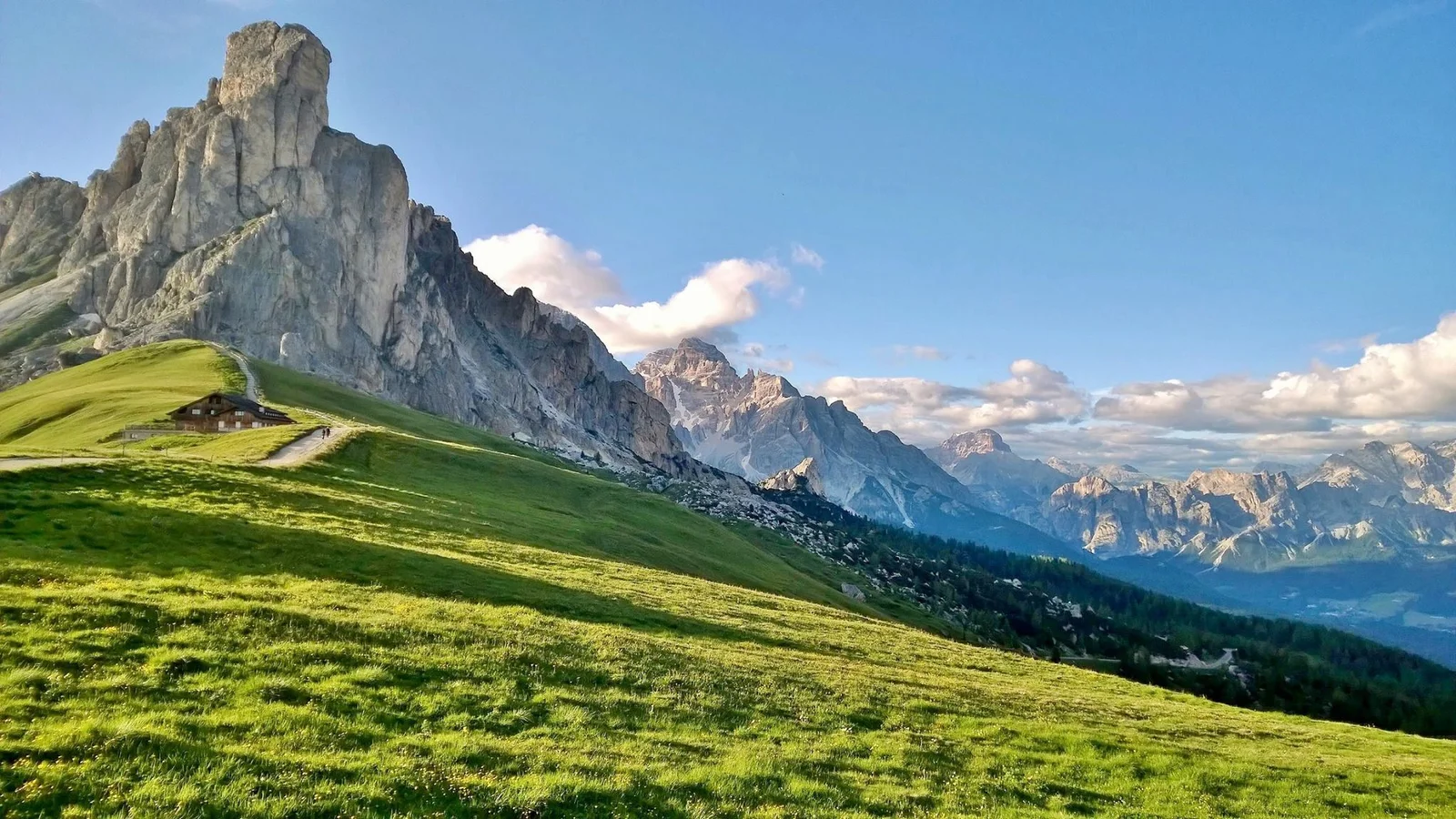
1-Month Europe Trip Cost from India: Complete Budget Breakdown
Planning a 1-month Europe trip from India? Get complete cost breakdown including flights, visa, accommodation, food & transport. Budget ₹1.5-4.5 lakhs with our detailed guide.

Europe vs Asia Travel: Which Continent to Visit?
Compare Europe vs Asia travel: costs, safety, culture & experiences. Discover which continent suits your travel style better with this comprehensive comparison guide.
Visa-Free Europe for Indians 2026: Entry Rules & Eligible Destinations
Updated 2026 guide to visa-free and easier-entry Europe options for Indian passport holders, including conditional waivers, e-visa routes, and document rules.
Never Miss an Adventure
Get the latest trekking guides, travel tips, and exclusive offers delivered straight to your inbox.
