
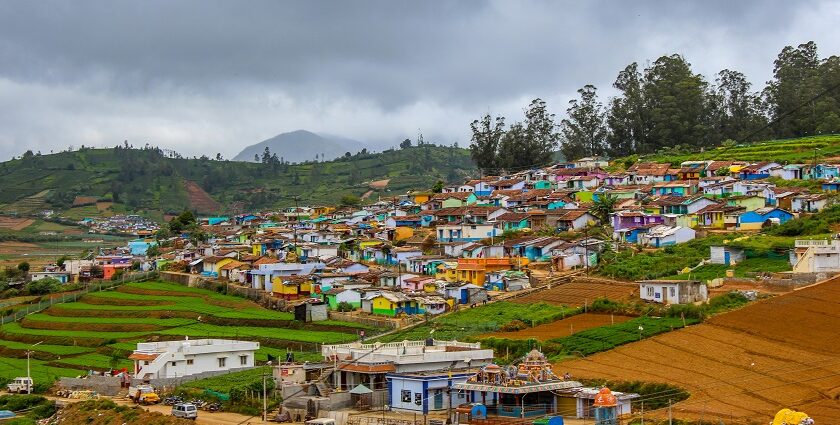
Places to Visit Monsoon in Tamil Nadu

Ananya Sharma
February 7, 2026
Discover the best places to visit in Tamil Nadu during monsoon: Ooty, Kodaikanal, Coonoor, Courtallam, waterfalls, and essential travel tips.
Places to Visit Monsoon in Tamil Nadu: Green Paradise Unveiled
Tamil Nadu transforms dramatically during monsoon, shedding its dry, dusty image for a vibrant green paradise. The state experiences two monsoon seasons—southwest from June to September and the more significant northeast from October to December. While many travelers avoid Tamil Nadu during rain, those who embrace the season discover lush landscapes, mist-covered hills, and waterfalls at their most spectacular. This is when hill stations become magical, tea gardens glisten, and temples get washed clean by fresh rain.
The northeast monsoon (October-December) is generally considered the best time for tourists, bringing pleasant weather to most regions. The southwest monsoon affects the western ghats more intensely, making hill stations like Ooty and Kodaikanal particularly beautiful. This guide covers the best places to visit in Tamil Nadu during monsoon, from misty hill stations to powerful waterfalls and coastal towns with dramatic seas. For regional exploration, combine your trip with places to visit Coimbatore as a gateway to the hills. Travelers planning broader itineraries might also consider places to visit Tamil Nadu for comprehensive state coverage.
Ooty: Queen of Hill Stations in Mist
Ooty, officially Udhagamandalam, becomes absolutely enchanting during monsoon. The entire Nilgiri region gets wrapped in mist, creating an almost mystical atmosphere. Temperatures stay comfortable between 12-20°C, perfect for leisurely walks through cloud-laden forests. Tea plantations take on deeper greens, while botanical gardens burst with fresh blooms. Ooty Lake becomes more serene, with gentle ripples reflecting misty peaks and pine forests. Doddabetta Peak, the highest point in the Nilgiris, offers breathtaking views when clouds part briefly.
The famous toy train from Ooty to Coonoor becomes even more magical in monsoon, passing through tunnels, over bridges, and past waterfalls that seem to multiply with rain. Walking in Ooty town feels like stepping into a different world, with colonial architecture, bakeries, and cafes offering warm shelter during downpours. October and November are particularly beautiful, balancing rainfall with clear moments for sightseeing. Pack warm clothing evenings get chilly, and be prepared for landslides on ghat roads during heavy rain spells.
Kodaikanal: Princess of Hills in Clouds
Kodaikanal, the Princess of Hill Stations, offers a serene monsoon experience that's less crowded than Ooty. The famous pine forests get wrapped in mist, creating mysterious walking paths that seem straight from a fairytale. Kodai Lake becomes particularly romantic, with boat rides offering reflections of surrounding peaks against dramatic skies. Coaker's Walk, the 1-kilometer pedestrian path along the cliff edge, provides stunning valley views when fog lifts. Silver Cascade Falls near the town entrance roars to life during rainfall.
Monsoon in Kodaikanal is perfect for couples and families seeking quiet retreat. The town experiences moderate rainfall, enough to make everything lush but not enough to halt activities completely. Bear Shola Falls becomes accessible and beautiful during this season, requiring short treks through refreshing forests. October through December brings the best balance of pleasant weather and greenery. Hotels offer great value with fewer tourists, making it ideal for budget-conscious travelers. Pack rain gear, warm layers, and comfortable walking shoes for exploring this hill station's many trails.
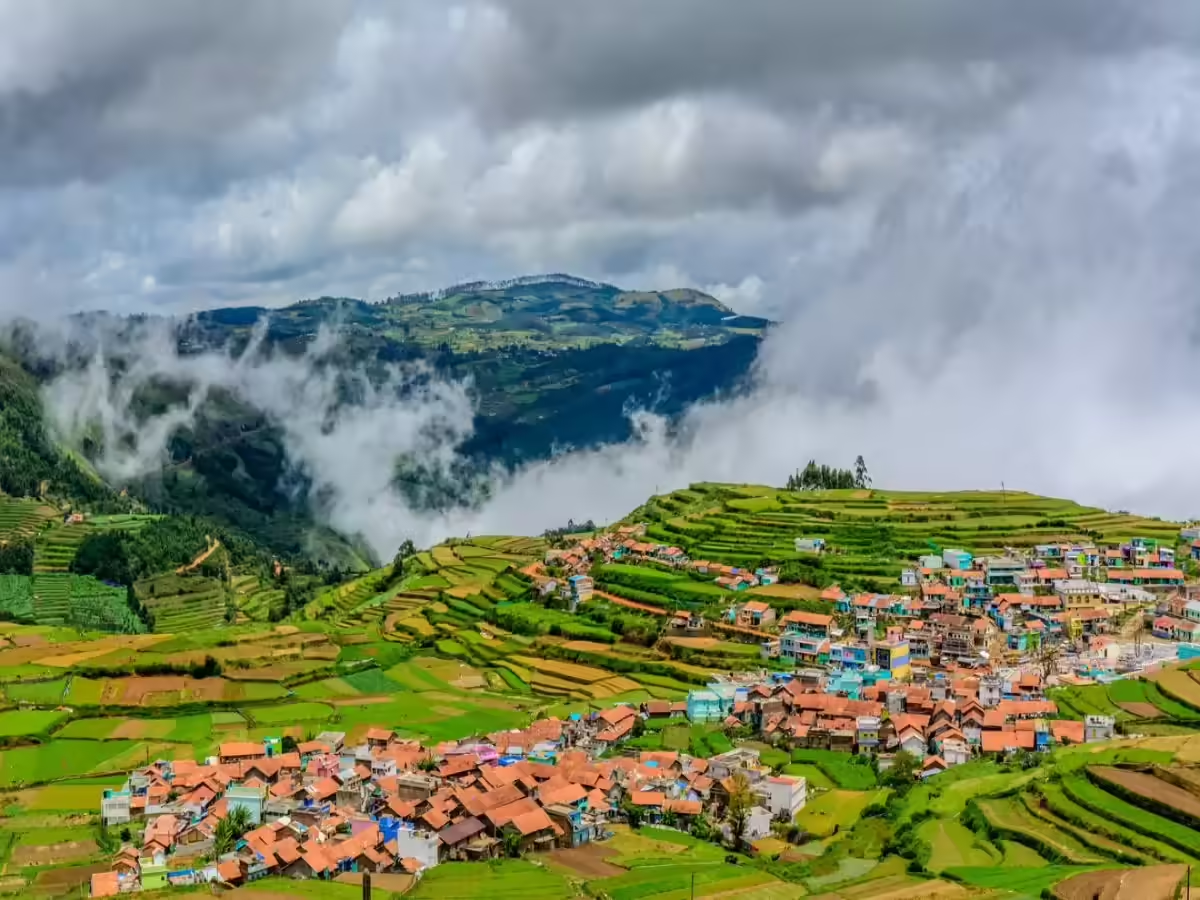
Coonoor: Tea Gardens in Lush Green
Coonoor, quieter and less commercialized than Ooty, shines during monsoon with its magnificent tea gardens. The endless plantations take on vibrant shades of green that seem to glow under overcast skies. Sims Park, a botanical garden with rare plants, becomes particularly beautiful with fresh blooms throughout the monsoon season. Dolphin's Nose viewpoint offers dramatic valley vistas, especially when clouds roll in and out creating an ever-changing landscape. The famous Nilgiri Mountain Railway toy train makes stops here, offering one of India's most scenic rail journeys.
Coonoor's relaxed pace makes it perfect for travelers seeking rest over activity. Spend your mornings walking through tea estates where you can learn about plantation life and enjoy fresh tea. Afternoons are perfect for cozy cafe visits or browsing local handicraft shops. The weather stays pleasant around 15-20°C, comfortable for outdoor exploration when rain pauses. One to two days here provides a peaceful break from city life. Many travelers combine Coonoor with Ooty, connected by the toy train or road, creating a comprehensive Nilgiri experience.
Coimbatore: Gateway to the Hills
Coimbatore serves as the practical gateway to Tamil Nadu's hill stations and offers its own monsoon charm. The city receives moderate rainfall, keeping temperatures pleasant between 20-30°C—much more comfortable than the scorching summer heat. Temples like Eachanari Vinayagar Temple draw devotees year-round and look particularly beautiful after rain washes their exteriors. The city's modern malls and restaurants provide comfortable options during heavy downpours. Siruvani Waterfalls, about an hour from the city, becomes spectacular during monsoon.
Most travelers treat Coimbatore as a transit point, spending one day before heading to Ooty, Coonoor, or Palani. However, the city has enough to justify a dedicated day if you're interested in temples, textile markets, or local cuisine. The famed Anubhavi Subramaniar Temple offers scenic hilltop views worth the short climb. During monsoon, flights and trains to Coimbatore can experience delays, so factor buffer time into your itinerary. This is also an excellent base for exploring the surrounding region's textile heritage and traditional crafts.
| Destination | Best Monsoon Months | Rainfall Intensity | Ideal Duration |
|---|---|---|---|
| Ooty | Oct-Nov | Moderate-High | 2-3 days |
| Kodaikanal | Oct-Dec | Moderate | 2-3 days |
| Coonoor | Oct-Nov | Moderate | 1-2 days |
| Coimbatore | Oct-Dec | Low-Moderate | 1 day |
| Kanyakumari | Oct-Nov | Moderate | 1-2 days |
| Courtallam | Jun-Sep | High | 1-2 days |
| Yercaud | Oct-Nov | Moderate | 2 days |
| Hogenakkal | Oct-Nov | High | 1 day |
Kanyakumari: Where Three Seas Meet in Fury
Kanyakumari, India's southernmost tip, offers a dramatically different monsoon experience. Here, the Bay of Bengal, Indian Ocean, and Arabian Sea meet, creating powerful wave action that intensifies during rainfall. The Vivekananda Rock Memorial and Thiruvalluvar Statue become especially impressive against dark, stormy skies. Sunrises and sunsets take on dramatic colors you can't witness in dry seasons. The rough seas make boat rides to the rock memorial unsafe during heavy rain, but watching the crashing waves from shore offers its own thrill.
Monsoon in Kanyakumari is best for those who appreciate nature's power over calm beaches. The Bhagavathy Amman Temple remains open through rain and offers shelter during downpours. Most hotels have ocean-facing rooms where you can watch the dramatic seas safely. Plan for 1-2 days here, spending mornings exploring temples and afternoons watching the ocean. Pack warm clothes surprisingly, the combination of wind and rain makes it feel cooler than the temperature suggests. Avoid swimming or entering the water under any circumstances during monsoon—currents are deceptively strong.
Courtallam: Spa of South India
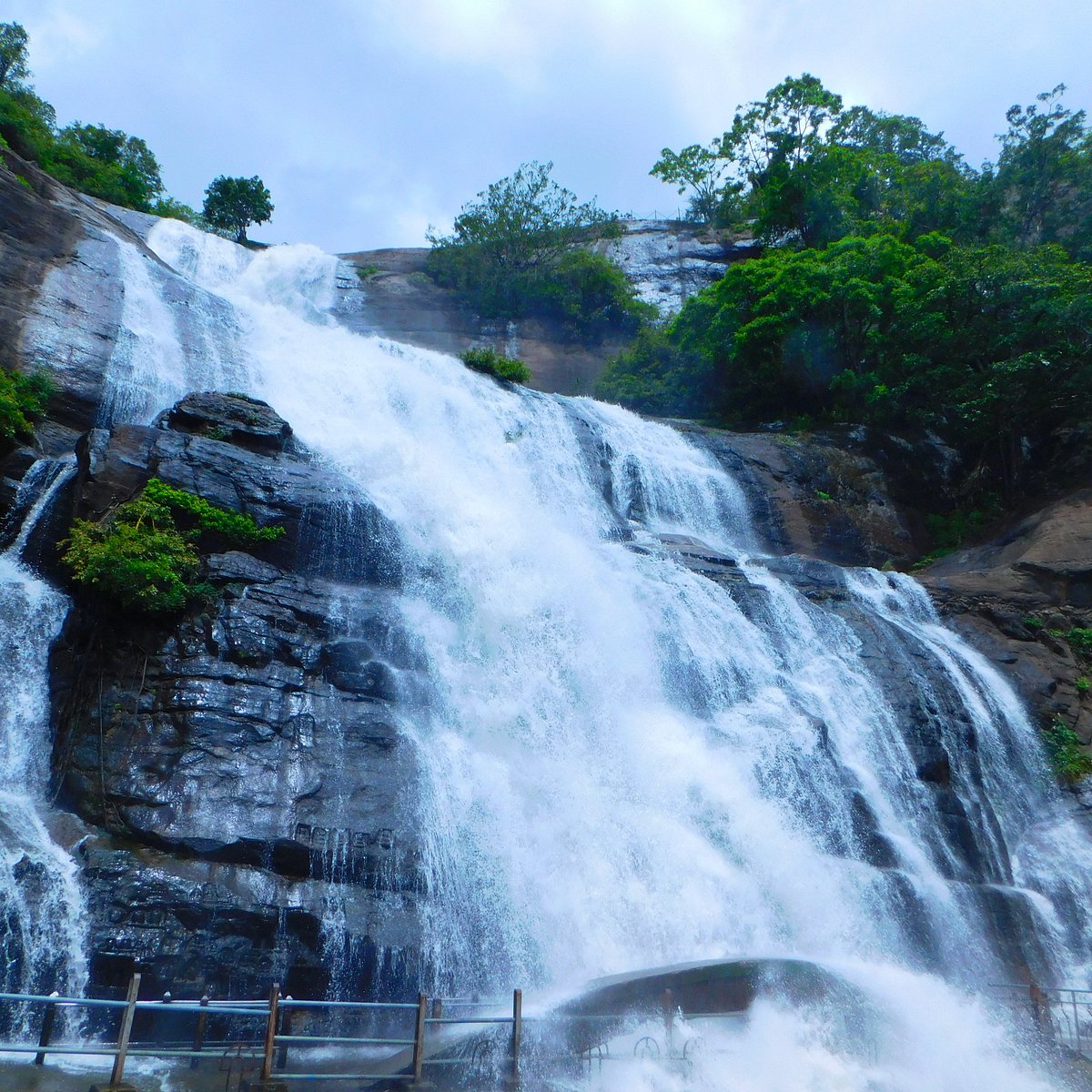
Courtallam earns its nickname as the Spa of South India, especially during monsoon when its nine waterfalls flow at full power. The main falls—Peraruvi (Main Falls), Chittaruvi (Small Falls), Shenbagadevi Falls, Thenaruvi (Honey Falls), and Five Falls—become powerful cascades that visitors flock to for their supposed medicinal properties. The water here stays surprisingly warm year-round, making monsoon bathing possible despite cooler air temperatures. Oil massage centers around the falls offer traditional treatments using herbal oils prepared specifically for rainy season.
Unlike most places that discourage water activities during monsoon, Courtallam is at its best in rain. June through September brings the strongest flow, drawing families and wellness seekers from across South India. Each waterfall has its own character and crowd level—Main Falls is most popular but also most crowded, while Honey Falls requires a trek and offers quieter experiences. Plan 1-2 days here to try multiple falls. Wear old clothes that you don't mind getting wet, and carry extra sets for after bathing. The area also has several temples worth visiting during drier periods of your stay.
Yercaud: Jewel of the East
Yercaud, in the Shevaroy Hills of Salem district, offers a less crowded alternative to Ooty and Kodaikanal. Coffee plantations here bloom beautifully during monsoon, filling the air with fresh aroma. Yercaud Lake remains the centerpiece attraction, offering boating even during light rain. Lady's Seat provides stunning valley views, especially spectacular when clouds drift through below you. The kurinji flowers, which bloom only once every 12 years, sometimes coincide with monsoon months creating rare purple landscapes.
Yercaud's smaller scale makes it perfect for two-day getaways. The lower elevation compared to other hill stations means milder weather, staying between 15-25°C. You can explore the entire region leisurely without rushing. Bear's Cave offers a unique underground exploration option protected from rain. The town's restaurants serve excellent local cuisine including famous Salem biryani. October and November bring the most pleasant conditions, with enough rain to make everything lush but plenty of clear moments for sightseeing. Pack layers for cool evenings and rain gear for sudden showers.
Hogenakkal Falls: Niagara of India
Hogenakkal Falls, on the Kaveri River, earns its comparison to Niagara with its powerful cascades spreading across a wide riverbed. During monsoon, these falls become truly spectacular, with water thundering through rocky channels and creating mists that rise like clouds. The carbonatite rocks here are among the oldest in the world, adding geological interest to the scenic beauty. Coracle boat rides provide close-up views of the falls when water levels are safe.
However, monsoon also brings danger to Hogenakkal. Strong currents make the water extremely unsafe for swimming or bathing—do not enter under any circumstances. Boat rides often get cancelled during heavy rainfall due to safety concerns. The best approach is to view from designated viewing points and appreciate nature's power from a safe distance. Plan for a day trip from Bengaluru or Salem, checking conditions before making the journey. The area offers several roadside eateries serving fresh fish caught from the Kaveri. Photography enthusiasts will find endless opportunities, but protect your equipment from water spray and rain.
Essential Monsoon Travel Tips
Tamil Nadu monsoon travel requires preparation but rewards visitors generously. Pack quality raincoats or umbrellas—cheap ones won't withstand South Indian rain. Waterproof covers for your camera and phone are essential. Quick-dry synthetic clothing beats cotton that stays wet all day. Comfortable waterproof shoes with good grip are crucial for hill station walks and temple visits. Carry light warm layers for hill stations where temperatures drop, especially at night.
Check road conditions before traveling to hill stations, as landslides can block ghats during heavy rain. Add buffer days to your itinerary for weather delays. Book accommodations with flexible cancellation policies. Hire experienced drivers familiar with mountain roads. Carry basic medicines including anti-nausea tablets for winding ghat road journeys. Most importantly, respect safety warnings at beaches, waterfalls, and viewpoints—no photo is worth risking your life.
Northeast vs Southwest Monsoon in Tamil Nadu
Understanding Tamil Nadu's two monsoon seasons helps choose the right time for your trip. The northeast monsoon (October-December) brings most rainfall to coastal regions and the eastern districts. This is the best time for Chennai, Mahabalipuram, and temple towns like Thanjavur and Madurai. Hill stations also benefit, with pleasant temperatures and moderate rainfall making sightseeing comfortable. This is the ideal tourist monsoon season.
The southwest monsoon (June-September) primarily affects the Western Ghats region. Hill stations receive heavy rain, making them lush but sometimes difficult to access. Courtallam experiences its peak season during this period. Coastal areas remain relatively dry but can experience cyclonic weather. For general tourism, the northeast monsoon offers better balance of pleasant weather and greenery. However, if your goal is seeing Courtallam at full flow or experiencing intense monsoon in hill stations, southwest monsoon delivers maximum drama.
Tamil Nadu in monsoon reveals a side of the state many tourists never see. From misty hill stations to powerful waterfalls and dramatic coastal scenes, the season offers diverse experiences for every type of traveler. Come prepared, stay safe, and let Tamil Nadu's monsoon magic transform your understanding of this diverse and beautiful state.
Location
Frequently Asked Questions
Q1.Is monsoon a good time to visit Tamil Nadu?
Q2.When is monsoon in Tamil Nadu?
Q3.Which monsoon is better in Tamil Nadu?
Q4.Which hill station is best in monsoon?
Q5.Is Ooty worth visiting in monsoon?
Q6.Is Kodaikanal safe in monsoon?
Q7.What are the best places to visit in monsoon?
Q8.Are beaches safe in Tamil Nadu during monsoon?
Q9.Can we visit Courtallam in monsoon?
Recommended For You
Best Places to Eat in Rameshwaram: Food Guide Tips
Best places to eat in Rameshwaram guide with temple-aware timing, meal sequencing, and practical zone-based dining strategy.
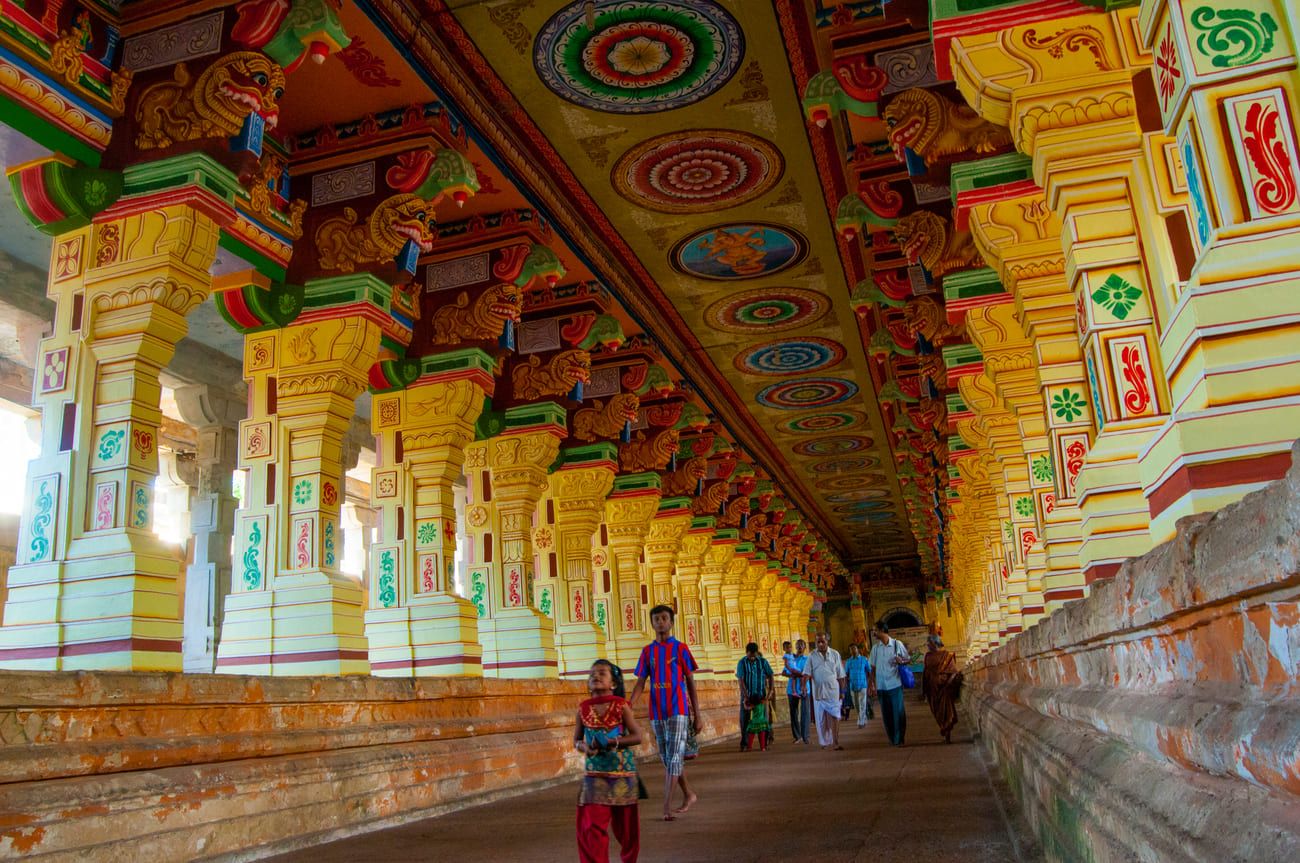
Rameshwaram Temple History: Complete Guide to Tamil Nadu's Sacred Jyotirlinga
Discover the rich history of Rameshwaram Temple, one of the 12 sacred Jyotirlingas. Explore its connection to Ramayana, magnificent architecture with the world's longest temple corridor, and spiritual significance in this complete guide.
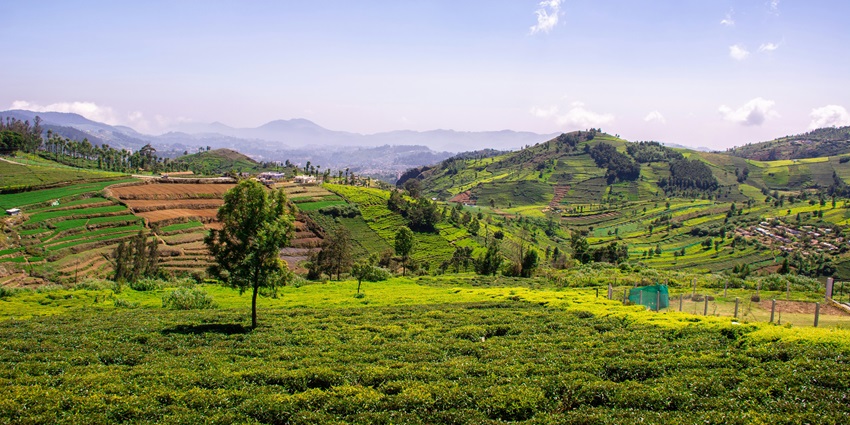
8 Hill Stations Near Erode: Distance, Route & Weekend Plans
Explore 8 scenic hill stations near Erode within 200 km. From Ooty's tea gardens to Kolli Hills' untouched beauty, discover perfect getaways with detailed routes & travel tips.
Never Miss an Adventure
Get the latest trekking guides, travel tips, and exclusive offers delivered straight to your inbox.
