
Rameshwaram Temple History: Complete Guide to Tamil Nadu's Sacred Jyotirlinga

Ananya Sharma
November 20, 2025
Discover the rich history of Rameshwaram Temple, one of the 12 sacred Jyotirlingas. Explore its connection to Ramayana, magnificent architecture with the world's longest temple corridor, and spiritual significance in this complete guide.
Introduction
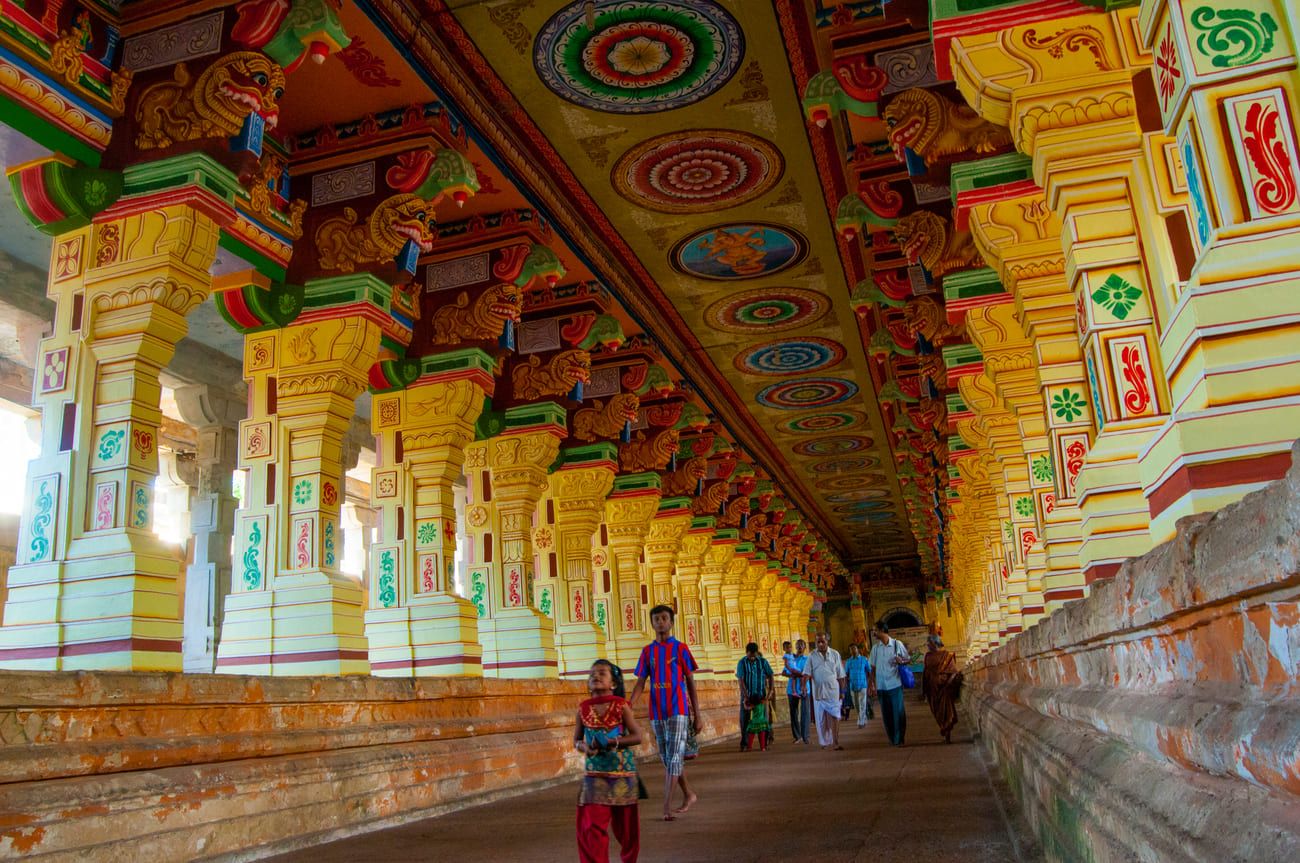
Rameshwaram Temple, officially known as Ramanathaswamy Temple, stands as one of India's most revered pilgrimage sites. This magnificent temple is dedicated to Lord Shiva and holds the prestigious status of being one of the twelve sacred Jyotirlingas. Located on the serene Pamban Island in Tamil Nadu, the temple's connection to the epic Ramayana makes it a cornerstone of Hindu mythology and devotion. The temple boasts the world's longest temple corridor, stretching an impressive 1,220 meters with over 1,200 intricately carved granite pillars. Pilgrims from across the globe visit this sacred site to seek blessings and perform rituals for spiritual liberation. The temple's rich history spans several centuries, with contributions from various dynasties that ruled the region, each leaving their architectural and cultural imprint. What makes Rameshwaram truly special is its unique association with Lord Rama, who is believed to have worshipped Lord Shiva here after his victory over Ravana. This divine connection elevates the temple's significance beyond mere architectural grandeur, making it a living testament to faith, devotion, and India's spiritual heritage.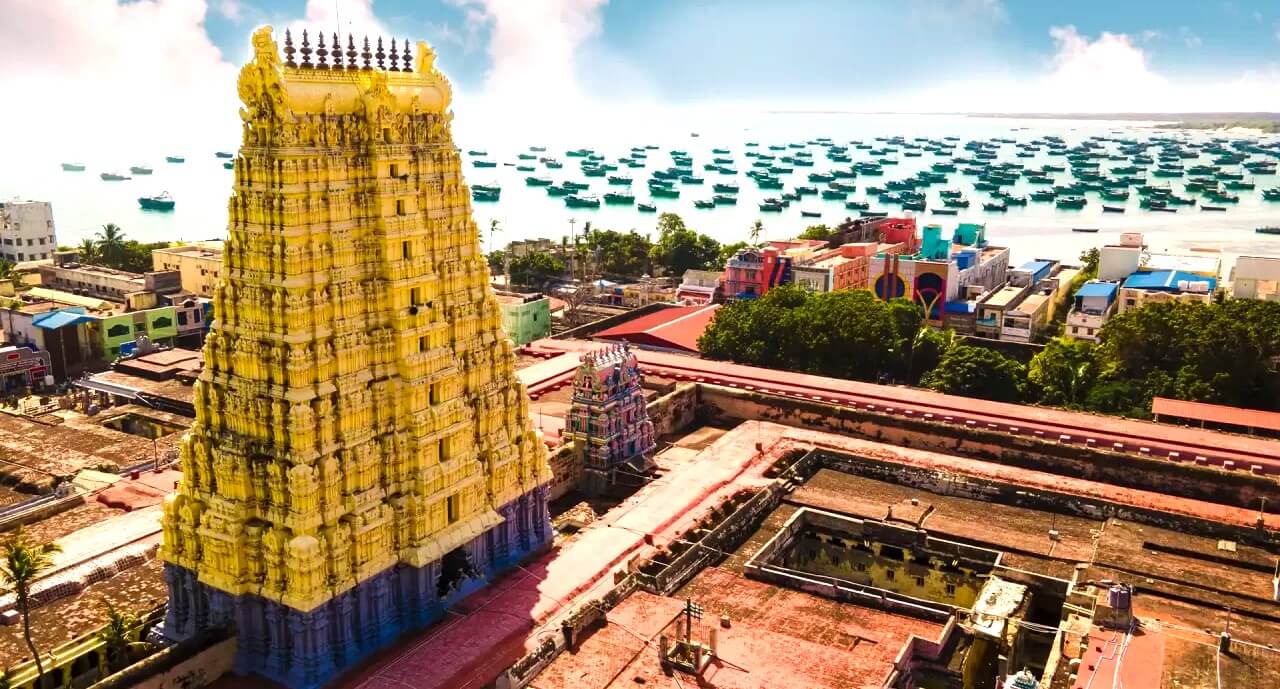
Quick Facts About Rameshwaram Temple
| Feature | Details |
|---|---|
| Temple Name | Ramanathaswamy Temple (Rameshwaram) |
| Location | Rameshwaram Island, Tamil Nadu |
| Jyotirlinga Status | One of 12 sacred Jyotirlingas |
| Construction Period | 12th century (expanded over 700 years) |
| Architectural Style | Dravidian architecture |
| Corridor Length | 1,220 meters (world's longest temple corridor) |
| Number of Pillars | 1,200+ granite pillars |
| Sacred Wells | 22 holy theerthams |
| Part of Char Dham | Yes (Southernmost point) |
Temple History & Origins
The origins of Rameshwaram Temple trace back to the ancient Ramayana period, believed to be around 3,000 years ago. According to legend, Lord Rama, on his way back from Lanka after defeating Ravana, stopped at Rameshwaram to atone for the sin of Brahma-hatya (killing a Brahmin, as Ravana was a Brahmin scholar). He wanted to worship Lord Shiva and seek forgiveness. Historical records suggest that the temple's construction began in the 12th century CE during the reign of the Pandya dynasty. However, the temple we see today is the result of continuous construction and renovation efforts spanning several centuries. The Chola dynasty made significant contributions to the temple's expansion, followed by the Jaffna kings from Sri Lanka who added various architectural elements. The Setupati dynasty of Ramnad played a crucial role in the temple's development between the 15th and 18th centuries. They were instrumental in constructing the magnificent corridors and the massive gopurams (temple towers) that define the temple's skyline today. The eastern gopuram, standing at 126 feet, is particularly noteworthy for its architectural grandeur and intricate sculptures depicting various deities and mythological scenes. Throughout its history, the temple has faced natural calamities, including cyclones and sea erosion. However, devoted rulers and devotees have consistently restored and renovated the structure, preserving its spiritual and architectural legacy. The temple's inscriptions, written in Tamil and Sanskrit, provide valuable insights into the socio-political conditions of various periods and the generous donations received from devotees across India and Southeast Asia.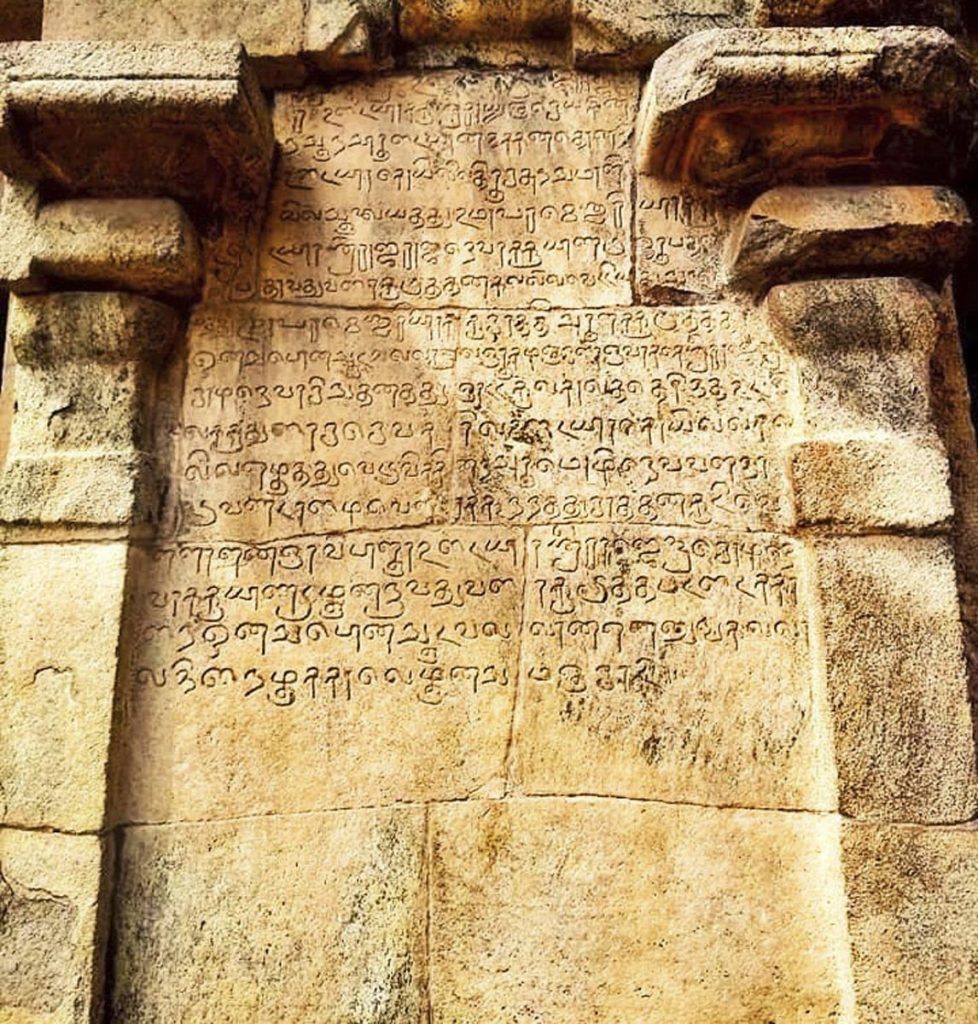
Jyotirlinga Story & Legends
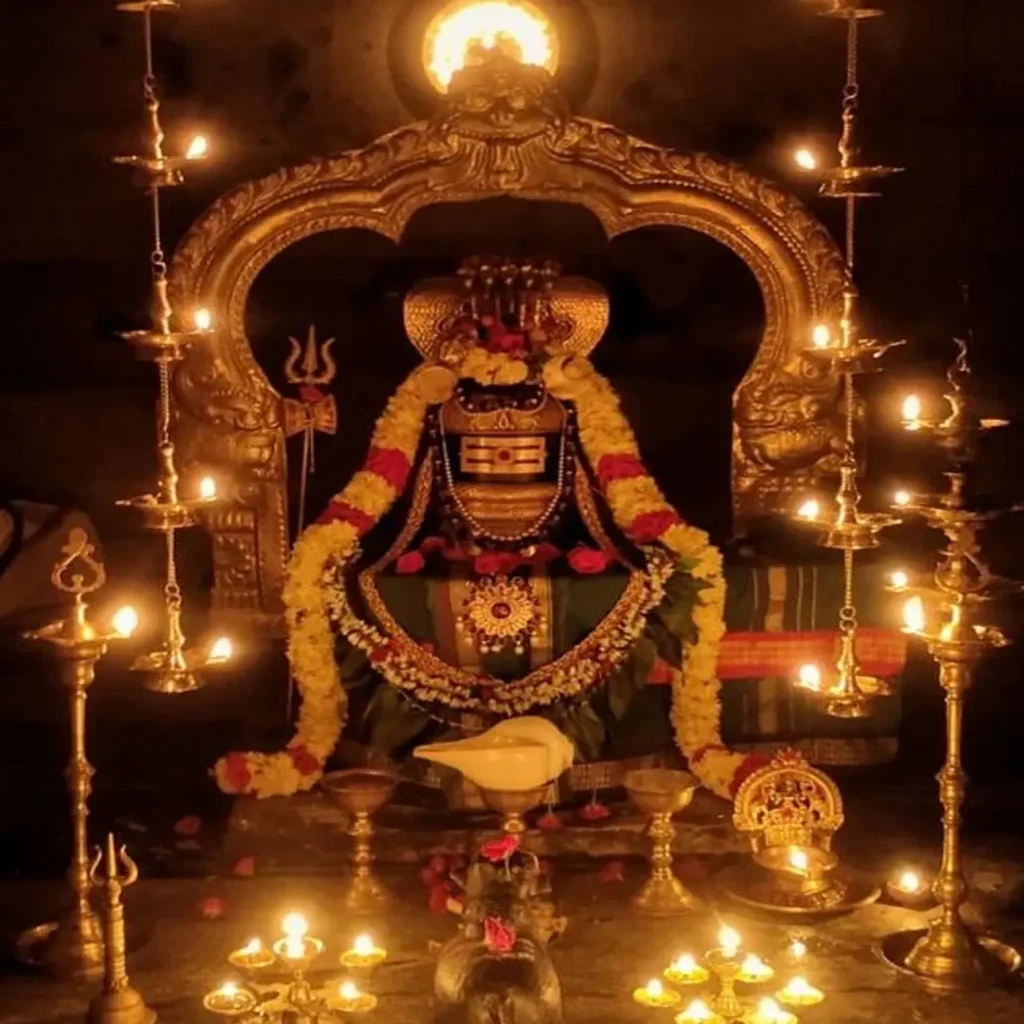
The story behind Rameshwaram's status as a Jyotirlinga is deeply rooted in the Ramayana. After killing Ravana, Lord Rama realized that he had committed Brahma-hatya (the sin of killing a Brahmin) and needed to seek forgiveness. Sage Agastya advised him to worship Lord Shiva at Rameshwaram. According to the legend, Lord Rama instructed Hanuman to bring a Shiva Lingam from Mount Kailash. However, as the auspicious time for installation was approaching and Hanuman hadn't returned, Sita Devi molded a Shiva Lingam from the sand of the seashore. This Lingam came to be known as "Ramalingam" or "Shivalingam." When Hanuman finally returned with the "Vishwalingam" from Kailash, he was disappointed to find the installation already complete. To appease Hanuman, Lord Rama decreed that the Vishwalingam would be worshipped first, a tradition that continues even today. Devotees offer prayers to Vishwalingam before proceeding to worship the Ramalingam. This unique tradition symbolizes the importance of Hanuman's devotion and the significance of both Lingams at the temple. The temple's name "Rameshwaram" literally means "Lord of Rama," referring to Lord Shiva, whom Rama worshipped here. It is believed that Lord Rama established this temple, and the Jyotirlinga manifested here due to his intense devotion and prayer. The Jyotirlinga represents the infinite nature of Lord Shiva, and Rameshwaram holds a special place among the twelve Jyotirlingas due to its direct connection with Lord Rama. The religious significance of this temple is further enhanced by its inclusion in the Char Dham Yatra, along with Badrinath, Dwarka, and Puri. According to Hindu belief, a pilgrimage to these four sacred sites helps attain moksha (liberation from the cycle of birth and death). Rameshwaram represents the southernmost point of this holy circuit, making it an essential destination for devout Hindus.The Two Sacred Lingams
The presence of two Shiva Lingams in the sanctum is a unique feature of Rameshwaram Temple:- Ramalingam: The sand Lingam created by Sita Devi, worshipped as the main deity
- Vishwalingam: The Lingam brought by Hanuman from Mount Kailash
Architecture & Construction
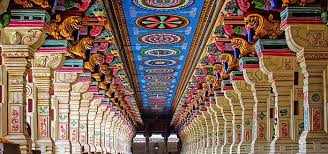
Rameshwaram Temple is a masterpiece of Dravidian architecture, showcasing the architectural brilliance of ancient and medieval South Indian temple builders. The temple complex spans approximately 15 acres and is enclosed by massive walls measuring 865 feet in length and 657 feet in breadth. The most striking feature of the temple is its magnificent corridor, which holds the Guinness World Record for being the longest temple corridor in the world. Stretching 1,220 meters (4,000 feet), these corridors are lined with 1,212 beautifully carved granite pillars. Each pillar is unique, featuring intricate carvings of deities, mythical creatures, and scenes from Hindu mythology. The precision and artistry displayed in these carvings are truly remarkable, considering they were created centuries ago without modern tools. The temple features three main corridors:- First Corridor: 196 feet east to west, 133 feet north to south
- Second Corridor: 229 feet east to west, 197 feet north to south
- Third Corridor: The massive outer corridor with 1,212 pillars
Architectural Highlights
| Feature | Description |
|---|---|
| Temple Area | 15 acres |
| Wall Dimensions | 865 ft x 657 ft |
| Number of Gopurams | 3 main towers |
| Tallest Gopuram | 126 feet (Eastern tower) |
| Sacred Wells | 22 theerthams with distinct water tastes |
| Construction Material | Granite stones from nearby quarries |
Religious Significance & Rituals
Rameshwaram Temple holds immense religious significance in Hinduism, being one of the holiest pilgrimage sites in India. As one of the twelve Jyotirlingas, it represents the radiant form of Lord Shiva, and devotees believe that worship here grants liberation from the cycle of birth and death. The temple's importance is further amplified by its inclusion in the sacred Char Dham Yatra, making it a must-visit for devout Hindus seeking spiritual fulfillment. The religious practices at Rameshwaram Temple are deeply rooted in ancient traditions. Devotees typically begin their pilgrimage by taking a ritual bath at Agni Theertham, the sea beach facing the temple, before proceeding to bathe in the 22 sacred wells within the temple complex. Each well is believed to possess unique healing properties, and bathing in all 22 is said to wash away sins accumulated over many lifetimes. The temple follows elaborate rituals throughout the day. The day begins with the Suprabhatham (morning awakening of the deity) at 5 AM, followed by multiple abhishekams (sacred baths) using various substances like milk, honey, sandalwood paste, and holy water. The main deity, Ramalingam, is decorated with different alankarams (ornamentations) throughout the day, each signifying different aspects of Lord Shiva. One of the most important rituals performed here is the Pitru Tarpanam, a ceremony to honor ancestors. Devotees believe that performing this ritual at Rameshwaram brings peace to the souls of departed ancestors. The temple priests conduct various special pujas (prayer ceremonies) for different purposes, including health, prosperity, and salvation. The festival of Shivratri is celebrated with great enthusiasm at Rameshwaram Temple. During this time, the temple witnesses a massive influx of devotees who participate in night-long vigils, special abhishekams, and processions. Other important festivals include Navaratri, Skanda Sashti, and Arudra Darshanam, each celebrated with unique rituals and traditions. The temple also holds significance for followers of the Vaishnavite tradition, as it is intimately connected to Lord Rama, an incarnation of Lord Vishnu. This unique synthesis of Shaivite and Vaishnavite traditions makes Rameshwaram a symbol of religious harmony and unity in Hinduism.Temple Timings & Visit Guide
Planning a visit to Rameshwaram Temple requires understanding the temple timings and following proper etiquette. Here's a comprehensive guide to help you make the most of your spiritual journey.Temple Timings
| Activity | Timing |
|---|---|
| Morning Darshan | 5:00 AM - 1:00 PM |
| Evening Darshan | 3:00 PM - 9:00 PM |
| Special Poojas | Various times throughout the day |
| Aarti Timings6:00 AM (Morning) & 8:00 PM (Evening) |
Best Time to Visit
The ideal time to visit Rameshwaram is between October and April when the weather is pleasant and suitable for temple visits. The summer months (April to June) can be extremely hot and humid, while the monsoon season (July to September) brings heavy rainfall that might disrupt your plans.Dress Code
Devotees are expected to dress modestly when visiting the temple:- Men: Dhoti or traditional attire with upper clothing removed in the sanctum
- Women: Saree, salwar kameez, or traditional modest dress
- Footwear must be removed before entering the temple premises
Temple Etiquette
- Maintain silence and reverence inside the temple
- Photography is restricted in certain areas of the sanctum
- Follow the designated paths for darshan
- Respect the priests and fellow devotees
- Do not touch the idols or sacred objects without permission
Special Facilities
The temple provides various facilities for devotees, including free food distribution (Annadhanam), shoe stands, and resting areas. Special pujas can be booked in advance by contacting the temple administration office. Online booking facilities are also available for certain rituals and accommodations. For elderly and differently-abled devotees, the temple provides special queues and assistance. The temple trust has implemented various measures to make the pilgrimage comfortable for all visitors, including proper signage, drinking water facilities, and clean restrooms.Nearby Attractions
While visiting Rameshwaram Temple, don't miss these significant nearby attractions that complement your spiritual journey:Dhanushkodi Beach
Located about 20 kilometers from Rameshwaram, Dhanushkodi is a ghost town with a fascinating history. It was destroyed by a cyclone in 1964 and now stands as a hauntingly beautiful reminder of nature's power. The beach here offers stunning views of the Bay of Bengal and the Indian Ocean meeting point.Pamban Bridge
This iconic 2.3-kilometer bridge connects Rameshwaram Island to mainland India. Built over the Indian Ocean, it's an engineering marvel and offers breathtaking views of the sea. The bridge has a double-leaf bascule section that can be raised to allow ships to pass.Five-Faced Hanuman Temple
This temple houses a five-faced statue of Lord Hanuman, each face representing a different aspect of the deity. It's believed that Hanuman revealed his five faces here to Lord Rama. The temple also houses floating stones that were supposedly used to build the bridge to Lanka.Gandhamadana Parvatham
This hillock is believed to contain the footprints of Lord Rama. Located about 3 kilometers from the temple, it offers panoramic views of the island and is an important site in the Ramayana trail.Adam's Bridge (Rama Setu)
This chain of limestone shoals between Rameshwaram and Mannar Island (Sri Lanka) is believed to be the bridge built by Lord Rama's vanara army. While mostly submerged now, it remains a significant mythological and geographical feature. Explore all 12 Jyotirlingas in India with our comprehensive pilgrimage guide.Conclusion
Rameshwaram Temple stands as a timeless testament to India's rich spiritual heritage and architectural brilliance. Its association with the Ramayana elevates it beyond being merely a place of worship – it's a living embodiment of devotion, faith, and divine grace. The temple's magnificent corridors, intricate carvings, and sacred rituals create an atmosphere of transcendental peace that draws millions of devotees year after year. Whether you're a spiritual seeker, a history enthusiast, or someone interested in ancient architecture, Rameshwaram Temple offers something truly special. The experience of walking through the world's longest temple corridor, bathing in the 22 sacred wells, and witnessing the centuries-old rituals is transformative and leaves an indelible mark on one's soul. As one of the holiest sites in Hinduism and a crucial stop in the Char Dham Yatra, Rameshwaram continues to be a beacon of spiritual light, guiding devotees toward liberation and divine grace. A visit to this sacred temple is not just a pilgrimage – it's a journey into the heart of India's spiritual legacy. For those planning to complete their Char Dham Yatra, Rameshwaram Temple forms an essential part of this sacred pilgrimage circuit, offering blessings that resonate throughout one's lifetime. Many pilgrims also extend their trip to the Meenakshi Temple in Madurai to cover two of Tamil Nadu's most significant temple towns.Location
Frequently Asked Questions
Q1.What is the history of Rameshwaram Temple?
Q2.Who built Rameshwaram Temple?
Q3.When was Rameshwaram Temple built?
Q4.What is the story behind Rameshwaram Temple?
Q5.What are Rameshwaram Temple timings?
Q6.Best time to visit Rameshwaram Temple?
Q7.What is special about Rameshwaram Temple?
Q8.Why is Rameshwaram a Jyotirlinga?
Q9.What is the length of Rameshwaram Temple corridor?
Q10.How much time to visit Rameshwaram Temple?
Recommended For You

Things to Do in Rameswaram: Temple Rituals, Beaches & Day Trips
Plan things to do in Rameswaram with temple circuits, Pamban Bridge, Dhanushkodi, beaches, and practical two-day spiritual travel planning.
Temples in Kerala: God's Own Country's Sacred Heritage
Explore sacred temples in Kerala. Discover Sabarimala, Guruvayur, Padmanabhaswamy & more with complete travel guide.
Brihadeeswarar Temple Thanjavur: History, Timings & Architecture
Explore Brihadeeswarar Temple Thanjavur with history, timings, entry details, architecture highlights, route options, and practical tips for a complete visit.
Never Miss an Adventure
Get the latest trekking guides, travel tips, and exclusive offers delivered straight to your inbox.
