
Places to Visit in Odisha: Temples, Beaches & Nature

Rohan Malhotra
January 9, 2026
Explore the best places to visit in Odisha. From the sacred Jagannath Temple in Puri to the Konark Sun Temple, Chilika Lake's dolphins, Bhitarkanika's crocodiles, and pristine beaches. Discover India's best-kept secret.
Introduction: India's Best Kept Secret
Tucked away on India's eastern coast lies Odisha – a state that somehow remains off the mainstream tourist radar despite possessing one of the country's richest cultural tapestries. Formerly known as Orissa, this ancient land offers everything from magnificent temples that rival those of Tamil Nadu to pristine beaches that remain gloriously uncrowded, from tribal cultures that have existed for millennia to wildlife sanctuaries teeming with rare species. What makes Odisha truly special is its incredible diversity. In a single trip, you can witness the architectural grandeur of the Sun Temple at Konark (a UNESCO World Heritage site), seek blessings at the sacred Jagannath Temple in Puri, spot Irrawaddy dolphins in Chilika Lake, explore ancient Buddhist heritage, and discover traditions of indigenous tribes that have remained unchanged for centuries. All this while enjoying some of India's most delicious yet underrated cuisine. For deeper exploration of the Konark Sun Temple, our dedicated guide provides comprehensive details on this architectural marvel. Wildlife enthusiasts might also enjoy exploring Chilika Lake, which is home to diverse ecosystems and rare species. Often called "The Soul of Incredible India," Odisha offers an authentic cultural experience without the overwhelming crowds of more popular destinations. Whether you're a history enthusiast, a spiritual seeker, a nature lover, or simply someone looking to explore India beyond the obvious, Odisha rewards curious travelers with treasures that feel both ancient and timeless. Beach lovers should check out Puri Beach, which offers a unique blend of spirituality and coastal beauty that's perfect for relaxation and cultural experiences.The Golden Triangle: Bhubaneswar, Puri & Konark
The foundation of any Odisha itinerary is the famous "Golden Triangle" – a circuit connecting three historically and spiritually significant cities. This triangular route covers approximately 200 kilometers and showcases the best of Odisha's temple architecture, religious significance, and cultural heritage. Each city in this triangle has a distinct character and offers unique experiences that together provide a comprehensive introduction to Odisha's rich heritage.Bhubaneswar: The Temple City of India
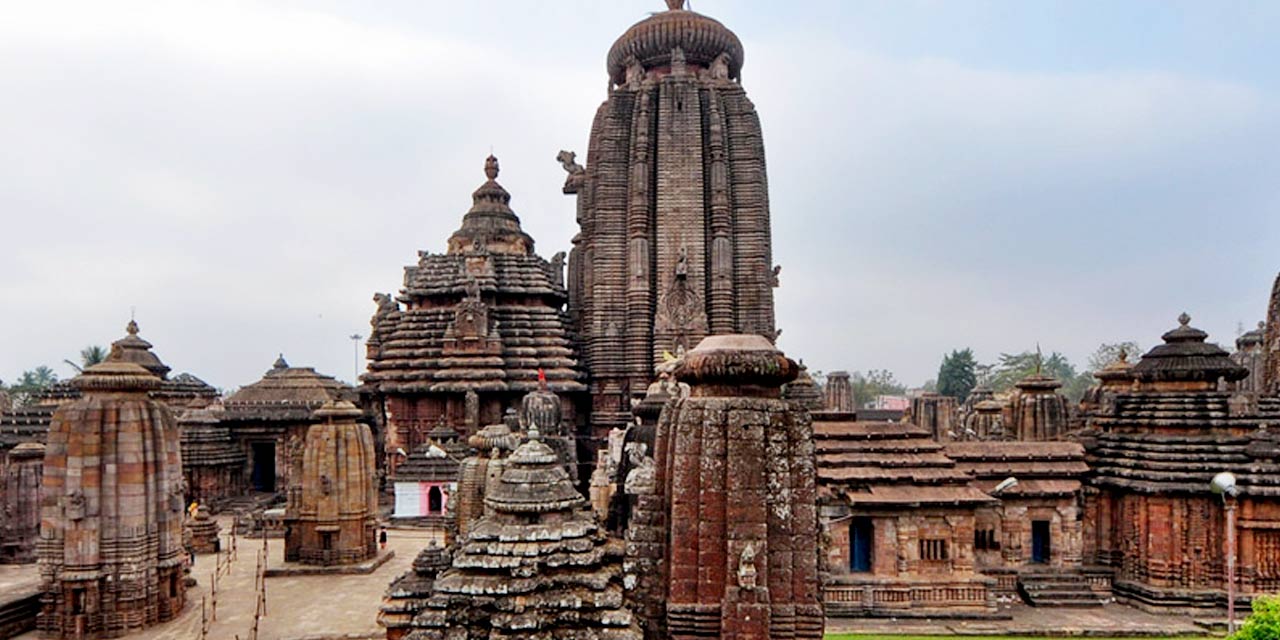 The capital of Odisha, Bhubaneswar, lives up to its name as the "Temple City of India." Once home to over 700 temples, around 500 still stand today, testifying to the city's glorious past as the capital of the ancient Kalinga empire. Walking through the old town feels like stepping back in time, with temples dotting every street corner and the air filled with the sounds of temple bells and chanting.
The Lingaraj Temple is Bhubaneswar's crown jewel. Dedicated to Lord Shiva as Harihar (a combined form of Vishnu and Shiva), this magnificent 11th-century temple represents the pinnacle of Kalinga architecture. Rising 54 meters high, the main spire dominates the skyline and features intricate carvings of gods, goddesses, and celestial beings. What's remarkable is that the temple remains an active place of worship, with devotees thronging here daily for darshan. Photography is prohibited inside, preserving the sacred atmosphere.
The Mukteshwar Temple, built in the 10th century, is often called the "gem of Kalinga architecture" due to its exquisite proportions and detailed carvings. The torana (arched gateway) is particularly noteworthy, featuring scenes from Buddhist Jataka tales despite being a Hindu temple – a beautiful example of religious harmony in ancient India.
The Rajarani Temple, named after the local red and yellow sandstone used in its construction, is famous for its erotic sculptures and graceful female figures. Unlike most temples, it's not dedicated to any specific deity and may have been used for ceremonial purposes. The temple's peaceful setting and elegant architecture make it perfect for quiet contemplation.
The Udayagiri and Khandagiri Caves, located on the city's outskirts, offer a different kind of historical experience. These rock-cut caves, dating back to the 2nd century BC, were carved for Jain monks during the reign of King Kharavela. The caves feature intricate carvings and inscriptions that provide insights into ancient Kalinga's history. Climbing to the top of Udayagiri offers panoramic views of the surrounding countryside – especially beautiful at sunset.
Other notable temples include the Brahmeswara Temple, known for its four smaller shrines at each corner, and the Parsurameswara Temple, one of the oldest surviving temples in Bhubaneswar. The city also houses the Odisha State Museum, which has an impressive collection of ancient sculptures, manuscripts, and artifacts that provide context to the temples you'll visit.
The capital of Odisha, Bhubaneswar, lives up to its name as the "Temple City of India." Once home to over 700 temples, around 500 still stand today, testifying to the city's glorious past as the capital of the ancient Kalinga empire. Walking through the old town feels like stepping back in time, with temples dotting every street corner and the air filled with the sounds of temple bells and chanting.
The Lingaraj Temple is Bhubaneswar's crown jewel. Dedicated to Lord Shiva as Harihar (a combined form of Vishnu and Shiva), this magnificent 11th-century temple represents the pinnacle of Kalinga architecture. Rising 54 meters high, the main spire dominates the skyline and features intricate carvings of gods, goddesses, and celestial beings. What's remarkable is that the temple remains an active place of worship, with devotees thronging here daily for darshan. Photography is prohibited inside, preserving the sacred atmosphere.
The Mukteshwar Temple, built in the 10th century, is often called the "gem of Kalinga architecture" due to its exquisite proportions and detailed carvings. The torana (arched gateway) is particularly noteworthy, featuring scenes from Buddhist Jataka tales despite being a Hindu temple – a beautiful example of religious harmony in ancient India.
The Rajarani Temple, named after the local red and yellow sandstone used in its construction, is famous for its erotic sculptures and graceful female figures. Unlike most temples, it's not dedicated to any specific deity and may have been used for ceremonial purposes. The temple's peaceful setting and elegant architecture make it perfect for quiet contemplation.
The Udayagiri and Khandagiri Caves, located on the city's outskirts, offer a different kind of historical experience. These rock-cut caves, dating back to the 2nd century BC, were carved for Jain monks during the reign of King Kharavela. The caves feature intricate carvings and inscriptions that provide insights into ancient Kalinga's history. Climbing to the top of Udayagiri offers panoramic views of the surrounding countryside – especially beautiful at sunset.
Other notable temples include the Brahmeswara Temple, known for its four smaller shrines at each corner, and the Parsurameswara Temple, one of the oldest surviving temples in Bhubaneswar. The city also houses the Odisha State Museum, which has an impressive collection of ancient sculptures, manuscripts, and artifacts that provide context to the temples you'll visit.
Puri: The Sacred Abode of Lord Jagannath
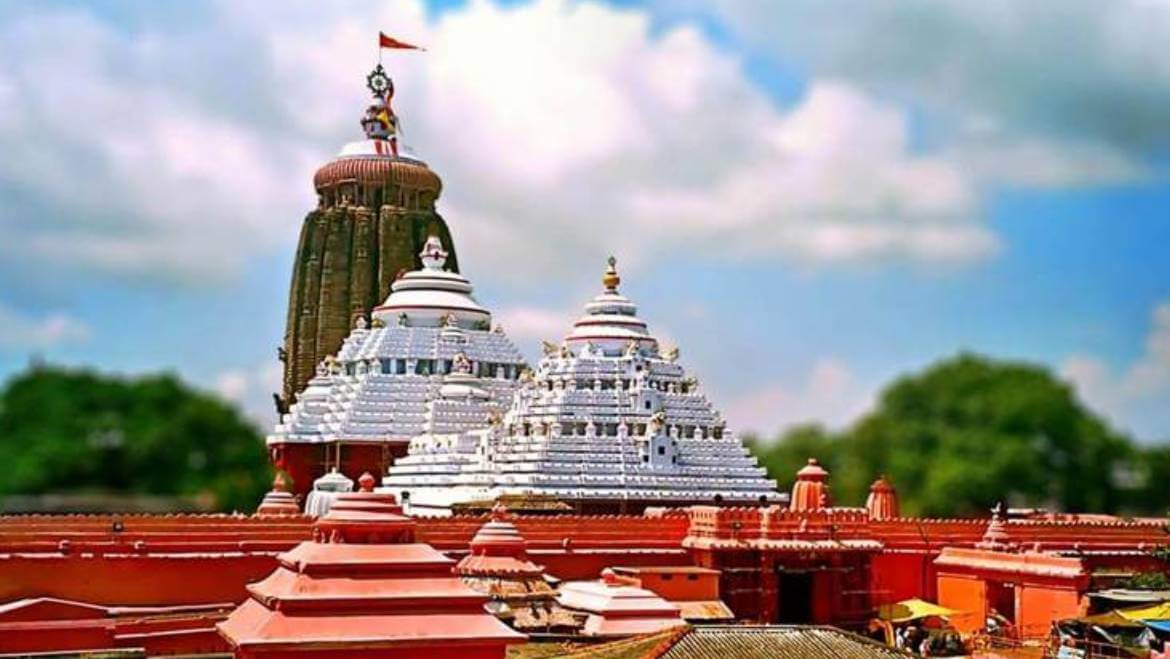
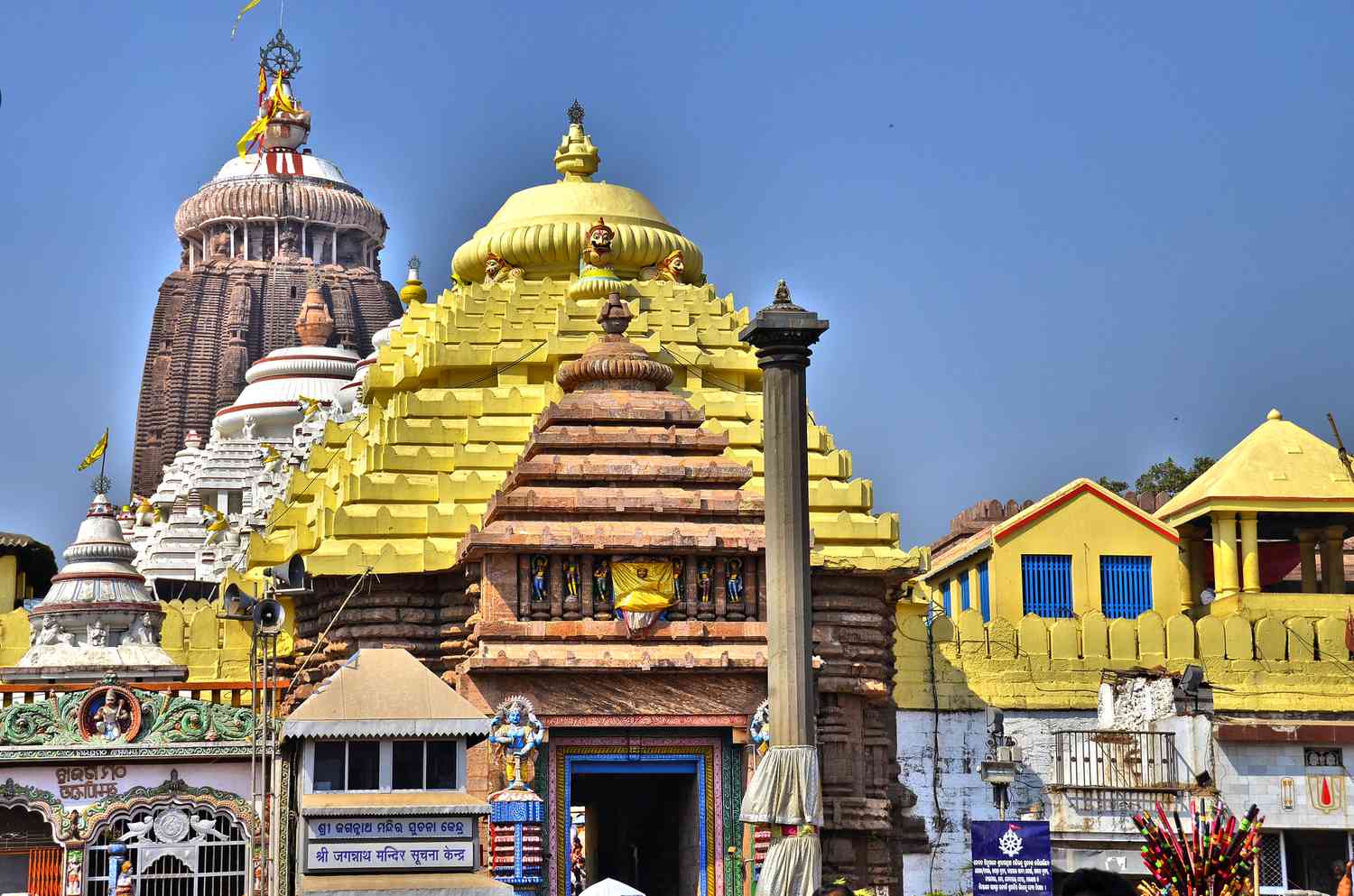 Located 60 kilometers from Bhubaneswar, Puri is one of Hinduism's four Char Dham (sacred pilgrimage sites) and holds immense religious significance. The city revolves around the magnificent Jagannath Temple, dedicated to Lord Jagannath (a form of Lord Krishna). Unlike most Hindu deities represented in stone or metal idols, Lord Jagannath is worshipped in a distinctive wooden form with large eyes and stumps for hands – a form that has inspired the English word "juggernaut."
The temple complex, built in the 12th century by the Ganga dynasty king Anantavarman Chodaganga Deva, covers an area of over 400,000 square feet and is surrounded by a 20-foot high fortified wall. The main temple spire rises to 214 feet, making it visible from miles away. What's fascinating is that the temple follows elaborate rituals that have remained unchanged for centuries – from the daily food offerings (Mahaprasad) that feed thousands of devotees to the ceremonial changing of the deity's dress.
The most famous event here is the Rath Yatra (Chariot Festival), held annually in June or July. During this festival, the deities are placed on massive, elaborately decorated chariots and pulled through the streets by thousands of devotees. The festival attracts over a million pilgrims and is broadcast worldwide. Even if you can't visit during Rath Yatra, the temple's energy is palpable year-round, with devotees continuously flowing in for darshan.
Important Note: Non-Hindus are not permitted inside the main temple. However, you can view the temple from the outside, admire its architecture from the Raghunandan Library rooftop, and experience the vibrant atmosphere of the surrounding streets. The Gundicha Temple, where the deities stay during Rath Yatra, is open to all.
Beyond the temple, Puri Beach offers a perfect blend of spiritual and recreational experiences. The beach is particularly famous for its golden sands and spectacular sunrises. Early morning sees pilgrims taking ritual dips in the sea, while evenings come alive with local markets and street food vendors. The beach is also known for sand art – local artists create intricate sculptures that are both impressive and ephemeral.
Located 60 kilometers from Bhubaneswar, Puri is one of Hinduism's four Char Dham (sacred pilgrimage sites) and holds immense religious significance. The city revolves around the magnificent Jagannath Temple, dedicated to Lord Jagannath (a form of Lord Krishna). Unlike most Hindu deities represented in stone or metal idols, Lord Jagannath is worshipped in a distinctive wooden form with large eyes and stumps for hands – a form that has inspired the English word "juggernaut."
The temple complex, built in the 12th century by the Ganga dynasty king Anantavarman Chodaganga Deva, covers an area of over 400,000 square feet and is surrounded by a 20-foot high fortified wall. The main temple spire rises to 214 feet, making it visible from miles away. What's fascinating is that the temple follows elaborate rituals that have remained unchanged for centuries – from the daily food offerings (Mahaprasad) that feed thousands of devotees to the ceremonial changing of the deity's dress.
The most famous event here is the Rath Yatra (Chariot Festival), held annually in June or July. During this festival, the deities are placed on massive, elaborately decorated chariots and pulled through the streets by thousands of devotees. The festival attracts over a million pilgrims and is broadcast worldwide. Even if you can't visit during Rath Yatra, the temple's energy is palpable year-round, with devotees continuously flowing in for darshan.
Important Note: Non-Hindus are not permitted inside the main temple. However, you can view the temple from the outside, admire its architecture from the Raghunandan Library rooftop, and experience the vibrant atmosphere of the surrounding streets. The Gundicha Temple, where the deities stay during Rath Yatra, is open to all.
Beyond the temple, Puri Beach offers a perfect blend of spiritual and recreational experiences. The beach is particularly famous for its golden sands and spectacular sunrises. Early morning sees pilgrims taking ritual dips in the sea, while evenings come alive with local markets and street food vendors. The beach is also known for sand art – local artists create intricate sculptures that are both impressive and ephemeral.
Konark: The Black Pagoda
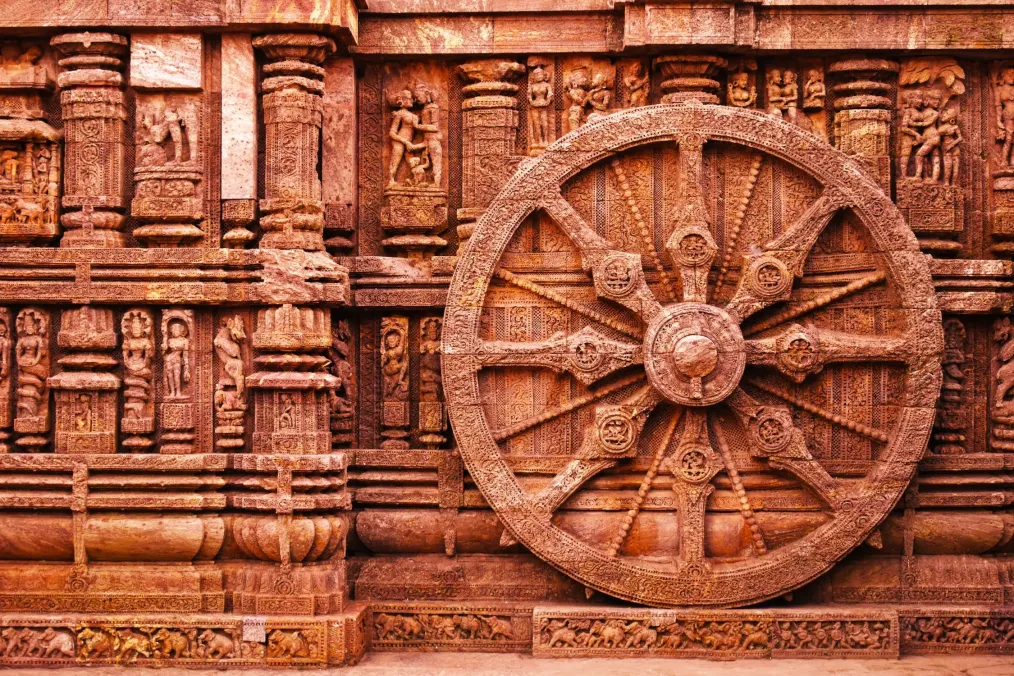 Completing the Golden Triangle is Konark, home to the legendary Sun Temple. Built in the 13th century by King Narasimhadeva I to commemorate his victory over Muslim invaders, this UNESCO World Heritage site is considered one of India's greatest architectural achievements. The temple was designed as a colossal chariot of the Sun God Surya, with 12 pairs of elaborately carved wheels (representing the 12 months) and seven horses (representing the seven days of the week).
What makes the Sun Temple truly extraordinary is the level of detail in its carvings. Every inch of the temple is covered in sculptures – from deities and celestial beings to everyday scenes of court life, erotic figures, animals, and mythical creatures. The temple originally stood 230 feet high, though much of the main tower has collapsed over the centuries. What remains – primarily the assembly hall (Jagamohana) and the dance hall (Natamandira) – is still breathtaking enough to justify its UNESCO status.
The temple's magnetic quality lies not just in its grandeur but in its purposeful design. The main entrance faces east to catch the first rays of the sun. The wheels serve as sundials, accurately telling time to the minute. The temple's geometry and alignment reflect the ancient Kalinga civilization's advanced understanding of astronomy and mathematics.
Nearby, the Konark Dance Festival (held annually in December) showcases classical Odissi dance against the stunning backdrop of the illuminated Sun Temple – an experience that combines two of Odisha's greatest cultural treasures.
Completing the Golden Triangle is Konark, home to the legendary Sun Temple. Built in the 13th century by King Narasimhadeva I to commemorate his victory over Muslim invaders, this UNESCO World Heritage site is considered one of India's greatest architectural achievements. The temple was designed as a colossal chariot of the Sun God Surya, with 12 pairs of elaborately carved wheels (representing the 12 months) and seven horses (representing the seven days of the week).
What makes the Sun Temple truly extraordinary is the level of detail in its carvings. Every inch of the temple is covered in sculptures – from deities and celestial beings to everyday scenes of court life, erotic figures, animals, and mythical creatures. The temple originally stood 230 feet high, though much of the main tower has collapsed over the centuries. What remains – primarily the assembly hall (Jagamohana) and the dance hall (Natamandira) – is still breathtaking enough to justify its UNESCO status.
The temple's magnetic quality lies not just in its grandeur but in its purposeful design. The main entrance faces east to catch the first rays of the sun. The wheels serve as sundials, accurately telling time to the minute. The temple's geometry and alignment reflect the ancient Kalinga civilization's advanced understanding of astronomy and mathematics.
Nearby, the Konark Dance Festival (held annually in December) showcases classical Odissi dance against the stunning backdrop of the illuminated Sun Temple – an experience that combines two of Odisha's greatest cultural treasures.
Nature & Wildlife: Chilika, Bhitarkanika & Simlipal
Odisha's natural heritage is as impressive as its cultural one. The state boasts diverse ecosystems – from brackish water lagoons to mangrove forests to tiger reserves. For nature enthusiasts, Odisha offers opportunities to spot rare wildlife, witness mass bird migrations, and explore landscapes that feel wonderfully untouched.Chilika Lake: Asia's Largest Brackish Water Lagoon
Spread over 1,100 square kilometers, Chilika Lake is India's largest coastal lagoon and the second largest in the world. This Ramsar-designated wetland is a biodiversity hotspot, home to over 260 species of fish, 160 species of birds, and the endangered Irrawaddy dolphin. The lake's unique ecosystem – a mix of saltwater from the Bay of Bengal and freshwater from numerous rivers – creates conditions that support an incredible variety of flora and fauna. The Irrawaddy dolphins of Chilika are a major attraction. Unlike most dolphins that prefer pure saltwater, these unique creatures have adapted to the lake's brackish waters. Boat safaris from Satpada offer excellent chances to spot them. Unlike oceanic dolphins, Irrawaddy dolphins are shy and surface quietly – watch patiently and you might see up to 30-40 dolphins in a single trip. Chilika is a birdwatcher's paradise, especially between November and February when over 160 species of migratory birds arrive here. Birds travel from as far as Siberia, Mongolia, and Central Asia to escape harsh winters. Nalabana Island, a protected area within the lake, transforms into a sea of feathers during peak season. You'll see flamingos, pelicans, herons, egrets, spoonbills, and the spectacular Brahminy ducks with their distinctive white bodies and rust-colored heads. Key locations around Chilika:- Satpada: Best for dolphin spotting, located where the lake meets the sea. The confluence creates a unique ecosystem where dolphins thrive.
- Mangalajodi: A former poachers' village turned conservation success story. Local guides who once hunted birds now protect them. Excellent for serious birdwatching.
- Kalijai Temple: Located on an island, this temple dedicated to Goddess Kalijai is the subject of local legends and offers beautiful lake views.
- Rambha: Known for its scenic beauty and island-hopping opportunities. The Breakfast Island and Beacon Island are particularly picturesque.
Bhitarkanika National Park: Land of Giant Crocodiles
Located in Kendrapara district, Bhitarkanika is one of India's finest mangrove ecosystems. Often called "the Amazon of India," this national park is home to the country's largest population of saltwater crocodiles. The estuarine crocodiles here can grow up to 23 feet long – seeing them basking on riverbanks is both thrilling and intimidating. The park's mangrove forests, spread over 650 square kilometers, create a labyrinth of creeks and rivers that you navigate by boat. The mangrove species here include unique trees like the "looking-up" trees (rhizophora) that appear to be standing on stilts. The park also hosts spotted deer, wild boar, jackals, hyenas, and numerous bird species including kingfishers, herons, and migratory birds that arrive in winter. Key attractions in Bhitarkanika:- Dangamal: The park's entry point where you'll find a crocodile breeding center and a museum with information about the park's ecosystem.
- Gahirmatha Beach: Nearby beach where Olive Ridley sea turtles come in massive numbers for arribada (mass nesting) between January and March. It's one of the world's largest turtle nesting sites.
Simlipal National Park: Tigers and Waterfalls
Spread over 2,750 square kilometers in the Mayurbhanj district, Simlipal National Park is Odisha's largest tiger reserve and one of India's most important biodiversity hotspots. Named after the simul (silk cotton) trees that are abundant here, the park boasts a stunning landscape of sal forests, grasslands, and waterfalls. The Barehipani Falls (399 meters) and Joranda Falls (150 meters) are Simlipal's most impressive waterfalls and are among the highest in India. The sight of water cascading down lush green cliffs is unforgettable, especially just after the monsoon when the falls are at their full glory. Simlipal is home to the Royal Bengal Tiger, Asian elephant, gaur (Indian bison), sambar, chital, and numerous bird species. The park is also known for its population of melanistic (black) tigers – a rare genetic variation where the tiger has thicker black stripes. The park offers jeep safaris and elephant safaris (subject to availability). The best time to visit is from November to May, though the park is partially closed during peak summer (April-June). The park's remote location means it sees far fewer tourists than other tiger reserves, offering a more pristine wilderness experience.Beaches: Puri, Chandrabhaga & Gopalpur
While Goa and Kerala grab the headlines for beaches, Odisha's coastline offers equally beautiful shores without the crowds or commercialization. From sacred beaches where pilgrims take ritual dips to serene stretches perfect for sunset watching, Odisha's beaches are diverse and delightful.Puri Beach
As mentioned earlier, Puri Beach holds a unique place as both a recreational and spiritual destination. The 3-kilometer stretch of golden sand sees pilgrims taking ritual dips (especially during Kartik Purnima) and tourists enjoying camel rides, beach volleyball, and local seafood. The beach comes alive in the evening with the Beach Market selling everything from seashells to handicrafts. What makes Puri special is the sunrise. Early morning sees the beach at its most spiritual – devotees praying, fishermen heading out to sea, and the first rays painting the sky in spectacular colors. The beach is particularly lively during festivals like the Puri Beach Festival (November) and the Sand Art Festival (December) when international artists create mind-blowing sand sculptures.Chandrabhaga Beach: Blue Flag Certified
Located just 3 kilometers from Konark Sun Temple, Chandrabhaga Beach is one of India's cleanest and most well-maintained beaches. In 2020, it was awarded the prestigious Blue Flag certification – an international eco-label given to beaches that meet strict environmental and safety standards. The beach is named after the Chandrabhaga River that once flowed here (though the river has since changed course). According to legend, Samba, son of Lord Krishna, worshipped the Sun God here and was cured of leprosy. Today, the beach hosts the Magha Saptami Mela (February) when thousands of devotees take a ritual dip in the sea. The beach's proximity to Konark makes it perfect for combining temple visits with beach relaxation. Unlike Puri, Chandrabhaga is relatively quiet, making it ideal for those seeking solitude. The sunrise here, with the Sun Temple visible in the distance, is spectacular.Gopalpur-on-Sea: Serene Vibes
Located in the Ganjam district, Gopalpur was once a bustling port that traded with Southeast Asia. Today, it's a quiet beach town perfect for those seeking relaxation away from crowds. The beach features casuarina groves, golden sands, and gentle waves – ideal for swimming. The town's colonial past is evident in its old bungalows and the 150-year-old lighthouse that you can climb for panoramic views. The Gopalpur Beach Festival (December) showcases local culture, food, and water sports. Nearby attractions include the Tampara Lake (a freshwater lake perfect for picnics) and the Chilika Lake (about 45 kilometers away). Gopalpur is also the base for visiting the Aryapalli Beach, known for its fishing village vibe and fresh seafood.Tribal Odisha: The Indigenous Heartland
One of Odisha's most fascinating aspects is its tribal heritage. The state has 62 distinct tribal communities, constituting about 22% of the population – one of the highest concentrations in India. Each tribe has its own language, customs, festivals, and artistic traditions that have survived for millennia. The Kondh tribe, one of the largest, is divided into sub-groups including the Kutia Kondh and Dongria Kondh. The Dongria Kondh are famous for their unique relationship with the Niyamgiri hills, which they consider sacred. Their protests against bauxite mining in Niyamgiri became an international story about indigenous rights and environmental conservation. The Bonda tribe is one of the most remote and culturally intact. Bonda women are known for their distinctive appearance – they wear colorful beads, silver jewelry, and lengths of cloth that barely cover their upper bodies. The tribe has minimal contact with the outside world, and visiting Bonda villages requires special permits. The Santhal tribe, one of the largest tribal communities in India, is known for their vibrant festivals, especially the Sohrai harvest festival. Santhal music and dance, particularly the rhythmic Santhal dance performed to drum beats, are mesmerizing. Weekly tribal markets (called haats) are the best places to witness tribal culture. The Onukadelli weekly market (Thursday) is famous where Bonda tribals come to trade. The Kunduli market (Sunday) sees various tribes including the Gadaba and Paroja. These markets are not just commercial centers but social gatherings where tribes exchange news, arrange marriages, and celebrate their culture. Important: Visiting tribal areas requires sensitivity. Many tribal communities are protected, and photography may be restricted. Always go with a responsible local guide who understands tribal protocols. The Tribal Museum in Bhubaneswar is an excellent starting point to learn about Odisha's tribal heritage before venturing into tribal areas.Cultural Heritage: Pattachitra & Odissi Dance
Odisha's living cultural traditions are as impressive as its monuments. Two art forms that deserve special mention are Pattachitra painting and Odissi dance – both with roots going back over a thousand years.Raghurajpur: The Village of Artists
Located 14 kilometers from Puri, Raghurajpur is a heritage village where every family is engaged in traditional arts. The village is famous for Pattachitra – cloth-based scroll painting that uses natural colors and depicts mythological stories. The art form dates back to the 5th century BC and has remained virtually unchanged in technique. Walking through Raghurajuru's single street, you'll see artists working on their porches, their hands moving with practiced precision as they paint intricate figures of gods and goddesses. The colors come from natural sources – white from conch shells, yellow from orpiment, red from cinnabar, and black from soot. The paintings use fine lines and bold colors, with stories from the Ramayana, Mahabharata, and Jagannath cult being the most common subjects. The village is also known for Palm Leaf Engraving (talapattachitra), where stories are etched onto dried palm leaves using sharp needles. Other crafts include papier-mâché masks, stone carvings, and wooden toys. What makes Raghurajpur special is that you can interact with artists, watch them work, and even try your hand at painting. Many families have won national awards for their work, and buying directly from the artists ensures fair compensation.Odissi Dance: Poetry in Motion
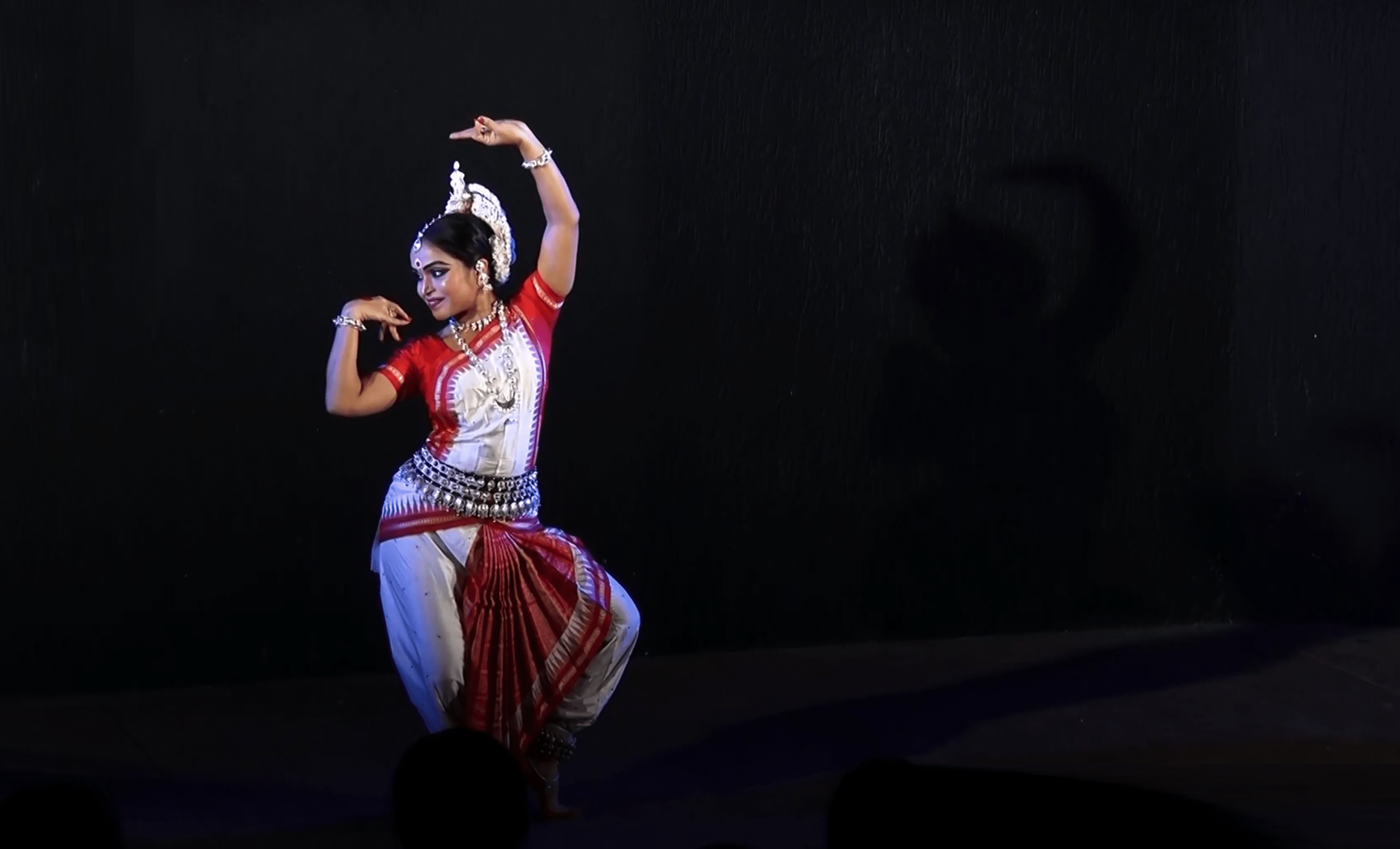 Odissi is one of India's eight classical dance forms and originates from the temple dances of Odisha. With references dating back to the 2nd century BC, Odissi was originally performed by devadasis (temple dancers) as a form of worship. The dance form was revived in the mid-20th century after centuries of decline.
Characterized by graceful torso movements, rhythmic footwork, and elaborate facial expressions (abhinaya), Odissi is deeply spiritual. The dance is based on the Natya Shastra, an ancient treatise on performing arts, and sculptures in Odisha's temples (particularly Konark) provide visual references for classical Odissi poses.
The dance typically begins with Mangalacharan (invocatory piece) followed by Abhinaya (expressive dance), Nritta (pure dance), and Moksha (culmination). The dancer wears a traditional silver filigree costume and elaborate jewelry, and the performance is accompanied by Odissi music, which uses the violin, flute, and mardala (drum).
You can watch Odissi performances in Bhubaneswar (especially during the Konark Dance Festival and Mukteswar Dance Festival), at cultural centers in Puri, and at various government-run cultural programs. Some institutes also offer short introductory courses for tourists interested in learning the basics.
Odissi is one of India's eight classical dance forms and originates from the temple dances of Odisha. With references dating back to the 2nd century BC, Odissi was originally performed by devadasis (temple dancers) as a form of worship. The dance form was revived in the mid-20th century after centuries of decline.
Characterized by graceful torso movements, rhythmic footwork, and elaborate facial expressions (abhinaya), Odissi is deeply spiritual. The dance is based on the Natya Shastra, an ancient treatise on performing arts, and sculptures in Odisha's temples (particularly Konark) provide visual references for classical Odissi poses.
The dance typically begins with Mangalacharan (invocatory piece) followed by Abhinaya (expressive dance), Nritta (pure dance), and Moksha (culmination). The dancer wears a traditional silver filigree costume and elaborate jewelry, and the performance is accompanied by Odissi music, which uses the violin, flute, and mardala (drum).
You can watch Odissi performances in Bhubaneswar (especially during the Konark Dance Festival and Mukteswar Dance Festival), at cultural centers in Puri, and at various government-run cultural programs. Some institutes also offer short introductory courses for tourists interested in learning the basics.
Odia Cuisine: A Food Lover's Paradise
Odia cuisine is delicious, diverse, and sadly underrated outside the state. Characterized by its subtle use of spices and emphasis on local ingredients, Odia food offers a perfect balance of flavors – not too spicy, not too bland, just deeply satisfying. Pakhala Bhata – fermented rice soaked in water – is Odisha's signature dish, especially popular during summer. Eaten with roasted vegetables, fried fish, or saga bhaja (fried leafy greens), Pakhala is cooling, probiotic, and incredibly comforting. Every household has its own recipe, and the variations are endless – with curd (dahi pakhala), with mustard (mansa pakhala), with green mango (amba pakhala). Dalma – a simple dish of lentils and vegetables cooked together – is Odisha's comfort food. Unlike dal elsewhere, Dalma includes raw papaya, pumpkin, banana, and eggplant. It's nutritious, flavorful, and typically served with rice. A proper Odia meal is incomplete without Dalma. Chhena Poda – literally "burnt cheese" – is Odisha's most famous dessert. Made from fresh cottage cheese (chhena), sugar, and cardamom, baked until it caramelizes, this dessert has a unique texture that's somewhere between cake and fudge. The burnt top layer adds a smoky flavor that's addictive. Rasagola – though claimed by both Odisha and Bengal – originated in Puri. The Jagannath Temple's version, called Khira Mohana, is believed to be the original rasgola. Made from chhena and soaked in sugar syrup, these spongy cheese balls melt in your mouth. Other must-try dishes include Chhena Gaja (fried cheese balls coated in sugar syrup), Kheera (a dense rice pudding), Chungudi Malua (shrimp curry – Odisha's coastal areas serve excellent seafood), and Santula (mixed vegetable curry). For street food, try Dahibara Aloodum (vadas soaked in yogurt with spicy potato curry) – a popular breakfast across the state. Gupchup or Pani Puri in Odisha has its own distinct flavor profile, with spicier water and smaller puris.Best Time to Visit Odisha
Odisha's tropical climate means weather is a crucial factor in planning your trip. The state has three distinct seasons:- Winter (October - February): The best time to visit. Days are pleasant (20-30°C) and perfect for temple hopping, beach walks, and wildlife safaris. This is also when migratory birds arrive at Chilika. Pack light woolens for December and January evenings.
- Summer (March - June): Hot and humid (30-40°C). Not ideal for sightseeing during the day. However, if you must visit, plan activities for early morning and evening. Turtle watching at Gahirmatha Beach happens during this period (January-March).
- Monsoon (July - September): Heavy rainfall, especially in coastal areas. While the landscape turns lush green, many activities become challenging. However, waterfalls in Simlipal are spectacular during this time.
Suggested 1-Week Odisha Itinerary
| Day | Location | Activities |
|---|---|---|
| Day 1 | Bhubaneswar | Arrival, Lingaraj Temple, Mukteshwar Temple, Udayagiri-Khandagiri Caves |
| Day 2 | Bhubaneswar | Rajarani Temple, Brahmeswara Temple, State Museum, Evening shopping |
| Day 3 | Konark → Puri | Morning: Konark Sun Temple, Afternoon: Chandrabhaga Beach, Evening: Puri Beach sunset |
| Day 4 | Puri → Chilika | Morning: Jagannath Temple (outside view), Afternoon: Satpada for dolphin watching, Return to Puri |
| Day 5 | Puri → Raghurajpur → Bhubaneswar | Morning: Raghurajpur heritage village (Pattachitra art), Afternoon: Drive to Bhubaneswar |
| Day 6 | Bhubaneswar → Bhitarkanika | Early morning drive to Bhitarkanika, Boat safari for crocodile spotting, Overnight stay |
| Day 7 | Bhitarkanika → Bhubaneswar | Morning: Another boat ride or nature walk, Afternoon: Return to Bhubaneswar for departure |
Conclusion: Discover Odisha's Timeless Treasures
Odisha is a destination that rewards those who look beyond India's usual tourist trail. Whether you're marveling at the Sun Temple's architectural brilliance, seeking blessings at the sacred Jagannath Temple, spotting dolphins in Chilika's tranquil waters, exploring ancient tribal cultures, or simply savoring chhena poda after a meal of dalma and pakhala – Odisha offers experiences that feel both timeless and deeply authentic. What makes Odisha truly special is how seamlessly it blends different worlds – the ancient and the living, the spiritual and the natural, the tribal and the contemporary. It's a state where temple rituals follow rhythms unchanged for centuries, yet artistic traditions like Pattachitra and Odissi dance continue to evolve. Where indigenous tribal communities preserve ancient ways of life, while modern coastal towns embrace the future. For travelers seeking to understand India's incredible diversity, Odisha is essential. It's a reminder that this country's cultural wealth isn't just in its famous monuments but in its living traditions – the songs of tribal communities, the hands of artists painting timeless stories, the prayers rising from ancient temples at dawn, and the flavors of recipes passed down through generations. Visit Odisha not just to see its sights but to experience its soul – a soul that has welcomed pilgrims, artists, kings, and travelers for millennia, and continues to share its treasures generously with those who come with an open heart and curious mind. After all, some of India's best stories are found in its least explored corners. And Odisha, without a doubt, is one such corner that deserves to be discovered. If you're timing an Odisha trip around the monsoon lead-in, our roundup of places to visit in India in June has more seasonal options.Location
Frequently Asked Questions
Q1.How many days are enough for Odisha?
For a comprehensive Odisha experience covering the Golden Triangle (Bhubaneswar-Puri-Konark) and Chilika Lake, 5-6 days are ideal.
Here's how to plan:
3 days: Just the Golden Triangle (Bhubaneswar temples + Puri + Konark Sun Temple)
5 days: Golden Triangle + Chilika Lake (Satpada for dolphins, birdwatching at Mangalajodi)
7 days: Add either Bhitarkanika (crocodiles) or Gopalpur (beaches) + tribal villages
10+ days: Include Simlipal National Park, detailed tribal circuit of Koraput-Rayagada, and coastal Gopalpur
The Golden Triangle alone needs 2 full days minimum – one for Bhubaneswar's temples, one for Konark and Puri together.
Q2.What is the best time to visit Odisha?
The best time to visit Odisha is between October and February during the winter season.
Winter (October-February): Ideal weather with temperatures between 20-30°C. Perfect for temple visits, beaches, wildlife safaris, and sightseeing. This is also when migratory birds arrive at Chilika Lake (November-February). December and January can get cool in the evenings – pack light woolens.
Summer (March-June): Hot and humid (30-40°C). Not recommended for general tourism, though it's the best time for sea turtle watching at Gahirmatha Beach (January-March). If visiting during summer, schedule activities for early morning and evening.
Monsoon (July-September): Heavy rainfall, especially in coastal areas. Waterfalls are spectacular in Simlipal, but many activities become challenging. Not recommended for first-time visitors.
Special events: Konark Dance Festival (December), Rath Yatra (June/July), Magha Saptami at Chandrabhaga Beach (February).
Q3.Can non-Hindus enter Jagannath Temple Puri?
No, non-Hindus are not permitted inside the Jagannath Temple in Puri. This rule is strictly enforced, and the temple guards check identification at the entrance.
What non-Hindus can do instead:
• View the temple from the Raghunandan Library rooftop – offers excellent views of the temple spire and surrounding area
• Walk around the temple complex perimeter – the outer walls and main gate are impressive
• Experience the vibrant atmosphere of the surrounding streets – devotees, markets, and temple energy
• Visit the Gundicha Temple – where the deities stay during Rath Yatra, this temple is open to all
• Witness the Rath Yatra festival in June/July – when the deities come out of the temple, everyone can participate and see them
The rule has been in place for centuries and is strictly followed. Please respect this religious tradition.
Q4.What is Odisha famous for?
Odisha is famous for several unique attractions and cultural treasures:
Temples & Architecture: The Jagannath Temple (Puri) – one of Hinduism's Char Dham pilgrimage sites; Konark Sun Temple – UNESCO World Heritage site shaped like a chariot; Bhubaneswar's 700+ ancient temples earning it the title "Temple City of India"
Wildlife & Nature: Chilika Lake – Asia's largest brackish water lagoon with Irrawaddy dolphins; Bhitarkanika – mangrove forests with giant saltwater crocodiles; Simlipal National Park – tiger reserve with spectacular waterfalls
Beaches: Chandrabhaga Beach – one of India's few Blue Flag certified beaches; Puri Beach – sacred beach where pilgrims take ritual dips; Gopalpur-on-Sea – serene, uncrowded coastline
Arts & Culture: Odissi dance – one of India's eight classical dance forms; Pattachitra painting – traditional cloth-based scroll paintings; Appliqué work in Pipili; Sand art at Puri Beach
Cuisine: Chhena Poda (burnt cheesecake dessert), Pakhala (fermented rice), Dalma (lentil-vegetable dish), and the original Rasgola from Puri
Q5.Is Odisha safe for solo female travelers?
Yes, Odisha is generally safe for solo female travelers, but as with anywhere in India, certain precautions are advisable.
Positive aspects:
• Odisha sees fewer tourists than states like Goa or Rajasthan, which means less hassle and commercialization
• People are generally helpful, hospitable, and respectful
• Cities like Bhubaneswar and Puri have good tourist infrastructure
• Beaches, temples, and tourist sites are generally safe and well-patronized
Recommended precautions:
• Dress modestly, especially when visiting temples and rural areas
• Avoid isolated stretches of beach after dark
• Use registered tourist guides for temple visits and tribal areas
• Stay in reputable hotels in well-located areas
• For tribal villages, always go with an organized tour or licensed local guide
• Avoid solo travel to remote areas like Bhitarkanika or Simlipal alone – join organized tours
Best approach: Start with Bhubaneswar-Puri-Konark circuit which is well-developed and frequented by tourists. As you get comfortable, you can explore more remote areas.
Q6.Which is the best beach in Odisha?
Odisha has several excellent beaches, each with its own character:
Chandrabhaga Beach (Near Konark): Arguably the best. One of India's few Blue Flag certified beaches – meeting international standards for cleanliness, safety, and environmental management. Clean golden sands, calm waters, and spectacular views of the Konark Sun Temple in the distance. Best for: swimming, relaxation, photography.
Puri Beach: Most famous and accessible. A mix of spiritual (pilgrims taking ritual dips) and recreational (camel rides, sand art). Lively evening market. Best for: experiencing local culture, sunrise views, watching sand artists.
Gopalpur-on-Sea: Most peaceful. Historic port town with a laid-back vibe, casuarina groves, and a 150-year-old lighthouse. Less crowded than Puri. Best for: relaxation, solitude, weekend getaway from Bhubaneswar.
Chandipur Beach (Balasore): Unique because the sea recedes up to 5 kilometers during low tide – you can walk on the sea bed! Best for: witnessing this unique phenomenon.
Aryapalli Beach: Near Gopalpur, known for its fishing village vibe. Fresh seafood and local culture. Best for: authentic coastal Odisha experience.
For first-timers: Start with Chandrabhaga (cleanest, safest) or Puri (most famous, most facilities).
Q7.What is the famous food of Odisha?
Odia cuisine is delicious, diverse, and sadly underrated. Must-try dishes include:
Savory:
• Pakhala Bhata: Fermented rice soaked in water – Odisha's signature dish. Cooling, probiotic, eaten with roasted vegetables or fried fish. Especially popular in summer.
• Dalma: Lentils and vegetables (pumpkin, raw papaya, banana, eggplant) cooked together. Comfort food, typically served with rice. Essential part of any Odia meal.
• Chungudi Malua: Spicy prawn curry – coastal Odisha excels at seafood. Must try if you eat fish.
• Santula: Mixed vegetable curry with minimal spices – highlights natural flavors.
Street Food:
• Dahibara Aloodum: Vadas soaked in yogurt served with spicy potato curry. Popular breakfast.
• Gupchup/Pani Puri: Odisha's version has spicier water and smaller puris than elsewhere in India.
Sweets:
• Chhena Poda: Cottage cheese, sugar, and cardamom baked until it caramelizes. "Burnt cheese" dessert – unique texture and smoky flavor.
• Rasagola: Spongy cottage cheese balls in sugar syrup. Originated in Puri (Jagannath Temple's version is called Khira Mohana).
• Chhena Gaja: Deep-fried cheese cubes coated in sugar syrup.
• Kheera: Dense rice pudding flavored with cardamom and cloves.
Q8.How do I reach Odisha by air, rail and road?
By Air:
The Biju Patnaik International Airport (BBI) in Bhubaneswar is Odisha's primary airport, well-connected to major Indian cities:
• Direct flights from: Delhi, Mumbai, Bangalore, Hyderabad, Chennai, Kolkata, Ahmedabad
• International connections: Bangkok, Dubai, Kuala Lumpur (limited flights)
From the airport, it's a 20-30 minute drive to the city center. Pre-paid taxis and app-based cabs (Ola, Uber) are available.
By Rail:
Odisha has an extensive railway network with Bhubaneswar, Puri, Cuttack, and Berhampur being major junctions:
• Bhubaneswar: Connected to all major cities – Howrah (Kolkata), Mumbai, Delhi, Chennai, Bangalore, Hyderabad
• Puri: Direct trains from Kolkata (Howrah), Delhi, Mumbai, Ahmedabad
• Popular trains: Howrah-Puri Howrah Express, Konark Express (Mumbai-Bhubaneswar), Rajdhani Express (Delhi-Bhubaneswar)
By Road:
Odisha has excellent road connectivity:
• From Kolkata: 480 km, 8-9 hours via NH16
• From Hyderabad: 880 km, 16-18 hours via NH59
• From Raipur: 580 km, 10-11 hours via NH53
• State-run OSRTC buses and private operators connect Bhubaneswar to Kolkata, Visakhapatnam, Raipur, and other cities
Getting around Odisha: Hire a private cab for the Golden Triangle (most convenient). State buses connect major towns but are slower. Auto-rickshaws available in cities.
Recommended For You
Puri Beach Odisha: Complete Travel Guide with Tips
Complete Puri Beach travel guide with best time to visit, activities, nearby attractions, food, and safety tips for Odisha's famous beach.
Konark Dance Festival Odisha: Dates, Performances & Ticket Info
Konark Dance Festival guide with dates-verification workflow, ticket strategy, travel routes, accommodation options, and practical evening-attendance tips.
Chilika Lake: Complete Travel Guide to Asia's Largest Brackish Water Lagoon
Visit Chilika Lake in Odisha - Asia's largest brackish water lagoon. See dolphins, birds & travel tips in our complete guide.
Never Miss an Adventure
Get the latest trekking guides, travel tips, and exclusive offers delivered straight to your inbox.
