
Rafting in Rishikesh Guide: Best Rapids, Season, Safety, and Practical Booking Tips

Priya Mehta
February 25, 2026
Plan rafting in Rishikesh with practical advice on routes, season, safety, operator checks, costs, and itinerary integration.
Why Rishikesh Is India’s Most Popular Rafting Base
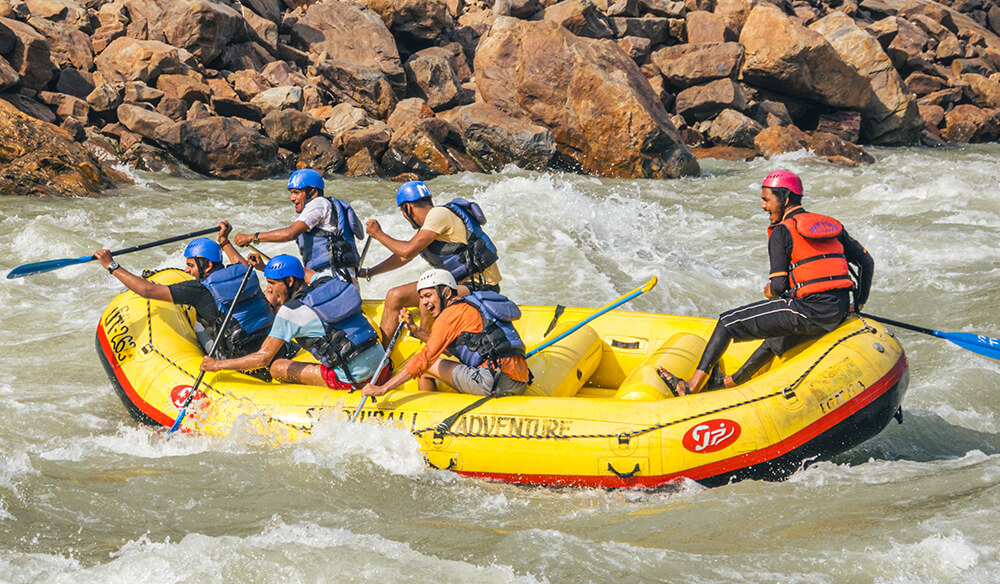
Rishikesh combines accessibility, guided activity infrastructure, and varied rapid sections that suit first-timers as well as repeat adventure travelers. The Ganga corridor around the city has multiple rafting stretches, each with different duration, rapid intensity, and scenic character. That flexibility is why rafting here works for families, student groups, corporate travelers, and serious adventure seekers.
But rafting quality depends heavily on season, operator choice, and realistic self-assessment. If you are planning an adventure-first itinerary, align this with Rishikesh travel planning, day sequencing from Rishikesh attractions, and adjacent activity ideas from adventure sports in India. For longer stays, you can combine with accommodation planning from Rishikesh stays.
Main Rafting Sections in Rishikesh
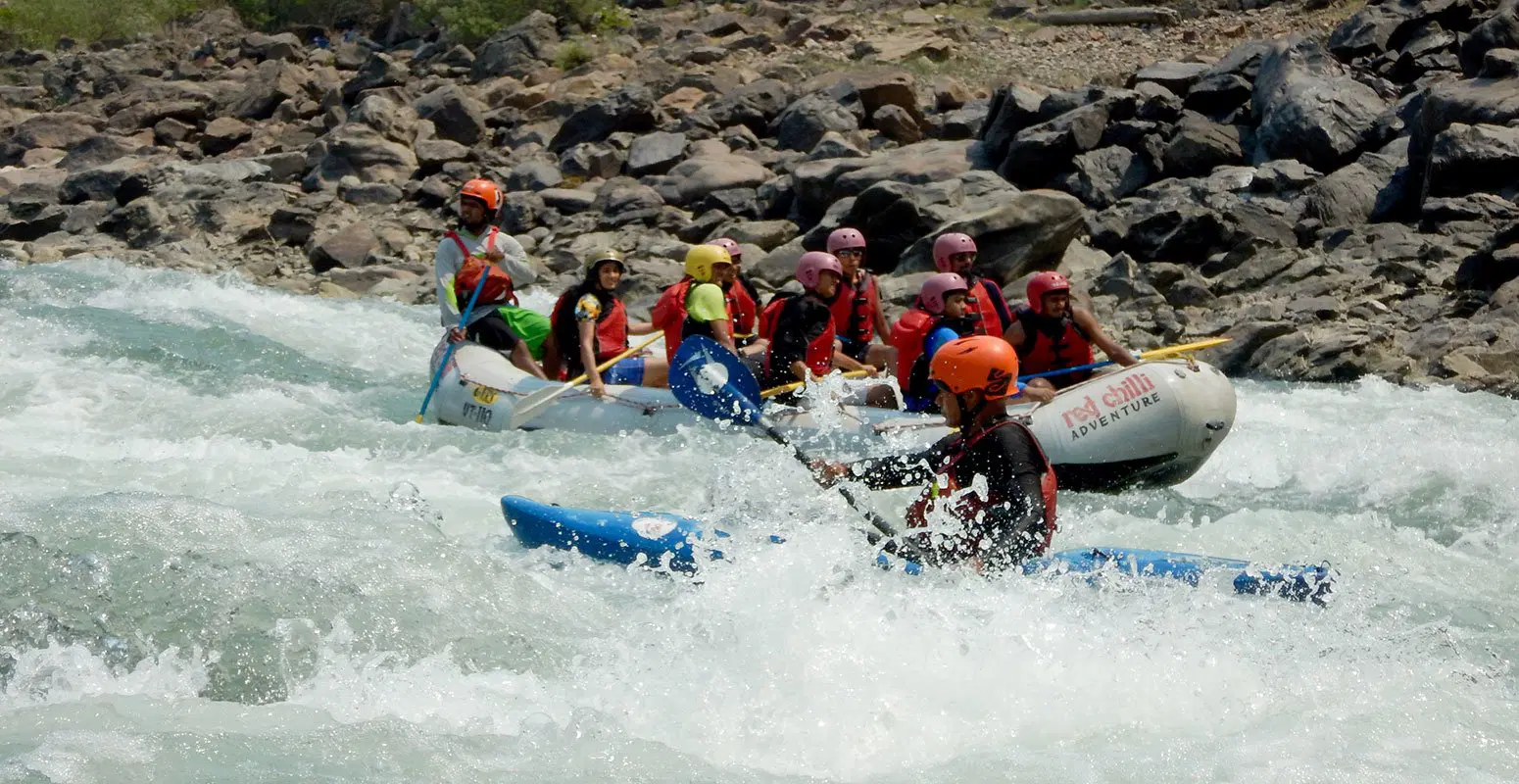
Short beginner-friendly stretches: Suitable for first-time rafters and travelers with limited time.
Mid-distance routes: A balanced option combining fun rapids and scenic river flow.
Longer advanced stretches: Better for experienced participants with strong fitness and confidence.
Operators may label sections differently, so always confirm route length, rapid grades, total duration, and reporting location before booking.
Best Time for Rafting in Rishikesh
Rafting generally follows seasonal operation windows based on river conditions and safety regulation. Shoulder and cooler seasons are typically preferred for comfort and stable activity planning. During high-rain periods, operations may be limited or paused depending on safety directives.
Instead of fixed assumptions, confirm current operating status with licensed providers near your trip dates. Practical timing verification is essential for adventure activities.
How to Choose a Reliable Rafting Operator
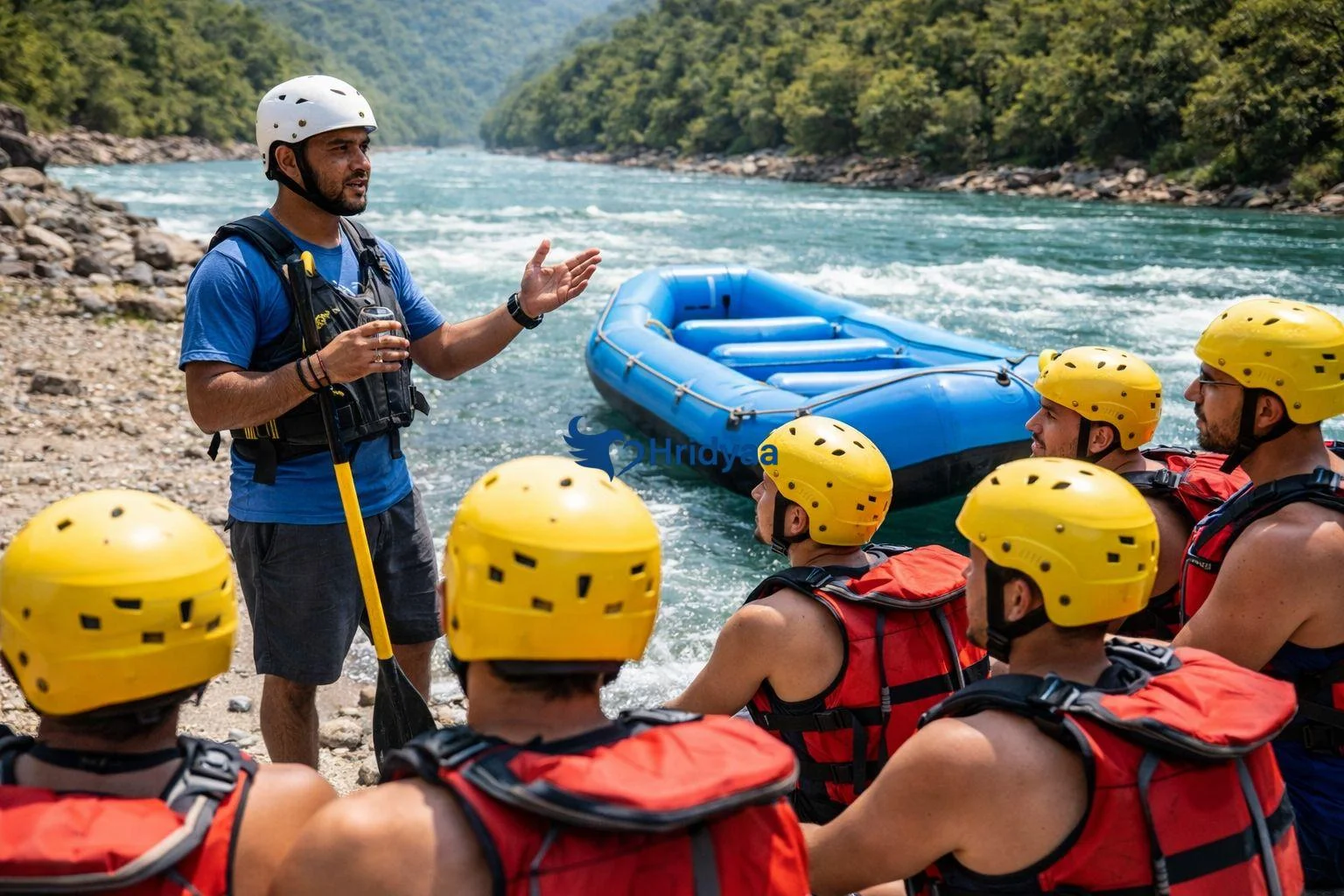
Do not select only by price. Check safety brief quality, equipment condition, guide ratio, emergency support readiness, and route transparency. A good operator explains instructions clearly and does not rush onboarding. If safety brief feels weak, change operator.
Ask these questions before payment: Is guide certified? What rapid grade is included? Is rescue protocol explained? Is insurance covered? How many participants per raft? Clear answers usually indicate professional standards.
Safety Rules You Should Not Ignore
Always wear fitted life jackets and helmets, follow paddle commands, and avoid unnecessary movement inside the raft. Do not attempt stunts unless guided explicitly. Listen to river guide instructions at all times, especially before rapid entries.
If you are non-swimmer, inform the guide early. Non-swimmers can still join beginner-friendly stretches with proper supervision, but communication is mandatory for safety planning.
Fitness and Preparation Checklist
Basic fitness is enough for most standard routes, but avoid rafting when severely fatigued, dehydrated, or medically unfit. Eat light before the activity, hydrate well, and carry dry clothing for post-rafting comfort. Do not consume alcohol before the session.
Wear quick-dry clothing, secure footwear, and minimal valuables. Keep electronic devices in waterproof protection if carrying them at all.
Rafting Cost and Budget Planning
Pricing varies by route length, group size, season, and service quality. Extremely low pricing can indicate compromised quality in safety or equipment. Choose value and reliability over the cheapest option. Budgeting should include activity fee, transfer cost to start point, and post-activity refreshments or meal break.
If traveling in groups, compare package details carefully. Sometimes low upfront rates exclude key inclusions that add up later.

How to Include Rafting in a One-Day or Two-Day Rishikesh Plan
One-Day Format: Morning rafting block, midday rest and food, evening Ganga-facing cultural experience.
Two-Day Format: Day one rafting plus local exploration, day two spiritual and cafe circuit with light adventure add-ons.
Do not overstack physically intense activities on one day. Rafting plus one moderate block is usually enough for high-quality experience.
Common Mistakes to Avoid
Frequent mistakes include last-minute booking without safety checks, choosing difficult stretches beyond ability, carrying unsecured valuables, and skipping hydration. Another common issue is forcing rafting in unsuitable weather windows. Keep flexibility in your itinerary to adapt safely.
Adventure quality comes from preparation and decision clarity, not from maximum intensity.

Choosing Rapid Difficulty by Group Profile
Rapid selection should match group confidence, not social pressure. First-timers should start with moderate routes where commands and river behavior can be learned without panic. Repeat rafters can step up gradually. Mixing complete beginners and high-risk expectations in one raft often reduces safety and enjoyment for everyone.
If you are traveling with friends, have a clear pre-activity conversation about comfort level. A shared decision avoids conflict on-site and helps guides select a suitable route. Good adventure experiences are built on informed consent and realistic self-assessment.
Weather, Water Flow, and Real-Time Decisions
River conditions can vary by recent rainfall and upstream flow changes. This is why real-time operator updates matter more than old online assumptions. If a provider recommends a route change for safety, treat that as professional judgment, not service reduction. Flexibility is part of responsible rafting.
Keep one alternate plan in your day schedule so changes do not create frustration. This may include a cafe break, local temple visit, or short nature walk after rafting. Adaptive planning keeps the trip smooth even when river plans shift.
Post-Rafting Recovery and Trip Continuity
Many travelers feel tired after rafting due to sun exposure and adrenaline drop. Build 60-90 minutes of recovery before starting your next major activity. Hydrate, eat light, and avoid immediate long transfers where possible. This improves both safety and overall trip quality.
If you plan multi-day adventure schedules, alternate high-intensity and low-intensity sessions. Balance helps you enjoy the full Rishikesh itinerary instead of burning out on day one.
Responsible River Adventure Behavior
Adventure tourism impacts natural spaces directly. Do not litter near embarkation points, avoid loud disruptive behavior, and respect local river-use protocols. Choose operators that follow environmental discipline, not only entertainment value. Responsible choices protect the river experience for future travelers.
Rafting in Rishikesh can be thrilling and safe when approached with preparation, humility, and professional guidance. That mindset turns a fun activity into a well-executed adventure memory.
Advanced Trip Integration: Rafting Plus Wellness
One of the best ways to experience Rishikesh is to combine adventure and recovery in the same itinerary. Rafting gives adrenaline and river immersion, while yoga sessions, calm cafes, and evening aarti create balance. This combination reduces travel fatigue and makes the trip feel complete instead of one-dimensional. If your schedule allows, keep rafting on day one and lighter activity on day two.
Travelers often underestimate post-adventure recovery needs. A short stretch session, hydration focus, and one low-noise evening block can improve next-day energy significantly. This is especially important for groups attempting multiple activities in a short trip.
Group Coordination and Communication Tips
Group rafting works best when one person handles booking details and everyone receives clear timing, gear, and meeting-point instructions in advance. Confusion at start points is common and can reduce activity quality. Keep one shared checklist: reporting time, what to carry, what not to carry, emergency contact, and post-activity rendezvous location.
For school or corporate groups, assign sub-group leads to maintain smooth transitions. Coordinated groups not only save time but also improve on-water command compliance and safety outcomes.
Why Preparation Matters More Than Bravery
Many first-time rafters worry about whether they are “brave enough.” In reality, preparation matters more than confidence talk. Good guides, correct gear, route matching, and instruction follow-through are what determine safe enjoyment. Approach rafting as a disciplined activity and you will likely have a far better experience than trying to prove anything on difficult stretches.
Rishikesh rafting becomes memorable when excitement and judgment are balanced. Plan smart, paddle together, and let the river experience build naturally.
Conclusion
Rafting in Rishikesh is one of India’s top river adventure experiences when planned responsibly. Choose licensed operators, match route difficulty to your comfort, and prioritize safety over discounts. With correct timing and structured preparation, you can enjoy an exciting, memorable, and well-balanced rafting experience on the Ganga.
Location
Frequently Asked Questions
Q1.Is rafting in Rishikesh safe for beginners?
Q2.What should I wear for rafting in Rishikesh?
Q3.How long does rafting usually take?
Q4.Can non-swimmers do rafting in Rishikesh?
Q5.What is the most important booking tip?
Recommended For You
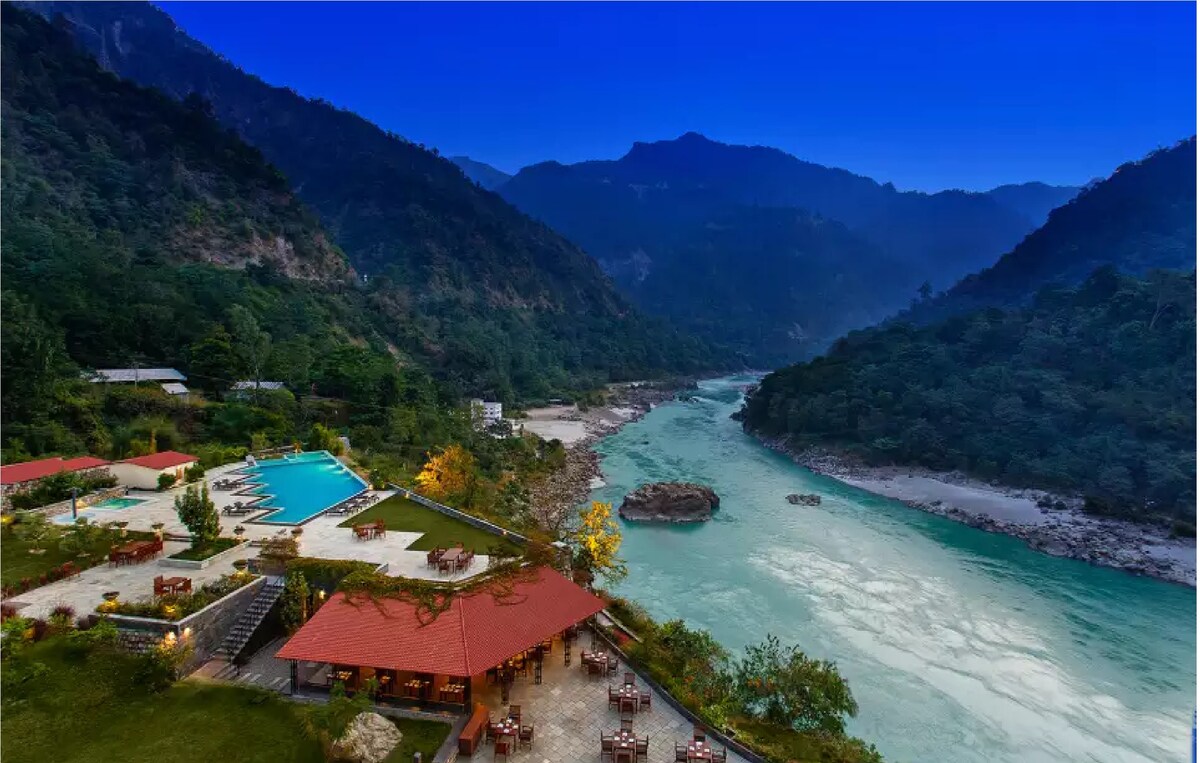
Best Airbnbs in Rishikesh: Yoga Retreats and Rafting Camps
Find the best Airbnbs in Rishikesh for yoga retreats, rafting camps, and spiritual stays with location-wise guide, pricing tips, and booking advice.
Ganga Aarti Rishikesh: Complete Guide to Divine Evening Ritual
Witness the divine Ganga Aarti in Rishikesh at Triveni Ghat. Experience sacred Hindu rituals, temple ceremonies & spiritual energy by the holy Ganges. Complete guide.
Places to Visit in Rishikesh: Yoga Ashrams, Ghats & Adventure Points
Discover the best places to visit in Rishikesh including Laxman Jhula, Triveni Ghat, adventure activities, ashrams and Neelkanth Mahadev Temple.
Never Miss an Adventure
Get the latest trekking guides, travel tips, and exclusive offers delivered straight to your inbox.
