
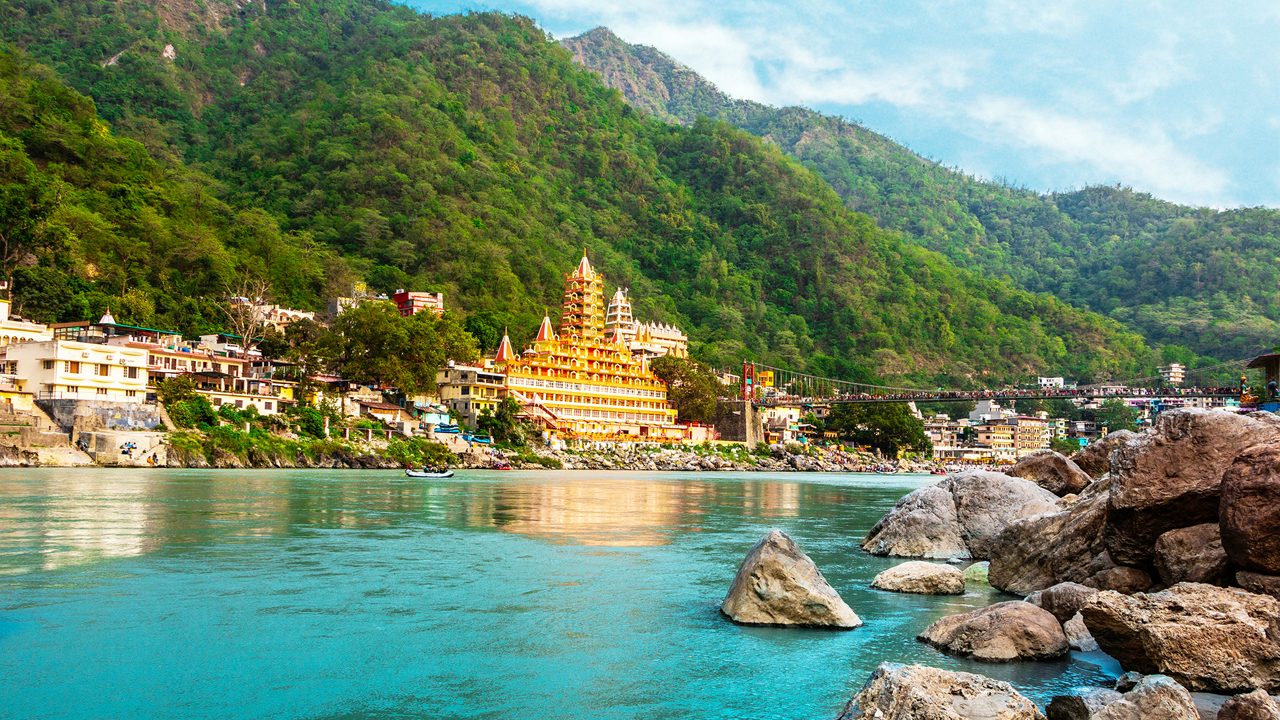
Rishikesh: Complete Travel Plan Places And Weather
Rohit Verma
February 20, 2026
Complete Rishikesh travel guide featuring the Yoga Capital of the World with white water rafting, bungee jumping, ashrams, temples, best time to visit & practical tips.
Introduction to Rishikesh
Rishikesh, nestled in the foothills of the Himalayas along the sacred Ganges River, is one of India's most unique destinations. Known as the 'Yoga Capital of the World,' this holy city in Uttarakhand seamlessly blends spirituality, adventure, and natural beauty. Located approximately 25 kilometers north of Haridwar at an elevation of 372 meters above sea level, Rishikesh has been attracting spiritual seekers, yoga enthusiasts, and adventure lovers from around the globe for decades. If you're looking for more adventures in Uttarakhand, Rishikesh is the perfect starting point.
What makes Rishikesh truly special is its dual identity as both a sacred pilgrimage site and India's adventure capital. The city is dotted with ancient temples, ashrams, and yoga centers where seekers come to meditate, practice yoga, and seek spiritual growth. Simultaneously, it's the gateway to the Garhwal Himalayas and offers thrilling adventure activities including white water rafting, bungee jumping, camping, and trekking. This unique combination makes Rishikesh appealing to diverse travelers - from spiritual seekers and yoga practitioners to adrenaline junkies and nature lovers.
Rishikesh holds immense religious significance in Hinduism. It's believed that meditation here leads to salvation (moksha), and the city serves as the starting point for the Char Dham Yatra pilgrimage to Badrinath, Kedarnath, Gangotri, and Yamunotri. The Beatles' famous visit to Maharishi Mahesh Yogi's ashram in 1968 put Rishikesh on the global map and established its reputation as a meditation and yoga center.
Despite its growing popularity, Rishikesh maintains its spiritual essence and remains a vegetarian, alcohol-free city. Whether you're seeking spiritual enlightenment, adventure thrills, yoga and meditation retreats, or simply a peaceful escape in the Himalayan foothills, Rishikesh offers experiences that transform and rejuvenate.
Best Time to Visit Rishikesh
Rishikesh can be visited throughout the year, but different seasons offer vastly different experiences. The timing of your visit should align with your purpose - whether it's spiritual activities, adventure sports, yoga retreats, or attending the famous International Yoga Festival.
February to May and September to November are considered the best months to visit Rishikesh. During these periods, the weather is pleasant with daytime temperatures ranging from 20°C to 30°C, making it ideal for outdoor activities, temple visits, and exploring the region. The months of February and March are particularly special as Rishikesh hosts the International Yoga Festival, attracting yoga practitioners and teachers from around the world. September to November, after the monsoon, brings clear skies and stunning views of the Himalayas, perfect for photography and outdoor adventures.
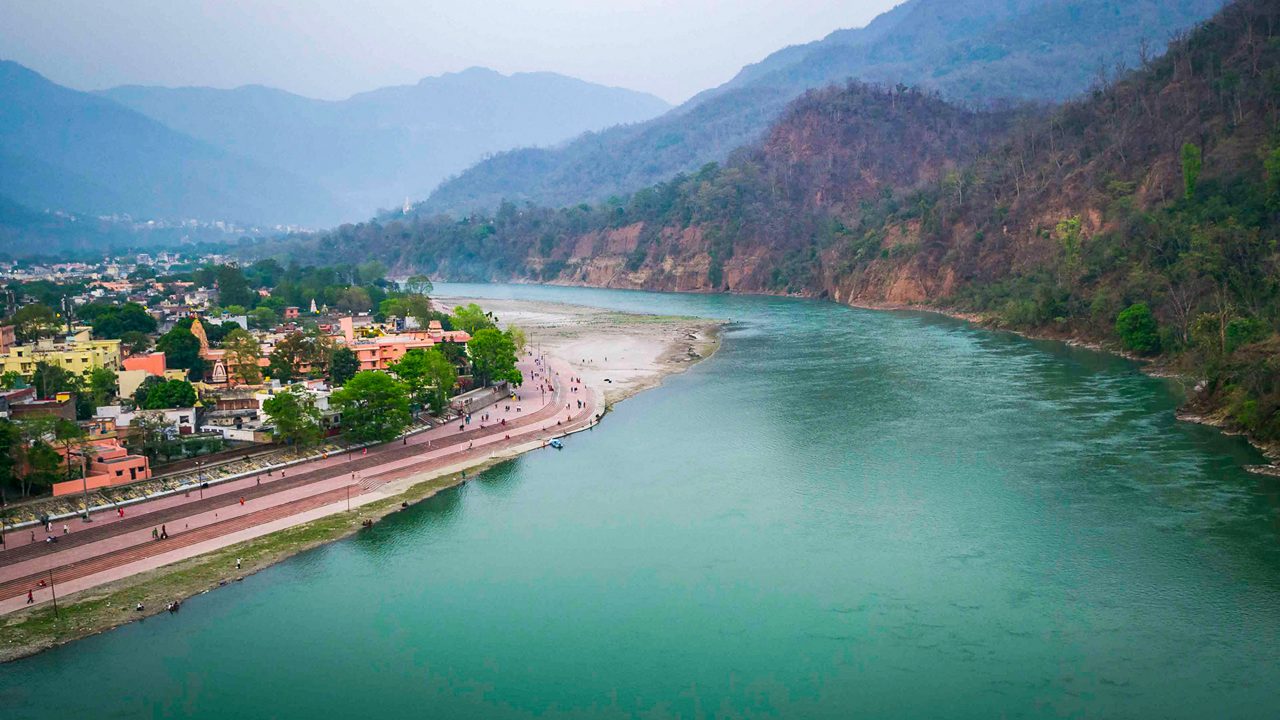
June brings summer heat with temperatures reaching 35-40°C, making daytime activities uncomfortable. However, this is when adventure activities like rafting are at their peak due to higher water levels in the Ganges. If you can handle the heat, you'll find fewer tourists and better rafting conditions. July to mid-September is the monsoon season when Rishikesh receives heavy rainfall. While the region looks lush and beautiful, many outdoor activities including rafting are suspended due to high water levels and safety concerns. This is the best time for budget travelers who can find great deals on accommodations and enjoy the monsoon ambiance.
December to January brings winter to Rishikesh with cool days (15-20°C) and chilly nights (5-10°C). While it's cold, the weather is crisp and clear, perfect for yoga, meditation, temple visits, and indoor activities. This is also the off-season with fewer crowds, making it ideal for those seeking a quieter, more contemplative experience. Carry woolens if visiting during winter months.
Top Attractions in Rishikesh
Lakshman Jhula and Ram Jhula
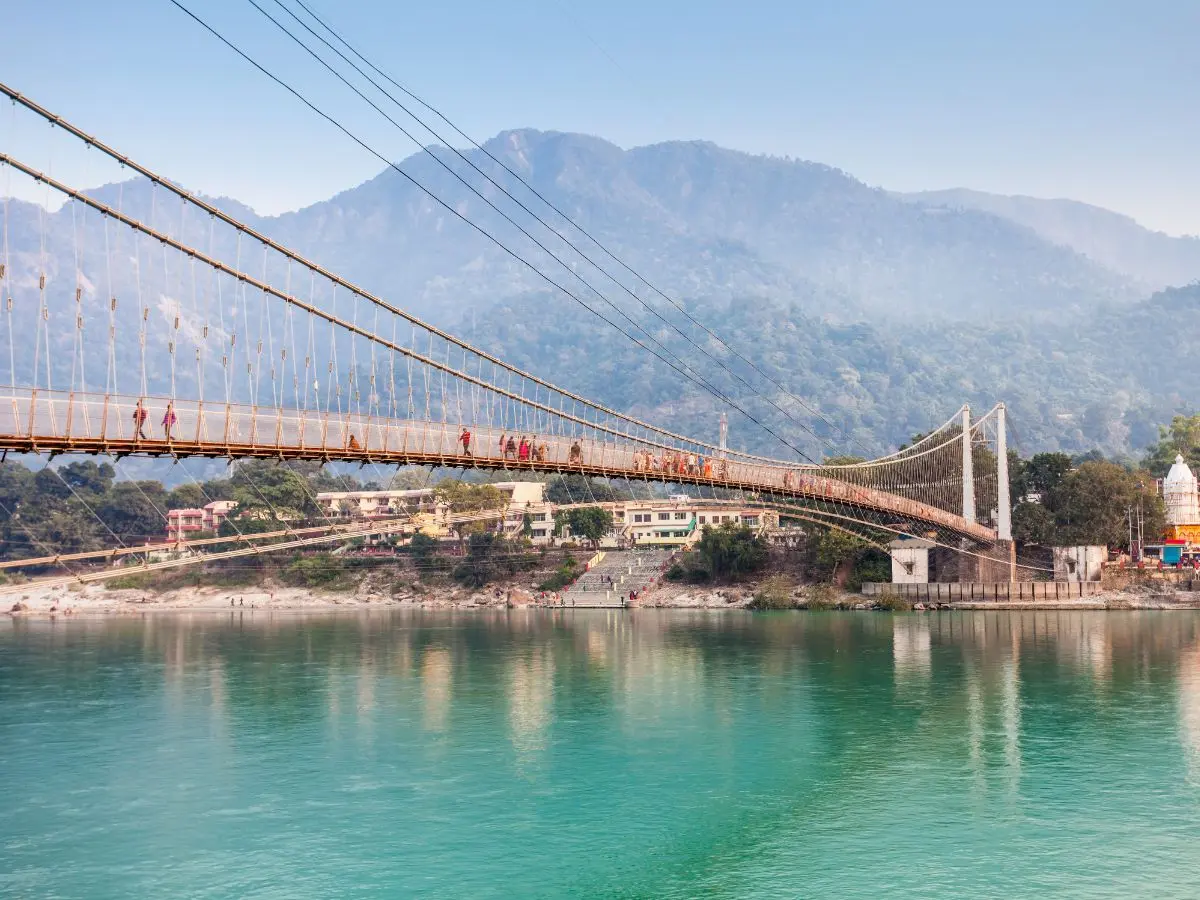
The two iconic suspension bridges, Lakshman Jhula and Ram Jhula, are Rishikesh's most recognizable landmarks. Lakshman Jhula, a 450-foot iron suspension bridge built in 1939, spans the Ganges and is believed to be at the spot where Lord Lakshman (Lord Rama's brother) crossed the river on jute ropes. Walking across this bridge offers spectacular views of the river below and the surrounding hills and temples. The bridge connects the two banks of the Ganges and is always bustling with activity - pilgrims, tourists, monkeys, and sadhus (holy men).
Ram Jhula, or 'Shri Ram Jhula,' is a larger suspension bridge located about 2 kilometers downstream from Lakshman Jhula. Built in 1986, this bridge connects Sivananda Ashram to Swarg Ashram and offers equally stunning views. Both bridges are particularly beautiful at sunrise and sunset when the light creates a magical atmosphere. Several temples, ashrams, and cafes are located on both sides of these bridges, making them the focal points of activity in Rishikesh.
Triveni Ghat
Triveni Ghat is the main bathing ghat in Rishikesh and the most significant religious site in the city. It's believed to be the confluence of three sacred rivers - Ganges, Yamuna, and Saraswati (though the Saraswati is underground and invisible). Pilgrims flock to this ghat to take holy dips, perform rituals for ancestors, and offer prayers. The most spectacular time to visit is during the evening Ganga Aarti (prayer ceremony) when hundreds of lamps are floated on the river, creating a mesmerizing sight.
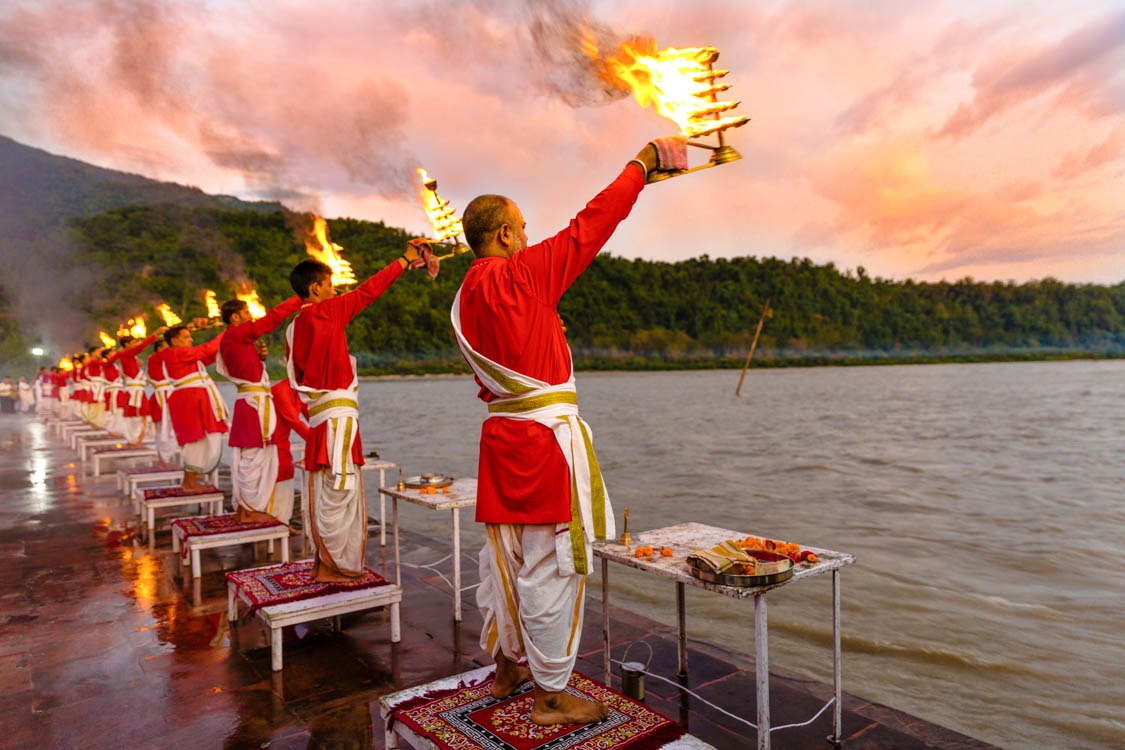
The Ganga Aarti at Triveni Ghat is a deeply spiritual experience that begins around sunset and lasts for about 45 minutes. Priests perform elaborate rituals with fire lamps, bells, and chanting while devotees sing devotional songs. The sight of hundreds of floating lamps reflecting on the dark river is unforgettable. Arrive early to get a good viewing spot. The aarti takes place every evening without fail, regardless of weather or season. You can also experience the Ganga Aarti at various ghats throughout the city.
Beatles Ashram (Chaurasi Kutia)
The Beatles Ashram, officially known as Chaurasi Kutia, gained international fame when the Beatles visited in 1968 to study Transcendental Meditation under Maharishi Mahesh Yogi. The band spent several weeks here, composing numerous songs including much of the 'White Album.' Though abandoned and overgrown for decades, the ashram has been partially restored and opened to the public in 2015, becoming a major attraction for Beatles fans and curious travelers.
Located within the Rajaji Tiger Reserve, the ashram complex consists of several meditation caves, dormitories, and living quarters where the Beatles and other practitioners stayed. The walls are covered in graffiti and artwork by visitors from around the world. The ashram's serene location by the Ganges, surrounded by forest, makes it a peaceful place to explore even for those not particularly interested in Beatles history. The ashram requires a small entry fee and is best visited in the morning when it's less crowded.
Neelkanth Mahadev Temple
Located approximately 32 kilometers from Rishikesh at an altitude of 1,330 meters, Neelkanth Mahadev Temple is one of the most revered temples in the region. Dedicated to Lord Shiva, the temple stands on a hill amidst stunning valleys and mountains. According to Hindu mythology, this is where Lord Shiva consumed the poison (halahala) that emerged during the churning of the ocean (Samudra Manthan), turning his throat blue (hence the name Neelkanth, or 'blue throat').
The temple's location offers spectacular views of the surrounding Himalayan peaks and valleys. The trek to the temple involves climbing approximately 700 steps, which can be challenging but rewarding. The temple is particularly busy during the Hindu month of Shravan (July-August) when thousands of devotees undertake the pilgrimage. The drive to the temple is scenic, passing through Rajaji National Park where you might spot wildlife including elephants and various bird species.
Kunjapuri Devi Temple
For the most stunning sunrise and sunset views in Rishikesh, head to Kunjapuri Devi Temple, located approximately 25 kilometers from the main town at an altitude of 1,676 meters. This ancient temple is one of the 52 Shakti Peeths (sacred shrines of the Goddess) and is dedicated to Goddess Sati. According to legend, the upper portion of Sati's body fell at this spot.
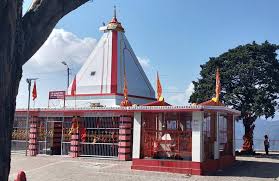
The temple offers panoramic views of the Himalayan peaks including Bandarpunch, Swarga Rohini, and Chaukhamba. The sunrise view from here is particularly spectacular - watching the first rays of sun paint the snow-capped peaks golden is a magical experience. The temple can be reached by a short drive from Rishikesh followed by a climb of about 100 steps. Many visitors combine the temple visit with a trek down through villages to Rishikesh, which takes about 3-4 hours.
Parmarth Niketan Ashram
Established in 1942, Parmarth Niketan is Rishikesh's largest ashram and a center for spiritual learning, yoga, and meditation. Located on the banks of the Ganges, the ashram offers various programs including yoga teacher training courses, meditation retreats, Vedic knowledge classes, and spiritual discourses. The ashram is particularly famous for its daily Ganga Aarti, performed every evening at the riverbank within the ashram premises.
The aarti at Parmarth Niketan is less crowded and more organized than the one at Triveni Ghat, making it a more intimate experience. Visitors are welcome to participate or simply watch. The ashram also hosts the week-long International Yoga Festival every March, attracting practitioners from around the world. Even if you're not staying at the ashram, you can visit for the aarti, attend satsangs (spiritual discourses), or participate in their yoga classes (usually by donation).
Rajaji National Park
For wildlife enthusiasts, Rajaji National Park, located approximately 10 kilometers from Rishikesh, offers an excellent opportunity to experience the region's biodiversity. Spread over 820 square kilometers, the park is home to diverse wildlife including Asian elephants, tigers, leopards, sloth bears, Himalayan black bears, and over 315 bird species. The park comprises the Shivalik ecosystem and is the northwestern limit of the Asian elephant.
The park offers jeep safaris that take visitors through dense forests, grasslands, and riverine ecosystems. The best time to visit is from November to June when the park is open. Safaris are conducted in the early morning and late afternoon when animals are most active. The park is particularly famous for its elephant population - sightings are almost guaranteed on morning safaris. Birdwatchers will find this paradise with species like the Great Hornbill, Kingfishers, and various migratory birds.
Shivpuri
Located approximately 16 kilometers upstream from Rishikesh, Shivpuri is a small town that serves as the base for many adventure activities and camping sites. Blessed with pristine beaches along the Ganges and surrounded by forested hills, Shivpuri is the starting point for white water rafting trips. The river here is cleaner and the surroundings more peaceful than in Rishikesh town.
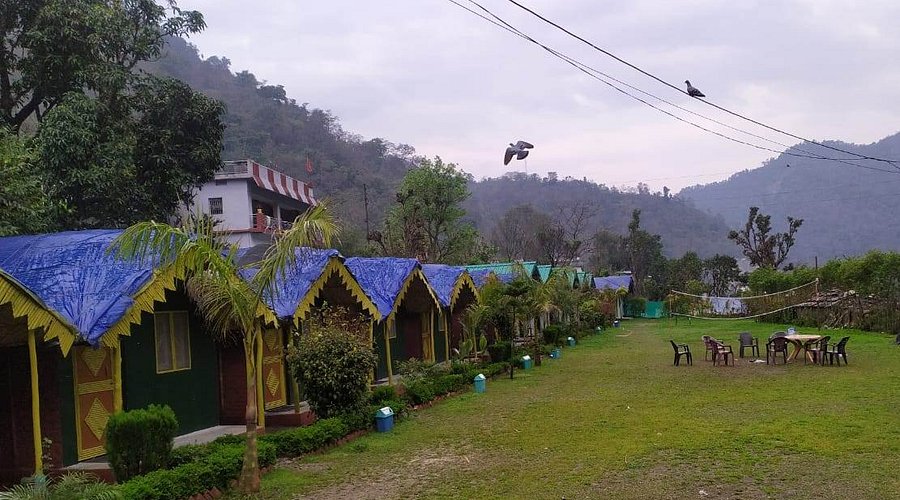
Shivpuri is famous for its riverside camps where visitors can stay in luxury tents, swiss cottages, or basic camps. Most camps include meals and offer various activities including rafting, cliff jumping, body surfing, and bonfire nights. Staying here allows you to escape the crowds of Rishikesh and enjoy the peaceful riverside ambiance. The area also has several temples and offers excellent opportunities for nature walks and birdwatching.
Adventure Activities in Rishikesh
White Water Rafting
Rishikesh is India's white water rafting capital, offering some of the best rafting experiences in the country. The Ganges here offers rapids ranging from Grade I to Grade IV, suitable for beginners as well as experienced rafters. The most popular rafting stretch is from Marine Drive to Lakshman Jhula (24 kilometers) which takes about 3-4 hours and includes exciting rapids like Three Blind Mice, Cross Fire, and Roller Coaster.
For beginners, the Brahmpuri to Lakshman Jhula stretch (9 kilometers) is ideal, offering moderate rapids and beautiful scenery. For thrill-seekers, the Marine Drive to Rishikesh stretch (24-26 kilometers) provides the most excitement with several Grade III and IV rapids. The rafting season is from March to May and September to November. All rafting operators provide safety gear including helmets, life jackets, and professional guides. No prior experience is necessary for most stretches.
Bungee Jumping
Rishikesh offers India's highest fixed-platform bungee jumping at Mohan Chatti, approximately 25 kilometers from Rishikesh town. Operated by Jumpin Heights, a professional adventure company, the bungee jump is from a height of 83 meters (273 feet) above a rocky river gorge. The jump is designed and operated to strict international safety standards.
The experience is absolutely thrilling - a free fall followed by rebounds with the river and mountains below. The jump is suitable for anyone between 12-45 years weighing between 35-110 kg. You'll be harnessed to a professional instructor who ensures safety. The package includes a certificate and a video of your jump. If bungee jumping seems too intense, you can try the Giant Swing (from the same platform) or Flying Fox (zip line) which are also offered here.
Camping and Trekking
Riverside camping along the Ganges is one of Rishikesh's most popular activities. Several campsites operate between Shivpuri and Marine Drive, offering everything from luxury tents with attached bathrooms to basic dome tents. Most camps include all meals, evening bonfires, and activities like volleyball, badminton, and nature walks. Falling asleep to the sound of the Ganges and waking up to misty hills is a magical experience.
Rishikesh is also the base for several treks into the Garhwal Himalayas. Popular treks include the trek to Kunjapuri Temple, Neelkanth Temple, and the Neer Garh Waterfall trek. For experienced trekkers, Rishikesh serves as the starting point for longer treks to Valley of Flowers, Roopkund, and other Himalayan destinations. The best trekking season is from March to June and September to November.
Other Adventure Activities
Beyond rafting, bungee jumping, and camping, Rishikesh offers numerous other adventure activities. Cliff jumping is a thrilling activity where you jump from rocky cliffs into the Ganges - usually 15-30 feet high. Body surfing involves floating down the river with just a life jacket, letting the current carry you through gentle rapids.
Kayaking is available for those who want to navigate the river on their own. Rock climbing and rappelling are offered on natural rock faces. For those who prefer to stay above water, zip lining across the river offers spectacular views and thrills. Hot air ballooning is also available, offering aerial views of Rishikesh and the surrounding hills. Most adventure operators offer packages combining multiple activities.
Yoga and Meditation in Rishikesh
Yoga Classes and Teacher Training
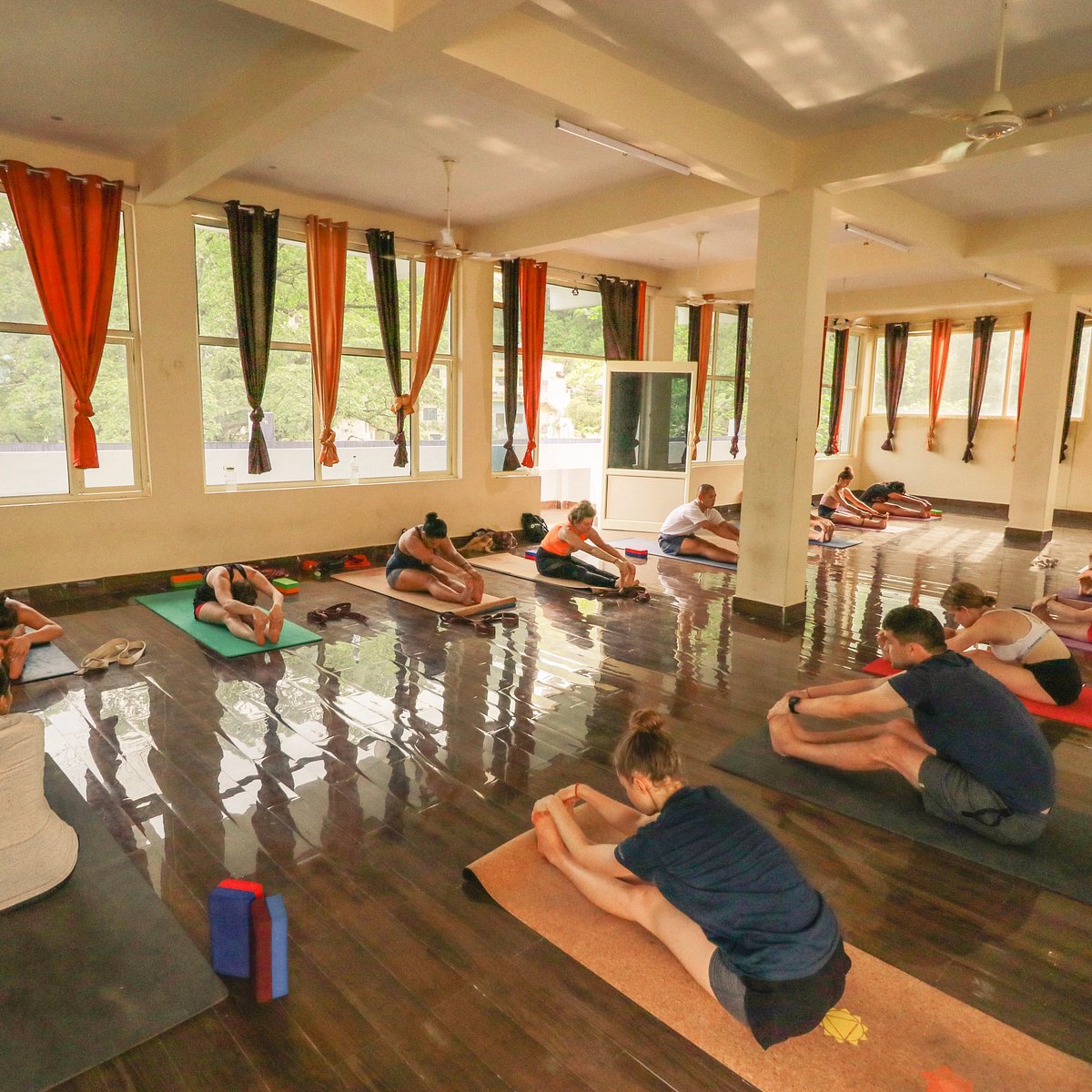
As the Yoga Capital of the World, Rishikesh has hundreds of yoga schools offering everything from drop-in classes to comprehensive teacher training courses. Whether you're a complete beginner or an experienced practitioner, you'll find suitable classes. Drop-in classes typically cost ₹300-500 and cover hatha yoga, ashtanga yoga, vinyasa, and meditation. Most classes are conducted in English and welcome international students.
For those wanting to become yoga teachers, Rishikesh offers 200-hour, 300-hour, and 500-hour Yoga Alliance certified teacher training courses. These intensive programs typically run for 4-8 weeks and cover asana practice, philosophy, anatomy, teaching methodology, and meditation. Popular schools include Parmarth Niketan, Sattva Yoga Academy, Rishikul Yogshala, and many others. Courses are affordable by international standards and include accommodation and meals.
Meditation and Spiritual Retreats
Rishikesh is perhaps the best place in India for meditation retreats. Numerous ashrams and meditation centers offer programs ranging from weekend retreats to month-long silence courses. Vipassana meditation centers offer free 10-day silent meditation courses (donation-based). The Art of Living Center offers various meditation and breathing workshops.
For those seeking traditional spiritual learning, several ashrams offer courses in Vedanta, yoga philosophy, and Sanskrit. Many of these programs operate on a donation basis or have nominal fees. Staying in an ashram is also possible - some offer simple accommodation and meals for those willing to participate in their daily schedule of meditation, karma yoga (selfless service), and satsang. This is an excellent way to immerse yourself in Rishikesh's spiritual atmosphere.
How to Reach Rishikesh
By Air
The nearest airport to Rishikesh is Jolly Grant Airport in Dehradun, located approximately 21 kilometers away. The airport has regular flights from Delhi with connections to other major cities. Flight time from Delhi is about 1 hour. From the airport, you can hire a taxi (₹500-700) or take a local bus to Rishikesh. The drive takes about 45 minutes to 1 hour and is scenic, passing through the Rajaji National Park where you might spot wildlife.
Another option is to fly to Delhi's Indira Gandhi International Airport and travel to Rishikesh by road or train. Delhi has much better international connectivity and more frequent domestic flights. From Delhi, Rishikesh is approximately 250 kilometers and can be reached by overnight train (6-7 hours) or by road (6-8 hours depending on traffic).
By Train
Rishikesh has its own railway station connected to several major cities. The most popular train is the Jan Shatabdi Express from Delhi which runs daily except Sundays and takes about 7 hours. Other trains connect Rishikesh to Haridwar, Dehradun, Allahabad, and Varanasi. The railway station is located in the heart of the city, making it convenient to reach your accommodation.
Another option is to take a train to Haridwar (25 kilometers away), which has better connectivity to more cities including Mumbai, Kolkata, Chennai, and other major destinations. From Haridwar, you can take a taxi (₹400-600), auto-rickshaw (₹200-300), or local bus to Rishikesh. The journey takes about 45 minutes to 1 hour.
By Road
Rishikesh is well connected by road to major cities in North India. The most common route is from Delhi (approximately 250 kilometers) via NH58. The journey takes 6-8 hours by car depending on traffic and road conditions. Several private bus operators run comfortable Volvo and semi-sleeper buses from Delhi to Rishikesh overnight. These buses depart from various locations in Delhi including Kashmiri Gate and Majnu Ka Tila.
State-run UPSRTC buses also connect Rishikesh to Dehradun, Haridwar, and other towns in Uttarakhand. Self-driving is an option but be prepared for mountain roads and traffic. If driving from Delhi, an early morning start (4-5 AM) is recommended to avoid Delhi traffic and reach Rishikesh by afternoon. The roads are generally in good condition with scenic views.
Getting Around Rishikesh
Rishikesh is relatively compact and most attractions can be covered on foot if you stay in the right area. However, some attractions like Neelkanth Temple, Kunjapuri Temple, and the adventure sites are located outside town and require transportation.
Auto-rickshaws are the most convenient way to get around town for short distances. They're inexpensive and available everywhere. Agree on the fare before starting the journey or insist on the meter. For visiting attractions outside town, you can hire an auto-rickshaw for the day (₹800-1200 depending on distance).
Taxis can be hired for day trips or for visiting multiple attractions. Most hotels and guesthouses can arrange taxis. Rates are typically ₹10-12 per kilometer for local sightseeing. Taxis are more comfortable than auto-rickshaws and recommended for visits to temples and other distant attractions.
Scooters and motorcycles can be rented from several shops in Rishikesh if you're comfortable driving in Indian traffic. This gives you flexibility to explore at your own pace. Rates are approximately ₹300-500 per day excluding fuel. Carry your driver's license and wear a helmet.
Where to Stay in Rishikesh
Rishikesh offers accommodation options for every budget from backpacker hostels and budget guesthouses to luxury resorts and ashrams. The main areas to stay are Lakshman Jhula area (across the river from the main town) and Ram Jhula area.
The Lakshman Jhula area is more popular with foreign tourists and backpackers. It has numerous cafes, guesthouses, and yoga centers. This area is more laid-back with a bohemian vibe. Accommodation ranges from basic rooms for ₹300-500 per night to mid-range hotels for ₹1500-2500. Popular guesthouses include Zostel, goStops, and several family-run guesthouses offering rooms with river views.
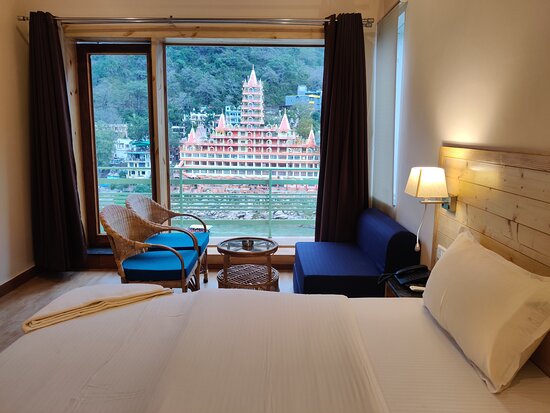
The Ram Jhula area, particularly the Swarg Ashram locality, is more spiritual with numerous ashrams and temples. This area is quieter and more suitable for those seeking a peaceful stay. Ashrams offer basic accommodation often including meals. Prices vary from donation-based to ₹1000-2000 per night. Popular ashrams include Parmarth Niketan, Sivananda Ashram, and Phool Chatti Ashram.
For those wanting comfort and luxury, several upscale hotels and resorts are located in and around Rishikesh. Options include Aloha on the Ganges, Rishikesh Valley, and Glasshouse on the Ganges. These properties offer comfortable rooms, swimming pools, restaurants, and spectacular views but are considerably more expensive (₹4000-8000 per night).
Riverside camping is another unique accommodation option, particularly popular with adventure enthusiasts and younger travelers. Camps in Shivpuri and Marine Drive area offer Swiss tents, luxury tents, or dome tents with all meals included. These camps typically cost ₹1500-3000 per night including activities like rafting and bonfire.
Food in Rishikesh
As a holy city, Rishikesh is completely vegetarian. By law, no non-vegetarian food or alcohol is served anywhere in the city. Despite this restriction, Rishikesh has an excellent food scene with diverse options.
The cafes around Lakshman Jhula and Ram Jhula are famous for their healthy, international cuisine. Popular cafes include the Beatles Cafe, Chotiwala, and Little Buddha. These cafes serve everything from Israeli, Italian, and German food to traditional Indian cuisine. Many specialize in healthy, organic, and ayurvedic food. Don't miss trying the Israeli breakfast, pancakes, and the famous lassi (yogurt drink).
For authentic North Indian food, try local restaurants like Chotiwala Restaurant, which has been serving thalis (platter meals) for decades. The street food scene is excellent - try aloo puri, chole bhature, samosas, and jalebis from local vendors. Food is inexpensive everywhere - a good meal at a local restaurant costs ₹100-200, while cafe meals cost ₹200-400.
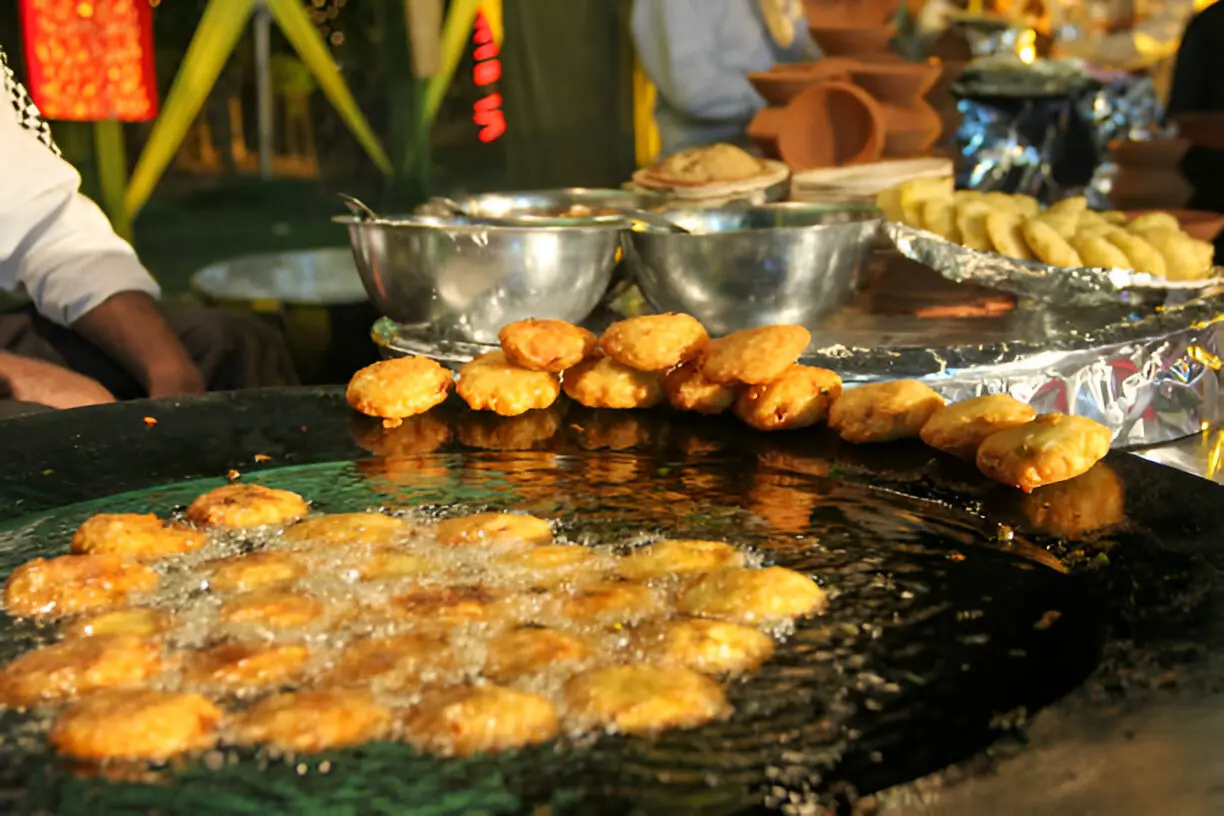
Being on the banks of the Ganges, Rishikesh offers excellent chai (tea). Don't miss having chai at riverside stalls while watching the river flow. For those with a sweet tooth, try local sweets like jalebis, gulab jamun, and peda from sweet shops in the main market.
Shopping in Rishikesh
Rishikesh offers excellent shopping opportunities, particularly for spiritual items, handicrafts, and adventure gear. The main shopping areas are near Lakshman Jhula and Ram Jhula where you'll find numerous shops selling everything from religious items to trekking equipment.
Popular purchases include yoga and meditation accessories like mats, meditation cushions, incense, singing bowls, and prayer flags. The city is famous for its ayurvedic products - you can buy herbal medicines, oils, soaps, and cosmetics from ayurvedic pharmacies and shops. Religious items including rudraksha malas, brass idols, and copper vessels are widely available.
For adventure gear, several shops sell and rent trekking equipment, rafting gear, and camping equipment. If you're planning extended trekking in the Himalayas, you might find good deals here. Handicrafts from Uttarakhand including wooden carvings, woolens, and locally-made jewelry make good souvenirs.
Travel Tips
Respect the religious nature of Rishikesh - dress modestly, especially when visiting temples and ashrams. Avoid wearing short shorts, revealing tops, or tight clothing. Remove shoes before entering temples and ashrams. Ask permission before photographing religious ceremonies or people engaged in prayer.
Be cautious with monkeys - they're everywhere and can be aggressive. Don't carry food openly or they might snatch it. Don't make eye contact or smile at them (they see this as aggression). Secure your belongings as monkeys have been known to steal sunglasses, cameras, and other shiny objects.
For adventure activities, choose reputable operators with good safety records. Check their equipment and certifications before booking. Don't let price be the only factor - safety is more important, especially for activities like bungee jumping and rafting. Always listen to your guides and follow their instructions.
Carry cash as many establishments, especially smaller ones, don't accept cards. ATMs are available but can run out of cash during peak seasons. Mobile connectivity is generally good for most networks but can be patchy in some areas. Download offline maps for navigation.
Conclusion
Rishikesh is a destination like no other - a place where spirituality meets adventure, where ancient traditions coexist with modern wellness practices, and where the sacred Ganges flows through stunning Himalayan scenery. Whether you come seeking spiritual growth through yoga and meditation, adventure thrills through rafting and bungee jumping, or simply a peaceful escape from the chaos of modern life, Rishikesh delivers experiences that transform and rejuvenate.
The city's unique energy, shaped by centuries of spiritual practice and the natural beauty of its location, has a way of affecting visitors deeply. Many who come for a few days end up staying weeks or months. Even if you can only visit for a short time, the experiences you gather here - the magical Ganga Aarti, the thrill of rafting through rapids, the peace of meditation by the river - will stay with you long after you've returned home.
Location
Frequently Asked Questions
Q1.What is the best time to visit Rishikesh?
Q2.Is Rishikesh safe for solo female travelers?
Q3.Do I need prior experience for white water rafting in Rishikesh?
Q4.What is the dress code for Rishikesh?
Q5.Can non-vegetarians find food in Rishikesh?
Q6.How many days should I spend in Rishikesh?
Q7.Is alcohol available in Rishikesh?
Q8.What should I pack for Rishikesh?
Recommended For You
Manali: Complete Travel Plan Places And Weather
Complete Manali travel guide featuring Rohtang Pass, Solang Valley, Hadimba Temple, adventure activities, best time to visit & practical tips.
Things to Do in Uttarakhand: 30 Best Experiences & Attractions
Discover the 30 best things to do in Uttarakhand - from spiritual Char Dham pilgrimage and yoga in Rishikesh to adventure sports, wildlife safaris, and offbeat Himalayan villages. Complete guide with costs and tips.
Best Time to Visit Kashmir: Month-by-Month Weather & Activities
Plan the best time to visit Kashmir with month-by-month weather, snow and bloom seasons, and practical guidance for sightseeing, honeymoon, and family travel.
Never Miss an Adventure
Get the latest trekking guides, travel tips, and exclusive offers delivered straight to your inbox.
