
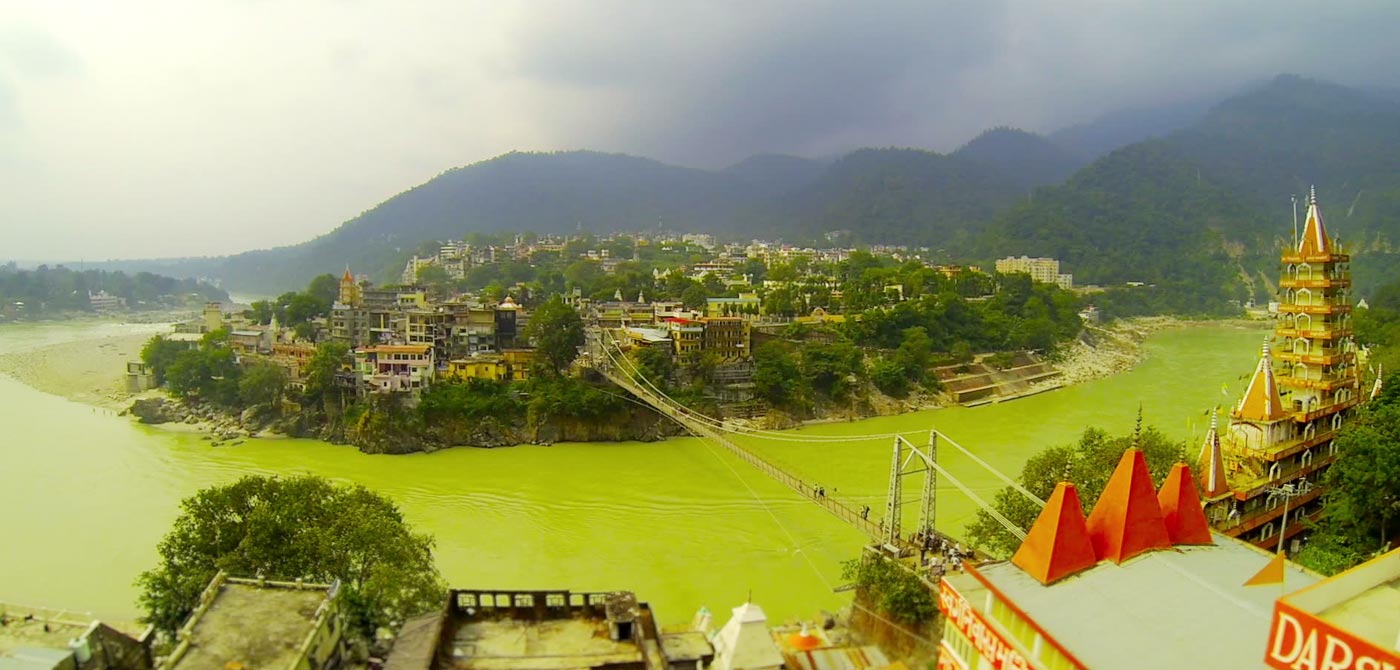
Ganga Aarti Rishikesh: Complete Guide to Divine Evening Ritual

Priya Mehta
December 16, 2025
Witness the divine Ganga Aarti in Rishikesh at Triveni Ghat. Experience sacred Hindu rituals, temple ceremonies & spiritual energy by the holy Ganges. Complete guide.
The Divine Spectacle of Ganga Aarti in Rishikesh
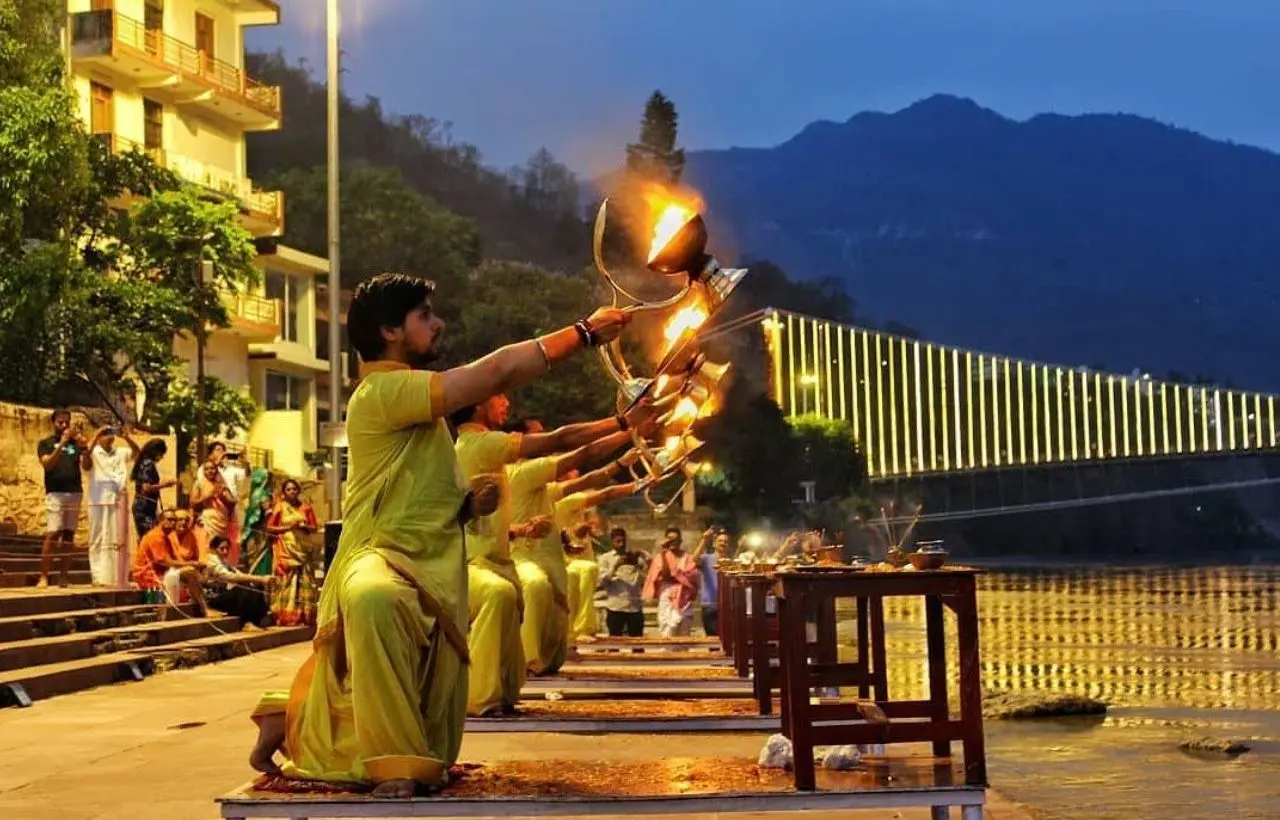
Ganga Aarti in Rishikesh is one of the most spiritually uplifting experiences you can have in India. As the sun sets over the holy Ganges, the ghats come alive with the rhythmic chanting of mantras, the fragrance of incense, and the mesmerising sight of hundreds of flickering lamps offered to the sacred river. This ancient Hindu ritual, performed daily at dusk, transforms the atmosphere into something truly magical.
Unlike the more crowded Ganga Aarti in Varanasi, Rishikesh offers a more intimate and serene experience. For those planning a Rishikesh trip, this ceremony is a must-experience. Nestled in the foothills of the Himalayas, this spiritual capital of India attracts seekers from around the world. The aarti here is less about grand spectacle and more about personal connection with the divine. Whether you're deeply spiritual or simply curious about Indian culture, participating in this sacred ceremony is an experience that stays with you long after you leave.
What is Ganga Aarti?
Ganga Aarti is a traditional Hindu worship ritual where devotees offer prayers to the Goddess Ganga, personified as the holy river itself. The word 'aarti' comes from Sanskrit, meaning 'remover of darkness.' During this ceremony, priests perform elaborate rituals using fire, water, incense, and flowers while chanting Vedic mantras.
The ritual symbolises gratitude to Mother Ganga for her life-giving waters and seeks blessings for purification and spiritual liberation. According to Hindu mythology, the Ganges is believed to have descended from heaven to Earth, and bathing in its waters washes away sins. The aarti is a way to honour this sacred river that sustains millions of lives across the Indian subcontinent.
Best Ghat for Ganga Aarti in Rishikesh
Triveni Ghat - The Main Venue
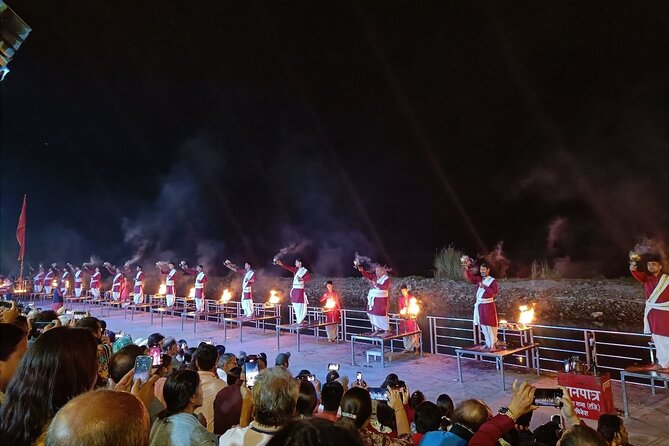
Triveni Ghat is the most famous and prominent location for Ganga Aarti in Rishikesh. Located in the heart of the city, this ghat is believed to be the confluence of three sacred rivers - Ganga, Yamuna, and Saraswati (though only the Ganga is visible). The aarti here is well-organised and attracts hundreds of devotees and tourists every evening.
The ceremony begins around 6:00 PM in winter and 7:00 PM in summer, though it's best to arrive 30 minutes early to secure a good spot. The priests perform the ritual on a raised platform overlooking the river, making it visible to everyone. Devotees can either watch from the steps or participate by floating their own diyas (oil lamps) in the river after the main ceremony.
Parmarth Niketan Ghat - Ashram Experience
For a more spiritual and less crowded experience, head to Parmarth Niketan Ghat. This ghat is part of one of Rishikesh's largest ashrams and offers a distinctly different atmosphere. The aarti here is more devotional and includes meditation, chanting, and spiritual discourse.
The Parmarth Niketan aarti is particularly popular among international visitors who are staying at the ashram or studying yoga and meditation. It typically starts around 6:30 PM in winter and 7:30 PM in summer. The serene environment and the presence of sadhus (holy men) in ochre robes add to the authentic spiritual ambiance.
The Aarti Ceremony - What to Expect
The Ganga Aarti ceremony follows a structured sequence that has been practised for centuries. It begins with the blowing of conch shells, creating a deep resonant sound that purifies the atmosphere. The priests then light the large brass lamps while chanting sacred mantras dedicated to Goddess Ganga.
As the chanting intensifies, the priests perform circular movements with the lamps - first clockwise to honour the deities, then counter-clockwise to bless the devotees. The smoke from the incense and the camphor flames create a mystical atmosphere. The ritual involves five elements - earth (flowers), water (Ganga jal), fire (lamps), air (incense smoke), and ether (space), representing the five elements of creation.
The ceremony reaches its climax when all priests simultaneously raise their lit lamps towards the river, creating a spectacular sight. The chanting reaches a crescendo, bells ring, and devotees join in with folded hands. After the main aarti, smaller lamps are distributed among the crowd, allowing everyone to participate in offering their prayers to the river.
Best Time to Experience Ganga Aarti
The aarti is performed every evening without fail, regardless of weather or festivals. However, certain times offer special experiences. During the monsoon season (July-September), the swollen Ganges creates a powerful backdrop, though the ghats may be slippery and crowded.
Winter months (October-March) are ideal for pleasant weather, with the evening air adding to the mystical atmosphere. The aarti during Diwali is particularly spectacular, with thousands of additional lamps decorating the ghats. If you prefer a quieter experience, avoid weekends and full moon nights when crowds are larger.
How to Reach Triveni Ghat
By Air
The nearest airport is Jolly Grant Airport in Dehradun, approximately 21 kilometres from Rishikesh. From the airport, you can hire a taxi (₹500-700) or take a shared cab (₹150-200) to reach Triveni Ghat. The journey takes about 45 minutes.
By Train
Rishikesh Railway Station is well-connected to major cities like Delhi, Haridwar, and Dehradun. Triveni Ghat is about 2 kilometres from the railway station. Auto-rickshaws cost ₹50-80, while cycle-rickshaws are available for ₹30-50. Walking takes about 20-25 minutes through the bustling market lanes.
By Road
Rishikesh is well-connected by road to all major North Indian cities. Regular buses run from Delhi (ISBT Kashmiri Gate), Haridwar, and Dehradun. Once in Rishikesh, auto-rickshaws, taxis, and even walking are convenient ways to reach Triveni Ghat, as most spiritual sites are within a 3-kilometre radius.
Where to Stay in Rishikesh
Rishikesh offers accommodation for every budget and spiritual inclination. For an immersive experience, consider staying at Parmarth Niketan Ashram, which offers simple rooms, yoga classes, and spiritual programs. Other popular ashrams include Sivananda Ashram and Yoga Niketan.
For luxury, try the Glasshouse on the Ganges or Aloha on the Ganges, both offering stunning river views. Mid-range options (₹2,000-4,000 per night) include numerous guest houses near Lakshman Jhula and Ram Jhula. Budget travellers can find clean rooms for ₹500-1,500 in the Swarg Ashram area.
Spiritual Significance of the Aarti
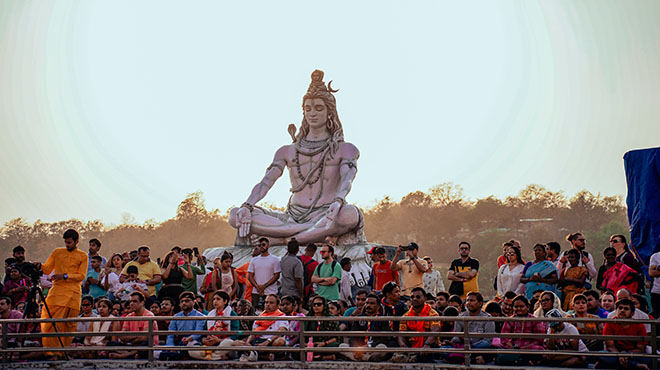
For Hindus, the Ganga Aarti is not just a ritual but a profound spiritual practice. It's believed that participating in or even witnessing the aarti washes away negative karma and brings blessings for spiritual progress. The river Ganges is considered the mother who nourishes and purifies, and the aarti is a way to express gratitude and seek her blessings.
The ritual also connects participants to an ancient tradition that has been unbroken for thousands of years. The same mantras, the same sequence of offerings, and the same devotion that existed centuries ago continue today. This continuity creates a powerful sense of connection to generations of seekers who have stood at these ghats before you.
Tips for First-Time Visitors
Arrive at least 30 minutes before the aarti to find a good spot, especially at Triveni Ghat. The best views are from the steps closest to the river. Dress modestly - cover shoulders and knees. The atmosphere is spiritual, so maintain silence and respect during the ceremony. Photography is allowed, but avoid using flash and don't block others' view.
After the main aarti, you can buy small diyas from nearby vendors to float in the river. These cost ₹10-50 depending on the size. Be careful while standing near the water, especially during monsoon when the current is strong. If you're not comfortable going into the water, volunteers can help float your lamp for you.
The ghats can be slippery, especially after the aarti when water is splashed around. Wear footwear that's easy to remove - you'll need to take them off before approaching the platform. Most people sit cross-legged on the steps, so wear comfortable clothing. The ceremony lasts about 45 minutes to an hour, so be prepared for this duration.
Other Spiritual Experiences in Rishikesh
Yoga and Meditation Classes
Rishikesh is known as the Yoga Capital of the World, and for good reason. Numerous ashrams and schools offer drop-in classes and long-term courses in yoga, meditation, and spiritual practices. Even a single session can be transformative. Many classes are held early morning or evening, complementing your aarti visit.
Beatles Ashram
The Maharishi Mahesh Yogi Ashram, where the Beatles stayed in 1968, is now a fascinating ruin covered in graffiti and meditation cells. It's a peaceful place for contemplation and offers beautiful views of the Ganges. The ashram is located in Rajaji National Park and requires a small entry fee.
Lakshman Jhula and Ram Jhula
These iconic suspension bridges are not just landmarks but spiritual symbols. Lakshman Jhula is believed to mark the spot where Lord Lakshman crossed the Ganges on jute ropes. Walking across these bridges, especially during sunrise or sunset, offers breathtaking views of the river and the surrounding hills.
Vashishta Gufa
Located about 25 kilometres from Rishikesh, this ancient cave is where the sage Vashishta is said to have meditated. A visit here involves a short trek and offers a glimpse into the ascetic traditions of India. The cave contains a Shiva lingam and is maintained by a small ashram.
Best Time to Visit Rishikesh
February to May and September to November are ideal months to visit Rishikesh. The weather is pleasant, perfect for outdoor activities and spiritual practices. Summer (June-July) can be hot, with temperatures reaching 40°C, though the evenings by the river are pleasant.
Monsoon (August-September) brings lush greenery but heavy rains can disrupt travel plans. Winter (December-January) is cold, with temperatures dropping to 8°C at night, but the daytime is comfortable. Avoid the monsoon if you plan to do river rafting or other adventure activities, as these are suspended during high water levels.
Adventure Activities in Rishikesh
While Rishikesh is primarily known for spirituality, it's also India's adventure capital. White-water rafting on the Ganges is a thrilling experience, with rapids ranging from beginner to expert. The rafting season is from March to June and October to November.
Bungee jumping, India's highest at 83 metres, attracts adrenaline junkies from around the world. Other activities include giant swing, flying fox, cliff jumping, and camping by the river. Many visitors combine spiritual pursuits with adventure, finding that both offer paths to transcendence.
Food and Shopping
Rishikesh is a vegetarian city by law, and alcohol is prohibited. The food here is simple, nourishing, and largely sattvic (pure). Must-try dishes include aloo paratha at local dhabas, chaat at the market near Ram Jhula, and fresh fruit lassi. Popular eateries include Chotiwala for traditional food, Little Buddha Cafe for continental cuisine, and the German Bakery for baked goods.
For shopping, look for spiritual items like rudraksha malas, meditation cushions, incense, and yoga accessories. The markets near Lakshman Jhula and Ram Jhula offer colourful clothing, handicrafts, and books on spirituality and philosophy. Don't forget to buy Ganga jal (holy water) in sealed containers to take home as a blessing.
Photography Tips
The Ganga Aarti offers incredible photographic opportunities. The best shots are taken during the final moments when all lamps are raised together. Use a fast lens and high ISO to capture the low-light scene without flash, which can be disruptive. A tripod can help but might be difficult to manage in crowds.
Focus on the priests' expressions, the reflection of lamps in the water, and the devotion on devotees' faces. Respectful photography of the sadhus and other participants can make powerful portraits. Always ask permission before photographing people closely. The golden hour just before sunset is perfect for establishing shots of the ghat.
The Environmental Aspect
While the Ganga Aarti is beautiful, it also raises environmental concerns. Traditional diyas often contain plastic and synthetic materials that pollute the river. Consider using eco-friendly diyas made of clay, natural flowers, and mustard oil. Many organisations in Rishikesh now promote green aartis that minimise environmental impact.
The Ganga Pollution Control Board and various NGOs work to clean the river, especially after major festivals. As a responsible visitor, avoid throwing non-biodegradable items into the river and support initiatives that promote sustainable practices. The spirit of the aarti is to honour the river, and protecting her environment is the highest form of worship.
A Transformative Experience
Watching the Ganga Aarti in Rishikesh is more than just witnessing a religious ritual - it's an immersive experience that touches something deep within. The synchronised chanting, the flickering flames reflecting in the dark water, the collective energy of hundreds of devotees, and the timeless backdrop of the Himalayas create a moment of pure magic.
Many visitors report feeling a sense of peace and clarity that stays with them long after they return home. Some find answers to questions they didn't know they were asking. Others simply experience the joy of being present in a moment of beauty and devotion. Whether you're a spiritual seeker, a cultural explorer, or someone looking for meaning in a busy world, the Ganga Aarti in Rishikesh offers something precious and rare.
As you stand on those ancient steps by the sacred river, surrounded by the glow of a hundred lamps and the sound of mantras that have echoed for centuries, you become part of a tradition that transcends time. The Ganga has flowed here for millennia, witnessed by countless generations, and in that moment of aarti, you connect with them all. That's the true gift of Rishikesh - the reminder that we're all part of something much larger than ourselves.
Location
Frequently Asked Questions
Q1.What is the timing of Ganga Aarti in Rishikesh?
Q2.Where is the best place to watch Ganga Aarti in Rishikesh?
Q3.Is there any dress code for attending Ganga Aarti?
Q4.Can tourists participate in the Ganga Aarti ceremony?
Q5.How far is Triveni Ghat from Rishikesh railway station?
Q6.Is photography allowed during Ganga Aarti?
Q7.What is the difference between Ganga Aarti in Rishikesh and Varanasi?
Q8.How many days should I spend in Rishikesh?
Recommended For You
Offbeat Places Rishikesh: Hidden Gems & Unexplored Spots
Discover offbeat places in Rishikesh! Hidden gems, secret beaches, unexplored cafes & serene spots away from crowds in Uttarakhand.
Places to Visit in Rishikesh: Yoga Ashrams, Ghats & Adventure Points
Discover the best places to visit in Rishikesh including Laxman Jhula, Triveni Ghat, adventure activities, ashrams and Neelkanth Mahadev Temple.
Things to Do in Uttarakhand: 30 Best Experiences & Attractions
Discover the 30 best things to do in Uttarakhand - from spiritual Char Dham pilgrimage and yoga in Rishikesh to adventure sports, wildlife safaris, and offbeat Himalayan villages. Complete guide with costs and tips.
Never Miss an Adventure
Get the latest trekking guides, travel tips, and exclusive offers delivered straight to your inbox.
