
Rajasthan Holi: Jaipur, Pushkar & Top Celebration Spots

Rohan Malhotra
January 12, 2026
Experience the magic of Rajasthan Holi with our complete celebration guide. Discover best places in Jaipur, Pushkar, Udaipur, 2026 dates, royal traditions, travel tips, and authentic cultural experiences.
Introduction: Holi in Rajasthan
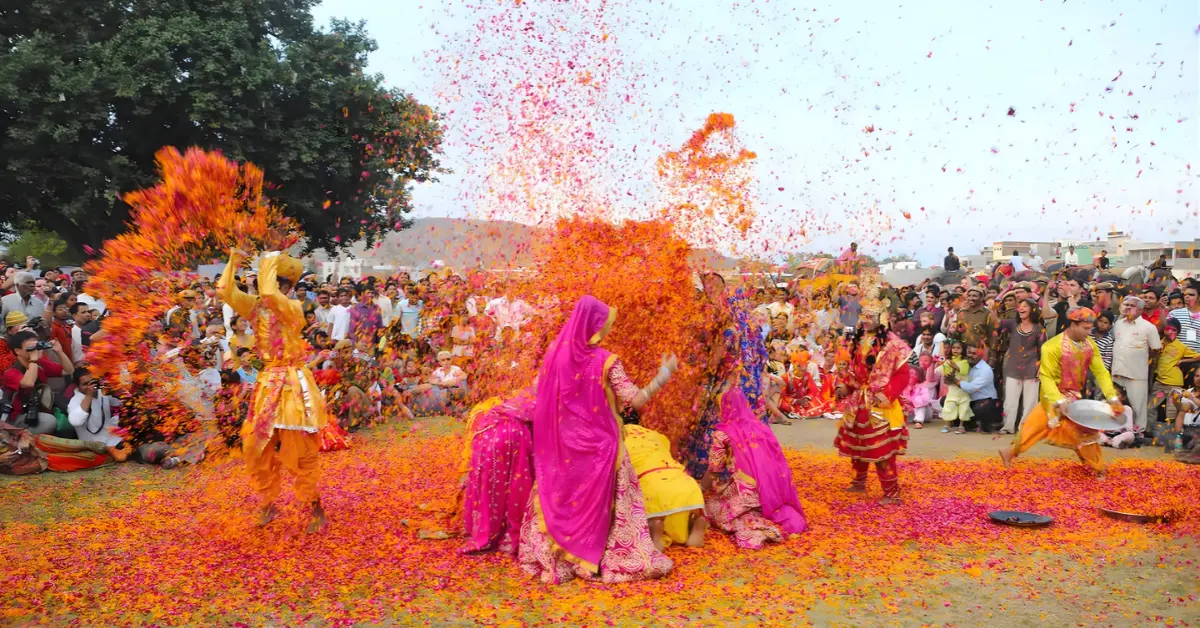
Experience the magic of Rajasthan Holi, where ancient traditions merge with royal heritage to create one of India's most spectacular festival celebrations. The desert state transforms into a canvas of vibrant colors during this spring festival, offering visitors a unique blend of cultural authenticity and regal grandeur. Unlike anywhere else in India, Holi in Rajasthan carries the distinctive imprint of royal patronage, where centuries-old traditions continue to thrive in modern times.
What sets Holi in Rajasthan apart is the extraordinary diversity of celebrations across the state. From the majestic City Palace in Jaipur where royal families still participate in traditional rituals, to the spiritual ghats of Pushkar where international tourists join sadhus in celebration, each region offers its own distinctive flavor of the festival. The desert backdrop adds a mystical quality to the proceedings, with colors appearing even more vivid against the golden sands and ancient fortifications.
Rajasthan's Holi celebrations typically span several days, beginning with the solemn Holika Dahan ceremony on the full moon night, followed by the exuberant Dhulandi (main Holi day) when the streets come alive with music, dance, and playful color throwing. The festival here is not just about colors—it's a complete cultural experience featuring traditional Folk music, Ghoomar dance performances, authentic Rajasthani cuisine, and community bonding that transcends social barriers.
For travelers seeking an authentic Indian festival experience, Rajasthan offers the perfect blend of accessibility and cultural depth. The state's well-developed tourism infrastructure makes it easy to reach major celebration centers, while the warm hospitality of Rajasthani people ensures visitors feel welcome to join in the festivities. Whether you're watching the royal procession at Udaipur's City Palace or dancing to the beats of traditional dhol at a Jaipur street party, Holi in Rajasthan promises memories that last a lifetime.
Holi 2026 Dates in Rajasthan
Planning your Rajasthan Holi experience requires understanding the festival's timeline. In 2026, Holi falls in mid-March, with celebrations following the traditional lunar calendar. Here's the complete schedule:
- Holika Dahan: March 13, 2026 (Evening)
- Dhulandi (Main Holi): March 14, 2026
- Rang Panchami: March 19, 2026
The Holika Dahan ceremony takes place on the full moon night (Purnima) of the Phalguna month. Communities across Rajasthan gather at designated locations to light bonfires symbolizing the victory of good over evil. In cities like Jaipur, Udaipur, and Jodhpur, these bonfires are elaborate affairs with prayers, offerings, and community gatherings. The atmosphere is spiritual yet festive, with people singing traditional songs around the fire.
Dhulandi, the main Holi day, begins early morning as people take to the streets armed with colored powders (gulal) and water-filled pichkaris. In Rajasthan, this day has special cultural significance with unique traditions like the 'Gair' dance in certain regions and the royal processions at heritage properties. The celebrations continue throughout the day, with families, friends, and even strangers exchanging colors and sweets.
Rang Panchami, observed five days after the main Holi, is particularly important in Maharashtra and parts of Rajasthan. This day marks the grand finale of the festival with additional celebrations, community feasts, and cultural programs. In some Rajasthani cities, Rang Panchami celebrations are even more elaborate than Dhulandi, featuring special processions and traditional performances.
| Event | Date 2026 | Timing | Significance |
|---|---|---|---|
| Holika Dahan | March 13 | Sunset onwards | Bonfire ceremony, victory of good over evil |
| Dhulandi | March 14 | Early morning onwards | Main Holi day with colors and celebrations |
| Rang Panchami | March 19 | Full day | Grand finale with extended festivities |
Travelers should note that while these are the official dates, many hotels and tour operators begin Holi-related events 2-3 days in advance. It's advisable to arrive at your chosen destination at least a day before Holika Dahan to fully experience the build-up and secure accommodation, as this is peak tourist season in Rajasthan.
Best Places to Celebrate Holi in Rajasthan
Rajasthan offers diverse Holi experiences across its major cities and towns, each with unique traditions and celebration styles. Choosing the right destination depends on what kind of experience you seek—royal grandeur, spiritual ambiance, cultural authenticity, or festive party vibes. Here's a comprehensive guide to help you decide:
| Destination | Best For | Unique Feature | Crowd Level |
|---|---|---|---|
| Jaipur | Royal celebrations, parties | City Palace royal festivities | High |
| Pushkar | Spiritual experience | Temple & riverside celebrations | Moderate |
| Udaipur | Lakefront celebrations | City Palace royal rituals | High |
| Jodhpur | Fort backdrop | Mehrangarh Fort views | Moderate |
| Jaisalmer | Desert experience | Sand dunes celebrations | Low-Moderate |
| Bikaner | Traditional culture | Authentic local customs | Low |
Jaipur, the Pink City, offers perhaps the most accessible and grand Holi experience in Rajasthan. The capital city combines royal heritage with modern celebration styles, featuring everything from traditional street celebrations to high-end Holi parties at luxury hotels. What makes Jaipur special is the City Palace Holi celebration, where the royal family continues centuries-old traditions, and various community events across the city that welcome tourists.
Pushkar stands out for its spiritual ambiance and international tourist appeal. The sacred town's Holi celebrations are characterized by temple ceremonies, celebrations at the ghats of Pushkar Lake, and a unique blend of Indian and foreign tourists participating alongside local sadhus. Pushkar's intimate scale and relaxed atmosphere make it ideal for those seeking a more meaningful cultural exchange rather than chaotic street celebrations.
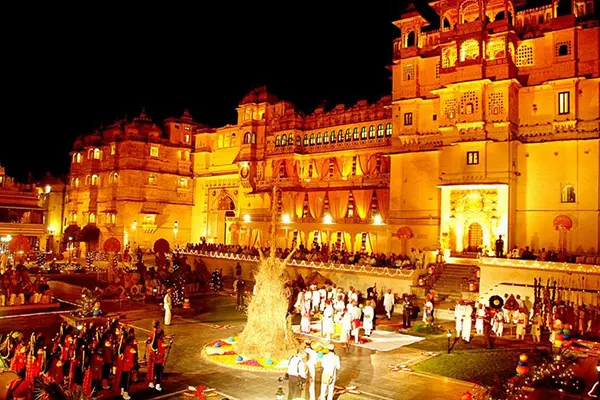
Udaipur, the City of Lakes, offers arguably the most scenic Holi setting in Rajasthan. The celebrations here center around the magnificent City Palace, where the Mewar royal family hosts traditional Holi rituals with Lake Pichola providing a stunning backdrop. Udaipur's Holi is known for its elegance and cultural sophistication, featuring classical music performances, traditional dance, and refined celebration style that reflects the city's artistic heritage.
Jodhpur provides a dramatic setting with the majestic Mehrangarh Fort towering over the city's Holi celebrations. The Blue City's festivities are known for their cultural authenticity, with traditional Rajasthani folk music, local customs like the special 'Gair' dance performances, and community gatherings that have remained unchanged for generations. Jodhpur offers a more localized experience compared to the more touristy Jaipur and Udaipur.
For adventurous travelers, Jaisalmer offers the unique opportunity to celebrate Holi in the desert. The Golden City's celebrations include special events at heritage hotels, cultural programs featuring Rajasthani folk artists, and the chance to play Holi against the backdrop of golden sand dunes. Jaisalmer's relatively smaller tourist crowds during Holi make it appealing for those seeking a more intimate celebration experience.
When choosing your destination, consider factors like accommodation availability, travel connectivity, and the type of experience you prefer. Jaipur and Udaipur offer the most developed tourist infrastructure but also attract the largest crowds. Pushkar provides the best cultural exchange opportunities, while cities like Jodhpur and Bikaner offer more authentic local experiences with fewer tourists.
Jaipur Holi Celebrations: The Royal Experience
Jaipur's Holi celebrations represent the perfect fusion of royal heritage and contemporary festivity. As the capital of Rajasthan, Jaipur hosts some of the most elaborate and accessible Holi events in the state, making it a popular choice for both domestic and international tourists. The city's unique appeal lies in how it seamlessly maintains centuries-old traditions while embracing modern celebration styles.
The centerpiece of Jaipur's Holi is undoubtedly the City Palace celebration, where the Jaipur royal family continues traditional rituals that have been observed for generations. This exclusive event typically begins in the morning with the royal family performing special puja ceremonies, followed by the ceremonial playing of Holi with gulal and flower petals. While access to the palace's inner courtyards is restricted, visitors can often witness parts of the ceremony from designated areas and experience the palace's specially organized cultural programs.
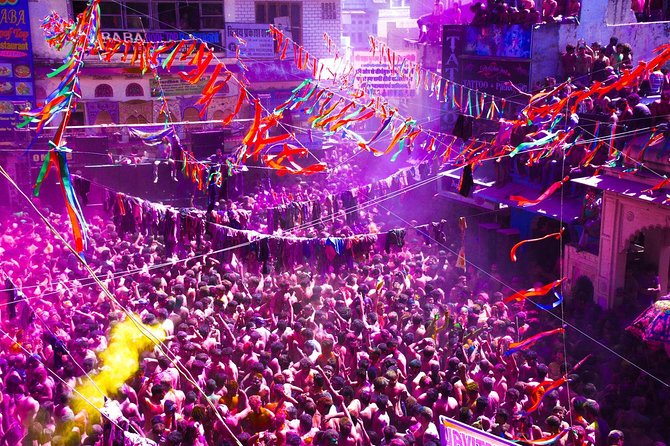
Beyond the palace, Jaipur's street celebrations are legendary for their energy and inclusiveness. Areas like Sanganeri Gate, Govind Dev Ji Temple vicinity, and the Pink City bazaars come alive with crowds playing Holi, music blaring from speakers, and the general atmosphere of joyful chaos. Unlike some other parts of India, Jaipur's street Holi is remarkably safe for tourists, with locals going out of their way to include visitors in the celebrations.
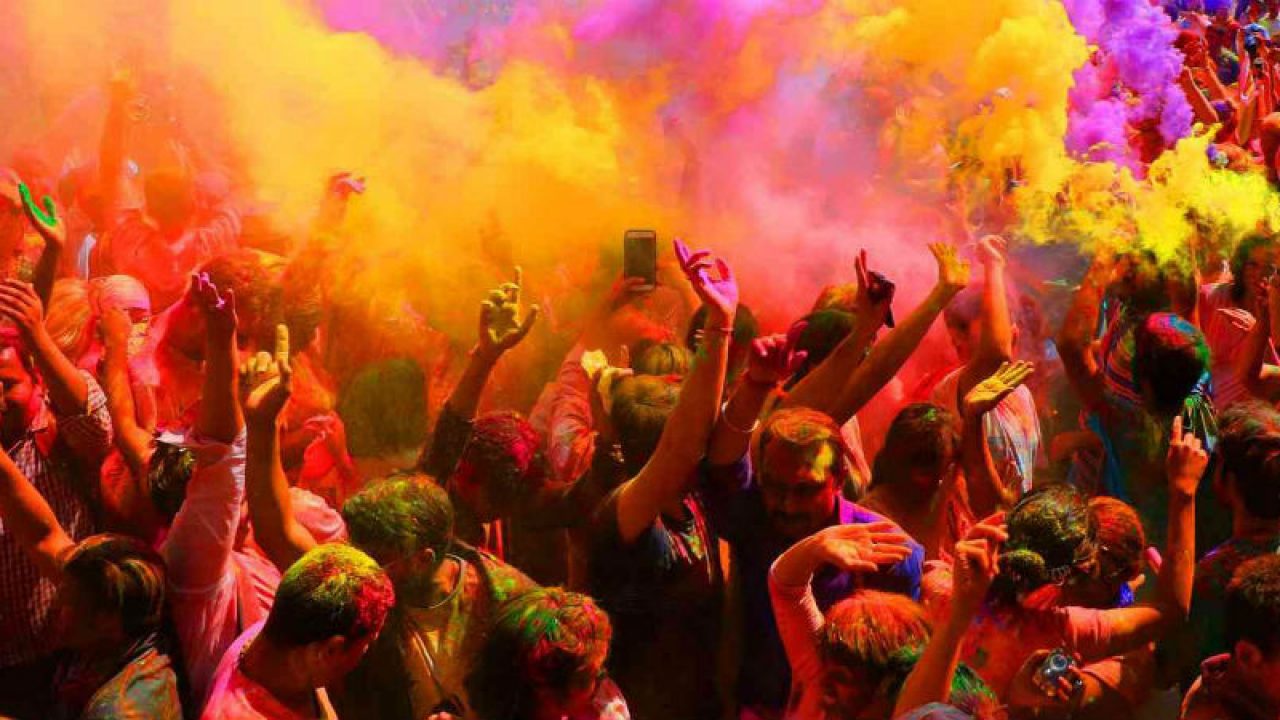
Jaipur's hospitality industry has embraced Holi with enthusiasm, and the city's hotels and resorts organize some of the most sophisticated Holi parties in India. Establishments like the Rambagh Palace, rajmahal Palace, and various five-star hotels host Holi events featuring organic colors, live music, traditional Rajasthani cuisine, and controlled environments perfect for families and those who prefer organized celebrations. These events typically require advance booking and offer a more refined alternative to street celebrations.
What makes Jaipur's Holi particularly special is the presence of cultural performances throughout the day. Traditional Ghoomar dancers, folk musicians playing the dhol and nagada, and puppeteers add a distinctive Rajasthani flavor to the festivities. Many areas also feature special food stalls selling Holi delicacies like gujiya, mathri, thandai, and the famous Rajasthani sweet ghevar.
For photography enthusiasts, Jaipur offers incredible opportunities during Holi. The contrast between the pink-hued architecture and vibrant colors creates stunning visual compositions. The Hawa Mahal, City Palace, and Jantar Mantar provide spectacular backdrops for Holi photography, though visitors should be respectful when taking photos of people during the celebrations.
Practical considerations for Jaipur Holi include booking accommodation well in advance (hotels are typically full 2-3 months prior), arranging transportation in advance as autos and taxis may be scarce on Holi day, and protecting electronic equipment from water and colors. The best areas to stay in Jaipur during Holi are around C-Scheme and MI Road for easy access to celebration sites.
Explore more attractions and places to visit in Jaipur to plan your complete Holi trip to the Pink City.Pushkar Holi: Spiritual & Cultural Experience
Pushkar offers a Holi experience that is profoundly different from anywhere else in Rajasthan. This sacred town, with its unique spiritual energy and international community, celebrates Holi in a way that blends traditional Hindu rituals with a welcoming, inclusive atmosphere that attracts visitors from around the world. The result is a celebration that is both authentically Indian and accessible to international tourists.
>The spiritual dimension of Pushkar's Holi is immediately apparent. Celebrations begin at the numerous temples scattered throughout the town, with special prayers and ceremonies marking Holika Dahan. The famous Brahma Temple, one of the very few dedicated to Lord Brahma in the world, conducts elaborate rituals, and the temple atmosphere is charged with devotional energy. Many visitors begin their Holi day here, receiving blessings before joining the more exuberant celebrations.What makes Pushkar truly special is how the celebrations spill out from the temples to the ghats of Pushkar Lake. The sacred lake, usually a site of solemn ritual, becomes a playground of colors as devotees and tourists alike play Holi along its steps. The reflection of colors in the water, combined with the temple spires in the background, creates a surreal and beautiful scene that is uniquely Pushkar.
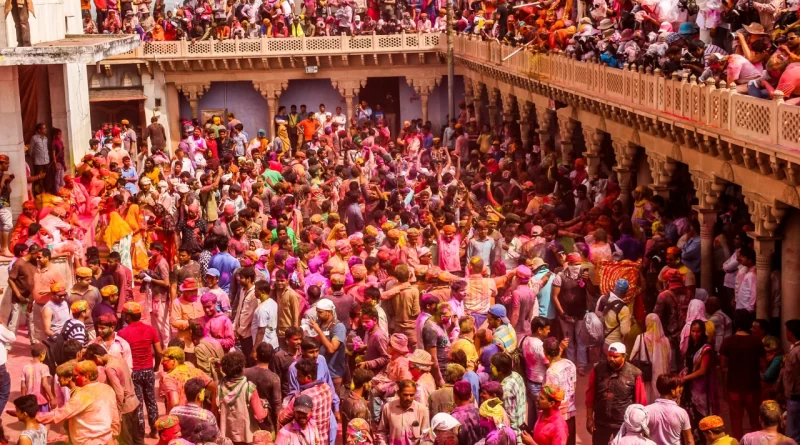
Pushkar's international flavor adds another dimension to its Holi celebrations. The town has long been a stop on the backpacker trail, and during Holi, the local community warmly embraces international visitors, teaching them the proper way to apply gulal, sharing sweets, and explaining the significance of various rituals. This cultural exchange creates a beautiful atmosphere where people from dozens of countries celebrate together, united by the joy of the festival.
The music and dance at Pushkar Holi deserve special mention. While there are plenty of modern Bollywood songs being played, the distinctive sound of traditional Rajasthani folk music, with its dhols, ravanhatha, and algoza, provides the authentic soundtrack to the celebrations. Throughout the day, you'll encounter groups of local musicians performing traditional songs, and it's not uncommon for impromptu dance circles to form, with everyone—locals and tourists alike—joining in.
Unlike the more commercialized celebrations in larger cities, Pushkar's Holi maintains a community-oriented, grassroots feel. Many celebrations happen organically in the streets and lanes of the town. The market area, the lanes leading to the lake, and the residential neighborhoods all become celebration spaces. This organic quality means that every Holi experience in Pushkar is unique, depending on where you find yourself and who you're celebrating with.
Pushkar also emphasizes the use of natural, organic colors more than many other places. Many local shops sell handmade gulal prepared from flowers and herbs, which are gentler on the skin and environmentally friendly. This emphasis on natural colors aligns with Pushkar's spiritual and eco-conscious ethos.
For accommodation, Pushkar offers everything from budget guesthouses to mid-range hotels. However, Holi is peak season, and even Pushkar's numerous accommodation options fill up quickly. The best areas to stay are near the market or around the lake for easy access to the main celebration areas. Many guesthouses organize their own Holi celebrations, which can be a great way to experience the festival in a more controlled environment while still being authentic.
Discover all the tourist places in Pushkar to plan your complete itinerary beyond the Holi celebrations.Udaipur & Other Cities: Diverse Celebrations
While Jaipur, Pushkar, and Udaipur tend to get the most attention, Rajasthan's other cities each offer distinctive Holi experiences that reflect their unique cultural identities and local traditions. Exploring these lesser-known celebration destinations can provide a more intimate and authentic understanding of how Holi is celebrated across Rajasthan's diverse regions.
Udaipur: The City of Lakes
Udaipur's Holi celebrations are renowned for their elegance and scenic beauty. The City Palace in Udaipur, arguably the most beautiful palace complex in Rajasthan, hosts elaborate Holi rituals that continue the traditions of the Mewar royal family. The palace's courtyards, with their intricate architecture and views of Lake Pichola, provide a spectacular setting for these ceremonies.
What sets Udaipur apart is the refined, sophisticated nature of its celebrations. Unlike the more boisterous street celebrations of Jaipur, Udaipur's Holi features classical music performances, traditional Rajasthani dance, and cultural programs that highlight the city's artistic heritage. Many hotels and heritage properties around Lake Pichola organize Holi events that combine celebration with cultural education.
The lakeside celebrations at Fatehsagar Lake and Lake Pichola add a unique dimension to Udaipur's Holi. The reflection of colors in the water, combined with the surrounding hills and palaces, creates an unforgettable visual experience. Many boat operators offer special Holi cruises, allowing visitors to experience the festivities from the water.
Jodhpur: The Blue City
Jodhpur's Holi celebrations are characterized by their dramatic setting and cultural authenticity. The massive Mehrangarh Fort, towering above the blue-painted houses of the old city, provides an awe-inspiring backdrop to the festivities. Many celebrations happen in the shadow of this magnificent fort, creating a powerful contrast between ancient stone and vibrant colors.
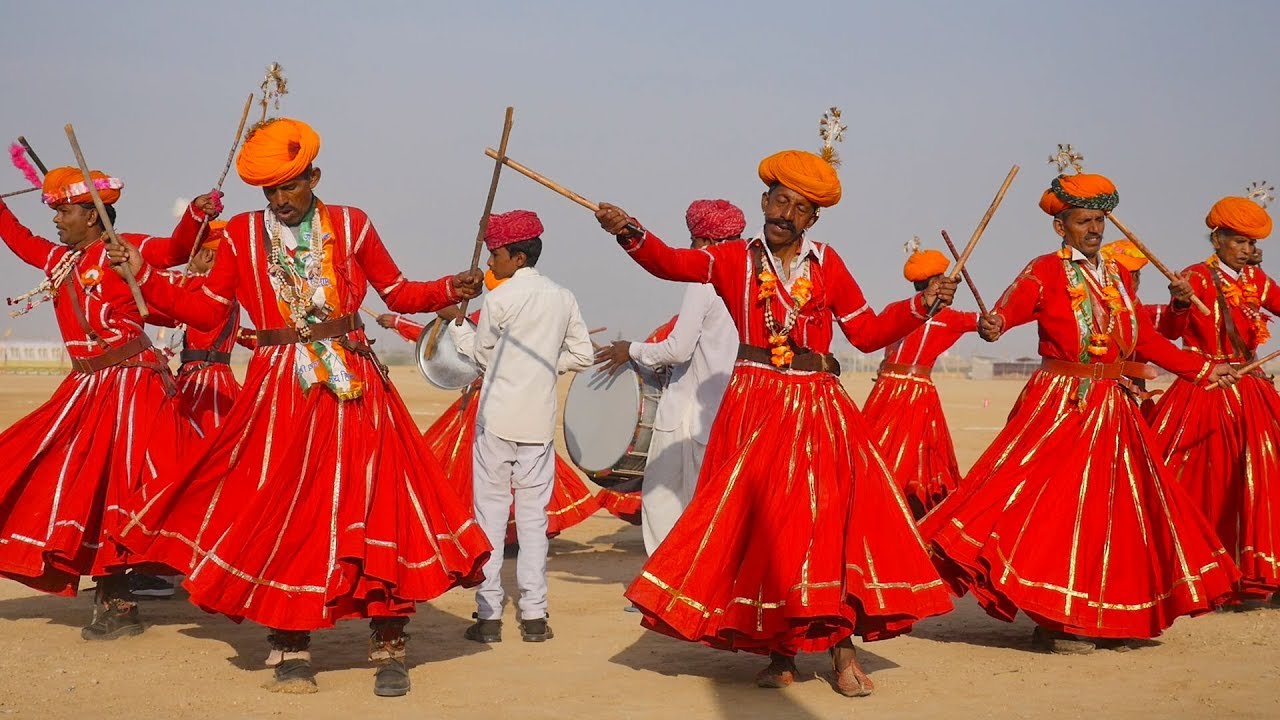
Jodhpur is known for special traditional performances during Holi, including the Gair dance, a folk dance native to the region. Groups of dancers in traditional costumes perform in circles, their movements synchronized to the beat of dhols and nagadas. These performances happen throughout the city in public squares and near temples, adding cultural depth to the celebrations.
The old city markets near Sojati Gate and Girow Gate become centers of celebration, with street vendors selling colors, sweets, and snacks. Jodhpur's Holi is more localized and less touristy than Jaipur's, making it ideal for travelers seeking authentic community experiences.
Jaisalmer: Desert Celebrations
Jaisalmer offers the unique opportunity to celebrate Holi in the Thar Desert. Heritage hotels inside and outside the sonar kila (golden fort) organize special Holi events that combine traditional celebration with desert culture. These events often feature Rajasthani folk music, camel rides, and the chance to play Holi on sand dunes.
The Jaisalmer Fort area provides a stunning backdrop for Holi celebrations, with its golden sandstone architecture appearing even more magnificent against the blue sky filled with colored powder. The fort's narrow lanes are filled with music and colors as locals and tourists celebrate together.
Many desert camps outside Jaisalmer organize overnight Holi packages, allowing visitors to experience a traditional Holi day followed by evening cultural programs under the desert stars. This combination of Holi celebration with desert camping creates a uniquely Rajasthani experience.
Bikaner, Ajmer, and Other Cities
Bikaner, known for its rich culinary traditions, celebrates Holi with special sweets and snacks that are unique to the region. The city's celebrations are more traditional and less commercialized, focusing on community gatherings and temple ceremonies. Bikaner's Junagarh Fort and Lalgarh Palace sometimes host special events.
Ajmer, with its important Sufi heritage, offers an interesting synthesis of Hindu and Islamic cultural traditions during Holi. While the main celebrations happen in Hindu areas, the overall atmosphere of religious harmony that characterizes Ajmer is particularly evident during festival times.
Mount Abu, Rajasthan's only hill station, offers a cooler climate and a different style of Holi celebration. The Nakki Lake area becomes the center of festivities, and the mountain setting provides a refreshing change from the desert heat of the plains.
Find out the best time to visit Rajasthan for planning your trip around Holi and other festivals.Cultural Significance & Traditions
Holi in Rajasthan is not merely a festival of colors—it's a profound cultural event that encapsulates centuries of tradition, social customs, and spiritual beliefs. Understanding the cultural significance of Holi in Rajasthan adds depth to the celebration experience, transforming it from a fun activity into a meaningful cultural immersion.
The mythological significance of Holi centers on the story of Prahlada, a young devotee of Lord Vishnu, and his father Hiranyakashipu, a demon king who demanded worship. The festival celebrates Prahlada's devotion and the triumph of good over evil, symbolized by the burning of Holika (the demon king's sister) in the bonfire. In Rajasthan, this mythological narrative is taken seriously, and the Holika Dahan ceremony is conducted with proper ritual precision.
Rajasthan's royal heritage has profoundly influenced how Holi is celebrated in the state. Historically, the Rajput kings were great patrons of the arts, and during Holi, they would commission special performances by musicians, dancers, and artists. This tradition continues in places like Jaipur, Udaipur, and Jodhpur, where royal families still patronize artists during Holi and where cultural performances are an integral part of the celebrations.
The social dimension of Holi in Rajasthan is particularly important. In a society historically structured by strict social hierarchies, Holi traditionally functioned as a temporary suspension of these norms—a day when everyone, regardless of caste or social status, could come together as equals. While modern Rajasthani society has evolved, this spirit of social harmony remains central to Holi celebrations, and the festival continues to be a powerful force for community bonding.
Traditional sweets and cuisine play a crucial role in Rajasthani Holi celebrations. Each household prepares special sweets, and the exchange of these sweets between neighbors and families is an important social custom. Gujiya (sweet dumplings filled with khoya and dried fruits), mathri (savory crackers), thandai (a spiced milk drink sometimes infused with bhang), and region-specific sweets like ghevar and feini are essential Holi foods in Rajasthan.
The musical traditions associated with Holi in Rajasthan are worth special mention. While Bollywood music is ubiquitous, traditional Holi folk songs (Hori geet) are still sung in many areas. These songs, often accompanied by traditional instruments like the dhol, nagada, and ravanhatha, have been passed down through generations and add a distinctive cultural layer to the celebrations.
Another fascinating aspect of Rajasthani Holi is the regional variations in celebration styles. In the Hadoti region (Kota, Bundi), for example, there are unique traditions like the Hodi Gair dance. In Marwar (Jodhpur region), the celebrations have a distinctive character different from those in Mewar (Udaipur region). These regional variations reflect the diverse cultural landscape of Rajasthan.
The use of natural colors is a traditional practice that is seeing a revival in Rajasthan. Historically, all Holi colors were made from natural sources—yellow from turmeric and marigold, green from neem and spinach, red from sandalwood and hibiscus. While synthetic colors became popular for a time, there's growing awareness about their harmful effects, and many people are returning to traditional natural colors, which are safer for the skin and environmentally friendly.
Understanding these cultural dimensions enriches the Holi experience, transforming it from a superficial activity into a meaningful participation in Rajasthan's living cultural heritage. Visitors who take the time to learn about and respect these traditions will find their Holi experience infinitely more rewarding.
Explore more things to do in Rajasthan beyond Holi celebrations.Travel Tips & Planning Guide
Planning a trip to Rajasthan for Holi requires careful preparation to ensure a safe, enjoyable, and culturally appropriate experience. Here's a comprehensive guide to help you make the most of your Rajasthan Holi adventure:
Booking & Accommodation
Book well in advance—Holi is peak tourist season in Rajasthan, and hotels in popular destinations like Jaipur, Udaipur, and Pushkar fill up 2-3 months in advance. Start researching and booking accommodation at least 3-4 months before your travel date. If you're flexible with dates, consider arriving a day before Holika Dahan and leaving 2-3 days after the main Holi day to experience the full festival period and avoid the rush.
When choosing accommodation, consider location carefully. In Jaipur, staying in C-Scheme or near MI Road provides good access to celebration sites. In Pushkar, staying near the market or lake puts you in the heart of the action. Check if your hotel organizes Holi celebrations—many heritage properties and guesthouses host their own events, which can be a great way to experience the festival in a controlled environment.
What to Pack & Wear
Clothing strategy is crucial for Holi. Wear old, comfortable clothes that you don't mind getting permanently stained—once clothes are stained with Holi colors, they rarely wash out completely. White clothes are traditional and show colors beautifully, but light-colored old clothes work just as well. Many experienced Holi participants recommend wearing kurta-pajama or simple cotton outfits that are comfortable and allow easy movement.
For footwear, wear old sandals or flip-flops that you can discard if necessary. Avoid expensive shoes, sneakers, or anything that retains water—wet, colored shoes are miserable to walk in. Some people prefer going barefoot in contained areas, but be cautious about sharp objects on streets.
Essential items to pack include:
- Sunglasses to protect eyes from colored powder
- Moisturizer or oil to apply on skin before playing (makes color easier to remove)
- Nail polish on nails before playing (prevents staining)
- Cap or bandana to protect hair from colors
- Waterproof phone case or plastic bag for electronics
- Cash (ATMs may be crowded or non-functional on Holi day)
Safety & Health Precautions
While most people play Holi with good intentions, it's important to take safety precautions. Avoid synthetic colors whenever possible—buy natural, organic colors from reputable shops. These are gentler on the skin and environmentally friendly. If someone applies color to your face, be polite but firm about asking them to avoid your eyes, nose, and mouth.
Stay hydrated throughout the day—March in Rajasthan can be warm, and combined with physical activity, you'll need plenty of water. Keep drinking water regularly, even if you don't feel thirsty. Avoid drinking thandai or bhang from strangers—it's impossible to know how potent it is, and overconsumption can ruin your experience.
If you have sensitive skin or allergies, consider doing a patch test with colors before fully participating. Apply a small amount of color to your inner arm and wait 30 minutes to check for reaction. People with respiratory issues should consider wearing a mask, as the air can be filled with colored powder.
Photography & Electronics
Holi presents incredible photography opportunities, but it's also extremely challenging for electronic equipment. Use waterproof cameras or phone housings if you want to take photos while participating. If you're carrying expensive cameras, either keep them safely locked away or use them from a distance, protected from flying colors and water.
Always ask permission before photographing people, especially during intimate or religious moments. Many people are happy to be photographed, but some may be uncomfortable—respect their choice. Be particularly respectful when photographing women or religious ceremonies.
Cultural Etiquette
Respectful participation is crucial. Ask before applying color to someone, especially elders or people you don't know well. While Holi is generally informal, some people prefer not to be colored—respect their preference. Learn a few basic Holi greetings like "Holi Hai!" (It's Holi!) or "Happy Holi"—small efforts to engage with the local language are appreciated.
Be mindful of religious and cultural sensitivities. Avoid taking colors inside temple premises unless explicitly invited. During Holika Dahan, maintain appropriate decoror—this is a religious ceremony. Don't disrupt puja ceremonies or take flash photography during rituals.
Transportation
On Holi day, public transportation is limited. Auto-rickshaws and taxis may be scarce, and many drivers celebrate with their families. Pre-arrange transportation if you need to travel on Holi day, or be prepared to walk. Within cities, cycling or walking are often the most practical options.
If you're traveling between cities around Holi, book train and bus tickets in advance—this is peak travel season, and seats fill up quickly. Consider arriving at your destination a day before Holi and departing a day after to avoid travel chaos on the main festival day.
Removing Holi Colors
After the celebrations, removing Holi colors can be challenging. Don't scrub aggressively—this can damage skin. Instead, use a mixture of gram flour (besan), yogurt, and turmeric as a gentle scrub. For stubborn stains, try lemon juice mixed with honey. Apply oil or moisturizer before showering—this helps loosen color from skin.
For hair, use a generous amount of oil before washing, and follow with a mild shampoo. Some people find that washing hair with curd helps remove color. Don't shampoo multiple times in one day—this can damage hair. Instead, oil your hair overnight and wash thoroughly the next morning.
With proper planning and precautions, Holi in Rajasthan can be the experience of a lifetime—a joyous celebration that combines cultural immersion with pure fun. Embrace the chaos, respect the traditions, and let yourself be swept up in the colorful magic of Rajasthan's most vibrant festival.
Combine your Holi trip with the Desert Festival in Jaisalmer for an extended cultural experience in Rajasthan.Location
Frequently Asked Questions
Q1.When is Holi celebrated in Rajasthan?
Q2.Which is the best place to celebrate Holi in Rajasthan?
Q3.Is Holi celebrated differently in Rajasthan compared to other states?
Q4.How is Holi celebrated in Jaipur?
Q5.What is special about Pushkar Holi?
Q6.Are tourists welcome at Holi celebrations in Rajasthan?
Q7.Is it safe for tourists to play Holi in Rajasthan?
Q8.Are hotels available during Holi in Rajasthan?
Recommended For You
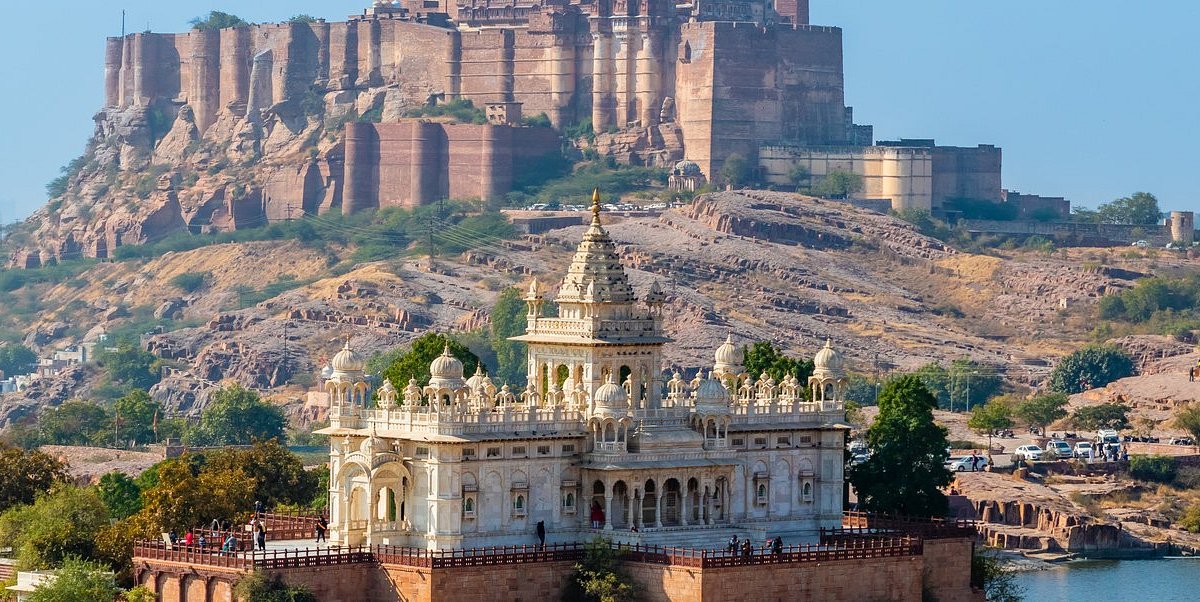
Things to Do in Rajasthan: Desert, Heritage & Cultural Experiences
Discover 50 amazing things to do in Rajasthan - explore forts, palaces, deserts, culture & cuisine. Complete guide with timings, fees & tips for 2026.
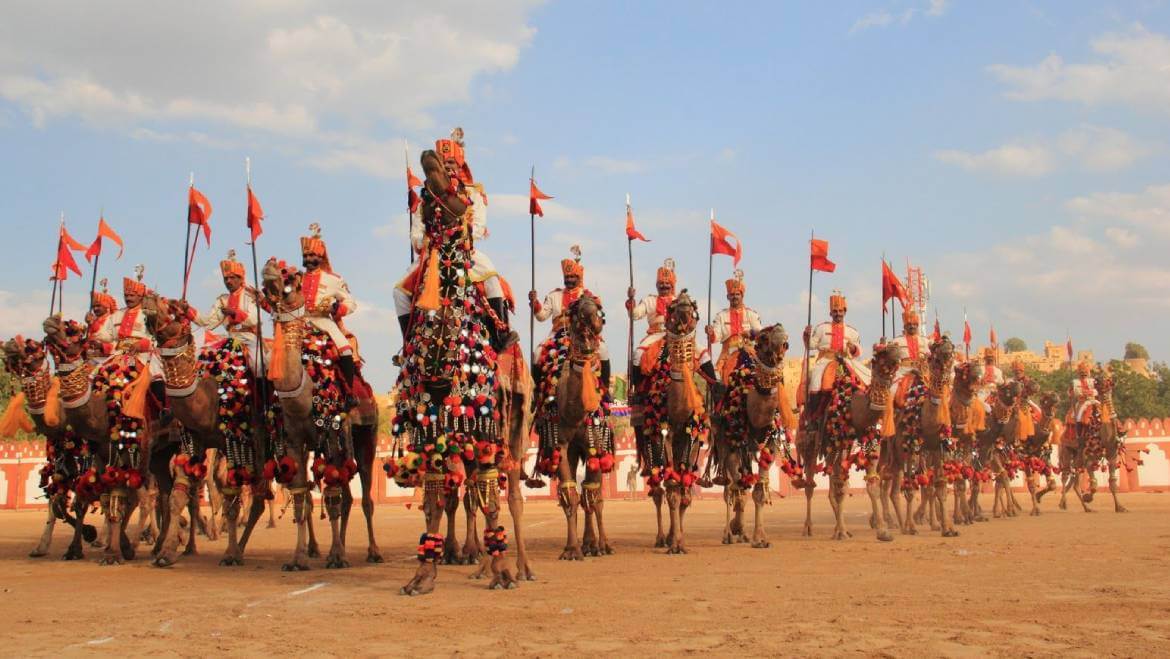
Desert Festival Jaisalmer 2025: Complete Guide to Rajasthan's Most Vibrant Celebration
Experience Rajasthan's vibrant Desert Festival Jaisalmer 2025. Discover dates, events, camel competitions, cultural performances, tickets & travel tips for this spectacular celebration.
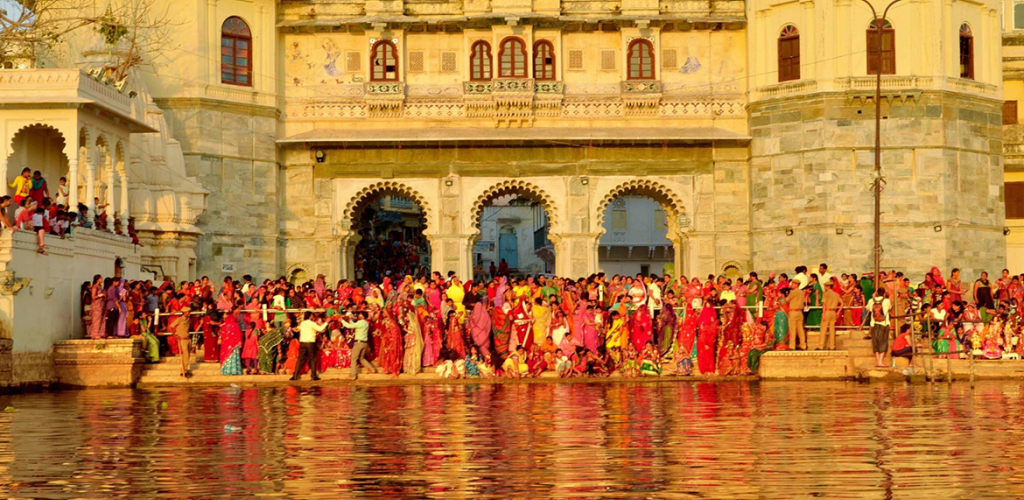
Mewar Festival Udaipur: Dates, Processions & Cultural Performances
Complete Mewar Festival guide for Udaipur with history, schedule, rituals, viewing points, stay planning, and practical travel tips.
Never Miss an Adventure
Get the latest trekking guides, travel tips, and exclusive offers delivered straight to your inbox.
