
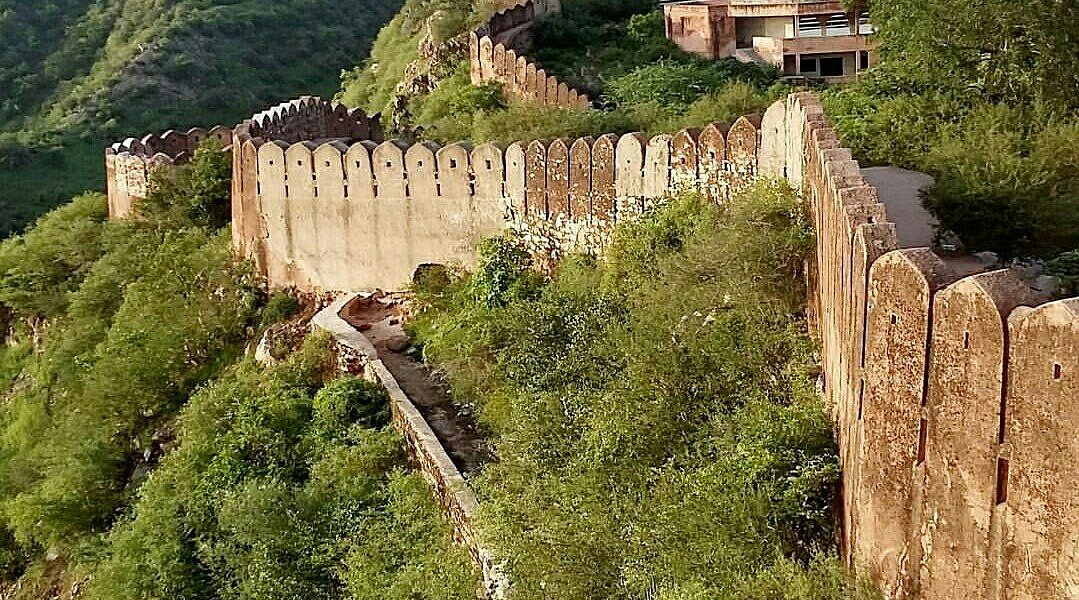
Best Places to Visit in Jaipur: Forts, Bazaars & Royal Landmarks

Priya Mehta
January 10, 2026
Discover the best places to visit in Jaipur with forts, palaces, markets, timings strategy, transport tips, and practical 2-3 day itinerary planning.
Introduction: Why Jaipur Is a Must-Visit City in Rajasthan
Jaipur is one of the most rewarding heritage cities in India for travelers who want forts, palaces, astronomy, craft markets, and local food in one itinerary. Known as the Pink City, Jaipur combines Rajput royal legacy with practical modern tourism infrastructure, making it suitable for first-time visitors, families, and photography-driven travelers. If you are searching for places to visit in Jaipur, the best approach is not to rush ten monuments in a day. Instead, cluster attractions by location, keep realistic travel buffers, and balance history-heavy sites with market and sunset experiences.
Most Jaipur trips fail when people underestimate distance, crowd timing, and weather fatigue. This guide solves that with route-first planning, attraction depth, and practical visit strategy. You will find what to prioritize, when to visit, how to sequence major sites, and what to buy in local bazaars. For deeper city planning, pair this with Jaipur travel guide and season-specific advice from best time to visit Jaipur.
Quick Planning Snapshot
| Item | Recommendation |
|---|---|
| Ideal trip length | 2 to 3 days |
| Best season | October to March |
| Top highlights | Amer Fort, Hawa Mahal, City Palace, Jantar Mantar, Nahargarh Fort |
| Best for | Heritage travel, architecture, markets, short city breaks |
| Transport | Cab, auto, guided city taxi, walking in old-city pockets |
1. Amer Fort: The Grand Rajput Landmark
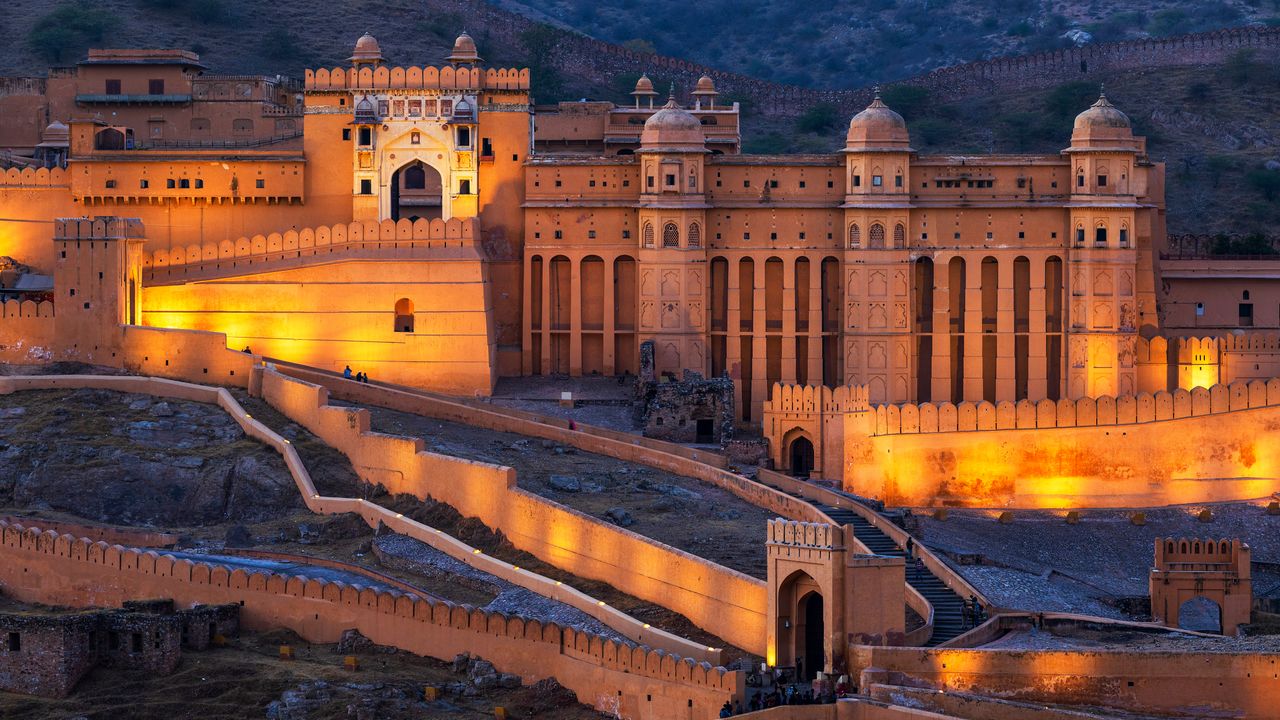
Amer Fort is among the most iconic Jaipur tourist places and should be your first major stop. Built with a blend of Rajput and Mughal architectural influences, it is known for layered courtyards, gateways, mirror work, and commanding hill views. The fort complex is large, so allocate at least two to three hours for a meaningful visit. If you arrive early, you avoid harsh sun and major crowd congestion at entry points.
Inside the complex, Sheesh Mahal remains a key attraction for its ornate reflective interiors. Surface-level visits only capture the visual appeal, but guided context helps you understand military design, royal residential zones, and defensive planning. Many travelers combine Amer Fort with nearby stepwell and old Amer lanes for a richer half-day heritage block.
- Recommended timing: Early morning slot for better light and lower crowd pressure.
- Visit duration: 2 to 3 hours.
- Planning note: Keep hydration and comfortable walking footwear.
- Important: Ticket structures and timings can change; verify current rates on arrival.
For monument-specific planning, see Amber Fort Jaipur.
2. Hawa Mahal: The Signature Facade of Jaipur
Hawa Mahal is one of the most photographed Jaipur attractions and a symbolic structure of the Pink City. Its honeycomb-like frontage with hundreds of jharokhas creates a distinctive urban landmark that works equally well for architecture lovers and casual travelers. Many visitors stop only for roadside photos, but the interior visit gives additional context on royal movement design and ventilation logic suited to hot climate conditions.
The best way to experience Hawa Mahal is to combine exterior photography from opposite vantage points with a short interior walkthrough. Morning light generally gives cleaner facade shots, while late afternoons can be busier with mixed shadows. This attraction does not require a full half day, but it is essential in any Jaipur itinerary for 2 days.
- Recommended timing: Morning visit for cleaner photos.
- Visit duration: 45 to 75 minutes.
- Nearby add-ons: City Palace and Jantar Mantar in the same old-city circuit.
If you want a focused breakdown, use Hawa Mahal Jaipur before finalizing your route.
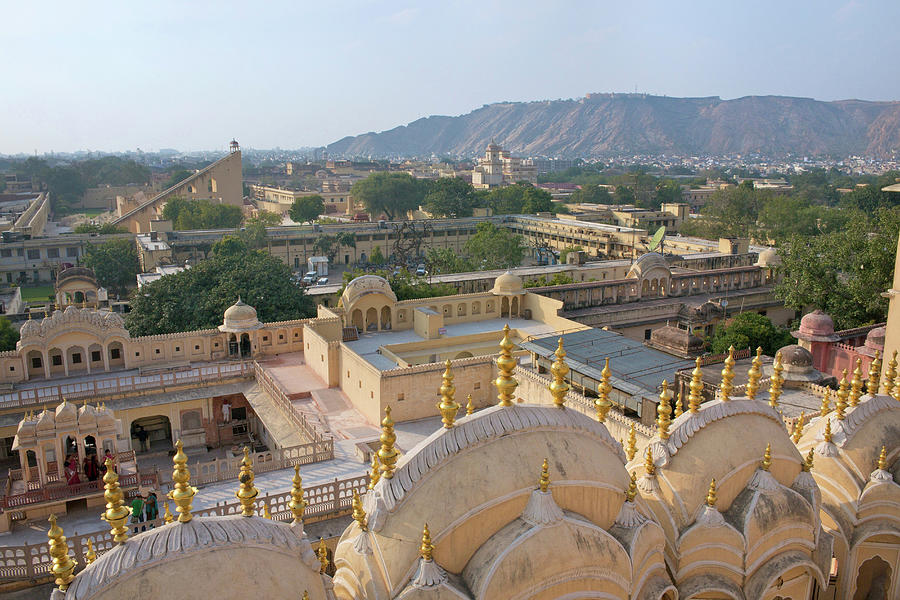
3. City Palace: Royal Residence and Museum Complex
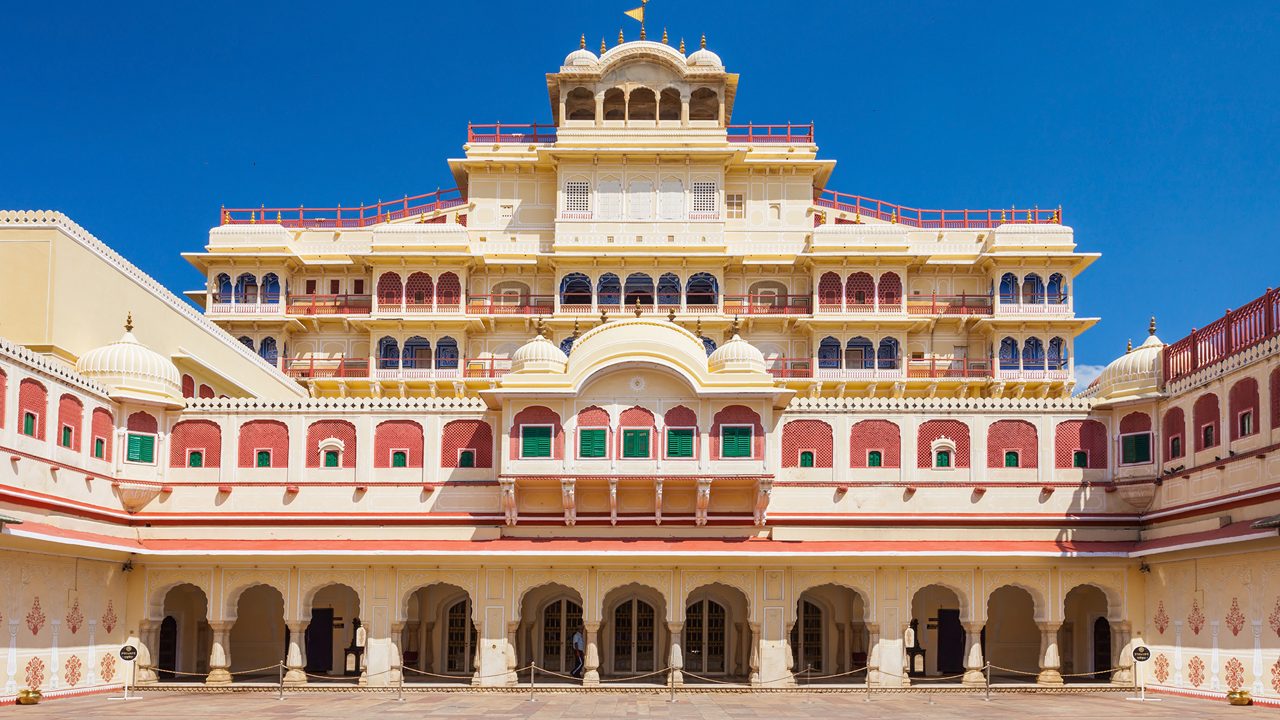
City Palace remains one of the best places to visit in Jaipur for travelers interested in royal history, curated museums, and architectural detailing. The complex reflects multiple periods of design influence and includes courtyards, decorative gates, galleries, and sections that still connect with Jaipur's royal lineage. Compared to purely military forts, City Palace offers a more courtly and ceremonial perspective.
Travelers often underestimate how much time this site needs. If you enjoy museum sections, weapons galleries, textiles, and palace layout details, reserve at least two hours. Quick coverage is possible in one hour, but it misses much of the interpretive value. A combined old-city heritage block with City Palace, Hawa Mahal, and Jantar Mantar works well for Day 1.
- Recommended timing: Mid-morning after Hawa Mahal.
- Visit duration: 1.5 to 2.5 hours.
- Planning note: Some premium sections may require separate tickets.
Read a dedicated overview at City Palace Jaipur.
4. Jantar Mantar: Scientific Heritage in the Pink City
Jantar Mantar Jaipur is not just a monument stop; it is a functioning demonstration of historical astronomy and mathematical precision. As a UNESCO-listed site, it includes large-scale observational instruments that were designed for celestial calculations. Travelers who rush through in 20 minutes usually miss the scientific significance. Guided interpretation greatly improves this visit.
The giant sundial and angular instruments are useful for both educational groups and photography enthusiasts. Shadows and lines shift through the day, so sunlight conditions affect how clearly you can appreciate instrument geometry. Pair this site with City Palace because they are logistically close and create a strong heritage-science combination in one schedule block.
- Recommended timing: Late morning to early afternoon.
- Visit duration: 60 to 90 minutes.
- Best practice: Take a local guide for scientific explanation.
5. Nahargarh Fort: Sunset and City Panoramas
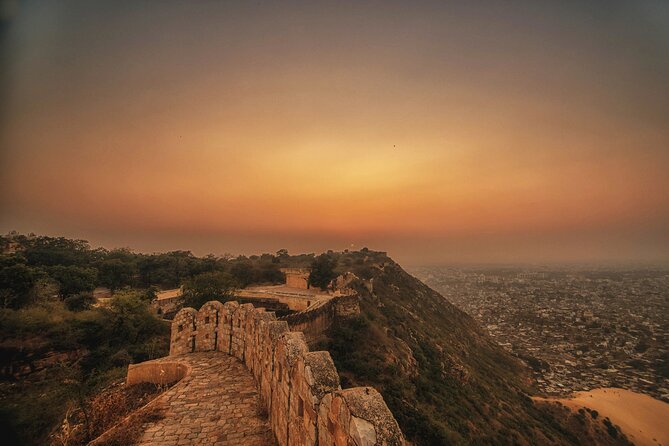
Nahargarh Fort is among the most popular places to visit in Jaipur at night-adjacent hours because of its panoramic city views and sunset atmosphere. The drive to the fort itself is part of the experience, with elevated perspectives that show the urban spread of Jaipur. Compared with Amer Fort, Nahargarh often feels more like a viewpoint-plus-heritage destination and is ideal for a relaxed evening block.
Plan your arrival before sunset to secure a good viewing spot. Weekends can be crowded, so weekday evenings usually provide a calmer experience. If you are interested in architecture beyond viewpoints, include interior sections such as Madhavendra Bhawan where available during operating hours.
- Recommended timing: Late afternoon to sunset.
- Visit duration: 1.5 to 2 hours.
- Safety note: Return with planned transport, especially after dark.
For fort-specific details, check Nahargarh Fort Jaipur.
6. Jaipur Markets: Johari, Bapu, Tripolia, and More
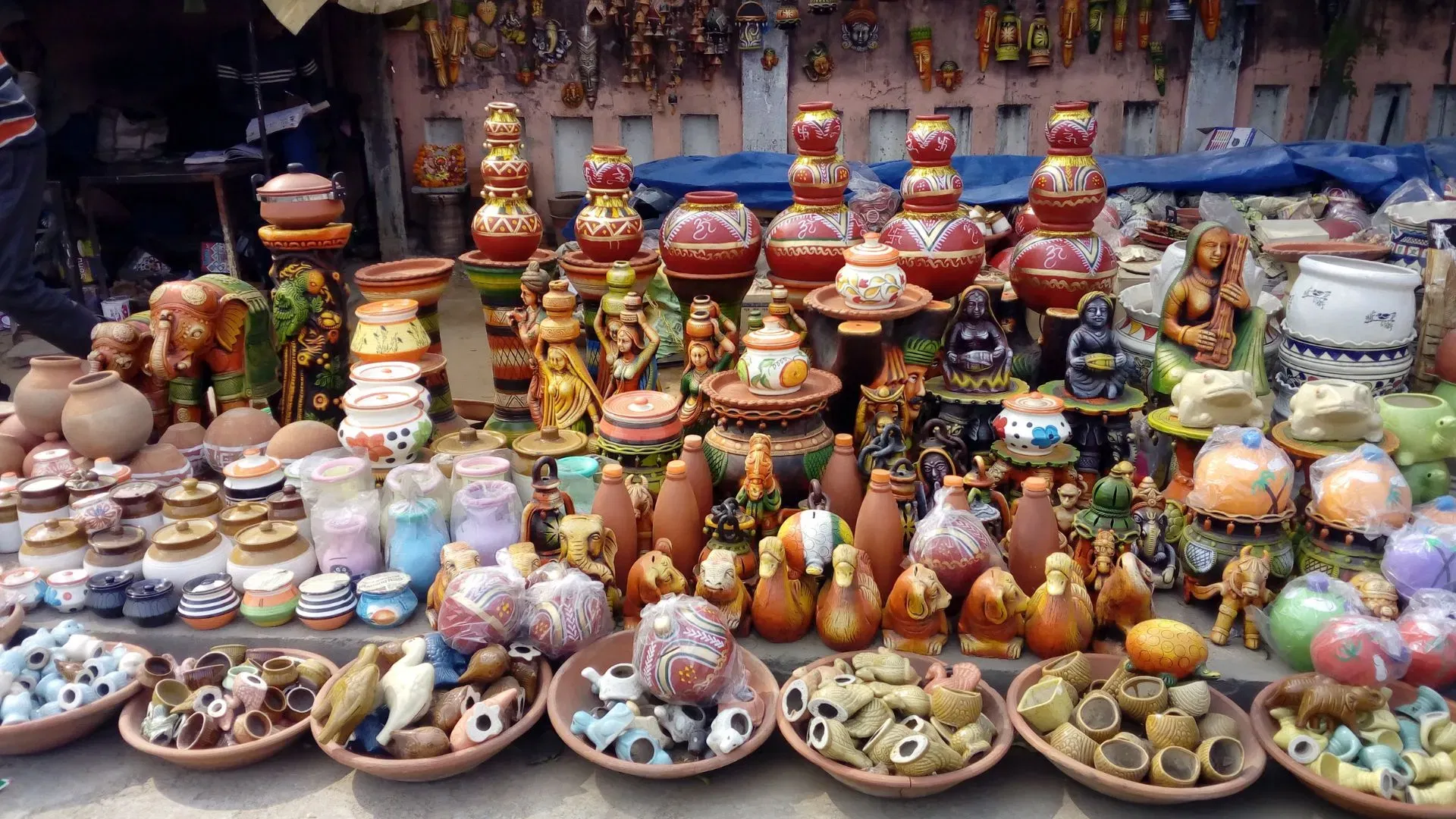
No Jaipur travel guide is complete without market exploration. Jaipur bazaars are not only shopping zones but living cultural spaces where jewelry, textiles, block prints, handicrafts, and festive items reflect the city's commercial heritage. Johari Bazaar is known for jewelry and traditional adornments, while Bapu Bazaar is popular for textiles, mojari footwear, and colorful souvenirs.
Tripolia and adjacent traditional lanes can offer craft-focused options, and Nehru Bazaar remains useful for leather and day-to-day tourist shopping. The key to market success is strategy: enter with a category list, compare quality before bargaining, and keep enough time for unplanned discoveries. Evening windows are vibrant but more crowded; mornings are easier for focused shopping.
- Best buying categories: Jewelry, textiles, blue pottery, handmade decor, juttis.
- Bargaining approach: Be polite, compare first, avoid rushing.
- Payment note: Keep mixed payment options and check packing quality.
Use Johari Bazaar Jaipur and shopping in Jaipur for deeper purchase planning.
7. Suggested 2-Day and 3-Day Jaipur Itinerary
| Duration | Suggested Flow |
|---|---|
| 2 Days | Day 1 Amer Fort + Hawa Mahal + City Palace + Jantar Mantar, Day 2 Nahargarh + markets + food circuit |
| 3 Days | Add Jal Mahal viewpoints, temple visit, craft shopping depth, and flexible photography windows |
If your trip is short, protect two priority blocks: one heritage-heavy and one market-sunset block. This keeps your Jaipur sightseeing balanced and practical. Do not overload your day with zigzag routes across city edges because traffic and weather can reduce on-ground experience.
8. Best Time to Visit Jaipur and Seasonal Strategy
October to March is generally the best time to visit Jaipur due better daytime comfort for monument hopping and market walks. April to June can be extremely hot, so if you must travel then, keep outdoor plans to early morning and evening while using afternoons for indoor museums or hotel rest. Monsoon months can be pleasant in temperature but may involve occasional route disruptions and humidity spikes.
Festival periods add cultural energy and visual richness, but they also increase crowds and accommodation rates. If your goal is calm sightseeing, target non-peak weekdays in shoulder months. If your goal is festive immersion, pre-book transport and hotels early to avoid last-minute pricing shocks.
9. How to Reach Jaipur and Local Transport Tips
Jaipur is well connected by air, rail, and road from major Indian cities. Jaipur International Airport and Jaipur Junction make access straightforward for weekend and short-break travel. Within the city, app cabs and local autos are common. For time-efficient sightseeing, many visitors prefer a fixed-day taxi that follows a predefined attraction sequence.
- From Delhi: Frequent trains, flights, and highway road routes.
- From Mumbai and Bengaluru: Direct flights and rail options.
- Within city: Cab plus short walking segments in old-city clusters.
- Efficiency tip: Group nearby sites in one block to reduce transit time.
Families and senior travelers should avoid excessive midday outdoor exposure. Keep hydration, sunscreen, and short rest gaps between major stops.
10. Common Mistakes to Avoid in Jaipur
- Trying to cover every monument in one day without route logic.
- Visiting major forts at peak noon in hot months.
- Skipping ticket and timing checks before travel day.
- Ignoring travel buffers for traffic and parking delays.
- Shopping without price comparison and product quality checks.
- Missing sunset planning for Nahargarh or key viewpoints.
Jaipur rewards paced travel. Fewer well-planned stops create better depth, better photos, and less fatigue than rushed checklists.
11. Practical Budget Range for Jaipur Sightseeing
Jaipur can fit multiple travel budgets depending hotel class, transport choice, and activity style. Budget travelers can combine modest stays, local meals, and shared transport. Mid-range travelers usually benefit from private cab days and curated dining. Premium travelers can include heritage stays, guided experiences, and private transfers for smoother execution.
- Budget plan: INR 1,500 to 2,800 per person per day.
- Mid-range plan: INR 3,500 to 6,500 per person per day.
- Premium plan: INR 8,000+ per person per day.
Actual spend varies by season, hotel zone, and monument ticket category. Keep a contingency buffer for peak-time pricing and local transport changes.
Conclusion
The best places to visit in Jaipur are not just famous monuments. The city becomes memorable when you combine Amer Fort scale, Hawa Mahal identity, City Palace depth, Jantar Mantar insight, Nahargarh sunsets, and market culture in a practical sequence. Build your plan around timing, distance, and weather comfort, and Jaipur will feel both royal and easy to explore.
If you are planning your first Pink City trip, use a two- or three-day structure, keep one buffer slot, and prioritize quality over quantity. That approach gives you stronger heritage understanding, better local experiences, and a smoother Rajasthan city journey.
Location
Frequently Asked Questions
Q1.What is the best time to visit Jaipur?
Q2.How many days are enough for Jaipur?
Q3.Which are the must-visit forts in Jaipur?
Q4.Is Jaipur safe for tourists?
Q5.What is Jaipur famous for?
Q6.What is the best way to explore Jaipur?
Q7.How can I travel within Jaipur?
Q8.What should I buy in Jaipur markets?
Recommended For You
Amber Fort Jaipur: Complete Guide with Timings, Entry Fee & Tips
Explore Amber Fort Jaipur: UNESCO World Heritage Site featuring Sheesh Mahal, royal palaces, and stunning architecture. Complete guide with timings, entry fees, and travel tips.
City Palace Jaipur: Ticket Options, Timings & Must-See Areas
Plan your City Palace Jaipur visit with practical tips on timings, tickets, routes, and combining with nearby attractions for a smooth heritage experience.
Johari Bazaar Jaipur: Jewelry, Textiles & Market Timings
Explore Johari Bazaar Jaipur for jewelry, gemstones, timings, bargaining tips, and nearby heritage stops in this complete old-city shopping guide.
Never Miss an Adventure
Get the latest trekking guides, travel tips, and exclusive offers delivered straight to your inbox.
