
Rani no Hajiro Ahmedabad: Shopping Guide & Timings

Rohit Verma
February 19, 2026
Complete guide to Rani no Hajiro Cloth Market Ahmedabad - timings, history, shopping tips, wholesale fabrics, traditional textiles, and how to reach this historic marketplace.
Introduction
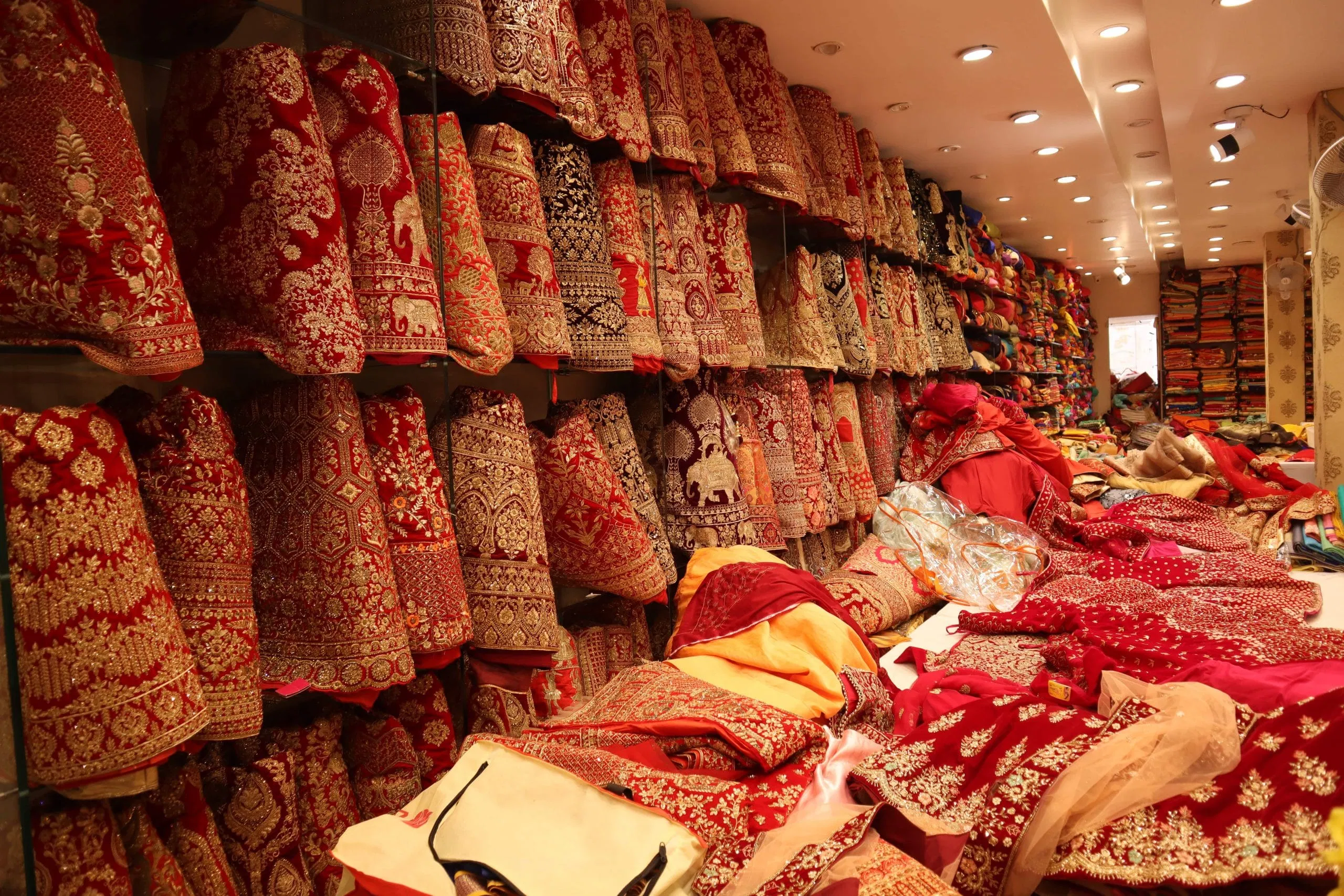
Rani no Hajiro Cloth Market stands as one of Ahmedabad's most historic and vibrant textile shopping destinations, nestled in the heart of the old city near Manek Chowk. This traditional marketplace has been serving shoppers for centuries, offering an authentic glimpse into Gujarat's rich textile heritage. The market's name translates to "Queens' Courtyard," reflecting its royal origins and historical significance as a trading hub for the queens of Ahmedabad's royal court.
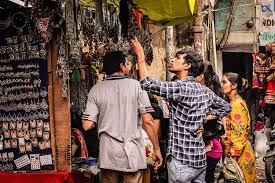
Today, Rani no Hajiro continues to thrive as a wholesale and retail paradise for fabrics, traditional wear, and ethnic textiles. The market attracts everyone from wholesale dealers purchasing bulk quantities to families shopping for wedding trousseaus and festive occasions. Its narrow lanes are lined with shops overflowing with colorful Bandhani sarees, Patola silk fabrics, cotton materials, and exquisite embroidered textiles that showcase Gujarat's craftsmanship.
History & Significance
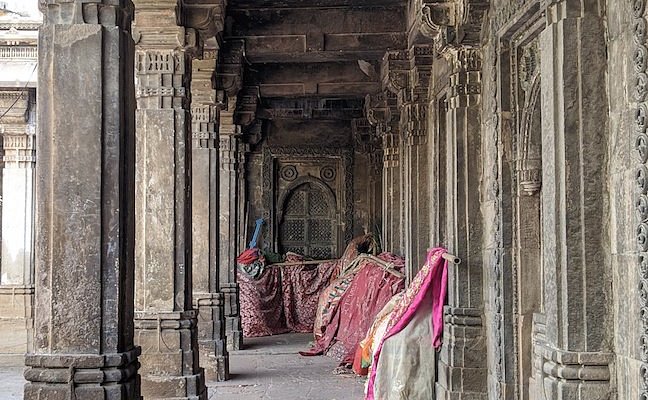
Rani no Hajiro's story begins during the Mughal era when Ahmedabad was a flourishing center of trade and commerce. The market was originally established as a dedicated marketplace for the queens and royal women of the Ahmedabad court, providing them a space to shop for textiles, fabrics, and handicrafts away from the public eye. This royal patronage helped establish the market's reputation for quality textiles and traditional craftsmanship.
The architectural significance of Rani no Hajiro is evident in its structure - a covered marketplace designed to provide shade and comfort to shoppers in Ahmedabad's hot climate. Over the centuries, the market has evolved while maintaining its traditional character. The narrow lanes, old shop facades, and bustling atmosphere transport visitors to a bygone era of trade and culture.
As a heritage site, Rani no Hajiro represents the continuity of Ahmedabad's textile traditions. The market has survived the changing tides of time, from royal patronage to colonial rule to modern independent India. Today, it stands as a living museum of Gujarat's textile heritage, where traditional weaving techniques, printing methods, and embroidery styles are still practiced and sold.
Market Layout & Shops
Rani no Hajiro Cloth Market is organized in a traditional bazaar style with covered lanes and compact shop units. The market layout can be divided into upper and lower sections, each specializing in different categories of textiles and clothing. This organization helps shoppers navigate according to their specific needs, whether they're looking for wholesale fabrics or ready-made garments.
| Market Section | Specialization | Ideal For |
|---|---|---|
| Upper Level | Wholesale fabrics, bulk textiles | Business buyers, bulk orders |
| Lower Level | Retail shopping, ready-made garments | Individual shoppers, families |
| Side Lanes | Traditional textiles, ethnic wear | Cultural shopping, wedding shopping |
| Main Arcade | Mixed categories, new arrivals | First-time visitors, browsing |
The market's shop types include wholesale dealers who sell in bulk quantities, retail outlets catering to individual customers, and specialized shops focusing on specific textile categories like Bandhani, Patola, or embroidered fabrics. The crowd dynamics vary throughout the day, with mornings being relatively calmer and evenings seeing peak activity.
What to Buy at Rani no Hajiro
Rani no Hajiro is a treasure trove of traditional Gujarati textiles and fabrics. The market offers an extensive range of products that showcase Gujarat's rich textile heritage. Whether you're a wholesale buyer or an individual shopper, the variety available here is impressive and caters to different budgets and preferences.
Traditional Textiles
The market is famous for its collection of Bandhani sarees, a traditional Gujarati tie-dye technique that creates intricate patterns on fabric. These sarees come in various colors, patterns, and price points, from everyday wear to exquisite pieces for special occasions. Patola silk, another specialty of Gujarat, is available here - these double-ikat silk sarees are known for their vibrant colors and geometric patterns and are highly prized for their craftsmanship.
Cotton fabrics in Rani no Hajiro include everything from everyday cotton to premium varieties like Chanderi and Mashru. These fabrics are perfect for making salwar suits, kurtis, and traditional garments. The market also stocks a wide range of block-printed fabrics from various regions of Gujarat, each with distinctive patterns and motifs.
Ethnic Wear & Ready-Made Garments
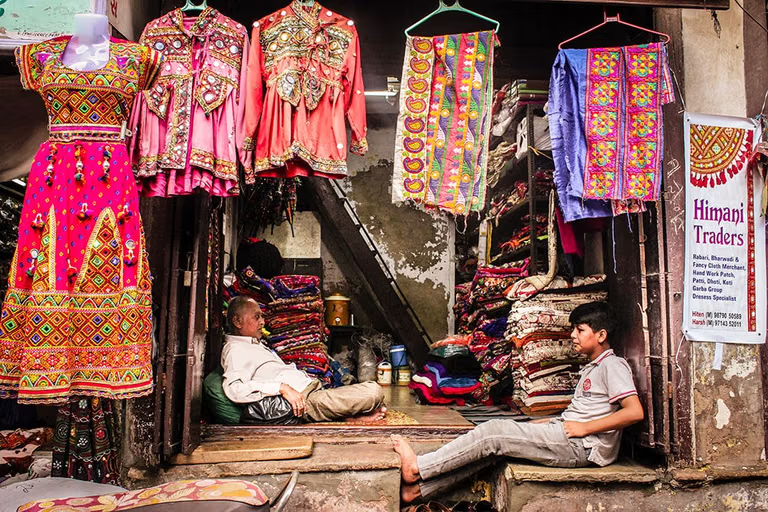
For those looking for ready-made ethnic wear, the market offers salwar suits, chaniya cholis (traditional Gujarati outfits for navratri), kurtis, and dupattas in various fabrics and designs. Wedding shoppers can find bridal wear, wedding trousseau items, and festive clothing for the entire family. Many shops also offer customization services for stitching and alterations.
Traditional Handicrafts
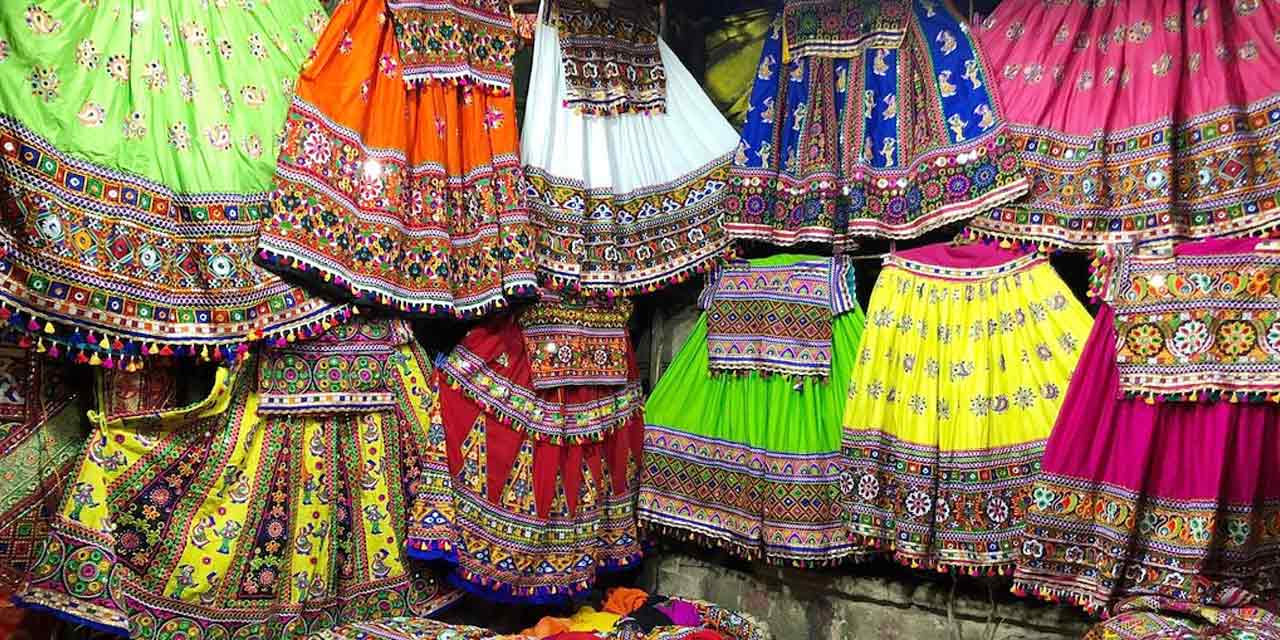
Beyond fabrics, Rani no Hajiro is known for embroidered textiles, mirror work fabrics, and traditional Gujarati handicrafts. These include intricately embroidered ghaghras, wall hangings, and decorative items that showcase the needlework skills of Gujarati artisans.
Wholesale Shopping
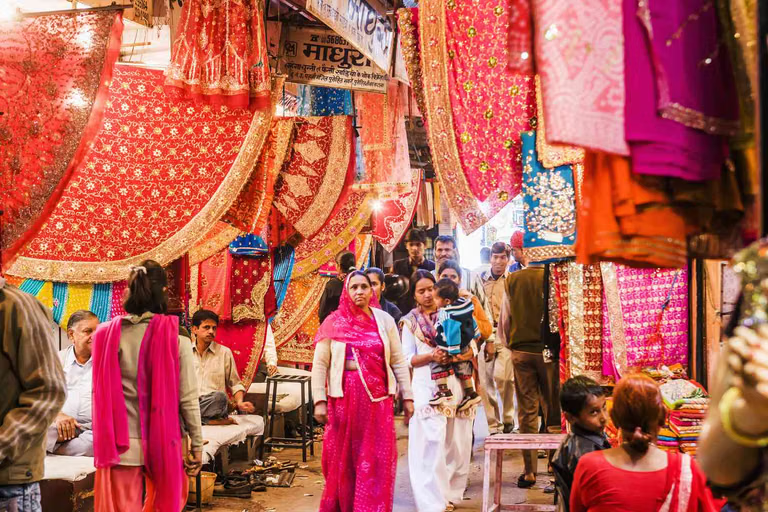
For business buyers, Rani no Hajiro offers excellent wholesale options. Wholesale dealers sell fabrics in bulk quantities at competitive prices, making it ideal for retailers, boutique owners, and those requiring large quantities for weddings or events. The wholesale section typically requires minimum order quantities and offers significant bulk discounts.
Shopping Tips & Bargaining
Shopping at Rani no Hajiro requires some strategy to make the most of your visit. The market's traditional nature means that certain shopping practices are followed here that might differ from modern retail stores. Understanding these practices can help you shop more efficiently and get better value.
Best Practices for Shopping
Bargaining is an accepted practice at Rani no Hajiro, especially in retail shops. However, it's important to bargain politely and realistically. Start by comparing prices across multiple shops before negotiating. This gives you a better understanding of the market rate and strengthens your bargaining position. Always check the quality of fabric carefully - look for weave density, color fastness, and finish before making a purchase.
When shopping for expensive items like silk sarees or wedding trousseau pieces, ask for authenticity certificates, especially for Patola and other premium textiles. Quality checking should include examining the fabric in natural light to see true colors and checking for any defects or irregularities in weaving or printing.
Wholesale Shopping Tips
If you're planning wholesale shopping, be aware that most wholesale dealers have minimum order quantities. These can range from 10 meters to 100 meters depending on the fabric type and shop policy. Bulk discounts are typically available, and the discount percentage increases with the order quantity. The best time for wholesale shopping is during business hours on weekdays when shopkeepers have more time to negotiate and assist.
Payment Options
While cash is still preferred at many shops, especially for bargaining, digital payments and cards are increasingly accepted. However, it's always good to carry some cash as backup, as smaller shops might not have card facilities. UPI payments are widely accepted, but it's wise to confirm before making a purchase.
Shopping Strategy
Seasonal timing can affect your shopping experience. Festival seasons like Diwali, Navratri, and wedding season see higher demand and prices. If you're shopping for festivals, it's better to buy in advance. For wedding shopping, allocate sufficient time as multiple visits might be needed for selection, customization, and fitting.
What to Check Before Buying
- Fabric Quality: Check weave, texture, and finish of the fabric
- Color Fastness: Ask about color bleeding and washing instructions
- Price Comparison: Compare rates across at least 2-3 shops
- Return Policy: Clarify exchange or return terms before payment
- Billing: Ensure proper billing for expensive items and wholesale purchases
Best Time to Visit Rani no Hajiro
Timing your visit to Rani no Hajiro can significantly impact your shopping experience. The market operates throughout the week, but crowd levels, shop availability, and bargaining power vary depending on when you visit.
Morning Hours (10 AM - 1 PM)
Morning hours are ideal for serious shoppers who want to browse calmly and negotiate effectively. Shops open with fresh stocks, and the market is less crowded during these hours. This is also when wholesale buyers typically make their purchases, so if you're planning bulk buying, mornings are your best bet. Bargaining tends to be more successful in the mornings as shopkeepers are more willing to negotiate to start their day with sales.
Afternoon (1 PM - 4 PM)
The afternoon period sees a lull in activity as many shopkeepers take breaks and shoppers pause for lunch. This can be a good time to visit if you prefer less crowd, but be aware that some shops might be closed or operating with limited staff. However, the shops that remain open often offer better deals during this slow period.
Evening Hours (4 PM - 8 PM)
Evening is when Rani no Hajiro comes alive with maximum activity. More shops are fully operational, the variety is at its peak, and the atmosphere is vibrant. However, this is also when crowds are at their highest, making navigation challenging and bargaining more competitive. Evening visits are best for those who want to experience the market's full energy and don't mind the crowds.
Festival Seasons
Festival seasons like Navratri (usually October), Diwali (usually November), and the wedding season (December-February) see the market at its busiest. While the variety is excellent during these times, prices can be higher, and the market extremely crowded. If you're shopping for festivals, try to visit at least 2-3 weeks in advance. For wedding shopping, allocate more time and be prepared for higher prices.
Weekday vs Weekend
Weekdays (Monday to Friday) are generally less crowded and better for serious shopping. Weekends see higher footfall from casual shoppers and families, resulting in more crowded lanes and less time for personalized attention from shopkeepers.
How to Reach Rani no Hajiro
Rani no Hajiro is located in the old city area of Ahmedabad, near Manek Chowk, which is a well-known landmark. The market's central location makes it easily accessible from various parts of the city.
From Ahmedabad Railway Station
The distance from Ahmedabad Railway Station to Rani no Hajiro is approximately 2 km. Auto-rickshaws and taxis are readily available outside the railway station and take about 10-15 minutes to reach the market depending on traffic.
From SG Highway
From SG Highway, the distance is approximately 5 km. Travel time can vary from 20-30 minutes depending on traffic conditions, especially during peak hours.
From Sabarmati
From Sabarmati area, Rani no Hajiro is about 7 km away. The journey typically takes 25-35 minutes by auto-rickshaw or taxi.
Nearby Landmarks
Manek Chowk is the most prominent landmark near Rani no Hajiro. Other nearby landmarks include Bhadra Fort and Jama Masjid. These landmarks can be used for navigation and for giving directions to taxi or auto-rickshaw drivers.
Parking
Parking is limited in the old city area around Rani no Hajiro. The narrow lanes and crowded streets make it difficult to find parking space directly near the market. Visitors are advised to use public transport or get dropped off nearby. If you must drive, look for parking areas around Manek Chowk or Bhadra Fort and walk to the market.
Public Transport
AMTS buses connect various parts of Ahmedabad to the old city area. The nearest bus stops are at Manek Chowk and Bhadra Fort. Auto-rickshaws are available throughout the city and are a convenient way to reach the market. The Ahmedabad Metro has stations relatively close, and visitors can combine metro travel with auto-rickshaws for the last leg of the journey.
Nearby Attractions
A visit to Rani no Hajiro can be combined with exploring other attractions in Ahmedabad's old city, making for a full day of sightseeing, shopping, and food experiences.
Manek Chowk
Just a short walk from Rani no Hajiro, Manek Chowk is famous for its food market. By day, it's a busy jewelry and vegetable market, but by night, it transforms into a vibrant street food destination. After shopping at Rani no Hajiro, you can head to Manek Chowk to sample local Gujarati street food snacks and sweets.
Bhadra Fort
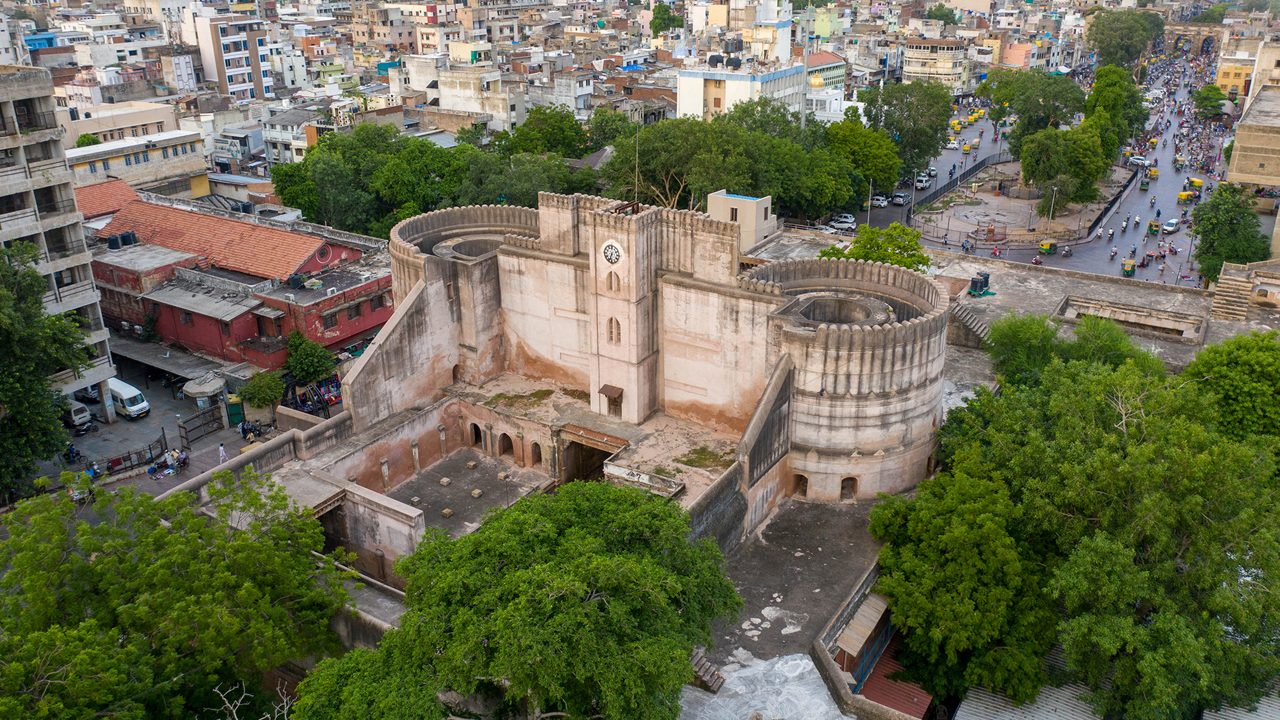
Bhadra Fort, built in 1411 AD by Sultan Ahmad Shah, is a historical site located near Rani no Hajiro. The fort houses the Bhadrakali Temple and offers insights into Ahmedabad's history. It's worth a visit for those interested in the city's heritage and architecture.
Jama Masjid
One of Ahmedabad's most beautiful mosques, Jama Masjid is located near the market. Built in yellow sandstone, the mosque features exquisite architectural details and is an important religious and historical site.
Bhadra Kali Temple
Located within Bhadra Fort, this temple is dedicated to Goddess Kali and is an important religious site. The temple attracts devotees throughout the year and is especially significant during the Navratri festival.
Lal Darwaja Market
Another traditional market in the old city, Lal Darwaja specializes in ready-made garments, accessories, and household items. It can be visited after Rani no Hajiro for a more comprehensive shopping experience.
Dhalgarwad Market
Dhalgarwad is another cloth market in Ahmedabad's old city, known for its wholesale and retail textile shops. Combining Dhalgarwad with Rani no Hajiro gives shoppers access to a wider range of options and price points.
Combination Shopping Itinerary
For a full day in Ahmedabad's old city, start with morning shopping at Rani no Hajiro (10 AM - 1 PM), visit Bhadra Fort and Jama Masjid for sightseeing (1 PM - 3 PM), have lunch at a traditional Gujarati restaurant, visit Lal Darwaja or Dhalgarwad for additional shopping (4 PM - 6 PM), and end with street food dinner at Manek Chowk (7 PM onwards).
Shopping in Ahmedabad: Beyond Rani no Hajiro
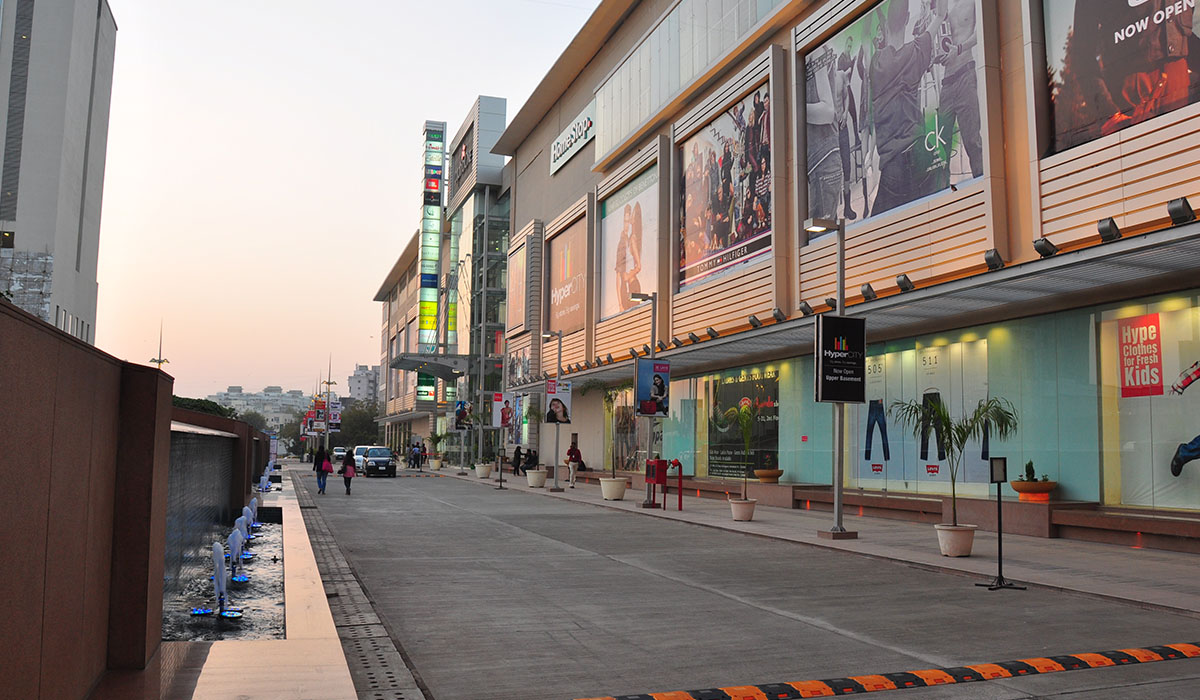
While Rani no Hajiro is a must-visit for traditional textiles, Ahmedabad offers several other shopping experiences that complement a visit to this historic market. For those interested in modern shopping, Alpha One Mall provides a contemporary retail experience with national and international brands. Traditional shoppers can also explore Sindhi Market for budget-friendly options across various categories.
For those interested in more textile shopping, Dhalgarwad Market offers another layer of Ahmedabad's wholesale textile scene with its own specialization and price range. After a day of shopping in the old city, you might want to explore Manek Chowk not just for its jewelry market but for its incredible street food scene that comes alive in the evening.
Conclusion
Rani no Hajiro Cloth Market offers a shopping experience that goes beyond mere transactions - it's a journey into Gujarat's textile heritage and Ahmedabad's cultural fabric. Whether you're a wholesale buyer sourcing fabrics for your business, a family shopping for a wedding, or a traveler looking to experience traditional Indian markets, Rani no Hajiro delivers on all fronts with its variety, authenticity, and historic ambiance.
Shopping here requires some preparation - knowing what you want, understanding bargaining etiquette, and choosing the right time to visit. But for those willing to navigate its narrow lanes and engage with its shopkeepers, Rani no Hajiro rewards with excellent prices, authentic products, and memories of a truly Gujarati shopping experience.
Location
Frequently Asked Questions
Q1.What are Rani no Hajiro timings?
Q2.Where is Rani no Hajiro located?
Q3.Is Rani no Hajiro open on Sundays?
Q4.What can we buy at Rani no Hajiro?
Q5.How to reach Rani no Hajiro?
Q6.Is parking available at Rani no Hajiro?
Q7.Are there food options nearby?
Q8.What is the best time to visit Rani no Hajiro?
Recommended For You
Bhadra Fort Ahmedabad: History, Access Guide and Tips
Explore Bhadra Fort Ahmedabad with historical context, architecture insights, old-city route planning, and practical visitor tips.
Alpha One Mall Ahmedabad: Brands, Food Court & Visiting Hours
Discover Alpha One Mall Ahmedabad - Gujarat's largest shopping destination with 250+ brands, INOX cinema, 20+ restaurants & gaming zone. Complete visitor guide with timings & parking info.
Law Garden Night Market Ahmedabad: Handicrafts, Street Food & Timings
Explore Law Garden Night Market Ahmedabad with shopping categories, timings, bargaining tips, street food options, and practical travel guidance for first-time visitors.
Never Miss an Adventure
Get the latest trekking guides, travel tips, and exclusive offers delivered straight to your inbox.
