
Bhadra Fort Ahmedabad: History, Access Guide and Tips

Rohan Malhotra
February 18, 2026
Explore Bhadra Fort Ahmedabad with historical context, architecture insights, old-city route planning, and practical visitor tips.
Bhadra Fort Ahmedabad: History, Architecture, and Practical Visit Planning
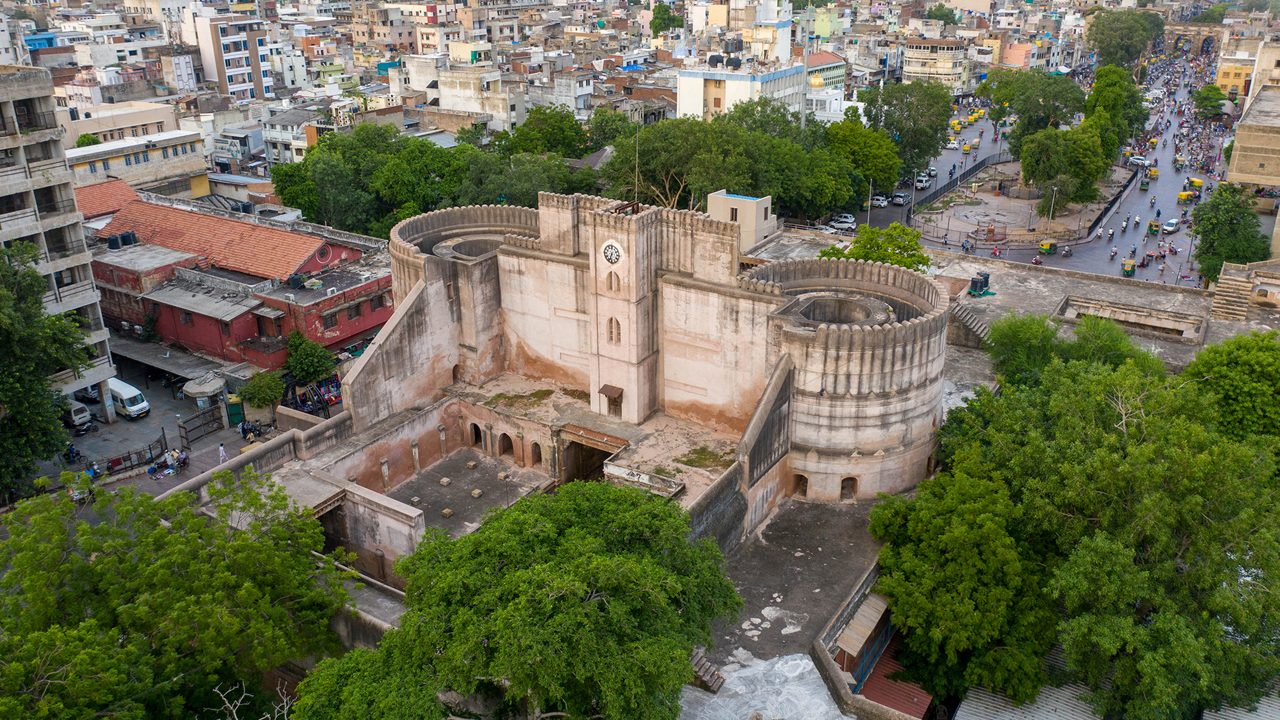
Bhadra Fort Ahmedabad is one of the most significant heritage anchors in the old city and a strong starting point for understanding Ahmedabad's political and urban evolution. Built in the early foundation phase of the city, the fort area connects royal, civic, and religious narratives in a compact but dense zone. This is why the site should be approached as a contextual heritage stop, not just a quick structure photo.
For the best experience, pair Bhadra Fort with nearby historic nodes such as Sidi Saiyyed Mosque, public-space contrast from Sabarmati Riverfront, and broader planning support via places to visit in Ahmedabad. A cluster-based route gives stronger storytelling and less transfer fatigue.
Historical Background of Bhadra Fort
Bhadra Fort is linked to the early development of Ahmedabad and reflects the strategic and ceremonial priorities of its founding phase. Over centuries, the fort precinct evolved with administrative use, religious relevance, and urban market activity around it. This layered continuity is one reason the area remains culturally active instead of becoming only a static monument.
When exploring, read the space as an urban heritage system rather than one isolated fort wall. Look at how streets, gates, temple access, and market flows interact with the historical core.
Architecture and Layout: What to Observe
The fort's architecture reflects Indo-Islamic influences adapted to defensive and civic requirements. You will notice robust massing, gateway emphasis, and composition meant to organize movement and power display. Surface restoration levels vary by segment, so a full perimeter-style observation helps identify both preserved and altered sections.
A useful method is to observe in three passes: gateway language, wall continuity, and connected built elements in surrounding lanes. This gives a complete reading even if your visit duration is limited.
| Observation Zone | Key Detail | Visitor Tip |
|---|---|---|
| Gateways | Scale and entry control logic | Capture first from wider approach angles |
| Fort Sections | Wall rhythm and construction texture | Walk slowly; details are easy to miss |
| Urban Edge | Market and movement interface | Visit in non-peak blocks for easier flow |
This structure improves both understanding and photography quality.

Bhadrakali Temple and Cultural Continuity
The Bhadrakali Temple inside or associated with the fort area is essential to the site's identity and naming narrative. It adds active devotional relevance to a historically political precinct. Visitors should maintain respectful behavior, especially during high-devotion periods or local festival windows.
If you include the temple in your route, keep dress and behavior modest and avoid crowd-obstructive photography. Heritage interpretation is stronger when spiritual context is acknowledged, not treated as a side note.
Best Time to Visit Bhadra Fort
Ahmedabad weather strongly affects comfort, so early morning or late-afternoon slots usually work best. Midday heat can reduce walking quality in old-city lanes, especially in warmer months. Cooler-season visits support longer, more detailed exploration and better camera handling.
Weekdays often provide steadier movement than peak holiday windows. If your plan includes food stops or market exploration, schedule them after the fort walk to avoid carrying fatigue into heritage interpretation blocks.
How to Reach and Build an Efficient Old-City Loop
Bhadra Fort is accessible through core city transport routes, but the main challenge is not access; it is sequencing. Keep your old-city loop compact. Combine two to three nearby stops maximum, and avoid jumping to distant neighborhoods during the same block.
- Start early with Bhadra Fort as first anchor.
- Add one religious/architectural stop nearby.
- Use one planned meal break before shifting zones.
- Reserve evening for simpler, lower-transfer movement.
This route discipline protects time and gives better attention per site.
Photography and On-Ground Etiquette
Bhadra Fort photographs best with contextual framing that includes lanes, arches, and movement. Avoid isolated tight crops only; include environment to show how the monument sits within living city fabric. Early or late light is usually better for depth and texture.
In active public spaces, maintain courtesy and ask before taking identifiable close-up portraits. Keep path clearance for local movement. Good etiquette improves both visitor experience and local response.

Nearby Attractions to Pair with Bhadra Fort
Bhadra Fort works best with nearby architectural and public-space stops. Add one intricate heritage site for design comparison and one open-area stop for pacing balance. If food exploration is part of your day, Manek Chowk can be added later in the route when heritage blocks are complete.
The key is not number of stops but compatibility of stops. Keep the day theme consistent and avoid excessive backtracking.
Common Mistakes and Better Alternatives
Common mistakes include overpacked old-city plans, heat-heavy midday scheduling, and skipping contextual reading in favor of quick photos. Better alternatives are morning-first sequencing, fixed stop count, and 10-minute interpretive pauses at major points.
Heritage quality improves when you read space, not just pass through it. Bhadra Fort is ideal for that slower method.

Ideal Visit Duration and Pacing
For most travelers, 60-90 minutes is a practical duration for Bhadra Fort and immediate surroundings when the objective is meaningful heritage observation. Less than an hour often leads to rushed movement and poor contextual understanding. More than ninety minutes can work if you are combining temple, lane study, and detailed photo documentation.
Pacing should include short pause windows between observation points. This helps first-time visitors process architecture and urban context without fatigue. In active old-city environments, controlled pace is often the difference between a stressful outing and a high-quality heritage walk.
Local Market Interface and Cultural Behavior
The fort precinct interacts with everyday commerce, so you are entering a living urban system, not a fenced museum setting. Stay aware of local movement patterns, keep pathways clear, and avoid blocking shopfronts for long photo sessions. Respect for local rhythm improves your experience and reduces friction.
If you plan food or shopping add-ons, keep them after your main fort interpretation block. Mixing both at once can scatter focus and cause schedule drift. Sequence first, exploration second works best in this area.
Seasonal and Weather-Aware Planning
In hot months, use early slots and carry water plus sun protection. In monsoon windows, footwear grip and careful lane navigation become more important. Seasonal awareness protects comfort and helps maintain safe movement in dense heritage corridors.
Weather-aware planning also improves photography outcomes. Softer light and cooler conditions support longer observation and better composition decisions.
Conclusion
Bhadra Fort Ahmedabad is a foundational heritage destination that connects architecture, civic history, and living urban culture. Plan it as part of a compact old-city route, choose climate-friendly timings, and maintain respectful on-ground behavior. With this strategy, your visit becomes informative, efficient, and far more memorable than a fast, unstructured stop.
Location
Frequently Asked Questions
Q1.Where is Bhadra Fort located?
Q2.How much time is needed?
Q3.Can I combine Bhadra Fort with market visits?
Q4.Best time to visit Bhadra Fort?
Q5.Is the area crowded?
Q6.Is it suitable for family visits?
Q7.What should I carry?
Q8.Can I include it in a half-day plan?
Recommended For You
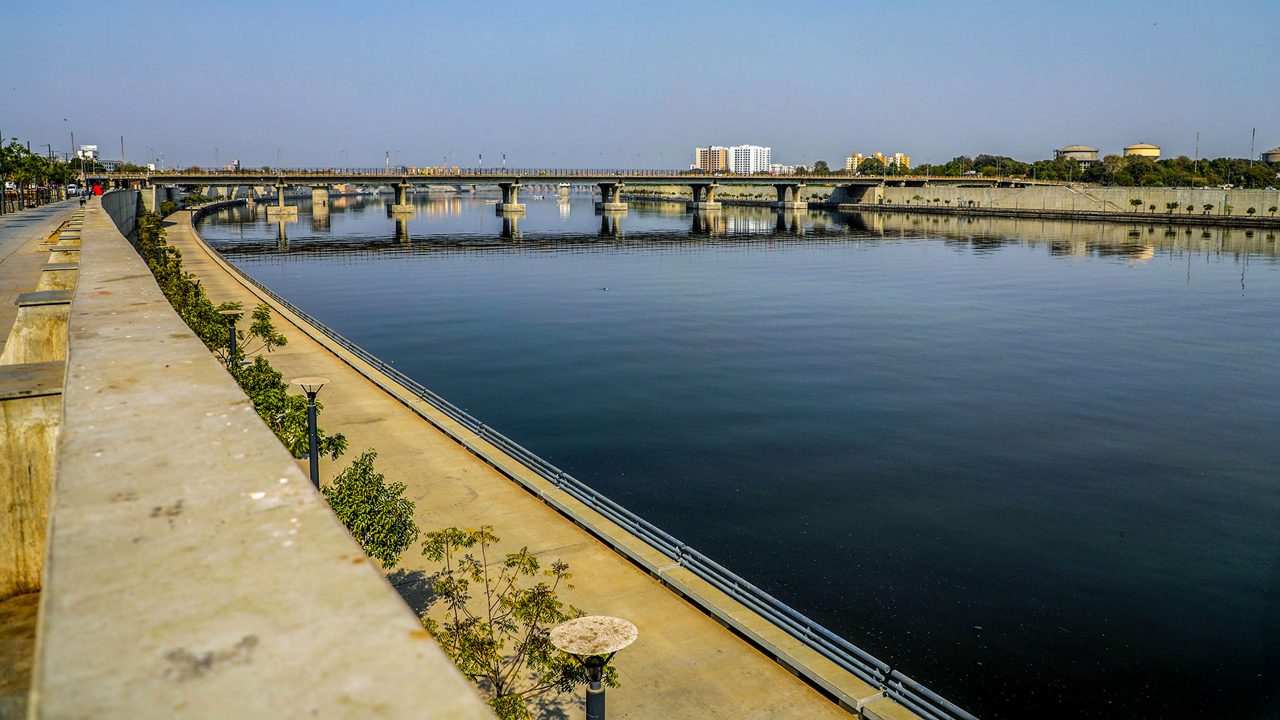
Sabarmati Riverfront: Ahmedabad's Waterfront Gem
Discover Sabarmati Riverfront in Ahmedabad - a stunning 11.5 km waterfront promenade featuring iconic Atal Bridge, flower gardens, boating, and vibrant food courts. Plan your visit with complete information on timings, entry fees, and best experiences.
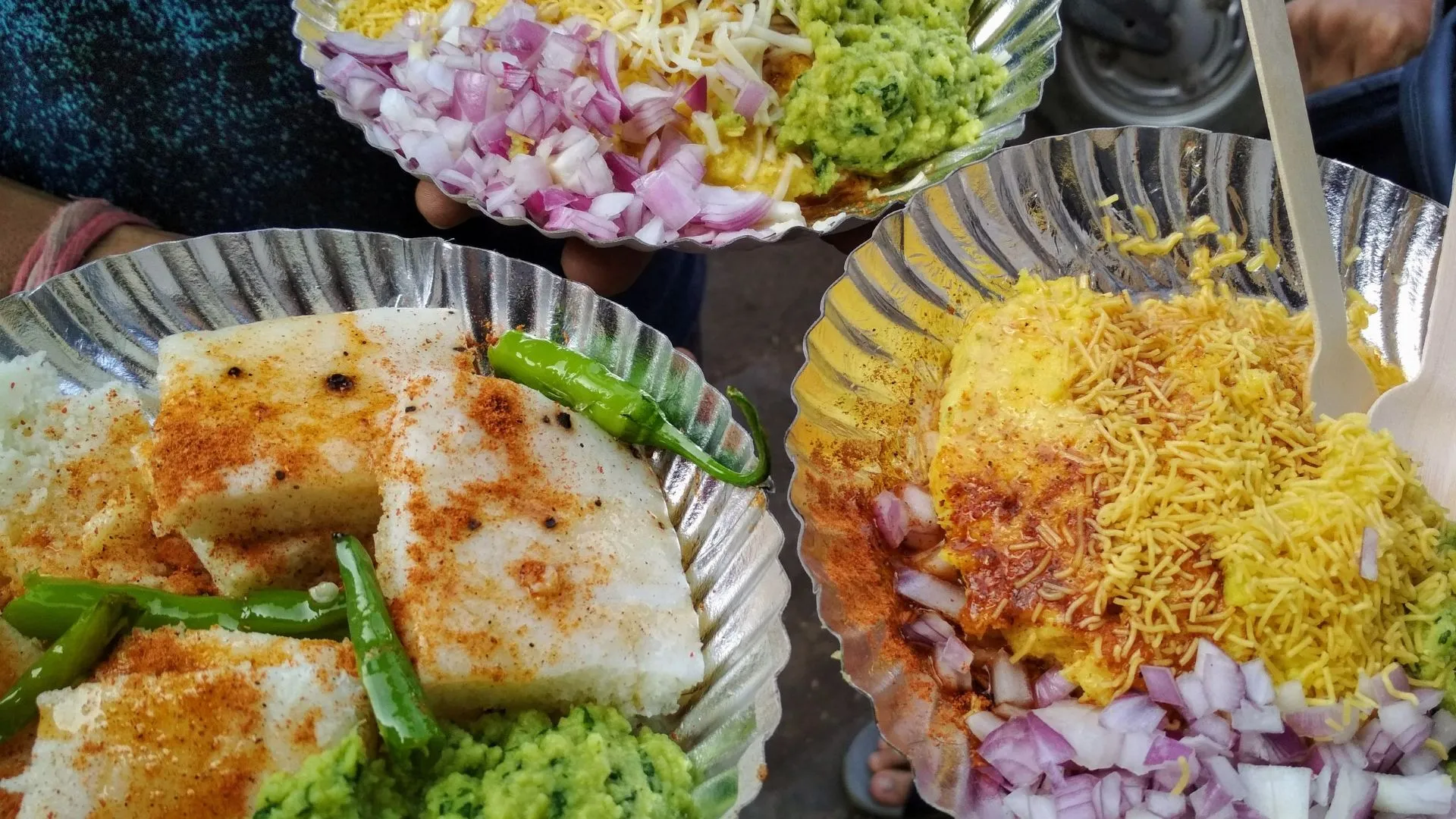
Street Food in Ahmedabad: Must-Try Dishes, Markets & Timings
Discover the best street food in Ahmedabad with must-try dishes, famous eating areas like Manek Chowk and Law Garden, ideal timings, and hygiene tips for travelers.
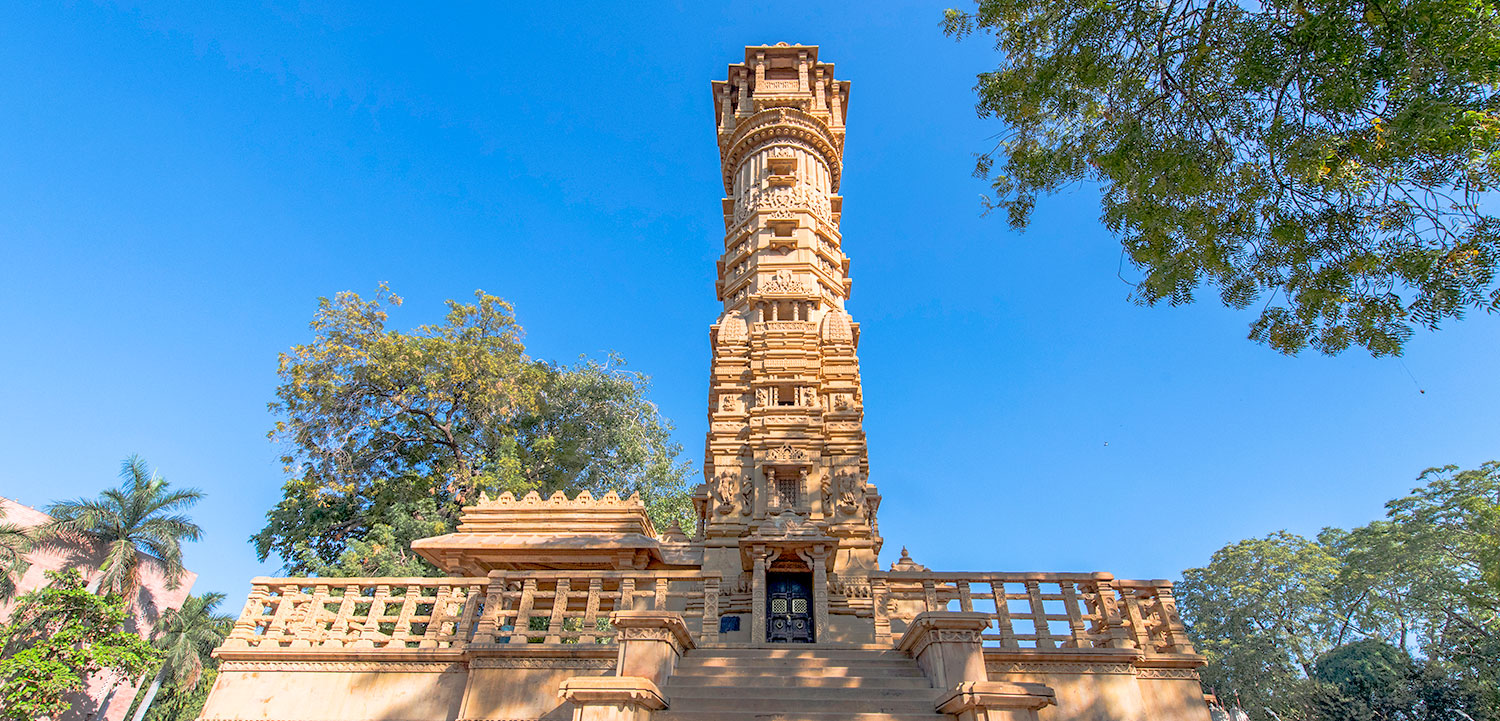
Hathisingh Jain Temple Ahmedabad: Architecture, Timings & Visitor Rules
Explore Hathisingh Jain Temple Ahmedabad, a stunning white marble masterpiece. Discover timings, history, architecture & visiting tips.
Never Miss an Adventure
Get the latest trekking guides, travel tips, and exclusive offers delivered straight to your inbox.
