
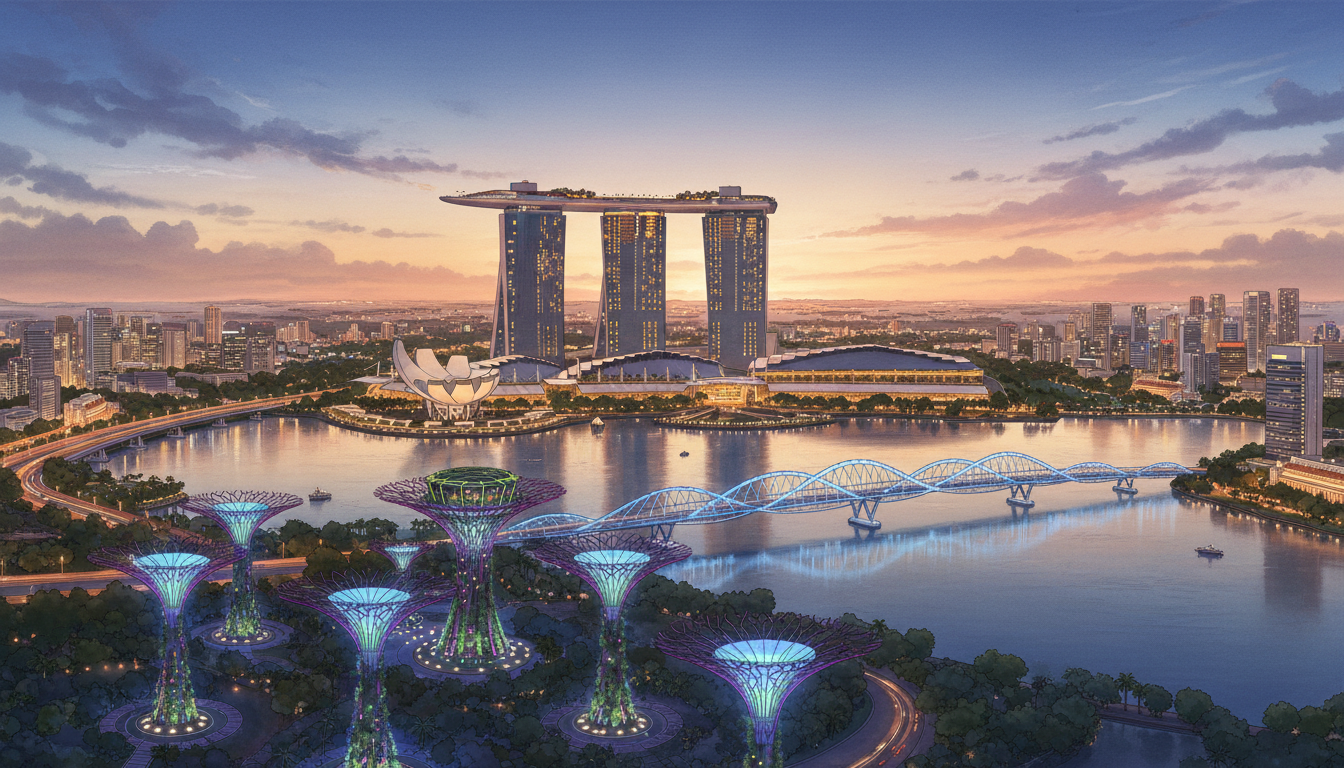
Singapore First Trip: Complete Plan Places And Tips

Ananya Sharma
November 25, 2025
Plan your first Singapore trip with practical 3-5 day itinerary formats, stay-area strategy, MRT planning, and budget-focused travel tips.
Singapore Overview for First-Time Travelers
Singapore is one of the easiest international destinations for first-time travelers because it offers reliable public transport, compact urban planning, clear tourist infrastructure, and a strong mix of food, shopping, skyline attractions, and family-friendly activities. Most first-time issues here are not about safety or confusion, but about overplanning too many attractions into too few days. A smart trip to Singapore is less about rushing landmark count and more about route efficiency, neighborhood-based planning, and realistic daily pacing.
This first-time Singapore travel guide is designed for execution. You will get practical 3-day, 4-day, and 5-day itinerary frameworks, stay-area logic, MRT and bus planning, budget control methods, and common mistakes to avoid. Before finalizing your schedule, compare attraction options in places to visit Singapore, prioritize icons like Gardens by the Bay Singapore, and use shopping Singapore if retail is part of your plan.
Best Time to Visit Singapore and Ideal Trip Duration
Singapore is a year-round destination, but trip comfort depends on humidity tolerance, event timing, and how packed your days are. Since weather is generally warm and humid across most months, your planning focus should be itinerary rhythm and indoor-outdoor balance rather than hunting a perfect weather window.
Month Selection Strategy
Choose months based on flight fares, crowd levels, and event calendars rather than expecting dramatic climate shifts. A balanced approach usually gives better value than date perfectionism.
How Many Days Are Enough?
Three days can cover highlights, four days provide a comfortable first-time pace, and five days allow leisure, shopping, and niche add-ons without rushing. For most first-time travelers, four days is the best balance.
| Trip Length | Pace | Best For |
|---|---|---|
| 3 Days | Fast | Landmark-focused short breaks |
| 4 Days | Balanced | Most first-time visitors |
| 5 Days | Relaxed | Families and slow-travel plans |
First-Time Singapore Itinerary Options (3, 4 and 5 Days)
The best approach is to build your days by area. This reduces time loss in transit and keeps energy steady.
3-Day Singapore Itinerary (Highlights)
Day 1: Marina Bay and nearby icons. Day 2: Sentosa or activity block plus evening city walk. Day 3: Culture + shopping + departure-friendly schedule. This format works for short international breaks.
4-Day Singapore Itinerary (Most Practical)
Day 1: Arrival + light city orientation. Day 2: Marina Bay and major landmarks. Day 3: Sentosa-side activities or theme-focused day. Day 4: Culture neighborhoods, markets, and shopping before departure. This structure avoids rushed sightseeing.
5-Day Singapore Itinerary (Comfort + Flexibility)
Add one flexible day for museums, nature reserve, niche food zones, or family attractions. Keep this day adaptable for weather and energy conditions.
| Day Format | Focus Zone | Planning Benefit |
|---|---|---|
| Core Landmark Day | Marina Bay cluster | Icon coverage with less transit |
| Activity Day | Sentosa/experience zone | Theme-based planning clarity |
| Culture Day | Heritage neighborhoods | Balanced city understanding |
| Shopping Day | Retail districts | Controlled discretionary spending |
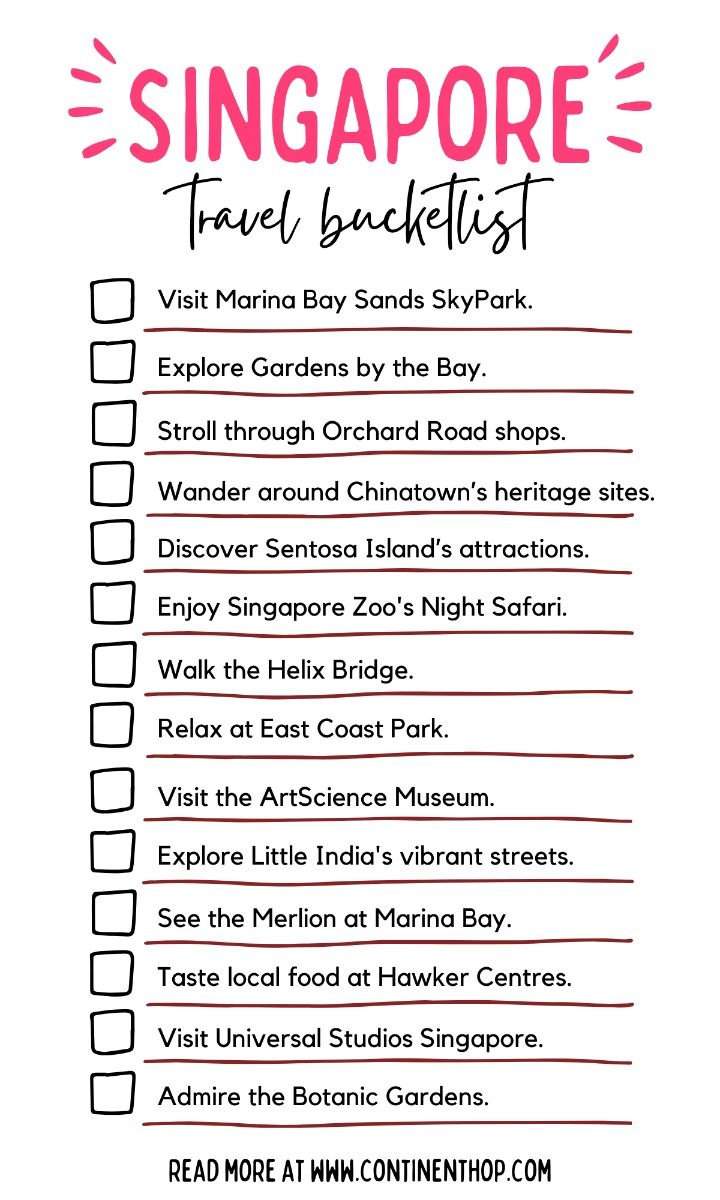
Where to Stay in Singapore (Area-Based Planning)
For first-time travelers, stay location affects trip quality more than hotel category. A practical location can save time, reduce transit fatigue, and make late-evening return easier.
Central/Connected Areas
These are ideal for first visits because attractions are easier to access through MRT and buses. They support both landmark-heavy and mixed itineraries.
Budget-Aware Areas
Budget travelers can choose well-connected zones slightly away from premium central pockets. The key is transport access, not just lower room price.
Family Stay Strategy
Families should prioritize room practicality, nearby food options, and predictable commute time to key attractions.
| Stay Priority | What to Check | Why It Matters |
|---|---|---|
| Connectivity | Distance to MRT/bus links | Saves daily transit time |
| Meal Access | Nearby food options | Reduces late-hour hassle |
| Safety/Comfort | Well-reviewed property zone | Smooth first-time experience |
| Cost Control | Total stay + transport together | More accurate budget planning |
How to Get Around Singapore (MRT, Buses, Cards and Tips)
Singapore public transport is efficient and first-time friendly. Most travelers can cover key attractions with MRT plus short walking stretches. Taxi or ride-hailing is useful for late returns, family comfort, or heavy shopping days.
MRT-First Strategy
Plan each day by nearest MRT-linked clusters. This prevents repeated crisscross movement and preserves energy.
Bus + Last-Mile Combination
Buses are practical for local connectors and can reduce walking in humid conditions. Use them as a supporting mode, not necessarily your primary route tool.
When to Use Taxis
Reserve paid car rides for time-sensitive windows or when group comfort is a priority. Overuse of ride-hailing can inflate your budget quickly.
| Transport Mode | Best Use Case | Budget Impact |
|---|---|---|
| MRT | Daily core movement | Most cost-efficient |
| Bus | Short connectors | Low cost with route planning |
| Taxi/Ride-hailing | Late, family, or urgent transfers | Higher but convenient |
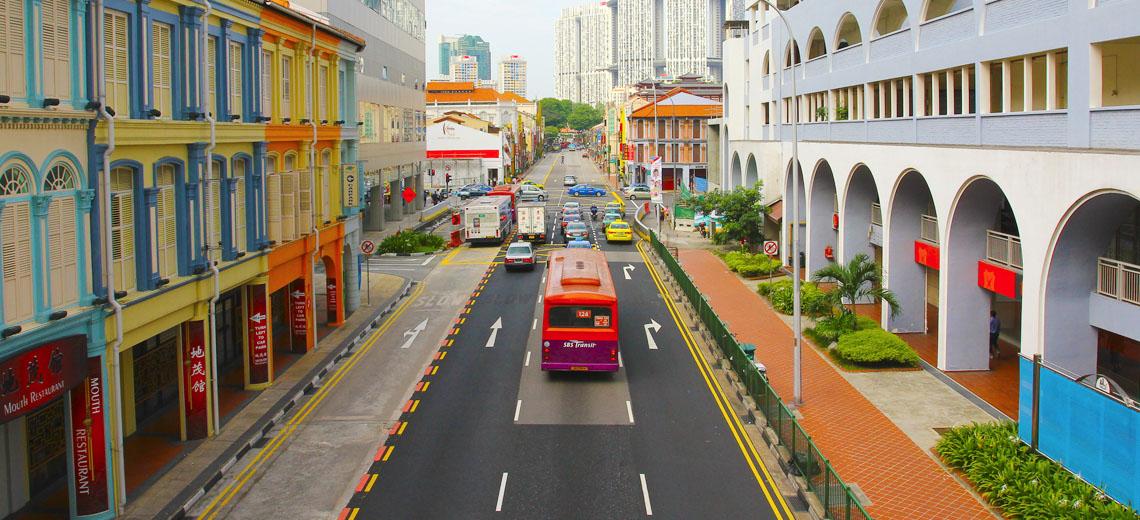
Singapore Budget Planning for First-Time Visitors
A realistic budget should be split into stay, local transport, food, attractions, shopping, and contingency. First-time travelers often underestimate optional spends like retail, premium viewpoints, and paid experiences.
Practical Budget Structure
Set a fixed daily baseline and a separate optional budget. This allows flexibility without disturbing total cost control.
Food and Attraction Cost Control
Mix value-friendly food options with selected premium dining slots. For attractions, prioritize must-do experiences and skip low-value duplicates.
Shopping Expense Discipline
Keep shopping for the final one or two days so you can decide based on remaining budget. If you plan focused retail time, references like malls in Singapore and Mustafa Centre Singapore help structure your route.
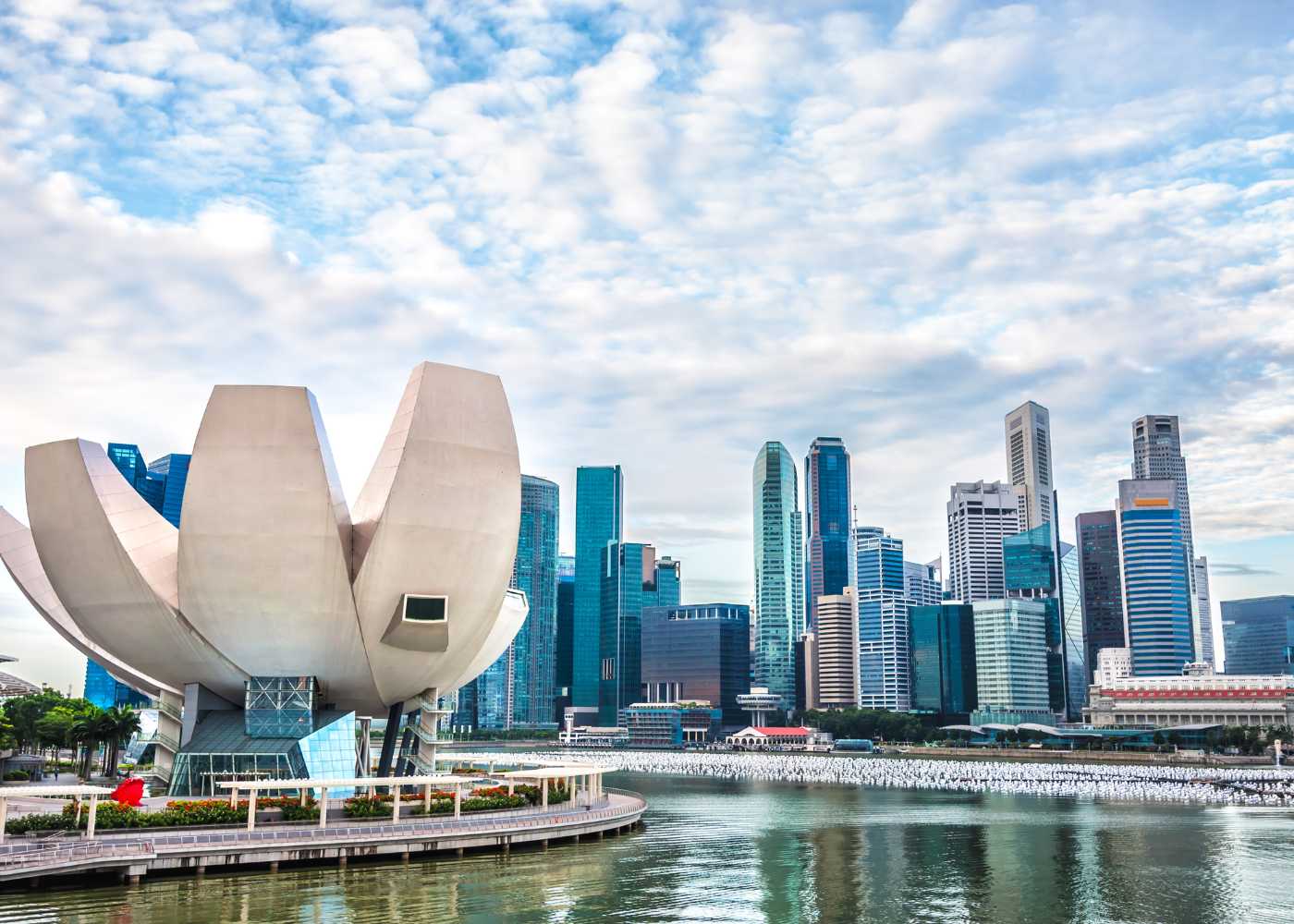
Practical First-Time Tips and Common Mistakes to Avoid
Do Not Overpack Every Day
Singapore has many attractions, but overloading your schedule reduces experience quality. Keep one light block each day for flexibility.
Plan by Area, Not by Random Popularity
Attraction checklists from social media often ignore route efficiency. Use neighborhood clustering for better execution.
Respect Humidity and Walking Load
Hydration, light clothing, and break windows are important. First-time travelers often underestimate how humidity affects pace.
Use Evenings Smartly
Reserve evening windows for skyline, light shows, and compact local walks. For night planning, you can shortlist options from nightlife Singapore and cultural walk zones like Arab Street Singapore or Haji Lane Singapore.
Final Takeaway
A strong first Singapore trip is built on simple fundamentals: choose the right trip length, plan days by area, use MRT efficiently, and track spending by categories. For most travelers, a four-day plan with one flexible half-day gives the best balance between landmark coverage and comfort. Keep expectations practical, and Singapore becomes one of the smoothest first international trips to execute.
Sample 4-Day Singapore Plan with Time Blocks
A time-block structure is useful for first-time travelers because it prevents overbooking and helps you keep a realistic pace. Use mornings for core attractions, afternoons for indoor or shaded experiences, and evenings for skyline or market walks. This keeps humidity fatigue manageable and improves daily consistency.
| Day | Morning | Afternoon | Evening |
|---|---|---|---|
| Day 1 | Arrival + check-in | Light orientation walk | Nearby food and rest |
| Day 2 | Marina Bay icons | Museum/indoor break | Skyline and light show zone |
| Day 3 | Activity or island block | Transit + recovery slot | Neighborhood walk |
| Day 4 | Cultural district | Shopping and packing | Departure buffer |
Neighborhood Planning for First-Timers
Singapore becomes easier when you think in neighborhoods, not attraction lists. Keep each day centered around one primary zone and one secondary nearby zone. This method reduces transit overhead and creates more breathing space for meals and unplanned discoveries.
How to Balance Culture, Icons and Shopping
A good first trip usually combines one icon-heavy day, one culture and street-walk day, one activity day, and one shopping or flexible day. This mix avoids burnout while still covering major interests.
Weather and Indoor Backup Strategy
Singapore weather can shift quickly with short rain windows. Keep one indoor alternative ready for each day so plans stay smooth without wasting travel time.
First-Time Budget Snapshot Table
Your budget should include unavoidable essentials and optional discretionary spend. Many first-time visitors plan flights and stay carefully but forget shopping and paid attraction add-ons. A category-wise model gives better control.
| Expense Category | Core Spend Type | Control Method |
|---|---|---|
| Stay | Daily room cost + taxes | Choose connected areas, compare total commute cost |
| Transport | MRT/bus + selective taxis | Use MRT-first route planning |
| Food | Daily meals + snacks | Set meal cap and preselect 1-2 splurge slots |
| Attractions | Tickets and experiences | Prioritize must-do list before booking |
| Shopping | Souvenirs and retail | Reserve shopping for final days |
| Contingency | Unexpected changes | Keep a dedicated buffer amount |
Arrival and Departure Day Checklist
Keep arrival day light and avoid high-ticket attractions immediately after landing. On departure day, add a fixed airport buffer and keep final attractions near your stay zone. This prevents stress and avoids last-minute expensive transfers.
Documents and Connectivity
Ensure travel documents, accommodation details, and local connectivity setup are ready before departure. First-day smoothness often depends on this small checklist.
Packing Tips for Urban Mobility
Carry breathable clothing, light walking shoes, a compact umbrella, and a refillable water bottle. Singapore rewards light, practical packing for daily city movement.
Location
Frequently Asked Questions
Q1.How many days are enough for a first Singapore trip?
Q2.What is the best month to visit Singapore?
Q3.Is Singapore suitable for family travel?
Q4.What is a realistic first-time Singapore budget?
Q5.Which area should first-time travelers stay in Singapore?
Q6.Is public transport in Singapore easy for tourists?
Q7.What are the common mistakes first-time visitors make?
Q8.Can Singapore be explored comfortably without a packed schedule?
Recommended For You
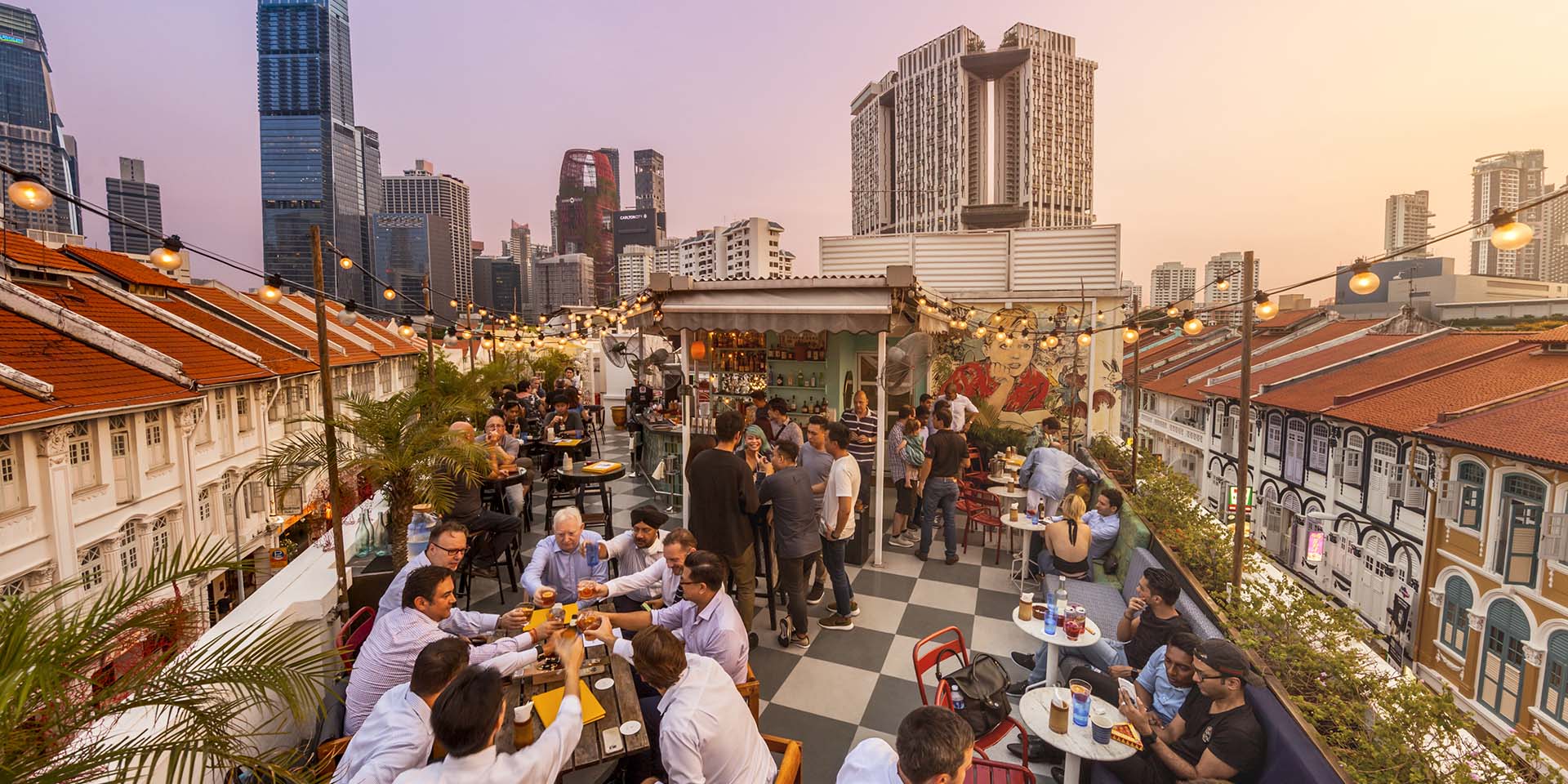
Nightlife in Singapore: Complete Guide to Best Bars, Clubs & Entertainment 2026
Discover Singapore nightlife: rooftop bars, clubs, speakeasies & late-night food. Complete 2026 guide with best areas, prices, safety tips & itineraries.
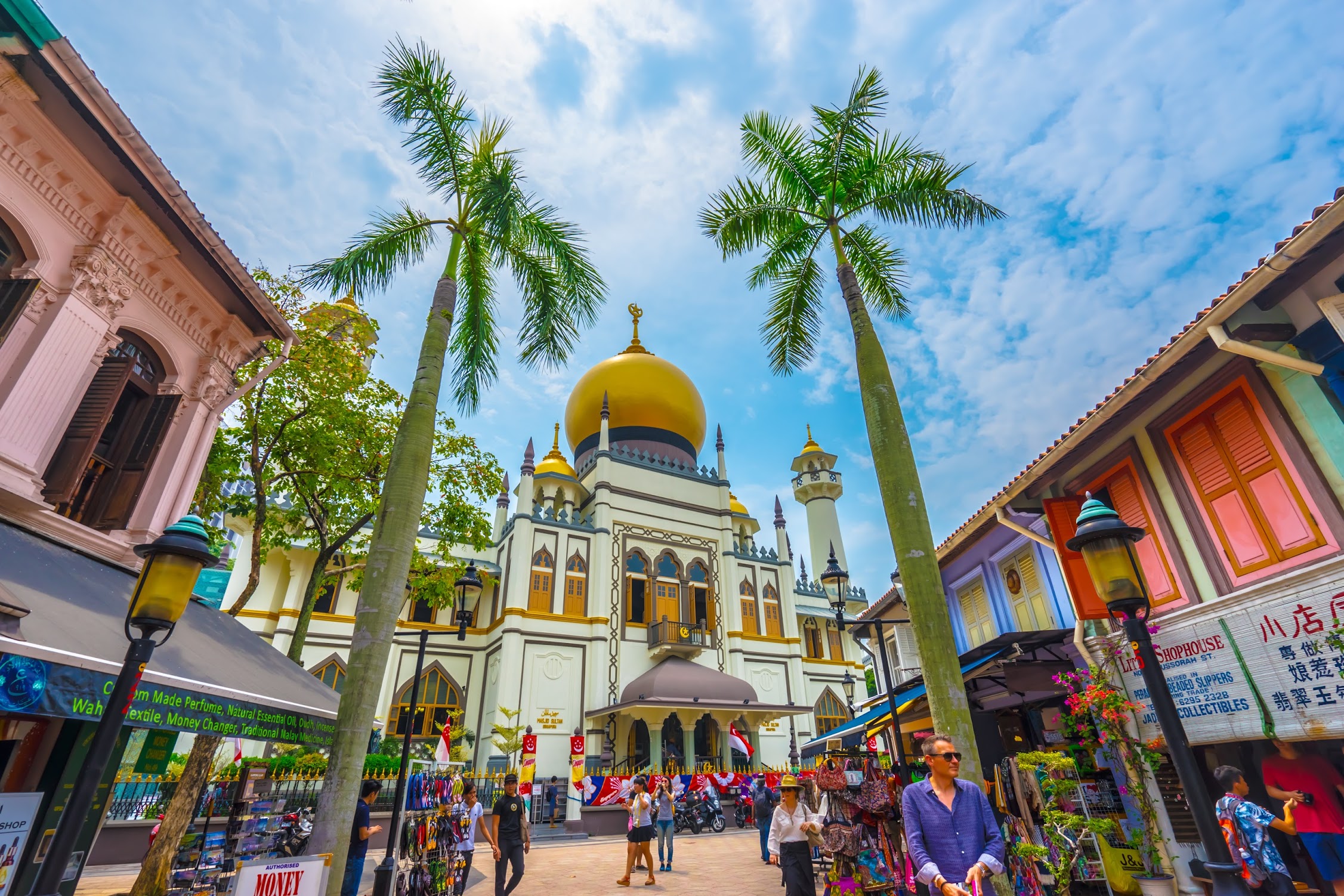
Arab Street Singapore: Shopping, Cafes, Murals & Walking Route
Discover Arab Street Singapore: A vibrant cultural district offering shopping for Persian carpets, textiles, Middle Eastern cuisine, and the magnificent Sultan Mosque in Kampong Glam.
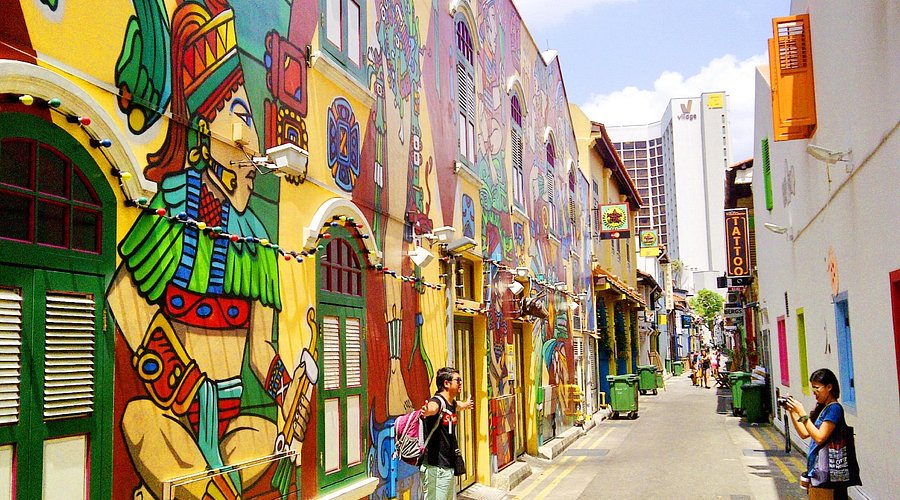
Haji Lane Singapore: Shopping, Cafes & Art
Explore vibrant Haji Lane in Singapore! Discover street art, boutique shops, hip cafes & bars. Complete guide to Kampong Glam's coolest lane.
Never Miss an Adventure
Get the latest trekking guides, travel tips, and exclusive offers delivered straight to your inbox.
