

Shopping in Ambala Haryana: Market Areas, Cloth Hubs & Local Buys

Rohan Malhotra
January 16, 2026
Discover shopping in Ambala Haryana: home to India's largest cloth market and scientific instruments hub. Complete guide to markets, wedding shopping & what to buy.
Shopping in Ambala Haryana: Markets, Cloth Hub, and Specialty Buying Guide
Ambala is not a typical tourist-shopping city. It is a functional trade city with two strong identities: large-scale textile buying and a unique scientific instruments market. That combination makes Ambala useful for both regular travelers and category-specific buyers. If you plan correctly, you can complete budget shopping, wedding-clothing comparisons, and specialty purchases in one compact city run.
The city is broadly split between Ambala Cantt and Ambala City zones, each with a slightly different retail mood. Cantt side feels more structured, while city-side markets offer stronger local-market pricing behavior. If you are building a North India shopping route, compare this with shopping in Amritsar and then allocate textile-heavy budgets to Ambala where rates can be competitive.
Why Ambala Cloth Market Is So Popular
Ambala's cloth trade has regional reputation, especially for wedding and bulk fabric buying. You can find suit materials, saree categories, ethnic sets, and ready-made family-shopping options in multiple price bands. The main strength is range and rate diversity.
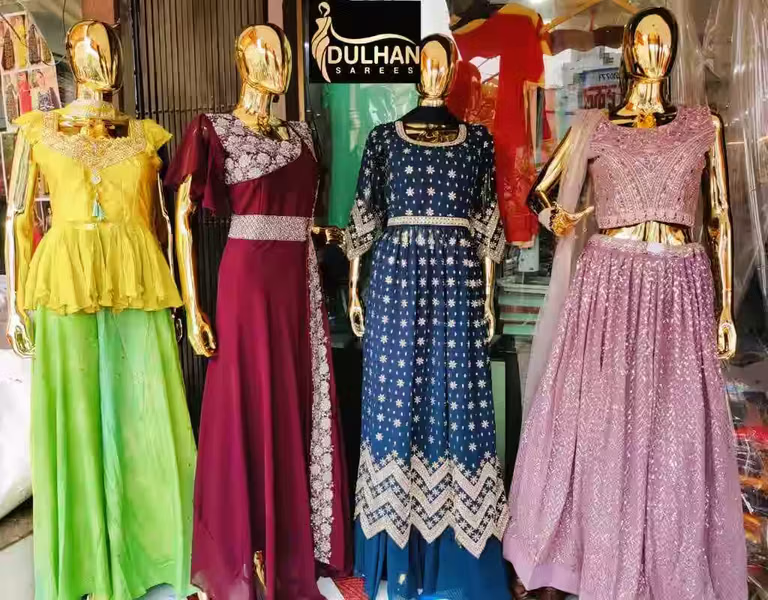
Best use cases for cloth market buyers
- Wedding-family coordinated shopping
- Bulk fabric purchase for tailoring needs
- Budget-to-midrange ethnic category buying
- Festival shopping with multi-item discounts
Before final payment, compare texture quality, colorfastness hints, and stitching readiness if buying semi-stitched sets.
Scientific Instruments Market: Ambala's Unique Advantage
Ambala is widely known for laboratory and educational science supplies. This category attracts institutions, schools, and technical buyers from different regions. Even if you are not buying equipment, this market identity explains why Ambala remains commercially strong and distinct from regular tourism markets.
If your trip purpose includes institutional procurement, shortlist reliable vendors, ask certification details, and request proper invoicing. This market is more specification-driven than style-driven.
Main Shopping Zones in Ambala
Ambala Cantt market areas
Good for mixed category shopping with easier navigation and broader branded visibility.
Ambala City traditional markets
Better for local-range products and value-driven lane shopping.
Cloth-focused zones
Best for fabric comparison and wedding categories.
Category-specific specialist lanes
Useful for tools, utility products, and specialty trade buying.
If you want a metro benchmark for category spread and fixed-price comfort, compare with shopping in Delhi before deciding where to spend more time.
What to Buy in Ambala
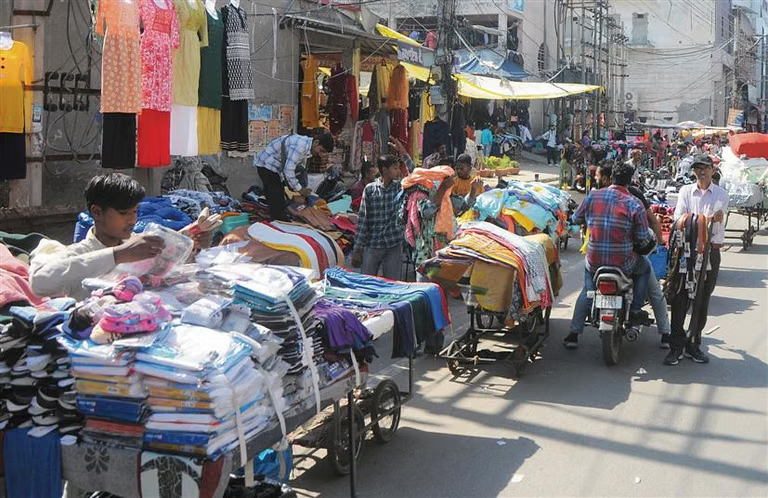
- Suit and saree fabrics in varied price ranges
- Wedding-oriented ethnic shopping sets
- Household textile utility items
- Category-specific science and lab supplies
- Footwear and accessories in mixed segments
Ambala works best for practical buyers. It may not feel highly curated like luxury retail zones, but value and range are strong when you compare patiently.
Wedding Shopping in Ambala: Practical Approach
Ambala is often used as a wedding-shopping support city for families wanting multi-category purchases at controlled budgets. Build a checklist before you enter market lanes: bride-side essentials, groom-side sets, family-coordination pieces, and accessory categories. This avoids repetitive purchases.
If your itinerary includes upscale finishing options later, combine with shopping in Gurugram for premium-brand layering after core category buying in Ambala.
Bargaining, Budget, and Billing Tips
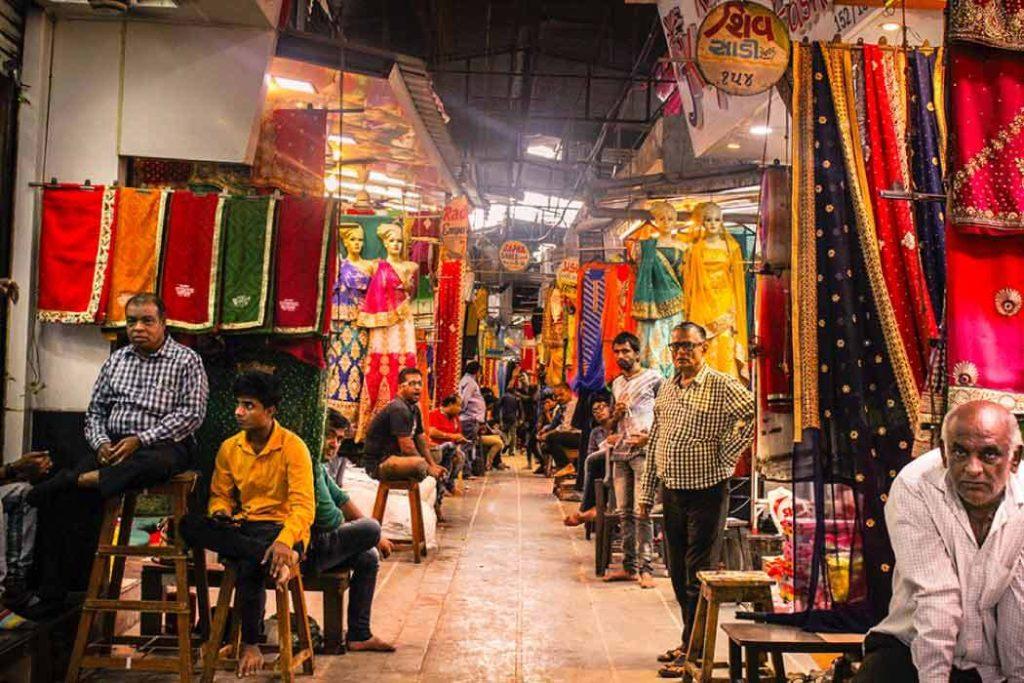
- Start with category scan, then negotiate.
- Ask bundle rates for multi-item buying.
- For fabric, confirm cut length and return policy clearly.
- Collect invoices for higher-ticket or bulk buying.
- Keep both cash and digital payment options ready.
Bargaining is usually possible in lane markets and less flexible in fixed-format stores. Respectful negotiation works better than aggressive price cuts.
Best Time to Shop in Ambala
Morning to late afternoon is best for comparison buying. Evenings are active but denser. During wedding seasons and festive windows, range is stronger but crowd pressure rises. Weekdays are usually better for detailed selection.
Food Break and Shopping Rhythm
Ambala market days are easier when split into 90-minute shopping blocks followed by short breaks. This improves decision quality and reduces impulse buying. Keep snacks or meal breaks between category shifts instead of stopping randomly in peak buying moments.
How to Plan a Half-Day Ambala Shopping Route
Start with textile cluster comparison, move to city-side practical buys, and finish with any specialist category purchase. Keep last 30 minutes for return-to-shop decisions. Most budget leakage happens when buyers skip the revisit step.
For festive-textile design comparisons beyond Haryana, keep shopping in Jaipur as an optional extension city in your route.
Final Takeaway
Ambala is a utility-first shopping city with genuine strength in cloth trade and specialty commercial categories. It rewards organized buyers more than impulse shoppers. Build category lists, compare smartly, negotiate calmly, and you can complete high-value shopping with better budget control than many bigger cities.
Ambala Shopping Workflow for Families
Families shopping in Ambala should plan by person group, not by market lane. Complete primary outfit categories first, then accessories, then optional add-ons. This keeps budget discipline and avoids duplicate textile buying.
If you are doing wedding shopping, assign one member to track spend and another to track category completion. This simple role split improves speed and accuracy in busy market conditions.
Cloth Market Quality Checks
- Check cut-length accuracy before billing
- Inspect color bleeding risk in darker fabrics
- Verify lining compatibility for tailored outfits
- Ask about exchange timelines clearly
For bulk purchase, ask both per-meter and per-set rates, then compare. Sellers often quote differently depending on billing format.
Best Time to Avoid Rush
Late-morning windows usually offer better movement and more focused seller attention. Peak festival and weekend evenings are strong for variety but weaker for careful decision-making. Prioritize weekdays for serious fabric comparisons.
Bulk and Occasion Buying in Ambala
Ambala is efficient for planned bulk purchases if you decide category priorities before entering markets. Wedding buyers should lock primary outfits first, then move to supporting categories like dupattas, accessories, and footwear.
For fabric-heavy shopping, carry rough measurement requirements in advance. This avoids overbuying and reduces tailoring mismatch later. Confirm cut lengths clearly during billing.
If you are traveling back by train or road same day, keep heavy fabric bundles packed in separate carry bags to reduce handling confusion.
Quick Buyer Checklist Before You Leave Ambala
Before leaving Ambala, do a final category audit: billed items, pending alterations, and transport packing. Many shoppers lose value by skipping this last review and later realizing they missed matching pieces or duplicate colors. Keep one simple photo log of your final purchases so family buyers can confirm coverage quickly.
For textile-heavy shopping, separate delicate pieces and everyday utility fabrics while packing. This makes post-trip tailoring and gifting easier. If you still have spare budget, reserve it for practical repeat-use items rather than trend-only impulse buys.
Location
Frequently Asked Questions
Q1.What are the best shopping places in Ambala?
Q2.What is Ambala famous for shopping?
Q3.Which market is best for clothes in Ambala?
Q4.Where to buy scientific instruments in Ambala?
Q5.Is Ambala good for wedding shopping?
Q6.What to buy from Ambala?
Q7.What are market timings in Ambala?
Q8.Is Ambala market open on Sundays?
Recommended For You
Connaught Place Delhi: Shopping Blocks, Restaurants & Metro Access
Explore Connaught Place Delhi: shopping, dining, brands, markets, tips & timings. Complete guide to Delhi's iconic circular market district.
Shopping in Jaipur: Johari, Bapu & Tripolia Bazaar Picks
Explore shopping in Jaipur. Johari Bazaar, textiles, handicrafts, jewellery & what to buy with bargaining tips & location guide.
Shopping in Patiala: Phulkari, Traditional Wear & Local Markets
Discover shopping in Patiala with our guide to Phulkari embroidery, Patiala suits, Jutti, traditional markets, and Punjabi heritage.
Never Miss an Adventure
Get the latest trekking guides, travel tips, and exclusive offers delivered straight to your inbox.
