
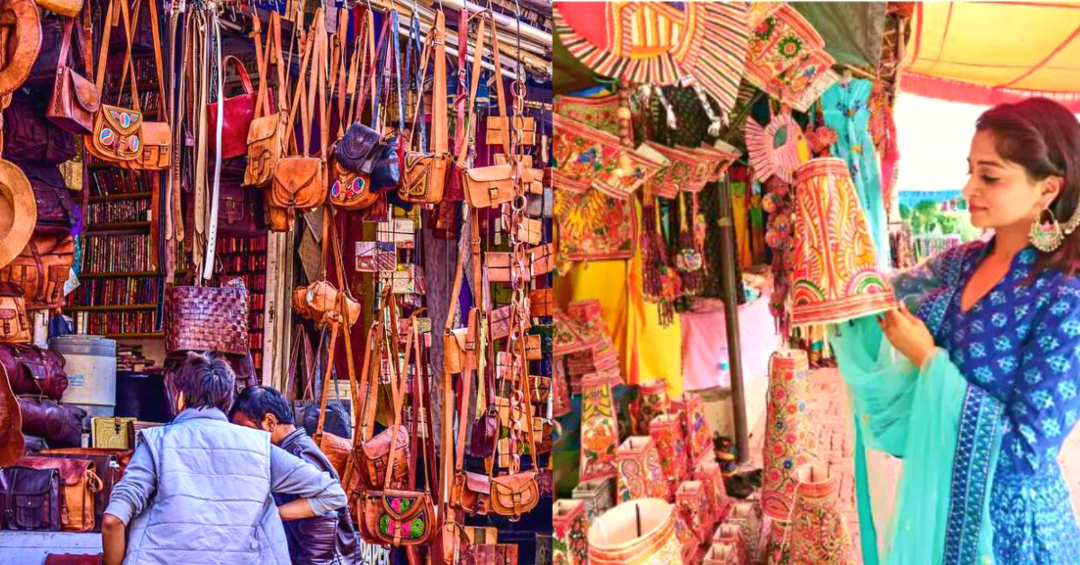
Shopping in Jaipur: Johari, Bapu & Tripolia Bazaar Picks

Rohan Malhotra
December 18, 2025
Explore shopping in Jaipur. Johari Bazaar, textiles, handicrafts, jewellery & what to buy with bargaining tips & location guide.
Introduction: Shopping in the Pink City
For broader India shopping comparison, travelers often pair this with shopping in Delhi and shopping in Mumbai.
Jaipur, the vibrant capital of Rajasthan, stands as one of India's most enchanting shopping destinations. Known as the Pink City for its distinctive rose-colored architecture, Jaipur offers visitors an immersive journey into Rajasthan's rich artistic heritage. The city's bazaars burst with colors, aromas, and sounds that have attracted traders and travelers for centuries. From glittering jewels to handwoven textiles, every market tells stories of skilled artisans who have perfected their crafts across generations.
What makes shopping in Jaipur truly special is the authenticity of its offerings. Unlike many modern cities where commercialization has diluted traditional crafts, Jaipur's markets remain firmly rooted in age-old techniques. The city serves as Rajasthan's cultural heart, where you'll find everything from royal Kundan jewellery worn by maharajas to simple block-printed fabrics that decorate rural homes. This guide will navigate you through the best shopping areas, help you identify authentic products, and ensure you bring home treasures that capture the essence of Rajasthan.
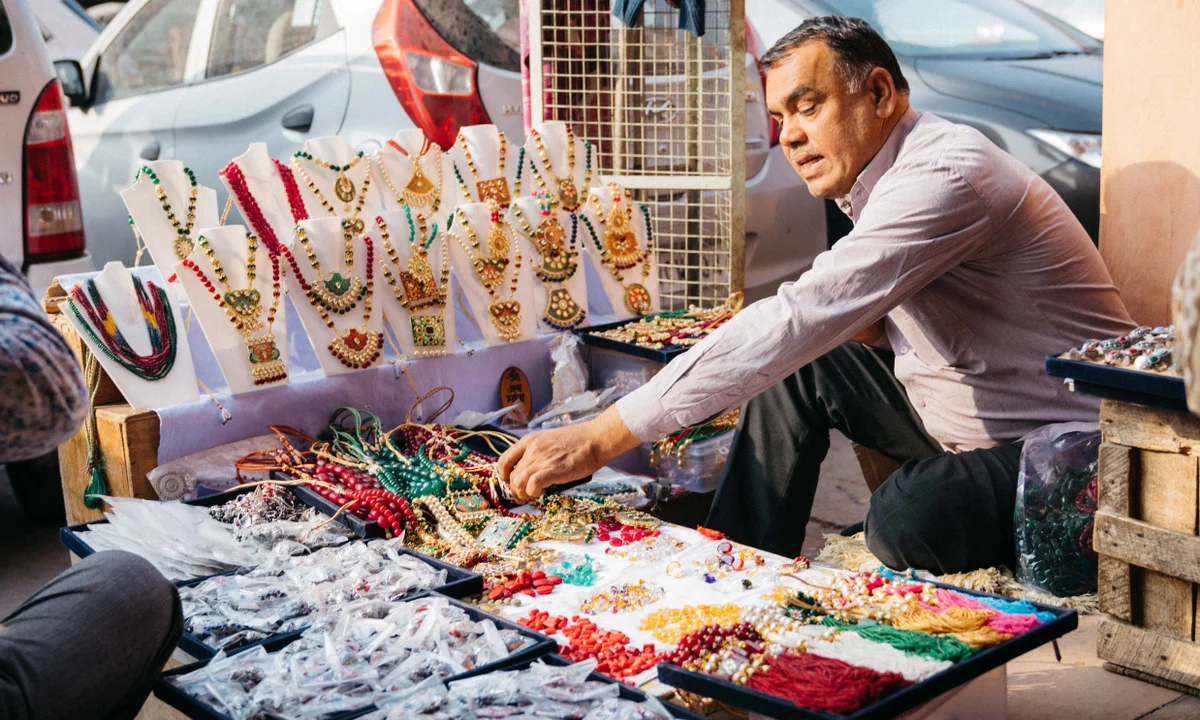
Whether you're a serious collector of Indian handicrafts or a casual traveler seeking meaningful souvenirs, Jaipur's diverse shopping landscape caters to every budget and interest. The city's unique blend of royal heritage and living craft traditions creates an unparalleled shopping experience that goes far beyond mere commerce—it's a cultural immersion that connects you with centuries of artistic excellence.
Johari Bazaar: Jaipur's Jewellery Paradise
If you are evaluating pearl and gemstone alternatives, compare with shopping in Hyderabad before final purchase decisions.
Johari Bazaar stands as Jaipur's most famous jewellery market, drawing jewelry enthusiasts from across India and abroad. The name itself derives from 'Johar,' meaning jewel, and this centuries-old market has earned its reputation as one of India's premier jewelry destinations. Located in the heart of the old city, its narrow lanes house hundreds of shops displaying an breathtaking variety of precious and semi-precious ornaments.
The market specializes in several distinctive Rajasthani jewellery styles. Kundan and Meenakari work represent the pinnacle of Jaipur's jewelry craftsmanship. Kundan involves setting uncut gemstones (polki) in gold, creating elaborate pieces that were once favored by Mughal courts. Meenakari is the art of enameling, with intricate colorful designs painted on the reverse side of jewelry pieces. Together, these techniques create some of India's most sophisticated traditional jewelry.
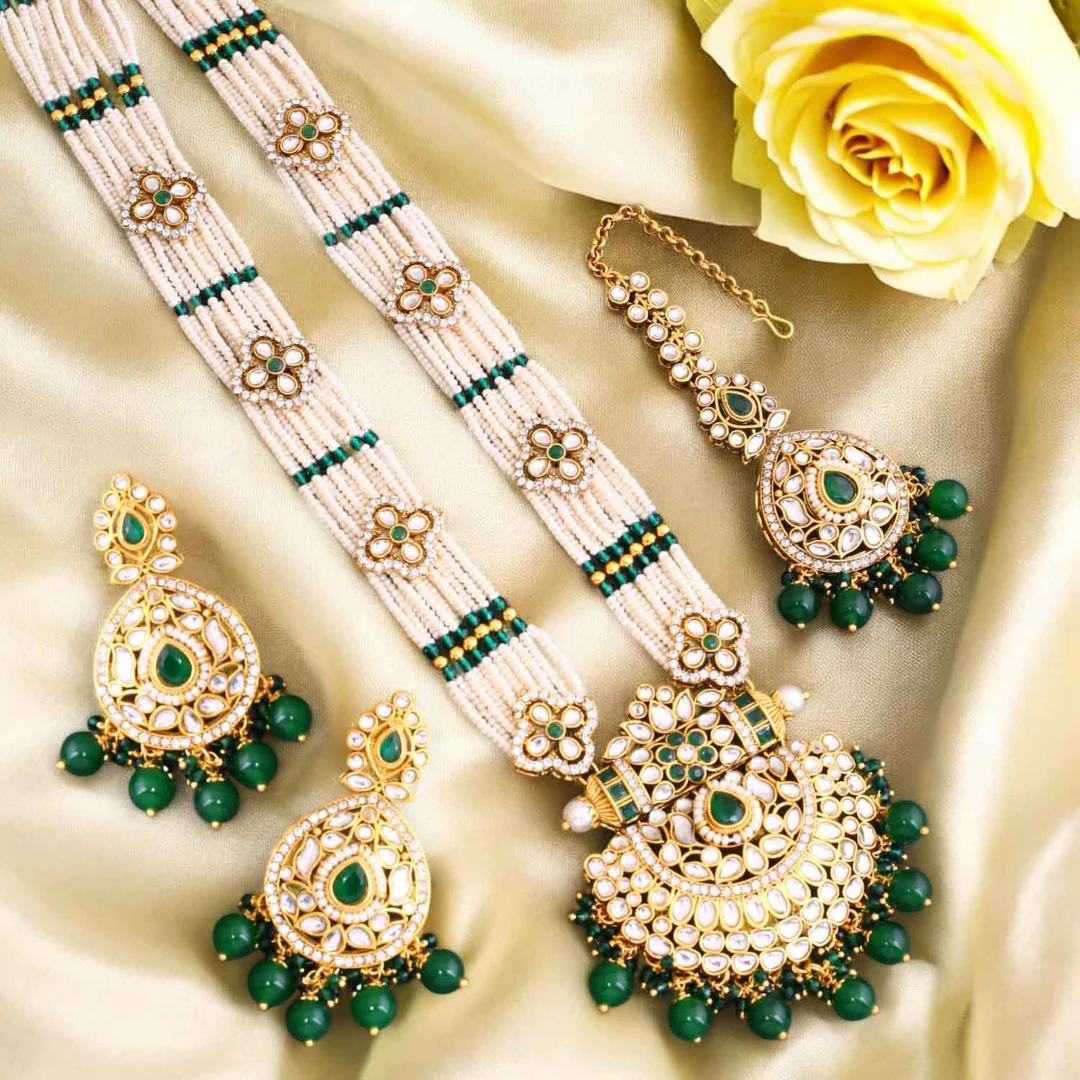
Beyond precious jewelry, Johari Bazaar is famous for lac bangles, colorful adornments that are essential to Rajasthani traditional dress. These bangles, made from lac resin and decorated with glass work, gold leaf, and tiny mirrors, are worn in stacks and make excellent gifts. The market also offers silver jewelry, temple jewelry, and contemporary designs that blend traditional techniques with modern aesthetics.
Shopping Tips for Johari Bazaar
When shopping for precious jewelry, always visit established stores with proper certification. Gold and diamond jewelry should come with BIS hallmarking and authenticity certificates. For gemstones, ask about treatment disclosures—many stones are enhanced to improve color or clarity. Bargaining is expected but more limited than in other markets; expect 5-10% discount at most. The best time to visit is mid-morning when shopkeepers are less busy and more willing to engage in detailed discussions about their craft.
Bapu Bazaar: Textiles and Traditional Fabrics
Bapu Bazaar offers a completely different shopping experience from Johari's glitter. This vibrant market specializes in textiles, fabrics, and ready-made garments that showcase Rajasthan's rich textile traditions. Named after Mahatma Gandhi, who emphasized Khadi and hand-spun fabrics, the market continues this tradition of promoting handcrafted textiles.
The market's star attraction is Rajasthani block-printed fabrics. Artisans use hand-carved wooden blocks to stamp intricate patterns onto cotton, silk, and other fabrics. Each block represents weeks of carving work, and skilled printers can create perfectly aligned patterns covering entire lengths of fabric. Look for Sanganeri prints (from nearby Sanganer town) characterized by delicate floral patterns on white backgrounds, and Bagru prints with more geometric designs using earthy colors.
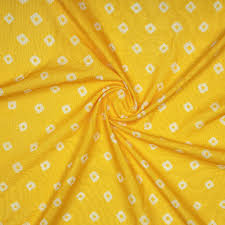
Bandhani (tie-dye) is another specialty. Artisans tie tiny portions of fabric with thread before dyeing, creating distinctive dot patterns when the threads are removed. This technique produces the famous Bandhani sarees and dupattas in vibrant reds, yellows, and blues—colors that represent Rajasthan's desert landscape. Bandhani work makes excellent lightweight gifts that pack easily.
Bapu Bazaar is also the place to shop for Jaipuri quilts (razais). These lightweight yet incredibly warm quilts are made from hand-carded cotton and traditionally feature vibrant printed covers or exquisite embroidery. A double-bed Jaipuri quilt can be folded to fit in a small suitcase, making it surprisingly practical for travelers. The market's lanes also offer mojaris (traditional embroidered footwear), colorful cushion covers, bedspreads, and ready-made Rajasthani garments including bandhgalas (jackets) and kurta-pajama sets.
Finding Authentic Textiles
Authentic block printing shows slight irregularities that prove its handcrafted nature. Machine-printed imitations will be perfectly uniform but lack the character and durability of genuine block prints. When buying quilts, check the quilting density—more stitches per inch indicates higher quality. For mojaris, try them on as sizing can be inconsistent, and look for sturdy stitching between the sole and upper.
Tripolia Bazaar: Traditional Brass and Handicrafts
Near the City Palace, Tripolia Bazaar offers another facet of Jaipur's craft heritage. This market specializes in brass utensils, lac jewelry, and traditional household items that have been part of Rajasthani homes for generations. The name Tripolia refers to the market's location near a triple-arched gate, and it's one of the oldest continuously operating markets in Jaipur.
Brass items are Tripolia's specialty. The market's shops display gleaming piles of brass utensils—from simple water pots to elaborate serving platters decorated with engravings. Many Indian families prefer cooking and eating from brass vessels, believing they have health benefits and improve food taste. These items make beautiful decorative pieces even if not used for cooking. Look for items with good weight and smooth finishes; thin, lightweight brass may be poor quality.
Lac jewelry, distinct from the lac bangles of Johari Bazaar, is also prominent here. Lac is a natural resin that artisans mold into jewelry, often inlaid with tiny mirrors, glass beads, or gold leaf. The resulting bangles, earrings, and necklaces are colorful, lightweight, and surprisingly affordable. Lac jewelry makes excellent gifts for its uniqueness and connection to Rajasthani tradition.
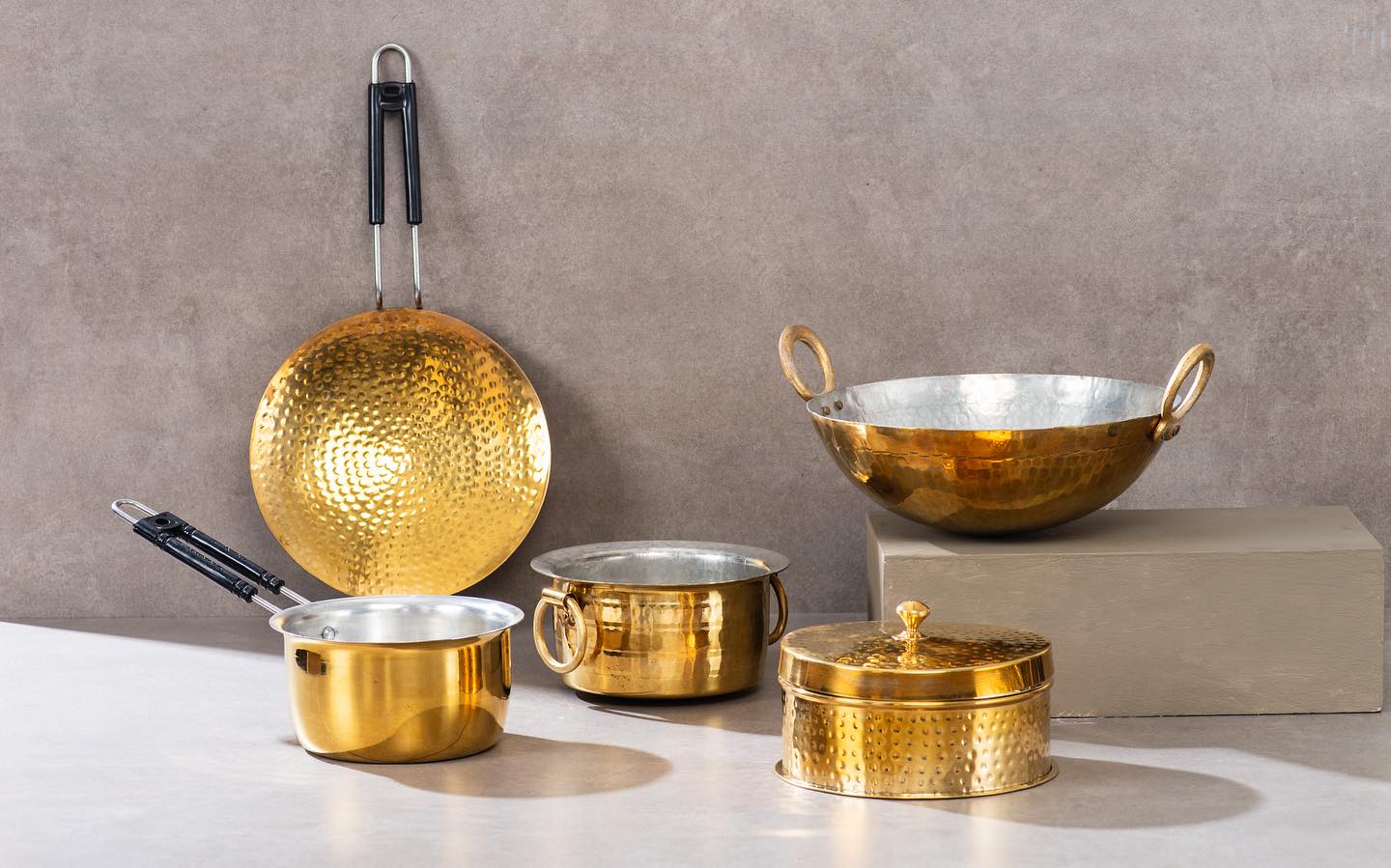
Tripolia also offers carpets and textiles, though at higher prices than Bapu Bazaar due to its tourist location. The market is particularly known for its durries (woven floor coverings) featuring geometric patterns in earthy tones. Unlike knotted carpets, durries are flat-woven, making them reversible and often more affordable.
Nehru Bazaar: Leather Goods and Mojaris
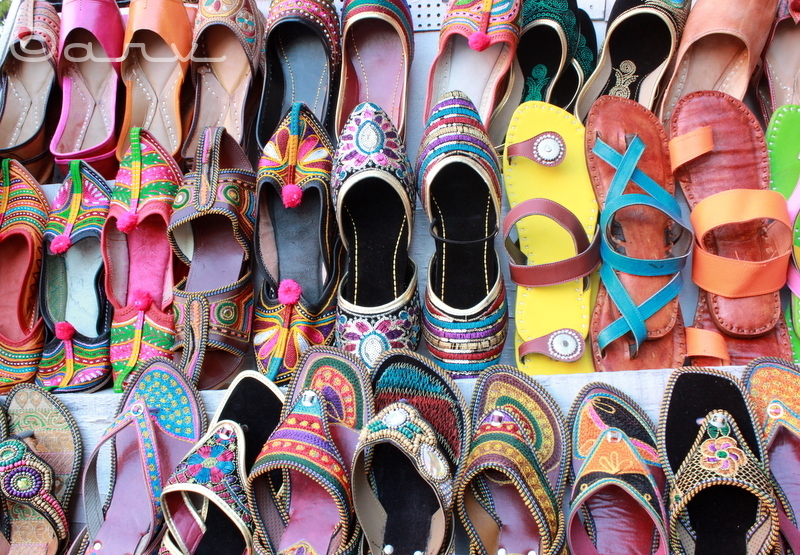
Nehru Bazaar, named independent India's first Prime Minister, is the go-to destination for leather goods and traditional footwear. The market's narrow lanes are lined with shops displaying rows of colorful mojaris (also called jootis)—the pointed, embroidered leather shoes that are synonymous with Rajasthani dress.
Mojari craftsmanship is an art form that has been recognized with a Geographical Indication tag, meaning authentic mojaris must be made in specific Rajasthan regions using traditional methods. Artisans start with vegetable-tanned leather (often camel leather) that softens with wear. The distinctive curled toe isn't just aesthetic—it originally accommodated different foot sizes within a single shoe. The upper is embroidered by hand using silk thread, beads, and sometimes even sequins.
When buying mojaris, expect them to feel snug initially—they stretch and mold to your feet with wear. Good quality mojaris have sturdy leather soles (avoid synthetic rubber soles that won't breathe) and neat embroidery with no loose threads. Prices vary widely depending on embroidery complexity and leather quality. Simple versions start around ₹500-800, while elaborate designer pieces can cost several thousand rupees.
Beyond footwear, Nehru Bazaar offers leather bags, belts, and accessories. Look for items made from vegetable-tanned leather rather than cheaper chrome-tanned versions. Vegetable tanning is more environmentally friendly and produces leather that develops a beautiful patina with age. Camel leather products are particularly good value—camel hide is tough, water-resistant, and develops character with use.
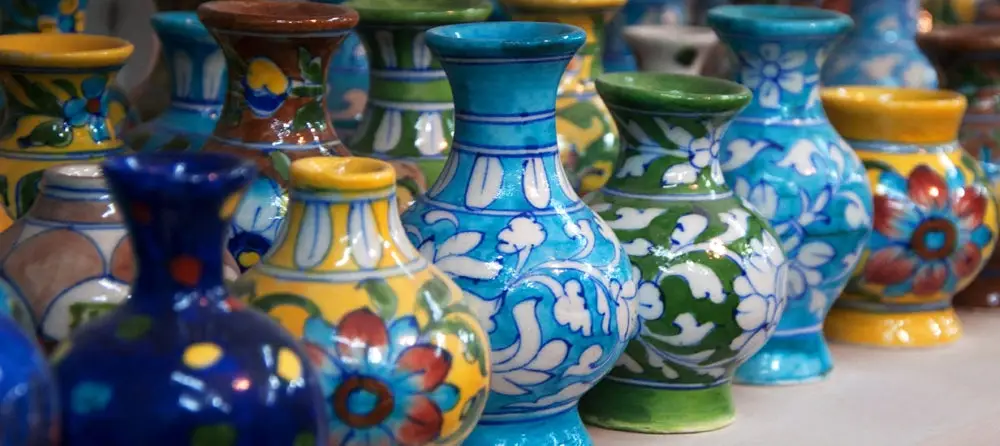
The market also stocks handicrafts including pottery, blue pottery items (from nearby Jaipur workshops), and colorful puppets that make great decorations or children's gifts. Prices here are generally reasonable, and bargaining is expected. Start at 40-50% below the asking price and negotiate respectfully toward a fair middle ground.
Modern Shopping: Malls in Jaipur
While traditional markets define Jaipur's shopping character, modern shopping malls cater to those seeking international brands, air-conditioned comfort, and one-stop shopping experiences. Several large malls have opened in recent years, reflecting Jaipur's growing status as a metropolitan city.
World Trade Park, located on the Jaipur-Ajmer highway, stands as Jaipur's most prominent mall. Its striking twin-tower design houses over 200 stores including international brands like Zara, H&M, and Marks & Spencer alongside Indian retailers. The mall features a large food court, multiplex cinema, and regular entertainment events. It's particularly popular during Jaipur's hot summer months when traditional markets can feel oppressive.
Pink Square Mall on Tonk Road offers another modern shopping option with a mix of national brands, local boutiques, and entertainment facilities. Triton Mall and Ganpati Plaza round out the major mall options, each with its own mix of retail stores, restaurants, and services.
Malls are best for international clothing brands, electronics, cosmetics, and books—items that aren't readily available in traditional markets. They also provide reliable quality and fixed pricing, which some travelers prefer. However, they don't offer the cultural immersion or authentic Rajasthani products that make Jaipur's shopping scene unique.
What to Buy in Jaipur: Souvenirs and Specialties
Beyond the specific markets, certain items represent quintessential Jaipur purchases that capture the city's essence. Understanding these specialties helps you prioritize your shopping and ensure you don't miss essential treasures.
Jewelry
Kundan and Meenakari jewelry represents the highest craft tradition. These intricate pieces use uncut diamonds (polki) set in gold with colorful enameling on the reverse. A single piece can take weeks to create and represents significant investment, but these are heirloom-quality works of art. For more affordable options, consider silver jewelry with traditional Rajasthani designs or lac bangles that offer color and craftsmanship at modest prices.
Textiles
Block-printed fabrics, whether as yardage, ready-made garments, or home furnishings, should top every shopper's list. Look for Sanganeri prints with delicate floral patterns or Bagru prints with more geometric designs. Bandhani tie-dye pieces, especially sarees and dupattas, make lightweight gifts that pack easily. Pashmina shawls (some genuine, many blended) are another specialty—handle carefully and check for softness and warmth.
Handicrafts
Blue pottery, named for its distinctive blue glaze, is unique to Jaipur. Originally brought from Persia, Jaipur artisans adapted the technique using local materials. Look for vases, plates, tiles, and decorative items featuring floral patterns in blue, green, and yellow against white backgrounds. These fragile items pack poorly but are beautiful if you can transport them safely.
Puppets (kathputlis) representing traditional Rajasthani characters make colorful decorations and gifts. Marble carvings, ranging from small boxes to large statues, showcase another local craft tradition. Miniature paintings, particularly those from the Jaipur school, offer intricate depictions of Rajasthani life and mythology on paper or ivory substitutes.
Spices and Food Items
Rajasthan's distinctive cuisine is reflected in its spice markets. Look for mathri (savory crackers), haldiram's snacks, and packaged Rajasthani spice mixes. Lahsun ki chutney (garlic chutney) is a Jaipur specialty. Different regions produce various types—some fiery hot, others sweet and tangy. Small quantities pack easily and offer flavors you can't find outside India.
Shopping Tips and Bargaining Etiquette
Successful shopping in Jaipur requires understanding local customs and bargaining practices. Unlike fixed-price retail in many Western countries, bargaining is expected and even enjoyed in Jaipur's traditional markets. However, it's an art that requires respect and strategy.
Bargaining Guidelines: Start by researching approximate prices for items you want. This gives you a baseline for negotiations. In most markets, sellers quote initial prices 30-50% above what they expect to receive. Begin your counter-offer at about 40% of the asking price and negotiate upward. Smile, be friendly, and show genuine interest in the item. Aggressive bargaining or getting angry is counterproductive. If you can't agree on a price, politely walk away—sometimes this prompts the seller to call you back with a better offer.
Quality Assessment: Examine items carefully before purchasing. For textiles, check for loose threads, uneven prints, or color bleeding (rub a damp white cloth on the fabric). For jewelry, verify hallmarking and ask for certificates. For handicrafts, look for quality of workmanship—intricate carving or painting should be clean and precise. Don't be afraid to handle items and ask questions about their making.
Payment and Shipping: Most established shops accept credit cards, but smaller vendors and market stalls are cash-only. Carry sufficient rupees for purchases. Many shops offer shipping services for large or fragile items. Get written quotes and understand insurance coverage before shipping internationally. Consider buying travel insurance that covers purchases if you're making significant investments.
Best Shopping Hours: Visit traditional markets in the morning when they're less crowded and shopkeepers have more time for you. Many shops close for afternoon rest (typically 1-4 PM), so plan accordingly. Evening shopping offers a lively atmosphere but can be overwhelming. Weekend markets are particularly busy; weekdays offer more relaxed shopping.
Cultural Sensitivity: Dress modestly, especially when shopping in older parts of the city. Ask permission before photographing people or shops. Don't touch religious items or sacred objects without permission. Remove shoes before entering certain shops or storage areas if asked.
Planning Your Shopping Route
For heritage-market contrast in the capital, include shopping in Chandni Chowk in your longer itinerary.
Jaipur's old city, where most traditional markets are located, is best explored on foot or by cycle-rickshaw. The markets form a rough rectangle, with Johari Bazaar to the east, Tripolia to the north, Bapu to the west, and Nehru completing the circuit. You can easily cover all four in a single day, though each deserves more focused attention if you're serious about shopping.
Start early at Johari Bazaar when jewelry shops open around 10 AM. Spend 2-3 hours here before moving to nearby Tripolia Bazaar. After lunch, continue to Bapu Bazaar for textiles, and finish at Nehru Bazaar for leather goods. If you're short on time, prioritize based on your interests—jewelry lovers might spend an entire morning in Johari Bazaar, while textile enthusiasts could happily browse Bapu Bazaar for hours.
Hiring a local guide can enhance your shopping experience significantly. Guides know reputable shops, can help with bargaining, and provide cultural context for crafts. Your hotel can recommend guides or you can book through Rajasthan Tourism's official guide service. Expect to pay ₹1,500-2,500 for a full day, which can easily pay for itself through better prices and avoided mistakes.
Jaipur's shopping scene offers an immersive cultural experience that goes far beyond mere acquisition of goods. Each purchase connects you with centuries of craft tradition and supports artisan communities keeping Rajasthan's artistic heritage alive. Approach with curiosity, patience, and respect, and you'll return home with treasures that carry stories of this remarkable city.
Location
Frequently Asked Questions
Q1.What are the best shopping areas in Jaipur?
Q2.What is Jaipur famous for shopping?
Q3.Are credit cards accepted in Jaipur markets?
Q4.Is bargaining acceptable in Jaipur?
Q5.What should I buy from Jaipur?
Q6.What are the market timings in Jaipur?
Q7.How to identify genuine Jaipuri products?
Q8.What is the best time to shop in Jaipur?
Recommended For You
Things to Do in Rajasthan: Desert, Heritage & Cultural Experiences
Discover 50 amazing things to do in Rajasthan - explore forts, palaces, deserts, culture & cuisine. Complete guide with timings, fees & tips for 2026.
Best Places to Visit in Jaipur: Forts, Bazaars & Royal Landmarks
Discover the best places to visit in Jaipur with forts, palaces, markets, timings strategy, transport tips, and practical 2-3 day itinerary planning.
City Palace Udaipur: Complete Guide to Mewar's Royal Heritage
Discover City Palace Udaipur, Rajasthan's largest palace overlooking Lake Pichola. Explore Mewar dynasty's heritage, museums & stunning Rajput architecture in this complete guide.
Never Miss an Adventure
Get the latest trekking guides, travel tips, and exclusive offers delivered straight to your inbox.
