

Shopping in Bir Billing: Complete Guide to Himalayan Treasures

Ananya Sharma
December 12, 2025
Shopping in Bir Billing: Discover Tibetan handicrafts, thangkas, carpets, local products & trekking gear. Complete shopping guide with bargaining tips.
Introduction: The Hippie Paradise's Shopping Scene
Bir Billing, known globally as India's paragliding capital, is also one of Himachal Pradesh's most charming shopping destinations. What makes shopping in Bir special is its unique blend of Tibetan culture, hippie influences, and local handicrafts. The Tibetan Colony in Bir, established in the 1960s, brings authentic Tibetan crafts, while the influx of international travelers has created a market for bohemian goods, spiritual items, and sustainable products. Whether you're looking for Tibetan thangkas, local handicrafts, trekking gear, or unique souvenirs, Bir's shopping scene offers treasures you won't find elsewhere.
What distinguishes Bir from other Himalayan shopping destinations is its authenticity and relaxed atmosphere. Unlike commercialized hill stations, Bir maintains its character as a laid-back village where shopping feels like a cultural exchange rather than a transaction. The Tibetan refugees who've made Bir their home for generations practice traditional crafts passed down from their ancestors, while local Himachali artisans contribute their distinctive woolen products and woodwork.
The shopping experience here is as much about the people as the products. Chatting with Tibetan artisans about their thangka paintings, watching local weavers create shawls, or bargaining with shopkeepers who become friends over chai - these interactions transform shopping into cultural immersion. And with everything significantly cheaper than tourist areas like Manali or McLeodganj, you can support local artisans while getting excellent value.

Top Shopping Areas in Bir
If you are planning a Himachal market circuit, start by comparing shopping in Dharamshala with Bir's slower buying pace.
Bir Tibetan Colony
The heart of Bir's shopping scene, the Tibetan Colony is home to numerous shops selling authentic Tibetan goods. The main street running through the colony is lined with shops on both sides, each offering something unique. This is where you'll find the most authentic Tibetan crafts, religious artifacts, and traditional clothing. The colony itself is beautiful - colorful prayer flags flutter between buildings, the sound of chanting monks drifts from the monastery, and the aroma of Tibetan bread fills the air.
Best For: Tibetan handicrafts, thangkas, religious items, traditional clothing
Timing: Most shops open by 9 AM and close around 7 PM. Avoid lunch hours (1-3 PM) when some shops close.
Bir Main Market
The main market area near the bus stand offers a mix of Tibetan goods, local Himachali products, and practical items for travelers. This is more commercial than the Tibetan Colony but still maintains a local feel. You'll find shops selling trekking gear, daily necessities, and souvenirs alongside handicrafts.
Best For: Trekking gear, souvenirs, daily necessities, mixed shopping
Colony Road Shops
The road leading to the Tibetan Colony has numerous smaller shops and cafes that often have unique items not found in the main market. Many of these are run by younger entrepreneurs offering contemporary designs based on traditional crafts.
Best For: Contemporary handicrafts, cafe shopping, unique finds
Billing Village
While Billing itself is small (famous primarily as the paragliding takeoff point), there are a few shops selling basic supplies and some local products. Don't come here specifically for shopping but check out what's available if you're visiting for paragliding.
Best For: Basic supplies, quick souvenirs if you're paragliding
What to Buy in Bir Billing
Travelers often pair this with shopping in Dalhousie for woolens and hill-station souvenirs.
Tibetan Handicrafts
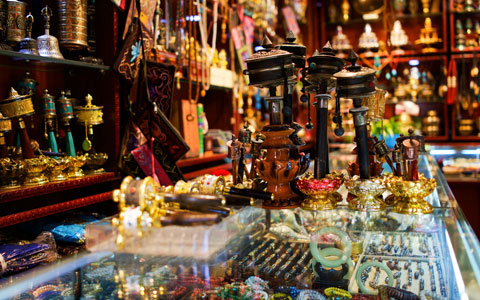
Thangka Paintings
Traditional Tibetan Buddhist paintings on cotton or silk appliqué, usually depicting a deity, mandala, or scene from Buddha's life. Bir has several excellent thangka painters, and you can watch them work in some shops. These are not just artworks but sacred objects blessed by monks.
Prices: Small (₹1,000-3,000), Medium (₹3,000-8,000), Large (₹8,000-20,000+)
Tip: Learn about thangka symbolism before buying. A genuine thangka should be properly blessed (ask for a blessing ceremony if purchasing).
Tibetan Carpets
Hand-woven woolen carpets with traditional Tibetan designs. The weaving center in the Tibetan Colony offers some of the best quality. These are durable, beautiful, and support traditional craftsmanship.
Prices: Small mats (₹800-2,000), Room carpets (₹3,000-10,000), Large carpets (₹10,000-30,000+)
Tibetan Jewelry
Featuring turquoise, coral, amber, and silver set in traditional designs. Look for authentic pieces - real turquoise and coral are expensive, so cheap imitations exist. The necklaces, bracelets, and earrings make distinctive gifts.
Prices: Bracetes (₹300-1,500), Necklaces (₹800-5,000), Elaborate pieces (₹5,000-15,000+)
Singing Bowls
Metal bowls used for sound healing and meditation. Authentic Tibetan singing bowls produce rich, harmonic tones when struck or circled with a mallet. Test the sound before buying - good bowls have complex, sustained tones.
Prices: Small (₹800-2,000), Medium (₹2,000-5,000), Large antique (₹5,000-15,000+)
Local Himachali Products
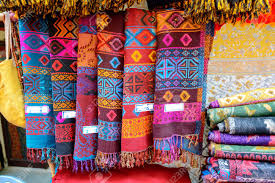
Kullu Shawls and Stoles
While Kullu is famous for its shawls, Bir offers excellent quality at often better prices. Look for pure wool or pashmina. Both machine-made and hand-woven options are available - hand-woven is more expensive but superior in quality and warmth.
Prices: Acrylic (₹300-800), Wool (₹800-2,500), Pashmina (₹2,500-8,000), Pure pashmina (₹8,000-20,000+)
Tip: Check the label for material content. Real pashmina is very expensive - if it's cheap, it's not genuine.
Local Handicrafts
Wood carvings, bamboo items, and traditional Himachali crafts. Look for hand-carved wooden bowls, bamboo baskets, and locally made furniture. These support local artisans and make unique home decor.
Prices: Small items (₹200-800), Medium pieces (₹800-2,500), Large carvings (₹2,500-8,000+)
Clothing and Textiles
Tibetan Clothing
Traditional Tibetan chubas (wrap-around dresses), waistcoats, and felt hats. These are beautiful, practical, and make great festival wear or costumes. Many shops also sell modern adaptations of traditional designs.
Prices: Waistcoats (₹600-2,000), Chubas (₹1,500-5,000), Felt hats (₹300-1,000)
Hippie/Bohemian Clothing
Bir's international community has created a market for bohemian fashion - tie-dye, harem pants, yoga wear, and ethnic fusion clothing. Many items are handmade by local designers using organic materials.
Prices: T-shirts (₹300-800), Pants/skirts (₹500-1,500), Dresses (₹800-2,500)
Spiritual and Meditation Items
Prayer Flags
Colorful cotton flags printed with prayers and mantras. Tibetan Buddhists believe they spread blessings as they flutter in the wind. Available in various sizes - perfect for decorating balconies, gardens, or meditation spaces back home.
Prices: Small strands (₹100-300), Large sets (₹300-800)
Mala Beads
Prayer beads used in meditation and mantra recitation. Available in various materials - sandalwood, lotus seeds, semi-precious stones. Traditional malas have 108 beads plus a guru bead.
Prices: Seed/wood (₹200-600), Semi-precious (₹600-2,000), Rudraksha (₹800-3,000), Precious (₹3,000-10,000+)
Meditation Cushions
Traditional Tibetan meditation cushions (gomden) filled with kapok or buckwheat hulls. Essential for comfortable meditation practice. Many feature beautiful brocade covers.
Prices: Standard (₹800-2,000), Premium quality (₹2,000-5,000)
Trekking and Travel Gear
Local Trekking Equipment
Bir has several shops selling basic trekking gear at reasonable prices. While not high-end brands, the equipment is functional and suitable for moderate trekking. Good for last-minute needs or if you're on a budget.
Items Available: Backpacks (₹800-2,500), Trekking poles (₹400-1,200), Headlamps (₹300-800), Water bottles (₹200-600)
Second-Hand Gear
Some shops sell used trekking and paragliding gear left by travelers. Exercise caution and thoroughly check condition before buying, especially for safety equipment.
Food Products
Tibetan Tea and Spices
Traditional Tibetan butter tea ingredients, Himalayan herbs, and local spices. Great for recreating authentic Tibetan flavors at home.
Prices: Tea blends (₹200-500 per 100g), Spice mixes (₹100-300)
Local Honey and Preserves
Himalayan honey is prized for its purity and health benefits. Local shops offer various types including wildflower, multi-flora, and medicinal honey varieties.
Prices: ₹300-800 per kilogram depending on variety
Bargaining Tips
For larger city negotiation patterns, compare with shopping in Amritsar before deciding offer ranges.
What You Can Bargain On
- Handicrafts: Especially from roadside sellers and smaller shops
- Clothing: Hippie clothing, Tibetan waistcoats, textiles
- Souvenirs: Prayer flags, small handicrafts, jewelry
- Trekking Gear: Especially second-hand or locally made items
Fixed Prices
These items usually have fixed prices:
- Thangkas: Prices are based on size and work quality. Bargaining is seen as disrespectful for sacred art.
- Food Products: Honey, tea, spices - fixed prices
- Singing Bowls: Prices depend on quality and age. Limited bargaining.
Bargaining Etiquette
- Always bargain with a smile and respect
- Start at 60-70% of asking price and negotiate
- Don't bargain aggressively - this isn't a commercial market
- Be prepared to walk away if the price isn't right
- Remember that artisans depend on this income
- If you think the price is fair, pay it - sustainable tourism matters
Best Shops in Bir
Thangka Painting Centers
Several shops in the Tibetan Colony have resident artists who create thangkas on-site. Watching them work is fascinating, and you can sometimes commission custom pieces. Look for shops with artists actively painting - this indicates authentic work.
Carpet Weaving Center
The Tibetan Colony carpet center offers some of the finest carpets in Bir. Traditional designs, high-quality wool, and fair prices. You can sometimes watch weavers at work.
Colony Road Handicraft Shops
Small, family-run shops along Colony Road often have unique items and fair prices. These are usually the best places for authentic interaction and supporting local families directly.
Tibetan Children's Village Shop
The TCV runs a shop selling handicrafts made by students and residents. Purchases support the children's home and school - great for ethical shopping.
Practical Shopping Tips
If your route returns through NCR, keep a backup buying list for shopping in Delhi.
What to Carry
- Cash (few shops accept cards; ATMs in Bir are limited)
- Reusable bags (shopping is plastic-free in many places)
- List of what you're looking for (it's easy to get distracted)
- Measurements if buying carpets or clothing
Best Time to Shop
Morning (9-11 AM): Shops are fresh, best selection, fewer crowds
Late Afternoon (4-6 PM): Relaxed atmosphere, shopkeepers more willing to chat
Avoid: Lunch hours (1-3 PM) when many shops close
Payment Methods
- Cash is King: Most shops prefer cash
- Digital Payments: Some shops accept UPI/Paytm, especially larger establishments
- Cards: Very limited acceptance. Don't rely on cards.
- ATMs: Available in Bir main market but often run out of cash. Withdraw in larger towns before reaching Bir.
Shipping Large Items
For large purchases like carpets or furniture:
- Many shops can arrange shipping within India
- Get insurance for valuable items
- Ask about packaging quality
- Get detailed receipts for customs if shipping internationally
Ethical Shopping
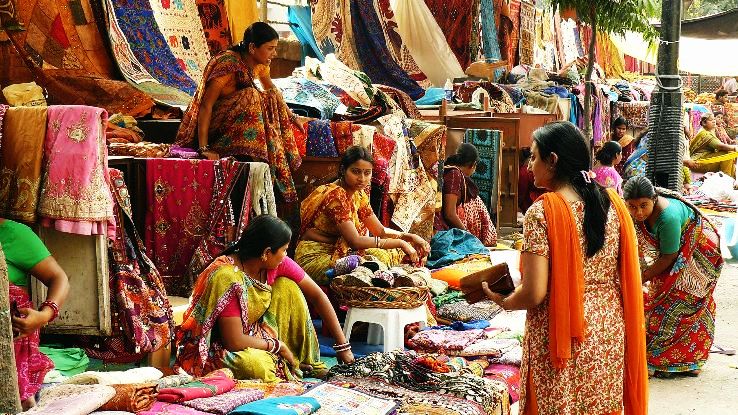
Support Local Artisans
- Buy directly from makers when possible
- Ask about the story behind crafts
- Pay fair prices - don't bargain artisans down unfairly
- Choose handmade over mass-produced when possible
Avoid Fakes
- Pashmina: Real pashmina is expensive. If it's cheap, it's not genuine.
- Turquoise/Coral: Real stones are cold to touch and expensive. Plastic feels warm and is cheap.
- Antiques: Exporting genuine antiques is restricted. Buy reproductions instead.
- Thangkas: Machine-printed versions exist. Hand-painted have brush strokes visible from back.
Cultural Respect
- Ask before photographing people or religious items
- Treat religious objects with respect
- Don't touch merchandise unnecessarily
- Dress modestly, especially in the Tibetan Colony
Shopping Itinerary
Half-Day Shopping
- Morning: Start at Tibetan Colony for authentic crafts
- Late Morning: Colony Road shops for unique finds
- Afternoon: Main market for any remaining needs
Full-Day Shopping
- 9-11 AM: Tibetan Colony - thangkas, carpets, religious items
- 11-1 PM: Colony Road - handicrafts, clothing, cafes
- Lunch: Break at a Tibetan cafe
- 3-5 PM: Main market - practical items, souvenirs
- 5-6 PM: Final purchases, watch sunset over the valley
Why Shopping in Bir is Special
Shopping in Bir Billing isn't just about acquiring things - it's about connection. Each thangka has a story passed down through generations of Tibetan painters. Each carpet represents hours of traditional weaving. Each piece of jewelry embodies symbolism and meaning. When you shop in Bir, you're not just buying products - you're supporting communities, preserving traditions, and taking home pieces of living culture.
What makes Bir's shopping scene extraordinary is its authenticity. Unlike commercial tourist markets where everything is manufactured for visitors, Bir's crafts are made by people who actually use them in their daily lives and religious practices. The prayer flags you buy are similar to those fluttering over monasteries. The singing bowls are the same ones used in daily puja. The thangkas follow the same iconographic traditions that have governed Tibetan art for centuries.
The shopping experience here is also characterized by warmth and personal connection. Shopkeepers in Bir aren't just vendors - they're craftsmen, refugees preserving traditions, locals who've welcomed travelers into their community for decades. They'll invite you for tea, teach you about what they make, and share stories of their homeland. That human connection transforms every purchase into something meaningful.
And perhaps most importantly, shopping in Bir supports sustainable tourism that benefits local communities directly. Your money goes to Tibetan refugees maintaining their culture, local Himachali artisans keeping traditional crafts alive, and families who've made this beautiful valley their home. In an age of mass production and disconnected consumption, shopping in Bir feels like returning to something more authentic and meaningful.
So when you shop in Bir, take your time. Ask questions. Learn the stories. Connect with the people. What you bring home will be more than just objects - they'll be fragments of Himalayan culture, connections to distant lands, and memories of a place where commerce still has a human face. And that's the greatest treasure of all.
Location
Frequently Asked Questions
Q1.What should I buy in Bir Billing?
Q2.Where can I shop in Bir Billing?
Q3.Can I bargain in Bir Billing shops?
Q4.What is the best time to shop in Bir Billing?
Q5.Are there ATMs in Bir Billing?
Q6.How do I identify authentic pashmina shawls in Bir?
Q7.Can I get large items like carpets shipped home from Bir?
Q8.What makes Bir's shopping scene unique compared to other Himalayan destinations?
Recommended For You

Shopping in Dharamshala: McLeodGanj & Tibetan Market
Discover the best shopping places in Dharamshala! From McLeodGanj's Tibetan markets to local bazaars, find authentic handicrafts, Buddhist artifacts & souvenirs.

Ultimate Shopping Guide to McLeodganj: Tibetan Markets, Handicrafts & Sacred Treasures
Discover the ultimate shopping guide to McLeodganj! From Tibetan handicrafts and singing bowls to thangkas and prayer flags—find authentic treasures in the Himalayas.

Shopping in Jibhi: Woolens & Local Crafts
Discover shopping in Jibhi Himachal: woolens, handicrafts, trekking essentials & souvenirs. Guide to small village markets & authentic local products.
Never Miss an Adventure
Get the latest trekking guides, travel tips, and exclusive offers delivered straight to your inbox.
