
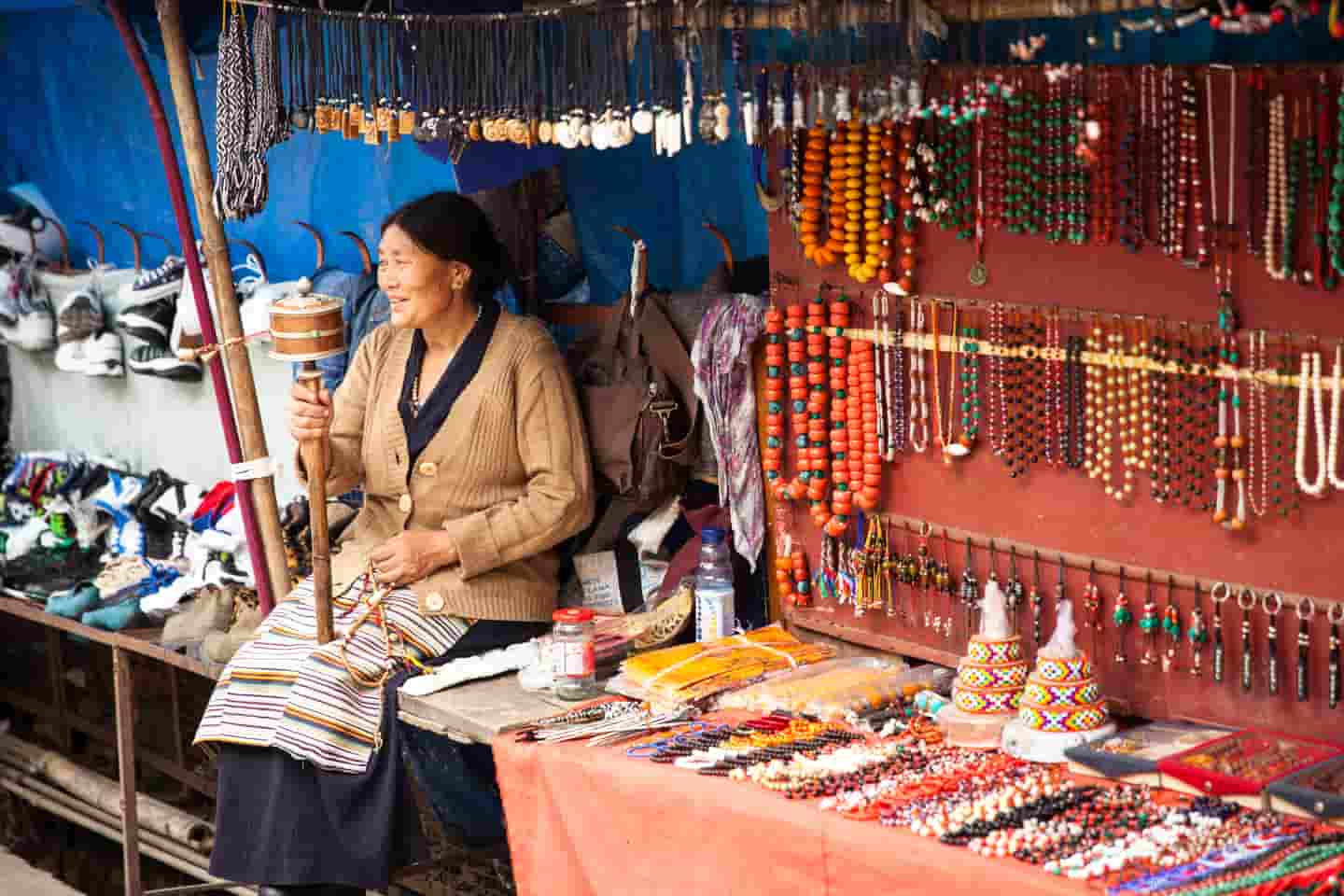
Ultimate Shopping Guide to McLeodganj: Tibetan Markets, Handicrafts & Sacred Treasures

Neha Kapoor
January 7, 2026
Discover the ultimate shopping guide to McLeodganj! From Tibetan handicrafts and singing bowls to thangkas and prayer flags—find authentic treasures in the Himalayas.
Introduction: The Magic of Shopping in McLeodganj
Nestled in the majestic Dhauladhar ranges of Himachal Pradesh, McLeodganj is much more than just a hill station—it's a vibrant Tibetan settlement that has become one of India's most unique shopping destinations. Since the Dalai Lama made this his home in 1960, McLeodganj has transformed into a cultural hub where Tibetan traditions, Buddhist spirituality, and Himalayan craftsmanship come alive in colorful markets filled with sacred artifacts, intricate handicrafts, and treasures you won't find anywhere else in the world. What sets shopping in McLeodganj apart from typical tourist markets is the profound authenticity of everything you'll find here. Unlike commercialized destinations selling mass-produced souvenirs, McLeodganj's markets are filled with genuine Tibetan products handcrafted by refugees who have preserved their artistic heritage through decades of exile. Every prayer flag, singing bowl, and thangka carries not just beauty but meaning—these are sacred objects used in daily spiritual practice, not just decorative items for tourists. When you shop here, you're not just buying things; you're participating in keeping an ancient culture alive. The shopping experience in McLeodganj is deeply intertwined with its spiritual atmosphere. As you wander through the main square near the Dalai Lama Temple, you'll see monks in maroon robes browsing alongside international travelers, hear the gentle chanting from nearby temples, and watch prayer flags flutter against the backdrop of snow-capped peaks. Shopkeepers here don't just sell—they educate, patiently explaining the significance of Buddhist symbols, how to use prayer wheels, or which mantra might be beneficial for your life. This is shopping as a cultural exchange, not just a commercial transaction. McLeodganj's markets offer an incredible diversity of products, from elaborate thangka paintings that take months to create, to singing bowls whose harmonic vibrations have been used for centuries in sound healing, to the ubiquitous prayer flags that have become symbolic of Tibet itself. You'll find everything from affordable souvenirs (prayer flags for ₹100, malas for ₹200) to investment pieces (masterpiece thangkas costing ₹50,000+, antique singing bowls worth ₹25,000). What's remarkable is that even the expensive items here are often reasonably priced compared to galleries in metropolitan cities—you're buying closer to the source. The main shopping area centers around the McLeodganj Main Square and Jogiwara Road, though you'll find interesting shops tucked away in smaller lanes throughout the town. The Tibetan Handicraft Centre offers government-supported authentic crafts, while private shops like Tibetan Novice and Lhasa have built reputations for quality over decades. Each shop has its own specialty—some focus on Buddhist statues, others on textiles, some on meditation supplies, and some on books about Tibetan Buddhism. This comprehensive guide will take you through everything you need to know about shopping in McLeodganj: what to buy, where to find the best quality, how to bargain respectfully, fair price ranges, and how to make sure your purchases support the refugee community rather than exploit it. Whether you're a serious collector of Buddhist art, a meditation practitioner looking for authentic supplies, or simply a traveler wanting to take home something meaningful from this spiritual haven, this guide will help you shop wisely and meaningfully.McLeodganj Main Square: The Heart of Tibetan Shopping
For nearby hill-market comparison, also read shopping in Dharamshala and shopping in Dalhousie.
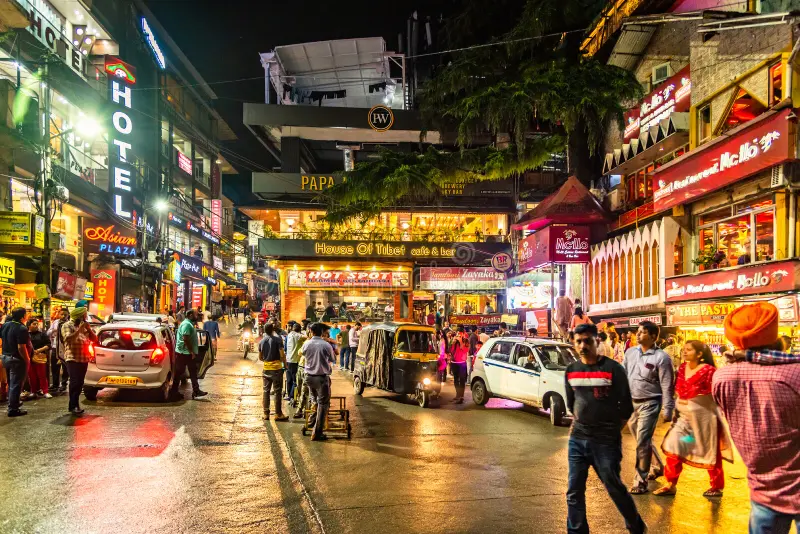 The McLeodganj Main Square, located right near the Dalai Lama Temple Complex, is undoubtedly the epicenter of shopping in this Himalayan town. This bustling area is where Tibetan culture, commerce, and spirituality converge in a vibrant display of colors, sounds, and scents that assault your senses in the most delightful way. The moment you step into the main square, you're greeted by rows of shops displaying their wares spilling onto the streets—colorful prayer flags hanging overhead, racks of singing bowls of all sizes, walls adorned with thangkas, and shelves lined with Buddhist statues in copper, brass, and gold.
What makes the Main Square truly special is its spiritual ambiance. Unlike typical markets focused purely on commerce, shopping here feels like a sacred experience. The Dalai Lama Temple is just steps away, and its influence permeates everything. Monks move through the markets between prayers, shopkeepers often pause their work to join temple ceremonies, and many shops have small shrines at their entrances with spinning prayer wheels. The air is thick with the scent of Tibetan incense, and the soundscape includes temple bells, monks chanting, and the gentle hum of prayer wheels being spun by passersby. This isn't just shopping—it's immersion in living Tibetan Buddhist culture.
The Main Square is home to some of McLeodganj's most established and reputable shops. Tibetan Novice, run by a Tibetan family who has been in McLeodganj for decades, is renowned for its fair prices and authentic handicrafts. Lhasa Showroom is another institution—famous for its quality carpets and thangkas, it's been serving visitors since the early days of the Tibetan settlement. These shops have built their reputations on authenticity and fair dealing, making them reliable places to make significant purchases. Unlike fly-by-night operations that might sell imported goods pretending to be Tibetan, these established shops take pride in sourcing genuine products from local artisans.
The best time to explore the Main Square is in the afternoon, roughly between 2 PM and 5 PM. The mornings are often chaotic with tourists visiting the Dalai Lama Temple, and many shopkeepers are busy with morning prayers or rituals. By afternoon, the temple crowds have dispersed, the shopkeepers are more relaxed and willing to spend time explaining their products, and you can browse at a leisurely pace without being jostled by crowds. The square is particularly magical in the late afternoon sun (4-5 PM) when the golden light illuminates the Dhauladhar ranges in the background, creating a stunning natural backdrop for your shopping expedition.
One of the unique aspects of shopping in the Main Square is the international community you'll encounter. McLeodganj attracts spiritual seekers, backpackers, and Buddhist practitioners from around the world, and you'll hear dozens of languages as you explore. This international influence means shopkeepers are accustomed to serving diverse customers—many speak excellent English, some know basic phrases in multiple European languages, and all understand that international visitors might need explanations about Tibetan Buddhism and the significance of different items. Don't hesitate to ask questions—shopkeepers here are generally patient and happy to educate customers.
The Main Square is also where you'll find several cafes where you can take breaks between shopping. Places like Nick's Italian Kitchen, the Common Ground Cafe, and Namgyal Cafe offer great coffee, food, and views of the market below. These cafes are perfect for resting your feet, comparing purchases, or simply watching the colorful scene of the market unfold below. Many travelers spend entire days here—shopping, cafe-hopping, and soaking in the unique atmosphere of this Himalayan spiritual hub.
The McLeodganj Main Square, located right near the Dalai Lama Temple Complex, is undoubtedly the epicenter of shopping in this Himalayan town. This bustling area is where Tibetan culture, commerce, and spirituality converge in a vibrant display of colors, sounds, and scents that assault your senses in the most delightful way. The moment you step into the main square, you're greeted by rows of shops displaying their wares spilling onto the streets—colorful prayer flags hanging overhead, racks of singing bowls of all sizes, walls adorned with thangkas, and shelves lined with Buddhist statues in copper, brass, and gold.
What makes the Main Square truly special is its spiritual ambiance. Unlike typical markets focused purely on commerce, shopping here feels like a sacred experience. The Dalai Lama Temple is just steps away, and its influence permeates everything. Monks move through the markets between prayers, shopkeepers often pause their work to join temple ceremonies, and many shops have small shrines at their entrances with spinning prayer wheels. The air is thick with the scent of Tibetan incense, and the soundscape includes temple bells, monks chanting, and the gentle hum of prayer wheels being spun by passersby. This isn't just shopping—it's immersion in living Tibetan Buddhist culture.
The Main Square is home to some of McLeodganj's most established and reputable shops. Tibetan Novice, run by a Tibetan family who has been in McLeodganj for decades, is renowned for its fair prices and authentic handicrafts. Lhasa Showroom is another institution—famous for its quality carpets and thangkas, it's been serving visitors since the early days of the Tibetan settlement. These shops have built their reputations on authenticity and fair dealing, making them reliable places to make significant purchases. Unlike fly-by-night operations that might sell imported goods pretending to be Tibetan, these established shops take pride in sourcing genuine products from local artisans.
The best time to explore the Main Square is in the afternoon, roughly between 2 PM and 5 PM. The mornings are often chaotic with tourists visiting the Dalai Lama Temple, and many shopkeepers are busy with morning prayers or rituals. By afternoon, the temple crowds have dispersed, the shopkeepers are more relaxed and willing to spend time explaining their products, and you can browse at a leisurely pace without being jostled by crowds. The square is particularly magical in the late afternoon sun (4-5 PM) when the golden light illuminates the Dhauladhar ranges in the background, creating a stunning natural backdrop for your shopping expedition.
One of the unique aspects of shopping in the Main Square is the international community you'll encounter. McLeodganj attracts spiritual seekers, backpackers, and Buddhist practitioners from around the world, and you'll hear dozens of languages as you explore. This international influence means shopkeepers are accustomed to serving diverse customers—many speak excellent English, some know basic phrases in multiple European languages, and all understand that international visitors might need explanations about Tibetan Buddhism and the significance of different items. Don't hesitate to ask questions—shopkeepers here are generally patient and happy to educate customers.
The Main Square is also where you'll find several cafes where you can take breaks between shopping. Places like Nick's Italian Kitchen, the Common Ground Cafe, and Namgyal Cafe offer great coffee, food, and views of the market below. These cafes are perfect for resting your feet, comparing purchases, or simply watching the colorful scene of the market unfold below. Many travelers spend entire days here—shopping, cafe-hopping, and soaking in the unique atmosphere of this Himalayan spiritual hub.
Jogiwara Road: Bohemian Vibes and Hidden Treasures
 While the Main Square is the heart of shopping in McLeodganj, Jogiwara Road offers a different, more bohemian shopping experience. This winding road, which stretches from the Main Square down toward lower Dharamshala, is lined with an eclectic mix of shops, cafes, guesthouses, and restaurants that have catered to the international backpacker crowd for decades. If the Main Square feels more traditional and spiritual, Jogiwara Road feels more contemporary and cosmopolitan—though still deeply rooted in Tibetan culture.
Jogiwara Road is home to perhaps McLeodganj's most famous bookstore: Bookworm. This iconic bookstore has been serving the community for years and has an incredible selection of books on Buddhism, Tibetan culture, philosophy, travel, and fiction. What makes Bookworm special is its curated collection—the owners know their stock intimately and can recommend books based on your interests, whether you're a serious practitioner looking for commentaries on Madhyamaka philosophy or a curious traveler wanting an introduction to Tibetan Buddhism. They also have a section of second-hand books where you can find gems at reasonable prices. If you're interested in understanding the significance of the things you're buying in McLeodganj, pick up a book here first—it will enrich your shopping experience immensely.
Beyond books, Jogiwara Road has some excellent clothing shops that blend Tibetan and contemporary styles. You'll find shops selling Tibetan aprons (chubas) modified for modern wear, yoga clothes made from Tibetan textiles, and jewelry that combines traditional Tibetan design with contemporary aesthetics. These shops often cater to the long-term foreign residents of McLeodganj—the yoga teachers, meditation practitioners, and volunteers who live here for months or years—so the quality tends to be higher and the designs more unique than in the Main Square's tourist-oriented shops.
The road also has several shops specializing in incense, meditation supplies, and ritual items. Because Jogiwara Road has many meditation centers and yoga studios catering to international visitors, these shops are well-stocked with meditation cushions (zafus), incense burners, singing bowls, and other practice supplies. The shopkeepers here are often practitioners themselves and can give practical advice on what you might need for your meditation practice. Unlike some shops in the Main Square that might cater to casual tourists, Jogiwara Road's shops often serve serious practitioners who know exactly what they need.
One of Jogiwara Road's hidden gems is the smaller workshops tucked away in side lanes. If you wander off the main road into lanes like Bhagsu Road or the lanes leading toward the Tibetan Children's Village, you'll find workshops where artisans actually create the handicrafts sold in the shops. You might see painters working on thangkas, weavers making rugs, or craftsmen carving wooden statues. These workshops often sell directly to the public at lower prices than the retail shops in the Main Square. More importantly, buying directly from workshops ensures your money goes entirely to the artisan rather than being split among middlemen.
The atmosphere on Jogiwara Road is more relaxed and bohemian than the Main Square. This is where McLeodganj's international community hangs out—you'll see foreign residents with their laptops in cafes, volunteers from NGOs taking tea breaks, and monks having conversations with Western travelers. It's a great place to shop if you want to escape the most touristy areas and find shops that feel more authentic to McLeodganj's contemporary culture. Many travelers find they prefer Jogiwara Road's slower pace and more personal interactions with shopkeepers.
While the Main Square is the heart of shopping in McLeodganj, Jogiwara Road offers a different, more bohemian shopping experience. This winding road, which stretches from the Main Square down toward lower Dharamshala, is lined with an eclectic mix of shops, cafes, guesthouses, and restaurants that have catered to the international backpacker crowd for decades. If the Main Square feels more traditional and spiritual, Jogiwara Road feels more contemporary and cosmopolitan—though still deeply rooted in Tibetan culture.
Jogiwara Road is home to perhaps McLeodganj's most famous bookstore: Bookworm. This iconic bookstore has been serving the community for years and has an incredible selection of books on Buddhism, Tibetan culture, philosophy, travel, and fiction. What makes Bookworm special is its curated collection—the owners know their stock intimately and can recommend books based on your interests, whether you're a serious practitioner looking for commentaries on Madhyamaka philosophy or a curious traveler wanting an introduction to Tibetan Buddhism. They also have a section of second-hand books where you can find gems at reasonable prices. If you're interested in understanding the significance of the things you're buying in McLeodganj, pick up a book here first—it will enrich your shopping experience immensely.
Beyond books, Jogiwara Road has some excellent clothing shops that blend Tibetan and contemporary styles. You'll find shops selling Tibetan aprons (chubas) modified for modern wear, yoga clothes made from Tibetan textiles, and jewelry that combines traditional Tibetan design with contemporary aesthetics. These shops often cater to the long-term foreign residents of McLeodganj—the yoga teachers, meditation practitioners, and volunteers who live here for months or years—so the quality tends to be higher and the designs more unique than in the Main Square's tourist-oriented shops.
The road also has several shops specializing in incense, meditation supplies, and ritual items. Because Jogiwara Road has many meditation centers and yoga studios catering to international visitors, these shops are well-stocked with meditation cushions (zafus), incense burners, singing bowls, and other practice supplies. The shopkeepers here are often practitioners themselves and can give practical advice on what you might need for your meditation practice. Unlike some shops in the Main Square that might cater to casual tourists, Jogiwara Road's shops often serve serious practitioners who know exactly what they need.
One of Jogiwara Road's hidden gems is the smaller workshops tucked away in side lanes. If you wander off the main road into lanes like Bhagsu Road or the lanes leading toward the Tibetan Children's Village, you'll find workshops where artisans actually create the handicrafts sold in the shops. You might see painters working on thangkas, weavers making rugs, or craftsmen carving wooden statues. These workshops often sell directly to the public at lower prices than the retail shops in the Main Square. More importantly, buying directly from workshops ensures your money goes entirely to the artisan rather than being split among middlemen.
The atmosphere on Jogiwara Road is more relaxed and bohemian than the Main Square. This is where McLeodganj's international community hangs out—you'll see foreign residents with their laptops in cafes, volunteers from NGOs taking tea breaks, and monks having conversations with Western travelers. It's a great place to shop if you want to escape the most touristy areas and find shops that feel more authentic to McLeodganj's contemporary culture. Many travelers find they prefer Jogiwara Road's slower pace and more personal interactions with shopkeepers.
Tibetan Handicraft Centre: Authentic Artisan Products
 The Tibetan Handicraft Centre in McLeodganj is a government-supported initiative established to preserve and promote traditional Tibetan artistic traditions. For serious shoppers looking for authentic quality, this should be one of your first stops. Unlike commercial shops that might sell imported goods or mass-produced items, the Handicraft Centre focuses exclusively on products made by Tibetan refugees living in McLeodganj and Dharamshala, ensuring both authenticity and that your purchase directly supports the refugee community.
The Centre was established in the early years of the Tibetan settlement as a way to help refugees preserve their cultural heritage while earning a livelihood. Many of the artisans here are from families that have been practicing these crafts for generations, some for centuries. When you buy from the Handicraft Centre, you're not just getting a beautiful object—you're supporting the continuation of artistic traditions that might otherwise be lost. In a world of mass-produced goods and dying crafts, this matters immensely.
The Handicraft Centre is particularly renowned for its thangka paintings. Thangkas are perhaps the most sophisticated Tibetan art form—intricate Buddhist paintings on cotton or silk that depict deities, mandalas, or scenes from Buddhist philosophy. What makes authentic thangkas special is that they're not just art—they're sacred objects used for meditation and religious practice. The creation of a thangka itself is considered a spiritual practice, with artists following strict guidelines and often chanting mantras while painting. A master thangka can take 3-6 months to complete, with every detail carrying specific symbolic meaning.
At the Handicraft Centre, you can sometimes watch thangka painters at work in small studios attached to the main showroom. Watching a thangka being created is a mesmerizing experience—the artist works with incredible patience, using brushes made from squirrel hair, applying mineral pigments mixed with crushed gemstones, following ancient guidelines passed down from master to student for generations. The Centre has thangkas at various price points—from student work (₹3,000-8,000) to masterpieces (₹20,000-50,000+). The artists can explain the symbolism of different deities and help you choose a thangka appropriate for your needs.
Beyond thangkas, the Handicraft Centre has an incredible selection of Tibetan rugs and carpets. Tibetan carpet weaving is an ancient art form, and the Centre has some exquisite examples. These rugs are made using traditional techniques with higher knot density than Persian rugs, using wool from Himalayan sheep, and vegetable dyes that create rich, long-lasting colors. The designs often feature Buddhist symbols like the endless knot, lotus flowers, or the eight auspicious symbols. A small Tibetan rug (2x3 feet) makes for a beautiful meditation mat or wall hanging and costs ₹3,000-6,000. Larger pieces suitable as area rugs (5x7 feet or more) can cost ₹10,000-25,000 depending on complexity.
The Centre also has a good selection of Tibetan clothing, including traditional chubas (the Tibetan national dress), woolen jackets, and contemporary clothing made from Tibetan textiles. While these might be more expensive than in the Main Square's tourist shops, the quality is superior and you're buying directly from the artisans. Many of the textile products here use traditional weaving patterns that have been used in Tibet for centuries, and natural dyes that are eco-friendly and long-lasting.
One of the advantages of shopping at the Handicraft Centre is the fixed pricing. Unlike in markets where you need to bargain, prices here are set by the Centre based on the artisan's work and materials. This can be reassuring if you're uncomfortable with bargaining or worried about overpaying. The Centre also provides certificates of authenticity for expensive items, which can be helpful for customs or insurance purposes. For serious collectors or anyone wanting to ensure they're buying genuine Tibetan crafts rather than tourist souvenirs, the Handicraft Centre is invaluable.
The Tibetan Handicraft Centre in McLeodganj is a government-supported initiative established to preserve and promote traditional Tibetan artistic traditions. For serious shoppers looking for authentic quality, this should be one of your first stops. Unlike commercial shops that might sell imported goods or mass-produced items, the Handicraft Centre focuses exclusively on products made by Tibetan refugees living in McLeodganj and Dharamshala, ensuring both authenticity and that your purchase directly supports the refugee community.
The Centre was established in the early years of the Tibetan settlement as a way to help refugees preserve their cultural heritage while earning a livelihood. Many of the artisans here are from families that have been practicing these crafts for generations, some for centuries. When you buy from the Handicraft Centre, you're not just getting a beautiful object—you're supporting the continuation of artistic traditions that might otherwise be lost. In a world of mass-produced goods and dying crafts, this matters immensely.
The Handicraft Centre is particularly renowned for its thangka paintings. Thangkas are perhaps the most sophisticated Tibetan art form—intricate Buddhist paintings on cotton or silk that depict deities, mandalas, or scenes from Buddhist philosophy. What makes authentic thangkas special is that they're not just art—they're sacred objects used for meditation and religious practice. The creation of a thangka itself is considered a spiritual practice, with artists following strict guidelines and often chanting mantras while painting. A master thangka can take 3-6 months to complete, with every detail carrying specific symbolic meaning.
At the Handicraft Centre, you can sometimes watch thangka painters at work in small studios attached to the main showroom. Watching a thangka being created is a mesmerizing experience—the artist works with incredible patience, using brushes made from squirrel hair, applying mineral pigments mixed with crushed gemstones, following ancient guidelines passed down from master to student for generations. The Centre has thangkas at various price points—from student work (₹3,000-8,000) to masterpieces (₹20,000-50,000+). The artists can explain the symbolism of different deities and help you choose a thangka appropriate for your needs.
Beyond thangkas, the Handicraft Centre has an incredible selection of Tibetan rugs and carpets. Tibetan carpet weaving is an ancient art form, and the Centre has some exquisite examples. These rugs are made using traditional techniques with higher knot density than Persian rugs, using wool from Himalayan sheep, and vegetable dyes that create rich, long-lasting colors. The designs often feature Buddhist symbols like the endless knot, lotus flowers, or the eight auspicious symbols. A small Tibetan rug (2x3 feet) makes for a beautiful meditation mat or wall hanging and costs ₹3,000-6,000. Larger pieces suitable as area rugs (5x7 feet or more) can cost ₹10,000-25,000 depending on complexity.
The Centre also has a good selection of Tibetan clothing, including traditional chubas (the Tibetan national dress), woolen jackets, and contemporary clothing made from Tibetan textiles. While these might be more expensive than in the Main Square's tourist shops, the quality is superior and you're buying directly from the artisans. Many of the textile products here use traditional weaving patterns that have been used in Tibet for centuries, and natural dyes that are eco-friendly and long-lasting.
One of the advantages of shopping at the Handicraft Centre is the fixed pricing. Unlike in markets where you need to bargain, prices here are set by the Centre based on the artisan's work and materials. This can be reassuring if you're uncomfortable with bargaining or worried about overpaying. The Centre also provides certificates of authenticity for expensive items, which can be helpful for customs or insurance purposes. For serious collectors or anyone wanting to ensure they're buying genuine Tibetan crafts rather than tourist souvenirs, the Handicraft Centre is invaluable.
Singing Bowls: Finding Authentic Sound Healing Instruments
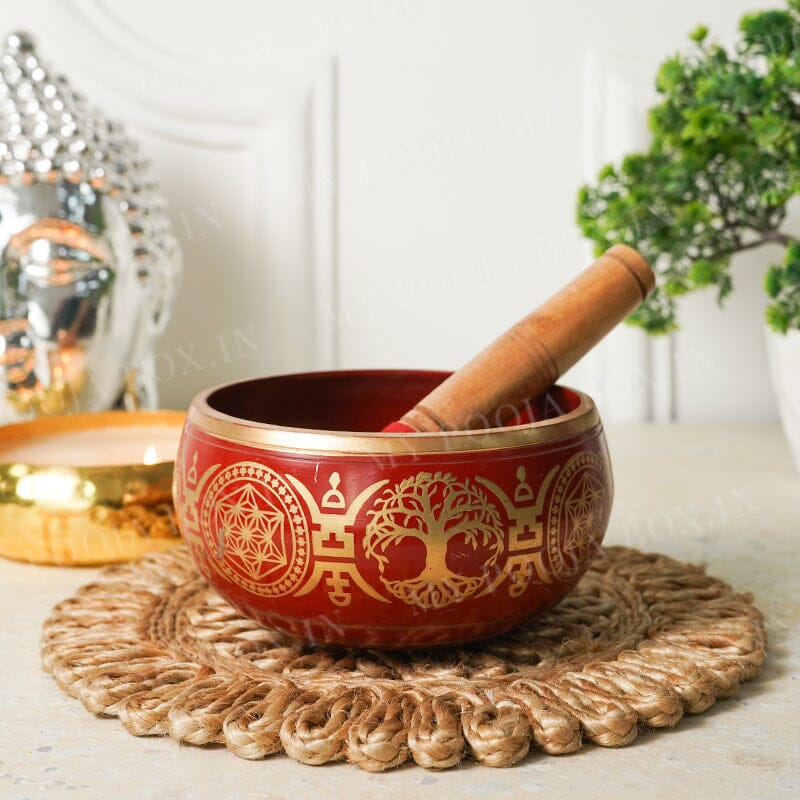 One of the most popular items to buy in McLeodganj is the Tibetan singing bowl—a metal bowl used for meditation, sound healing, and relaxation. These bowls have become increasingly popular worldwide for sound therapy, but McLeodganj remains one of the best places to buy authentic bowls. You'll find singing bowls throughout McLeodganj's markets, but quality varies enormously, and knowing what to look for is essential to avoid buying tourist pieces that don't produce the authentic harmonic sounds of traditional bowls.
Authentic singing bowls are made from a traditional alloy of seven metals representing celestial bodies: gold (sun), silver (moon), mercury (Mercury), copper (Venus), iron (Mars), tin (Jupiter), and lead (Saturn). This seven-metal alloy is believed to produce the rich, complex harmonic sound that makes authentic singing bowls so powerful for sound healing. When played with a wooden mallet, a good bowl produces multiple harmonic overtones that create a complex, lingering sound. Cheap, machine-made bowls often produce a single, flat tone that lacks the complexity of authentic bowls.
In McLeodganj, you'll find singing bowls at various price points:
Modern reproduction bowls (₹2,000-8,000): These are made using traditional methods but are newly crafted rather than antique. They're excellent for most purposes—meditation, sound healing, or simply as beautiful objects. The quality within this range varies enormously, so it's essential to test bowls before buying. A good modern bowl should produce a clear, sustained sound with multiple harmonic overtones when struck gently with the mallet.
Antique bowls (₹10,000-25,000+): These are genuine antique pieces, some dating back 100+ years. They're often thinner than modern bowls and have a more complex, refined sound. Many antique bowls have beautiful patina from years of use, which adds to their aesthetic and spiritual appeal. Antique bowls are particularly valued by sound healing practitioners who believe the age adds to their power. Reputable shops can provide information about an antique bowl's provenance and age.
Tourist bowls (₹500-1,500): Avoid these. They're mass-produced, often machine-made, and don't produce the rich sounds of authentic bowls. They're decorative objects rather than functional singing bowls. If you just want something that looks pretty on a shelf, these are fine, but if you want a bowl for meditation or sound healing, invest in a better quality piece.
When buying a singing bowl, always test it before purchasing. The shopkeeper should let you strike the bowl gently with the mallet and listen to the sound. A good bowl will produce:
- A clear, sustained tone that lingers for 10-30 seconds after being struck
- Multiple harmonic overtones (you should hear a complex sound, not a single note)
- A consistent sound whether struck in the center or near the rim
Also ask the shopkeeper to demonstrate how to "sing" the bowl—running the mallet around the rim in a circular motion to produce continuous sound. This technique takes some practice, but a good bowl should be relatively easy to sing. If the shopkeeper can't make the bowl sing smoothly, it might not be well-made.
Many shops in McLeodganj also sell wooden mallets (often called puja sticks) and singing bowl cushions. These are worth buying—a good mallet (₹200-400) makes a huge difference in the sound your bowl produces, and a cushion (₹150-300) protects the bowl and provides a stable base for playing. Some shops also sell carrying cases (₹300-800) if you're traveling with your bowl—these are worth considering as singing bowls can be damaged in rough luggage handling.
For serious sound healing practitioners, some shops in McLeodganj sell complete sets of singing bowls tuned to specific frequencies (chakra tuning sets). These are expensive (₹25,000-75,000 for a set of 7 bowls) but represent a significant investment in a sound healing practice. The better shops can help you select a harmonically matched set.
One of the most popular items to buy in McLeodganj is the Tibetan singing bowl—a metal bowl used for meditation, sound healing, and relaxation. These bowls have become increasingly popular worldwide for sound therapy, but McLeodganj remains one of the best places to buy authentic bowls. You'll find singing bowls throughout McLeodganj's markets, but quality varies enormously, and knowing what to look for is essential to avoid buying tourist pieces that don't produce the authentic harmonic sounds of traditional bowls.
Authentic singing bowls are made from a traditional alloy of seven metals representing celestial bodies: gold (sun), silver (moon), mercury (Mercury), copper (Venus), iron (Mars), tin (Jupiter), and lead (Saturn). This seven-metal alloy is believed to produce the rich, complex harmonic sound that makes authentic singing bowls so powerful for sound healing. When played with a wooden mallet, a good bowl produces multiple harmonic overtones that create a complex, lingering sound. Cheap, machine-made bowls often produce a single, flat tone that lacks the complexity of authentic bowls.
In McLeodganj, you'll find singing bowls at various price points:
Modern reproduction bowls (₹2,000-8,000): These are made using traditional methods but are newly crafted rather than antique. They're excellent for most purposes—meditation, sound healing, or simply as beautiful objects. The quality within this range varies enormously, so it's essential to test bowls before buying. A good modern bowl should produce a clear, sustained sound with multiple harmonic overtones when struck gently with the mallet.
Antique bowls (₹10,000-25,000+): These are genuine antique pieces, some dating back 100+ years. They're often thinner than modern bowls and have a more complex, refined sound. Many antique bowls have beautiful patina from years of use, which adds to their aesthetic and spiritual appeal. Antique bowls are particularly valued by sound healing practitioners who believe the age adds to their power. Reputable shops can provide information about an antique bowl's provenance and age.
Tourist bowls (₹500-1,500): Avoid these. They're mass-produced, often machine-made, and don't produce the rich sounds of authentic bowls. They're decorative objects rather than functional singing bowls. If you just want something that looks pretty on a shelf, these are fine, but if you want a bowl for meditation or sound healing, invest in a better quality piece.
When buying a singing bowl, always test it before purchasing. The shopkeeper should let you strike the bowl gently with the mallet and listen to the sound. A good bowl will produce:
- A clear, sustained tone that lingers for 10-30 seconds after being struck
- Multiple harmonic overtones (you should hear a complex sound, not a single note)
- A consistent sound whether struck in the center or near the rim
Also ask the shopkeeper to demonstrate how to "sing" the bowl—running the mallet around the rim in a circular motion to produce continuous sound. This technique takes some practice, but a good bowl should be relatively easy to sing. If the shopkeeper can't make the bowl sing smoothly, it might not be well-made.
Many shops in McLeodganj also sell wooden mallets (often called puja sticks) and singing bowl cushions. These are worth buying—a good mallet (₹200-400) makes a huge difference in the sound your bowl produces, and a cushion (₹150-300) protects the bowl and provides a stable base for playing. Some shops also sell carrying cases (₹300-800) if you're traveling with your bowl—these are worth considering as singing bowls can be damaged in rough luggage handling.
For serious sound healing practitioners, some shops in McLeodganj sell complete sets of singing bowls tuned to specific frequencies (chakra tuning sets). These are expensive (₹25,000-75,000 for a set of 7 bowls) but represent a significant investment in a sound healing practice. The better shops can help you select a harmonically matched set.
Thangka Paintings: Sacred Buddhist Art
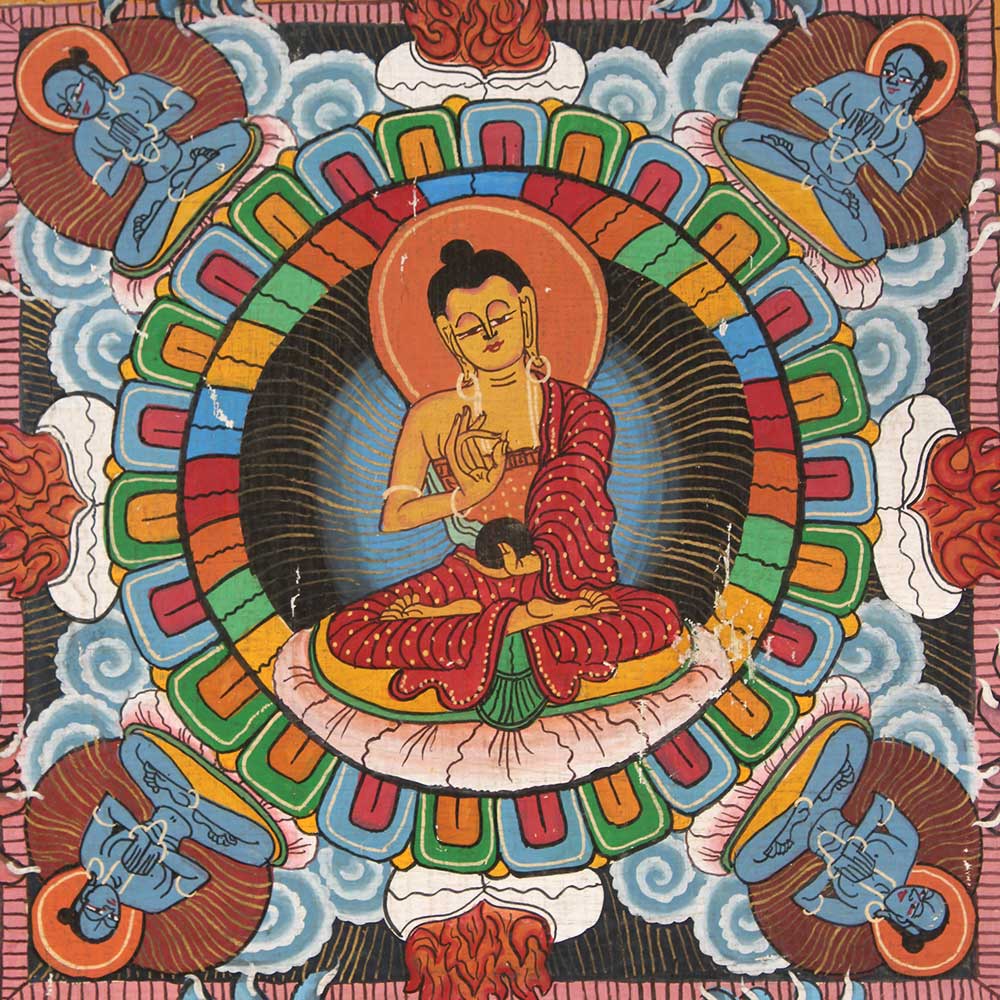 Thangkas are perhaps the most significant art form you'll find in McLeodganj, and they deserve special attention. These intricate Buddhist paintings on cotton or silk appliqué are not merely art—they're sacred objects used for meditation, religious instruction, and ritual practices. In McLeodganj, you have the unique opportunity to buy thangkas from artists who have studied this art form for years, often receiving training from senior masters who fled Tibet with the Dalai Lama in 1959. This direct lineage of artistic transmission makes McLeodganj one of the best places in the world to buy authentic thangkas.
Understanding thangkas begins with understanding their purpose. Unlike secular art, thangkas are created as supports for meditation and religious practice. Every element in a thangka has specific symbolic meaning—colors represent different aspects of enlightened mind, hand gestures (mudras) convey specific teachings, and even the background elements carry symbolic significance. The creation of a thangka is itself considered a spiritual practice, with artists following strict guidelines and often engaging in purification practices before beginning work.
Thangkas come in several types:
Painted thangkas: These are hand-painted on cotton canvas using mineral pigments and sometimes gold. The most detailed can take 3-6 months to complete. The canvas is prepared with a mixture of chalk and glue, then polished with a smooth stone until it's perfectly smooth. The artist then draws the design following strict proportional guidelines, paints using brushes made from squirrel hair, and often outlines details in gold. Painted thangkas range from ₹3,000 for simple student work to ₹50,000+ for masterpieces.
Appliqué thangkas: These are created by sewing together pieces of colored silk—a technique that's incredibly time-consuming and produces stunning results. The silk pieces are cut precisely and sewn to create the image, sometimes with embroidery added for detail. Appliqué thangkas are particularly durable and vibrant. Prices range from ₹5,000-30,000 depending on size and complexity.
Printed thangkas: These are more affordable reproductions of famous thangka paintings (₹500-2,000). While not sacred objects in the same way as hand-painted thangkas, they're still beautiful and can be used as inspirational art. Many shops in McLeodganj have high-quality prints that capture the details of master paintings.
When buying a painted thangka, you're paying for several factors:
- The artist's skill level (student work vs. master artist)
- The complexity of the design (some deities have much more elaborate iconography)
- The materials used (pigments, gold, quality of canvas)
- The size (small thangkas might be 8x10 inches, large ones can be 4+ feet tall)
Popular subjects you'll find in McLeodganj include:
Green Tara: The female Buddha of compassion, one of the most beloved deities in Tibetan Buddhism. Green Tara is depicted sitting on a lotus, with one foot extended showing her readiness to help beings. She's often shown with her right hand in the gesture of granting boons and her left hand holding the stem of a lotus flower. Green Tara thangkas are believed to bring protection, remove obstacles, and grant wishes. Many practitioners commission Green Tara thangkas when facing difficulties or embarking on new endeavors.
White Tara: Associated with longevity and health. She's depicted with seven eyes (two on her face, one on her forehead, and one on each palm and foot) symbolizing her omniscient compassion. White Tara thangkas are often commissioned for someone who is ill or as a practice for long life. Her white color represents purity and the ability to transcend suffering.
Buddha Shakyamuni: The historical Buddha, depicted in various postures. The most common shows him in the earth-witness gesture (right hand touching the ground), representing his enlightenment under the bodhi tree. A Buddha Shakyamuni thangka is auspicious for any home and is often the central image on a Buddhist shrine.
Wheel of Life (Bhavacakra): A complex diagram depicting the Buddhist cycle of existence, the realms of rebirth, and the path to liberation. This is more of a teaching tool than a meditation object, showing the twelve links of dependent origination, the six realms of existence, and the three poisons (ignorance, attachment, aversion) at the center. Wheel of Life thangkas are often found in Buddhist centers and are used for teaching Buddhist philosophy.
Mandalas: Geometric representations of the universe used for meditation. Creating mandalas is itself a meditation practice, and having a mandala thangka in your meditation space can support your practice. Popular mandalas include the Kalachakra mandala (associated with time and cycles), the medicine Buddha mandala (for healing), and various deity mandalas used for specific meditation practices.
When buying a thangka for spiritual practice, spend time with the shopkeeper understanding the symbolism and proper use. Many shops in McLeodganj are run by practitioners who can explain the significance of different deities and how to use thangkas in your practice. They can also advise on how to care for your thangka—proper framing, how to keep it clean, and how to treat it with the respect a sacred object deserves.
Thangkas are perhaps the most significant art form you'll find in McLeodganj, and they deserve special attention. These intricate Buddhist paintings on cotton or silk appliqué are not merely art—they're sacred objects used for meditation, religious instruction, and ritual practices. In McLeodganj, you have the unique opportunity to buy thangkas from artists who have studied this art form for years, often receiving training from senior masters who fled Tibet with the Dalai Lama in 1959. This direct lineage of artistic transmission makes McLeodganj one of the best places in the world to buy authentic thangkas.
Understanding thangkas begins with understanding their purpose. Unlike secular art, thangkas are created as supports for meditation and religious practice. Every element in a thangka has specific symbolic meaning—colors represent different aspects of enlightened mind, hand gestures (mudras) convey specific teachings, and even the background elements carry symbolic significance. The creation of a thangka is itself considered a spiritual practice, with artists following strict guidelines and often engaging in purification practices before beginning work.
Thangkas come in several types:
Painted thangkas: These are hand-painted on cotton canvas using mineral pigments and sometimes gold. The most detailed can take 3-6 months to complete. The canvas is prepared with a mixture of chalk and glue, then polished with a smooth stone until it's perfectly smooth. The artist then draws the design following strict proportional guidelines, paints using brushes made from squirrel hair, and often outlines details in gold. Painted thangkas range from ₹3,000 for simple student work to ₹50,000+ for masterpieces.
Appliqué thangkas: These are created by sewing together pieces of colored silk—a technique that's incredibly time-consuming and produces stunning results. The silk pieces are cut precisely and sewn to create the image, sometimes with embroidery added for detail. Appliqué thangkas are particularly durable and vibrant. Prices range from ₹5,000-30,000 depending on size and complexity.
Printed thangkas: These are more affordable reproductions of famous thangka paintings (₹500-2,000). While not sacred objects in the same way as hand-painted thangkas, they're still beautiful and can be used as inspirational art. Many shops in McLeodganj have high-quality prints that capture the details of master paintings.
When buying a painted thangka, you're paying for several factors:
- The artist's skill level (student work vs. master artist)
- The complexity of the design (some deities have much more elaborate iconography)
- The materials used (pigments, gold, quality of canvas)
- The size (small thangkas might be 8x10 inches, large ones can be 4+ feet tall)
Popular subjects you'll find in McLeodganj include:
Green Tara: The female Buddha of compassion, one of the most beloved deities in Tibetan Buddhism. Green Tara is depicted sitting on a lotus, with one foot extended showing her readiness to help beings. She's often shown with her right hand in the gesture of granting boons and her left hand holding the stem of a lotus flower. Green Tara thangkas are believed to bring protection, remove obstacles, and grant wishes. Many practitioners commission Green Tara thangkas when facing difficulties or embarking on new endeavors.
White Tara: Associated with longevity and health. She's depicted with seven eyes (two on her face, one on her forehead, and one on each palm and foot) symbolizing her omniscient compassion. White Tara thangkas are often commissioned for someone who is ill or as a practice for long life. Her white color represents purity and the ability to transcend suffering.
Buddha Shakyamuni: The historical Buddha, depicted in various postures. The most common shows him in the earth-witness gesture (right hand touching the ground), representing his enlightenment under the bodhi tree. A Buddha Shakyamuni thangka is auspicious for any home and is often the central image on a Buddhist shrine.
Wheel of Life (Bhavacakra): A complex diagram depicting the Buddhist cycle of existence, the realms of rebirth, and the path to liberation. This is more of a teaching tool than a meditation object, showing the twelve links of dependent origination, the six realms of existence, and the three poisons (ignorance, attachment, aversion) at the center. Wheel of Life thangkas are often found in Buddhist centers and are used for teaching Buddhist philosophy.
Mandalas: Geometric representations of the universe used for meditation. Creating mandalas is itself a meditation practice, and having a mandala thangka in your meditation space can support your practice. Popular mandalas include the Kalachakra mandala (associated with time and cycles), the medicine Buddha mandala (for healing), and various deity mandalas used for specific meditation practices.
When buying a thangka for spiritual practice, spend time with the shopkeeper understanding the symbolism and proper use. Many shops in McLeodganj are run by practitioners who can explain the significance of different deities and how to use thangkas in your practice. They can also advise on how to care for your thangka—proper framing, how to keep it clean, and how to treat it with the respect a sacred object deserves.
Prayer Flags, Wheels & Buddhist Ritual Items
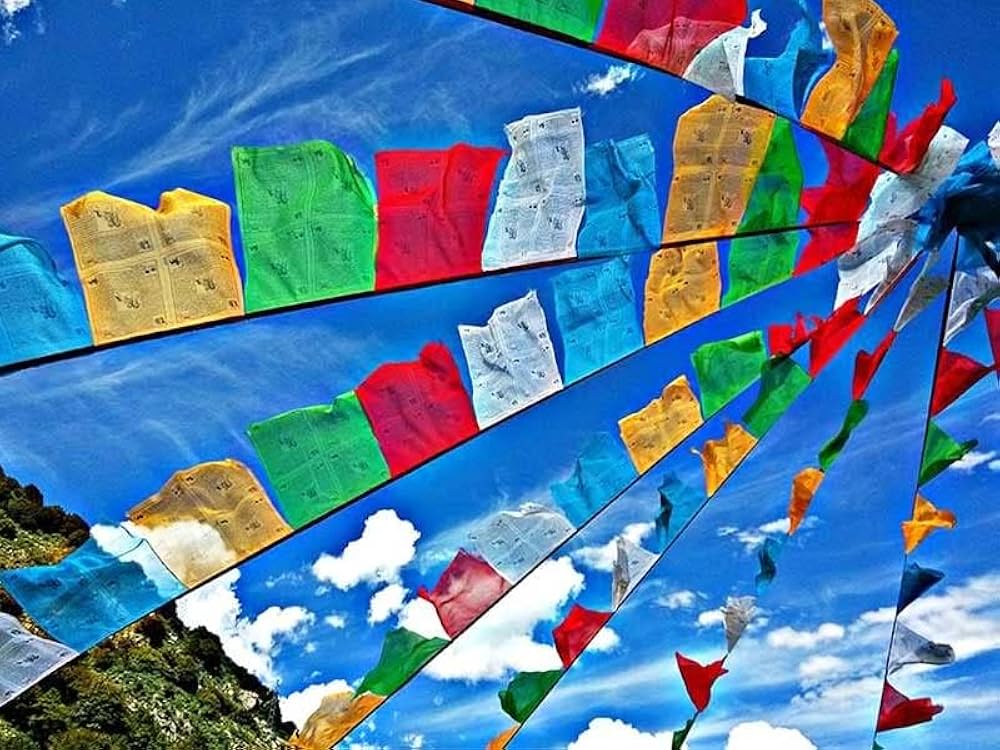 The colorful prayer flags you see fluttering throughout McLeodganj are perhaps the most iconic symbol of Tibet. These aren't just decorations—they're sacred objects that carry prayers and mantras on the wind. Traditional Tibetan prayer flags come in five colors representing five elements: blue (sky), white (clouds/air), red (fire), green (water), and yellow (earth). The flags are printed with prayers, mantras, and symbols, and it's believed that when the wind blows the flags, it spreads these blessings to all beings.
In McLeodganj, you'll find prayer flags in various sizes and qualities:
Small strings (₹100-300): These have 10-20 small flags on a string, perfect for hanging on a balcony, in a meditation space, or across a small room. They're usually printed with the Om Mani Padme Hum mantra (the mantra of Chenrezig, the Buddha of compassion) or the Wind Horse prayer (for success and good fortune).
Large sets (₹500-1,500): These have 25 or more large flags and can span across rooftops, mountain passes, or large outdoor spaces. In McLeodganj, you'll see these large sets strung across the main square, between buildings, and along mountain paths. Large prayer flag sets are often printed with more extensive prayers and sometimes include the eight auspicious symbols of Buddhism.
When buying prayer flags, ask the shopkeeper about the proper way to hang them. There's a specific traditional order: blue, white, red, green, yellow from left to right (when facing the flags). They should ideally be hung at an auspicious time (mornings are considered good, especially on full moon days or Buddhist festival days). Some practitioners also bless the flags before hanging them by reciting mantras or having a lama bless them. The shopkeeper can explain these customs if you're interested.
Prayer Wheels:
Prayer wheels are ubiquitous in McLeodganj—you'll see them at temple entrances, in shop doorways, and being carried by pilgrims. A prayer wheel is a cylindrical wheel on a spindle, filled with thousands of written mantras (usually "Om Mani Padme Hum"). According to Tibetan Buddhist tradition, spinning the prayer wheel clockwise is equivalent to reciting all the mantras inside, multiplying the spiritual benefit.
In McLeodganj's shops, you'll find prayer wheels in various sizes and styles:
Small handheld prayer wheels (₹300-800): Perfect for personal practice, these fit in your palm and can be used while walking or during meditation breaks. Many pilgrims circumambulate the Dalai Lama Temple while spinning handheld prayer wheels. These usually have a cord with a small weight at the end—you swing the prayer wheel and the centrifugal force keeps it spinning.
Tabletop prayer wheels (₹800-2,500): These are larger, meant to be placed on an altar or desk. They're often beautifully crafted with wood, metal, or semiprecious stones. Many practitioners place these in their meditation spaces and spin them while doing mantra recitation. Tabletop wheels often have more mantras inside than handheld wheels.
Large prayer wheels (₹3,000-15,000): These are substantial pieces, often made of copper or brass with intricate engravings. Some are antique pieces that have been used in temples for decades. These are serious collector items and sacred objects. Large prayer wheels might contain millions of mantras written on microfilm or paper. Some shops have antique prayer wheels that are genuine artifacts from Tibet, brought by refugees fleeing the Chinese occupation.
When buying a prayer wheel, ask the shopkeeper to show you how to use it properly. It should always be spun clockwise (the direction of the sun's movement across the sky). The shopkeeper can also tell you how many mantras are inside—some wheels have thousands, some have millions. If you're buying for spiritual practice, you might also want to ask if the wheel has been blessed by a lama. Many shops can arrange to have your prayer wheel blessed at a local monastery before you take it home.
Tibetan Incense:
Tibetan incense is famous for its rich, earthy aroma and is used extensively in temples, homes, and meditation spaces. Unlike stick incense common in India, Tibetan incense typically comes as thick, round sticks or thick ropes that burn slowly with a rich, grounding scent.
What makes Tibetan incense unique is the ingredients—traditional recipes include medicinal herbs, minerals, flowers, and sacred substances collected from the Himalayas. Many varieties are based on ancient formulas used in Tibetan medicine. The incense is believed to have purifying properties, clearing negative energy and creating a sacred atmosphere for meditation.
In McLeodganj, you'll find various types:
Regular Tibetan incense (₹150-400 for a pack of 30-50 sticks): Good for daily use, these have a classic Tibetan incense scent—earthy with hints of juniper, saffron, and other Himalayan herbs. This is the incense you'll smell burning throughout McLeodganj's temples and homes.
Medicinal incense (₹300-800): These are made according to traditional Tibetan medical formulas and are believed to have healing properties for specific ailments. Different varieties target different issues—respiratory problems, stress, sleep disorders, etc. Some varieties are specifically for meditation, designed to calm the mind and enhance concentration.
Premium incense (₹500-1,500): These use higher quality ingredients, sometimes including precious substances like saffron or medicinal ingredients collected from high-altitude regions. Premium incense often comes in beautiful packaging and makes excellent gifts.
Sandalwood incense: While not traditional Tibetan incense, sandalwood is popular and widely available. The quality varies—look for varieties that use real Mysore sandalwood rather than synthetic fragrance. Sandalwood is believed to aid concentration and is popular for meditation.
Many shops will let you smell different varieties before buying. If you're using incense for meditation, ask the shopkeeper which variety they recommend for creating a calm, focused atmosphere. Some shops also sell incense holders and burners, including beautiful copper or brass pieces (₹200-800) that complement the incense.
The colorful prayer flags you see fluttering throughout McLeodganj are perhaps the most iconic symbol of Tibet. These aren't just decorations—they're sacred objects that carry prayers and mantras on the wind. Traditional Tibetan prayer flags come in five colors representing five elements: blue (sky), white (clouds/air), red (fire), green (water), and yellow (earth). The flags are printed with prayers, mantras, and symbols, and it's believed that when the wind blows the flags, it spreads these blessings to all beings.
In McLeodganj, you'll find prayer flags in various sizes and qualities:
Small strings (₹100-300): These have 10-20 small flags on a string, perfect for hanging on a balcony, in a meditation space, or across a small room. They're usually printed with the Om Mani Padme Hum mantra (the mantra of Chenrezig, the Buddha of compassion) or the Wind Horse prayer (for success and good fortune).
Large sets (₹500-1,500): These have 25 or more large flags and can span across rooftops, mountain passes, or large outdoor spaces. In McLeodganj, you'll see these large sets strung across the main square, between buildings, and along mountain paths. Large prayer flag sets are often printed with more extensive prayers and sometimes include the eight auspicious symbols of Buddhism.
When buying prayer flags, ask the shopkeeper about the proper way to hang them. There's a specific traditional order: blue, white, red, green, yellow from left to right (when facing the flags). They should ideally be hung at an auspicious time (mornings are considered good, especially on full moon days or Buddhist festival days). Some practitioners also bless the flags before hanging them by reciting mantras or having a lama bless them. The shopkeeper can explain these customs if you're interested.
Prayer Wheels:
Prayer wheels are ubiquitous in McLeodganj—you'll see them at temple entrances, in shop doorways, and being carried by pilgrims. A prayer wheel is a cylindrical wheel on a spindle, filled with thousands of written mantras (usually "Om Mani Padme Hum"). According to Tibetan Buddhist tradition, spinning the prayer wheel clockwise is equivalent to reciting all the mantras inside, multiplying the spiritual benefit.
In McLeodganj's shops, you'll find prayer wheels in various sizes and styles:
Small handheld prayer wheels (₹300-800): Perfect for personal practice, these fit in your palm and can be used while walking or during meditation breaks. Many pilgrims circumambulate the Dalai Lama Temple while spinning handheld prayer wheels. These usually have a cord with a small weight at the end—you swing the prayer wheel and the centrifugal force keeps it spinning.
Tabletop prayer wheels (₹800-2,500): These are larger, meant to be placed on an altar or desk. They're often beautifully crafted with wood, metal, or semiprecious stones. Many practitioners place these in their meditation spaces and spin them while doing mantra recitation. Tabletop wheels often have more mantras inside than handheld wheels.
Large prayer wheels (₹3,000-15,000): These are substantial pieces, often made of copper or brass with intricate engravings. Some are antique pieces that have been used in temples for decades. These are serious collector items and sacred objects. Large prayer wheels might contain millions of mantras written on microfilm or paper. Some shops have antique prayer wheels that are genuine artifacts from Tibet, brought by refugees fleeing the Chinese occupation.
When buying a prayer wheel, ask the shopkeeper to show you how to use it properly. It should always be spun clockwise (the direction of the sun's movement across the sky). The shopkeeper can also tell you how many mantras are inside—some wheels have thousands, some have millions. If you're buying for spiritual practice, you might also want to ask if the wheel has been blessed by a lama. Many shops can arrange to have your prayer wheel blessed at a local monastery before you take it home.
Tibetan Incense:
Tibetan incense is famous for its rich, earthy aroma and is used extensively in temples, homes, and meditation spaces. Unlike stick incense common in India, Tibetan incense typically comes as thick, round sticks or thick ropes that burn slowly with a rich, grounding scent.
What makes Tibetan incense unique is the ingredients—traditional recipes include medicinal herbs, minerals, flowers, and sacred substances collected from the Himalayas. Many varieties are based on ancient formulas used in Tibetan medicine. The incense is believed to have purifying properties, clearing negative energy and creating a sacred atmosphere for meditation.
In McLeodganj, you'll find various types:
Regular Tibetan incense (₹150-400 for a pack of 30-50 sticks): Good for daily use, these have a classic Tibetan incense scent—earthy with hints of juniper, saffron, and other Himalayan herbs. This is the incense you'll smell burning throughout McLeodganj's temples and homes.
Medicinal incense (₹300-800): These are made according to traditional Tibetan medical formulas and are believed to have healing properties for specific ailments. Different varieties target different issues—respiratory problems, stress, sleep disorders, etc. Some varieties are specifically for meditation, designed to calm the mind and enhance concentration.
Premium incense (₹500-1,500): These use higher quality ingredients, sometimes including precious substances like saffron or medicinal ingredients collected from high-altitude regions. Premium incense often comes in beautiful packaging and makes excellent gifts.
Sandalwood incense: While not traditional Tibetan incense, sandalwood is popular and widely available. The quality varies—look for varieties that use real Mysore sandalwood rather than synthetic fragrance. Sandalwood is believed to aid concentration and is popular for meditation.
Many shops will let you smell different varieties before buying. If you're using incense for meditation, ask the shopkeeper which variety they recommend for creating a calm, focused atmosphere. Some shops also sell incense holders and burners, including beautiful copper or brass pieces (₹200-800) that complement the incense.
Tibetan Jewelry: Turquoise, Coral & Silver Artistry
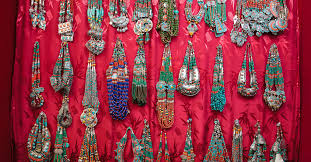 Tibetan jewelry is one of the most visually striking things you'll find in McLeodganj's markets. Characterized by chunky silver settings, large turquoise and coral stones, and traditional motifs, Tibetan jewelry has a bold, distinctive aesthetic that's instantly recognizable. Unlike delicate contemporary jewelry, Tibetan pieces are substantial, often heavy, and packed with cultural meaning.
Traditional Tibetan jewelry uses specific materials that carry symbolic and protective significance:
Turquoise: Perhaps the most iconic stone in Tibetan jewelry, turquoise is believed to have protective properties. In Tibetan culture, turquoise changes color as the wearer's health changes—it's said to fade when the wearer is ill and regain color when they recover. Authentic Tibetan turquoise can range from sky blue to green-blue, often with natural matrix (the dark veining within the stone). Be aware that much of what's sold as turquoise in McLeodganj is actually howlite (a white stone dyed blue). Ask if the turquoise is genuine—genuine pieces will be more expensive (₹500-3,000 depending on size) but are worth it for authenticity and energetic properties.
Coral: Red coral is another traditional Tibetan stone, representing life force and energy. Tibetan coral is usually bamboo coral (dyed red) rather than precious Mediterranean coral, but it's still valued for its traditional appearance. Coral is believed to bring strength and vitality. In Tibetan jewelry, coral often balances turquoise, creating the signature red-and-blue color combination.
Silver: Traditional Tibetan jewelry uses sterling or slightly lower purity silver (92.5-90%). The silver often has an oxidized, antique finish rather than high polish. Tibetan silverwork is known for its repoussé work (hammering designs from the back to create relief on the front) and intricate filigree. Many pieces are decorated with traditional symbols like the endless knot, lotus flowers, or the eight auspicious signs.
Dzi (gzi) beads: These are perhaps the most mysterious and valuable items in Tibetan jewelry. Dzi are agate beads with ancient patterns believed to be of divine origin. Authentic ancient dzi beads can be worth thousands or even lakhs of rupees. You'll see many dzi beads for sale in McLeodganj, but most are modern reproductions. If you're interested in dzi, educate yourself thoroughly before buying—or consider buying a modern piece that's beautiful regardless of its age.
Popular jewelry items you'll find in McLeodganj:
Earrings (₹300-1,500): Tibetan earrings are often substantial, featuring turquoise or coral stones in silver settings. Traditional styles include dangling bells, domes with filigree work, and stones set in bezels. Because they're heavy, many Tibetan earrings have posts or hooks designed for stability. These statement pieces aren't for the faint-hearted but are incredibly striking.
Necklaces (₹500-5,000): Tibetan necklaces range from simple pendant necklaces to elaborate pieces with multiple strands. Traditional ga'u boxes are pendant necklaces with small compartments that were historically used to hold relics, blessed substances, or small thangkas. Contemporary ga'us might hold photos of loved ones or small prayers. You'll also see malas (prayer bead necklaces) with silver spacers and guru beads.
Bracelets and bangles (₹200-1,200): These include solid silver bangles with engraved designs, cuffs with turquoise or coral, and beaded bracelets with traditional motifs. Some bracelets are adjustable with open designs, while others are solid and sized.
Ring (₹300-2,000): Tibetan rings often feature large turquoise or coral stones in heavy silver settings. These aren't delicate rings—they're substantial pieces that make a statement. Many rings are adjustable, which is helpful if you're buying as a gift.
When buying jewelry in McLeodganj, pay attention to quality. Look for:
- Secure stone settings (stones shouldn't wiggle)
- Smooth finishes (no rough edges that could scratch skin)
- Proper clasps and closures that work well
- Hallmarks indicating silver purity (.925 for sterling)
Don't hesitate to bargain on jewelry, but be respectful—recognize that many pieces are handmade and the shopkeeper is charging for labor as well as materials. As a general rule, 10-20% off the asking price is reasonable for good quality pieces.
Some shops also offer custom jewelry making—if you're staying in McLeodganj for a while, you might be able to work with a jeweler to create a custom piece. This is a great option if you want something specific or want to combine stones from different pieces into a single design.
Tibetan jewelry is one of the most visually striking things you'll find in McLeodganj's markets. Characterized by chunky silver settings, large turquoise and coral stones, and traditional motifs, Tibetan jewelry has a bold, distinctive aesthetic that's instantly recognizable. Unlike delicate contemporary jewelry, Tibetan pieces are substantial, often heavy, and packed with cultural meaning.
Traditional Tibetan jewelry uses specific materials that carry symbolic and protective significance:
Turquoise: Perhaps the most iconic stone in Tibetan jewelry, turquoise is believed to have protective properties. In Tibetan culture, turquoise changes color as the wearer's health changes—it's said to fade when the wearer is ill and regain color when they recover. Authentic Tibetan turquoise can range from sky blue to green-blue, often with natural matrix (the dark veining within the stone). Be aware that much of what's sold as turquoise in McLeodganj is actually howlite (a white stone dyed blue). Ask if the turquoise is genuine—genuine pieces will be more expensive (₹500-3,000 depending on size) but are worth it for authenticity and energetic properties.
Coral: Red coral is another traditional Tibetan stone, representing life force and energy. Tibetan coral is usually bamboo coral (dyed red) rather than precious Mediterranean coral, but it's still valued for its traditional appearance. Coral is believed to bring strength and vitality. In Tibetan jewelry, coral often balances turquoise, creating the signature red-and-blue color combination.
Silver: Traditional Tibetan jewelry uses sterling or slightly lower purity silver (92.5-90%). The silver often has an oxidized, antique finish rather than high polish. Tibetan silverwork is known for its repoussé work (hammering designs from the back to create relief on the front) and intricate filigree. Many pieces are decorated with traditional symbols like the endless knot, lotus flowers, or the eight auspicious signs.
Dzi (gzi) beads: These are perhaps the most mysterious and valuable items in Tibetan jewelry. Dzi are agate beads with ancient patterns believed to be of divine origin. Authentic ancient dzi beads can be worth thousands or even lakhs of rupees. You'll see many dzi beads for sale in McLeodganj, but most are modern reproductions. If you're interested in dzi, educate yourself thoroughly before buying—or consider buying a modern piece that's beautiful regardless of its age.
Popular jewelry items you'll find in McLeodganj:
Earrings (₹300-1,500): Tibetan earrings are often substantial, featuring turquoise or coral stones in silver settings. Traditional styles include dangling bells, domes with filigree work, and stones set in bezels. Because they're heavy, many Tibetan earrings have posts or hooks designed for stability. These statement pieces aren't for the faint-hearted but are incredibly striking.
Necklaces (₹500-5,000): Tibetan necklaces range from simple pendant necklaces to elaborate pieces with multiple strands. Traditional ga'u boxes are pendant necklaces with small compartments that were historically used to hold relics, blessed substances, or small thangkas. Contemporary ga'us might hold photos of loved ones or small prayers. You'll also see malas (prayer bead necklaces) with silver spacers and guru beads.
Bracelets and bangles (₹200-1,200): These include solid silver bangles with engraved designs, cuffs with turquoise or coral, and beaded bracelets with traditional motifs. Some bracelets are adjustable with open designs, while others are solid and sized.
Ring (₹300-2,000): Tibetan rings often feature large turquoise or coral stones in heavy silver settings. These aren't delicate rings—they're substantial pieces that make a statement. Many rings are adjustable, which is helpful if you're buying as a gift.
When buying jewelry in McLeodganj, pay attention to quality. Look for:
- Secure stone settings (stones shouldn't wiggle)
- Smooth finishes (no rough edges that could scratch skin)
- Proper clasps and closures that work well
- Hallmarks indicating silver purity (.925 for sterling)
Don't hesitate to bargain on jewelry, but be respectful—recognize that many pieces are handmade and the shopkeeper is charging for labor as well as materials. As a general rule, 10-20% off the asking price is reasonable for good quality pieces.
Some shops also offer custom jewelry making—if you're staying in McLeodganj for a while, you might be able to work with a jeweler to create a custom piece. This is a great option if you want something specific or want to combine stones from different pieces into a single design.
Local Himachali Products Beyond Tibetan Crafts
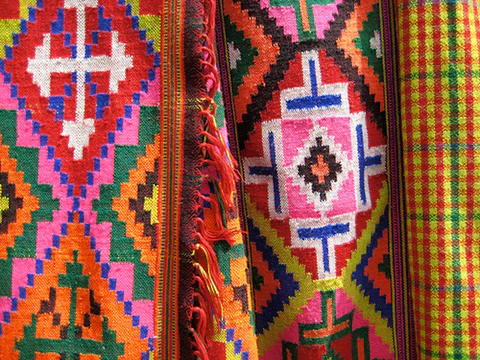 While Tibetan crafts dominate McLeodganj's markets, it's important to remember that McLeodganj is in Himachal Pradesh, and the region has its own rich tradition of handicrafts. These Himachali products are often overshadowed by the more colorful Tibetan goods, but they're equally beautiful and worth seeking out. Unlike Tibetan crafts which are mostly associated with the refugee community, Himachali crafts represent the indigenous traditions of the Kangra valley.
Woolen Shawls:
Himachal Pradesh is famous for its woolen shawls, and McLeodganj has some beautiful options. These shawls are hand-woven using wool from local sheep or sometimes the more luxurious pashmina wool from Himalayan goats. What makes Himachali shawls special is the weaving technique and the intricate patterns that often reflect traditional designs from different regions of Himachal.
The Himachal Emporium in McLeodganj is the best place to buy authentic Himachali shawls. It's a government-run store that stocks authentic handicrafts at fixed prices (no bargaining). While prices might be slightly higher than in private shops, the quality is guaranteed, and you're supporting local artisans.
Types of shawls you'll find:
Plain woolen shawls (₹600-1,500): Simple, elegant shawls in solid colors or subtle patterns. These are practical for everyday use in Himachal's cold climate and make great gifts. Look for tight weaving and good quality wool—cheap shawls will feel loosely woven and scratchy.
Kullu shawls (₹800-2,500): These are from the Kullu valley and feature distinctive geometric patterns. Traditional Kullu shawls use bright colors and bold patterns that have been used in the region for centuries. The patterns often have names based on their design—"diamond pattern," "key pattern," etc.
Pashmina shawls (₹2,000-8,000): Made from the fine wool of pashmina goats, these are incredibly soft, lightweight, and warm. Genuine pashmina is expensive—be cautious of very cheap "pashmina" as it's often synthetic or blended. A simple test: genuine pashmina should feel incredibly soft against your skin and should pass through a ring (it's that fine).
Jamawar shawls (₹3,000-15,000): These are elaborate shawls with intricate woven patterns, often incorporating gold or silver thread. They're more like works of art than practical shawls. Jamawar weaving is extremely time-consuming, and some pieces take months to complete.
When buying shawls, feel the fabric carefully. Good quality wool should feel substantial but not scratchy. Pashmina should feel incredibly soft and almost silky. Hold the shawl up to light—quality wool should be densely woven, not loosely spun. Also check the edges—hand-finished edges are a sign of quality.
Traditional Himachali Caps:
The Himachali cap, or topi, is an iconic symbol of the state. These colorful, patterned caps are worn by men throughout Himachal and make for great souvenirs. In McLeodganj, you'll find various styles:
Kullu topi: The most famous style, featuring colorful geometric patterns on a wool or tweed base. Traditional Kullu caps often have a colorful band of pattern around the base and a plain top.
Kinnauri topi: More subdued in color, often green with subtle patterns. These are less common in McLeodganj but sometimes available.
Plain caps: Simple woolen caps for everyday wear, often with a folded brim. These are practical and affordable.
Prices range from ₹150-500 depending on quality and whether it's hand-woven or machine-made. For an authentic hand-woven cap, expect to pay ₹300-500. The Himachal Emporium is a reliable place to buy authentic caps, though you'll also find them in local markets.
Kangra Tea:
The Kangra valley, where McLeodganj is located, has been growing tea since the mid-19th century, and Kangra tea has a distinct character—lighter than Assam tea but more robust than Darjeeling, with a subtle floral note. Kangra tea was historically famous but declined in the mid-20th century; it's now experiencing a revival.
In McLeodganj, you can buy Kangra tea at several shops. Look for:
Green tea: Kangra green tea is particularly good—light, fragrant, and not as astringent as other green teas. It's gaining recognition among tea enthusiasts.
Black tea: Traditional Kangra black tea, good with milk and sugar (the way most Indians drink their tea) or plain for a more delicate experience.
White tea: More expensive but delicate and refined. White tea is made from the youngest tea buds and minimally processed.
Prices range from ₹200-800 per kg depending on variety and quality. Good shops will let you smell and taste the tea before buying. If you're a tea enthusiast, ask about single-origin teas from specific gardens in the Kangra valley—there are several estates producing excellent tea.
Wood Carvings:
Himachal has a rich tradition of wood carving, visible in the temples and traditional houses throughout the state. In McLeodganj, you can find smaller carved wooden items:
Wooden boxes (₹200-800): Intricately carved boxes for jewelry or storage. These make great gifts and are practical. Look for clean carving and tight-fitting lids.
Wall hangings (₹300-1,200): Carved wooden panels with traditional motifs. These might depict deities, geometric patterns, or scenes from Himalayan life.
Masks (₹400-1,500): Traditional wooden masks used in folk dances and festivals. These are more decorative but have great character.
The quality of carving varies greatly. Look for pieces with clean, detailed carving and smooth finish. Avoid pieces with rough edges or simplistic designs. The more detailed the carving, the more time and skill went into the piece.
While Tibetan crafts dominate McLeodganj's markets, it's important to remember that McLeodganj is in Himachal Pradesh, and the region has its own rich tradition of handicrafts. These Himachali products are often overshadowed by the more colorful Tibetan goods, but they're equally beautiful and worth seeking out. Unlike Tibetan crafts which are mostly associated with the refugee community, Himachali crafts represent the indigenous traditions of the Kangra valley.
Woolen Shawls:
Himachal Pradesh is famous for its woolen shawls, and McLeodganj has some beautiful options. These shawls are hand-woven using wool from local sheep or sometimes the more luxurious pashmina wool from Himalayan goats. What makes Himachali shawls special is the weaving technique and the intricate patterns that often reflect traditional designs from different regions of Himachal.
The Himachal Emporium in McLeodganj is the best place to buy authentic Himachali shawls. It's a government-run store that stocks authentic handicrafts at fixed prices (no bargaining). While prices might be slightly higher than in private shops, the quality is guaranteed, and you're supporting local artisans.
Types of shawls you'll find:
Plain woolen shawls (₹600-1,500): Simple, elegant shawls in solid colors or subtle patterns. These are practical for everyday use in Himachal's cold climate and make great gifts. Look for tight weaving and good quality wool—cheap shawls will feel loosely woven and scratchy.
Kullu shawls (₹800-2,500): These are from the Kullu valley and feature distinctive geometric patterns. Traditional Kullu shawls use bright colors and bold patterns that have been used in the region for centuries. The patterns often have names based on their design—"diamond pattern," "key pattern," etc.
Pashmina shawls (₹2,000-8,000): Made from the fine wool of pashmina goats, these are incredibly soft, lightweight, and warm. Genuine pashmina is expensive—be cautious of very cheap "pashmina" as it's often synthetic or blended. A simple test: genuine pashmina should feel incredibly soft against your skin and should pass through a ring (it's that fine).
Jamawar shawls (₹3,000-15,000): These are elaborate shawls with intricate woven patterns, often incorporating gold or silver thread. They're more like works of art than practical shawls. Jamawar weaving is extremely time-consuming, and some pieces take months to complete.
When buying shawls, feel the fabric carefully. Good quality wool should feel substantial but not scratchy. Pashmina should feel incredibly soft and almost silky. Hold the shawl up to light—quality wool should be densely woven, not loosely spun. Also check the edges—hand-finished edges are a sign of quality.
Traditional Himachali Caps:
The Himachali cap, or topi, is an iconic symbol of the state. These colorful, patterned caps are worn by men throughout Himachal and make for great souvenirs. In McLeodganj, you'll find various styles:
Kullu topi: The most famous style, featuring colorful geometric patterns on a wool or tweed base. Traditional Kullu caps often have a colorful band of pattern around the base and a plain top.
Kinnauri topi: More subdued in color, often green with subtle patterns. These are less common in McLeodganj but sometimes available.
Plain caps: Simple woolen caps for everyday wear, often with a folded brim. These are practical and affordable.
Prices range from ₹150-500 depending on quality and whether it's hand-woven or machine-made. For an authentic hand-woven cap, expect to pay ₹300-500. The Himachal Emporium is a reliable place to buy authentic caps, though you'll also find them in local markets.
Kangra Tea:
The Kangra valley, where McLeodganj is located, has been growing tea since the mid-19th century, and Kangra tea has a distinct character—lighter than Assam tea but more robust than Darjeeling, with a subtle floral note. Kangra tea was historically famous but declined in the mid-20th century; it's now experiencing a revival.
In McLeodganj, you can buy Kangra tea at several shops. Look for:
Green tea: Kangra green tea is particularly good—light, fragrant, and not as astringent as other green teas. It's gaining recognition among tea enthusiasts.
Black tea: Traditional Kangra black tea, good with milk and sugar (the way most Indians drink their tea) or plain for a more delicate experience.
White tea: More expensive but delicate and refined. White tea is made from the youngest tea buds and minimally processed.
Prices range from ₹200-800 per kg depending on variety and quality. Good shops will let you smell and taste the tea before buying. If you're a tea enthusiast, ask about single-origin teas from specific gardens in the Kangra valley—there are several estates producing excellent tea.
Wood Carvings:
Himachal has a rich tradition of wood carving, visible in the temples and traditional houses throughout the state. In McLeodganj, you can find smaller carved wooden items:
Wooden boxes (₹200-800): Intricately carved boxes for jewelry or storage. These make great gifts and are practical. Look for clean carving and tight-fitting lids.
Wall hangings (₹300-1,200): Carved wooden panels with traditional motifs. These might depict deities, geometric patterns, or scenes from Himalayan life.
Masks (₹400-1,500): Traditional wooden masks used in folk dances and festivals. These are more decorative but have great character.
The quality of carving varies greatly. Look for pieces with clean, detailed carving and smooth finish. Avoid pieces with rough edges or simplistic designs. The more detailed the carving, the more time and skill went into the piece.
Bargaining Etiquette and Fair Prices
If you are continuing to Punjab markets, compare negotiation pace with shopping in Amritsar.
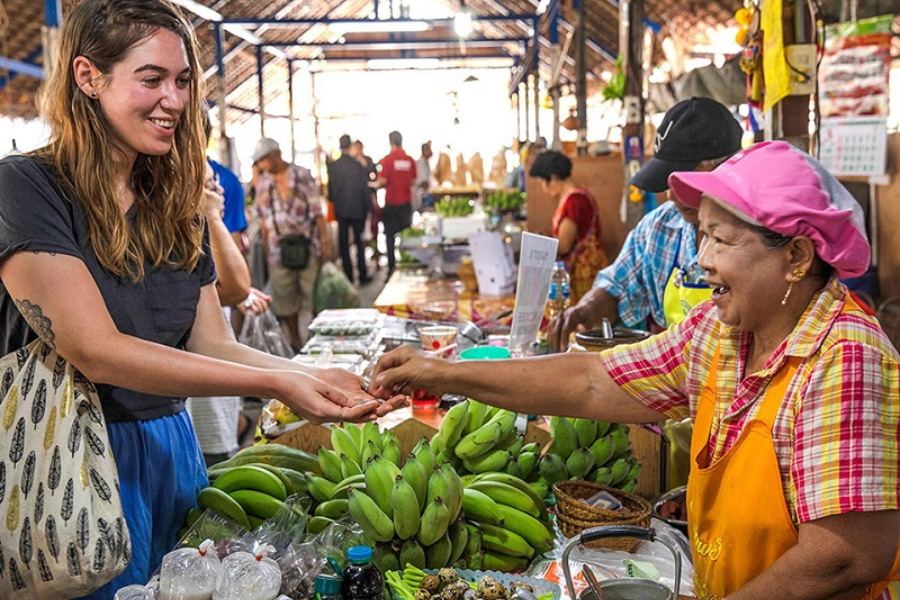 Bargaining is accepted in McLeodganj's markets, but the approach here is fundamentally different from more aggressive bargaining cultures like Rajasthan or Southeast Asia. The Buddhist influence means transactions are generally more respectful, less adversarial, and guided by ethical considerations. Here's how to bargain effectively while maintaining good vibes and respecting the local culture.
Where to Bargain:
Bargaining is expected and acceptable in:
- Private handicraft shops
- Street vendors and market stalls
- Most shops in the Main Square and Jogiwara Road
- Small independent shops
Bargaining is generally NOT expected (or minimal) in:
- The Tibetan Children's Village outlets (prices support refugee children's education)
- The Himachal Emporium (government-run with fixed prices)
- Bookworm bookstore
- Supermarkets and grocery stores
- Restaurants and cafes
- Established shops with fixed price displays
How Much to Bargain:
In McLeodganj, a reasonable discount is usually 10-20% off the asking price. This is much less than the 40-50% discounts common in other tourist markets. Shopkeepers here generally quote fairer prices to begin with, reflecting Buddhist ethics of honest business. The initial price is rarely inflated outrageously.
For very expensive items (thangkas costing ₹10,000+, antique pieces, large carpets), you might negotiate a larger discount (20-30%), but this is for significant purchases where even a small percentage is substantial money.
Bargaining Etiquette:
Be respectful and friendly: Smile, make eye contact, and maintain a pleasant tone. Aggressive bargaining is frowned upon here. The shopkeeper is a person, not an adversary. Many shopkeepers in McLeodganj are refugees or artisans—they're not wealthy merchants trying to exploit tourists.
Know when NOT to bargain: If a shopkeeper says sales support a community cause (like supporting refugee children, monastery building, old age homes for refugees, etc.), consider paying the full price. Your purchase directly helps people who've lost their homeland and are rebuilding their lives in exile. Saving ₹200 on a ₹2,000 purchase isn't worth it if that money would go to educating refugee children.
Bundle purchases: If buying multiple items, ask for a package price. "If I buy this thangka and this singing bowl, what price can you give me?" This is a common way to get a discount without direct bargaining. Shopkeepers often appreciate larger sales and are willing to discount.
Point out defects (genuinely): If an item has flaws—a chip in a singing bowl, a loose stone in jewelry, a tear in a thangka—it's reasonable to ask for a lower price. But don't manufacture defects just for bargaining leverage, and be respectful when pointing them out.
Walk away politely: If the price is still too high after reasonable negotiation, you can say "thank you, maybe I'll think about it" and start walking. Often the shopkeeper will call you back with a better price. If not, that's okay—the price genuinely might be their bottom line. There's no harm in walking away and maybe coming back later if you can't find the item elsewhere.
Don't bargain over small amounts: Haggling over ₹50-100 on a ₹500 item is generally not worth the energy and can seem disrespectful. Recognize that these are small amounts for many tourists but represent real money for local shopkeepers.
Ask for cash discount: Some shops offer a small discount (5-10%) for cash payments, as digital payments have processing fees for them. It's worth asking, "Do you have a better price for cash?"
Fair Price Guide:
Here are approximate fair prices for popular items (after reasonable bargaining):
Singing Bowls:
- Small (4-6 inch): ₹2,000-4,000
- Medium (7-9 inch): ₹4,000-8,000
- Large/Antique (10+ inch): ₹10,000-25,000
Thangkas:
- Small (painted, student work): ₹3,000-8,000
- Medium (painted, good quality): ₹8,000-20,000
- Large/Masterpiece: ₹20,000-50,000+
- Printed reproductions: ₹500-2,000
Prayer Wheels:
- Handheld: ₹300-800
- Tabletop: ₹800-2,500
- Large/Antique: ₹3,000-15,000
Prayer Flags:
- Small strings: ₹100-300
- Large sets: ₹500-1,500
Tibetan Incense:
- Regular pack (30-50 sticks): ₹150-400
- Medicinal/Premium: ₹300-800
Jewelry:
- Earrings: ₹300-1,500
- Necklaces: ₹500-5,000
- Bracelets/Bangles: ₹200-1,200
- Rings: ₹300-2,000
Shawls:
- Plain woolen: ₹600-1,500
- Kullu patterned: ₹800-2,500
- Pashmina: ₹2,000-8,000
Meditation Supplies:
- Meditation cushion (zafu): ₹800-2,500
- Meditation mat (zabuton): ₹600-1,500
- Incense burner: ₹200-800
If prices are significantly higher than these ranges, you're probably in a high-end gallery or a shop targeting wealthy tourists. There's nothing wrong with that—these shops often have exceptional quality—but you should be aware you're paying a premium.
Bargaining is accepted in McLeodganj's markets, but the approach here is fundamentally different from more aggressive bargaining cultures like Rajasthan or Southeast Asia. The Buddhist influence means transactions are generally more respectful, less adversarial, and guided by ethical considerations. Here's how to bargain effectively while maintaining good vibes and respecting the local culture.
Where to Bargain:
Bargaining is expected and acceptable in:
- Private handicraft shops
- Street vendors and market stalls
- Most shops in the Main Square and Jogiwara Road
- Small independent shops
Bargaining is generally NOT expected (or minimal) in:
- The Tibetan Children's Village outlets (prices support refugee children's education)
- The Himachal Emporium (government-run with fixed prices)
- Bookworm bookstore
- Supermarkets and grocery stores
- Restaurants and cafes
- Established shops with fixed price displays
How Much to Bargain:
In McLeodganj, a reasonable discount is usually 10-20% off the asking price. This is much less than the 40-50% discounts common in other tourist markets. Shopkeepers here generally quote fairer prices to begin with, reflecting Buddhist ethics of honest business. The initial price is rarely inflated outrageously.
For very expensive items (thangkas costing ₹10,000+, antique pieces, large carpets), you might negotiate a larger discount (20-30%), but this is for significant purchases where even a small percentage is substantial money.
Bargaining Etiquette:
Be respectful and friendly: Smile, make eye contact, and maintain a pleasant tone. Aggressive bargaining is frowned upon here. The shopkeeper is a person, not an adversary. Many shopkeepers in McLeodganj are refugees or artisans—they're not wealthy merchants trying to exploit tourists.
Know when NOT to bargain: If a shopkeeper says sales support a community cause (like supporting refugee children, monastery building, old age homes for refugees, etc.), consider paying the full price. Your purchase directly helps people who've lost their homeland and are rebuilding their lives in exile. Saving ₹200 on a ₹2,000 purchase isn't worth it if that money would go to educating refugee children.
Bundle purchases: If buying multiple items, ask for a package price. "If I buy this thangka and this singing bowl, what price can you give me?" This is a common way to get a discount without direct bargaining. Shopkeepers often appreciate larger sales and are willing to discount.
Point out defects (genuinely): If an item has flaws—a chip in a singing bowl, a loose stone in jewelry, a tear in a thangka—it's reasonable to ask for a lower price. But don't manufacture defects just for bargaining leverage, and be respectful when pointing them out.
Walk away politely: If the price is still too high after reasonable negotiation, you can say "thank you, maybe I'll think about it" and start walking. Often the shopkeeper will call you back with a better price. If not, that's okay—the price genuinely might be their bottom line. There's no harm in walking away and maybe coming back later if you can't find the item elsewhere.
Don't bargain over small amounts: Haggling over ₹50-100 on a ₹500 item is generally not worth the energy and can seem disrespectful. Recognize that these are small amounts for many tourists but represent real money for local shopkeepers.
Ask for cash discount: Some shops offer a small discount (5-10%) for cash payments, as digital payments have processing fees for them. It's worth asking, "Do you have a better price for cash?"
Fair Price Guide:
Here are approximate fair prices for popular items (after reasonable bargaining):
Singing Bowls:
- Small (4-6 inch): ₹2,000-4,000
- Medium (7-9 inch): ₹4,000-8,000
- Large/Antique (10+ inch): ₹10,000-25,000
Thangkas:
- Small (painted, student work): ₹3,000-8,000
- Medium (painted, good quality): ₹8,000-20,000
- Large/Masterpiece: ₹20,000-50,000+
- Printed reproductions: ₹500-2,000
Prayer Wheels:
- Handheld: ₹300-800
- Tabletop: ₹800-2,500
- Large/Antique: ₹3,000-15,000
Prayer Flags:
- Small strings: ₹100-300
- Large sets: ₹500-1,500
Tibetan Incense:
- Regular pack (30-50 sticks): ₹150-400
- Medicinal/Premium: ₹300-800
Jewelry:
- Earrings: ₹300-1,500
- Necklaces: ₹500-5,000
- Bracelets/Bangles: ₹200-1,200
- Rings: ₹300-2,000
Shawls:
- Plain woolen: ₹600-1,500
- Kullu patterned: ₹800-2,500
- Pashmina: ₹2,000-8,000
Meditation Supplies:
- Meditation cushion (zafu): ₹800-2,500
- Meditation mat (zabuton): ₹600-1,500
- Incense burner: ₹200-800
If prices are significantly higher than these ranges, you're probably in a high-end gallery or a shop targeting wealthy tourists. There's nothing wrong with that—these shops often have exceptional quality—but you should be aware you're paying a premium.
Practical Shopping Tips for McLeodganj
For larger city fallback options, keep shopping in Delhi on your route plan.
Best Time to Shop: McLeodganj's shopping experience varies by season: April to June (Summer): Peak tourist season. All shops are fully stocked, but McLeodganj can be crowded with Indian tourists escaping the plains' heat. Go early morning (10 AM-12 PM) for fewer crowds and cooler temperatures. Afternoons can be hot and crowded. July to September (Monsoon): Fewer tourists due to rain, so you might get better prices and personal attention from shopkeepers. However, some shops might keep shorter hours during heavy rain. The monsoon also brings magical cloud formations over the mountains—beautiful atmosphere for shopping. October to November (Autumn): Post-monsoon and before winter peak, this is arguably the best time. Weather is pleasant (warm days, cool nights), crowds are thinner than summer, and shops have fresh stock. The mountains are clearest after monsoon rains wash away dust. December to February (Winter): Quiet but magical. McLeodganj gets occasional snow, and the shops have a cozy atmosphere. Some shops might close earlier or have limited hours. If you don't mind cold, winter is wonderful—few crowds, shopkeepers have more time to talk, and you might get off-season prices. Daily Timing: Most shops in McLeodganj open around 10 AM (some closer to 11 AM). The best shopping window is 2-5 PM when: - Temple crowds have dispersed - Shopkeepers are more relaxed - Afternoon light is beautiful for photos Avoid lunchtime (1-2 PM) as some shops close briefly. Most shops close by 8 PM, though smaller shops might close around 7 PM. Payment Options: Cash: Still king, especially for: - Smaller shops and street vendors - Bargaining (you often get better prices for cash) - Emergency purchases when digital systems fail Carry adequate cash in smaller denominations (₹100, ₹500 notes). Many vendors struggle with change for ₹2,000 notes. UPI/Digital Payments (PhonePe, Google Pay, Paytm): Widely accepted in McLeodganj shops. Look for QR codes displayed at counters. Digital payments are convenient and secure, though some shops prefer cash due to transaction fees. Credit/Debit Cards: Accepted only in: - The Himachal Emporium - Some larger hotels and restaurants - Larger handicraft showrooms Most small shops and street vendors do NOT accept cards. Don't rely on cards for your shopping. For expensive items (thangkas over ₹10,000, carpets), some shops might accept a bank transfer, but ask in advance. Shipping Large Items: For large or fragile purchases, many McLeodganj shops can arrange shipping: Courier services: Available for domestic shipping. Costs vary ₹500-2,000 depending on weight and destination. Reliable services include DTDC, FedEx, and professional art shippers for expensive items. International shipping: More complicated but possible from some shops. Costs vary widely—get quotes in advance. For thangkas going abroad, you might need an Archaeological Survey of India certificate for very old or valuable pieces. Reputable shops can help with this. Packing: Good shops will pack items carefully: - Thangkas: Rolled in acid-free paper and sturdy tubes - Singing bowls: Wrapped in bubble wrap and padded boxes - Statues: Individually wrapped and boxed Double-check the packing before they ship. For very expensive items, consider buying travel insurance. For smaller items, it's usually easier and cheaper to carry them back yourself. Most shops provide bags or basic packaging. Bring a small tote bag or extra luggage space for your purchases. Customs for International Visitors: If you're traveling internationally, be aware of customs regulations: Antique items: Export of items over 100 years old is restricted. If buying antiques, ask for necessary documentation. Reputable shops can provide certificates of age. Wildlife products: Avoid buying anything made from endangered species (ivory, certain shells, shahtoosh wool). Not only is it unethical, but you'll likely have trouble at customs. Be particularly cautious with shahtoosh—often sold as "special wool" but illegal to export. Thangkas: Generally fine to export, but very large or old thangkas might require certificates from the Archaeological Survey of India. Plan ahead if buying a significant piece. Quantity restrictions: Some countries restrict how much you can bring back duty-free. Keep receipts, especially for expensive items. Shop Responsibly: Consider the environmental and ethical impact of your purchases: Support local artisans: Buy handmade items rather than mass-produced goods. Look for workshops where you can meet the artisans. Your purchase supports traditional crafts that might otherwise die out. Support community initiatives: Shops that support Tibetan Children's Village, monasteries, or refugee community projects. Many shops have signs indicating where proceeds go—consider these when choosing where to shop. Avoid overconsumption: Just because things are cheap doesn't mean you need to buy everything. Choose items you genuinely love and will use. A mala you use daily for meditation is more meaningful than five malas gathering dust in a drawer. Educate yourself: Learn about what you're buying. Understand the symbolism in a thangka, the proper use of a prayer wheel, the meaning of Buddhist symbols. This knowledge makes your purchases more meaningful and ensures you treat sacred objects with respect. Ask questions: Shopkeepers in McLeodganj are generally happy to share their knowledge. Ask about how things are made, where they come from, how to use them properly. This turns shopping from a transaction into a cultural exchange.Conclusion: Bringing McLeodganj's Spirit Home
Shopping in McLeodganj is about so much more than acquiring things—it's about connecting with a culture, supporting a community in exile, and bringing home objects that carry meaning and stories. Unlike souvenirs from typical tourist destinations that gather dust on shelves, the things you buy in McLeodganj—a thangka for your meditation space, a singing bowl for sound healing, a pair of prayer flags to remind you of this spiritual haven—become part of your spiritual journey and daily life. What makes McLeodganj's markets special is the intention and spiritual energy behind the products. The prayer wheels aren't just manufactured; they're filled with mantras by monks who believe in their power to benefit beings. The thangkas aren't just art; they're representations of enlightened beings and tools for spiritual practice, painted by artists who view their work as a form of meditation. The singing bowls aren't just decorative objects; they're instruments crafted with specific techniques to produce healing sounds that have been used for centuries. When you shop here, you're not just a consumer—you're a participant in keeping Tibetan culture alive. Every purchase helps support refugees who lost their homeland but maintained their traditions with incredible resilience. You're supporting artisans who have dedicated their lives to ancient crafts, monasteries that preserve Buddhist teachings, and community initiatives that educate the next generation of Tibetans born in exile. In a world of mass-produced goods and soulless consumption, shopping in McLeodganj feels meaningful and authentic. My advice: approach your shopping with mindfulness and curiosity. Don't rush from shop to shop checking items off a list. Instead, spend time in shops that resonate with you. Talk to the shopkeepers—many are willing to share stories about the products, their significance, and how to use them properly. Learn about Buddhist symbols, understand the meaning behind prayer flags, discover which deity you feel drawn to on a thangka. This knowledge makes your purchases more meaningful and ensures you treat sacred objects with the respect they deserve. Also, explore beyond the most touristy areas of the Main Square. Wander down Jogiwara Road, find the smaller workshops where artisans actually create the handicrafts, visit the Tibetan Handicraft Centre to see quality authentic work. Maybe even take a thangka painting class or a meditation session while you're here. These experiences will deepen your connection to the things you buy and make them more than just souvenirs—they'll be reminders of a place and a spiritual journey that touched your life. Be patient when shopping. Good things take time—finding the right thangka might mean visiting several shops and having long conversations with artists. Testing singing bowls to find one with the perfect sound for you might take an hour of listening and comparing. This isn't efficient shopping, but it's meaningful shopping. Shop ethically. Bargain reasonably, but recognize that these shopkeepers are refugees and artisans, not wealthy merchants. Pay fair prices that respect their work. Support shops that give back to the community. Avoid cheap, mass-produced goods that exploit Tibetan culture without benefiting Tibetan people. Ultimately, the best shopping in McLeodganj isn't about finding the cheapest prices or the most impressive items to show off to friends. It's about finding objects that speak to you, that support your spiritual practice or remind you of the peace and wisdom you found in this Himalayan haven. Whether you leave with a simple mala, an elaborate thangka, or just memories of colorful prayer flags fluttering against the backdrop of snow-capped peaks, the real treasure is the connection you've made with Tibetan culture and Buddhist wisdom. Happy shopping, and may your purchases bring you peace, wisdom, and connection to the profound spiritual traditions that make McLeodganj so special. May the prayer flags you take home spread blessings wherever they fly, may your singing bowl bring harmony and healing, and may your time in McLeodganj stay with you long after you've returned to the world below.Location
Frequently Asked Questions
Q1.What is McLeodganj famous for shopping?
McLeodganj is most famous for authentic Tibetan handicrafts and Buddhist religious items.
The McLeodganj Main Square near the Dalai Lama Temple is the heart of shopping, famous for:
- Thangkas: Intricate Buddhist paintings (₹3,000-50,000) by master artists
- Singing bowls: Authentic Tibetan bowls for meditation and sound healing (₹2,000-25,000)
- Prayer wheels: Handheld and tabletop prayer wheels filled with mantras (₹300-15,000)
- Prayer flags: Colorful flags in five sacred colors (₹100-1,500)
- Tibetan jewelry: Silver jewelry with turquoise and coral (₹300-5,000)
- Tibetan incense: Traditional incense for meditation (₹150-800)
What makes McLeodganj special is the spiritual atmosphere—you're shopping in a living Tibetan Buddhist community where many items have sacred significance rather than just commercial value.
Q2.Where can I shop in McLeodganj?
The main shopping areas in McLeodganj are:
1. McLeodganj Main Square: Located near the Dalai Lama Temple, this is the most popular shopping area with rows of shops selling Tibetan handicrafts, Buddhist artifacts, prayer flags, singing bowls, and souvenirs. Famous shops include Tibetan Novice and Lhasa Showroom.
2. Jogiwara Road: A winding road with a more bohemian vibe, home to Bookworm bookstore, clothing boutiques, meditation supply shops, and smaller workshops. This area caters more to long-term visitors and spiritual practitioners.
3. Tibetan Handicraft Centre: A government-supported center selling authentic Tibetan crafts made by refugee artisans. Known for quality thangkas, carpets, and textiles at fixed prices.
The Main Square is best for Tibetan specialties and souvenirs, Jogiwara Road for books and meditation supplies, and the Handicraft Centre for authentic, high-quality pieces.
Q3.What should I buy from McLeodganj?
From McLeodganj, you should buy authentic Tibetan products that reflect the region's unique cultural heritage:
Sacred Items:
- Singing bowls (₹2,000-25,000) for meditation and sound healing
- Thangkas (₹3,000-50,000) - Buddhist paintings for meditation spaces
- Prayer wheels (₹300-15,000) - filled with mantras for blessings
- Prayer flags (₹100-1,500) - to spread blessings on the wind
Jewelry & Textiles:
- Tibetan silver jewelry with turquoise and coral (₹300-5,000)
- Tibetan incense (₹150-800) for meditation
- Woolen shawls and pashmina (₹600-8,000)
Himachali Products:
- Kangra tea (₹200-800/kg) - unique Himalayan tea
- Traditional Himachali caps (₹150-500)
- Wood carvings and handicrafts
The most meaningful purchases support Tibetan refugee communities—look for shops that support the Tibetan Children's Village or sell products made by local artisans.
Q4.Is bargaining acceptable in McLeodganj?
Yes, bargaining is acceptable in McLeodganj, but the approach is more respectful than in other tourist destinations due to Buddhist influence.
Where you CAN bargain (10-20% discount):
- Private handicraft shops
- Street vendors and market stalls
- Most shops in Main Square and Jogiwara Road
Where you should NOT bargain:
- The Tibetan Children's Village outlets (proceeds support refugee education)
- The Himachal Emporium (government-run with fixed prices)
- Bookworm bookstore
- Restaurants and supermarkets
Bargaining etiquette:
- Be respectful and friendly - aggressive bargaining is frowned upon
- If a shopkeeper says sales support a community cause, consider paying full price
- You can ask for cash discounts (5-10%) as digital payments have fees
- For expensive items (₹10,000+), you might negotiate 20-30% off
Remember: Many shopkeepers are refugees or artisans—not wealthy merchants. Fair prices support the community.
Q5.What are the best shops in McLeodganj?
McLeodganj has several established, reputable shops known for quality and authenticity:
Tibetan Novice: Famous for authentic Tibetan handicrafts, fair prices, and knowledgeable staff. Excellent for singing bowls, prayer flags, and Buddhist statues. Run by a Tibetan family with decades in McLeodganj.
Lhasa Showroom: Renowned for quality carpets and thangkas. One of the oldest shops in McLeodganj with a reputation for authentic goods. Good for significant purchases.
Bookworm: McLeodganj's iconic bookstore on Jogiwara Road. Incredible selection of books on Buddhism, Tibetan culture, and philosophy. Staff provide excellent recommendations.
Tibetan Handicraft Centre: Government-supported center with authentic crafts made by refugee artisans. Fixed prices, guaranteed quality, and certificates for expensive items. Best for thangkas, carpets, and textiles.
Himachal Emporium: Government-run shop selling authentic Himachali products—shawls, caps, tea, and wood carvings. Fixed prices, reliable quality.
These shops have built reputations over decades and are generally reliable for quality and authenticity.
Q6.What are the market timings in McLeodganj?
Most shops in McLeodganj are open from 10 AM to 8 PM, though some smaller shops might close earlier around 7 PM.
Best time to shop: Afternoon (2-5 PM) because:
- Temple crowds have dispersed (mornings are busy with Dalai Lama Temple visitors)
- Shopkeepers are more relaxed and willing to spend time explaining products
- You can browse at a leisurely pace
- Afternoon light is beautiful for photography
Late afternoon (4-6 PM) is particularly magical as the Dhauladhar mountain ranges glow golden.
Avoid:
- Lunchtime (1-2 PM) when some shops close briefly
- Early morning (many shops don't open until 10-11 AM)
Seasonal variations:
- Winter (Dec-Feb): Some shops may close earlier (7 PM) due to cold
- Monsoon (July-Sept): Irregular hours during heavy rain
Q7.Are credit cards accepted in McLeodganj shops?
Payment acceptance varies in McLeodganj:
Cash is the most widely accepted, especially for: - Smaller shops and street vendors - Bargaining (better prices for cash) - Emergency purchases when digital systems fail
Carry adequate cash in smaller denominations (₹100, ₹500 notes).
UPI/Digital Payments (PhonePe, Google Pay, Paytm) are widely accepted in McLeodganj shops. Look for QR codes at counters. Very convenient and secure.
Credit/Debit Cards are accepted only in: - The Himachal Emporium (government-run) - Some larger hotels and restaurants - Larger handicraft showrooms
Most small shops, street vendors, and market stalls do NOT accept cards.
For expensive items (thangkas over ₹10,000, carpets), some shops might accept bank transfers, but ask in advance.
Best practice: Carry sufficient cash for shopping, especially in smaller markets and for bargaining. Use UPI for convenience when available. Don't rely on cards.
Q8.How do I identify authentic Tibetan handicrafts?
Finding authentic Tibetan crafts in McLeodganj requires some knowledge:
Singing Bowls:
- Authentic bowls produce complex, harmonic sounds with multiple overtones
- Test before buying—strike gently and listen for sustained, complex sound
- Antique bowls (₹10,000+) should have patina and finer resonance
- Avoid cheap bowls under ₹1,500—usually machine-made without proper harmonics
Thangkas:
- Authentic hand-painted thangkas have visible brush strokes and mineral pigments
- Look for tight, detailed painting—simplistic work indicates student pieces
- Master thangkas use crushed gemstones mixed with pigment
- Printed thangkas (₹500-2,000) are reproductions—not sacred objects
Tibetan Jewelry:
- Genuine turquoise is expensive (₹500+)—cheap "turquoise" is often dyed howlite
- Look for .925 hallmark for sterling silver
- Authentic pieces have substantial weight and secure settings
Best sources for authenticity:
- Tibetan Handicraft Centre (government-certified)
- Established shops (Tibetan Novice, Lhasa)
- Workshops where you can meet artisans
Ask questions—authentic sellers will happily explain their products.
Q9.What can I buy as souvenirs from McLeodganj?
McLeodganj offers excellent souvenirs that are both beautiful and meaningful:
Affordable Souvenirs (₹100-500):
- Prayer flags - colorful and symbolic
- Tibetan incense - aromatic reminder of McLeodganj
- Small malas - prayer beads for meditation
- Himachali caps - traditional and practical
- Small wooden carvings - boxes, wall hangings
Mid-Range Gifts (₹500-2,000):
- Tibetan jewelry - earrings, bracelets
- Meditation cushions - practical for spiritual practice
- Incense burners - brass or copper
- Woolen shawls - warm and beautiful
- Books on Tibetan Buddhism - from Bookworm
Special Gifts (₹2,000+):
- Singing bowls - unique and functional
- Thangkas - sacred art for meditation spaces
- Handheld prayer wheels - filled with mantras
- Pashmina shawls - luxurious and authentic
- Tabletop prayer wheels - beautiful altar pieces
Best meaningful souvenirs: Items that support Tibetan refugees (Children's Village products) or that you'll actually use—a mala for meditation, incense that reminds you of temple smells, prayer flags that bring blessings to your home.
Recommended For You
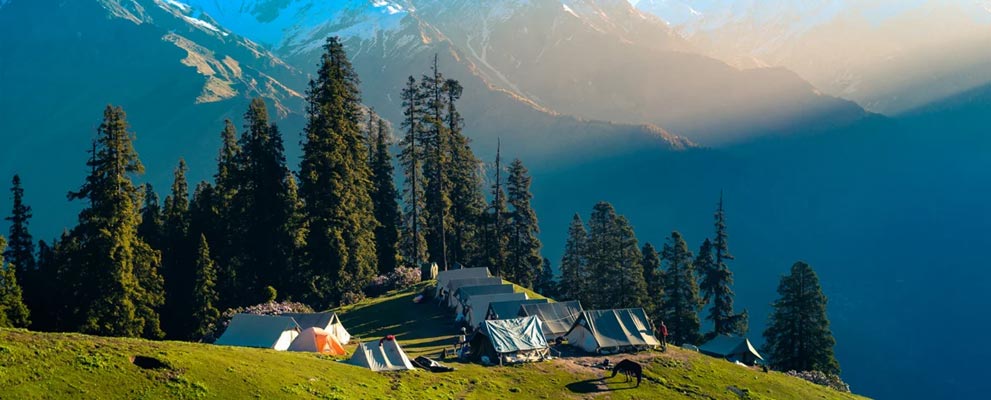
Best Time to Visit Himachal Pradesh: Season-Wise Guide by Region
Find the best time to visit Himachal Pradesh with season-wise guidance for families, snow trips, road journeys, and trekking routes.
Treks in Dharamshala: Top Trails, Distance & Best Time
Top treks in Dharamshala - Triund, Kareri Lake, Indrahar Pass. Trail details, difficulty, best season & preparation tips.
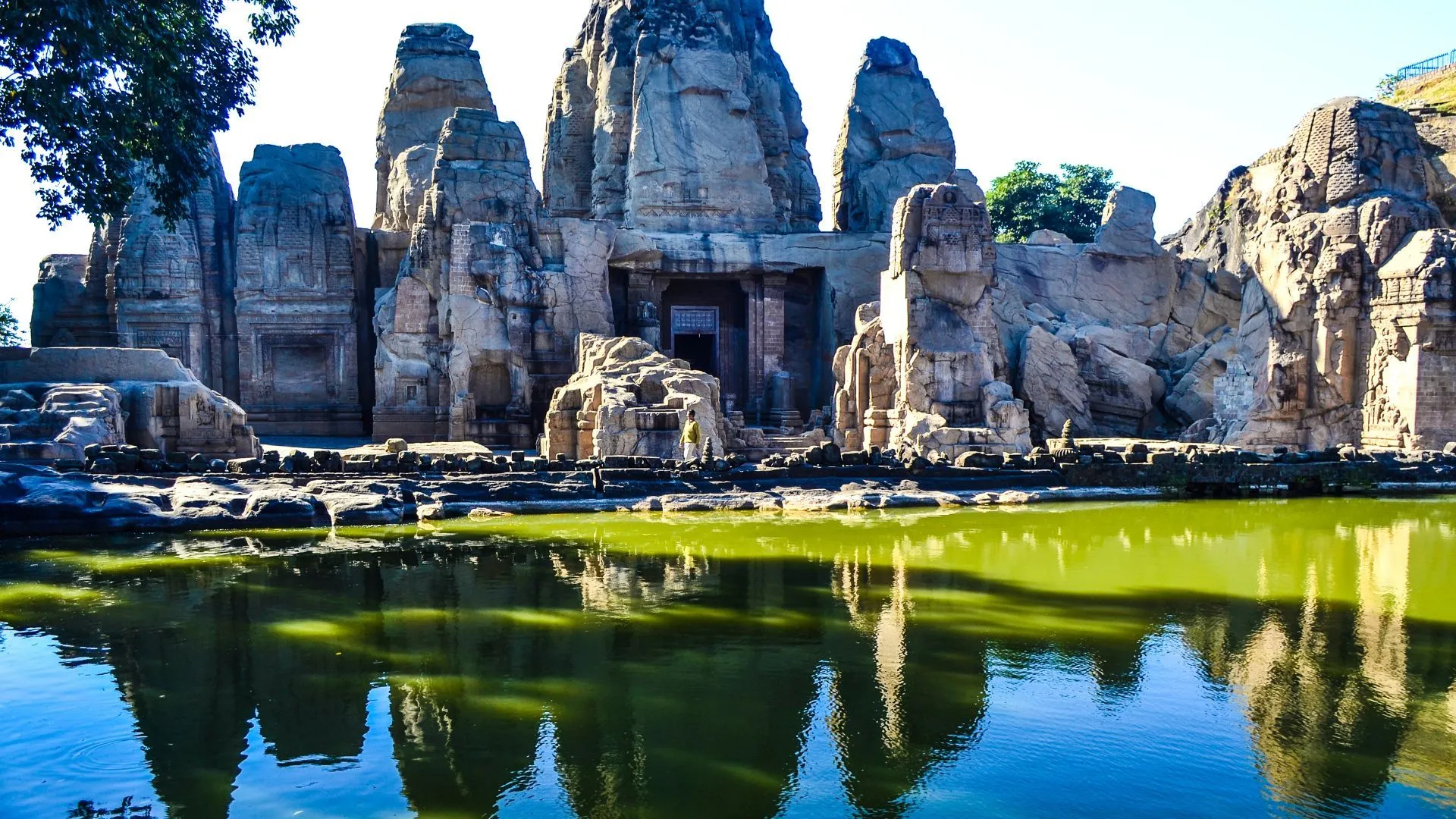
Best Places to Visit in Dharamshala: Top Spots
Discover the best places to visit in Dharamshala, from the Dalai Lama Temple and HPCA Stadium to Triund Trek, Bhagsu Waterfall, and Kangra Fort.
Never Miss an Adventure
Get the latest trekking guides, travel tips, and exclusive offers delivered straight to your inbox.
