
Shopping in Havelock Island: Souvenir Shops, Local Crafts & Beach Finds

Rahul Garg
February 20, 2026
Plan shopping in Havelock Island with market timing, souvenir checks, and practical buying tips for a smoother Andaman island trip.
Introduction: What Shopping Looks Like in Havelock
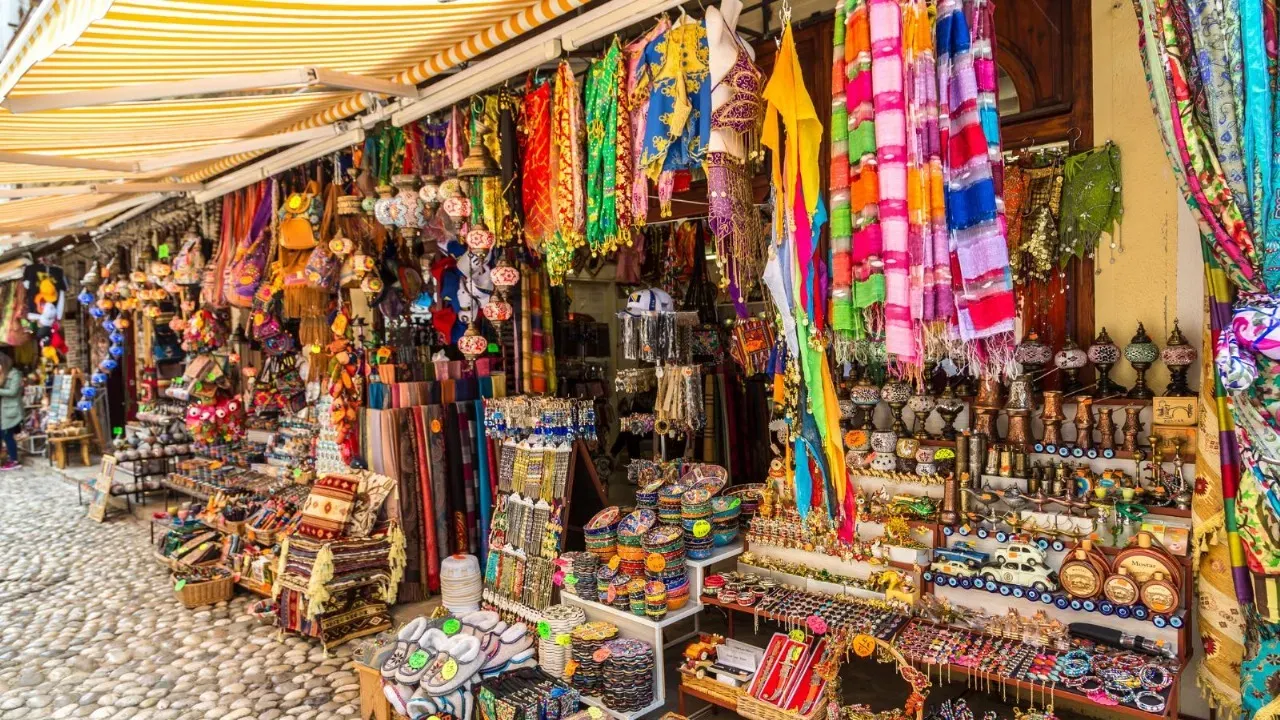
Shopping in Havelock Island is compact, practical, and focused on beach travel needs, souvenirs, and select local crafts. Unlike large mainland cities, Havelock markets are smaller and best approached with clear intent. Travelers who plan purchases by category and timing usually get better quality and pricing than those browsing randomly in rush windows.
For fuller island planning, pair this with Havelock Island guide, nearby food options in cafes and restaurants Havelock, and stay coordination via homestays in Havelock Island.
Main Shopping Areas and Product Types
Most shopping points in Havelock are clustered around central market strips and tourism-heavy routes. You will typically find souvenir items, beachwear, shell crafts, lightweight accessories, and trip-utility goods. Availability can vary seasonally, so buy key essentials early rather than assuming later access.
Keep your list organized into essentials, gifts, and optional buys to avoid overpacking.
Pearls, Shell Crafts, and Souvenir Shopping
Andaman-related shopping often includes pearl-themed products and shell-based decorative items. For better purchase confidence, inspect workmanship, ask about material origin, and compare multiple stalls before deciding. If you are buying fragile items, request travel-safe packaging immediately.
Avoid rushed purchases at the end of the day when visibility and attention are lower.

Beachwear and Travel Essentials
Havelock shopping is especially useful for practical travel gear: quick-dry clothing, beach footwear, hats, and small accessories. Prices may vary by location and season, so compare quickly and buy only what improves your itinerary comfort. Essentials-first shopping is usually the best strategy for multi-island travelers.
If you have onward ferry movements, keep luggage-friendly item sizes as a strict filter.
Timings, Bargaining, and Budget Tips
| Shopping Goal | Best Window | Tip |
|---|---|---|
| Essentials | Morning to midday | Buy before activity day starts |
| Souvenirs | Late afternoon | Compare stalls first |
| Bulk gifts | Single-store bundle | Negotiate total price politely |
Bargaining can be possible in some stalls, but respectful tone and realistic offers work best.

Execution Framework for Havelock Island shopping routes
Successful travel planning depends on structured decision-making. For Havelock Island shopping routes, define one non-negotiable anchor block and one optional support block in each half-day. This prevents over-scheduling and helps preserve quality when transport or weather changes unexpectedly. Keep one fallback location ready in the same zone so if delays grow beyond your threshold, you can switch quickly without wasting time. This approach reduces stress, protects energy, and improves satisfaction over multi-day travel.
Group coordination should be explicit: assign one person for navigation, one for timing, and one for payments or reservations. This avoids repeated confusion and keeps movement predictable. Add short hydration and recovery windows between high-energy segments. Even a 15-minute reset can improve decision quality and reduce fatigue-driven mistakes later in the day. If you are combining shopping or food experiences with sightseeing, cluster nearby stops and avoid long cross-city transitions during peak hours.
Responsible behavior also improves outcomes. Follow local etiquette, keep noise low in community spaces, and avoid risky photo positions. Use offline maps and backup contact details so network issues do not disrupt your itinerary. High-performing travel days are not built on attraction quantity; they are built on realistic pacing, respectful conduct, and reliable execution under changing conditions.
Execution Framework for souvenir and essentials buying in Havelock
Successful travel planning depends on structured decision-making. For souvenir and essentials buying in Havelock, define one non-negotiable anchor block and one optional support block in each half-day. This prevents over-scheduling and helps preserve quality when transport or weather changes unexpectedly. Keep one fallback location ready in the same zone so if delays grow beyond your threshold, you can switch quickly without wasting time. This approach reduces stress, protects energy, and improves satisfaction over multi-day travel.
Group coordination should be explicit: assign one person for navigation, one for timing, and one for payments or reservations. This avoids repeated confusion and keeps movement predictable. Add short hydration and recovery windows between high-energy segments. Even a 15-minute reset can improve decision quality and reduce fatigue-driven mistakes later in the day. If you are combining shopping or food experiences with sightseeing, cluster nearby stops and avoid long cross-city transitions during peak hours.
Responsible behavior also improves outcomes. Follow local etiquette, keep noise low in community spaces, and avoid risky photo positions. Use offline maps and backup contact details so network issues do not disrupt your itinerary. High-performing travel days are not built on attraction quantity; they are built on realistic pacing, respectful conduct, and reliable execution under changing conditions.
Conclusion
Shopping in Havelock Island is most rewarding when you plan for essentials first and souvenirs second, with clear budget and packing discipline.
Use short, focused shopping blocks and keep your itinerary movement simple for the best result.
Expanded Operational Playbook
Good itineraries are designed to perform well under real conditions, not ideal assumptions. Start every day by identifying one priority block that cannot be missed and one optional block that can be removed without reducing overall trip value. This structure prevents over-commitment and makes it easier to recover from delays. If you face heavy traffic, a queue surge, or weather disruption, shift immediately to a nearby fallback instead of waiting for uncertain recovery. Fast switching preserves momentum and protects your next high-value stop.
For multi-stop days, apply zone clustering. Keep activities within one geographic area per half-day and avoid long cross-city transitions at peak traffic times. This saves time and reduces energy drain. In group travel, assign simple responsibilities: navigation, timing, and payment coordination. Role clarity cuts confusion and keeps movement smooth. Add 10-15 minute reset windows between intensive segments, especially when dealing with heat, altitude, or crowd pressure. Small pauses dramatically improve decision quality and reduce late-day fatigue.
Budget and Experience Optimization
Budget efficiency is strongest when you spend for certainty. Prioritize costs that reduce risk: reliable transfers, verified reservations, and quality-critical purchases. Save on low-impact add-ons that do not improve outcome. For food and shopping days, define per-block spending limits in advance. This prevents impulsive overspending and makes it easier to compare value objectively. If you are buying multiple items, use bundle negotiation with clear quality checks rather than chasing random discounts stall-by-stall.
Track your day in three checkpoints: planned arrival, actual arrival, and adjustment made. This quick review helps you improve the next day with real data. Travelers who iterate daily usually see stronger outcomes by day two or three because their plans become realistic and better aligned with local conditions. Treat adaptability as a core travel skill, not a backup tactic.
Safety, Etiquette, and Responsible Conduct
Responsible conduct improves both personal safety and local experience quality. Follow area-specific norms, avoid risky photo positions, and respect restricted sections at all times. In markets, food lanes, and community spaces, keep pathways clear and noise low. In religious or heritage zones, dress and behavior should align with local expectations. These simple actions reduce friction and often create better interactions with local hosts and vendors.
Keep an essentials kit available through the day: hydration, weather layer, power backup, and basic medical support. Save key contacts offline, including transport drivers and accommodation details. If network service drops, this preparation prevents stress and wasted time. A resilient traveler is not the one with the most plans, but the one who can adjust safely without losing quality.
End-of-Day Review Method
Before ending the day, run a 5-minute review: What worked? What caused delay? What should be simplified tomorrow? Use this review to reduce one low-value stop and extend one high-value block next day. Over a multi-day trip, this method significantly raises quality while lowering stress. Preserve one flexible hour each evening for recovery, transport variation, or a repeat visit to the best location from the day.
When applied consistently, this framework turns average itineraries into reliable, high-performing travel plans. It helps protect time, improve comfort, and ensure each activity delivers meaningful value rather than rushed checkbox movement.
Final Practical Addendum
A final travel principle applies across all destination types: protect quality by reducing unnecessary movement. Build every day around one anchor objective, one nearby support activity, and one flexible recovery window. If conditions shift, adapt quickly and preserve the anchor rather than forcing every item in the plan. This keeps travel outcomes stable and enjoyable.
Before ending your day, confirm next-day transport, pre-check weather and operating windows, and keep essentials ready for an efficient start. Small preparation routines prevent morning delays and allow deeper experiences at your highest-priority stops.
Use this system consistently and your trip will feel calmer, more organized, and significantly higher in value.
Execution note: protect a final flexibility window at day-end for transfer variance, weather delays, or one meaningful repeat stop. This small buffer consistently improves comfort, prevents rushed decisions, and helps maintain quality across multi-day travel plans with changing on-ground conditions.
One final tactic improves consistency: pre-decide your exit point before you begin a shopping or dining block. This prevents late overrun, protects transport timing, and keeps the rest of the day stable. Travelers who set clear end-times usually enjoy better pacing and fewer rushed decisions.
Location
Frequently Asked Questions
Q1.What can I buy in Havelock Island?
Q2.Are pearls authentic in Havelock?
Q3.Where is the main shopping area?
Q4.Is bargaining allowed?
Q5.When should I shop for essentials?
Q6.Can I shop after beach activities?
Q7.How do I protect fragile souvenirs?
Q8.How much time should I allocate?
Recommended For You

Things to Do in Andaman: Top Activities, Water Sports & Island Tours
Plan top things to do in Andaman with diving, snorkeling, beaches, island hopping, historical sites, and practical itinerary plus budget guidance.

Places to Visit in Andaman: Islands, Beaches & Planning Tips
Explore the best places to visit in Andaman with island-wise highlights, beach picks, activity ideas, and practical route planning tips.
Shopping in Port Blair: Aberdeen Bazaar, Souvenirs & Budget Picks
Discover shopping in Port Blair with our guide to best markets, souvenirs, shell crafts, and budget tips for Andaman Islands.
Never Miss an Adventure
Get the latest trekking guides, travel tips, and exclusive offers delivered straight to your inbox.
