
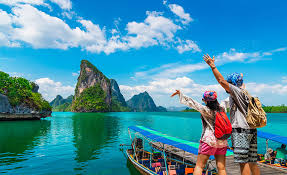
Things to Do in Andaman: Top Activities, Water Sports & Island Tours

Rohit Verma
February 20, 2026
Plan top things to do in Andaman with diving, snorkeling, beaches, island hopping, historical sites, and practical itinerary plus budget guidance.
Introduction
Andaman is one of the strongest destinations in South Asia for travelers who want beaches, marine life, history, and nature in one trip. The biggest planning mistake is treating the islands like a single city itinerary. A better approach is activity-first planning by island clusters: Port Blair for history and logistics, Havelock for water sports and beach time, and Neil for slower nature-driven days. If you are researching things to do in Andaman, this guide helps you build a realistic plan with budget and season context.
The islands reward travelers who prioritize pace and sea-condition flexibility over rushed sightseeing. Ferry schedules, weather windows, and activity slots should shape your day plans. For deeper destination planning, also review places to visit in Andaman, scuba diving in Andaman, and practical notes from Andaman travel tips.
How to Structure Your Andaman Itinerary
Think of Andaman travel in three layers. The first layer is fixed logistics: flights, permits where needed, ferry movement, and stay transfers. The second is activity booking: diving, snorkeling, sea walk, kayaking, and boat rides. The third is flexible leisure: beach sunset sessions, market walks, and cafe time. This structure reduces stress when sea conditions force schedule changes.
For a standard 5- to 7-day trip, keep Port Blair for arrival and departure buffers, allocate at least two nights in Havelock, and one or two nights in Neil based on your interests. If your trip is shorter, avoid too many inter-island shifts and focus on one primary marine activity plus curated beach time.
Water Sports and Adventure Activities
Water sports are the headline experience in Andaman, but activity quality varies by operator and weather. Beginners should prioritize certified instructors, clear briefing, and transparent inclusions. Ask specific questions about safety ratio, cancellation policies, and underwater photo delivery before booking.
Popular options include jet skiing, banana boat rides, sea walking, parasailing (in selected windows), and guided snorkeling. These are best booked in early to mid-morning sessions for relatively calmer conditions. Keep one low-intensity block later in the day so you do not overpack marine activity and lose energy.
If you are traveling with mixed-age groups, split activity windows. One group can do high-adrenaline sports while others choose glass-bottom boats, relaxed beach time, or shoreline exploration.
Scuba Diving and Snorkeling Deep Dive
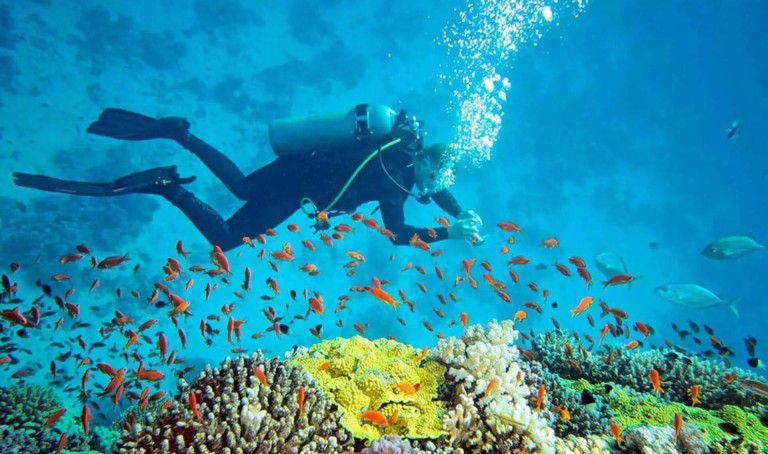
Scuba diving is among the top things to do in Andaman because of coral visibility, beginner-friendly discovery dives, and diverse marine life. Havelock and nearby zones are common choices for introductory sessions, while certified divers can explore advanced sites depending on season and current conditions.
Beginner dives typically include basic training, shallow-water orientation, and an instructor-led underwater segment. Do not rush this process. A calm briefing and breathing practice can define overall experience quality. Snorkeling is also strong for non-divers and often gives excellent value when reef visibility is high.
For pricing, always check what is included: transfers, gear, instructor, media package, and taxes. Cheaper rates can hide add-on costs. Choose operator reputation over minor cost difference, especially for first-timers.
Best Beaches for Different Travel Styles
Radhanagar Beach is ideal for sunset, open shoreline walks, and classic Andaman visuals. Elephant Beach is often chosen for water activities and snorkel-access movement. Bharatpur and Laxmanpur zones in Neil can work for slower beach days and photography. The best strategy is to assign each beach a purpose instead of repeating similar sessions.
Couples may prefer late-afternoon quiet beach windows and cafe-led evenings. Families can combine short activity blocks with safe, low-fatigue beach stops. Solo travelers often gain more by joining small-group marine sessions and community-style ferry movement.
Avoid swimming blindly at unfamiliar spots without checking local guidance on currents and timing.
Island Hopping and Ferry Planning
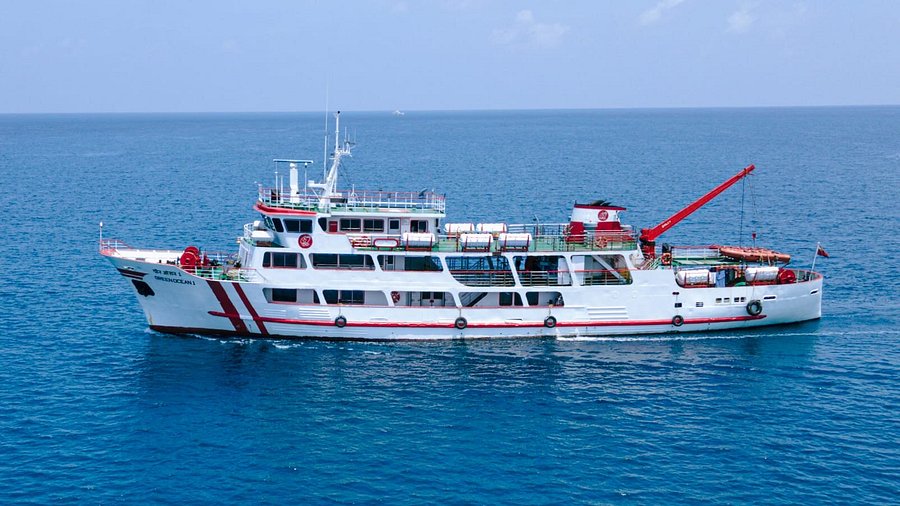
Island hopping defines Andaman travel quality. Keep transfer-day expectations realistic; each shift can consume half a day when check-out, ferry boarding, transfer to stay, and local movement are included. Over-ambitious hopping usually reduces relaxation and cuts activity quality.
Book ferries in advance during peak season and keep digital plus printed backups. Build one contingency window in your trip plan for delay scenarios. This simple buffer protects your return flight plan and prevents expensive last-minute changes.
A practical sequence for first-time travelers is Port Blair -> Havelock -> Neil -> Port Blair. Keep at least one non-transfer day between major movements.
Historical and Cultural Experiences
Andaman is not only about beaches. Cellular Jail in Port Blair adds important historical context, and the evening light-and-sound experience can be meaningful if expectations are aligned toward learning. Museums like Samudrika and anthropological spaces offer useful insight into marine ecosystems and regional history.
Ross Island-style ruins and colonial remnants add visual contrast to marine-focused days. If history matters to you, reserve one full cultural day at the start or end of the itinerary rather than squeezing monuments between ferry transfers.
Nature and Wildlife Experiences
Mangrove kayaking, marine park visits, and seasonal bioluminescence windows are among Andaman’s most memorable nature activities. These experiences depend heavily on timing and operator reliability, so confirm conditions a day prior.
Birdwatching, forest walks in selected zones, and sunset points beyond mainstream beaches can enrich the trip for nature-oriented travelers. Keep expectations realistic around wildlife sightings and prioritize responsible observation instead of intrusive behavior.
Best Time to Visit Andaman for Activities
| Season | Best For | Watch-outs |
|---|---|---|
| Oct-Feb | Diving, beach days, island movement | Higher prices, early booking required |
| Mar-May | Clear water windows, fewer crowds in pockets | Heat and humidity management |
| Jun-Sep | Budget travel and greenery | Weather disruptions and limited activities |
For high-activity trips, dry season windows are generally safer. If you travel in shoulder months, keep more flexible plans and refundable bookings where possible.
Budget Planning and Trip Costs
- Budget trip: INR 2,500-4,000 per day per person with basic stays and selected activities
- Mid-range trip: INR 5,000-8,500 per day with curated experiences and better transfers
- Premium trip: INR 10,000+ per day with top stays and multi-activity scheduling
Total spend depends on ferry class, stay type, number of water sports, and inter-island movement. Book major cost blocks early and leave room for weather-led adjustments.
7-Day Sample Activity Plan
Day 1: Arrive Port Blair, light city exploration.
Day 2: Cellular Jail, museum circuit, evening briefing for island shift.
Day 3: Transfer to Havelock, beach sunset.
Day 4: Scuba/snorkeling day and low-intensity evening.
Day 5: Shift to Neil, easy shoreline exploration.
Day 6: Relaxed beach + return to Port Blair.
Day 7: Buffer morning and departure.
This is a planning template, not a fixed script. Shift intensity according to weather and traveler profile.
Common Planning Mistakes
The most common error is overbooking paid activities on transfer-heavy days. Another is underestimating dehydration and fatigue in humid coastal conditions. Keep hydration, sun protection, and rest windows as core elements of your itinerary.
Also avoid choosing operators solely on lowest price. In Andaman, safety quality and equipment condition directly affect trip outcomes.
Operator Selection and Safety Checklist
Andaman activity quality depends heavily on operator standards. Before confirming any marine activity, ask for instructor credentials, equipment condition, cancellation policy, and emergency response process. Reliable operators usually provide clear answers and do not avoid safety questions. For diving, confirm briefing depth, max group size, and whether underwater photos are optional or bundled into price.
Do not schedule multiple intense water activities back-to-back if you are new to marine travel. A better model is one core adventure block per day, followed by low-intensity beach or cultural activity. This keeps energy and confidence stable through the trip. Carry a waterproof pouch, hydration salts, and reef-safe sunscreen. Small prep steps improve comfort significantly.
Family, Couple, and Solo Travel Modes
Families should prioritize safe beach windows, short transfer days, and one high-interest activity for children rather than overloaded schedules. Couples can combine one adventure morning with one private sunset or cafe-led evening for better emotional pace. Solo travelers often get the best value through shared activity groups and community ferries that reduce logistics complexity.
Across all travel styles, preserve one contingency slot in the itinerary. Sea and weather conditions can shift with little notice, and buffer time protects both budget and mood.
Activity Prioritization by Trip Length
4 days: one island base + one marine activity + one culture day.
5-6 days: Port Blair + Havelock + one additional island with two marine blocks.
7+ days: deeper island hopping, nature experiences, and relaxed downtime.
This structure helps avoid transfer-heavy itineraries that look full on paper but feel exhausting on ground.
High-Impact Packing and Prep Notes
Pack lightweight quick-dry clothing, anti-fog eye protection, power backups, and simple first-aid essentials. Keep printed copies of bookings in case network issues affect access. If you are prone to motion sensitivity, plan medication with medical guidance before ferry days. Practical preparation saves time and reduces avoidable disruptions.
Conclusion
The best things to do in Andaman combine marine adventure, curated beach time, island logistics discipline, and selective cultural stops. With a realistic route and weather-aware planning, the islands can deliver one of India’s highest-value travel experiences.
Prioritize two or three signature activities, protect transfer buffers, and choose trustworthy operators, and your Andaman trip will feel both exciting and smoothly managed.
Location
Frequently Asked Questions
Q1.How many days are enough for Andaman?
Q2.What are the top things to do in Andaman?
Q3.Is scuba diving in Andaman safe for beginners?
Q4.Which islands should I include in a first Andaman trip?
Q5.What is the best time to visit Andaman?
Q6.How expensive is an Andaman trip?
Q7.Do I need to pre-book ferry and activities?
Q8.Can I do Andaman in monsoon?
Recommended For You
Havelock Island (Swaraj Dweep): Beaches, Stay & Ferry Planning
Discover Havelock Island (Swaraj Dweep) in Andaman - home to the legendary Radhanagar Beach. Explore pristine beaches, world-class scuba diving, water sports, and island adventures in this tropical paradise. Complete travel guide with practical tips and itineraries.
Rutland Island Andaman: Offbeat Beaches, Diving & Boat Access
Rutland Island Andaman travel guide covering offbeat beaches, diving, snorkeling, access from Port Blair, best season, and practical day-trip planning.
Snorkeling in Andaman: Best Reefs, Pricing & Tour Options
Discover best snorkeling in Andaman! Complete guide to Havelock, Neil Island spots, prices, best time & tips for amazing underwater experience.
Never Miss an Adventure
Get the latest trekking guides, travel tips, and exclusive offers delivered straight to your inbox.
