
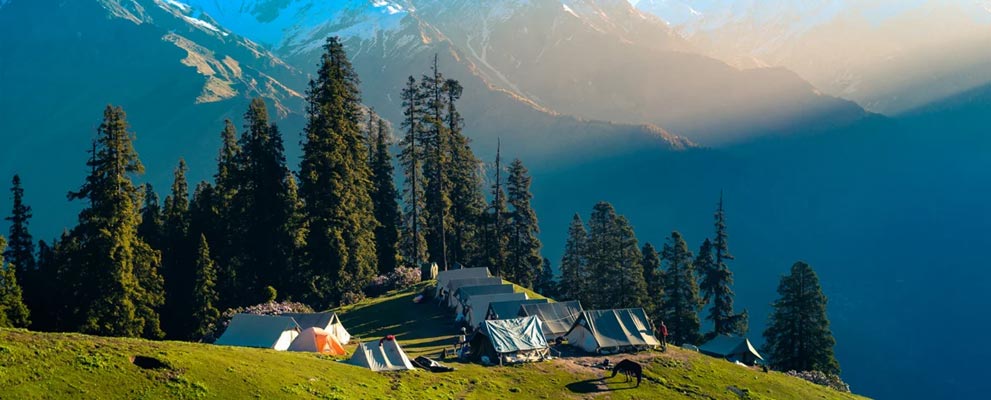
Best Time to Visit Himachal Pradesh: Season-Wise Guide by Region

Ananya Sharma
February 18, 2026
Find the best time to visit Himachal Pradesh with season-wise guidance for families, snow trips, road journeys, and trekking routes.
Best Time to Visit Himachal Pradesh: Season-Wise Planning Guide
The best time to visit Himachal Pradesh depends on which regions you want to cover and what kind of trip you are planning. Himachal is not one uniform weather zone. Shimla, Manali, Dharamshala, Spiti, and Kinnaur can behave very differently in the same month. A plan that works for lower hill towns may not work for higher valleys. That is why timing should be destination-specific, not just state-level.
This guide helps you choose the right season by travel objective: summer escapes, monsoon greenery, autumn clarity, or winter snow. For itinerary depth, combine this with best places to visit himachal pradesh, route ideas from valleys himachal, and high-point references like rohtang pass manali.

How to Choose Season by Trip Goal
Use a goal-first filter before booking. If you want cool weather and family sightseeing, summer and early autumn are strong. If you want snow, winter months are better in selected regions. If you want low-cost travel and greenery, monsoon shoulder windows may work with caution. Matching season to purpose reduces disappointment and route disruption.
Also plan by road reliability. In mountain travel, route quality and weather windows matter as much as temperature. Keep at least one buffer day for any multi-destination itinerary.
Summer (March to June): Most Popular for General Travel
Summer is one of the most practical seasons for first-time Himachal trips. Day weather is comfortable in many regions, making it easier for families and mixed-age groups. Towns like Shimla, Manali, and Dharamshala become peak choices, and trekking options open in several belts.
May and June can be crowded in popular zones. Book central stays early and avoid overloading daily movement, especially on weekends and holiday weeks.
Monsoon (July to September): Green Landscapes with Caution
Monsoon transforms Himachal into a lush and photogenic destination, but rain can affect road conditions in vulnerable sectors. This season suits travelers who can handle flexible plans and slower movement. If you visit during monsoon, keep local weather updates active and avoid aggressive route jumps.
Budget travelers may find better rates in this period, but safety and buffer planning should remain the priority.

Autumn (October to November): Clear Views and Balanced Conditions
Autumn is often one of the best time windows for Himachal travel. Skies are usually clearer, crowd levels can be better than peak summer, and road movement is often smoother in many routes. This period works very well for photography, scenic drives, and moderately active itineraries.
If your plan includes mid-to-high-altitude belts, autumn gives a good balance before deep winter conditions begin.
Winter (December to February): Snow-Focused Travel
Winter is ideal for travelers chasing snowfall and cold-season landscapes. Manali and nearby snow points become major attractions, while other regions may face access constraints depending on weather. This season suits snow-focused travelers who are comfortable with cold weather and occasional route delays.
For better experience, keep expectations realistic: snow beauty is high, but transit can be slower and plans need flexibility.
Region-Specific Timing Notes
| Region | Best Window | Why It Works | Note |
|---|---|---|---|
| Shimla belt | Mar-Jun, Oct-Nov, selective winter | Easy access and all-season utility | Peak holiday weeks get crowded |
| Manali belt | Apr-Jun and Dec-Feb | Summer escapes + snow interest | Plan traffic and stay location early |
| Dharamshala region | Mar-Jun, Sep-Nov | Comfortable weather and culture mix | Monsoon can affect movement |
| Spiti/Kinnaur corridors | Late spring to autumn | Road access and visibility improve | High-altitude prep is essential |
Best Time by Activity Type
Family sightseeing: April to June and October to November.
Snow experiences: December to February in snow-prone regions.
Trekking and nature routes: spring and autumn windows are usually strongest.
Budget travel: monsoon and winter shoulder periods with safety-first planning.
For quieter alternatives, compare options in hill stations himachal pradesh and route references like jalori jot himachal pradesh or shoja himachal pradesh.

Festival and Crowd Effects
Festival calendars and school holidays can significantly affect room rates and route congestion. If your objective is peaceful travel, avoid major rush windows. If you want cultural immersion, align with local celebrations and stay near key town centers to reduce long transfer dependence.
Budget Strategy by Season
Peak summer and major snow weeks generally carry higher rates. Shoulder seasons often give better value with reasonable weather quality. Instead of choosing the cheapest month only, focus on “usable days” in your itinerary. A slightly higher room rate in a stable weather period can produce better overall value than a cheaper but disrupted trip.
Suggested 6-Day Himachal Framework
Day 1: arrival and local orientation.
Day 2: nearby sightseeing with low transfer load.
Day 3: scenic route day.
Day 4: activity day based on season (snow, walk, or viewpoint loop).
Day 5: flexible buffer and market/café segment.
Day 6: departure with relaxed timing.
This model helps avoid fatigue and keeps weather disruptions manageable.
What to Pack by Himachal Season
- Summer: light layers, sun protection, and all-day walking footwear.
- Monsoon: rain shell, quick-dry clothing, anti-slip shoes.
- Autumn: layered clothing for warm days and cooler evenings.
- Winter: thermal base layers, insulated jackets, gloves, and proper grip shoes.
Pack according to region altitude and travel month, not only statewide forecasts.

Final Recommendation
For most travelers, April to June and October to November are the best time to visit Himachal Pradesh for weather comfort and broad destination access. Winter is excellent for snow-focused trips, while monsoon suits flexible travelers who prioritize greenery and lower crowds. Plan by region and activity, and your Himachal trip will be far smoother and more rewarding.
Quick Rule for Multi-Destination Himachal Trips
If you are covering more than one Himachal region, do not plan long transfers on back-to-back days. Keep one light day after every major movement day. This keeps energy stable and reduces weather disruption risk. Himachal road conditions can shift quickly, and a small schedule buffer protects the whole itinerary.
For most travelers, two regions in six days is the practical limit for a quality trip. Trying to include three or four regions usually results in time loss and limited on-ground experience. Better outcomes come from fewer stops with deeper exploration.
Location
Frequently Asked Questions
Q1.Which month is best for Himachal family trips?
Q2.When can I see snow in Himachal?
Q3.Is monsoon good for Himachal travel?
Q4.Which season is best for road trips?
Q5.Do I need woolens in summer?
Q6.Is October a good month for Himachal?
Q7.How early should I book peak season trips?
Q8.Can Himachal be visited year-round?
Recommended For You
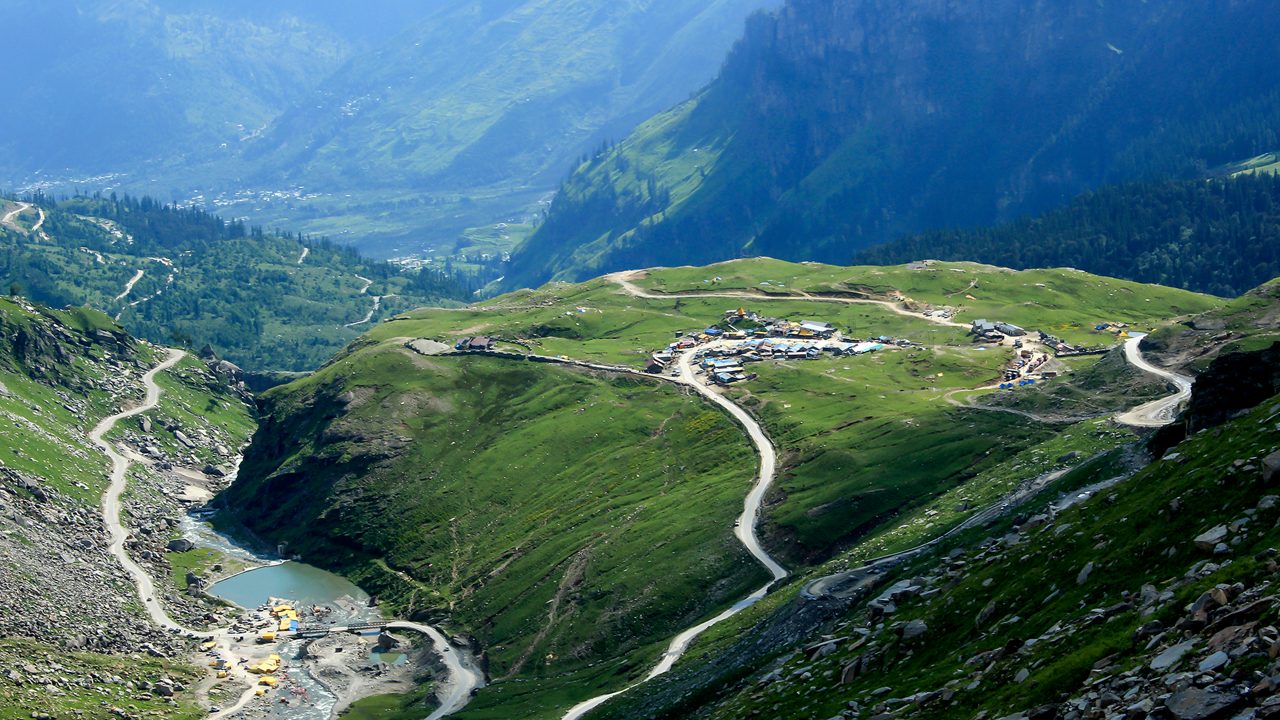
Rohtang Pass Manali: Complete Guide to Himalayan Adventure
Complete Rohtang Pass Manali guide: permits, best time, activities, costs & safety tips. Experience the Himalayas at 3,978 meters.
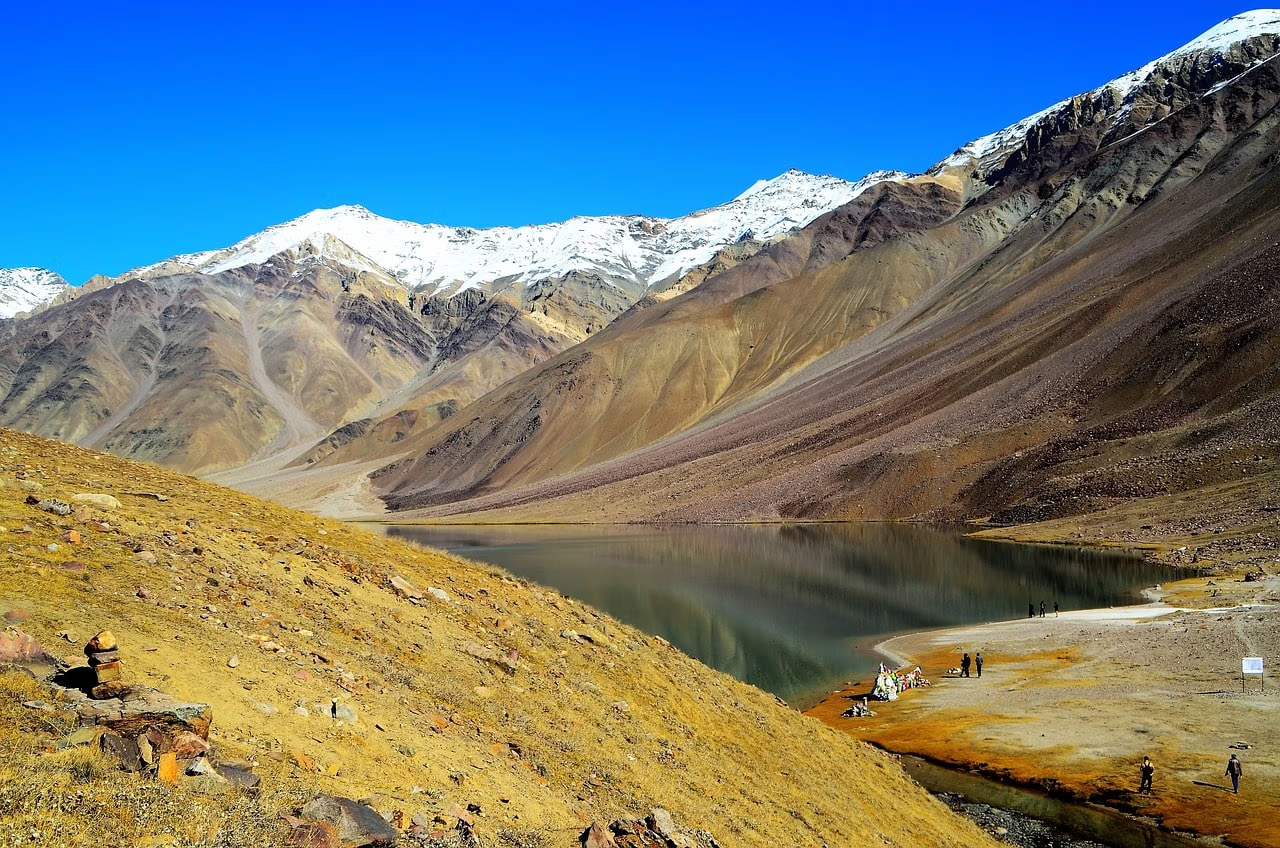
Jalori Pass: Complete Travel Guide Himachal
Explore Jalori Pass at 10,280 ft. Trek guide, best time to visit, how to reach from Shimla/Kullu, weather & nearby attractions. Plan trip.
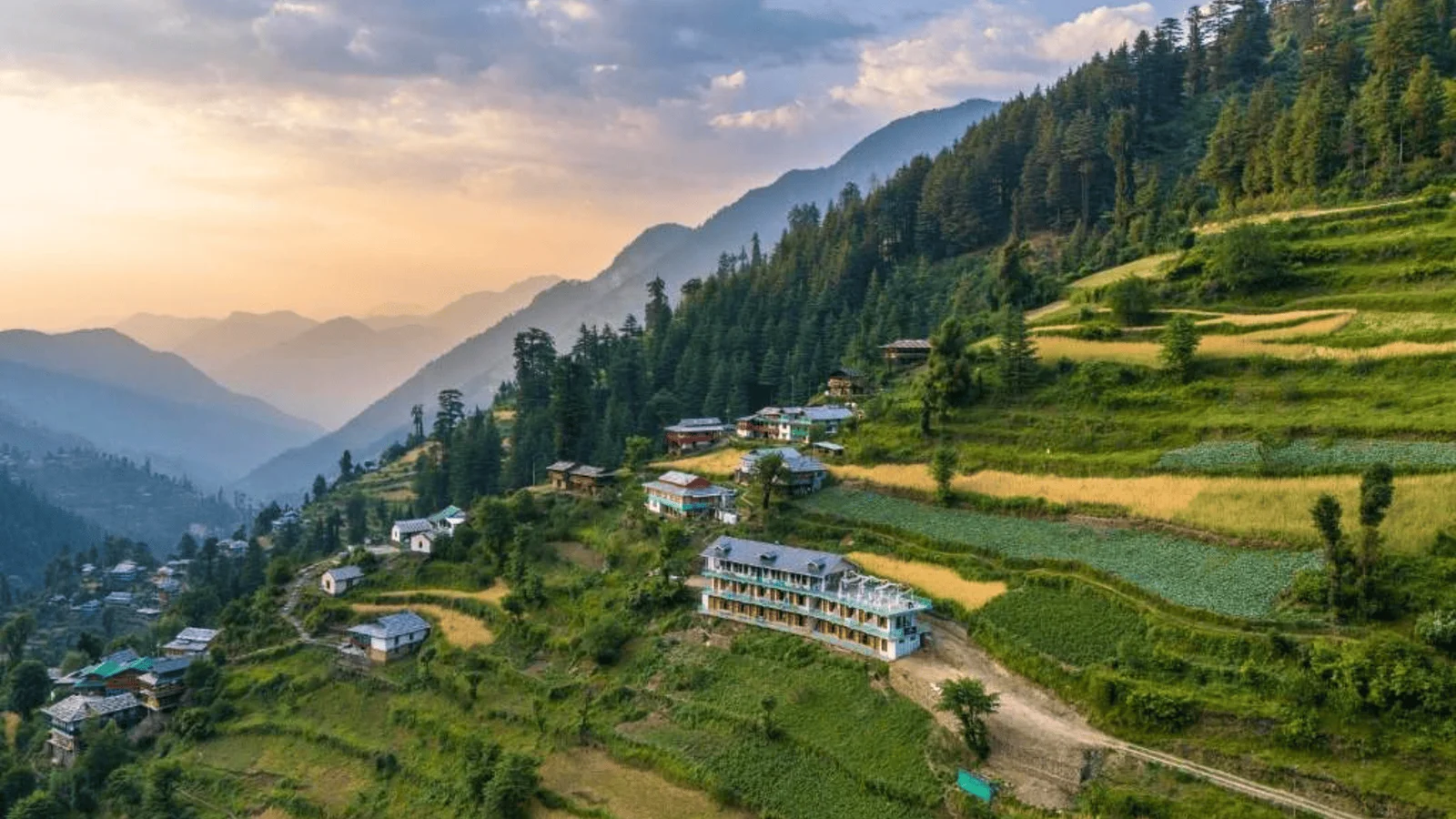
Shoja Himachal: Offbeat Stays, Waterfalls & Scenic Trails
Explore Shoja Himachal with offbeat-stay planning, season-aware route tips, and practical mountain pacing guidance.
Never Miss an Adventure
Get the latest trekking guides, travel tips, and exclusive offers delivered straight to your inbox.
