
Shopping
Shopping in Malaysia: Complete Guide to Kuala Lumpur, Penang & Langkawi

Neha Kapoor
December 10, 2025
10 min read4,783 views
Shopping in Malaysia guide - Kuala Lumpur malls, Penang heritage, Langkawi duty-free. Complete guide to best buys, sales, and shopping tips.
Shopping in Malaysia: Southeast Asia's Retail Paradise
Malaysia has emerged as one of Southeast Asia's premier shopping destinations, offering experiences that range from ultra-modern mega-malls to traditional night markets. This multicultural nation (comprising Malay, Chinese, Indian, and indigenous influences) combines Islamic heritage with contemporary consumer culture, creating a retail landscape that's both sophisticated and distinctly Asian. The country's shopping appeal lies in its diversity. Kuala Lumpur, the capital, competes with Singapore and Bangkok for regional shopping supremacy with world-class malls. Penang offers heritage shopping combining colonial charm with modern retail. Langkawi's duty-free status makes it a bargain hunter's paradise. Visitors can compare with Singapore's shopping scene for a complete Southeast Asian retail experience. Beyond these major destinations, Malaysia's cities and towns offer shopping experiences reflecting local character and needs. Malaysia's competitive advantage as a shopping destination includes favorable exchange rates for many visitors, year-round sales (unlike seasonal Western markets), tax-free shopping on certain items, and the unique combination of air-conditioned mall comfort alongside vibrant street market culture.Shopping in Kuala Lumpur: World-Class Capital Retail
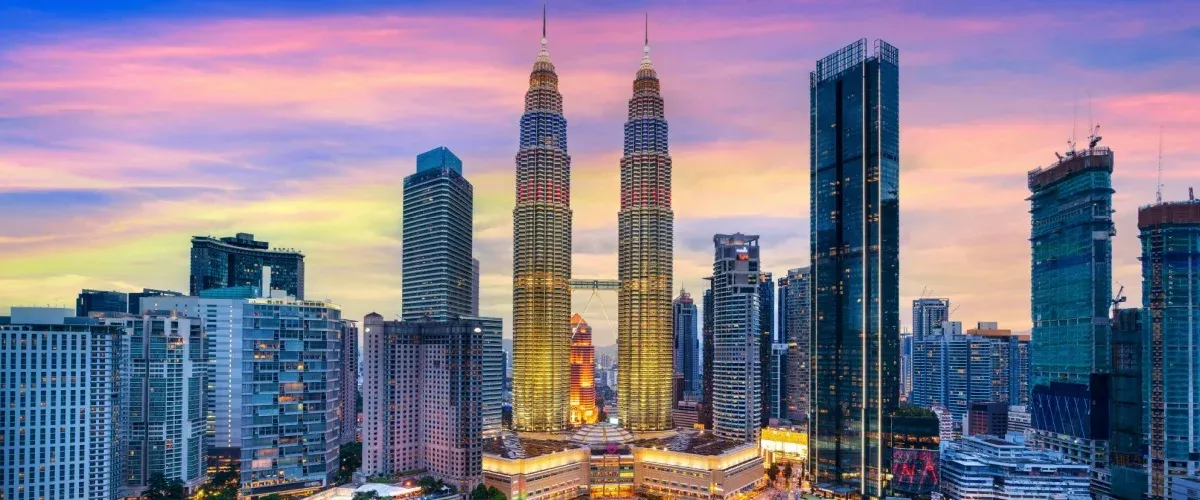
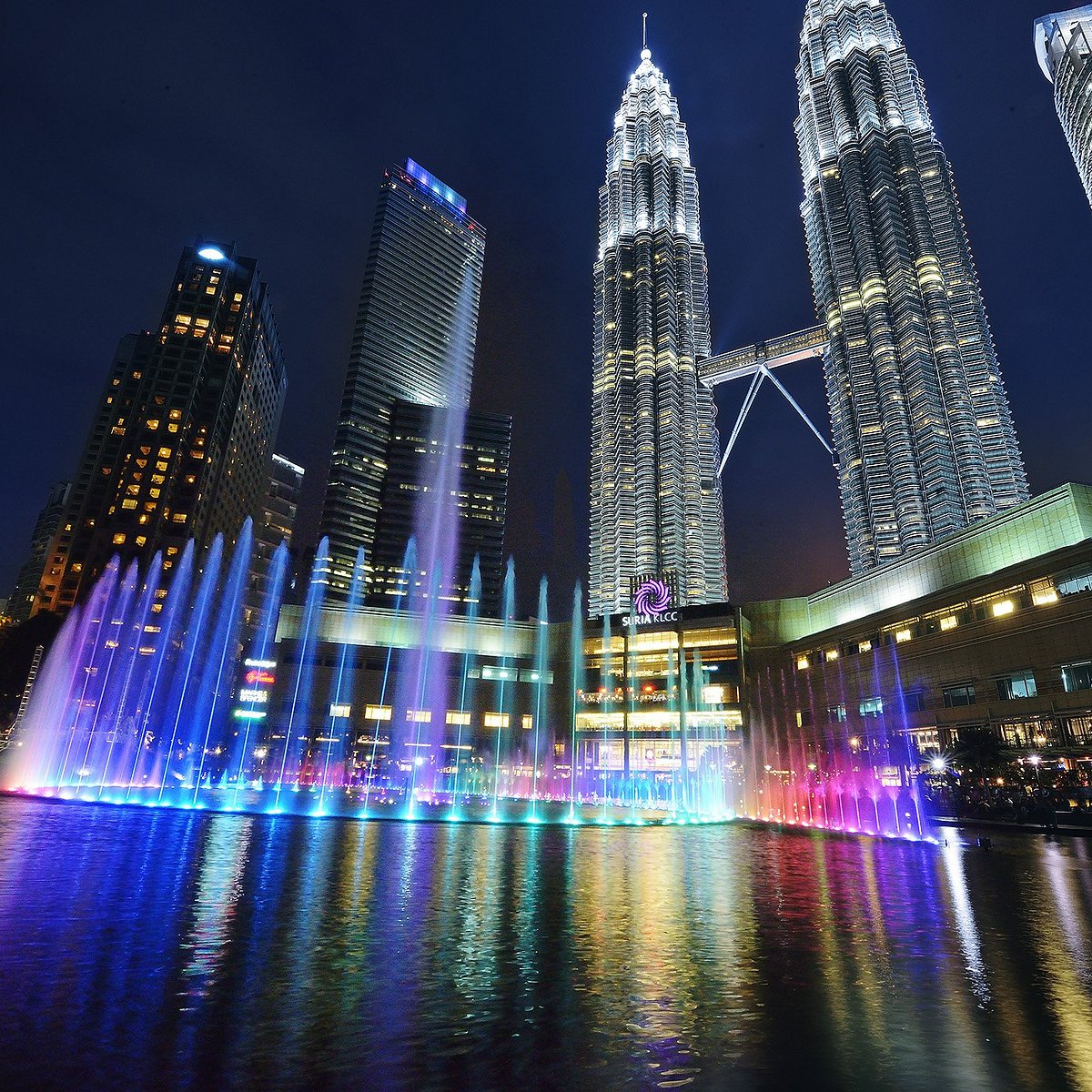
Kuala Lumpur (KL) offers Southeast Asia's most concentrated shopping luxury, with mega-malls that rival anything in Singapore or Hong Kong. The city's shopping district centers around the Bukit Bintang area and Kuala Lumpur City Centre (KLCC). Pavilion Kuala Lumpur: This massive mall on Bukit Bintang represents KL retail at its most sophisticated. Pavilion houses international luxury brands (Hermes, Chanel, Louis Vuitton), popular high-street labels, and extensive dining options. Learn more about this luxury destination in our Pavilion KL guide. The mall's design combines luxury aesthetics with Malaysian cultural elements. Pavilion is particularly famous for its elaborate festive decorations during Chinese New Year, Hari Raya, and Christmas.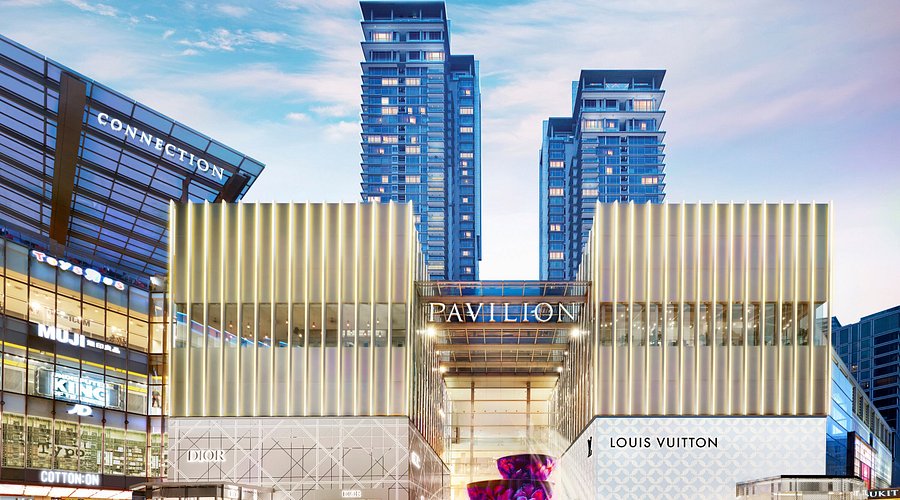 Suria KLCC: Located beneath the Petronas Twin Towers, this iconic mall offers premium shopping with architectural drama. The tenant mix includes luxury brands, popular international retailers, and excellent dining. Read our detailed Suria KLCC shopping guide for more information. The connection to the Petronas Towers, KLCC Park, and Aquaria KLCC aquarium makes Suria part of a complete day-out destination. The mall's fountain show is a popular attraction.
 Mid Valley Megamall: One of Southeast Asia's largest malls, Mid Valley offers overwhelming scale with hundreds of stores. The mall combines mid-range to premium fashion, extensive electronics, Malaysian department stores, and massive food courts. The connected The Gardens Mall brings luxury brands to the same complex. Mid Valley's size requires half-day minimum for comprehensive exploration.
Berjaya Times Square: This massive complex combines one of the world's largest malls with indoor theme park facilities. The mall features Malaysian and international brands, extensive dining, and entertainment options. The connected indoor theme park makes it popular with families. Budget-conscious shoppers appreciate the mix of affordable and mid-range options.
Sunway Pyramid: Egyptian-themed mega-mall in Petaling Jaya (KL suburb) combines distinctive architecture with comprehensive retail. The mall offers good brand mix, ice skating rink, extensive dining, and connection to Sunway Lagoon theme park. The Egyptian theme creates memorable shopping atmosphere.
Mid Valley Megamall: One of Southeast Asia's largest malls, Mid Valley offers overwhelming scale with hundreds of stores. The mall combines mid-range to premium fashion, extensive electronics, Malaysian department stores, and massive food courts. The connected The Gardens Mall brings luxury brands to the same complex. Mid Valley's size requires half-day minimum for comprehensive exploration.
Berjaya Times Square: This massive complex combines one of the world's largest malls with indoor theme park facilities. The mall features Malaysian and international brands, extensive dining, and entertainment options. The connected indoor theme park makes it popular with families. Budget-conscious shoppers appreciate the mix of affordable and mid-range options.
Sunway Pyramid: Egyptian-themed mega-mall in Petaling Jaya (KL suburb) combines distinctive architecture with comprehensive retail. The mall offers good brand mix, ice skating rink, extensive dining, and connection to Sunway Lagoon theme park. The Egyptian theme creates memorable shopping atmosphere.
| Mall | Location | Special Features |
|---|---|---|
| Pavilion KL | Bukit Bintang | Luxury brands, festive decor |
| Suria KLCC | KLCC | Petronas Towers, aquarium connection |
| Mid Valley Megamall | Mid Valley | One of region's largest malls |
| Berjaya Times Square | Bukit Bintang | Indoor theme park |
| Sunway Pyramid | Petaling Jaya | Egyptian theme, ice skating |
Shopping in Penang: Heritage and Modern Fusion
Penang Island, particularly George Town, offers shopping that blends heritage charm with contemporary retail. UNESCO World Heritage status hasn't prevented Penang from developing modern shopping infrastructure. Gurney Plaza: Penang's premier mall, located along the famous Gurney Drive, offers comprehensive retail with sea views. The mall houses international brands, Malaysian designers, excellent dining, and cinema. Gurney Plaza's seafront location and proximity to Gurney Drive hawker center make it a complete day destination. 1st Avenue Mall: Connected to Gurney Plaza by bridge, 1st Avenue brings contemporary mall design and younger brand mix to Penang. The mall features popular fashion brands, electronics, and trendy dining. The connection between the two malls creates Penang's largest shopping complex. Queensbay Mall: Located on Penang's southern coast, this large mall serves the island's residential areas and Bayan Lepas industrial zone. The mall offers comprehensive retail, dining, and entertainment facilities. For visitors exploring Penang's southern attractions (snake temple, factories), Queensbay provides convenient shopping. George Town Heritage Shopping: Beyond malls, George Town's UNESCO zone offers unique shopping in heritage shophouses. These include independent boutiques, art galleries, souvenir shops, and traditional trades (coin sellers, joss stick makers). This shopping experience combines retail with cultural immersion impossible in modern malls.
Shopping in Langkawi: Duty-Free Island Paradise
Langkawi's duty-free status makes it Malaysia's bargain shopping destination. Designated as a duty-free zone to boost tourism, Langkawi offers tax-free prices on alcohol, tobacco, chocolates, perfumes, and electronics. Duty-Free Shopping: Langkawi's duty-free shops cluster around Kuah town, Padang Matsirat, and tourist areas. Popular duty-free purchases include liquor (significantly cheaper than mainland Malaysia), cigarettes, chocolates, perfumes, cosmetics, and some electronics. However, do compare prices - not all items are genuinely good deals, and some mainland Malaysia sales offer comparable value. Zon Shopping Paradise: Located in Kuah, this is Langkawi's largest duty-free complex. The massive facility offers alcohol, tobacco, chocolates, perfumes, luggage, and some electronics at duty-free prices. The complex includes restaurant facilities and accepts both cash and credit cards. Teow Soon Huat Duty Free: Another popular duty-free shopping center in Kuah, offering similar products at competitive prices. Comparing prices between different duty-free operators can yield savings. Coco Valley: Located in Padang Matsirat near the airport, this duty-free shopping center is convenient for last-minute purchases before flights. The facility offers comprehensive duty-free products in modern settings.
Shopping in Other Malaysian Cities
Beyond KL, Penang, and Langkawi, Malaysia offers diverse shopping experiences. Johor Bahru: Singapore's neighbor across the causeway has developed impressive mall shopping including Paradigm Mall Johor Bahru, The Mall, Mid Valley Southkey, and AEON Mall Tebrau City. Many Singaporeans cross the border for Malaysia's lower prices and wider variety. Melaka (Malacca): This historic city offers heritage shopping similar to Penang. Dataran Pahlawan Melaka Megamall and Mahkota Parade provide modern retail, while the heritage zone offers antique shops, souvenir stores, and traditional crafts. Kota Kinabalu: Sabah's capital features Suria Sabah Shopping Mall and Imago Shopping Mall, offering modern shopping in Borneo. These malls stock local handicrafts, pearls, and Sabah specialties alongside international brands.
What to Buy in Malaysia: Essential Purchases
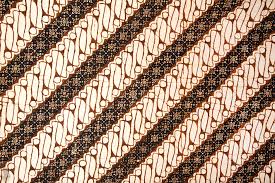
Malaysia offers products reflecting its multicultural heritage and tropical environment. Batik and Textiles: Malaysian batik, both hand-drawn and block-printed, makes beautiful purchases. Batik shirts, dresses, scarves, and fabric by the meter are available. Malaysian batik has distinct characteristics compared to Thai textiles. States like Kelantan and Terengganu are particularly famous for batik. Malaysian batik differs from Indonesian Javanese batik in motifs and color palettes - Malaysian pieces tend to feature brighter colors and floral/geometric designs. Pewter: Royal Selangor, the world-renowned pewter manufacturer, calls Malaysia home. Their products - tankards, photo frames, tableware, and decorative items - represent Malaysian craftsmanship at its finest. While not cheap, Royal Selangor pewter offers quality that justifies the investment and makes excellent gifts. Electronics: Malaysia offers competitive electronics pricing, particularly during sales periods. Cameras, smartphones, laptops, and audio equipment are widely available in mega-malls. However, do regional comparisons - Singapore and Hong Kong sometimes offer better prices for certain items. Food Products: Malaysian cuisine reflects its multicultural population, and food products make great souvenirs. Items include tiger balm (medicinal ointment), Bovril, Milo, tropical fruit jams, durian products (for the brave), and various spices and sauces. Handicrafts: Malaysian handicrafts vary by region. Kris (traditional Malay daggers), wau (traditional kites), batik paintings, and wood carvings represent Malay crafts. Borneo (Sabah and Sarawak) offers distinctive tribal crafts, beadwork, and woodcarvings.
| Product | Best Places | Price Range |
|---|---|---|
| Batik Shirt | KLCC, Central Market | RM 80 - 300 |
| Royal Selangor Pewter | Pavilion KL, Suria KLCC | RM 100 - 1000+ |
| Electronics | All mega-malls | Varies widely |
| Tropical Fruit Jam | Supermarkets, airports | RM 15 - 40 |
| Wood Carving | Central Market, Sarawak | RM 50 - 500 |
Traditional Markets: Night Markets and Bazaars
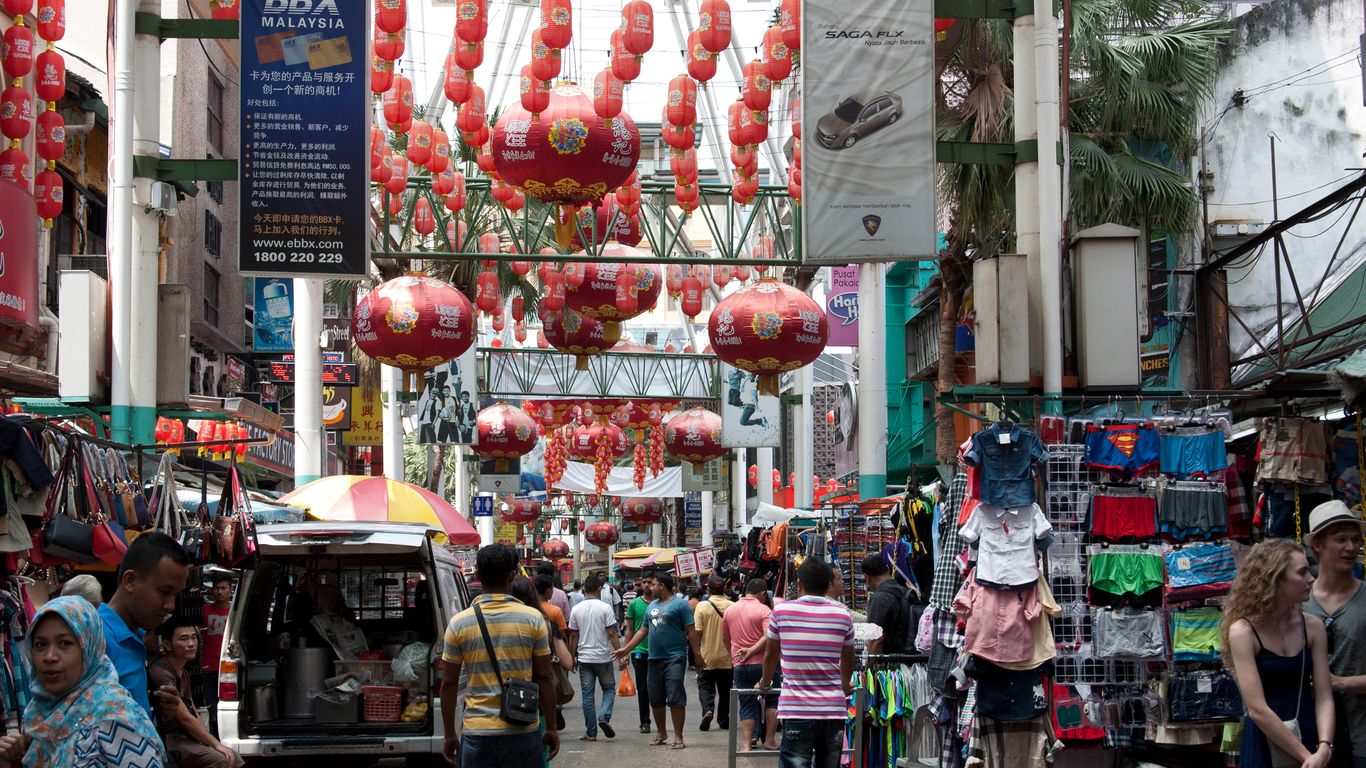
Beyond malls, Malaysia's traditional markets offer authentic cultural shopping. Petaling Street (KL Chinatown): This famous market offers counterfeit goods, souvenirs, and Chinese specialties. While not for everyone (fake brands, aggressive touts), it provides cultural atmosphere and bargains for those who enjoy market shopping. Bargaining is essential. Night Markets (Pasar Malam): Most KL neighborhoods host weekly night markets with food, clothing, and household items. These markets serve local residents but offer visitors authentic cultural experiences. Taman Connaught Night Market (Wednesday nights) is among KL's largest. Central Market (KL): This heritage market building houses Malaysian handicrafts, batik, souvenirs, and food. Prices are higher than street markets but quality is reliable, and bargaining is sometimes possible. The market's cultural performances and heritage architecture add value beyond shopping. Weekend Markets: Various locations host weekend markets bringing together food vendors, craft sellers, and entertainers. APW Bangsar (weekends) offers hipster market atmosphere with artisanal products and trendy food.
Market Shopping Tips:
- Bargaining: Expected in markets but not in malls. Start at 50-60% of asking price and negotiate respectfully.
- Quality Awareness: Markets may sell counterfeit or inferior products. Examine items carefully before purchasing.
- Cash: Most market vendors are cash-only. Carry small denominations for easier transactions.
- Timing: Visit markets early for best selection and cooler temperatures. Night markets get crowded later.
Sales and Shopping Festivals
Malaysia's retail calendar features several major shopping periods. Mega Sale Carnival: Running annually from June to September, this nationwide sale features discounts across most retail categories. This is the best time for major purchases as discounts can reach 70% off. 11.11 (11 November) and 12.12 (12 December): Adopted from China, these online shopping days have spread to physical retail with significant promotions. Festive Seasons: Chinese New Year (January/February), Hari Raya (dates vary), and Deepavali (October/November) bring festive shopping and themed decorations in malls. End-of-Year Sales: December sees year-end clearance sales as retailers clear inventory.
Practical Shopping Tips
- Weather: Malaysia is hot and humid year-round. Mall shopping provides air-conditioned relief from tropical heat. Plan mall visits during the hottest part of the day.
- Dress Code: Malaysia is Muslim-majority but shopping malls are liberal environments. However, dress modestly when visiting non-mall areas, particularly in Kelantan and Terengganu which are more conservative.
- Payment: Credit/debit cards widely accepted in malls. Cash preferred in markets. Touch 'n Go cards (RFID cards) useful for parking and some payments.
- Tax Refund: Malaysia doesn't offer GST/VAT refund for tourists. However, Langkawi's duty-free status provides tax savings on specific items.
- Bag Checks: Some malls check bags upon entry for security. This is standard and not cause for concern.
- Parking: KL malls offer extensive parking facilities, but these can fill during peak periods. Use public transport (especially KL Monorail and LRT) to avoid parking hassles.
Getting Around: Shopping by Transport
Kuala Lumpur's excellent public transport makes mall-hopping convenient. KL Monorail: The monorail line connects Bukit Bintang (Pavilion, Berjaya Times Square) with other areas. The Bukit Bintang station puts shoppers in the heart of KL's shopping district. LRT (Light Rail Transit): The Kelana Jaya line connects KLCC (Suria KLCC) with other parts of KL. The KLCC station provides direct mall access. Grab: This ride-hailing app (similar to Uber) operates throughout Malaysia and is often cheaper and more convenient than taxis for mall-to-mall transfers.
Conclusion: Malaysia's Shopping Appeal
Malaysia's combination of world-class malls, cultural markets, and duty-free shopping creates retail diversity unmatched in Southeast Asia. Whether seeking luxury brands, electronic bargains, traditional handicrafts, or duty-free deals, Malaysia delivers. The country's multicultural character enriches shopping - Malay batik alongside Chinese spices, Indian fabrics next to Borneo handicrafts. This diversity, combined with competitive prices, excellent infrastructure, and year-round sales, makes Malaysia a shopping destination that rewards exploration. From the air-conditioned luxury of Pavilion KL to the bustling energy of Petaling Street, from Penang's heritage shopping to Langkawi's duty-free bargains, Malaysian shopping offers experiences for every budget and preference. It's this comprehensive retail ecosystem that makes Malaysia one of Southeast Asia's most satisfying shopping destinations.
Location
Frequently Asked Questions
Q1.What are the best shopping malls in Kuala Lumpur?
Kuala Lumpur's top malls include Pavilion KL (Bukit Bintang) for luxury brands and sophisticated shopping, Suria KLCC (Petronas Towers) for premium retail with iconic location, Mid Valley Megamall for massive scale and variety, Berjaya Times Square for family entertainment, and Sunway Pyramid for distinctive architecture and ice skating. These mega-malls offer world-class shopping comparable to Singapore or Hong Kong.
Q2.Is Langkawi really duty-free for shopping?
Yes, Langkawi is a genuine duty-free island offering tax-free prices on alcohol, tobacco, chocolates, perfumes, cosmetics, and some electronics. Popular duty-free shopping centers include Zon Shopping Paradise, Teow Soon Huat, and Coco Valley. However, compare prices - not all items are better deals than mainland Malaysia, and some mainland sales offer comparable value. Liquor and tobacco offer the most significant savings.
Q3.What should I buy in Malaysia?
Best Malaysian purchases include batik (shirts, dresses, fabric), Royal Selangor pewter (tankards, tableware, decorative items), electronics (competitive pricing, especially during sales), Malaysian food products (tiger balm, tropical fruit jams, spices), and regional handicrafts (kris daggers, wood carvings, beadwork from Borneo). These items represent Malaysian culture and offer good value.
Q4.When is the best time to shop in Malaysia?
The best shopping period is the Mega Sale Carnival from June to September, when discounts reach 70% across most retail categories. 11.11 (November 11) and 12.12 (December 12) shopping days also offer significant promotions. Festive seasons (Chinese New Year, Hari Raya, Deepavali) bring themed shopping and good deals. Year-round warm weather means mall shopping is always comfortable.
Q5.Is bargaining acceptable in Malaysia?
Bargaining is expected in traditional markets like Petaling Street, night markets, and some souvenir shops. Start negotiations at 50-60% of asking price and bargain respectfully. However, established malls, department stores, and branded boutiques have fixed prices - bargaining is not appropriate in these venues. Read the situation and follow local lead.
Q6.How do I get around Kuala Lumpur for shopping?
Kuala Lumpur has excellent public transport connecting major malls. The KL Monorail serves Bukit Bintang (Pavilion, Berjaya Times Square). The LRT Kelana Jaya line connects KLCC (Suria KLCC) with other areas. Grab ride-hailing app provides convenient mall-to-mall transfers. Public transport avoids parking hassles and is often faster than driving in KL traffic.
Q7.Are electronics cheaper in Malaysia?
Malaysia offers competitive electronics pricing, particularly during sale periods. However, it's not always the cheapest in Southeast Asia - Singapore and Hong Kong sometimes offer better prices for certain items. Research prices beforehand and compare across multiple stores. For visitors from Western countries, Malaysian electronics prices are generally attractive even without sales, especially for cameras, smartphones, and computing devices.
Recommended For You
Shopping
Chinatown Kuala Lumpur: Petaling Street Markets, Food & Timings
Explore Chinatown Kuala Lumpur with Petaling Street shopping, food tips, nearby temples, best visiting hours, and easy transport routes for visitors.
Feb 19Read More
Shopping
Shopping Places in Singapore: Orchard, Bugis & Budget Shopping Zones
Explore the best shopping places in Singapore with area-wise tips for Orchard, Bugis, and premium mall districts.
Feb 18Read More
Shopping
Shopping in Thailand: Bangkok Markets, Night Bazaars & Mall Deals
Discover best shopping in Thailand. From Bangkok malls to floating markets, explore Thai silk, handicrafts & bargaining tips.
Dec 15Read More
Never Miss an Adventure
Get the latest trekking guides, travel tips, and exclusive offers delivered straight to your inbox.
