
Shopping in Thailand: Bangkok Markets, Night Bazaars & Mall Deals

Ananya Sharma
December 15, 2025
Discover best shopping in Thailand. From Bangkok malls to floating markets, explore Thai silk, handicrafts & bargaining tips.
Thailand's Shopping Paradise
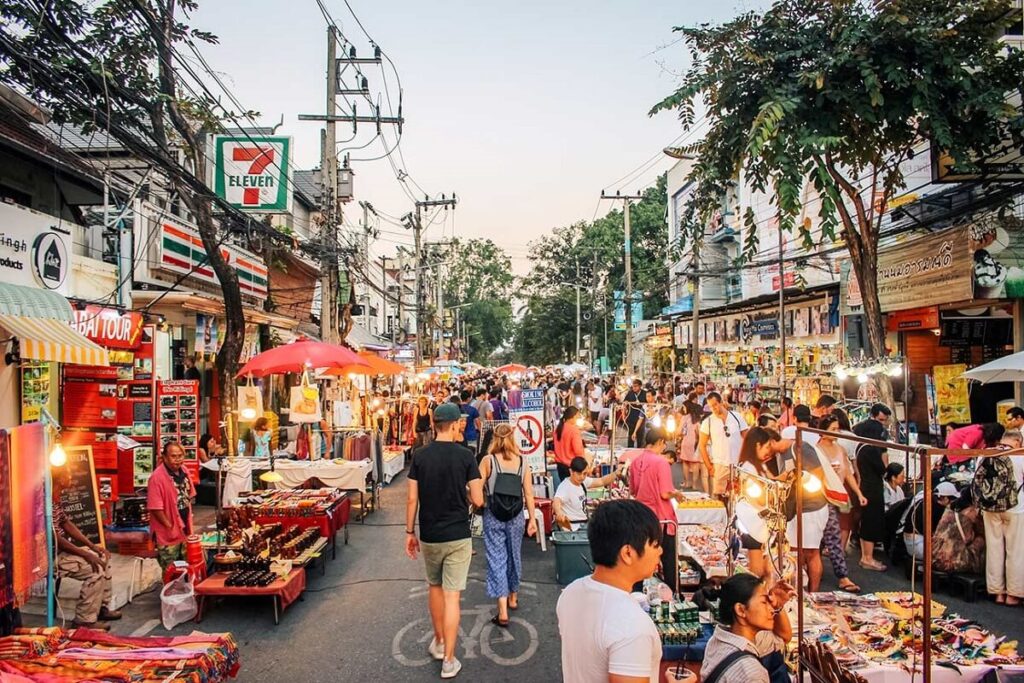
Thailand has long established itself as one of Asia's premier shopping destinations, offering incredible variety that spans centuries-old markets and ultramodern malls, handicrafts and designer brands, budget bargains and luxury goods. What makes Thai shopping particularly compelling is the fusion of accessibility, quality, and experience—you're not just buying products but participating in cultural activities whether bargaining at Chatuchak Market, exploring floating markets, or navigating Bangkok's mammoth malls.
The shopping experience varies dramatically across Thailand. Bangkok offers the most comprehensive options with everything from street markets to luxury malls. Chiang Mai in the north provides excellent handicrafts and tribal crafts. Pattaya and Phuket cater to beach-oriented shopping. Regional specialties mean different cities offer unique products. This geographic diversity means shopping can be woven into any Thai itinerary regardless of destinations.
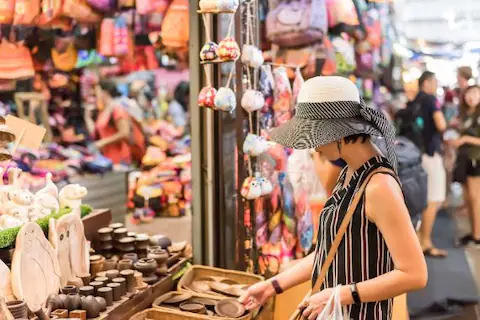
Value for money remains one of Thailand's biggest draws. While Bangkok's luxury malls price goods at international levels, markets and mid-range retailers offer excellent quality at reasonable prices. Thai craftsmanship in textiles, ceramics, and decorative items compares favorably with anywhere in the world, yet prices often remain below Western equivalents for comparable quality.
Beyond products, the shopping environment itself provides entertainment. Thai markets are sensory experiences—colors, sounds, smells, and tastes combine into memorable cultural encounters. Even mundane shopping tasks become adventures when conducted in Thai settings, whether navigating floating markets by boat or haggling with good-natured vendors at night bazaars.
Top Shopping Destinations in Thailand
Different Thai cities and regions offer distinct shopping experiences reflecting local cultures, products, and price points.
Bangkok: Thailand's shopping capital offers the country's most comprehensive retail options. The city contains mammoth shopping malls (Siam Paragon, CentralWorld, Terminal 21) alongside world-famous markets (Chatuchak Weekend Market, various night markets). For more on Bangkok's markets, check out Chatuchak Weekend Market guide. Bangkok's shopping districts concentrate in different areas—Siam for luxury malls, Sukhumvit for mid-range shopping, Chinatown for gold and Chinese goods, Pratunam for wholesale fashion, and Silom for night markets.
Chiang Mai: Northern Thailand's cultural capital specializes in handicrafts, tribal crafts, and traditional products. The city's Night Bazaar, Sunday Walking Street, and various handicraft factories offer excellent shopping for wood carvings, silk products, silver jewelry, tribal textiles, and traditional decorative items. Chiang Mai also has numerous galleries featuring contemporary Thai art and design. For those interested in markets across Asia, Petaling Street in Malaysia offers a similar vibrant shopping experience.
The city's Night Bazaar, Sunday Walking Street, and various handicraft factories offer excellent shopping for wood carvings, silk products, silver jewelry, tribal textiles, and traditional decorative items. Chiang Mai also has numerous galleries featuring contemporary Thai art and design.Phuket: Thailand's largest island offers beach-oriented shopping with numerous markets catering to tourists. Patong's Night Market, Phuket Weekend Market, and various street markets provide shopping for beachwear, souvenirs, handicrafts, and resort wear. While less comprehensive than Bangkok, Phuket's shopping suits vacation needs perfectly.
What to Buy in Thailand
Thailand's diverse shopping inventory includes both products that originated in Thailand and items from across Asia that Thailand makes particularly accessible.
Thai Silk: Perhaps Thailand's most famous textile product, Thai silk comes in various qualities from simple printed fabrics to hand-woven mudmee silk with complex patterns. Jim Thompson popularized Thai silk internationally, and quality silk remains excellent value. Bangkok has numerous silk shops, Chiang Mai offers silk weaving demonstrations, and night markets across Thailand sell silk products at various price points.
Handicrafts: Thailand produces remarkable handicrafts spanning wood carvings, celadon ceramics, lacquerware, bronze ware, and nielloware. Northern Thailand (Chiang Mai region) produces exceptional wood carvings—from furniture to decorative figures. Celadon ceramics from northern Thailand feature distinctive green glaze and crackle patterns.
Clothing: Bangkok is famous for tailoring—custom-made suits, dresses, and shirts can be produced in 24-48 hours at very reasonable prices. Quality varies enormously, so research tailors carefully. Beyond tailoring, Thailand produces ready-to-wear clothing from casual beachwear to contemporary fashion.
Spices and Food: Thai cuisine ingredients make excellent souvenirs for cooks. Dried spices, curry pastes, coconut milk powder, and Thai chili sauces are widely available. Quality varies—look for products with good packaging and reputable brands.
Bangkok Shopping Guide
Bangkok deserves detailed attention as Thailand's shopping mecca. The city's retail options cater to every budget and preference.
Malls: Bangkok's shopping malls rival anywhere in Asia for size, quality, and variety. Siam Paragon represents luxury shopping with international designer brands. CentralWorld, one of Southeast Asia's largest malls, offers mid-range to luxury brands. Terminal 21 features airport-terminal-themed design with each floor representing different world cities.
Chatuchak Weekend Market: One of the world's largest weekend markets with over 15,000 stalls selling virtually everything. Clothing, handicrafts, antiques, food, pets, furniture—shopping here takes hours. Arrive early to avoid heat and crowds. Bargaining is expected.
Night Markets: Bangkok's night markets combine shopping with dining and entertainment. Ratchada Train Night Market specializes in vintage collectibles. Asiatique The Riverfront combines shopping, dining, and entertainment in converted warehouses by Chao Phraya River.
Floating Markets Experience
Floating markets represent quintessential Thai shopping experiences that combine commerce with cultural immersion.
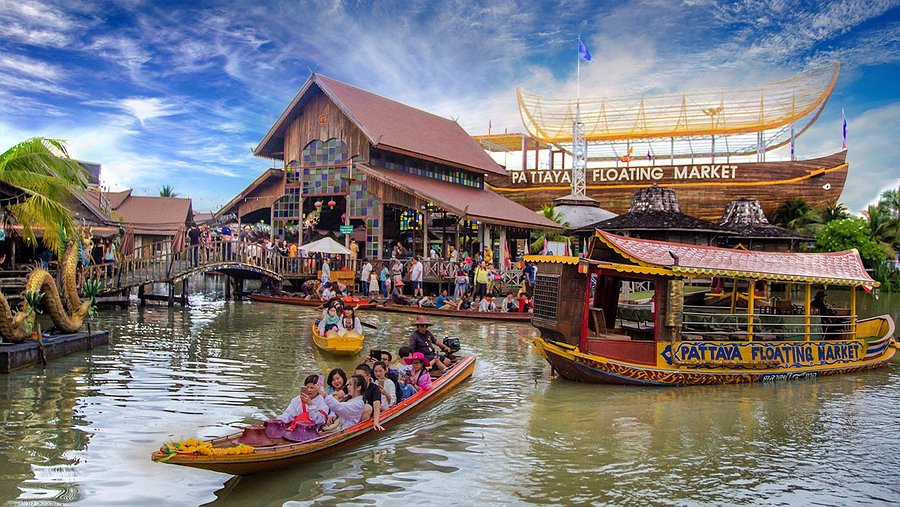
Damnoen Saduak: Thailand's most famous floating market, located approximately 100 kilometers from Bangkok. The market features numerous boats selling fruits, vegetables, cooked food, and souvenirs to tourists. Visit early morning (8-10 AM) to see markets at their most active.
Amphawa: Located closer to Bangkok, Amphawa offers a more authentic experience than Damnoen Saduak. The market operates Saturday and Sunday afternoons into evening. Evening visits allow combining market shopping with dinner at canalside restaurants.
Shopping Tips and Bargaining
Smart shopping in Thailand requires understanding local practices and strategies.
Bargaining Etiquette: Bargaining is expected and accepted in markets, street stalls, and independent shops. When bargaining, be polite, smile, and maintain good humor. Start by offering 50-60% of asking price and negotiate toward middle ground.
VAT Refund: Foreign tourists can claim VAT refund (7% tax) on goods purchased from participating stores with minimum purchase amounts. Look for "VAT Refund for Tourists" signs.
Quality Verification: For expensive items (jewelry, antiques, brand-name goods), buy from established stores rather than markets. Request certificates of authenticity for gemstones and antiques.
Thailand's shopping rewards those who embrace the experience rather than merely seeking transactions. Whether exploring Bangkok's mammoth malls, bargaining at Chatuchak Weekend Market, or drifting through floating markets, shopping in Thailand combines acquisition with cultural immersion. For more Southeast Asian shopping adventures, explore Malaysia's shopping scene or Patong's shopping malls in Phuket.
Location
Frequently Asked Questions
Q1.What is Thailand famous for shopping?
Q2.Which city is best for shopping in Thailand?
Q3.What should I buy from Thailand?
Q4.Are bargaining allowed in Thailand markets?
Q5.What are the famous markets in Bangkok?
Q6.Where can I buy Thai silk?
Q7.What is the best time for shopping in Thailand?
Q8.Can I use credit cards for shopping in Thailand?
Recommended For You
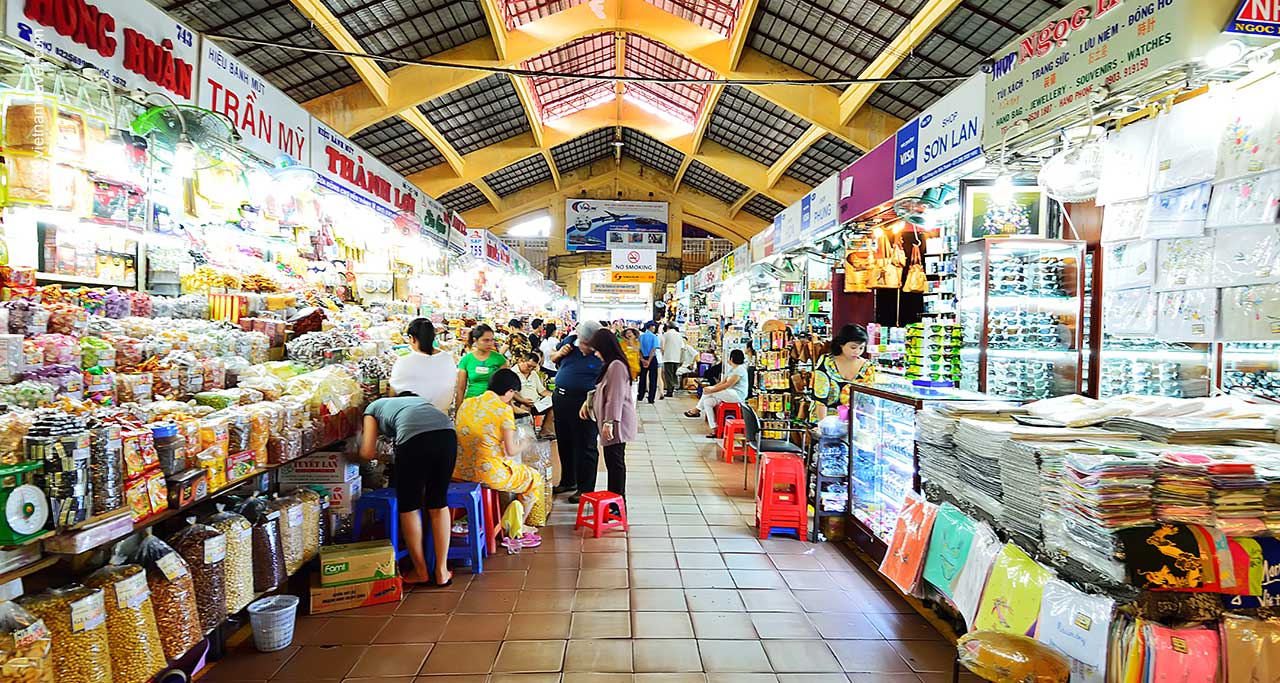
Ben Thanh Market Ho Chi Minh City: Shopping Zones, Food & Bargaining Tips
Plan your Ben Thanh Market Ho Chi Minh visit with shopping tips, bargaining strategy, food recommendations, timing advice, and practical tourist-safety guidance.
Shopping Places in Singapore: Orchard, Bugis & Budget Shopping Zones
Explore the best shopping places in Singapore with area-wise tips for Orchard, Bugis, and premium mall districts.
Thailand Cities to Visit: Top 10 Places & Itinerary
Discover the best Thailand cities to visit with practical itinerary combinations, city highlights, trip duration advice, and budget planning tips for first-timers.
Never Miss an Adventure
Get the latest trekking guides, travel tips, and exclusive offers delivered straight to your inbox.
