
Shopping in Nainital: Mall Road Markets, Handicrafts & Local Products

Rohit Verma
November 11, 2025
Shopping in Nainital guide - Mall Road, Tibetan Market, Kumaoni woolens, handicrafts, fruit products. Complete guide to markets, prices and shopping tips.
Shopping in Nainital: Lake City's Retail Treasures
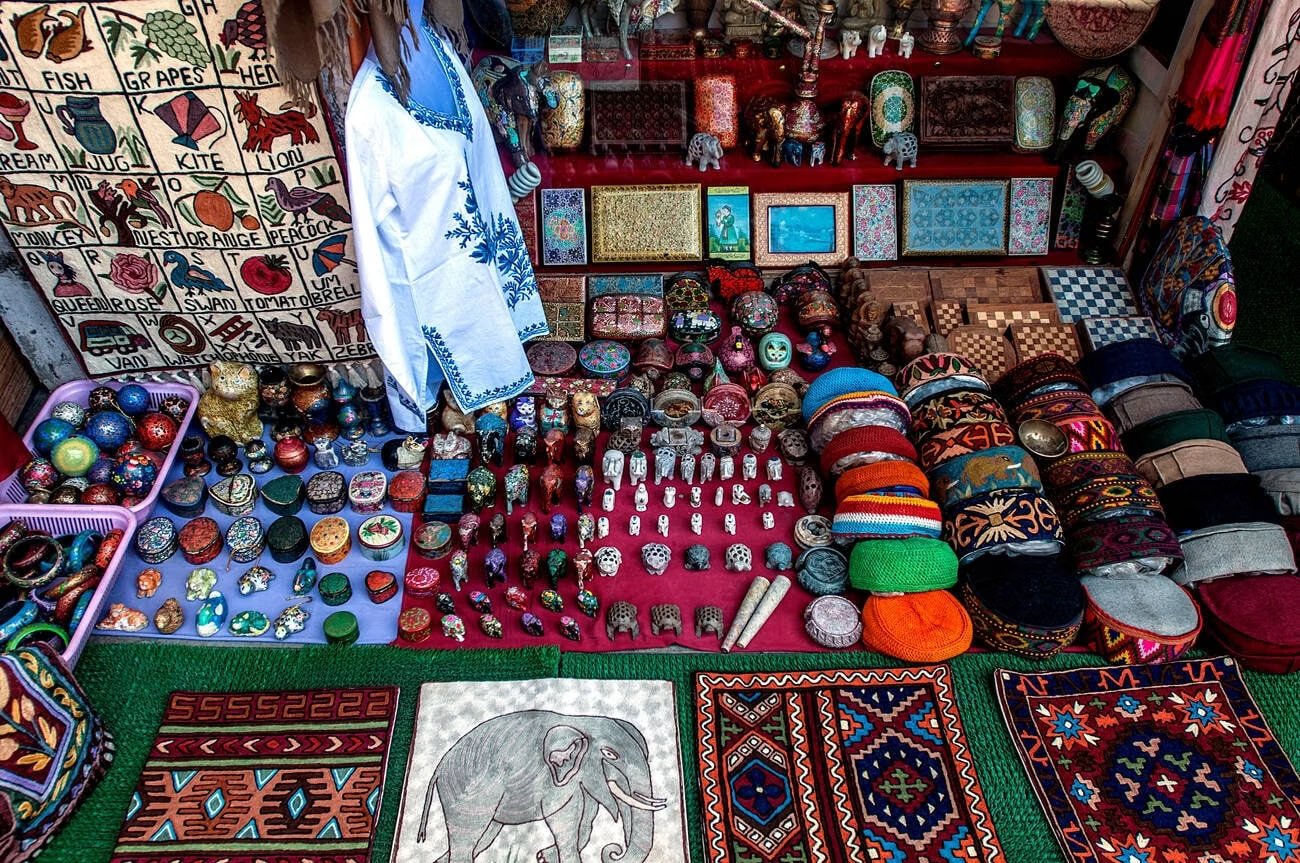
Nainital, the jewel of Uttarakhand's lake district, offers a shopping experience as charming as its setting. Built around the pear-shaped Naini Lake at 1,938 meters above sea level, this colonial hill station blends Kumaoni heritage with British influence, creating a marketplace that reflects centuries of cultural exchange. The town's shopping landscape is divided between the Mall Road waterfront promenade and the Tibetan Market near the lake's northern end. These two areas represent different shopping traditions - one institutionalized and organized, the other vibrant and informal. Together, they offer visitors comprehensive access to Kumaon's finest products alongside Himalayan handicrafts brought by Tibetan refugees. Shopping in Nainital provides more than commercial transactions; it's an opportunity to support local artisans, learn about Kumaoni culture, and acquire products that carry the essence of the Himalayas. The region's distinctive woolens, fruit-based products, and handcrafted items represent materials and techniques unavailable in India's plains.Main Shopping Areas in Nainital
For wider hill-market planning, compare with shopping in McLeodganj and shopping in Dharamshala.
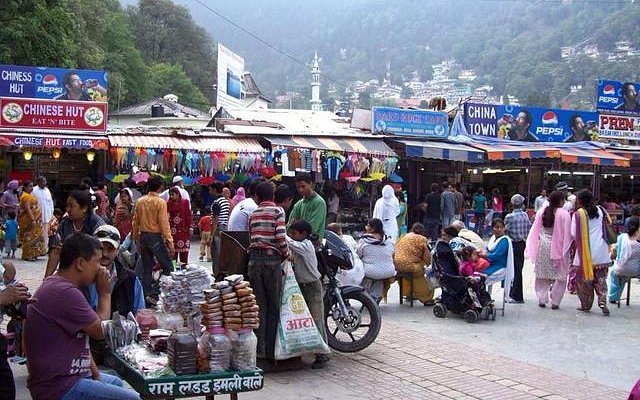
Nainital's shopping district centers on two primary areas, each with distinct character and offerings. Understanding these areas helps plan efficient shopping within limited time. The Mall Road: Running along Naini Lake's eastern shore, Mall Road is Nainital's commercial heart and most popular shopping destination. This pedestrian-friendly promenade, closed to vehicular traffic during peak hours, houses established shops, restaurants, and hotels. The Mall offers organized retail with fixed prices, air-conditioned stores in some sections, and the advantage of lake views while shopping. Tibetan Market: Located near the lake's northern end (Mallital), this market represents Nainital's vibrant informal shopping scene. Tibetan refugees, who settled in Nainital after China's 1950 annexation of Tibet, established this market featuring Himalayan handicrafts, jewelry, and clothing. The market consists of permanent stalls with goods displayed openly. Bargaining is expected and part of the experience. Bhotia Bazaar: Smaller than the main markets but culturally significant, this area specializes in Bhotia tribal products. The Bhotias, traditional traders between India and Tibet, sell distinctive jewelry, woolens, and food items reflecting their trans-Himalayan heritage. Bara Bazaar: Located in the lower town, this traditional market serves local residents more than tourists. It's particularly useful for purchasing daily items, local produce, and authentic Kumaoni products without tourist markups.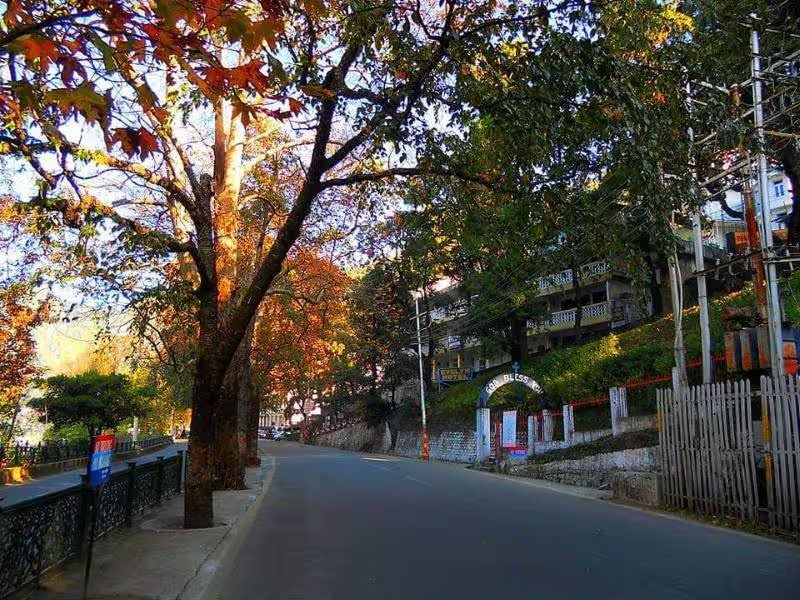
| Market | Specialization | Price Level |
|---|---|---|
| Mall Road | Organized retail, souvenirs, woolens | Medium-High |
| Tibetan Market | Handicrafts, jewelry, curios | Low-Medium (negotiable) |
| Bhotia Bazaar | Tribal products, woolens | Medium |
| Bara Bazaar | Local produce, daily items | Low |
What to Buy in Nainital: Essential Purchases
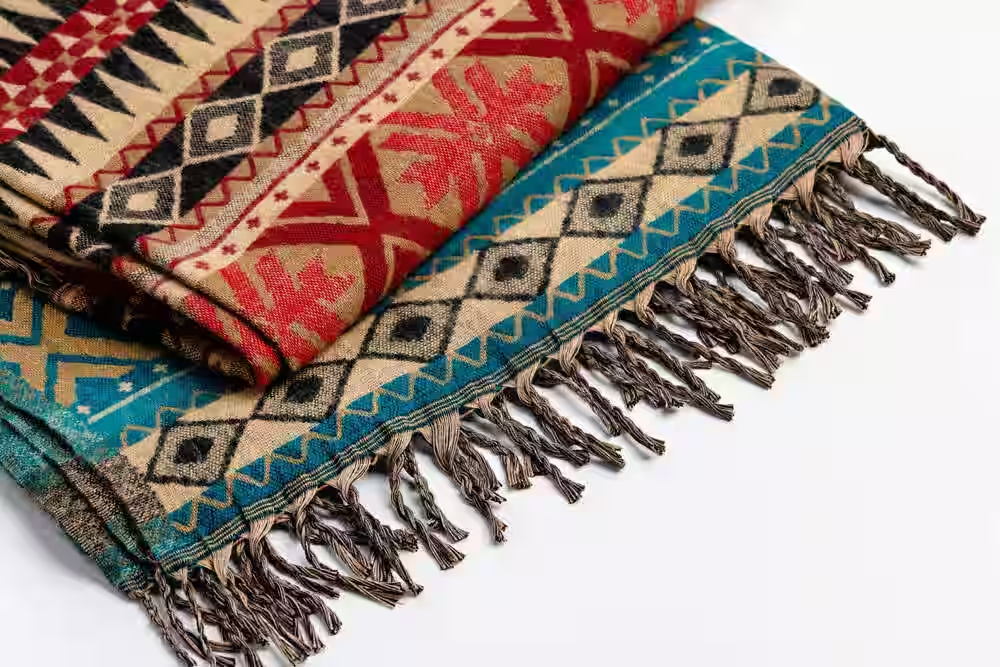
Nainital's shopping appeal lies in products that reflect Kumaon's mountain environment and cultural heritage. Kumaoni Shawls and Woolens: The cool Himalayan climate has made woolen weaving a Kumaoni specialty for generations. Local artisans produce shawls, stoles, sweaters, and blankets using pure wool, often featuring traditional patterns and earthy colors. Prices vary according to wool quality (pure wool vs. blends) and craftsmanship (machine vs. handloom). Fruit Products: Uttarakhand's orchards produce some of India's finest fruits, which Nainital's shops process into various products. Jam, jelly, and squash made from local apricots, peaches, plums, and strawberries make excellent gifts. Honey from Himalayan bees, fruit preserves, and pickles round out the offerings. Kumaon's apple products are particularly renowned. Candles and Decorative Items: Nainital has developed an unexpected specialty in candle making. Local artisans create decorative candles in various shapes, sizes, and scented varieties. These range from simple pillar candles to elaborate floral designs and floating candles. Candles make practical, lightweight souvenirs. Handicrafts and Wooden Items: Kumaoni artisans produce distinctive wooden carvings, bamboo craft, and decorative items. Wooden boxes with brass inlay, carved walking sticks, and bamboo baskets represent traditional crafts. These items blend utility with artistry. Jewelry: Both Tibetan silver jewelry and Kumaoni traditional jewelry are available. Tibetan pieces often feature turquoise, coral, and amber in silver settings, reflecting Central Asian aesthetics. Kumaoni jewelry typically uses gold with distinct local designs. Books: Nainital's colonial history and natural beauty have inspired numerous books. Local bookshops offer selections on Himalayan flora and fauna, colonial history, trekking guides, and regional culture. These make excellent purchases for those wanting to understand the region better.
| Product | Price Range | Quality Indicators |
|---|---|---|
| Woolen Shawl | Rs. 400 - 2500 | Fiber quality, weaving density |
| Fruit Jam (bottle) | Rs. 150 - 250 | Fruit content, preservative level |
| Decorative Candles | Rs. 50 - 300 | Finish quality, burn time |
| Tibetan Silver Ring | Rs. 200 - 800 | Silver purity, stone quality |
| Wooden Carving | Rs. 300 - 1500 | Detail quality, wood type |
Famous Shops and Their Specialties
Nainital has several shops that have built reputations over decades, becoming institutions in themselves.
 Naina Devi Complex Shops: Located near the famous Naina Devi Temple, these shops specialize in religious items, prasad (offerings), and souvenirs. Rudraksha malas (prayer beads), religious texts, and temple memorabilia are available. The shops are particularly busy during Navratri when temple visits peak.
Golden Street (on Mall Road): A cluster of shops known for quality woolens and reliable pricing. These shops offer Kumaoni shawls, sweaters, and blankets with clear labeling about fiber content. They're particularly recommended for those wanting genuine wool products rather than synthetic alternatives.
Embassy Shop: A small but well-regarded shop near the lake, known for authentic handicrafts and fair pricing. The shop sources products directly from artisans and provides information about craft traditions. It's an excellent place for meaningful souvenirs.
NAK (Nainital Alcohol and Kitchen) Shop: For those interested in Kumaoni culinary specialties, this government outlet stocks local fruit squashes, honey, pickles, and some fruit wines. The quality is reliable, and prices are fixed government rates.
Naina Devi Complex Shops: Located near the famous Naina Devi Temple, these shops specialize in religious items, prasad (offerings), and souvenirs. Rudraksha malas (prayer beads), religious texts, and temple memorabilia are available. The shops are particularly busy during Navratri when temple visits peak.
Golden Street (on Mall Road): A cluster of shops known for quality woolens and reliable pricing. These shops offer Kumaoni shawls, sweaters, and blankets with clear labeling about fiber content. They're particularly recommended for those wanting genuine wool products rather than synthetic alternatives.
Embassy Shop: A small but well-regarded shop near the lake, known for authentic handicrafts and fair pricing. The shop sources products directly from artisans and provides information about craft traditions. It's an excellent place for meaningful souvenirs.
NAK (Nainital Alcohol and Kitchen) Shop: For those interested in Kumaoni culinary specialties, this government outlet stocks local fruit squashes, honey, pickles, and some fruit wines. The quality is reliable, and prices are fixed government rates.
Tibetan Market Shopping Experience
The Tibetan Market represents Nainital's most vibrant shopping experience. Narrow lanes lined with stalls create a bustling atmosphere where commerce and culture intersect.
 Tibetan traders sell products brought from Ladakh, Nepal, and Tibetan settlements across India. Singing bowls, used in Tibetan Buddhist meditation, produce harmonic tones when struck. Prayer flags in five colors represent Buddhist blessings. Thangkas (Tibetan paintings) depict Buddhist deities and mandalas.
Clothing is another Tibetan Market specialty. Chuba (traditional Tibetan dress), colorful aprons, and felt boots represent Tibetan culture. More practically, the market sells warm clothing suitable for Himalayan weather, including jackets, gloves, and caps at reasonable prices.
Jewelry stalls offer silver items with turquoise, coral, and amber - materials sacred in Tibetan culture. These pieces are often handmade, with each design carrying symbolic meaning.
Tibetan traders sell products brought from Ladakh, Nepal, and Tibetan settlements across India. Singing bowls, used in Tibetan Buddhist meditation, produce harmonic tones when struck. Prayer flags in five colors represent Buddhist blessings. Thangkas (Tibetan paintings) depict Buddhist deities and mandalas.
Clothing is another Tibetan Market specialty. Chuba (traditional Tibetan dress), colorful aprons, and felt boots represent Tibetan culture. More practically, the market sells warm clothing suitable for Himalayan weather, including jackets, gloves, and caps at reasonable prices.
Jewelry stalls offer silver items with turquoise, coral, and amber - materials sacred in Tibetan culture. These pieces are often handmade, with each design carrying symbolic meaning.
Tibetan Market Tips:
- Bargaining: Start at 50% of the asking price. Negotiate respectfully - these traders work on thin margins.
- Authenticity: Not all "Tibetan" goods are authentic. Learn to distinguish genuine handmade items from mass-produced imitations.
- Timing: Visit in the morning for fewer crowds and more attentive service.
- Cash: Most Tibetan Market vendors are cash-only. Carry small denominations for easier transactions.
Shopping for Fruit Products and Local Specialties
Uttarakhand's temperate climate produces exceptional fruits, and Nainital's shops process these into various products. These make excellent gifts - lightweight, non-perishable, and representative of the region. Jams and Jellies: Kumaon's apricot jam is particularly renowned, with a balance of sweet and tart that reflects the fruit's natural character. Peach, plum, strawberry, and mixed fruit jams are also available. Quality varies according to fruit content (look for 70%+ fruit) and preservative use (natural is better but more expensive). Squashes: Fruit concentrates diluted with water to make refreshing drinks, squashes are popular across India. Kumaoni peach, apricot, and rhododendron (buransh) squashes offer distinctive flavors. A bottle typically makes 15-20 glasses of diluted drink. Honey: Himalayan honey, collected from wildflowers at high altitudes, has unique properties. Wild honey, creamed honey, and specifically flavored varieties are available. Prices vary according to purity and processing method. Pickles: Kumaoni pickles use traditional recipes passed through generations. Apricot pickle, amla (Indian gooseberry) pickle, and mixed vegetable pickle represent local specialties. These are oil-based with complex spice blends. For these products, government outlets and established shops offer more reliable quality than street vendors. Check expiration dates and packaging integrity before purchasing.
Candle Shopping: Nainital's Unexpected Specialty
Nainital's candle-making tradition is relatively recent but has quickly gained recognition. Local artisans produce candles that transcend simple utility to become decorative objects. Candle shops on Mall Road display an astonishing variety. Floating candles in flower and leaf shapes create beautiful table centerpieces. Pillar candles in various sizes and colors work for both decoration and power cuts (common in the hills). Scented candles in Himalayan fragrances like pine, cedar, and rhododendron bring mountain aromas indoors.
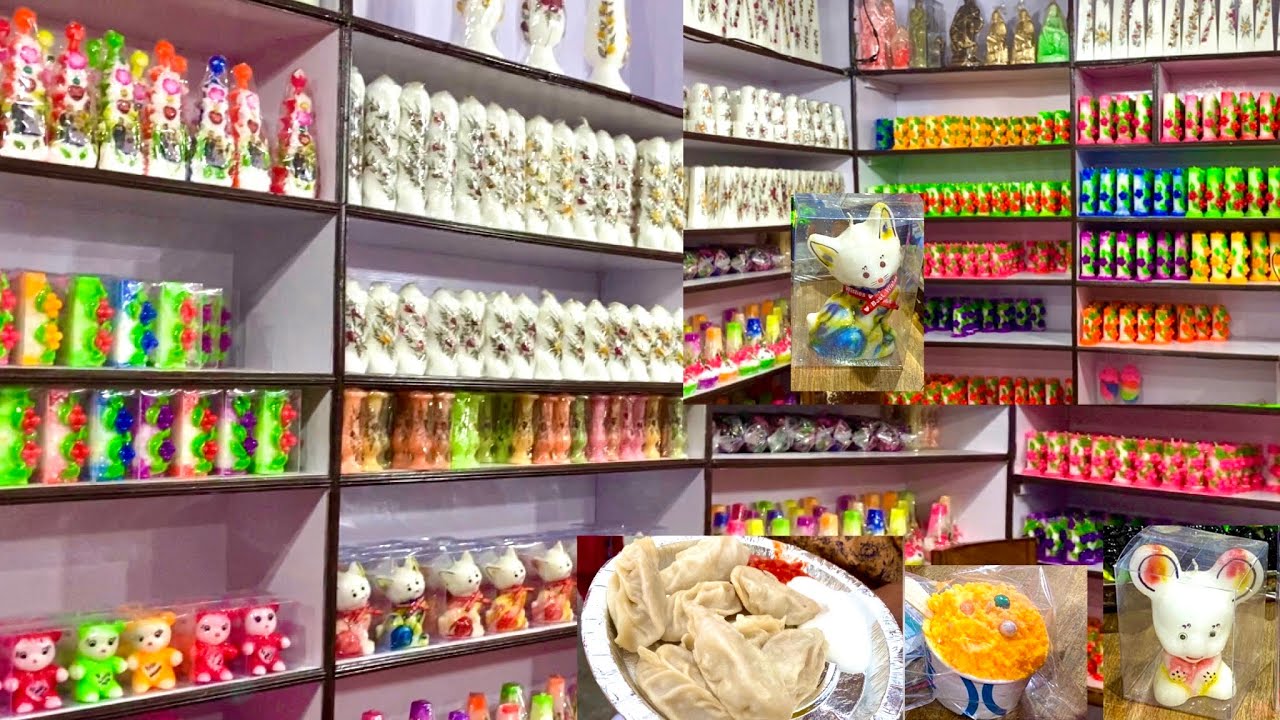 Gel candles, a relatively new innovation, contain decorative elements suspended in transparent gel. These are particularly popular as gifts. Aromatherapy candles with essential oils cater to wellness-conscious consumers.
Candles make excellent souvenirs - they're lightweight, non-breakable, and evocative of place. Prices range from Rs. 50 for simple tea lights to Rs. 300+ for elaborate gel candles.
Gel candles, a relatively new innovation, contain decorative elements suspended in transparent gel. These are particularly popular as gifts. Aromatherapy candles with essential oils cater to wellness-conscious consumers.
Candles make excellent souvenirs - they're lightweight, non-breakable, and evocative of place. Prices range from Rs. 50 for simple tea lights to Rs. 300+ for elaborate gel candles.
Shopping for Woolens: A Practical Guide
Nainital's cool climate makes woolen shopping both practical and popular. However, quality varies widely, and informed purchasing ensures satisfaction. Shawls: Kumaoni shawls come in various fibers. Pure wool shawls (Rs. 1000-2500) offer warmth and durability. Angora wool (Rs. 2000-4000) is softer but less durable. Pashmina (Rs. 4000-8000) represents luxury, though genuine pashmina at Nainital prices is rare. Synthetic blends (Rs. 400-800) are affordable but less warm. Sweaters: Hand-knit sweaters from local artisans offer unique designs but may have irregularities. Machine-made sweaters provide consistent quality at lower prices. Check for even stitching, secure buttons, and proper finishing. Blankets: Pure wool blankets (Rs. 1500-4000) represent good value. Compression packing allows them to fit in luggage. Check for tight weaving, which indicates durability. Socks, Gloves, and Caps: These smaller items make practical purchases and gifts. Pure wool options are worth the extra cost for warmth and durability.
Best Time for Nainital Shopping
Shopping in Nainital is year-round, but different seasons offer different advantages. Summer (March-June): Peak season with maximum stock and variety. Good time for woolens as shops display their full range. However, crowds can be overwhelming, and prices may be less negotiable. Monsoon (July-September): Fewer tourists mean better deals and personal attention. However, rain can disrupt outdoor shopping, and some shops may close during heavy downpours. Autumn (October-November): Pleasant weather and manageable crowds. The pre-winter period sees new woolen arrivals. Ideal overall shopping period. Winter (December-February): Woolens are essential purchases now, and shops offer complete winter collections. However, cold temperatures (sometimes near freezing) make outdoor shopping uncomfortable. Some shops may have shorter hours.
Practical Shopping Tips
If you continue to metro hubs after Nainital, keep a fallback list for shopping in Delhi.
- Plan Around Mall Road Traffic: Mall Road is closed to vehicles during certain hours (typically 6-9 PM). Plan shopping accordingly - this pedestrian-only period is actually the best time for crowds and atmosphere.
- Cash Preparation: While Mall Road establishments accept cards, Tibetan Market and smaller vendors are cash-only. Carry sufficient cash.
- Weather Preparation: Mall Road shopping involves walking outdoors. Carry warm clothing in winter and rain gear during monsoon.
- Combine Activities: Mall Road runs along Naini Lake - combine shopping with boating or simply enjoying lake views.
- Quality Verification: For woolens, check fiber content labels and examine seams. For food products, check expiration dates and seals.
- Shipping: Some shops offer shipping services for bulky purchases like blankets or large quantities of food products.
Combining Shopping with Nainital's Attractions
Nainital's compact size allows easy combination of shopping with sightseeing. The Mall Road shopping area is adjacent to Naini Lake, where boating is a must-do activity. The Naina Devi Temple at the lake's northern end is significant and nearby shops cater to temple visitors. The Eco Cave Gardens, Snow View Point (accessible by cable car), and Nainital Zoo are all within 2-3 kilometers of the main shopping area. A practical day might combine morning sightseeing with afternoon shopping and evening lakeside strolling. For those interested in understanding Kumaoni culture better, places to visit in Nainital include the Kumaon Regimental Centre Museum and various viewpoints that provide context for the region's history and natural beauty.
Conclusion: Nainital's Shopping Charm
Shopping in Nainital balances convenience (organized Mall Road retail) with adventure (Tibetan Market bargaining). The town's specialties - woolens for Himalayan winters, fruit products reflecting orchard abundance, and handicrafts carrying cultural meaning - represent the region's ecology and heritage. Successful Nainital shopping requires understanding both formal and informal retail sectors. Mall Road provides reliable quality and fixed prices, while the Tibetan Market offers cultural experiences and bargaining opportunities. Both contribute to Nainital's retail landscape, making shopping as memorable as the town's famous lake views.
Location
Frequently Asked Questions
Q1.What is Nainital famous for shopping?
Q2.Which are the best shopping markets in Nainital?
Q3.Is bargaining acceptable in Nainital markets?
Q4.What woolens should I buy in Nainital?
Q5.What are the best fruit products to buy in Nainital?
Q6.What is the best time to visit Nainital for shopping?
Q7.What should I buy from the Tibetan Market in Nainital?
Recommended For You

Best Cafes in Nainital: Lake Guide, Timing and Tips
Best cafes in Nainital guide with lake-view timing strategy, weather-aware planning, budget tips, and practical one-day cafe routes.

Best Places to Visit in Nainital: Lakes, Viewpoints & Day Plans
Explore top places to visit in Nainital with a practical 2-day itinerary, season guide, local transport tips, and route-based planning advice.

Best Treks in Nainital: 7 Scenic Trails Through the Kumaon Himalayas
Discover the 7 best treks in Nainital, from easy family-friendly trails like Tiffin Top to scenic adventures like Kilbury Bird Sanctuary. Complete guide with trail details, best time to visit, and essential trekking tips.
Never Miss an Adventure
Get the latest trekking guides, travel tips, and exclusive offers delivered straight to your inbox.
