

Shopping in Ooty: Complete Guide to Markets, Spices & Souvenirs

Priya Mehta
February 8, 2026
Shopping in Ooty guide - Buy Nilgiri tea, homemade chocolates, spices and handicrafts. Complete guide to markets, prices, famous shops and shopping tips.
Shopping in Ooty: The Queen of Hills' Retail Experience
Nestled in the Nilgiri Hills of Tamil Nadu, Ooty (Udhagamandalam) offers a shopping experience as distinctive as its landscape. This colonial-era hill station, established by the British in the 19th century, blends traditional Tamil craftsmanship with colonial influences, creating a unique shopping environment that reflects its multicultural heritage. Ooty's elevation at 2,240 meters above sea level and its temperate climate have fostered agricultural specialties that form the core of its shopping appeal. The region's tea plantations, spice gardens, and eucalyptus groves produce products found nowhere else in South India. Shopping in Ooty means accessing these mountain-grown treasures directly from source.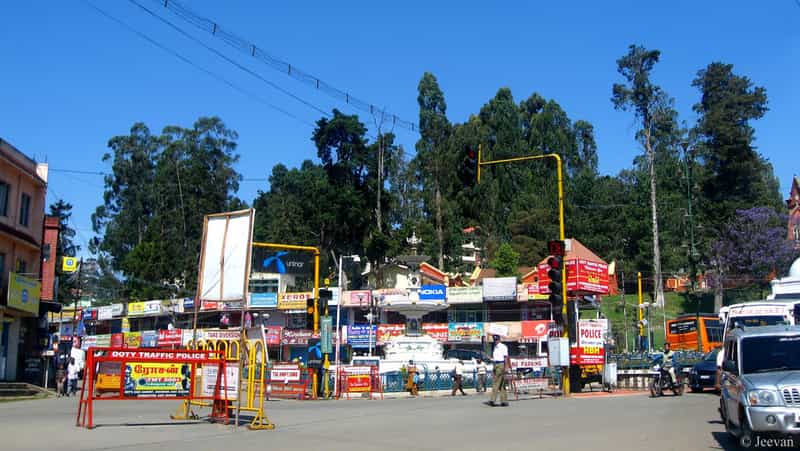
The town's main commercial areas, including Commercial Road, Charring Cross, and Upper Bazaar Road, house shops that have operated for generations. Family-run establishments here continue traditions begun during the British Raj, offering personalized service and product knowledge that mass retail cannot replicate.
What to Buy in Ooty: Essential Purchases
Ooty's specialty products reflect its mountain ecology and cultural heritage. Understanding what to buy helps prioritize shopping time and luggage space. Nilgiri Tea: The region's most famous export, Nilgiri tea, offers a distinctive flavor profile different from Assam or Darjeeling varieties. Grown at high altitudes, these teas are known for their bright, fragrant character. Local shops sell everything from premium whole-leaf varieties to affordable tea bags. The Nilgiri Tea Factory offers factory-fresh purchases with the advantage of seeing tea processing firsthand. Homemade Chocolates: Ooty's chocolate tradition began with British colonists who craved familiar confections in their Indian hill retreat. Today, local chocolate makers continue this tradition, producing fudge, truffles, and chocolate-coated nuts and fruits. The cool climate allows natural chocolate production without extensive preservatives. Modern Store and King Star are renowned for their homemade varieties. Eucalyptus Oil: The Nilgiri hills are covered in eucalyptus trees, their blue-green mist giving the mountains their name (Nilgiri means "Blue Mountains"). Eucalyptus oil, extracted from these trees, is a traditional remedy for colds, muscle pain, and respiratory issues. Pure oil is available in specialty shops, often blended with other mountain herbs. Spices: Though Kerala is more famous for spices, Ooty's hill-grown varieties have distinct characteristics. Cardamom, pepper, cinnamon, and nutmeg grown in the Nilgiris benefit from the high altitude and temperate climate. Local spice shops sell whole and ground varieties, often blended into special masalas. Tribal Artifacts: The Todas, the indigenous people of the Nilgiris, create distinctive embroidery and red-and-black shawls that represent their cultural heritage. Authentic Toda embroidery is becoming rare but can be found in specialized handicraft shops. These purchases support tribal communities while preserving traditional crafts. Honey: Nilgiri honey, collected from eucalyptus and wild mountain flowers, has a unique flavor profile and medicinal properties. Local beekeepers produce organic honey that's increasingly sought after for its purity and health benefits.| Product | Price Range | Quality Indicators |
|---|---|---|
| Nilgiri Tea (per kg) | Rs. 200 - 800 | Whole leaf, aroma, color |
| Homemade Chocolates | Rs. 300 - 800/kg | Freshness, ingredients |
| Eucalyptus Oil (100ml) | Rs. 150 - 300 | Purity, aroma intensity |
| Cardamom (per kg) | Rs. 1200 - 2000 | Size, color, aroma |
| Honey (500ml) | Rs. 250 - 500 | Texture, purity certification |
Main Shopping Areas in Ooty
Ooty's shopping district is compact and walkable, concentrated around the town center. Each area has its own character and specialization. Commercial Road: Ooty's primary shopping street runs through the heart of town. This road houses the most established shops, including heritage businesses that have operated for generations. Modern Store, famous for homemade chocolates, Green Shop for spices, and various tea outlets are located here. The road becomes particularly busy in evenings when tourists and locals alike browse its offerings. Charring Cross: Located near the famous Ooty Lake, this area is a shopping hub with a mix of government emporiums, private shops, and street vendors. The Tamil Nadu Poompuhar Handicrafts Emporium here offers authentic Tamil crafts at fixed government prices. Street vendors sell inexpensive souvenirs, though quality and authenticity vary considerably. Upper Bazaar Road: Leading up from Charring Cross, this road specializes in woolens and winter wear. The Nilgiri's cool climate makes woolen clothing a practical purchase, and this area offers everything from premium Kashmiri pashminas to affordable machine-knit sweaters. Cooperative Super Market: Run by the Nilgiris District Cooperative Marketing Society, this government outlet offers Nilgiri products at reasonable prices. Tea, spices, honey, and handicrafts are available with quality assurance from the cooperative society.Famous Shops and Their Specialties
Ooty has several iconic shops that have built reputations over decades. These establishments are often passed down through generations, maintaining quality standards that have earned customer loyalty. Modern Store: Operating since the British era, this is perhaps Ooty's most famous shop for homemade chocolates. Their fudge, rum balls, and chocolate-coated nuts have attracted generations of visitors. The shop also stocks a selection of biscuits, cakes, and pastries baked fresh daily. King Star Confectionery: Another chocolate specialist, King Star is known for innovative flavors and consistent quality. Their marzipan, chocolate-coated orange peel, and various fudges are particularly popular. The shop also sells basic provisions, making it a convenient one-stop shop. Nilgiris Tea Factory: While primarily a tea processing facility, the attached retail outlet offers some of the freshest tea in Ooty. Visitors can see tea processing (depending on production schedules) and purchase tea directly. The factory produces various grades, from premium whole-leaf to economy tea bags. Big Shop: As the name suggests, this large department store stocks a comprehensive range of Ooty specialties. Tea, chocolates, spices, souvenirs, and basic provisions are all available under one roof. It's particularly convenient for those wanting to complete all shopping in one location. Government Poompuhar Emporium: For authentic Tamil handicrafts, this government-run outlet offers fixed prices and quality assurance. Tanjore paintings, brass figurines, stone sculptures, and traditional toys are available. Though prices may be higher than private shops, authenticity is guaranteed.Shopping for Tea: A Connoisseur's Guide
Ooty's tea plantations are part of the larger Nilgiri tea-growing region

Ooty's tea plantations are part of the larger Nilgiri tea-growing region, which produces some of India's finest teas. The tea experience in Ooty extends beyond simple purchasing to include education about tea cultivation, processing, and preparation. Different tea shops offer different varieties. Black tea is the most common, ranging from CTC (Crush, Tear, Curl) granules suitable for chai to orthodox whole-leaf teas for connoisseurs. Green tea, white tea, and flavored teas (earl grey, masala chai, cardamom tea) are also available. When purchasing tea, consider buying smaller quantities of multiple varieties to experience the range. Tea is typically sold in 100g, 250g, 500g, and 1kg packets. Premium loose-leaf tea is sold in bulk and weighed according to requirement. For the freshest tea, visit plantations that have retail outlets. Doddabetta Tea Factory, near the highest peak in the Nilgiris, and Tea Museum near Coonoor offer educational tours alongside tea sales.
Chocolate Shopping: Sweet Memories
The homemade chocolate tradition in Ooty is a direct legacy of British colonialism
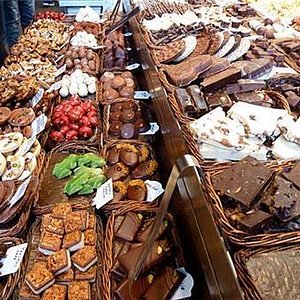
The homemade chocolate tradition in Ooty is a direct legacy of British colonialism. Craving familiar sweets, British residents taught local confectioners their recipes. Over generations, these recipes have evolved, incorporating local ingredients and adapting to Indian tastes. Ooty's chocolate shops produce varieties rarely found elsewhere in India. Fudge comes in multiple flavors - chocolate, vanilla, strawberry, and the locally famous chocolate-mint swirl. Rum balls and brandy cherries continue the British tradition of alcohol-infused confections. Chocolate-coated nuts (cashews, almonds, and the locally preferred groundnuts), orange peel, and ginger offer texture contrasts. Unlike mass-produced chocolates, Ooty's homemade varieties use fewer preservatives, thanks to the cool climate. This means they have shorter shelf lives but superior flavor. Plan to consume chocolates within 2-3 weeks of purchase, though refrigeration extends this. Prices vary according to ingredients. Plain chocolate fudge costs approximately Rs. 400-500 per kg, while varieties with nuts or dried fruit cost Rs. 500-700 per kg. Premium offerings with imported ingredients or extensive preparation cost more.
Spice Shopping: Aromatic Treasures
While Kerala is India's spice garden, the Nilgiris produce distinctive varieties
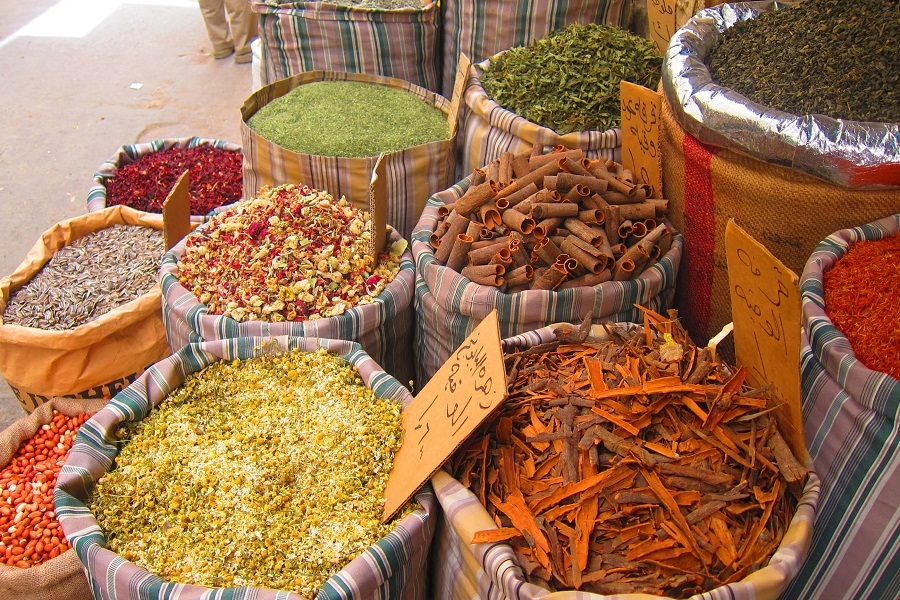
While Kerala is India's spice garden, the Nilgiris produce distinctive varieties influenced by altitude and climate. Cardamom from these hills is particularly prized for its intense flavor. Pepper grown in the Nilgiris has a sharp heat that makes it valued for culinary and medicinal use. Local spice shops sell both whole and ground spices. For the most aromatic results, buy whole spices and grind them at home. Garam masala blends, tea masala, and biryani masala are pre-mixed spice combinations that make excellent gifts. Clove, nutmeg, mace, and cinnamon round out the spice offerings. Many shops also stock dried ginger, turmeric, and star anise. Organic certification is increasingly available for health-conscious consumers.
Handicrafts and Souvenirs
Beyond edible products, Ooty offers handicrafts that reflect the region's cultural heritage. The Toda tribe, indigenous to the Nilgiris, creates distinctive embroidery featuring red and black geometric patterns on white cloth. Authentic Toda shawls are expensive (Rs. 2000-5000) but represent a unique cultural acquisition. Tanjore paintings, though originally from the Thanjavur region, are available in Ooty's art shops. These paintings, featuring gold foil and semi-precious stones, depict Hindu deities and make impressive wall art. Wooden carvings, brass figurines, and stone sculptures reflect Tamil Nadu's broader artistic traditions. The Government Poompuhar Emporium is the most reliable source for authentic pieces. For inexpensive souvenirs, street vendors offer keychains, magnets, t-shirts, and generic hill station memorabilia. Quality varies considerably, so examine items carefully before purchasing.
Best Time for Ooty Shopping
Shopping in Ooty is year-round, but different seasons offer different advantages. Summer (March-June): Peak tourist season means shops are fully stocked, but crowds can be overwhelming. This is the best time for fresh chocolates and maximum product variety. Monsoon (July-September): Fewer tourists mean less crowded shops and sometimes better prices. However, rain can make shopping uncomfortable, and some shops may close early. Autumn (October-November): Pleasant weather and manageable crowds make this an ideal shopping time. The post-monsoon period also sees new stock arrival. Winter (December-February): Cool weather (sometimes approaching freezing) makes shopping comfortable. This is the best time for woolens. Shops may have shorter hours during the coldest periods.
Shopping Tips and Practical Information
- Plan Around Sightseeing: Ooty's shopping district is near major attractions like the lake and botanical gardens. Combine shopping with sightseeing for efficient time use.
- Cash vs. Card: While established shops accept cards, smaller vendors and street sellers are cash-only. Carry sufficient cash for the best deals and street shopping.
- Bargaining: Bargaining is expected in street markets and with souvenir vendors. Fixed prices apply in government emporiums and established stores.
- Quality Verification: For tea, chocolates, and spices, check expiration dates and packaging integrity. For textiles, examine seams and fabric quality.
- Shipping: Some shops offer shipping services for large purchases. Tea and spices ship well, but chocolates may melt during summer transport.
- Timing: Shop during weekdays or early mornings for less crowded experiences. Peak tourist seasons (April-June, December- January) see maximum crowds.
Combining Shopping with Ooty's Attractions
Ooty's compact size makes it easy to combine shopping with sightseeing. The main shopping area is within walking distance of major attractions like the famous Ooty Lake, where boating is a popular activity. The Government Botanical Garden, with its collection of exotic plants, is also nearby. The Doddabetta Peak, highest point in the Nilgiris, offers panoramic views and has a tea factory outlet. The Nilgiri Mountain Railway, the historic toy train, has its station in the heart of Ooty's shopping district, making it convenient to combine shopping with this UNESCO World Heritage experience. For those interested in seeing where Ooty's products originate, the tea estates in nearby Coonoor are accessible via the toy train or road. You can also explore other hill stations like Kodaikanal or Munnar for similar experiences. Tea factory tours provide fascinating insight into tea production.
Conclusion: Ooty's Shopping Charm
Shopping in Ooty transcends commercial transaction to become a window into the region's ecology, history, and culture. The cool mountain air, colonial architecture, and personal service of heritage shops create an atmosphere far removed from modern retail's impersonal nature. Whether you're seeking premium Nilgiri tea, handmade chocolates, aromatic spices, or unique handicrafts, Ooty's shopping landscape delivers quality, authenticity, and the personal touch that makes hill station shopping special. Plan adequate time, explore beyond the main streets, and engage with shop owners who are often happy to share stories behind their products. The purchases you make will carry memories of the Blue Mountains long after your return.Location
Frequently Asked Questions
Q1.What is Ooty famous for shopping?
Q2.Which are the best shops for homemade chocolates in Ooty?
Q3.Where can I buy authentic Nilgiri tea in Ooty?
Q4.What is the best time to visit Ooty for shopping?
Q5.Is bargaining acceptable in Ooty shops?
Q6.What handicrafts should I buy in Ooty?
Q7.How can I carry chocolates and tea from Ooty without spoilage?
Recommended For You

Ooty Summer Festival: Dates, Flower Show & Event Highlights
Ooty Summer Festival planning guide with event priorities, crowd timing strategy, itinerary templates, and practical stay and transport tips.

Kodaikanal: Complete Travel Plan Places And Weather
Complete Kodaikanal travel guide - discover the Princess of Hill Stations. Kodaikanal Lake, trekking, viewpoints, best time to visit & travel tips for Tamil Nadu's favorite hill station.

Munnar: Complete Travel Plan Places And Weather
Complete Munnar travel guide. Best time to visit, top attractions, tea garden tours, adventure activities, accommodation, costs, and practical tips for Kerala's famous hill station.
Never Miss an Adventure
Get the latest trekking guides, travel tips, and exclusive offers delivered straight to your inbox.
