
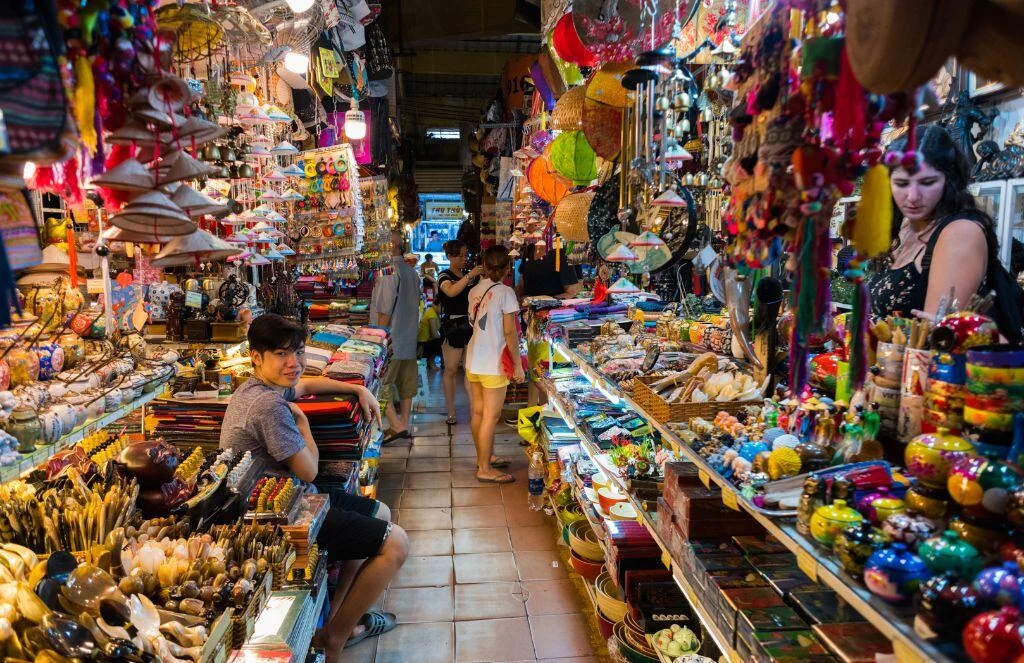
Shopping in Vietnam: Markets, Malls & Tips

Rohan Malhotra
February 20, 2026
Shopping in Vietnam: Complete guide to Hanoi, HCMC, Hoi An, best buys, bargaining tips, markets, malls & authentic Vietnamese products.
Introduction: Southeast Asia's Shopping Paradise
Vietnam has emerged as one of Southeast Asia's most exciting shopping destinations, offering an incredible diversity of products ranging from traditional handicrafts and silk to modern fashion and cutting-edge electronics. What makes Vietnam special as a shopping destination is the combination of authenticity and variety - you can browse centuries-old markets alongside air-conditioned malls, buy custom-tailored clothing at a fraction of Western prices, discover unique products you won't find anywhere else, and experience the vibrant energy of Vietnamese commercial culture.
From Hanoi's atmospheric Old Quarter to Ho Chi Minh City's bustling Ben Thanh Market, from Hoi An's tailoring paradise to Da Nang's modern malls, Vietnam offers shopping experiences as diverse as the country itself. Whether you're a serious shopper looking for bargains, a culture enthusiast wanting to experience local markets, or simply someone who enjoys browsing and discovering unique items, Vietnam rewards with prices that are often astonishingly low and quality that frequently exceeds expectations.
Top Shopping Cities
Hanoi - The Capital's Charm
Hanoi, Vietnam's thousand-year-old capital, offers one of Southeast Asia's most atmospheric shopping experiences. The city's Old Quarter is a labyrinth of 36 streets, each traditionally dedicated to a specific trade - Silk Street, Silver Street, Bamboo Street, and more. This historic commercial district creates shopping experiences that feel both ancient and contemporary.
Must-Visit Shopping Areas:
Old Quarter Streets:
- Hang Gai (Silk Street): Silk products, tailors, clothing
- Hang Bac (Silver Street): Silver jewelry, precious metals
- Hang Ma (Paper Street): Paper products, decorations, seasonal items
- Hang Bong: Clothing, shoes, accessories
- Lo Su: Tailors, custom clothing
Night Markets:
- Weekend Night Market: Friday-Sunday, 6 PM-11 PM. Extends from Hang Dao Street to Dong Xuan Market. Souvenirs, clothing, street food, handicrafts. Crowded but atmospheric.
- Dong Xuan Market: Hanoi's largest covered market. Wholesale and retail. Everything from household goods to clothing to food. Authentic local experience.
Art and Ceramics:
- Hang Gai Art Galleries: Contemporary Vietnamese art
- Bat Trang Ceramic Village: Day trip from Hanoi. Beautiful ceramics at factory prices
Ho Chi Minh City - Modern Meets Traditional
Ho Chi Minh City (Saigon) is Vietnam's commercial capital, offering everything from traditional markets to luxury malls. The shopping scene here is more cosmopolitan and varied than anywhere else in Vietnam.
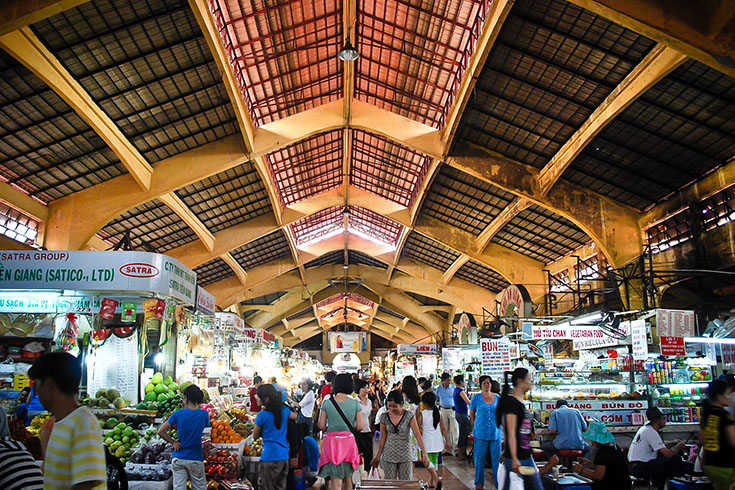
Ben Thanh Market:
The most famous market in Vietnam, Ben Thanh is a must-visit for its atmosphere alone. Housed in a historic building dating to 1914, the market has over 3,000 stalls selling everything from souvenirs to clothing to food.
What to Buy:
- Vietnamese coffee and coffee filters
- Conical hats (non la)
- Silk products and clothing
- Lacquerware
- Handicrafts and souvenirs
- tailored clothing (quick, affordable)
Tips: Bargaining is expected. Prices quoted to tourists are often 2-3 times the actual price. Start at 30-40% of the quoted price and negotiate.
Other HCMC Markets:
- Ben Thanh Night Market: Outside the main building, evenings. Souvenirs, clothing, street food.
- War Remnants Market: Military surplus, war-related items (check customs regulations)
- Binh Tay Market: In Chinatown (Cho Lon). Wholesale market, less touristy. Local experience.
Shopping Malls:
- Vincom Center: Multiple locations. Modern, air-conditioned, international brands, food courts
- Takashimaya: Japanese department store. High-end brands, quality products
- Saigon Centre: Luxury mall in District 1. International brands, restaurants
- Diamond Plaza: Upscale shopping, cinema, ice skating
Hoi An - Tailoring Paradise
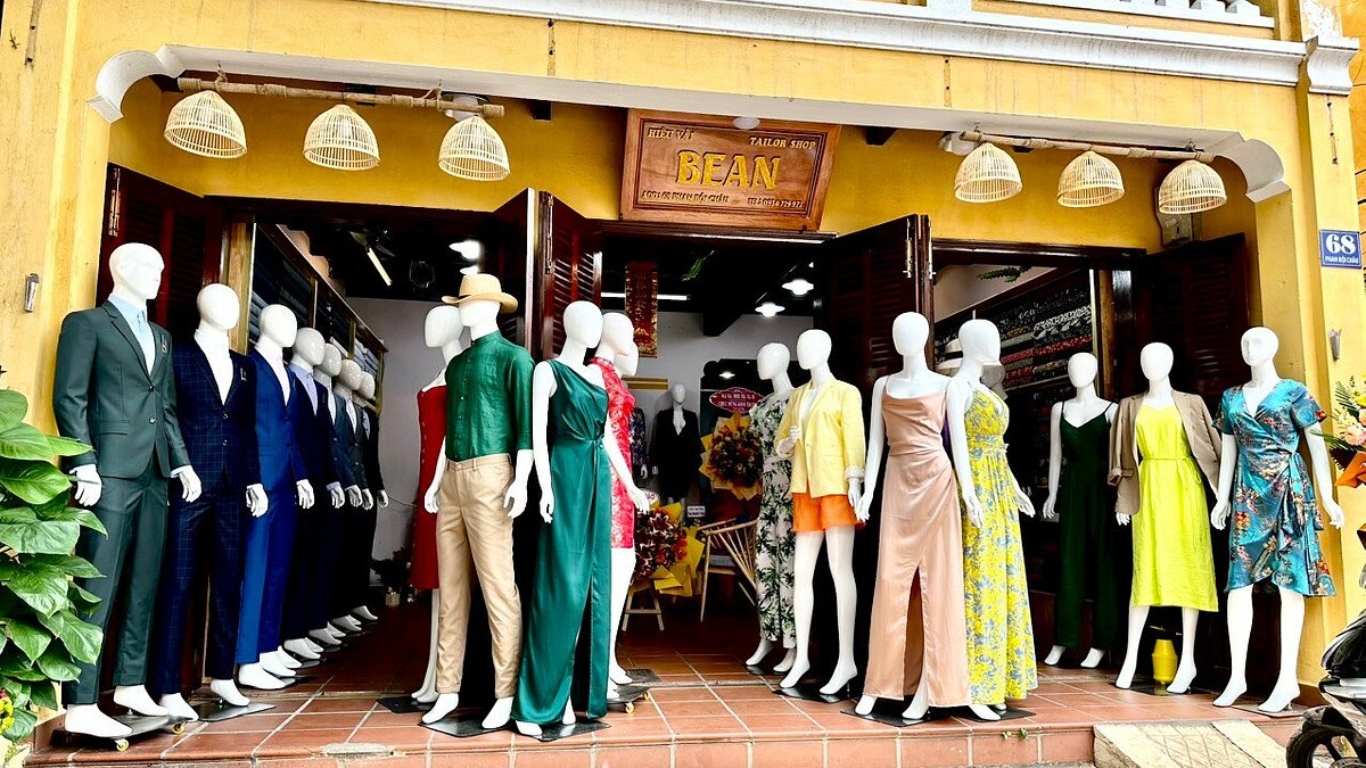
Hoi An is Vietnam's tailoring capital, famous for custom clothing made quickly and affordably. This UNESCO World Heritage ancient town combines incredible architecture with tailoring excellence that's attracted travelers for decades.
Getting Clothes Made:
- Choose a Tailor: Hundreds of options. Popular ones include Yaly, B' Lan, Bebe, A Dong Silk. Visit multiple shops, compare prices and quality.
- Select Fabric: Shops have catalogs and fabric samples. Cotton, silk, linen, wool options available. Quality varies - ask to see the actual fabric.
- Design: Bring pictures, choose from shop's designs, or describe what you want. Tailors are skilled at creating from descriptions.
- Measurements: Professional measurements included. Usually takes 30-45 minutes.
- Fittings: Most items require 1-3 fittings over 1-3 days. For best results, allow time for multiple fittings.
- Pricing: Dresses: USD 20-80. Suits: USD 60-200. Quality and fabric determine price.
Other Hoi An Shopping:
- Lanterns: Hoi An's famous silk lanterns. Beautiful, affordable souvenirs. Custom sizes and colors available.
- Shoes: Custom leather shoes made in 24-48 hours. Popular shops include Phuoc and Thu Thuy.
- Tailored Shoes: Choose design, leather color, and get measured. USD 30-60 per pair.
- Souvenir Shops: Throughout the ancient town. Ceramics, art, clothing, spices.
Da Nang - Modern Coastal Shopping
Da Nang offers Vietnam's most modern shopping experience with impressive malls alongside traditional markets.
Shopping Malls:
- Vincom Center: Large, modern mall with international brands, entertainment, food court
- Big C: Hypermarket - groceries, clothing, electronics, household items at good prices
- Con Market: Da Nang's largest traditional market. Clothing, food, household goods
- Cho Han: Central market with local products and souvenirs
Other Notable Shopping Destinations
Da Lat: The "City of Eternal Spring" is famous for:
- Dried fruits and jams
- Wine (Da Lat has Vietnam's best vineyards)
- Strawberries and produce
- Knitwear (cool weather products)
- Art and handicrafts
Hue: The imperial city offers:
- Conical hats (non la)
- Traditional ao dai (Vietnamese dress)
- Imperial souvenirs
- Art and antiques
What to Buy in Vietnam
Clothing and Textiles
Silk: Vietnamese silk is renowned for quality. Buy raw silk, silk clothing, scarves, ties, and accessories. Silk street markets in Hanoi and Hoi An offer excellent variety.
Custom Clothing: Especially in Hoi An and HCMC. Suits, dresses, shirts, coats made to measure in days for a fraction of Western prices.
Ao Dai: Traditional Vietnamese dress. Beautiful, elegant, and available ready-made or custom-tailored.
Non La (Conical Hats): Iconic Vietnamese hats. Buy them in markets or from street vendors. Quality varies - inspect construction.
T-Shirts and Casual Wear: Markets and malls offer endless options. Bargain hard in markets, fixed prices in malls.
Handicrafts and Art
Lacquerware: Vietnam's lacquerware is beautiful and affordable. Bowls, trays, boxes, vases, and art. Prices range from a few dollars to hundreds for museum-quality pieces.
Ceramics: Especially from Bat Trang (near Hanoi) and Bau Truc (south). Plates, bowls, vases, teapots. Beautiful designs at excellent prices.
Bamboo Products: Baskets, furniture, bowls, placemats. Sustainable and beautiful craftsmanship.
Embroidery: Particularly from XQ Village. Hand-embroidered pictures, clothing, table linens. Works of art.
Paintings: Contemporary Vietnamese art is vibrant and affordable. Hanoi and HCMC have excellent galleries.
Coffee and Food
Vietnamese Coffee: Some of the world's best coffee. Buy:
- Traditional ground coffee (strong, delicious)
- Weasel coffee (kopi luwak style - expensive but unique)
- Coffee with chicory (traditional style)
- Coffee filters (traditional drip filters)
Tea: Vietnamese tea, especially green tea from the north and lotus tea, is excellent.
Spices: Star anise, cinnamon, cardamom, lemongrass. Excellent quality and prices.
Dried Fruit: Especially from Da Lat. Mango, pineapple, banana, jackfruit.
Jewelry
Silver: Hanoi's Silver Street (Hang Bac) offers beautiful silver jewelry at good prices. Both traditional and contemporary designs.
Pearls: Vietnamese pearls, especially from Phu Quoc island, are excellent quality and good value.
Gold: Jewelry made of 18K or 24K gold (Vietnam measures gold purity differently than the West).
Bargaining Tips
Bargaining is expected in markets and with street vendors. Not in malls or established stores.
The Art of Bargaining
- Start Low: Initial quotes to tourists are often 2-3 times the actual price. Start at 30-40% of the quoted price.
- Be Polite: Smile, negotiate friendly. Aggressive bargaining is frowned upon.
- Walk Away: If the price isn't right, walk away. Often the vendor will call you back with a better offer.
- Know When to Stop: Don't bargain down to the last dong. A fair deal benefits both.
- Buy Multiple Items: Better prices when buying multiple items from one vendor.
- Check Quality Carefully: Especially for expensive items. Ensure you're getting what you pay for.
When NOT to Bargain
- Shopping malls (fixed prices)
- Supermarkets and department stores
- Government-run craft shops
- Restaurants and cafes
Payment and Money
Currency
Vietnamese Dong (VND). Notes come in denominations from 1,000 to 500,000 VND. 1 USD ≈ 25,000 VND (check current rates).
Payment Methods
Cash: Widely accepted and preferred in markets and small shops. Carry small denominations for bargaining.
Cards: Credit/debit cards accepted in malls, larger stores, and many restaurants. Many places add 2-3% surcharge for cards.
Digital Wallets: Some places accept Alipay, WeChat Pay, MoMo, ZaloPay. Becoming more common.
Recommendation: Carry cash for markets and small vendors. Use cards in malls and larger stores.
Shopping Tips
- Dress Modestly: Especially when visiting religious sites and traditional markets
- Bring Your Own Bag: Vietnam has banned plastic bags in some areas. Reusable bags are practical.
- Check Customs Regulations: Some items (ivory, certain woods, antiques) may not be importable to your country
- Get Receipts: Especially for expensive items - may be required for customs
- Inspect Carefully: Check for defects, proper sizing, quality before paying
- Allow Time: For custom clothing, at least 2-3 days with multiple fittings
- Compare Prices: Especially for expensive items - check multiple vendors
- Stay Hydrated: Shopping in Vietnam's heat can be exhausting
Souvenir Ideas
Authentic Vietnamese Souvenirs:
- Silk products (scarves, clothing, ties)
- Vietnamese coffee and filters
- Non La (conical hats)
- Lacquerware bowls and boxes
- Ceramics from Bat Trang
- Hoi An lanterns
- Embroidered art
- Contemporary Vietnamese art
- Spices (star anise, cinnamon)
- Dried fruit from Da Lat
Best Time for Shopping
Vietnam is a year-round shopping destination, but consider:
- Tet (Vietnamese New Year - January/February): Markets are festive but many shops close for a week
- Sale Seasons: Major sales around Tet, summer (June-August), and year-end (December)
- Weather: Northern Vietnam can be cold in winter (affects some outdoor markets). South is warm year-round.
Is Vietnam Worth Shopping?
Vietnam offers exceptional value, variety, and authenticity as a shopping destination. The combination of traditional markets, modern malls, custom tailoring, and unique products creates shopping experiences that are both enjoyable and rewarding. Prices are consistently lower than Western countries for equivalent quality, and the range of products - from USD 5 t-shirts to USD 200 custom suits - accommodates all budgets.
What makes Vietnam special isn't just the products - it's the experience. Browsing centuries-old markets, sipping Vietnamese coffee while watching market life, negotiating with friendly vendors, the energy and chaos that makes Vietnam so memorable. Shopping here connects you with contemporary Vietnamese culture in a way few other activities do.
Whether you're a serious shopper looking for bargains, a culture enthusiast wanting authentic experiences, or simply someone who enjoys discovering unique products, Vietnam delivers. The custom clothing alone is worth the trip - nothing beats wearing a suit or dress that fits perfectly and cost a fraction of what you'd pay at home.
Shopping in Vietnam isn't just about buying things - it's about experiencing one of Southeast Asia's most vibrant, dynamic, and welcoming cultures. The memories you make browsing markets, negotiating prices, and discovering hidden gems will last far longer than anything you purchase. And that's the greatest value of all.
Plan your wider trip with best places to visit in Vietnam, compare seasons in best time to visit Vietnam, and budget travel using Vietnam flight cost guide.
Location
Frequently Asked Questions
Q1.What are the best things to buy in Vietnam?
Q2.Is bargaining allowed in Vietnam?
Q3.How much does custom clothing cost in Hoi An?
Q4.What can I buy at Ben Thanh Market?
Q5.Where is the best shopping in Vietnam?
Q6.Is Vietnam good for clothes shopping?
Q7.What should I buy as souvenirs from Vietnam?
Q8.How do you pay for things in Vietnam when shopping?
Recommended For You

Best Time to Visit Vietnam: Regional Weather by North, Central & South
Plan the best time to visit Vietnam with month-wise weather, dry and wet season differences, regional timing tips, and practical advice for beaches and Halong Bay.
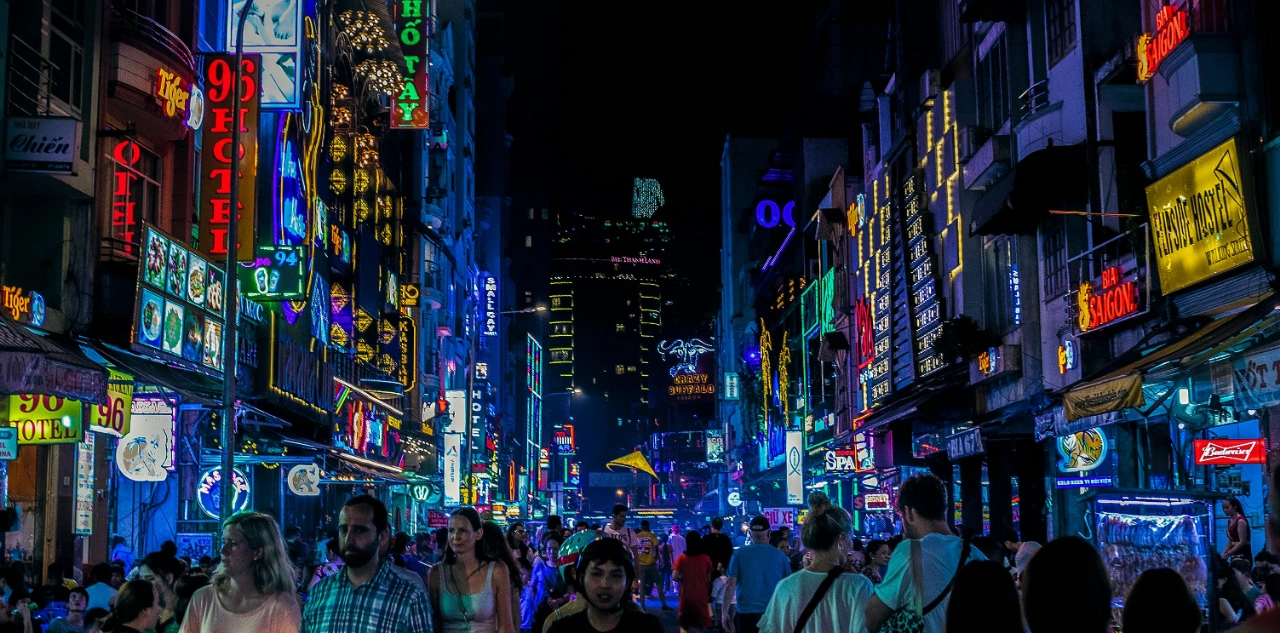
Vietnam Nightlife Guide: Bars, Clubs, Cities & Safety
Explore Vietnam nightlife city by city with practical bar, club, market, budget, legal-age, and safety guidance for Hanoi, HCMC, Da Nang, Hoi An, and beyond.

Best Places to Visit Vietnam: Top 15 Spots
Discover Vietnam's top 15 must-visit destinations including Ha Long Bay, Hoi An, Hanoi, and Da Nang. This comprehensive travel guide covers the best time to visit, costs, itineraries, and essential tips for exploring Southeast Asia's most captivating country.
Never Miss an Adventure
Get the latest trekking guides, travel tips, and exclusive offers delivered straight to your inbox.
