

Best Places to Visit Vietnam: Top 15 Spots

Rahul Garg
January 19, 2026
Discover Vietnam's top 15 must-visit destinations including Ha Long Bay, Hoi An, Hanoi, and Da Nang. This comprehensive travel guide covers the best time to visit, costs, itineraries, and essential tips for exploring Southeast Asia's most captivating country.
Best Places to Visit in Vietnam: Complete Route Guide for First-Time Travelers
Vietnam has become one of the strongest international destinations for Indian travelers because it offers excellent value, rich culture, dramatic landscapes, and strong food experiences in one trip. From old quarters and colonial streets to limestone bays, lantern towns, beaches, and modern city districts, the country feels diverse without forcing extremely complex logistics.
If you are searching for the best places to visit in Vietnam, you should avoid random city hopping. Vietnam is long and narrow, so smart north-central-south sequencing is critical for time and cost control. This guide breaks down what to prioritize, how many days you need, and how to build a route that is realistic. For seasonal planning, compare with best time to visit Vietnam before locking flights.

How to Plan Vietnam by Region
A first-time Vietnam itinerary usually works best in one direction: north to south or south to north. This helps you avoid backtracking and keeps internal transfers efficient. Most travelers do better with 8-12 days, allowing enough time for city depth plus one or two nature-heavy sections.
For shorter trips, prioritize quality over count. Cover 3-4 major bases well instead of rushing through seven destinations with constant packing and transit fatigue. Vietnam rewards immersive pacing.
1) Hanoi: Heritage Streets and Cultural Core
Hanoi is one of the most character-rich capitals in Southeast Asia. The Old Quarter, lakeside walks, cafes, and heritage institutions create a strong first impression of Vietnam’s historical and social rhythm. This city is ideal for travelers who enjoy walking, local food exploration, and day-to-evening city transitions.
A practical Hanoi day can include heritage landmarks, one museum or temple, and a street-food dinner walk. For first-timers, location matters more than luxury in hotel choice. Staying near central zones reduces transfer time and helps you use evenings better. Build your local checklist using Old Quarter Hanoi and places to visit in Hanoi.
2) Ha Long Bay: Iconic Limestone Seascape
Ha Long Bay remains one of Vietnam’s signature experiences. The visual combination of limestone formations and emerald water is unique, and cruise formats allow you to experience it at different budgets. The key decision is day cruise versus overnight cruise.
If your trip is short, a day cruise can work, but an overnight option usually offers a better pace and atmosphere. Weather and visibility vary by season, so confirm expectations and carry a flexible schedule. Pack light for cruise sections and keep essentials in a compact day bag. Ha Long is worth doing well once rather than rushing for a quick photo stop.

3) Hoi An: Lantern Town and Slow Evening Culture
Hoi An offers one of the best old-town experiences in Vietnam. The streets, lantern-lit evenings, riverside views, and compact walkability make it ideal for travelers who want charm without big-city intensity. It works very well as a recovery stop after faster travel segments.
Plan at least two evenings here. Daytime can be used for nearby beaches, cafes, or tailoring experiences, while evenings are perfect for old-town walks and local markets. Hoi An is also a strong food stop with options ranging from street eats to curated dining. For focused planning, review Japanese Covered Bridge guide.

4) Da Nang: Urban Comfort with Coastal Access
Da Nang is practical, modern, and strategically placed between beach experiences and cultural day trips. It has better urban infrastructure than many smaller destinations and can be a strong base for travelers who want convenience. Families and first-time international travelers often find Da Nang easier to navigate.
You can structure Da Nang around beaches, viewpoints, and nearby attractions with moderate travel effort. If you prefer mixed travel style, stay in Da Nang and make focused visits to neighboring highlights. For trip extensions, use Ba Na Hills guide and Lady Buddha Da Nang for day planning.
5) Ho Chi Minh City: Fast-Paced Urban Vietnam
Ho Chi Minh City presents modern Vietnam at high speed: business districts, heritage architecture, food streets, rooftop spaces, and war-history landmarks in one dense urban environment. Compared with Hanoi, it feels more commercially energetic and works well for travelers who enjoy city momentum.
A good approach is to split your time between history-focused exploration and contemporary city experiences. Markets and evening walks can be paired with curated museum blocks and food circuits. If you are selecting urban highlights, read Ben Thanh Market and Notre Dame Cathedral of Saigon guides.

6) Ninh Binh and Sapa: Nature-Heavy Add-ons
Ninh Binh is a strong option for travelers who want scenic river landscapes and quieter rural settings close to northern circuits. It works as a contrast to city-heavy days and can be covered in a focused short stay. If your pace is relaxed, this stop adds visual depth without major complexity.
Sapa is better for travelers interested in mountain scenery, village routes, and trekking-oriented plans. It needs more effort than city stops, so include it only if your timeline supports slower movement. For activity-first planning, compare with trekking Sapa Valley.

Suggested Itinerary Frameworks
7 days: Hanoi + Ha Long + Hoi An/Da Nang.
9-10 days: Hanoi + Ha Long + Hoi An + Da Nang + Ho Chi Minh City.
12+ days: Add Ninh Binh or Sapa plus one slower beach or island block.
This structure keeps long-distance transfers manageable while giving enough time for actual exploration.
Budget and Booking Strategy
Vietnam can be cost-efficient, but budget control depends on transfer design. Frequent flights and last-minute hotel changes can quickly increase spend. Lock long-distance segments early and keep at least two-night stays in major bases to reduce transit overhead.
Food value in Vietnam is excellent when you balance street options with reputable local restaurants. For practical spend forecasting, use city-level estimates rather than one total number for the whole trip. If you want shopping and nightlife add-ons, compare ideas via Vietnam nightlife guide.
Common Mistakes First-Timers Should Avoid
The most common mistake is overstuffing itineraries with too many flights. Vietnam looks compact on screen but long in real travel time. Another issue is choosing accommodations far from walkable cores to save a little money, then overspending on daily transfers.
Travelers also underestimate weather variation between north, central, and south Vietnam. Check regional forecasts separately instead of assuming one climate pattern for the whole country. Finally, keep digital and printed copies of key bookings for smoother airport and hotel transitions.
Visa and Entry Planning for Indian Travelers
Before final booking, confirm current visa requirements, entry document format, and airport processing timelines for your travel dates. Keep passport validity well beyond return date and store digital copies of tickets, stays, and insurance in offline mode. A clean documentation setup prevents avoidable delays and keeps your itinerary on schedule from day one.
Keep one low-intensity day in every long Vietnam itinerary to recover, repack, and adjust plans around weather or transport shifts.
Final Takeaway
The best places to visit in Vietnam for first-timers are Hanoi, Ha Long Bay, Hoi An, Da Nang, and Ho Chi Minh City, with Ninh Binh or Sapa as optional depth layers. Choose destinations by route logic, not by random popularity.
When your plan balances city culture, nature, and practical transfer flow, Vietnam becomes one of the most rewarding and high-value international trips from India.
Location
Frequently Asked Questions
Q1.How many days are enough for Vietnam?
Q2.What is the best time to visit Vietnam?
Q3.Is Vietnam good for honeymoon?
Q4.Which is better: Hanoi or Ho Chi Minh City?
Q5.Is Ha Long Bay worth visiting?
Q6.How many days in Hoi An?
Q7.Do Indians need visa for Vietnam?
Q8.What is the cost of Vietnam trip from India?
Recommended For You
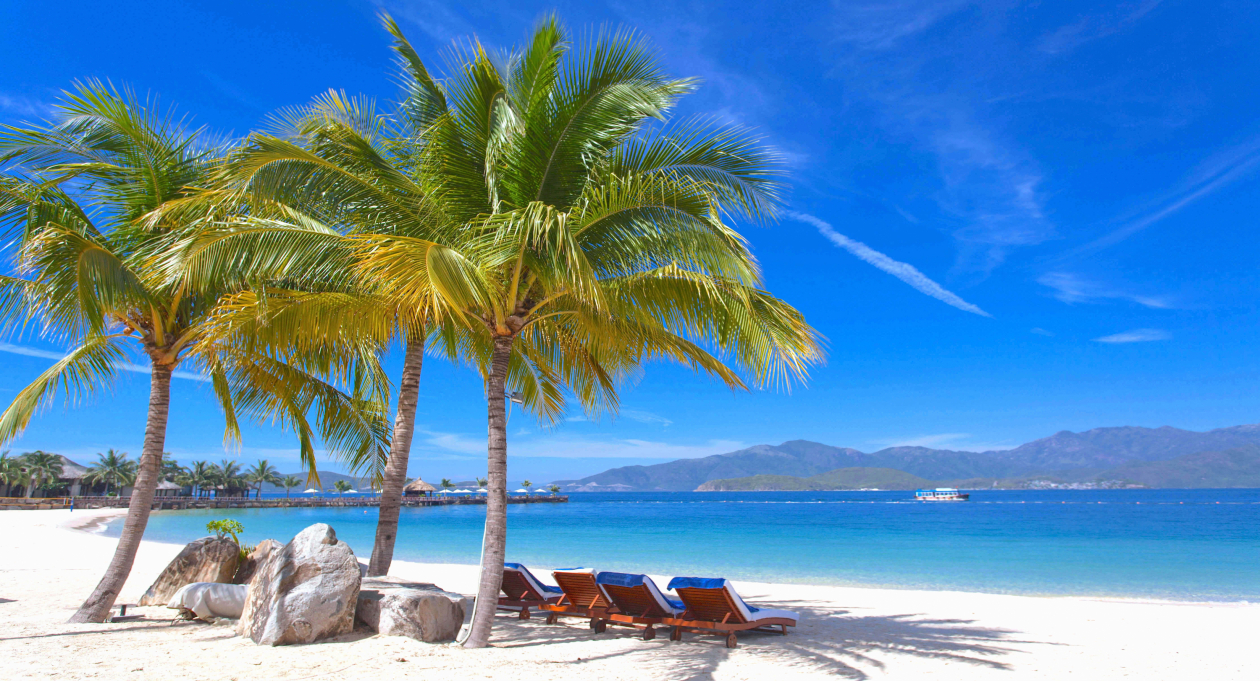
Vietnam Beach Resorts: Luxury Stays, Regions & Budget Range
Discover the best Vietnam beach resorts in Phu Quoc, Nha Trang, Da Nang, Mui Ne, and Con Dao. Complete guide with resort reviews, pricing, and booking tips for luxury coastal getaways.
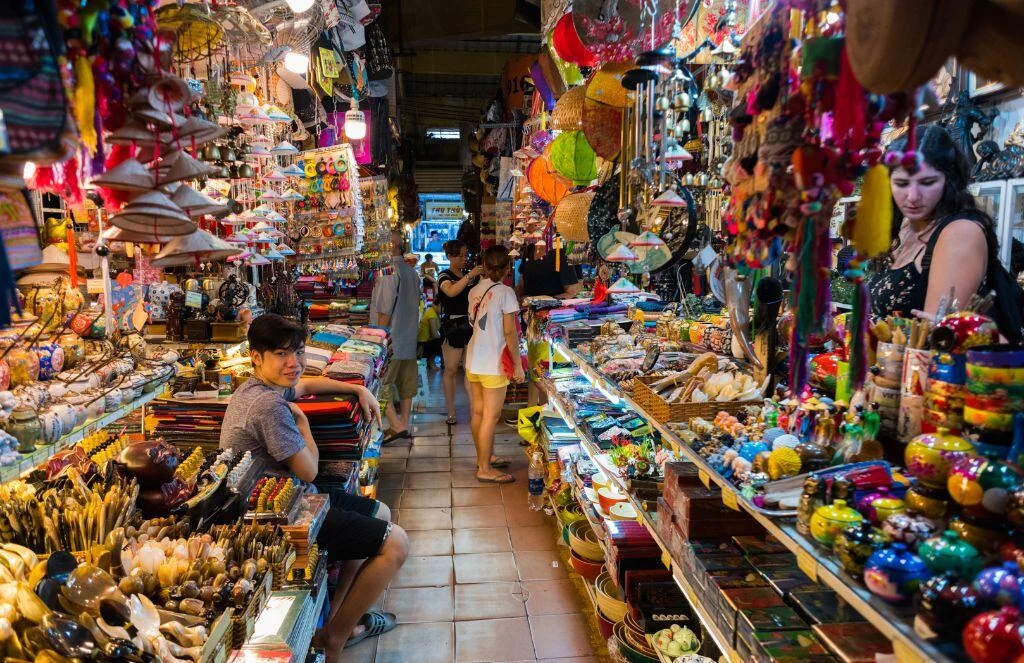
Shopping in Vietnam: Markets, Malls & Tips
Shopping in Vietnam: Complete guide to Hanoi, HCMC, Hoi An, best buys, bargaining tips, markets, malls & authentic Vietnamese products.
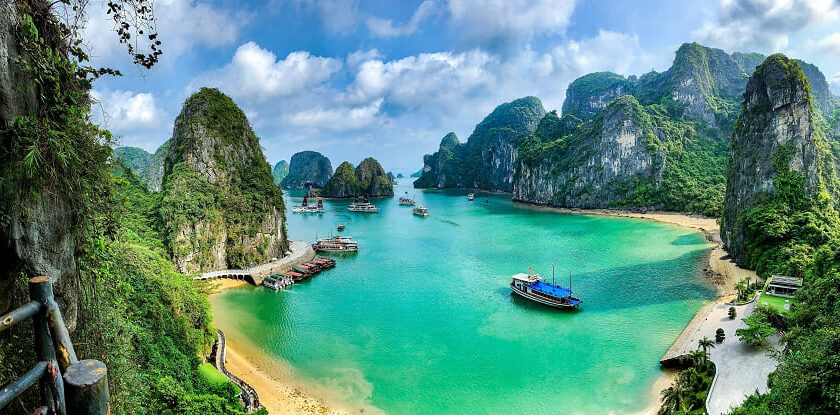
Best Things to Do in Vietnam: Top Activities
Discover the best things to do in Vietnam with practical city, nature, food, and adventure ideas for a balanced trip.
Never Miss an Adventure
Get the latest trekking guides, travel tips, and exclusive offers delivered straight to your inbox.
