
Silvassa Tribal Museum: Tribal Art, Exhibits & Visitor Timings

Ananya Sharma
January 25, 2026
Visit Silvassa Tribal Museum in Dadra Nagar Haveli. Guide with timings, entry fee, tribal artifacts, how to reach & nearby attractions.
Silvassa Tribal Museum: Complete Cultural Guide for Visitors
The Silvassa Tribal Museum is one of the most important places to understand Dadra and Nagar Haveli beyond parks and weekend getaways. While many visitors arrive for short nature trips, this museum reveals the region’s deeper identity through tribal history, tools, art, textiles, ritual objects, and everyday household culture. If you want context before exploring local attractions, this is the right starting point.
This guide covers what to see inside, how to plan your visit, expected timings and practicals, and how to combine the museum with nearby sightseeing. For route planning, you can also compare options in places to visit in Dadra and Nagar Haveli and local circuit ideas in places to visit in Silvassa.
Why This Museum Is Worth Visiting
Many tribal museums display objects without strong interpretation. Silvassa Tribal Museum is more useful because it helps visitors connect artifacts to lived culture. You see not only what objects look like but why they were made, how they were used, and what social role they played in the community.
For travelers interested in meaningful culture experiences, this matters. A basket is not just a basket. It reflects seasonal work, local materials, skill transmission inside families, and regional design logic. The museum allows you to see that larger picture in one compact visit.
Main Sections Inside the Museum
1. Daily Life and Household Objects
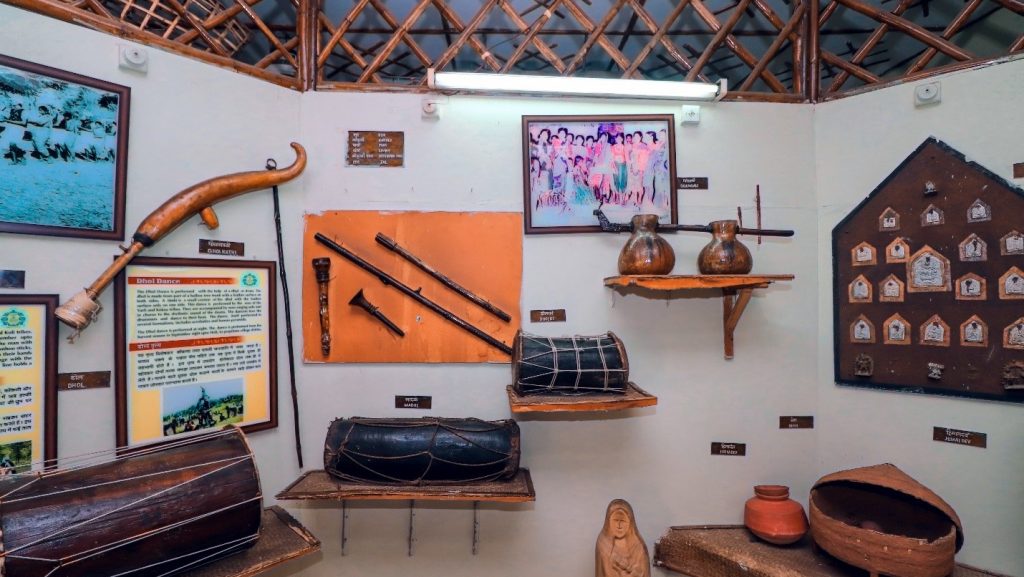
This section usually includes utensils, storage containers, tools for water and grain handling, and domestic-use objects shaped by local needs. These artifacts are practical and durable, showing how communities created efficient systems without industrial production. Pay attention to material choices such as wood, clay, and bamboo, each selected for climate and function.
2. Farming, Hunting, and Fishing Implements
The agrarian and forest-linked history of the region is visible through traditional implements. You will find tools linked to cultivation cycles, small-scale hunting, and river or pond fishing systems. This section is especially useful for understanding how livelihood and ecology were historically connected.
3. Costumes, Ornaments, and Personal Adornment
Traditional clothing and jewelry displays reveal more than aesthetics. They often indicate role, ceremony, age, and social identity. Silver ornaments, beadwork, and hand-finished pieces are typically the highlights for visitors interested in craft history.
4. Ritual and Performance Objects
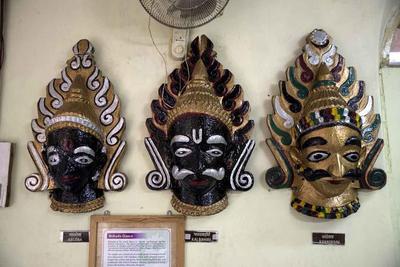
Masks, music instruments, and ceremonial items show how festivals and community rituals were organized. The visual impact is strong, but the real value is in interpretation. Try to read labels and context notes fully; they explain meaning behind shapes, colors, and performance use.
5. Art and Craft Traditions
Regional tribal art practices, including painting and craft methods, are represented through curated pieces. The displays help visitors understand pattern vocabulary, recurring motifs, and symbolic forms used in storytelling and seasonal observances.
How Long to Spend and How to Explore
Most travelers can cover the museum in 60 to 90 minutes, but a more engaged visit takes around 2 hours. If you are interested in anthropology, design, or local culture documentation, keep extra time for reading panel notes and comparing sections.
Follow a simple flow: start with daily life galleries, then move to ritual and costume zones, and end at craft-focused displays. This sequence makes the narrative clearer because it moves from practical life to symbolic life.
Timings, Entry, and Practical Details
| Detail | What to Expect |
|---|---|
| Opening hours | Typically daytime; confirm locally before travel |
| Weekly closure | Often closed one day a week (commonly Monday) |
| Entry fee | Usually nominal and budget-friendly |
| Recommended duration | 1.5 to 2 hours for a complete visit |
| Best visit time | Morning to early afternoon |
Exact timings or fee structures can change by season or administration updates, so verify at your hotel desk or local tourism contact on arrival day.
Photography and Visitor Etiquette
Photography policies may vary by section. In many museums, no-flash photography is allowed, but always check signage or ask staff. Avoid touching artifacts, leaning on display cases, or blocking narrow gallery paths while taking pictures. If school groups are present, step aside and continue once the group has passed.
Respectful behavior inside cultural spaces is essential. Even when objects are displayed publicly, they represent living traditions for local communities.
How to Reach the Museum
Silvassa is well connected by road from Gujarat and Maharashtra corridors. Many travelers arrive via Vapi and continue by taxi or local transport. If you are coming from Mumbai, a road trip is the most straightforward option for flexible timing. Public transport plus a short local transfer also works for budget travelers.
Once in Silvassa town, the museum is generally easy to reach by auto-rickshaw or taxi. Ask your driver for the tribal museum directly, as it is a known local landmark.
Best Nearby Places to Combine with the Museum
The museum pairs well with short outdoor visits, making it ideal for one-day or two-day itineraries.
- Silvassa Vasona Lion Safari for wildlife-focused half-day exploration.
- Satmaliya Deer Park for a quieter nature stop.
- Hirwa Van Garden for easy evening relaxation.
- Island Garden Dadra Park for family-friendly leisure time.
A practical plan is museum in the morning, lunch in town, and one nature attraction in the late afternoon. This balance works well for families and first-time visitors.
Who Should Prioritize This Museum
- Travelers interested in indigenous and regional culture.
- Students and educators planning field-learning visits.
- Families who want one educational stop in a leisure itinerary.
- Photographers and writers documenting local heritage routes.
If your trip is only activity-based, you may skip important context about the region. This museum provides that context efficiently.
Common Mistakes to Avoid
- Arriving without checking the latest opening window.
- Rushing through galleries without reading context labels.
- Treating artifacts as photo props instead of cultural records.
- Planning only outdoor attractions and missing heritage stops.
- Adding too many far-apart sites in one day.
Final Take
Silvassa Tribal Museum is not a filler stop. It is one of the most useful places to understand the people, history, and craft traditions of Dadra and Nagar Haveli. A well-paced 2-hour visit can change how you experience the rest of Silvassa, making nature parks and local markets feel more meaningful in context. Start here, then build your itinerary outward.
Suggested Half-Day Museum + Town Plan
9:30 AM to 11:30 AM: Explore the museum in sequence, starting from daily-life galleries and ending with ritual and art displays. Keep 10 to 15 minutes at the end for recap notes or photographs where allowed.
11:45 AM to 1:00 PM: Move to a local lunch stop in Silvassa town. Use this break to shortlist one nearby attraction based on weather and family preference.
1:30 PM onward: Choose either a wildlife option (lion safari or deer park) or a relaxed garden option for low-effort evening time. This structure prevents rushing and keeps the day balanced between education and recreation.
Why This Visit Helps Responsible Tourism
When visitors include heritage institutions like the tribal museum, tourism value spreads beyond entertainment zones. Local identity, crafts, and cultural history receive stronger visibility, and younger generations see that traditional knowledge still matters. Even a short museum stop contributes to that ecosystem. It also helps travelers move from surface-level sightseeing to informed, respectful exploration of the region.
If you are documenting your trip, note exhibit labels and local terms carefully; accurate naming improves travel writing quality and preserves cultural context better than generic captions.
Location
Frequently Asked Questions
Q1.What is Silvassa Tribal Museum famous for?
Q2.What are the timings of Silvassa Tribal Museum?
Q3.Is there an entry fee for Silvassa Museum?
Q4.What can we see in Silvassa Tribal Museum?
Q5.Which tribes are displayed in the museum?
Q6.How much time to spend at Silvassa Museum?
Q7.Is photography allowed inside the museum?
Q8.How to reach Silvassa Tribal Museum?
Recommended For You
Places to Visit in Silvassa: Gardens, Museums & Family Spots
Explore top places to visit in Silvassa, Dadra and Nagar Haveli including Vasona Lion Safari, Dudhni Lake, tribal museum, gardens and weekend tips.
Things to Do in Silvassa: Nature Parks, Museums & Weekend Plan
Explore top things to do in Silvassa with safari options, gardens, lake activities, and practical one- or two-day weekend travel planning.
Satmaliya Deer Park Silvassa: Safari Timings & Entry Fee
Visit Satmaliya Deer Park in Dadra & Nagar Haveli for deer safari, wildlife spotting, and nature experiences in Silvassa.
Never Miss an Adventure
Get the latest trekking guides, travel tips, and exclusive offers delivered straight to your inbox.
