
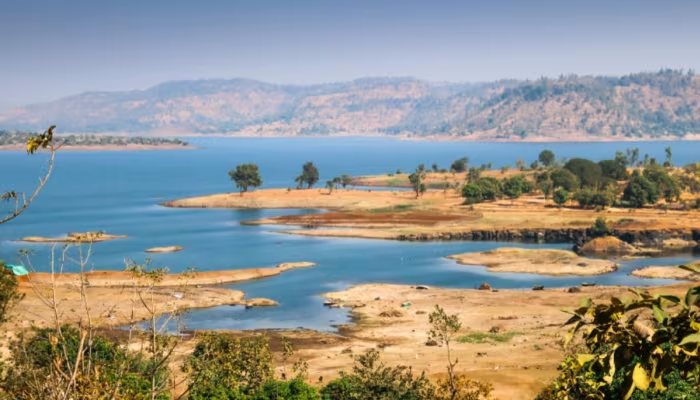
Things to Do in Silvassa: Nature Parks, Museums & Weekend Plan

Rohan Malhotra
February 20, 2026
Explore top things to do in Silvassa with safari options, gardens, lake activities, and practical one- or two-day weekend travel planning.
Introduction
Silvassa is a convenient green escape for travelers from Mumbai and nearby cities who want nature parks, gentle activities, and low-stress weekend planning. If you are searching for things to do in Silvassa, the best method is to mix one wildlife or park activity, one lake-focused relaxation block, and one local culture or market segment each day.
This guide covers safari options, gardens, lakes, local cultural experiences, and practical route structure for one- and two-day plans. For deeper destination planning, use things to do in Silvassa, one-day Silvassa routes, and shopping ideas in Silvassa.
Wildlife and Safari Experiences
Safari-linked attractions near Silvassa are popular with families and weekend groups. Keep expectations realistic and treat wildlife stops as educational and leisure experiences rather than high-intensity adventure. Start early for better comfort and lower crowd pressure.
If visiting with children, keep one short break after every major activity to maintain energy and focus.
Gardens and Nature Parks
Silvassa’s parks and gardens are among its strongest assets. These spaces are easy to cover, visually refreshing, and good for low-intensity travel. Morning and evening slots are most comfortable, especially in warm months.
Plan one dedicated park block instead of repeatedly short random stops. This gives a more relaxed and enjoyable experience.
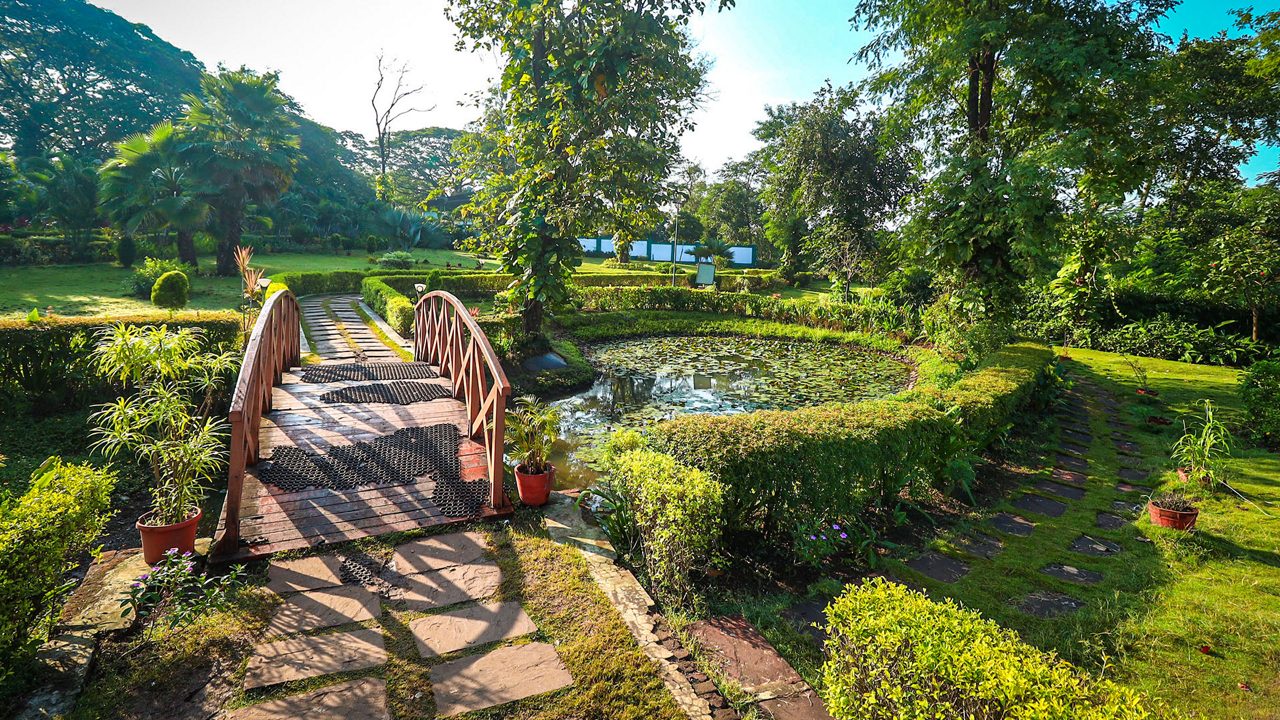
Lakes and Water-Side Activities
Lake and reservoir areas near Silvassa offer boating, viewpoint sessions, and picnic-style downtime. These are ideal for couples and families who want simple, scenic activities without heavy planning. Keep hydration and sun protection in mind for daytime visits.
Evening lake windows are best for comfort and atmosphere, especially on weekend trips.
Cultural and Local Experiences
Silvassa also has local craft and culture layers that can be included between nature blocks. A short museum or local-art stop can add variety and give context to the region’s identity. Keep this as a half-day add-on rather than the full itinerary core.
Travelers who include one cultural stop usually get a fuller destination experience than pure park-hopping routes.
Resorts and Relaxed Weekend Planning
Silvassa is popular for resort-led weekends. If your goal is rest, keep attraction count low and focus on one outdoor session plus property downtime. This is especially effective for short breaks where recovery is the primary objective.
Overloading a two-day resort trip with long drives can reduce the very relaxation travelers seek.
1-Day and 2-Day Itinerary Models
| Duration | Suggested Plan |
|---|---|
| 1 Day | Garden/park + lake session + local meal and market |
| 2 Days | Add safari and slower resort/culture block |
This structure suits families, couples, and friend groups with different pacing needs.
Best Time to Visit Silvassa
Cooler months are generally easiest for outdoor walking and park-heavy routes. Monsoon brings strong greenery but may affect certain activity windows. Summer travel is manageable with morning-evening scheduling and midday indoor breaks.
Weekend crowd levels can vary; early starts improve route comfort.
Budget and Practical Notes
- Budget: day-trip style with simple meals and focused activities
- Mid-range: one-night stay + curated nature route
- Comfort: resort-centric pacing + private movement
Costs vary mostly by stay category and transport mode, not entry fees.
Conclusion
The best things to do in Silvassa come from blending nature, light activities, and restful pacing. A well-planned one- or two-day trip can deliver a satisfying weekend break without complex logistics.
Keep the itinerary simple, zone-based, and weather-aware for the best Silvassa experience.
Detailed Area-Wise Planning for Silvassa
Travelers usually get better results in Silvassa when they split the day into clear area clusters instead of moving continuously. Start with one primary zone in the morning, hold a midday rest window, and finish with one scenic or cultural block in the evening. This approach reduces travel fatigue, keeps decision-making simple, and leaves room for unplanned discoveries. It also helps families and mixed-age groups move at a common pace without conflict. If your group includes senior travelers, preserve two longer rest breaks and avoid stacking more than two heavy segments in the same day. Route discipline matters more than attraction count, and this is the main difference between a rushed checklist and a genuinely satisfying trip.
Another effective method is to assign one experience goal to each half-day: spiritual, scenic, food, heritage, or activity. When each block has a clear goal, transport decisions become easier and the itinerary feels coherent. Keep buffers for traffic, weather, and local queue conditions. A fixed template works well: first hour for transit and orientation, next two hours for activity depth, then a recovery or meal slot. Repeat this pattern through your trip. Most travelers who follow this structure end up seeing fewer places but enjoying more quality time at each stop. That tradeoff is valuable because memory quality usually improves when pace and context are balanced.
Family-Friendly and Senior-Friendly Route Design
Silvassa can be comfortable for families if you plan around walking tolerance and meal timing. Children generally respond better to shorter attraction windows with snack breaks and simple visual goals such as bridges, viewpoints, or easy garden sections. Senior travelers benefit from lower stair-load routes, smoother transport transitions, and early-day activity blocks. Build one optional skip-stop into every day so no one feels forced to complete the full circuit. This improves group morale and helps keep energy stable for evening sessions. A practical tactic is to pre-decide regroup points where one part of the group can rest while others do a short extension.
For larger family groups, appoint one person to handle tickets and another to coordinate transport calls. This prevents confusion and avoids repeated delays at each stop. Keep essential items in one shared daypack: basic medicine, light layers, water, and digital payment backups. When weather is uncertain, always have one indoor fallback nearby so plans do not collapse. This level of preparation may feel excessive before the trip, but on ground it saves meaningful time and prevents stress spikes. A calm route with predictable transitions is usually the biggest driver of satisfaction for family travel in Silvassa.
Local Food Timing and Practical Dining Strategy
Food planning is often underestimated, but in Silvassa it can define how smooth each day feels. The simplest rule is to keep heavier meals after major movement blocks and lighter meals before high-activity sessions. This reduces fatigue and keeps the day productive. Try one local-specialty stop daily rather than frequent random snacking. That gives cultural depth without adding unnecessary delays. When traveling during peak season, pre-identify two backup dining options near your main attractions. This prevents schedule drift if a preferred restaurant is crowded or closed for local reasons.
Hydration discipline is equally important, especially on routes with open sun, altitude shifts, or extended transit. Carry refillable bottles and schedule water breaks instead of waiting for thirst. For groups with children, pack familiar quick snacks to avoid energy crashes between attraction clusters. If your itinerary includes dawn starts, arrange early tea or breakfast in advance with your stay provider. Small pre-planned food decisions prevent last-minute compromises and help preserve a consistent trip rhythm. Strong dining logic also protects evening plans, because delayed lunches are one of the main reasons travelers lose sunset or market windows.
Transport Logic, Safety, and Contingency Planning
Transport choices should match your itinerary density, not just budget. Shared options can work well for flexible travelers, but private movement is often better when you have strict timelines, seniors, or children. In Silvassa, pre-booking key transfers can significantly reduce uncertainty during peak windows. Before every departure, verify route conditions and expected travel time with a local source. Use conservative estimates and avoid chaining too many distant points in one day. A reliable plan includes one cancellation-safe activity near your base so a weather disruption does not waste the entire day.
Safety planning should be practical and lightweight: confirm driver contact details, keep offline map copies, and store emergency numbers where all adults in the group can access them. If your route includes remote stretches, leave buffer fuel and cash margins. Weather-aware clothing, power bank readiness, and basic first-aid coverage are simple measures that dramatically improve resilience. Travelers often focus on perfect itineraries, but the most successful trips are the ones that can absorb change without losing quality. In other words, contingency design is not optional; it is a core part of high-performing travel plans in Silvassa.
Sample Extended Itinerary and Decision Framework
A high-quality extended itinerary for Silvassa should be modular. Build three blocks each day: one must-do experience, one optional add-on, and one recovery or exploration window. If time slips, drop the optional block and keep the day intact. This prevents the common end-of-day disappointment caused by unrealistic planning. Use a simple decision framework: if transit is delayed by more than thirty minutes, switch to the nearest planned cluster and protect the next day’s flagship experience. This keeps the whole trip coherent and avoids cascading schedule failures.
In Silvassa, a nature-first morning and lake-side evening pattern usually works better than long cross-town movement in midday heat. This creates a richer outcome than random movement because each day has a narrative flow. Capture this in your notes before traveling: morning anchor, afternoon depth, evening unwind. Even spontaneous travelers benefit from this structure because it preserves flexibility while reducing waste. Most importantly, leave one half-day unscheduled in longer itineraries. That open buffer can absorb weather changes, additional rest, or a repeat visit to your favorite stop. When used intentionally, unscheduled time becomes one of the most valuable parts of the trip.
Location
Frequently Asked Questions
Q1.Is Silvassa good for a weekend trip?
Q2.How many days are enough for Silvassa?
Q3.What are top things to do in Silvassa?
Q4.Is Silvassa family-friendly?
Q5.Best time to visit Silvassa?
Q6.Can Silvassa be done in one day?
Q7.Are there good resorts in Silvassa?
Q8.How far is Silvassa from Mumbai?
Recommended For You
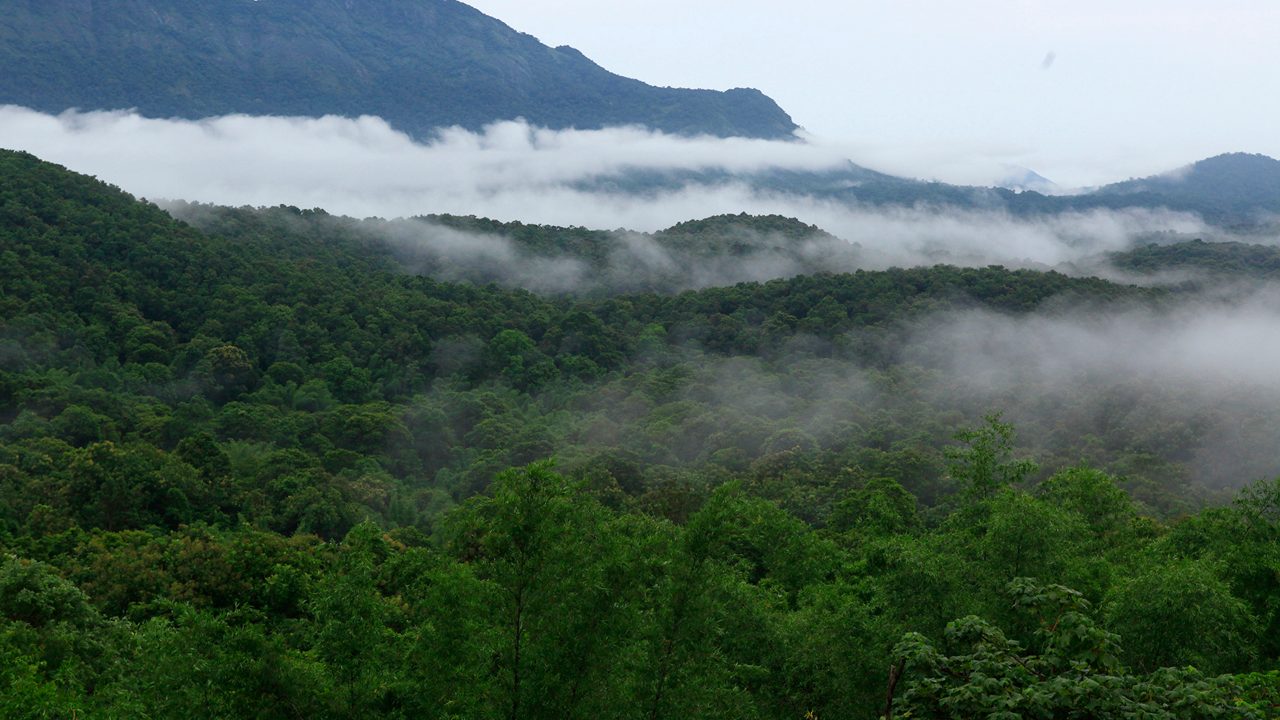
Silvassa Tribal Museum: Tribal Art, Exhibits & Visitor Timings
Visit Silvassa Tribal Museum in Dadra Nagar Haveli. Guide with timings, entry fee, tribal artifacts, how to reach & nearby attractions.
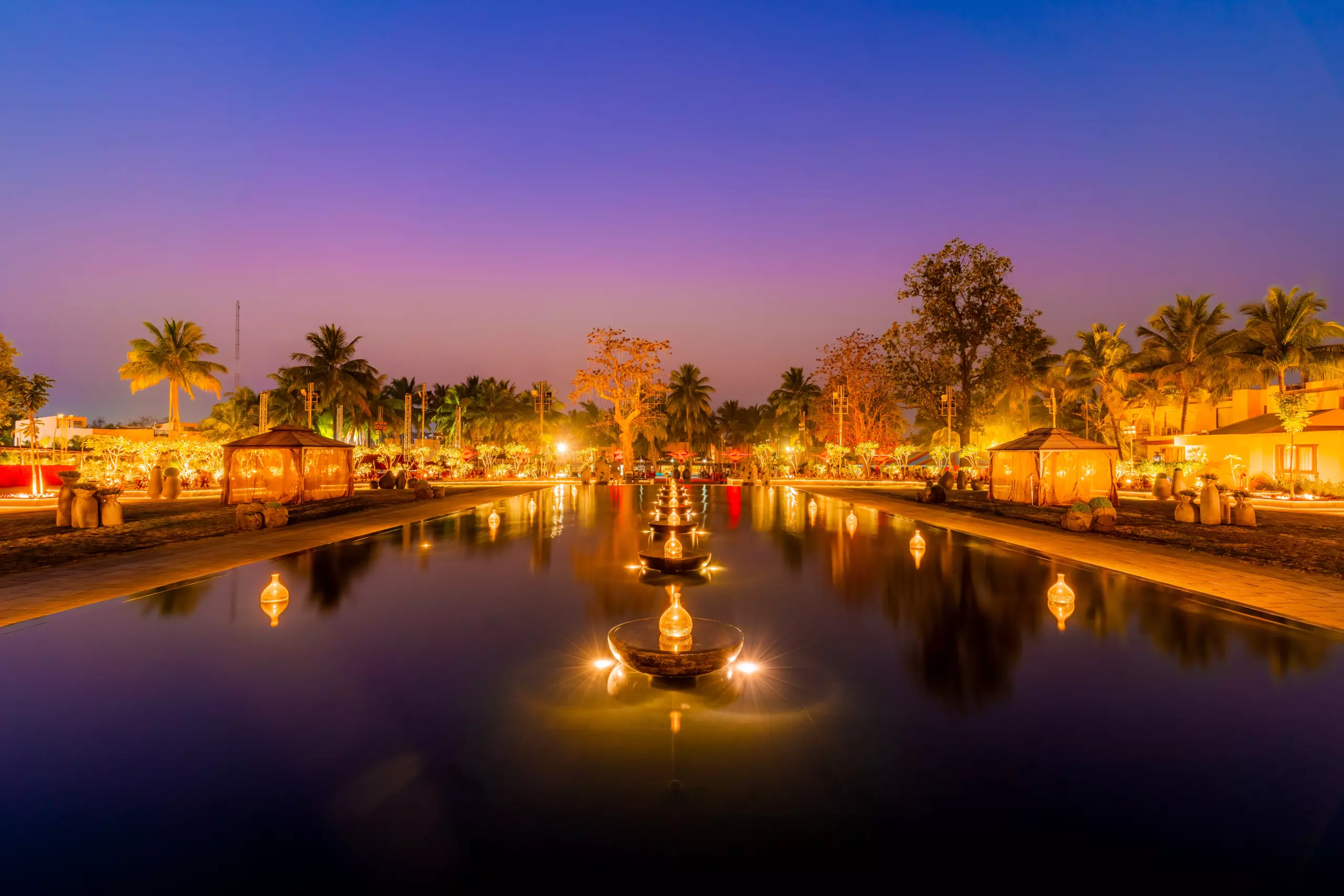
Resorts in Silvassa: Weekend Stay Options by Budget
Comprehensive guide to resorts silvassa: weekend getaway guide with planning tips, context, and practical logistics.
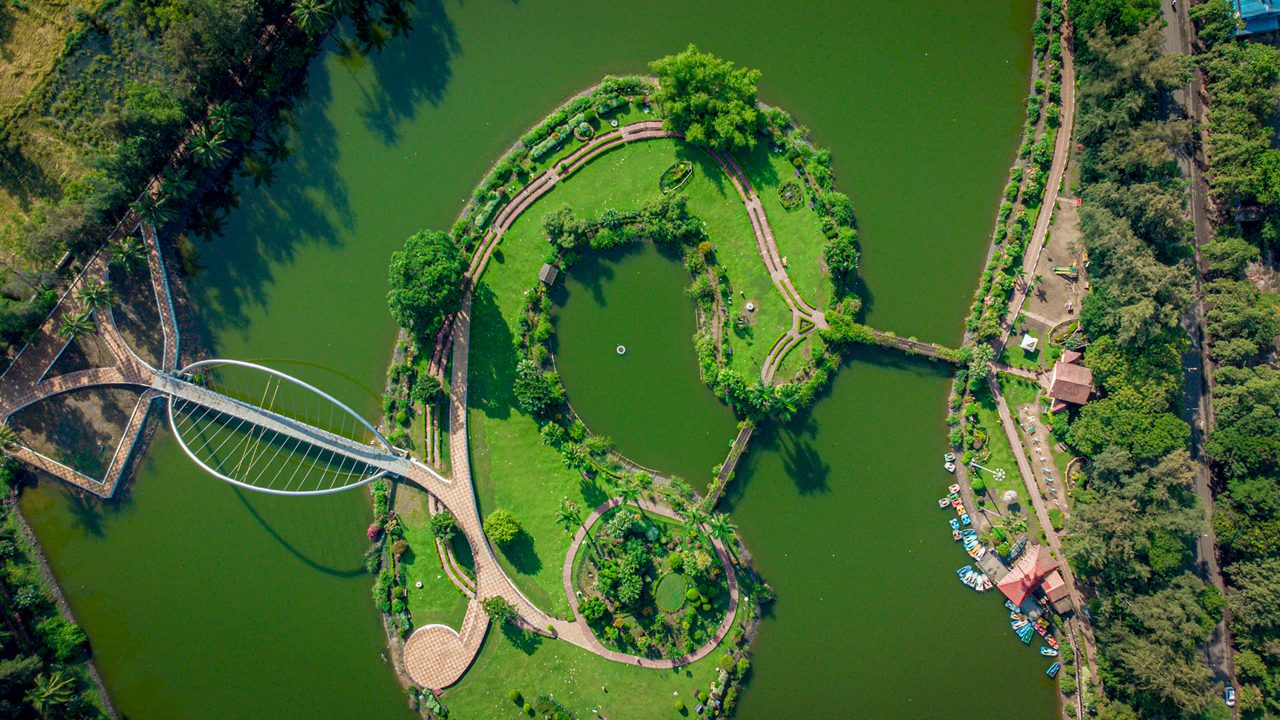
Vanganga Lake Garden Silvassa: Boating, Timings & Visitor Info
Explore Vanganga Lake Garden Silvassa - a serene Japanese-style garden with boating, manicured lawns & arched bridges. Complete travel guide.
Never Miss an Adventure
Get the latest trekking guides, travel tips, and exclusive offers delivered straight to your inbox.
