
Snorkeling in Andaman: Best Reefs, Pricing & Tour Options

Rohan Malhotra
November 19, 2025
Discover best snorkeling in Andaman! Complete guide to Havelock, Neil Island spots, prices, best time & tips for amazing underwater experience.
Andaman's Underwater Paradise
The Andaman Islands boast some of the finest snorkeling opportunities in India, with crystal-clear waters, vibrant coral reefs, and an incredible diversity of marine life. These islands, scattered in the Bay of Bengal, offer underwater experiences that rival world-class snorkeling destinations across Southeast Asia. What makes snorkeling in Andaman truly special is the accessibility – you don't need to be an experienced diver to witness the magical underwater world. The shallow reefs around many islands mean you can simply float on the surface and watch an entire ecosystem unfold beneath you.
The underwater landscape of Andaman is a living kaleidoscope of colors. Hard and soft corals create intricate formations that serve as home to countless fish species, sea turtles, rays, and other marine creatures. The water clarity here is exceptional, often offering visibility of 10-15 meters, making it perfect for observing marine life in its natural habitat. Whether you're a first-time snorkeler or an experienced enthusiast, Andaman's waters offer experiences that will leave you mesmerized.
Best Snorkeling Spots in Andaman
Andaman offers numerous excellent snorkeling locations, each with its own unique characteristics and marine life. Knowing which spots to visit can help you plan your snorkeling adventures and make the most of your time in these islands.
Elephant Beach, Havelock Island
Elephant Beach is arguably the most popular snorkeling destination in Andaman, and for good reason. The beach features shallow waters with excellent visibility, making it ideal for beginners and experienced snorkelers alike. The coral formations here are extensive and healthy, with varieties including brain coral, staghorn coral, and colorful soft corals. The marine life is equally impressive – you can expect to see schools of colorful reef fish, parrotfish, angelfish, and occasionally sea turtles gliding gracefully through the water. If you're planning a trip to the islands, check out our comprehensive Havelock Island guide for more information about accommodation and activities.
What makes Elephant Beach particularly appealing is its accessibility. You can reach the beach by a short boat ride from Havelock's main jetty, and the snorkeling area begins just a few meters from the shore. The depth ranges from 1-3 meters in the main snorkeling zone, making it safe even for those who aren't confident swimmers. Equipment rental and guide services are readily available on the beach.
North Bay Island
Located near Port Blair, North Bay Island is famous for its coral gardens and excellent snorkeling conditions. The island offers some of the best coral diversity you'll find in Andaman, with both shallow and slightly deeper areas to explore. The underwater topography here includes coral walls, crevices, and sandy patches, each attracting different types of marine life.
North Bay is particularly good for spotting larger marine species including rays and occasional reef sharks (harmless ones!). The visibility is usually excellent, and the water is calm, making for comfortable snorkeling. The island is easily accessible by boat from Port Blair, and many tour operators offer combined trips to North Bay and Ross Island.
Laxmanpur Beach, Neil Island
Neil Island, now known as Shaheed Dweep, offers a more relaxed snorkeling experience compared to the more touristy spots. Laxmanpur Beach features natural coral bridges and shallow pools that are perfect for snorkeling. The coral formations here are unique, shaped by years of tidal action into interesting bridges and arches that you can swim over and around. Travelers seeking a more comprehensive experience can explore our Neil Island travel guide for detailed information about this serene destination.
The marine life at Laxmanpur is abundant, with plenty of small reef fish, sea cucumbers, and starfish visible in the clear water. The beach itself is beautiful, with white sand and shallow waters extending quite far out. During low tide, the water recedes significantly, exposing coral formations and creating natural pools where fish get trapped – perfect for close observation.
Jolly Buoy Island
Part of the Mahatma Gandhi Marine National Park, Jolly Buoy Island offers protected waters with some of the healthiest coral reefs in Andaman. The snorkeling here is strictly regulated to preserve the fragile ecosystem, which means the coral and marine life are in excellent condition. Only a limited number of visitors are allowed per day, and you need to obtain permits in advance. This protected area is one of many must-visit attractions in Andaman for nature lovers and marine enthusiasts.
The underwater experience at Jolly Buoy is unforgettable – vast expanses of pristine coral, schools of fish moving in synchronized patterns, and excellent visibility that sometimes exceeds 20 meters. This is arguably the best snorkeling spot in Andaman for serious enthusiasts. The island is accessible by boat from Wandoor, near Port Blair, and the trip includes scenic views of the marine park.
Red Skin Island
Also part of the Mahatma Gandhi Marine National Park, Red Skin Island is similar to Jolly Buoy in terms of underwater quality. These two islands operate on a rotation system – when Jolly Buoy is closed for ecological reasons, Red Skin is open, and vice versa. The coral reefs here are equally impressive, with excellent biodiversity and visibility.
Corbyn's Cove, Port Blair
For those staying in Port Blair who want a quick snorkeling session without traveling far, Corbyn's Cove offers decent opportunities. While the coral here isn't as extensive as at the island locations, you can still see plenty of marine life including colorful fish and occasional sea turtles. The convenience of being just a few kilometers from Port Blair makes this a good option for a casual snorkeling session.
What to Expect Underwater
The underwater world of Andaman is a revelation for first-time snorkelers and a delight for experienced ones. The diversity and abundance of marine life here is remarkable, considering the relatively small geographical area of these islands.
Coral Formations
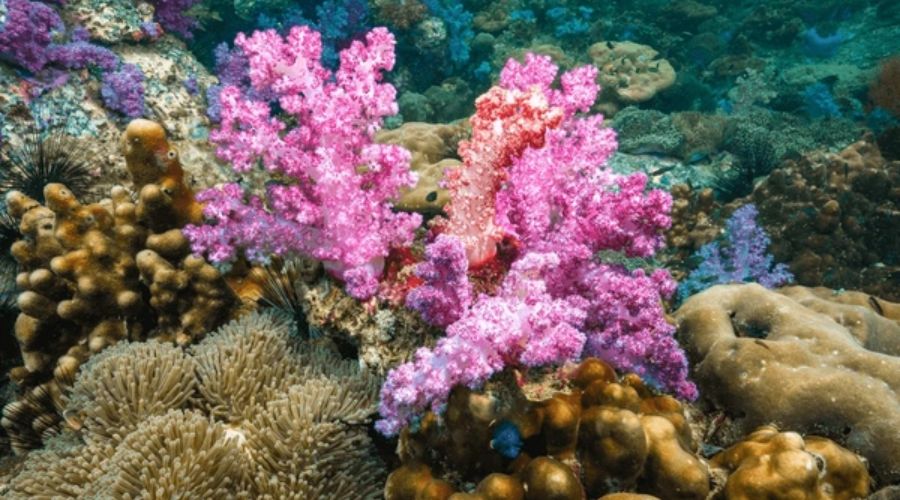
The coral reefs of Andaman are among the most diverse in the world. Hard corals, including brain coral, pore coral, and branching coral, form the backbone of the reef ecosystem. These provide structure and shelter for countless marine species. Soft corals add splashes of color – pink, purple, orange, and red – swaying gently with the water currents. Some coral formations are massive boulders, while others are delicate branching structures. The health of Andaman's corals varies by location – protected areas like Jolly Buoy have pristine reefs, while more accessible spots show some signs of wear but remain impressive.
Marine Life
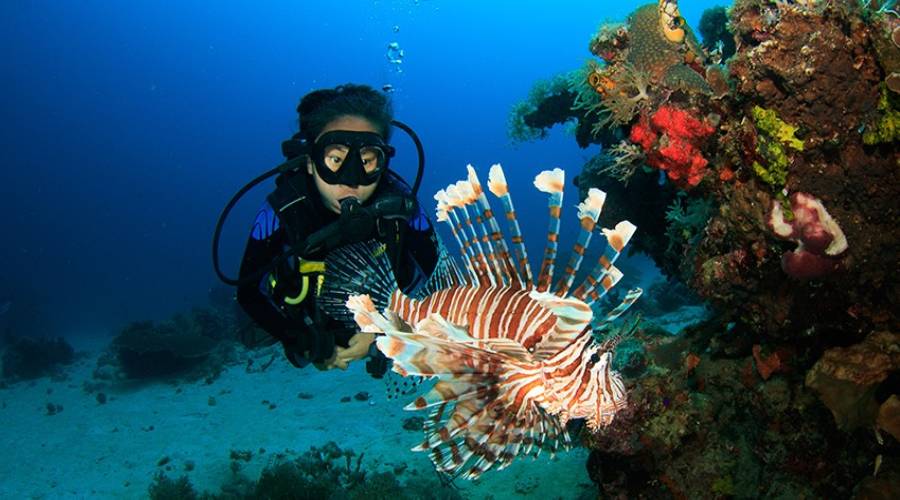
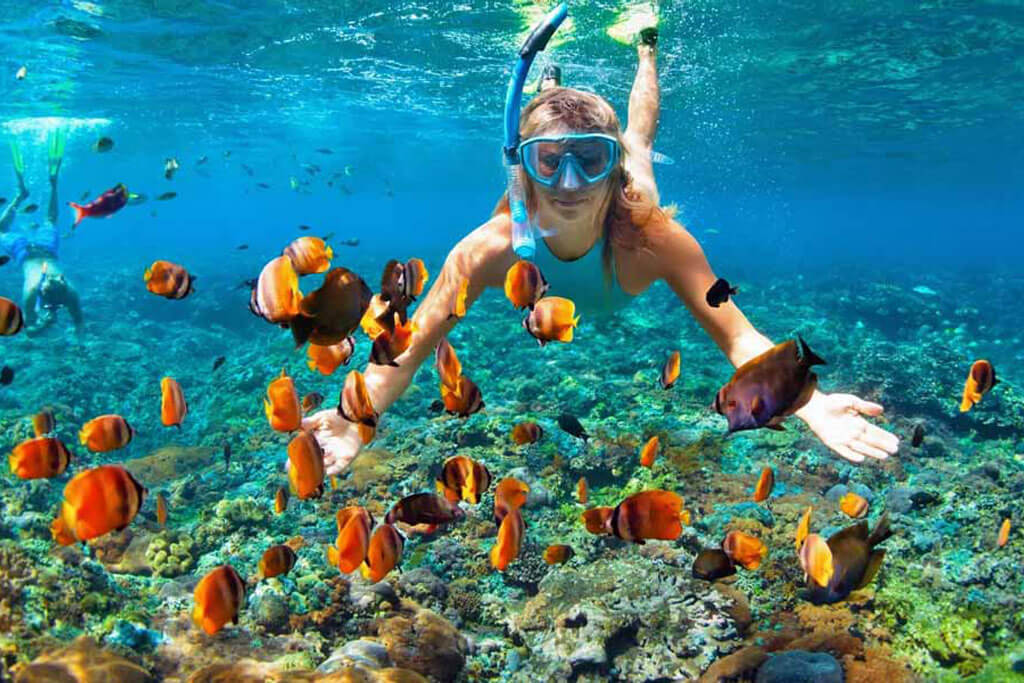
The fish life in Andaman's waters is incredibly colorful and varied. You'll see schools of small colorful fish – anthias, damselfish, and chromis – moving in coordinated patterns. Larger species include parrotfish (named for their beak-like mouths), angelfish with their distinctive shapes, butterflyfish in yellow and white, and triggerfish. If you're lucky, you might spot groupers hiding in coral crevices or lionfish with their showy fins.
Sea Turtles
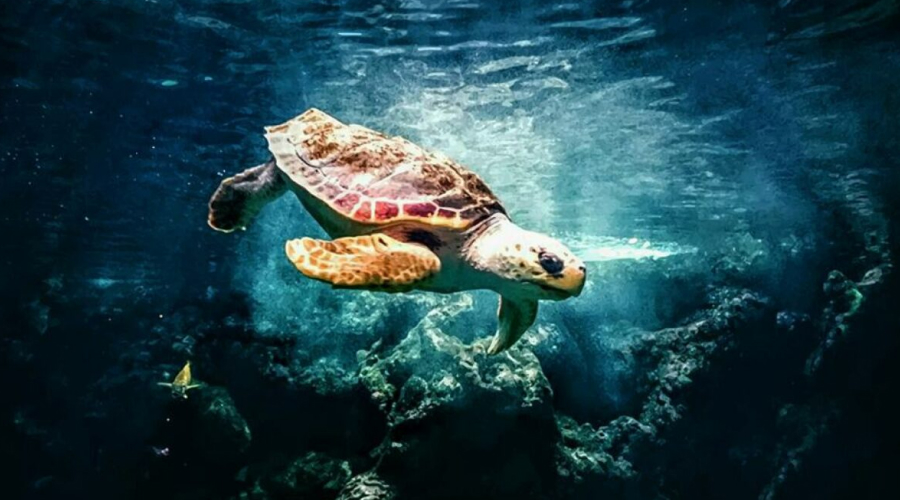
One of the most magical experiences while snorkeling in Andaman is encountering a sea turtle. Green sea turtles and hawksbill turtles are occasionally spotted, especially around Havelock and Neil Island. These gentle creatures move gracefully through the water, and observing them in their natural habitat is a privilege. Remember to maintain distance and not chase or touch them – let them approach you if they're curious.
Other Marine Creatures
Beyond fish and turtles, Andaman's waters host numerous other interesting creatures. Sea cucumbers can be seen on the sandy bottom, starfish cling to coral or rest on the sea floor, and octopuses occasionally make appearances, displaying their remarkable camouflage abilities. Rays, including stingrays and eagle rays, are sometimes spotted in sandy areas, though they're shy and tend to swim away when approached. For those interested in exploring other water activities, scuba diving in India offers exciting underwater adventures beyond Andaman.
Visibility and Conditions
Water clarity in Andaman is generally excellent, with visibility ranging from 10-20 meters depending on weather and location. The water temperature is pleasant throughout the year, ranging from 26-30°C, making snorkeling comfortable without wetsuits for most people. Currents are usually mild at the main snorkeling spots, though they can be stronger around full and new moon phases.
Cost & Packages
Understanding the costs involved in snorkeling in Andaman helps you plan your budget and avoid surprises. Prices vary by location, operator, and the type of package you choose.
Basic Snorkeling
For basic snorkeling with equipment rental (mask, snorkel, and fins), expect to pay between ₹500-800 per person for a single session of 1-2 hours. This typically doesn't include boat transfers to the snorkeling site, which are charged separately. Basic snorkeling is suitable for those who can swim and are comfortable in water.
Snorkeling with Life Jacket
For non-swimmers or those less confident in water, snorkeling with a life jacket is available for ₹700-1000 per person. The life jacket keeps you buoyant, allowing you to focus on enjoying the underwater scenery without worrying about staying afloat. This option is highly recommended for beginners.
Boat Packages
Most snorkeling locations require boat transfers, and operators offer combined packages. A typical boat package to Elephant Beach from Havelock costs ₹1500-2500 per person, including the boat ride, basic equipment, and a guide. Similar prices apply for North Bay Island trips from Port Blair. These packages usually include 2-3 hours at the snorkeling site.
Jolly Buoy/Red Skin Packages
The protected islands have slightly higher costs due to permit fees. A full-day trip to Jolly Buoy or Red Skin Island costs ₹2500-3500 per person, including permits, boat transfers, equipment rental, and sometimes lunch. These trips usually include multiple snorkeling stops and time on the beach.
Private Tours
For a more personalized experience, private boat tours can be arranged for ₹5000-8000 depending on the boat size and duration. This is ideal for families or groups who want flexibility in timing and location. Private tours also allow you to avoid crowds at popular spots.
Equipment Rental
If you only need equipment rental (for example, if you're staying at a beach and want to snorkel from shore), expect to pay ₹200-300 for mask, snorkel, and fins. Underwater cameras are available for additional rent if you want to capture your underwater adventure.
Best Time to Snorkel in Andaman
Timing your snorkeling trip correctly can significantly enhance your experience. Andaman's tropical climate means conditions vary throughout the year, and choosing the right season makes a big difference.
October to May: Prime Season
The period from October to May is considered the best time for snorkeling in Andaman. The sea is calm, visibility is excellent, and the weather is pleasant. Within this period, December to February offers the clearest waters and best visibility, though it's also the peak tourist season with higher prices and more crowds.
March and April are particularly good months – the weather is warming up but still pleasant, tourist crowds are thinner than in winter, and underwater conditions remain excellent. This is also when you might spot manta rays at certain locations, a special treat for lucky snorkelers.
June to September: Monsoon Season
The monsoon months bring rough seas, rain, and poor visibility – not ideal conditions for snorkeling. Most water sports operators suspend activities during this period due to safety concerns. If you're visiting during monsoon, you'll find limited snorkeling opportunities, mostly on calmer days at sheltered locations.
Time of Day
Regardless of season, the best time for snorkeling is in the morning hours (8 AM to 11 AM). The sea is generally calmer in the morning, sunlight penetrates the water better illuminating the corals, and marine life is more active. Afternoon sessions are possible but may have reduced visibility due to wind and waves.
Equipment & Gear
Having the right equipment makes snorkeling more comfortable and enjoyable. While most operators provide rental gear, understanding what you need helps you assess the quality of equipment and make informed choices.
Mask and Snorkel
A well-fitting mask is the most important piece of equipment. The mask should seal comfortably against your face without leaks. When renting, test the mask by placing it on your face without the strap – if it stays in place when you inhale through your nose, it's a good fit. The snorkel should allow easy breathing – modern dry snorkels have valves that prevent water entry even when submerged.
Fins
Fins provide propulsion and help you move through the water with less effort. They should fit snugly but not painfully. Most operators provide full-foot fins that are worn barefoot. If you have your own gear, open-heel fins with booties offer more comfort for extended snorkeling sessions.
Life Jacket
For non-swimmers or beginners, a life jacket is essential. It keeps you floating without effort, allowing you to focus on observing rather than staying afloat. Most operators include life jackets in their packages, especially for boat-based snorkeling trips. Even if you can swim, using a life jacket conserves energy and allows for longer snorkeling sessions.
Rental Quality
The quality of rental equipment varies by operator. Reputable operators maintain their gear well and replace masks and snorkels regularly. Before entering the water, check that your mask doesn't have scratches or cracks, the snorkel mouthpiece is intact, and fins aren't torn. Don't hesitate to ask for replacements if something seems worn or damaged.
Personal Gear
If you're a serious snorkeler or plan multiple sessions, bringing your own equipment is worth considering. A mask and snorkel don't take much luggage space, and having gear that fits perfectly makes a big difference to comfort. If you wear prescription glasses, consider getting a mask with corrective lenses or using contact lenses while snorkeling.
Tips for Beginners
If you're new to snorkeling, these tips will help you have a safe and enjoyable experience exploring Andaman's underwater world.
Practice in Shallow Water First
Before heading to deeper areas, spend time in shallow water getting comfortable with your equipment. Practice breathing through the snorkel, clearing water from your mask, and using your fins. Building confidence in shallow water makes the experience more enjoyable when you venture to areas with deeper water and more marine life.
Relax and Breathe Slowly
The key to enjoyable snorkeling is relaxation. Tense muscles tire quickly, and anxiety makes breathing harder. Float on the surface and breathe slowly and deeply through your mouth. The more relaxed you are, the less energy you'll use, and the longer you'll be able to snorkel comfortably.
Don't Touch Coral
This is the most important rule of responsible snorkeling. Corals are living animals, and touching them can damage or kill them. Some corals can also sting you. Maintain a respectful distance and observe without disturbing. Avoid standing on coral – even if it looks close enough to stand on, your weight can destroy years of coral growth.
Use Waterproof Sunscreen
The tropical sun is strong, and you'll be exposed while floating on the water's surface. Use waterproof sunscreen with at least SPF 30, and apply it 20-30 minutes before entering the water. Reapply after extended sessions. Consider wearing a rash guard or t-shirt for additional sun protection, especially if you snorkel frequently.
Stay With Your Group or Guide
If you're on a guided tour, stay close to your guide and follow their instructions. They know the area, can point out interesting marine life, and ensure your safety. Even if you're snorkeling independently from a beach, let someone know where you're going and when you plan to return. Never snorkel alone if you can avoid it.
Respect Marine Life
Observe marine life without interfering. Don't chase fish, try to touch turtles, or harass any creature you encounter. Remember, you're a visitor in their home. If you're patient and still, many creatures will become curious and approach you, leading to much more rewarding interactions than chasing would achieve.
Know Your Limits
Don't push beyond your comfort level. If you feel tired, anxious, or uncomfortable, it's time to head back to shore or the boat. Snorkeling should be enjoyable, not stressful. It's better to have shorter, comfortable sessions than to exhaust yourself trying to stay out longer.
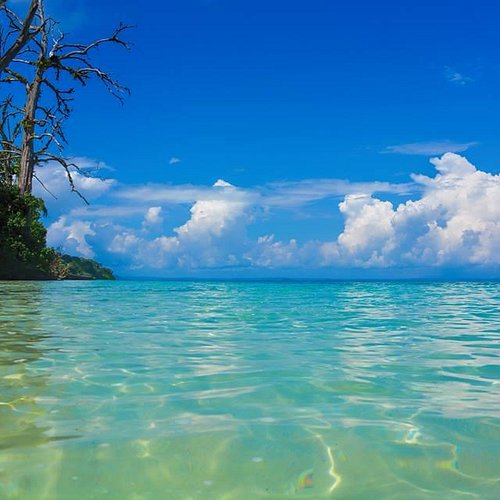
Conclusion
Snorkeling in Andaman offers a gateway to an underwater world that many people only see in documentaries. The combination of accessible locations, diverse marine life, and excellent conditions makes these islands one of India's premier snorkeling destinations. Whether you're watching colorful fish dart through coral gardens, encountering a majestic sea turtle, or simply floating above pristine reefs, the experience is magical and memorable.
The beauty of snorkeling in Andaman is its inclusivity – you don't need extensive training or expensive equipment to participate. With basic swimming skills, the right guidance, and respect for the marine environment, anyone can explore these underwater wonders. Each snorkeling location offers something different, from the easily accessible Elephant Beach to the pristine protected reefs of Jolly Buoy Island.
As you plan your Andaman adventure, make sure to include snorkeling in your itinerary. It's an experience that offers not just enjoyment but also a deeper appreciation for marine ecosystems and the need to protect them. The memories you create exploring Andaman's underwater world will stay with you long after you've returned home, inspiring future adventures and a lifelong connection to the ocean.
Location
Frequently Asked Questions
Q1.Where is the best snorkeling in Andaman?
Q2.Do I need to know swimming for snorkeling?
Q3.What is the best time for snorkeling in Andaman?
Q4.What will I see while snorkeling?
Q5.Is snorkeling safe in Andaman?
Q6.How much does snorkeling cost in Andaman?
Q7.Is snorkeling equipment provided?
Q8.Can I snorkel if I wear glasses?
Recommended For You
Andaman Complete: Plan Islands Weather And Activities
Complete Andaman travel guide featuring Havelock, Neil Island, Port Blair, scuba diving, beaches, best time to visit, ferry & practical tips.
Havelock Island (Swaraj Dweep): Beaches, Stay & Ferry Planning
Discover Havelock Island (Swaraj Dweep) in Andaman - home to the legendary Radhanagar Beach. Explore pristine beaches, world-class scuba diving, water sports, and island adventures in this tropical paradise. Complete travel guide with practical tips and itineraries.
Neil Island Andaman: Ferry Timings, Itinerary & Travel Budget
Plan your Neil Island Andaman trip with ferry-first strategy, one-day/two-day itinerary templates, beach sequencing, and practical stay-budget tips.
Never Miss an Adventure
Get the latest trekking guides, travel tips, and exclusive offers delivered straight to your inbox.
