
Andaman Complete: Plan Islands Weather And Activities

Rahul Garg
February 20, 2026
Complete Andaman travel guide featuring Havelock, Neil Island, Port Blair, scuba diving, beaches, best time to visit, ferry & practical tips.
Introduction to Andaman
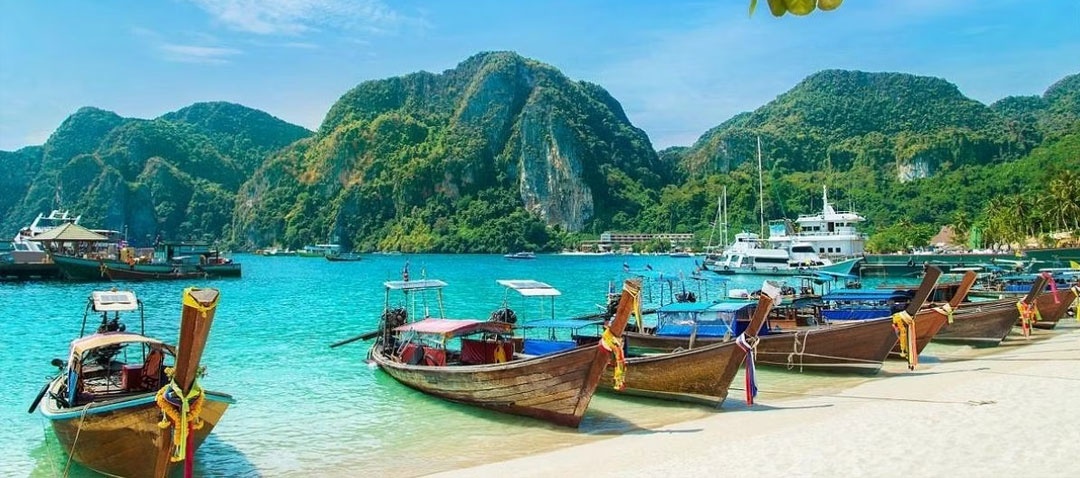
The Andaman and Nicobar Islands, a union territory of India, are one of the country's most spectacular destinations. Located in the Bay of Bengal, approximately 1,200 kilometers from the mainland, these islands offer pristine beaches, crystal-clear waters, vibrant coral reefs, and a unique blend of natural beauty and history. What makes the Andamans special is the remarkable clarity of the water, the diverse marine life, and the sense of being in a tropical paradise that feels far removed from the chaos of mainland India.
The archipelago consists of 572 islands, of which only about 38 are inhabited. For tourists, the main accessible islands include Port Blair (the capital and entry point), Havelock Island (now officially Swaraj Island), Neil Island (Shaheed Dweep), and Ross Island. Each island offers unique experiences - from historical sites in Port Blair to world-class beaches and diving in Havelock, and relaxed island vibes in Neil.
The Andamans have a fascinating history, from being used as a British penal colony (Cellular Jail in Port Blair) to being occupied briefly by the Japanese during World War II. The islands are home to indigenous tribes including the Jarawa, Sentinelese, and others who have had limited contact with the outside world. The islands also have strategic importance for India's military.
Beyond the stunning beaches and water activities, the Andamans offer excellent opportunities for relaxation, adventure, and exploration. Whether you're diving with elephants (yes, really!), watching bioluminescent plankton glow at night, exploring mangrove forests, or simply unwinding on pristine beaches, the Andamans deliver experiences that feel like a tropical dream.
Best Time to Visit Andaman
The Andaman Islands enjoy a tropical climate with warm temperatures and high humidity year-round. The timing of your visit significantly impacts your experience, especially for water activities like diving and snorkeling.
October to May is the best time to visit the Andamans. The weather is pleasant with temperatures ranging from 22°C to 30°C, humidity is manageable, and the sea is calm, making it perfect for beach activities, diving, snorkeling, and island hopping. This is the peak tourist season, so expect higher prices and more crowds, especially during December and January. However, this is when you'll get the best visibility for underwater activities and can access all the islands and beaches without weather disruptions.
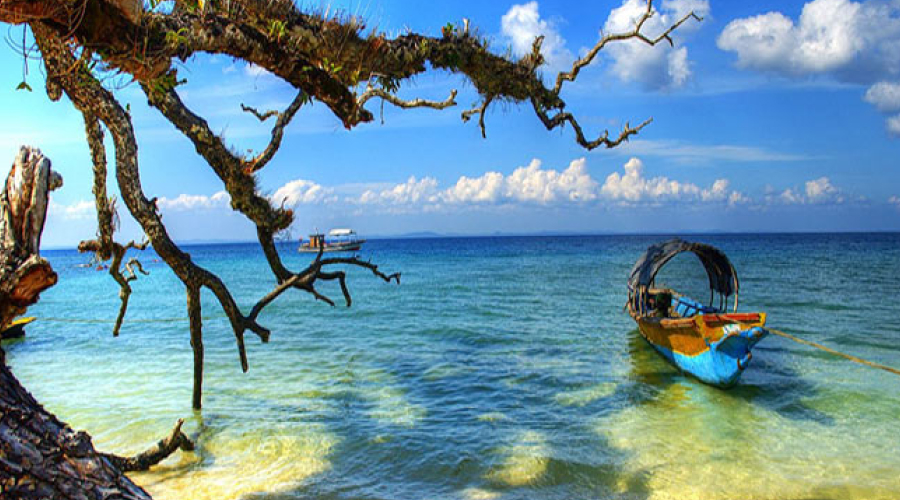
October and November, immediately after the monsoon, are particularly beautiful. The islands are lush green, and the water visibility is excellent as the monsoon has cleared sediment. December to February are the busiest months with perfect weather but maximum tourist arrivals. March to May start getting warmer and more humid, but the diving conditions remain excellent.
June to September is the monsoon season when the Andamans experience heavy rainfall, rough seas, and strong winds. Many tourist facilities close during this period, and ferry services to outer islands are frequently suspended due to rough seas. However, if you don't mind the rain and limited activities, this is when you'll find the best deals on accommodations and virtually no crowds. The islands are incredibly green and beautiful during monsoon. Note that scuba diving and most water sports are suspended during this period due to poor visibility and rough seas.
Getting to Andaman
By Air
Flying is the most practical way to reach the Andamans. Veer Savarkar International Airport in Port Blair is well connected to mainland India. Direct flights operate from Chennai (approximately 2 hours flight time), Kolkata (2.5 hours), Bangalore (2.5 hours), and Delhi (approximately 3-5 hours with stops). Flight prices vary significantly based on season - book in advance for better rates, especially for travel during peak season (December-January).
Most domestic airlines including Air India, IndiGo, SpiceJet, and Vistara operate flights to Port Blair. During peak season, additional flights are sometimes added. From the airport, it's a short taxi ride to Port Blair town (approximately 4 kilometers). Prepaid taxis are available at the airport. There are no international commercial flights to the Andamans, though charters are possible.
By Sea
Passenger ships operate between Chennai, Kolkata, and Visakhapatnam to Port Blair. The journey takes approximately 3-4 days depending on the route and sea conditions. Ships are operated by the Shipping Corporation of India and are an economical option compared to flying. However, the journey can be uncomfortable for those prone to seasickness, and schedules are frequently disrupted due to weather.
Ship cabins range from bunk (dormitory-style) to first-class AC cabins. The journey offers a unique experience but is recommended only for those who enjoy sea travel and have time to spare. Tickets can be booked through the Shipping Corporation of India offices in Chennai, Kolkata, or Visakhapatnam. During monsoon and rough seas, ship services are often suspended for extended periods.
Permits and Entry Requirements
All foreign nationals and Indian nationals (except those from the Andaman and Nicobar Islands) require a Restricted Area Permit (RAP) to visit the Andaman Islands. However, the process is straightforward - for Indian citizens, the permit is automatically issued on arrival at the airport or seaport and is valid for 30 days. The permit allows visits to Port Blair, Havelock, Neil, and several other islands.
Foreign nationals receive their permit on arrival at Port Blair airport or seaport. The permit is typically valid for 30 days and can be extended for another 15 days in some cases. Foreigners may face additional restrictions for visiting certain islands, particularly those near indigenous tribal areas. Always carry your permit (it's usually given as a stamp in your passport or as a separate document) as you may need to show it at various checkpoints, ferry terminals, and hotels.
Certain areas, especially parts of the Nicobar Islands and areas near indigenous tribal reserves, require special permits that are difficult to obtain. Most tourists stick to the permitted areas of South Andaman, Havelock, Neil, and Ross Islands, which don't require any special permits beyond the standard RAP.
Top Destinations and Islands
Port Blair
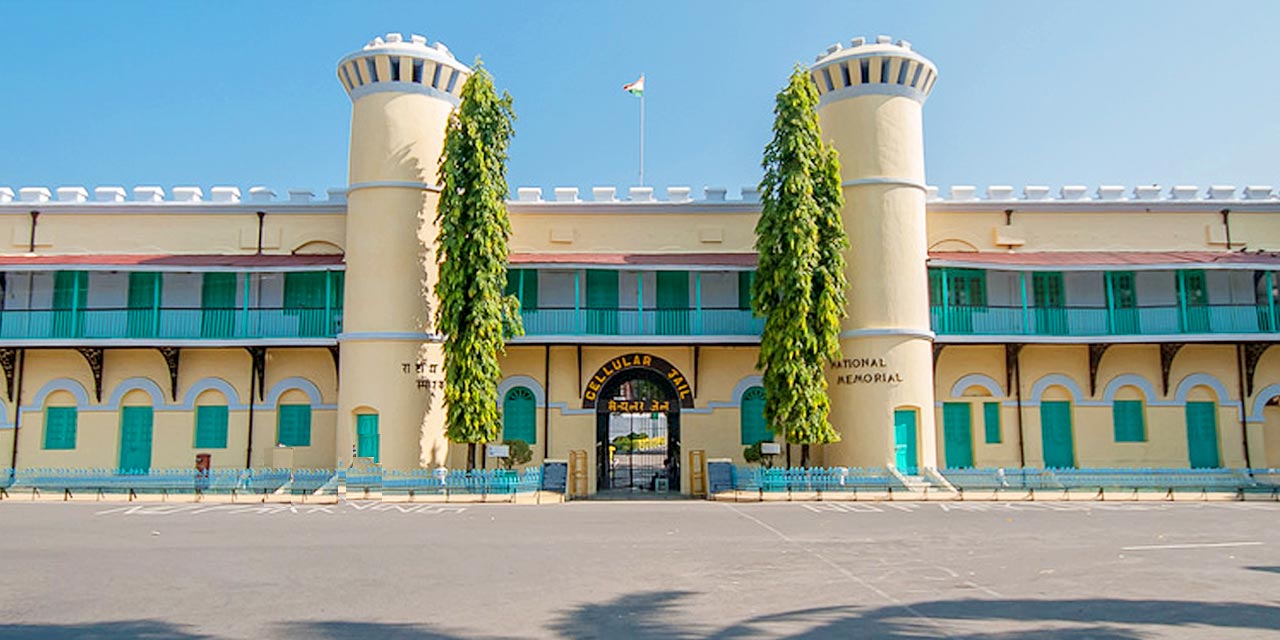
Port Blair, the capital of the Andaman and Nicobar Islands, serves as the entry point for most visitors and is worth exploring for a day or two. The town has a fascinating history and several important attractions. The Cellular Jail, also known as Kala Pani, was a British colonial prison where many Indian freedom fighters were incarcerated. The light and sound show in the evening (in Hindi and English on alternate days) tells the story of the prison and the freedom struggle.
Other attractions in Port Blair include the Anthropological Museum, which showcases the islands' indigenous tribes; the Samudrika Naval Marine Museum, which displays marine life and the islands' naval history; and the Fisheries Museum. Corbyn's Cove Beach, approximately 7 kilometers from town, is a popular spot for watching sunsets and enjoying water sports.
Ross Island, a short ferry ride from Port Blair, was the British administrative headquarters before being abandoned after an earthquake. Today, the ruins of British buildings covered in peepal trees create a haunting atmosphere. Viper Island, another former prison location, can also be visited. North Bay Island offers coral viewing through glass-bottom boats and snorkeling.
Havelock Island (Swaraj Dweep)
Havelock Island, officially renamed Swaraj Dweep but still widely known by its old name, is the most popular tourist destination in the Andamans - and for good reason. The island has some of Asia's most beautiful beaches, excellent diving, and a relaxed tropical vibe. The ferry from Port Blair takes approximately 2-2.5 hours, and there are both government and private ferries operating this route.
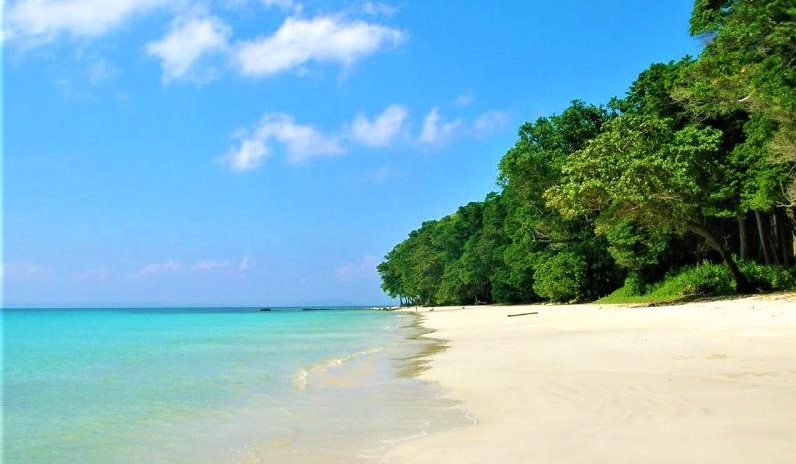
Radhanagar Beach, often ranked as one of Asia's best beaches, is Havelock's crown jewel. The white sand beach, turquoise water, and lush forest backdrop create a postcard-perfect setting. The beach is clean, relatively uncrowded, and perfect for swimming, sunbathing, and watching spectacular sunsets. Elephant Beach, accessible by a short trek or boat ride, offers water sports including jet skiing, banana boat rides, and snorkeling.
Havelock is also a diving mecca. The island has several dive centers offering courses and fun dives for all levels. Popular dive sites include Elephant Beach (great for beginners), Dixon's Pinnacle, Johnny's Gorge, and The Wall. The diving season is from October to May when visibility is excellent. Beyond diving, Havelock offers excellent opportunities for relaxation, with numerous beachside resorts and restaurants serving fresh seafood.
Neil Island (Shaheed Dweep)
Neil Island, officially renamed Shaheed Dweep, is smaller and less developed than Havelock, offering a more relaxed and intimate island experience. The ferry from Port Blair takes approximately 2-2.5 hours. Neil Island is known for its beautiful beaches, relaxed vibe, excellent snorkeling, and agriculture - the island supplies vegetables and fruits to other islands in the archipelago.
Popular beaches include Bharatpur Beach, known for coral viewing and water sports; Laxmanpur Beach, perfect for sunsets and natural rock formations; and Sitapur Beach, ideal for watching sunrises. The island can be easily explored on rented scooters or bicycles. Neil Island has excellent coral reefs close to shore, making it great for snorkeling.
Compared to Havelock, Neil Island has fewer accommodation and dining options, but this adds to its charm. The island is perfect for those seeking a quieter, more authentic island experience. Most visitors spend 2-3 days here, relaxing on the beaches, cycling around the island, and enjoying the fresh seafood at local restaurants.
Other Islands
Several other islands can be visited depending on your interests and time. Ross Island, near Port Blair, offers fascinating ruins and peacocks roaming freely. North Bay Island, accessible from Port Blair, is popular for coral viewing via glass-bottom boats and snorkeling. Jolly Buoy Island and Red Skin Island, part of Mahatma Gandhi Marine National Park, offer spectacular coral reefs and marine life, though access is restricted and requires special permits.
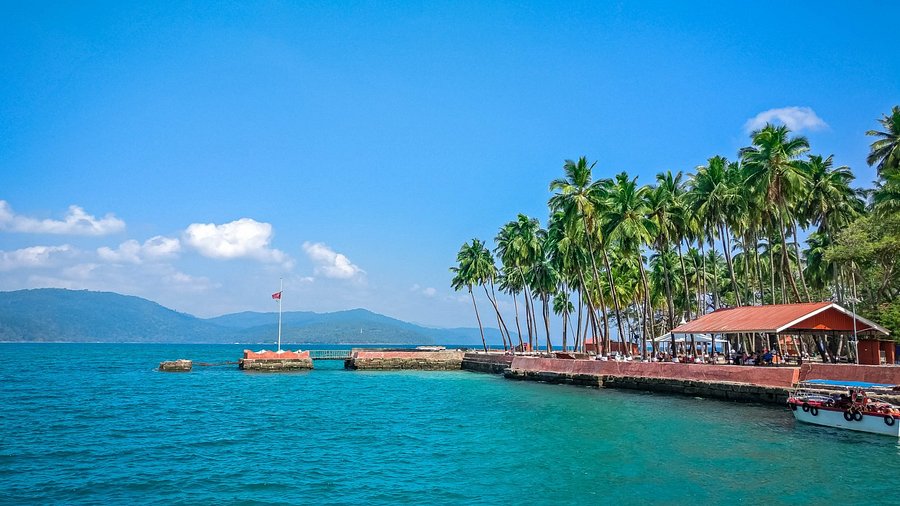
For those with more time, Long Island offers an offbeat experience with beautiful beaches and very few tourists. Diglipur in North Andaman offers Saddle Peak (the highest point in the Andamans) and turtle nesting beaches. However, these areas require more time and effort to reach.
To structure your island days better, combine this guide with detailed planning from places to visit in Andaman, underwater activity advice in scuba diving in Andaman, route timing from Havelock Island guide, and season-specific prep from Andaman travel tips.
Adventure and Water Activities
Scuba Diving
The Andamans offer some of the best diving in India, with excellent visibility, vibrant coral reefs, and diverse marine life. Havelock Island is the diving hub with several PADI-certified dive centers offering discover scuba diving for beginners, open water courses, and fun dives for certified divers. The diving season is from October to May when visibility can exceed 30 meters on good days.
Dive sites around Havelock cater to all experience levels. Elephant Beach has shallow reefs perfect for beginners. Dixon's Pinnacle, a submerged rock pinnacle, attracts experienced divers with the chance to see reef sharks, rays, and large schools of fish. Johnny's Gorge is known for sightings of groupers and occasional sharks. The Wall offers dramatic vertical drops with excellent coral and marine life.
One unique experience in the Andamans is diving with elephants at Havelock. Yes, you read that correctly - Rajan, the famous swimming elephant (now retired), made this experience legendary. While the famous elephant has retired, the experience of seeing elephants in the water (they're used for logging and sometimes taken to the beach) remains unique to the Andamans.
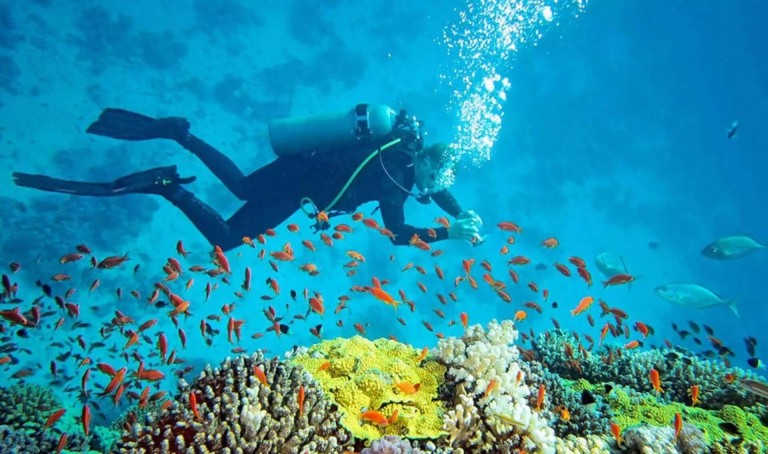
Diving costs in the Andamans are reasonable compared to many international destinations. A discover scuba dive (for beginners) costs approximately ₹4,000-5,000. PADI Open Water Course costs around ₹25,000-30,000. Fun dives for certified divers cost approximately ₹3,000-4,000 per dive. All equipment is included. Book in advance during peak season as dive centers can get fully booked.
Snorkeling
For those who want to see the underwater world without scuba diving, snorkeling in the Andamans is excellent. The islands have coral reefs close to shore, making snorkeling easily accessible. Popular snorkeling spots include Elephant Beach and various beaches on Neil Island. The waters around North Bay Island and Jolly Buoy Island also offer excellent snorkeling.
Most snorkeling spots can be accessed from the shore or by a short boat ride. Many beachside resorts and tour operators offer snorkeling gear rental and guided snorkeling trips. The visibility is generally excellent during the diving season (October-May), and you can expect to see colorful corals, reef fish, sea anemones, and sometimes turtles and rays.
Other Water Activities
The Andamans offer various water sports beyond diving and snorkeling. Sea walking is popular at North Bay Island - you wear a special helmet that allows you to walk on the sea floor at a depth of about 7 meters, surrounded by fish. No swimming experience is necessary, and it's a great option for those who want to experience underwater life without diving or snorkeling.
Jet skiing, banana boat rides, and speed boat rides are available at several beaches including Elephant Beach in Havelock and Corbyn's Cove in Port Blair. Kayaking through mangrove forests in places like Havelock offers a unique ecosystem experience. Glass-bottom boat rides allow those who don't want to get in the water to see corals and marine life.
Trekking and Nature
Beyond water activities, the Andamans offer opportunities for trekking and nature exploration. Madhuban, a trek in Mount Harriet National Park in Port Blair, takes you through forest and offers excellent views. The trek to Saddle Peak in Diglipur is for experienced trekkers - it's the highest point in the Andamans. Several islands have nature trails through forests that offer opportunities for birdwatching and spotting endemic species.
The islands are home to diverse flora and fauna, including several endemic species. The Mahatma Gandhi Marine National Park and other protected areas conserve marine and terrestrial ecosystems. Night walks in forested areas can reveal fascinating insects, reptiles, and other nocturnal creatures. Always go with a guide for forest treks, and carry adequate water, insect repellent, and appropriate clothing.
Beaches in Andaman
Radhanagar Beach (Havelock)
Radhanagar Beach, also known as Beach No. 7, is often ranked among Asia's and the world's best beaches - and for good reason. The crescent-shaped beach has powdery white sand, turquoise water, and a backdrop of lush forest. The water is calm and perfect for swimming. The beach is remarkably clean, and despite its fame, it doesn't feel overly crowded.
The beach is particularly spectacular at sunset when the sky turns brilliant shades of orange and pink. Most visitors come here specifically for sunset, and the atmosphere is magical. The beach has basic facilities including changing rooms and a few small shacks selling snacks and drinks. There's a small entrance fee to help maintain the beach. Radhanagar Beach alone is worth the trip to the Andamans.
Elephant Beach (Havelock)
Elephant Beach is famous for its water sports and accessible coral reefs. Unlike Radhanagar, which is about relaxation, Elephant Beach is about activities. The beach can be reached by a short trek through the forest or by boat. The water is shallow close to shore, making it perfect for water sports and snorkeling.
Activities available include jet skiing, banana boat rides, speed boat rides, and snorkeling. The coral reefs are close to shore and can be accessed by swimming a short distance from the beach. The beach itself is pleasant though not as spectacular as Radhanagar. It's usually busy with water sports enthusiasts but has a fun, energetic atmosphere. Note that the beach can get rough during certain times of the year.
Bharatpur Beach (Neil Island)
Bharatpur Beach is Neil Island's most popular beach and known for its corals and water sports. The beach has a long stretch of white sand and shallow, calm water perfect for swimming. Coral reefs are close to shore, making it excellent for snorkeling. Glass-bottom boats are available for those who prefer to see the underwater world without getting in the water.
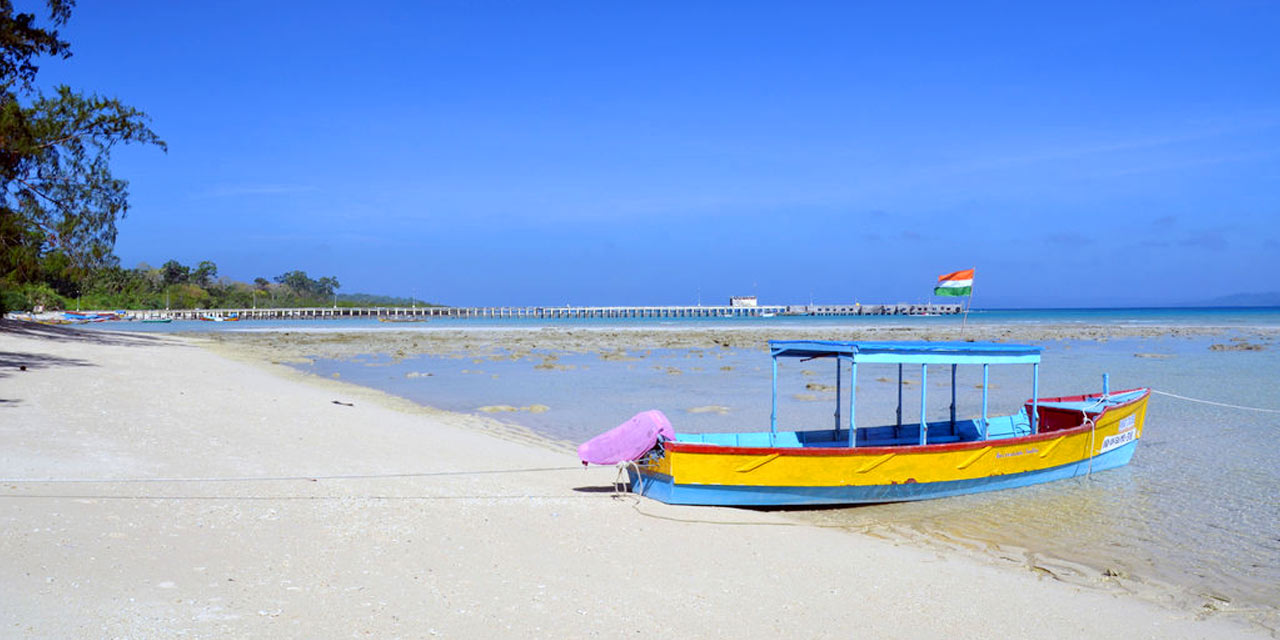
The beach has several water sports operators offering jet skiing, banana boat rides, and other activities. There are also numerous shacks and restaurants along the beach serving fresh seafood and drinks. The beach can get busy, especially during peak season, but maintains a pleasant atmosphere. It's particularly beautiful in the early morning when it's less crowded and the light is soft.
Other Notable Beaches
Corbyn's Cove Beach in Port Blair is the closest beach to the capital and popular for water sports and sunsets. Laxmanpur Beach on Neil Island offers stunning sunset views and interesting natural rock formations. Sitapur Beach, also on Neil Island, is perfect for sunrise watching. Kalapathar Beach on Havelock has dramatic black rocks contrasting with white sand and turquoise water, making it photogenic.
Where to Stay in Andaman
The Andamans offer accommodation options for various budgets and preferences, though options are more limited than mainland destinations. The type of accommodation varies between islands.
In Port Blair, you'll find the most variety - from budget hotels and guesthouses to mid-range hotels and a few luxury properties. Most hotels are located in the Aberdeen Bazaar area or near the airport. Port Blair makes a good base for exploring nearby islands and is where most travelers spend their first and last nights.
Havelock Island has excellent accommodation options ranging from budget huts and guesthouses to luxury resorts. Popular mid-range options include hotels near the jetty area, while luxury resorts are located on or near Radhanagar Beach. Many resorts offer beachfront cottages with stunning views. Book well in advance for stays during peak season (December-January) as the best properties get fully booked months ahead.
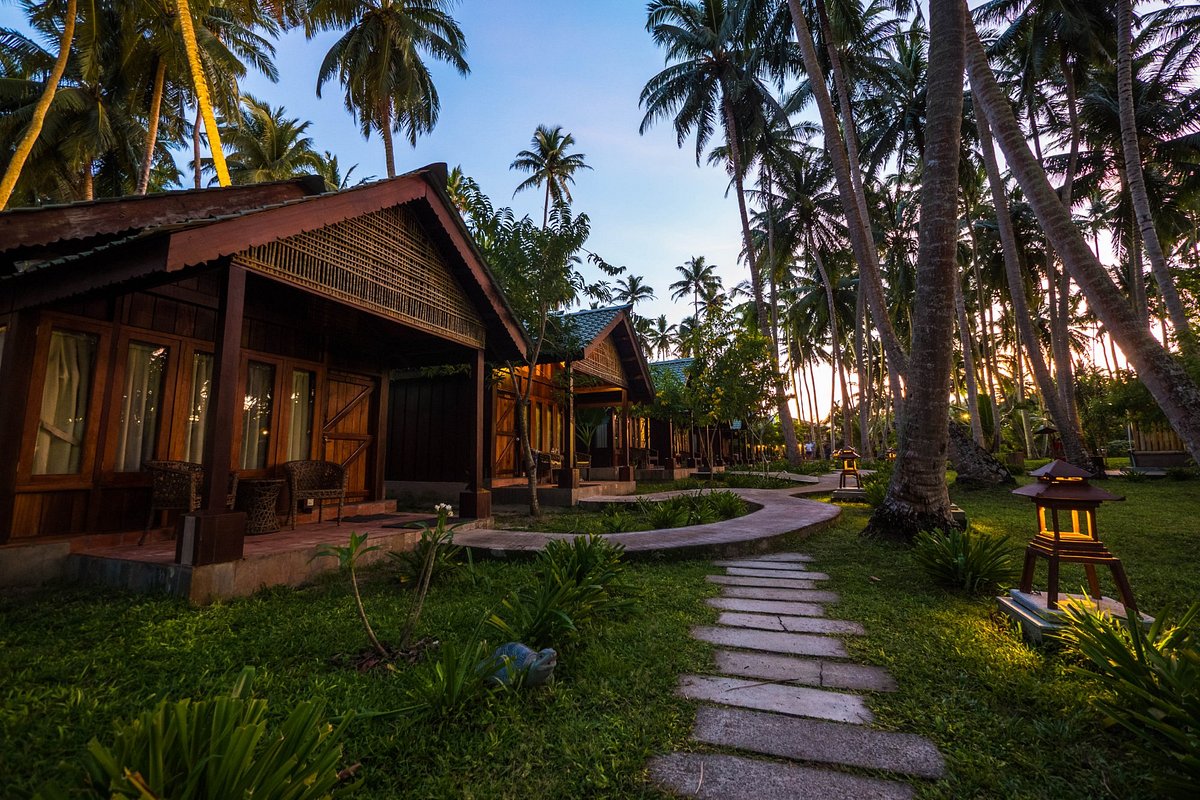
Neil Island has fewer options compared to Havelock, with mostly mid-range and budget properties. The vibe is more rustic and authentic. Several resorts are located near Bharatpur and Laxmanpur beaches. Accommodations range from basic huts to comfortable cottages and small resorts.
For those seeking luxury, several high-end resorts in Havelock and Port Blair offer premium accommodations, excellent cuisine, and stunning locations. However, luxury options are limited compared to destinations like the Maldives or Thailand. Book luxury accommodations well in advance as there are few such properties.
Food in Andaman
The Andaman Islands offer excellent cuisine, heavily featuring seafood given the islands' location. Being a union territory, the islands have influences from various parts of India, particularly Bengal and Tamil Nadu, due to historical settlement patterns. The indigenous cuisine of the islands is distinct and worth trying.
Seafood is the star - fresh catch of the day includes fish, prawns, crabs, and lobsters prepared in various styles. Must-try dishes include fish curry, crab fry, grilled lobster, and prawn masala. The seafood is incredibly fresh, often caught the same day. Most restaurants and resorts serve seafood, and beachside shacks offer excellent fresh fish cooked to your preference.
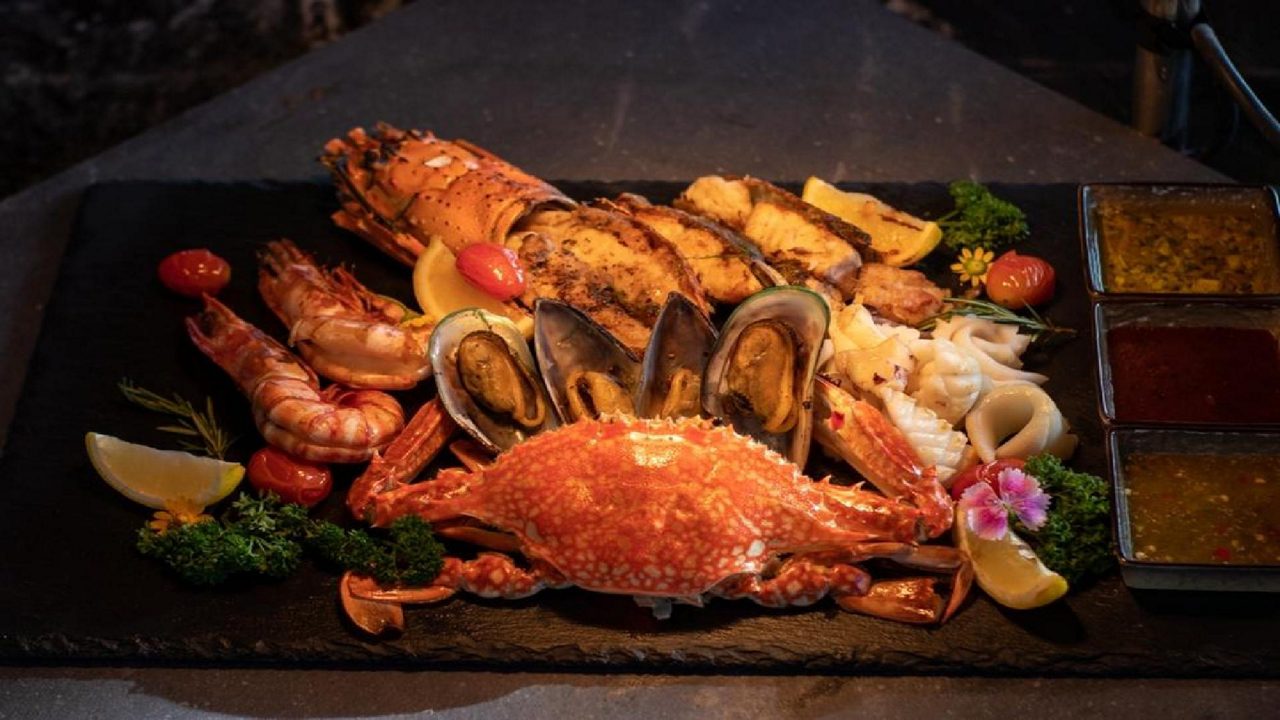
Bengali food is widely available due to the significant Bengali population. Try the Bengali fish curry, dal, and vegetable preparations. South Indian food is also excellent and widely available - dosas, idlis, and appams are common breakfast items. North Indian and Chinese food are also available at most restaurants.
For local flavors, try dishes made with coconut, which is used extensively in Andaman cuisine. Seafood cooked in coconut gravy is particularly delicious. Tropical fruits including mangoes, bananas, papayas, and coconuts are fresh and abundant.
Travel Tips for Andaman
Book your travel well in advance, especially if visiting during peak season (December-January). Ferries between islands can get fully booked, and accommodations are at their highest occupancy. Flight prices also increase significantly during peak season. Plan your itinerary and book inter-island ferries and accommodations at least 2-3 months ahead for peak season travel.
The sun in the Andamans is strong, and the tropical sun can cause severe sunburn quickly. Use high SPF sunscreen, wear a hat, and stay hydrated. When engaging in water activities, remember that you can still get sunburned even when in the water. Reapply sunscreen after swimming. Carry after-sun lotion for relief if you do get sunburned.
Respect the coral reefs and marine life - do not touch or step on corals, and do not disturb marine creatures. The reefs are fragile and already under stress from climate change and human activities. When snorkeling or diving, maintain buoyancy control and avoid kicking corals. Do not collect shells or coral from protected areas. Use reef-safe sunscreen to minimize impact on marine ecosystems.

Be respectful of indigenous tribes and do not attempt to make contact. The Jarawa and other tribes are protected, and photographing or interacting with them is illegal. Some areas near tribal reserves are off-limits to tourists. Adhere to all guidelines and respect the privacy and rights of the indigenous communities.
Carry cash as ATMs are limited and may run out of cash, especially on smaller islands like Neil. Credit cards are accepted at larger hotels and some restaurants, but many smaller establishments only accept cash. Port Blair has the most reliable banking facilities.
Sample Itineraries
5 Days - Quick Andaman Experience
Day 1: Arrive in Port Blair, visit Cellular Jail and attend the light and sound show in the evening. Day 2: Morning ferry to Havelock Island, check into hotel, spend afternoon at Radhanagar Beach for sunset. Day 3: Morning diving or snorkeling at Elephant Beach, afternoon relaxation. Day 4: Morning ferry to Neil Island, explore beaches on a rented scooter. Day 5: Morning ferry back to Port Blair, visit Corbyn's Cove Beach, departure.
7 Days - Classic Andaman
Day 1: Arrive in Port Blair, visit Cellular Jail light and sound show. Day 2: Ferry to Havelock, check-in and relax. Day 3: Diving or water sports at Elephant Beach, sunset at Radhanagar Beach. Day 4: Ferry to Neil Island, explore Bharatpur and Laxmanpur beaches. Day 5: Full day on Neil Island, sunrise at Sitapur Beach, snorkeling, cycling. Day 6: Morning ferry to Port Blair, visit Ross Island and North Bay Island. Day 7: Visit museums in Port Blair, departure.
Conclusion
The Andaman Islands offer a tropical paradise experience that rivals any in Southeast Asia but remains relatively undiscovered by international tourists. The combination of pristine beaches, crystal-clear waters, vibrant coral reefs, fascinating history, and relaxed island vibes creates a destination that feels like a dream escape.
What makes the Andamans special is not just its natural beauty but the sense of isolation from the mainland and the feeling of being in a place where time slows down. Whether you're diving among vibrant coral reefs, watching sunsets from Radhanagar Beach, exploring mangrove forests, or simply relaxing on pristine white sands, the Andamans deliver experiences that rejuvenate and inspire.
This guide should help you plan a memorable trip to these beautiful islands. The Andamans may be remote, but the effort to reach them is rewarded with experiences that stay with you long after you've returned to the mainland. Whether you're a diver, beach lover, history enthusiast, or simply seeking a tropical escape, the Andaman Islands have something special for you.
Location
Frequently Asked Questions
Q1.What is the best time to visit Andaman?
Q2.How many days are enough for Andaman?
Q3.Do I need a permit to visit Andaman?
Q4.Is Andaman expensive?
Q5.Is Andaman safe for tourists?
Q6.Can I learn scuba diving in Andaman as a beginner?
Q7.Which is better - Havelock or Neil Island?
Q8.What should I pack for Andaman?
Recommended For You
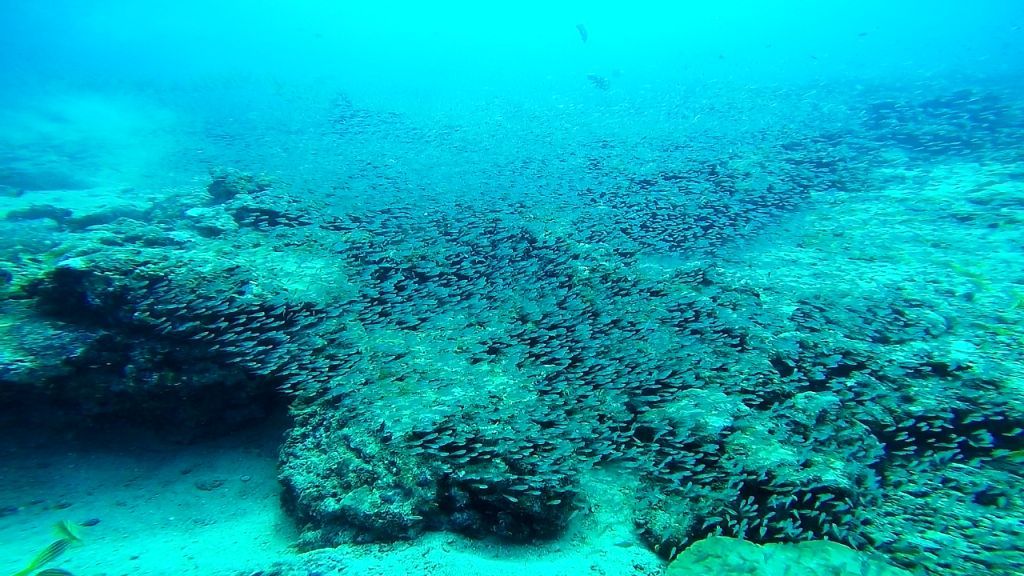
Scuba Diving in Andaman: Best Spots & Prices
Scuba diving in Andaman guide with best dive spots, price ranges, beginner safety rules, no-fly timing, and practical planning tips for Havelock and Neil.
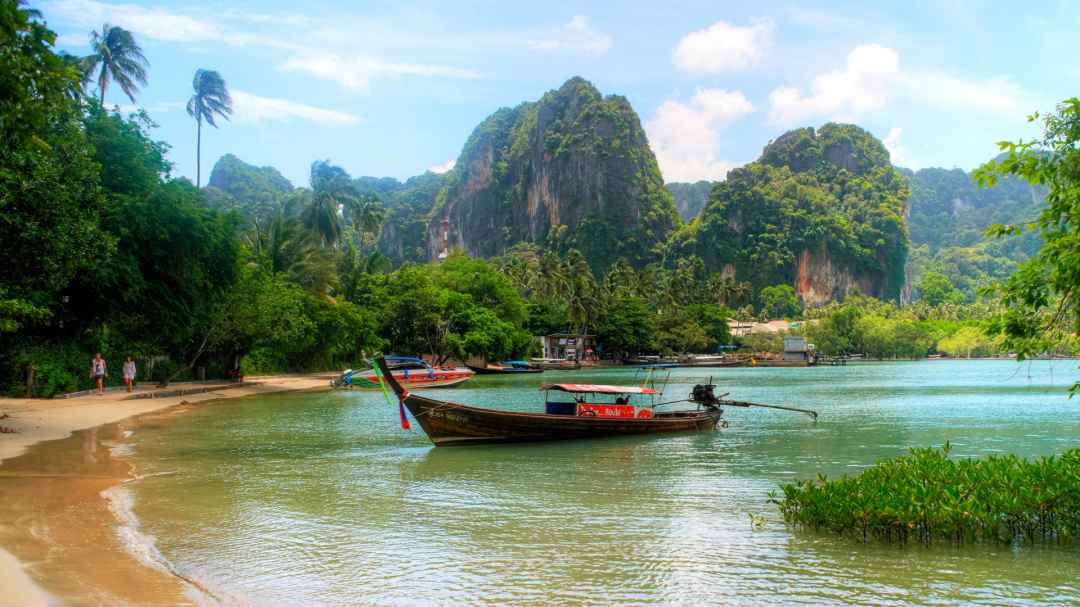
Places to Visit in Andaman: Islands, Beaches & Planning Tips
Explore the best places to visit in Andaman with island-wise highlights, beach picks, activity ideas, and practical route planning tips.
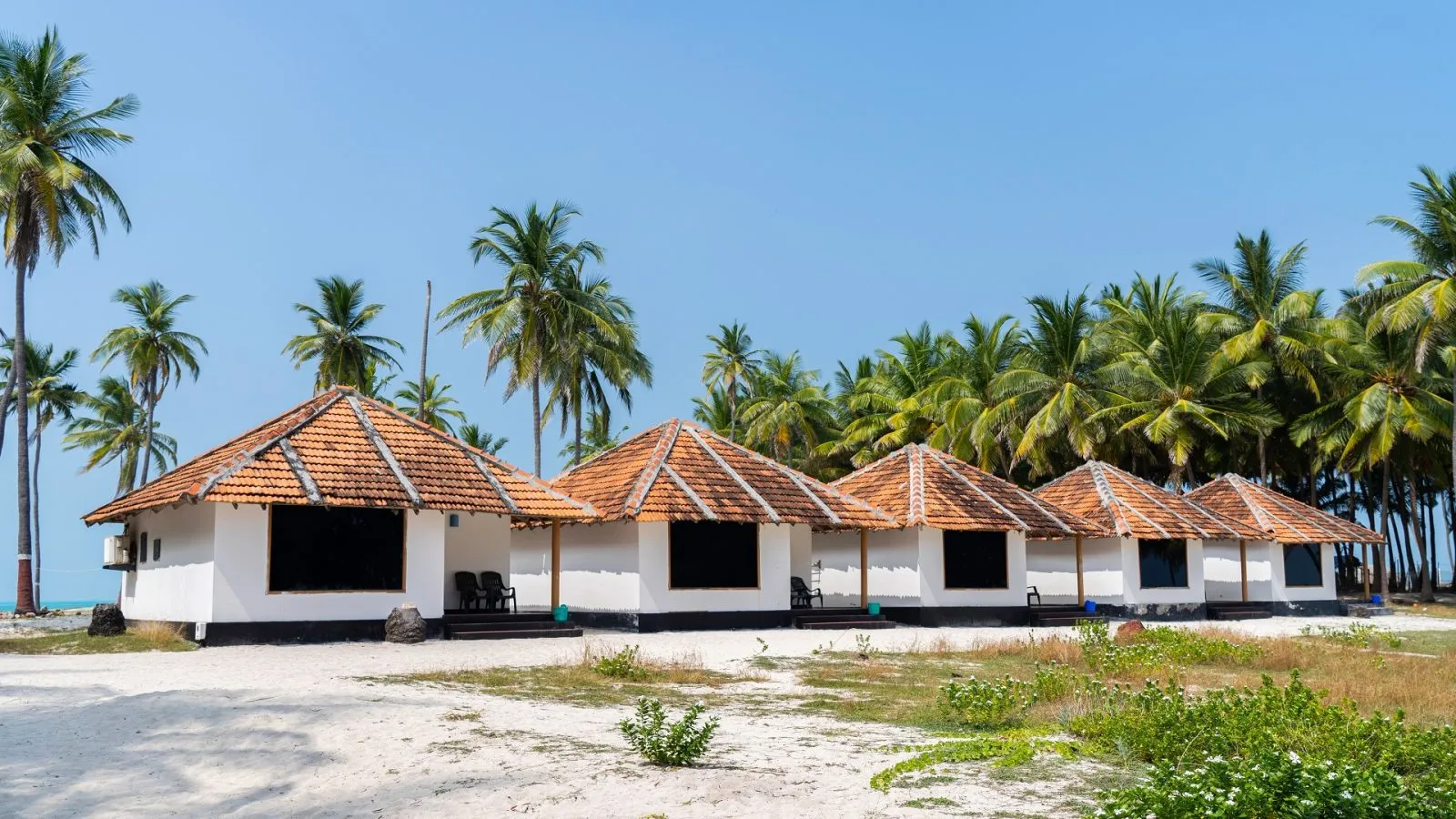
Hotels Agatti Island: Stay Options, Budget, Booking
Choose hotels in Agatti Island with practical booking tips, budget guidance, and stay-planning advice for smoother island travel.
Never Miss an Adventure
Get the latest trekking guides, travel tips, and exclusive offers delivered straight to your inbox.
