
Spice Markets in Kerala: What to Buy, Prices & Best Towns

Rahul Garg
November 17, 2025
Complete guide to Kerala spice markets featuring best shopping destinations, must-buy spices, price guide, quality identification tips, and packaging advice.
Spice Market Kerala: Complete Shopping Guide for Authentic Spices
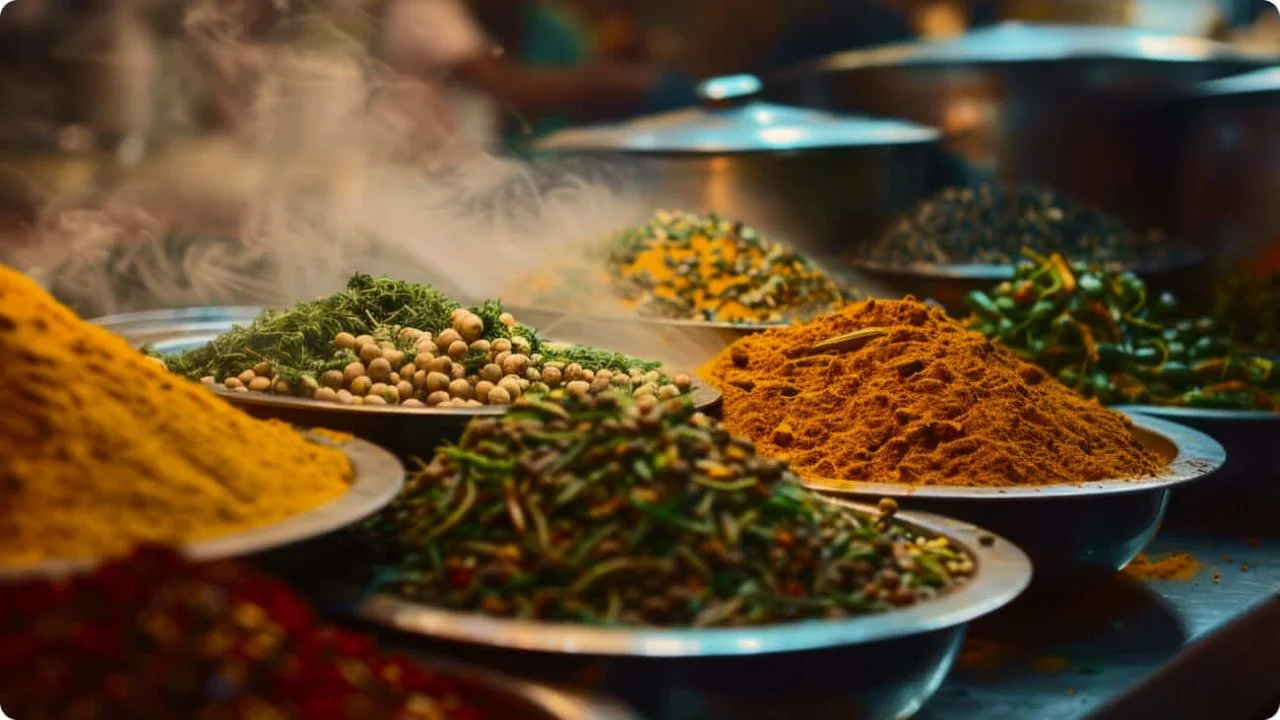
Kerala’s spice identity is one of the strongest reasons travelers shop seriously during their trip. From black pepper and cardamom to cinnamon, clove, nutmeg, and blends, the state offers both market-based buying and plantation-linked shopping opportunities. But many visitors return with low-quality packs because they buy too quickly in tourist-heavy stalls without quality checks.
This guide helps you shop smarter: where to buy, what to buy, how to verify quality, how to compare prices, and how to pack spices for travel. If your Kerala trip includes food-focused planning, pair this with Places to Visit Alleppey for route balance.
Why Kerala Is Famous for Spices
Kerala has a long spice-trading history tied to global maritime routes and local plantation ecosystems. Climate and cultivation practices support strong aroma and flavor profiles, especially for pepper, cardamom, and related spices. This is why buyers from across India and abroad look for “Kerala origin” labels while purchasing.
However, not every pack sold to tourists is premium quality. You need simple verification habits to buy well.
Best Places to Buy Spices in Kerala
Spice shopping can be done through market lanes, trusted retail outlets, plantation stores, and specialty spice shops. Different zones have different strengths: some are better for variety, others for quality consistency, and some for tourist convenience.
Best strategy: compare 2-3 shops before final purchase and avoid buying all items at the first stop unless quality is clearly verified.
Must-Buy Spices from Kerala
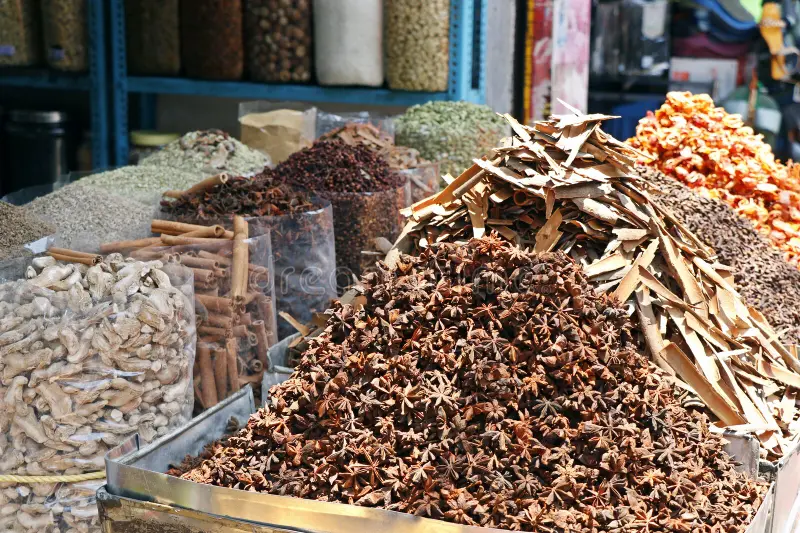
Popular and useful purchases include:
1. Black pepper
2. Green cardamom
3. Cinnamon
4. Clove
5. Nutmeg and mace
6. Turmeric variants
7. Regional masala blends
For first-time buyers, prioritize fewer high-quality staples rather than buying too many mixed packs. Freshness and purity matter more than quantity.
How to Identify Good Quality Spices
Use simple checks while buying:
1. Aroma should be strong and clean, not dull.
2. Whole spices should look intact and not overly broken.
3. Color should be natural, not unnaturally bright.
4. Moisture should be minimal (especially for pepper/cardamom).
5. Packaging date and source details should be clear.
If possible, prefer whole spices over powder for better shelf life and authenticity.
Spice Price Planning: How to Avoid Overpaying
Spice rates vary by season, grade, processing, and packaging. Tourist-heavy stalls may quote higher initial prices, especially for premium-labeled packs. Comparing a few outlets gives a realistic range quickly. Do not bargain aggressively without understanding grade quality; cheap-looking deals can be low-grade material.
Keep a short list of core items and approximate quantity before entering the market. This keeps decisions focused.
Plantation Store vs Market Stall: Which Is Better?
Plantation-linked shops can offer better source confidence, while markets can offer variety and price flexibility. The best approach is hybrid: learn quality cues at one trusted store, then compare selective items in markets.
If you are buying gifts, choose sealed and labeled packs with clear source information for easier transport and storage.
How Much Should You Buy?
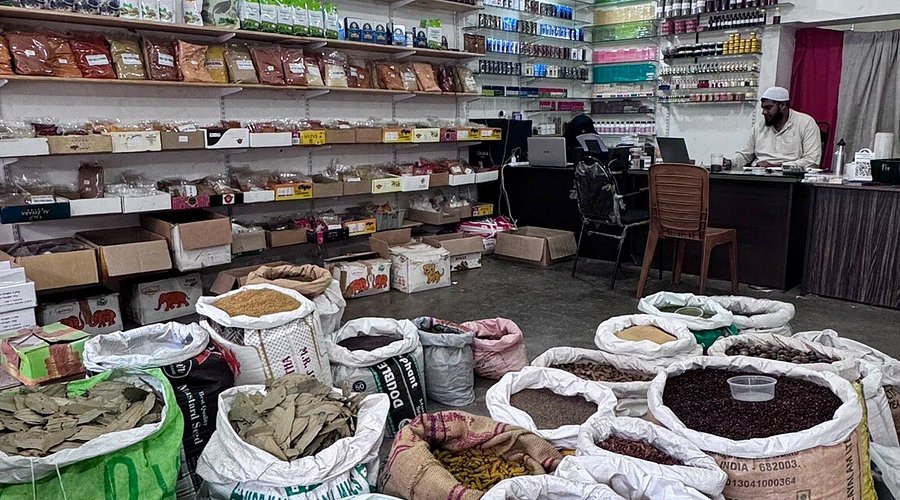
Spices are aromatic but lose potency over time if stored poorly. Buy practical quantities based on your household consumption for 3-6 months rather than year-long stockpiles. Whole spices stay potent longer than powder.
Use airtight containers after returning home and keep them away from direct sunlight and moisture.
Packing and Transport Tips for Travelers
Use sealed packs and double-bag pungent spices to avoid cross-smell in luggage. If flying, keep invoices and labels for smoother baggage checks where needed. For international travel, verify destination import rules for spice items before purchase.
For domestic trips, divide purchases across luggage segments to avoid one-bag spill risk.
Common Shopping Mistakes to Avoid
1. Buying everything from the first tourist-facing shop.
2. Choosing only by attractive packaging.
3. Not checking aroma and whole-spice condition.
4. Buying too much powder spice without source confidence.
5. Ignoring moisture-proof packing for humid travel conditions.
Fix these and your Kerala spice shopping quality improves significantly.
Sample Spice Shopping Checklist
1. Must-buy list ready before market entry.
2. Compare 2-3 stores.
3. Verify freshness indicators.
4. Choose whole spices first.
5. Pack airtight and label clearly.
This checklist saves money and improves quality outcome.
Who Should Prioritize Spice Shopping in Kerala?
Home cooks, tea and beverage enthusiasts, food creators, and travelers looking for authentic edible souvenirs benefit most from Kerala spice markets. Even casual travelers should try at least one verified spice purchase for meaningful take-home value.
Final Recommendation
Spice market shopping in Kerala is highly rewarding when done with basic quality awareness. Focus on trusted sources, compare before buying, prioritize whole spices, and pack properly for transport. That approach gives you genuine flavor value, not just tourist souvenirs.
If your route includes culinary city explorations too, continue with restaurants in Chennai and Delhi street food for a complete India flavor circuit.
Kerala Spice Buying by Traveler Type
Home cooks: prioritize core whole spices and avoid overbuying blends.
Gift shoppers: choose branded sealed packs with clear source labels.
Food creators: buy small quantities from multiple trusted stores for comparison.
International travelers: verify destination customs rules before final purchases.
This type-based approach keeps your shopping practical and waste-free.
Market vs Plantation Tour Purchases
Plantation tours are good for learning cultivation and understanding quality cues. Markets are better for price comparison and variety. The best buying strategy is to learn quality at one trusted source, then compare pricing in market lanes before final bulk purchase. This prevents both overpaying and low-quality buying.
How to Store Kerala Spices After Returning Home
Good storage decides long-term value. Transfer spices into airtight glass or food-grade containers, keep away from sunlight, and avoid moisture exposure near stoves. Whole spices retain potency longer than powders, so grind in small batches when needed. Label purchase month to track freshness cycle.
Avoiding Tourist Traps in Spice Shopping
1. Avoid shops that only push pre-packed “combo gift boxes” without transparency.
2. Avoid buying powdered spice in very large quantity from unknown outlets.
3. Avoid relying only on aggressive sales language.
4. Avoid skipping aroma and visual checks.
5. Avoid one-store shopping if quality feels unclear.
A calm comparison mindset gives better value than rushed tourist shopping.
Final Spice Shopping Rule
Buy less, buy better, and buy verified. Kerala spices are worth purchasing when authenticity and freshness are your filters. One smart spice purchase can elevate your home cooking for months.
Seasonal Buying Notes
Spice aroma and availability can vary slightly by season and stock cycle. If your purchase is for long-term use, ask for latest batch dates and avoid packs with unclear sourcing labels. For premium spices, freshness date is as important as price.
Quick Quality Comparison Method
Pick one spice (like pepper or cardamom) and compare three shops side by side for aroma, size, and moisture feel. This quick test gives you a realistic baseline and helps you avoid overpriced low-grade stock in tourist-heavy lanes.
It also helps to read up on Spice Plantations in Kerala before you finalize your plans.
Location
Frequently Asked Questions
Q1.Where to buy spices in Kerala?
Q2.Which are the best spices to buy in Kerala?
Q3.What is the price of spices in Kerala?
Q4.How to identify good quality spices?
Q5.Can we carry spices in flight?
Q6.Which market is best for spices in Kerala?
Q7.Are Kerala spices authentic?
Q8.What quantity of spices can I buy?
Recommended For You

Best Places to Visit Kerala: 20 Must-See Destinations
Explore the best places to visit in Kerala. From Munnar's tea gardens and Alleppey backwaters to Kochi's culture and Thekkady's wildlife. Complete Kerala travel guide.

Backwaters of Kerala: Best Routes, Houseboats & Ideal Season
Explore Kerala backwaters with houseboats, Alleppey-Kumarakom routes, pricing & authentic experiences. Complete travel guide.

Munnar: Complete Travel Plan Places And Weather
Complete Munnar travel guide. Best time to visit, top attractions, tea garden tours, adventure activities, accommodation, costs, and practical tips for Kerala's famous hill station.
Never Miss an Adventure
Get the latest trekking guides, travel tips, and exclusive offers delivered straight to your inbox.
