
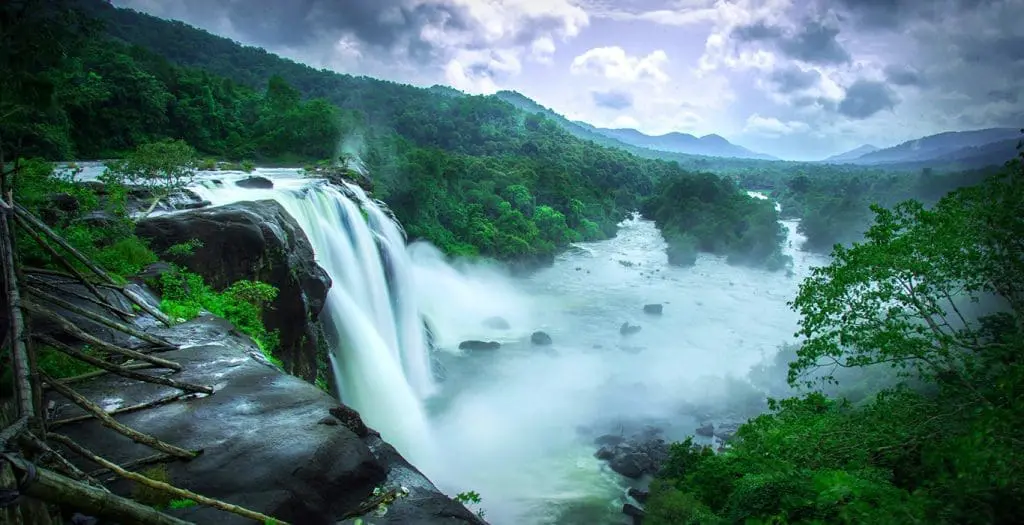
Best Places to Visit Kerala: 20 Must-See Destinations

Ananya Sharma
February 20, 2026
Explore the best places to visit in Kerala. From Munnar's tea gardens and Alleppey backwaters to Kochi's culture and Thekkady's wildlife. Complete Kerala travel guide.
Introduction to God's Own Country
Welcome to Kerala, a land where emerald backwaters meander through verdant landscapes, mist-clad hills meet endless tea gardens, and ancient traditions blend seamlessly with modern life. Known as "God's Own Country," Kerala offers one of India's most diverse travel experiences.
What makes Kerala truly special is its remarkable diversity. In a single trip, you can cruise through tranquil backwaters on a traditional houseboat, trek through tea plantations in misty mountains, spot wild elephants in pristine forests, and relax on pristine beaches. This guide covers the best places to visit in Kerala, including highlights from our Kerala backwaters guide.
Munnar: Tea Garden Paradise
Munnar is Kerala's signature hill station, situated at 1,600 meters in the Western Ghats. This former British summer retreat is famous for its rolling tea plantations that stretch to the horizon, misty mountains, and cool climate. The region is home to some of South India's highest peaks.
The main attractions include Eravikulam National Park, home to the endangered Nilgiri Tahr; the Tea Museum where you can learn about tea processing; and Mattupetty Dam, offering scenic boat rides. Don't miss Top Station for spectacular views of the Western Ghats. Munnar is perfect for couples, families, and nature lovers. For detailed planning, see our Munnar travel guide.

Alleppey: Venice of the East
Alleppey (Alappuzha) is the heart of Kerala's backwater tourism and rightfully called the "Venice of the East." This town offers the quintessential Kerala backwater experience, with a network of canals, lagoons, and lakes that you can explore on traditional houseboats.
The highlight is an overnight houseboat stay. These traditional kettuvallams are now beautifully converted floating homes. As you glide through narrow canals, you'll witness village life unfolding—women washing clothes, fishermen casting nets, and farmers tending to paddy fields below sea level.
Alleppey is also famous for Alappuzha Beach with its historic pier. The town hosts the spectacular Nehru Trophy Boat Race every August. Alleppey is well-connected by road and rail, making it an easy addition to any Kerala itinerary.
Kochi: Where History Meets Modernity
Kochi (Cochin) is Kerala's vibrant cultural capital, where centuries of colonial history blend with contemporary life. This port city has been a melting pot of influences—Chinese, Portuguese, Dutch, and British—all leaving their mark on architecture, cuisine, and culture.
The must-visit area is Fort Kochi, with winding streets lined with colonial bungalows, art cafes, and the iconic Chinese fishing nets. Visit the Mattancherry Palace with stunning murals, the 1568 Jewish Synagogue, and St. Francis Church. Marine Drive offers stunning sunset views over the backwaters.

Thekkady: Wildlife and Spice Plantations
Thekkady, home to the Periyar Wildlife Sanctuary, is Kerala's premier wildlife destination. Located in the Cardamom Hills, this protected area is one of India's finest tiger reserves. The sanctuary is centered around Periyar Lake, where boat safaris provide incredible wildlife viewing.
Beyond wildlife, Thekkady is famous for spice plantations. Guided tours take you through farms growing cardamom, pepper, cinnamon, and nutmeg. The area is also known for Kalaripayattu martial art demonstrations and Kathakali performances. Adventure enthusiasts can enjoy bamboo rafting and trekking.
Varkala: Cliff Beach Paradise
Varkala is unique among Kerala's beach destinations—a stunning cliff-top beach offering dramatic views of the Arabian Sea. The Papanasam Cliff runs along the coastline, with cafes, shops, and restaurants perched on its edge. This is one of Kerala's most laid-back beach destinations.
The main attraction is Papanasam Beach, where you can take a dip in holy waters or relax on golden sand. The cliff-top area has a bohemian vibe, with yoga centers, Ayurvedic massage parlors, and cafes serving fresh seafood. Sunset views from the cliff are spectacular.
Varkala is also home to the ancient Janardanaswamy Temple. The nearby Kappil Lake offers backwater experiences. Varkala is especially popular with international travelers and couples.

Kumarakom: Backwater Serenity
Kumarakom, on Vembanad Lake's eastern shore, offers a tranquil backwater experience. This area is known for luxury resorts, quiet villages, and the Kumarakom Bird Sanctuary. It's perfect for relaxation and wellness.
The bird sanctuary is a highlight from November to February when migratory birds arrive, including Siberian cranes and herons. Luxury resorts offer world-class Ayurvedic treatments and yoga. The backwaters here are less crowded than Alleppey, making houseboat experiences feel more exclusive.
Wayanad: Nature's Treasure Trove
Wayanad, in Kerala's northern region, is a nature lover's paradise. This district is known for dense forests, wildlife sanctuaries, waterfalls, ancient caves, and spice plantations. Unlike Kerala's more developed tourist areas, Wayanad retains an untouched, rustic charm.
The Edakkal Caves feature ancient petroglyphs dating back thousands of years. Banasura Sagar Dam, India's largest earth dam, offers stunning views. Wayanad Wildlife Sanctuary is part of the Nilgiri Biosphere Reserve with excellent wildlife sightings. Beautiful waterfalls like Soochipara and Meenmutty are perfect for monsoon visits. Learn more about wildlife in our Thekkady guide.
Best Time to Visit Kerala
Kerala's tropical climate means it's a year-round destination, but the best time depends on what you want to experience:
Winter (October to February) – Peak tourist season with pleasant weather (17°C to 32°C), clear skies, and perfect conditions for sightseeing. December and January see maximum crowds and highest prices.
Summer (March to May) – Warmer temperatures (up to 37°C) but hill stations remain pleasant. This is the best time for wildlife sightings in Thekkady. Prices are lower, and crowds are thinner.
Monsoon (June to September) – Kerala transforms into a lush green paradise. Rain can be heavy, but this is the best time for Ayurveda treatments and waterfalls. Prices are at their lowest.
| Season | Best Time | Weather | Ideal For |
|---|---|---|---|
| Winter | October - February | Pleasant, 17-32°C | Sightseeing, backwaters, beaches |
| Summer | March - May | Warm, 27-37°C | Hill stations, wildlife |
| Monsoon | June - September | Rainy, 19-30°C | Ayurveda, waterfalls, nature |
Suggested Kerala Itineraries
5-Day Classic Circuit – Day 1-2: Munnar (tea gardens, Eravikulam National Park). Day 3: Thekkady (Periyar Wildlife Sanctuary). Day 4: Alleppey (houseboat stay). Day 5: Kochi for departure.
7-Day Comprehensive Trip – Add Wayanad or Kumarakom. Start with Wayanad before Munnar. After Alleppey houseboat, spend a day in Kumarakom before ending in Kochi.

Kerala Travel Tips
Pack Smart – Light, breathable clothing (cotton/linen) is essential. If visiting hill stations, carry a light jacket for cool evenings. Rain gear is mandatory during monsoon season. Comfortable walking shoes are crucial.
Transportation – Kerala has good road connectivity, but distances can take longer due to winding roads in hill areas. Hiring a private car with driver gives maximum flexibility.
Food – Kerala cuisine is delicious but can be spicy. Try the sadya (traditional feast), appam with stew, and fresh seafood. Vegetarians have excellent options.
Budget Planning – Kerala offers options for all budgets. Budget travelers can manage ₹1,500-2,500 per day. Mid-range travelers should budget ₹3,000-5,000 per day. Luxury experiences start from ₹8,000+ per day.
Cultural Etiquette – Dress modestly when visiting temples. Remove footwear before entering homes and temples. Tipping is expected (10% at restaurants).
If your itinerary includes the historic port city, our guide to places to visit in Kochi covers Fort Kochi's colonial architecture, Chinese fishing nets, and vibrant art scene in detail.
Conclusion
Kerala's magic lies in its diversity—the ability to offer mountains and beaches, backwaters and forests, all within a compact region. Whether you're watching the sunrise from a houseboat on Vembanad Lake, sipping fresh tea while gazing at Munnar's misty hills, or spotting wild elephants in Thekkady, Kerala delivers experiences that stay with you.
The key to a perfect Kerala trip is intentional planning. Don't try to see everything—choose experiences that align with your interests. Whether you have 5 days or 2 weeks, Kerala will reward you with warmth and beauty. Come discover why this slender coastal state is called "God's Own Country."
Location
Frequently Asked Questions
Q1.Which is the best time to visit Kerala?
Q2.How many days are enough for Kerala?
Q3.Is Kerala good for honeymoon?
Q4.Which is better: Alleppey or Kumarakom?
Q5.What is Kerala famous for?
Q6.Is Munnar worth visiting?
Q7.How to reach Kerala from major cities?
Q8.What should I pack for Kerala trip?
Recommended For You
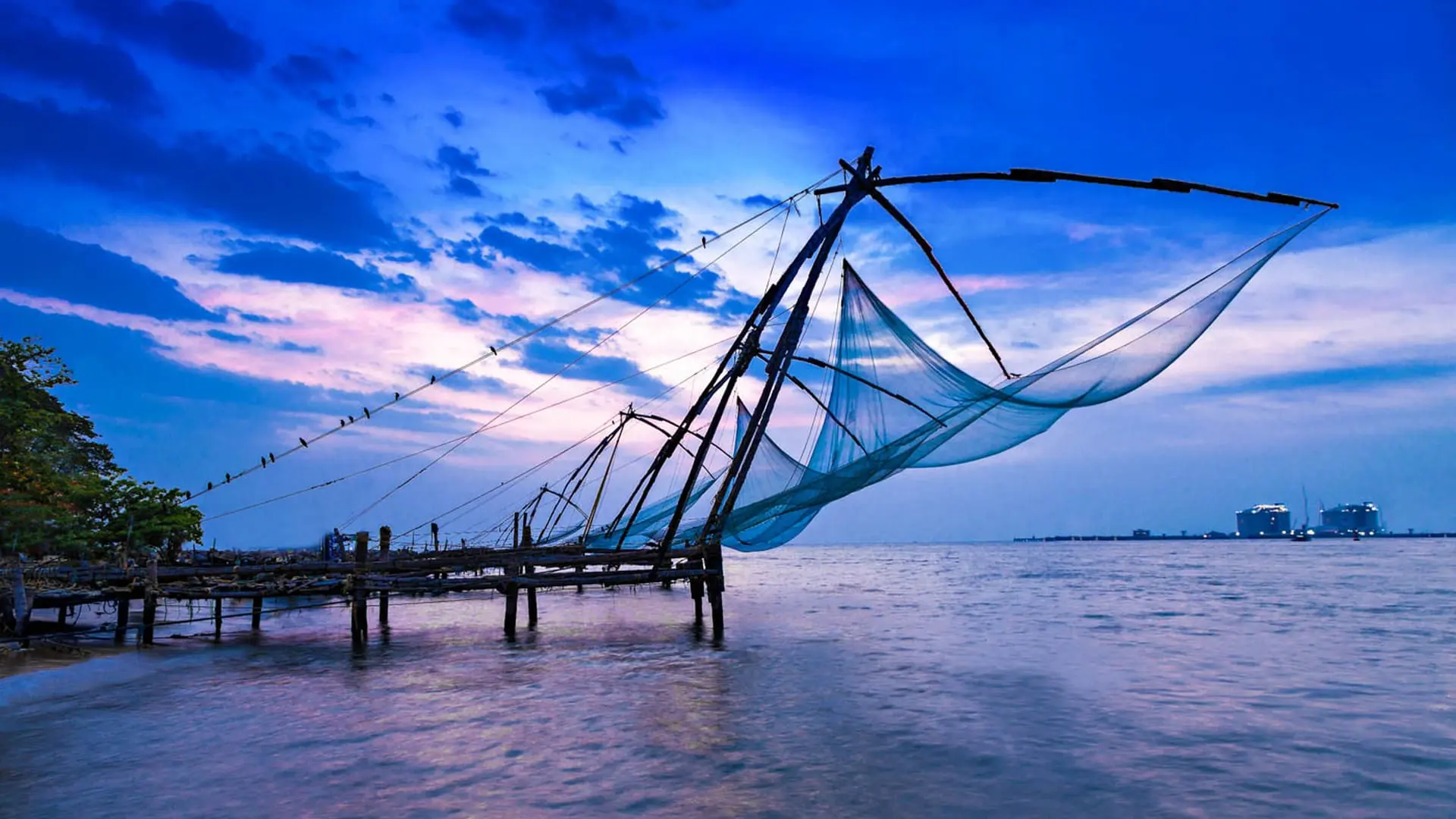
25 Places to Visit in Kochi: Fort Area, Backwaters & Cultural Spots
Explore the best places to visit in Kochi with area-wise planning across Fort Kochi, Mattancherry, Ernakulam, and backwater routes.
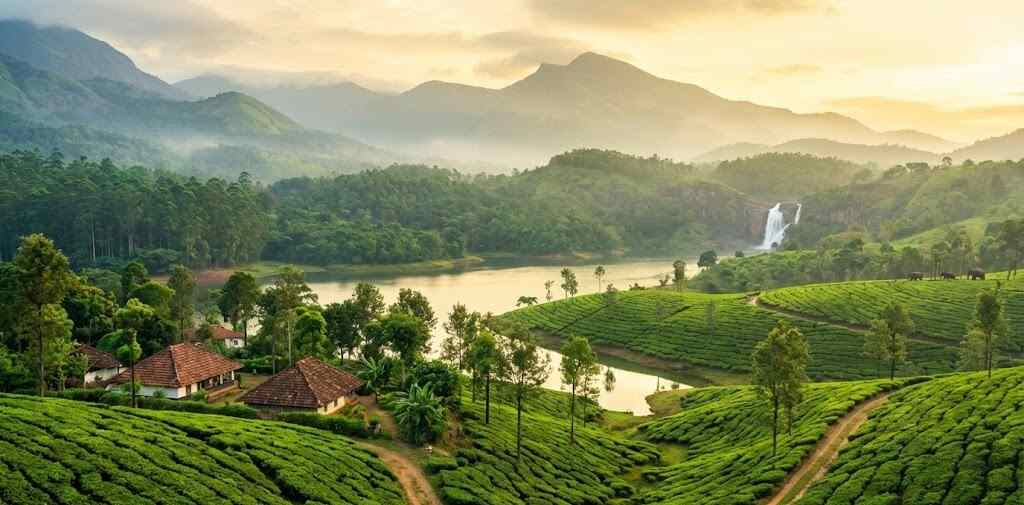
Kerala Complete: Plan Backwaters Weather And Places
Complete Kerala travel guide featuring Munnar, Alleppey backwaters, Thekkady, Kochi, houseboats, Ayurveda, best time to visit & practical tips.
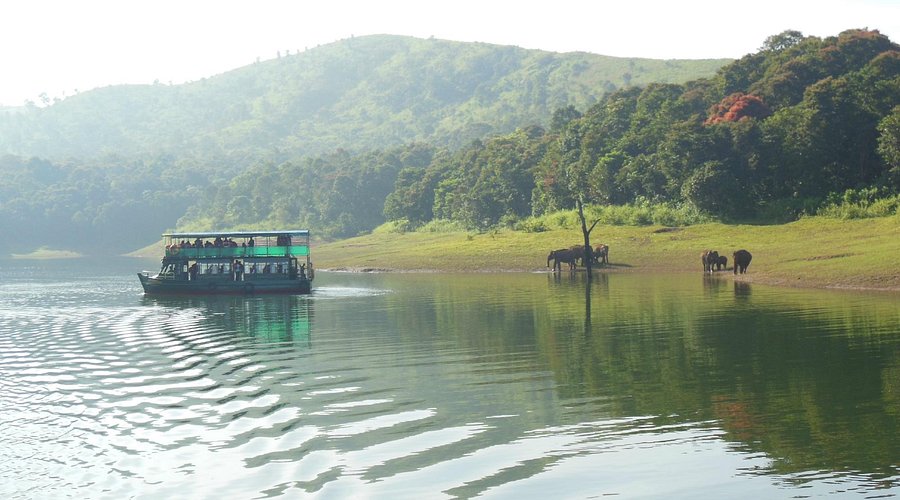
Thekkady Wildlife Sanctuary: Periyar Safari, Boating & Travel Plan
Complete Thekkady Wildlife Sanctuary guide. Periyar Tiger Reserve safaris, best time to visit, wildlife to spot, bamboo rafting & 2-day itinerary.
Never Miss an Adventure
Get the latest trekking guides, travel tips, and exclusive offers delivered straight to your inbox.
