
Road Trips
Spiti vs Ladakh: Which is Better?
Rohit Verma
December 11, 2025
11 min read3,252 views
Comprehensive comparison between Spiti and Ladakh road trips covering difficulty, cost, best time to visit, scenery, and which destination to choose.
Spiti vs Ladakh: Choosing Your Himalayan Adventure
For travelers dreaming of Himalayan road trips, the dilemma between Spiti Valley and Ladakh is a common one. Both destinations offer incredible landscapes, ancient monasteries, high-altitude passes, and transformative experiences. However, they provide distinctly different adventures with unique characteristics that appeal to different types of travelers. The choice between Spiti and Ladakh depends largely on your travel experience, budget, time of year, and the kind of experience you seek. Spiti Valley, located in Himachal Pradesh, offers a more rugged, remote experience with fewer tourists and authentic cultural immersion. The journey through Spiti takes you through dramatic river canyons, ancient monasteries dating back over a millennium, and villages that seem frozen in time. Ladakh, situated in Jammu and Kashmir, presents vast open landscapes, majestic lakes like Pangong Tso and Tso Moriri, and broader infrastructure suited for first-time high-altitude travelers. Understanding the key differences between these two destinations helps you make an informed decision. This comprehensive comparison examines location, terrain, road conditions, costs, best visiting times, and activities to help you choose the destination that matches your travel style and preferences.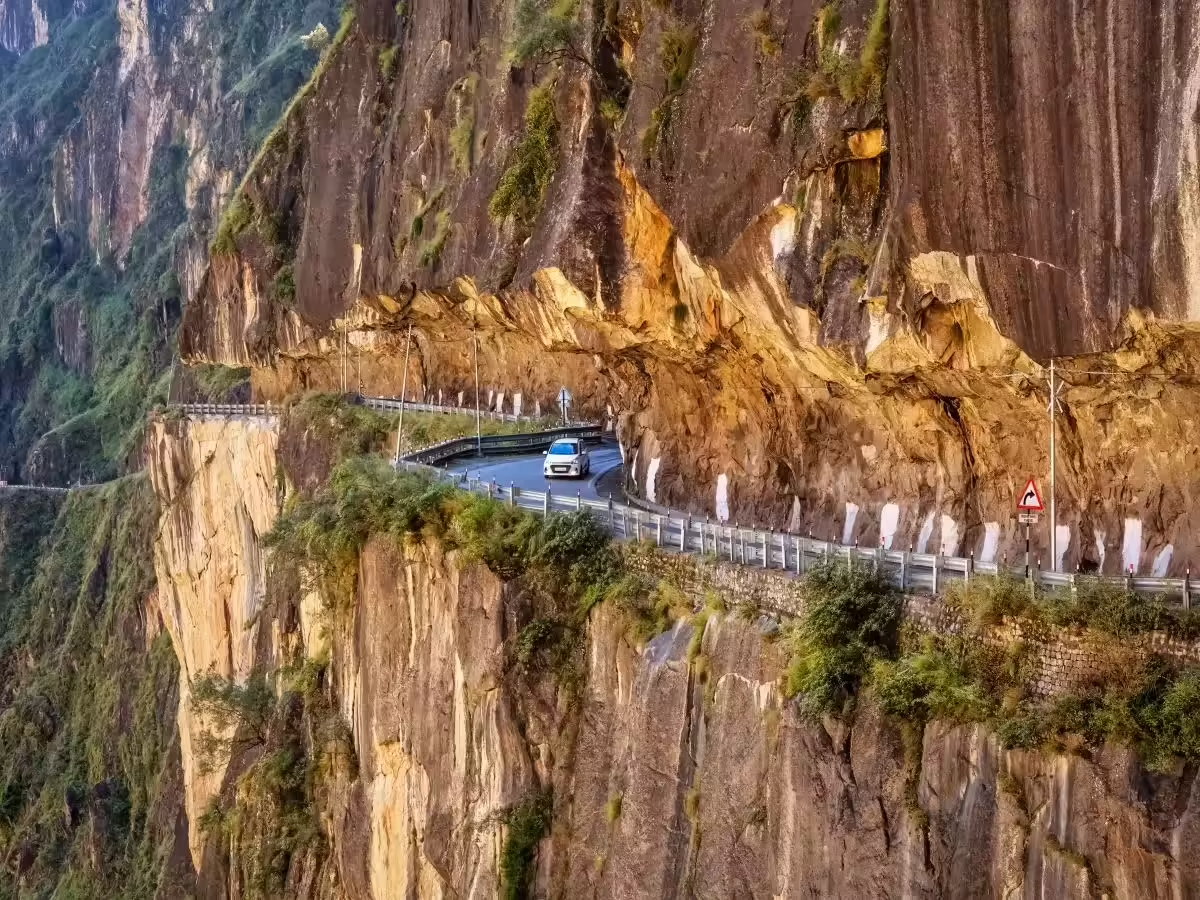
Location and Accessibility
Spiti Valley lies within Himachal Pradesh, making it geographically closer to major cities like Delhi and Chandigarh. The valley is accessible through two main routes: from Manali via Rohtang Pass and Kunzum Pass, covering approximately 201 kilometers, and from Shimla via the Hindustan-Tibet Road spanning 412 kilometers. The Manali route offers spectacular scenery but involves challenging high-altitude passes, while the Shimla route, though longer, provides easier driving conditions and remains open longer during shoulder seasons. Ladakh's location in Jammu and Kashmir places it further north and requires more extensive travel planning. Two primary routes connect Leh Ladakh to the rest of India: the Manali-Leh Highway covering 490 kilometers and the Srinagar-Leh Highway spanning 434 kilometers. Both routes are physically demanding and require travelers to cross some of the world's highest motorable passes. The Srinagar route typically opens earlier in the season, around mid-May, while the Manali route usually becomes accessible by late May or early June. The accessibility difference matters significantly for trip planning. Spiti's Shimla route remains partially accessible during winter, though challenging, whereas Ladakh's roads close completely from November through May. This makes Spiti a better option for winter travelers, while Ladakh remains exclusively a summer destination. Additionally, Spiti can be reached as a shorter trip from Delhi, typically requiring 7-10 days, while Ladakh generally needs 10-14 days to properly explore.Route Comparison:
| Route | Distance | Duration from Delhi | Best Time to Open |
|---|---|---|---|
| Manali to Spiti | 201 km | 7-10 days | Mid-May |
| Shimla to Spiti | 412 km | 7-10 days | Year-round (partial) |
| Manali to Leh | 490 km | 10-14 days | June |
| Srinagar to Leh | 434 km | 10-14 days | Mid-May |
Terrain and Landscape Differences
The terrain and landscape of Spiti Valley create a distinctly different visual experience compared to Ladakh. Spiti features cold desert mountains with rugged terrain characterized by deep river canyons, particularly along the Spiti River. The landscape varies dramatically between barren rocky mountains at higher altitudes and surprisingly green valleys during summer months. Ancient villages perched on mountainsides offer glimpses into traditional Himalayan life, while river valleys provide fertile patches where agriculture sustains local communities. Ladakh presents a high-altitude desert experience with vast open spaces that feel almost otherworldly. The landscape encompasses broad valleys, dramatic mountain ranges, and numerous lakes that reflect the surrounding peaks. Places like Nubra Valley offer sand dunes amidst mountains, while Pangong Tso and Tso Moriri present expansive water bodies at high altitudes. The scale in Ladakh feels grander and more expansive, with longer visibility across the open terrain. Visual aesthetics also differ between the two regions. Spiti's landscape often features closer mountain ranges with more dramatic elevation changes visible over shorter distances. The river canyons create depth and shadow play that photographers find particularly compelling. Ladakh's open expanses offer different photographic opportunities with wide-angle compositions capturing vast distances and layered mountain ranges. Both destinations feature snow-capped peaks, but these appear more omnipresent in Spiti due to its more enclosed valley geography. Cultural landscapes also vary. Spiti maintains a more preserved traditional way of life with villages that have seen less commercial development. Ancient monasteries like Tabo, Ki, and Dhankar have stood for centuries, with Tabo Monastery dating back to 996 AD. Ladakh, while culturally rich, has seen more tourism development, particularly around Leh. Monasteries like Thiksey and Hemis are spectacular but more commercialized. Both offer Buddhist cultural experiences, but Spiti feels more authentic and less visited.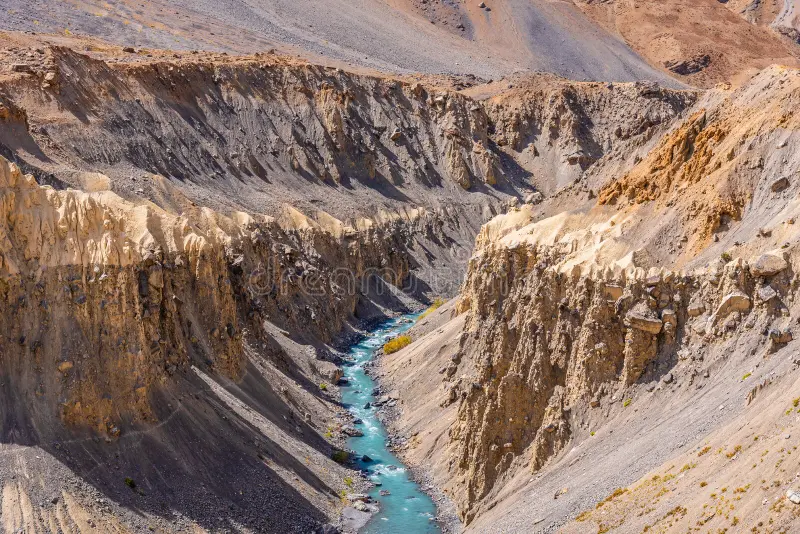
Road Conditions and Difficulty
Road conditions represent one of the most significant differences between Spiti and Ladakh trips. Spiti roads present moderate difficulty overall, though conditions vary by route. The Manali-Kaza route involves challenging sections with the Kunzum Pass at 4,551 meters requiring careful driving. Roads here mix paved sections with rough patches, and the journey from Manali to Spiti passes through Rohtang Pass, notorious for unpredictable weather and frequent closures. The Shimla-Kaza route offers easier driving conditions with better road surfaces, making it suitable for less experienced drivers, though the distance is longer. Ladakh road conditions are generally more challenging and demanding. Both the Manali-Leh and Srinagar-Leh highways involve rough, broken roads with frequent potholes and occasional stretches where roads are being repaired. The journey from Manali to Leh requires crossing multiple high passes including Khardung La at 5,359 meters, one of the world's highest motorable roads, and Tanglang La at 5,328 meters. These extreme altitudes create physical demands on both vehicles and passengers, with some travelers experiencing altitude sickness despite acclimatization efforts. Driving experience requirements differ significantly between the two destinations. Spiti's Shimla route can be navigated by drivers with moderate experience and good vehicles. The Manali route requires more experience but remains manageable for confident drivers. Ladakh roads demand experienced drivers comfortable with challenging conditions, steep gradients, and unpredictable weather. Self-driving in Ladakh is possible but not recommended for first-time high-altitude travelers. Hiring an experienced driver or joining organized tours provides safer and more enjoyable experiences. Altitude management affects road travel in both regions. Spiti's Kunzum Pass at 4,551 meters is high but manageable with proper acclimatization. Ladakh's passes exceed 5,300 meters, significantly higher than most Spiti crossings. These altitudes require more careful acclimatization planning. The rule of climbing high and sleeping low helps manage altitude effects, but Ladakh's extreme passes make this challenging to implement fully. Always carry altitude medication and be prepared to turn back if symptoms become severe.Cost Comparison
Budget considerations often play a decisive role in choosing between Spiti and Ladakh. Spiti Valley generally proves more budget-friendly, with total trip costs ranging from ₹30,000-50,000 for a one-week adventure. Accommodation in Spiti typically costs ₹800-2000 per night, with homestays available in villages at the lower end of this range. Food expenses average ₹800-1200 daily, often including simple, hearty meals at local eateries. Fuel costs for the complete circuit generally fall between ₹15,000-25,000 depending on vehicle efficiency and itinerary length. Ladakh trips cost more, with budget estimates ranging from ₹40,000-70,000 for a week-long journey. Accommodation prices run higher at ₹1000-3000 per night, particularly during peak season when demand exceeds supply. Leh offers a range of options from budget guesthouses to mid-range hotels, but remote areas like Nubra Valley and Pangong Tso have limited accommodation with premium pricing. Food costs average ₹1000-1500 daily, reflecting higher transportation costs for goods reaching this remote region. Fuel expenses are also higher at ₹20,000-30,000 due to longer distances and challenging driving conditions. Several factors contribute to Ladakh's higher costs. The greater distance from major transportation hubs increases logistics expenses. Limited accommodation options in popular areas like Pangong Tso create supply-demand imbalances driving up prices. Higher tourist volume also means more commercialized services compared to Spiti. Additionally, the Ladakh Inner Line Permit system adds administrative costs that don't exist for Spiti travel.Breakdown of Weekly Trip Costs:
| Expense Category | Spiti Valley | Ladakh |
|---|---|---|
| Accommodation | ₹800-2000/night | ₹1000-3000/night |
| Food | ₹800-1200/day | ₹1000-1500/day |
| Fuel | ₹15,000-25,000 | ₹20,000-30,000 |
| Total (7 days) | ₹30,000-50,000 | ₹40,000-70,000 |
Best Time to Visit
The optimal visiting windows differ significantly between Spiti and Ladakh, affecting timing decisions based on your availability and preferences. Spiti Valley is accessible during two primary periods: May-June and September-October. The May-June period marks the beginning of the travel season when both the Manali and Shimla routes typically open. This time offers pleasant daytime temperatures of 10-20°C and the excitement of the valley emerging from winter isolation. Monsoon months from July to August present risks due to landslides and road disruptions, though travel remains possible with flexibility. Ladakh has a narrower accessible window, primarily from June through September. The Srinagar-Leh highway usually opens by mid-May, while the Manali-Leh route becomes accessible by late May or early June. Peak tourist season runs from July to August when weather is warmest and both routes are fully operational. September offers excellent conditions with clear skies, comfortable temperatures, and thinner crowds. By October, roads begin closing, and most facilities shut down for winter. Choosing between the two destinations based on timing requires considering your travel window. If you can travel in May or early June, both destinations offer good conditions. July-August works for both but carries monsoon-related risks in Spiti. September is ideal for both, with excellent weather across both regions. October remains viable for Spiti but becomes problematic for Ladakh as roads start closing. Winter travel is possible in Spiti via the Shimla route, though challenging, while Ladakh remains completely inaccessible by road during winter months. Weather conditions during these optimal periods differ. Spiti experiences greater temperature variation between day and night, requiring more versatile clothing. Ladakh's broader valleys create somewhat more stable temperatures, though nighttime cold remains significant in both regions. Both offer clear, sunny days during their peak seasons, making both excellent for photography and outdoor activities.Things to Do Comparison
The activities and attractions available in Spiti and Ladakh reflect their different landscapes and cultural offerings. Spiti Valley offers experiences focused on monasteries, remote villages, natural wonders, and cultural immersion. The ancient Tabo Monastery, dating back over a thousand years, stands as one of the most significant Buddhist sites in the Himalayas. Ki Monastery, perched dramatically on a hilltop, offers panoramic views and morning prayer ceremonies worth experiencing. Chandratal Lake, the moon lake, provides stunning natural beauty with its crystal-clear waters reflecting surrounding peaks. Pin Valley National Park in Spiti offers trekking opportunities and the chance to spot snow leopards, though sightings remain rare. Fossil hunting in Langza village reveals marine fossils at 4,400 meters altitude, a unique experience impossible elsewhere. Cultural immersion occurs naturally in Spiti through homestay experiences where travelers live with local families, participate in daily activities, and learn about traditional Himalayan life. The region's relative isolation means tourism hasn't overwhelmed local culture, creating more authentic experiences. Ladakh offers broader diversity in activities due to its varied landscapes. Pangong Tso Lake stretches 134 kilometers, changing colors dramatically throughout the day and creating one of India's most photographed natural wonders. Nubra Valley combines sand dunes with mountain landscapes, offering unique Bactrian camel rides and Diskit Monastery with its massive Maitreya Buddha statue. Khardung La Pass, at 5,359 meters, serves as a bucket-list destination for many travelers seeking the high-altitude experience. Trekking in Ladakh offers different challenges and rewards compared to Spiti. Popular routes like the Markha Valley trek and Stok Kangri expedition attract experienced trekkers from around the world. River rafting on the Zanskar River provides adventure opportunities not available in Spiti's more confined valleys. Hemis and Thiksey monasteries are spectacular and more accessible than some of Spiti's remote spiritual sites. The sheer variety of experiences in Ladakh makes it appealing for travelers wanting diverse activities within one trip.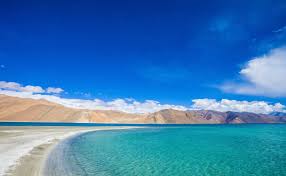
Making Your Decision
Choosing between Spiti and Ladakh ultimately depends on what kind of travel experience you value most. Choose Spiti Valley if you prefer more remote, less commercialized experiences with authentic cultural immersion. Spiti suits travelers who enjoy off-the-beaten-path adventures, smaller-scale landscapes with dramatic canyons, and fewer crowds. The lower costs and shorter trip duration also make Spiti attractive for budget travelers or those with limited time. Spiti is particularly well-suited for repeat Himalayan travelers who have already visited Ladakh and want a different kind of high-altitude experience. Choose Ladakh if you want grand, sweeping landscapes with iconic lakes like Pangong Tso and Tso Moriri. Ladakh works better for first-time high-altitude travelers who prefer better infrastructure, more accommodation options, and the comfort of knowing others are traveling similar routes. The diversity of activities from monasteries to lakes to high passes provides broader appeal for varied interests. Ladakh also suits travelers seeking classic bucket-list experiences like driving the world's highest motorable road or seeing the changing colors of Pangong Tso. For many travelers, the ideal solution involves visiting both destinations at different times. Ladakh makes an excellent first high-altitude adventure, building experience and confidence before tackling Spiti's more remote valleys. The contrasting experiences ensure neither destination duplicates the other. Whether you choose Spiti, Ladakh, or both, both promise transformative journeys through some of the most spectacular landscapes on Earth.Location
Frequently Asked Questions
Q1.Which is better Spiti or Ladakh?
Neither is objectively better—both offer unique experiences. Spiti provides more remote, authentic cultural experiences with fewer tourists and lower costs. Ladakh offers grander landscapes, iconic lakes like Pangong Tso, and better infrastructure. Choose Spiti for off-beaten-path adventure and cultural immersion. Choose Ladakh for iconic landscapes, diverse activities, and more comfortable facilities.
Q2.Is Spiti more difficult than Ladakh?
Spiti road conditions are generally less challenging than Ladakh. Spiti's Shimla route has better roads suitable for moderate-experience drivers, while the Manali route, though challenging with Kunzum Pass at 4,551m, remains manageable. Ladakh involves rougher roads crossing passes over 5,300m including Khardung La, making it more physically demanding and requiring more driving experience.
Q3.Spiti or Ladakh for beginners?
Ladakh is generally better for beginners due to better infrastructure, more accommodation options, and established tourism services. The well-traveled routes mean help and facilities are more readily available. However, beginners should still acclimatize properly and consider hiring experienced drivers. Spiti, while possible for beginners via the Shimla route, offers fewer facilities and requires more self-sufficiency.
Q4.Which is more beautiful Spiti or Ladakh?
Both offer stunning but different beauty. Spiti's beauty lies in dramatic river canyons, rugged mountains with varied elevations, and intimate valley landscapes with ancient monasteries. Ladakh's beauty is grander—vast open landscapes, expansive lakes like Pangong Tso reflecting mountains, and sweeping valleys. The choice depends on whether you prefer dramatic, intimate scenery or vast, expansive landscapes.
Q5.Spiti vs Ladakh cost comparison?
Spiti is more budget-friendly with weekly trips costing ₹30,000-50,000. Ladakh costs more at ₹40,000-70,000 for a week. Spiti accommodation averages ₹800-2000/night vs Ladakh's ₹1000-3000/night. Food and fuel costs are also higher in Ladakh due to greater remoteness and higher transportation costs. The lower costs make Spiti attractive for budget travelers.
Q6.Best time Spiti or Ladakh?
Both have similar optimal windows but with some differences. Spiti works well May-June and September-October. Ladakh is best June-September. September offers excellent conditions for both with clear skies and thinner crowds. May-June works for both but Ladakh roads may still be opening. October remains viable for Spiti but becomes problematic for Ladakh as roads close.
Q7.How to choose between Spiti and Ladakh?
Choose based on your travel preferences. Pick Spiti if you want remote experiences, cultural immersion, lower costs, and have limited time (7-10 days). Choose Ladakh if you want iconic landscapes like Pangong Tso, better infrastructure, diverse activities, and have more time (10-14 days). First-time high-altitude travelers often prefer Ladakh for its established support systems.
Q8.Is Spiti higher than Ladakh?
Ladakh is generally higher than Spiti. Leh sits at 3,524 meters while Kaza is at 3,650 meters, but Ladakh's high passes exceed 5,300m (Khardung La at 5,359m, Tanglang La at 5,328m) compared to Spiti's Kunzum Pass at 4,551m. These higher passes in Ladakh create greater altitude challenges and require more careful acclimatization despite both regions being high-altitude destinations.
Q9.Spiti or Ladakh road trip?
Both offer exceptional road trips but different experiences. The Spiti road trip feels more intimate and adventurous, passing through dramatic canyons and remote villages. The Ladakh road trip feels grander, crossing some of the world's highest passes and offering sweeping vistas. For a first Himalayan road trip, Ladakh's established routes offer confidence, while Spiti provides a more off-beaten-path adventure.
Q10.Which has better roads Spiti or Ladakh?
Spiti has better overall road conditions, particularly the Shimla-Kaza route which is well-paved and suitable for less experienced drivers. The Manali-Kaza route is challenging but manageable. Ladakh roads are rougher with more broken surfaces, frequent potholes, and extreme passes. Both require careful driving, but Spiti's Shimla route offers the most comfortable driving experience of any Himalayan road trip.
Recommended For You
Hill Stations
Kaza Spiti Valley: Itinerary, Stays, Route & Permit Information
Complete travel guide to Kaza in Spiti Valley! Find best time to visit, how to reach from Manali/Shimla, weather, hotels, places to visit, and essential travel tips.
Dec 26Read More
Road Trips
Delhi To Leh Ladakh Road Trip: Complete Route Plan
Plan your Delhi to Leh road trip with route options, itinerary framework, permits, vehicle prep, and high-altitude safety tips.
Dec 22Read More
Road Trips
Spiti Valley Road Trip: The Ultimate Guide to Himalayan Adventure
Spiti Valley road trip guide: routes from Shimla/Manali, best time, permits, vehicles, itinerary, accommodation & tips for the ultimate Himalayan adventure.
Dec 5Read More
Never Miss an Adventure
Get the latest trekking guides, travel tips, and exclusive offers delivered straight to your inbox.
