
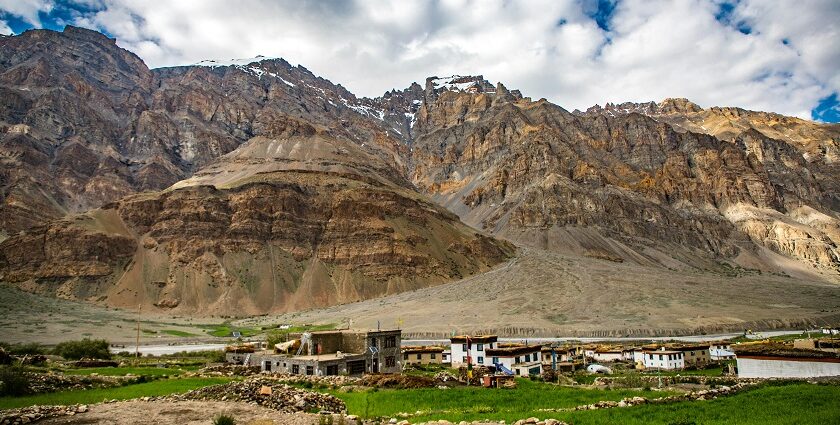
Kaza Spiti Valley: Itinerary, Stays, Route & Permit Information

Ananya Sharma
December 26, 2025
Complete travel guide to Kaza in Spiti Valley! Find best time to visit, how to reach from Manali/Shimla, weather, hotels, places to visit, and essential travel tips.
Kaza in Spiti Valley: Complete Travel and Stay Guide
Kaza is the operational heart of Spiti Valley and the most practical base for travelers exploring high-altitude villages, monasteries, and cold desert landscapes. People search this keyword for route clarity, acclimatization tips, weather planning, and local stay options. This guide is built around those practical needs so you can design a safer and smoother Spiti trip.
Most ranking pages talk about scenery first. That matters, but route planning and altitude discipline matter more. If you are entering Spiti for the first time, pair this with how to reach Spiti Valley and best time to visit Spiti before finalizing dates.
Why Kaza Is the Best Spiti Base
Kaza has the strongest concentration of stay options, fuel access (subject to supply), cafes, local markets, and transport support in the valley. Instead of changing accommodation every night, using Kaza as a base reduces fatigue and allows better acclimatization rhythm.
From Kaza, day routes to Key, Kibber, Langza, Hikkim, and Komik become manageable if weather and road conditions are stable. This makes it ideal for both first-time and repeat travelers.
Altitude and Acclimatization
Kaza sits at high altitude, so hydration, sleep, and slower movement are essential on arrival day. Avoid aggressive activity in the first 24 hours. Keep meals light and monitor headaches or unusual fatigue. A calm start improves your full itinerary quality.
If you are arriving from lower elevations quickly, schedule one buffer day before long drives to higher villages.
How to Reach Kaza
The two main routes are via Shimla-Kinnaur and via Manali-Kunzum. Shimla side is typically better for gradual acclimatization, while Manali side is shorter seasonally but rougher and more weather-sensitive. Route choice should depend on month, road status, and your altitude tolerance.
For route-specific timing, combine this guide with 8-day Spiti itinerary and Spiti in March if traveling shoulder season.

Best Time to Visit Kaza
May to June: active season start with improving access. July to September: fuller services and road movement, though weather checks remain important. October: clearer skies and lower crowds but colder nights. Winter months: harsh cold, limited services, and advanced preparation required.
The best window for first-time travelers is usually late spring to early autumn when logistics are more predictable.
Places to Visit from Kaza
Key Monastery
A classic Spiti landmark with layered architecture and panoramic valley views. Best visited in clear morning light.
Hikkim, Komic, Langza circuit
Popular high-village loop combining postcard views and cultural touchpoints. Start early and keep weather margin.
Kibber and Chicham side
Excellent for landscape scale and route photography. Road quality can vary, so plan with local updates.
You can expand these loops with Key Monastery guide and Tabo village places depending on your day budget.

Where to Stay in Kaza
Kaza offers homestays, guesthouses, and mid-range hotels. Bookings in peak season should be done in advance, especially for view rooms and parking-friendly properties. In shoulder months, confirm heating and hot-water schedules before check-in.
Homestays are excellent for local food and cultural context, while hotels may offer better comfort consistency for families.
Food and Local Services
Kaza has cafes and simple restaurants serving Tibetan, Indian, and travel-friendly global basics. Keep expectations realistic: this is a high-altitude town, not a metro food district. Eat fresh, hydrate well, and avoid very heavy late-night meals in early acclimatization days.
Carry cash backup as digital reliability can vary by network condition and power status.
Travel Budget and Duration
3 nights: quick Kaza-centric base with two day loops. 4-5 nights: stronger acclimatized exploration with reduced rush. 6+ nights: deeper village immersion and photo-focused flexibility.
Budget swings most on transport mode and stay category. Shared transport lowers cost but reduces schedule control.
Essential Safety Tips
- Never skip acclimatization on arrival.
- Check local road status every morning.
- Start day routes early and return before dark.
- Carry meds, warm layers, and offline maps.
- Do not overpack one day with too many high-village stops.
Final Verdict
Kaza is the smartest and most efficient base for exploring Spiti Valley if you plan around altitude, weather, and route pacing. Choose a realistic duration, use day loops intelligently, and keep one buffer day. That is the best way to experience Spiti without unnecessary stress.
If you are building a complete seasonal route, also compare with Spiti in August and stays in Nako village for better month-wise decisions.
Detailed Itinerary Optimization
A stronger trip comes from sequencing, not just destination count. Keep each day focused on one core movement axis and one flexible backup option. For example, in mountain routes, start with viewpoint windows in the morning and keep denser transfers for later only if weather remains stable. This pattern protects both safety and travel satisfaction while reducing rushed decision-making.
Meal and rest planning also influence experience quality more than most travelers expect. Schedule one stable meal stop and one lighter break in every active day. Hydration and temperature management are especially important in high-altitude or coastal humidity conditions. These small decisions improve energy, photography outcomes, and your ability to adapt when plans shift.
Accommodation selection should be based on route logic, not only visuals. A scenic stay that adds two hours of daily commute can reduce overall trip quality. Prioritize location, access reliability, and essential comfort features. If remote work or calls are needed, confirm network consistency before booking. For family travel, check meal timing and heating or cooling support in advance.
When weather uncertainty is high, build a layered plan: primary route, secondary route, and local fallback loop. This avoids day loss and keeps momentum during unpredictable windows. Keep offline maps, cash backup, and emergency essentials ready. Experienced travelers treat these as standard planning, not optional extras.
If you are extending the journey, useful related reading includes how to reach spiti valley guide, best time to visit spiti valley, 8 days spiti valley trip guide, spiti valley march.
Local Culture and Responsible Travel
Respect for local culture improves both safety and hospitality outcomes. Dress appropriately in spiritual spaces, ask before close-up photography, and avoid high-noise behavior in quiet settlements. In sensitive ecological zones, follow no-litter discipline and avoid single-use plastics where possible. Responsible behavior helps preserve destinations and keeps local communities supportive of tourism.
Support local businesses where feasible: guides, homestays, regional eateries, and small handicraft sellers. This gives your trip stronger local value and often produces better insight than standardized tourist circuits. Authentic recommendations usually come from people who live in the destination, so leave time for conversation and flexible discovery.
Finally, maintain realistic pace. High-output itineraries look impressive on paper but often reduce enjoyment in real conditions. A good trip is not measured by maximum check-ins, but by quality of experience, safety, and meaningful memory retention. Plan smart, stay flexible, and let the destination unfold with its natural rhythm.
Detailed Itinerary Optimization
A stronger trip comes from sequencing, not just destination count. Keep each day focused on one core movement axis and one flexible backup option. For example, in mountain routes, start with viewpoint windows in the morning and keep denser transfers for later only if weather remains stable. This pattern protects both safety and travel satisfaction while reducing rushed decision-making.
Meal and rest planning also influence experience quality more than most travelers expect. Schedule one stable meal stop and one lighter break in every active day. Hydration and temperature management are especially important in high-altitude or coastal humidity conditions. These small decisions improve energy, photography outcomes, and your ability to adapt when plans shift.
Accommodation selection should be based on route logic, not only visuals. A scenic stay that adds two hours of daily commute can reduce overall trip quality. Prioritize location, access reliability, and essential comfort features. If remote work or calls are needed, confirm network consistency before booking. For family travel, check meal timing and heating or cooling support in advance.
When weather uncertainty is high, build a layered plan: primary route, secondary route, and local fallback loop. This avoids day loss and keeps momentum during unpredictable windows. Keep offline maps, cash backup, and emergency essentials ready. Experienced travelers treat these as standard planning, not optional extras.
If you are extending the journey, useful related reading includes how to reach spiti valley guide, best time to visit spiti valley, 8 days spiti valley trip guide, spiti valley march.
Local Culture and Responsible Travel
Respect for local culture improves both safety and hospitality outcomes. Dress appropriately in spiritual spaces, ask before close-up photography, and avoid high-noise behavior in quiet settlements. In sensitive ecological zones, follow no-litter discipline and avoid single-use plastics where possible. Responsible behavior helps preserve destinations and keeps local communities supportive of tourism.
Support local businesses where feasible: guides, homestays, regional eateries, and small handicraft sellers. This gives your trip stronger local value and often produces better insight than standardized tourist circuits. Authentic recommendations usually come from people who live in the destination, so leave time for conversation and flexible discovery.
Finally, maintain realistic pace. High-output itineraries look impressive on paper but often reduce enjoyment in real conditions. A good trip is not measured by maximum check-ins, but by quality of experience, safety, and meaningful memory retention. Plan smart, stay flexible, and let the destination unfold with its natural rhythm.
Location
Frequently Asked Questions
Q1.What is the best time to visit Kaza?
Q2.How can I reach Kaza from Manali?
Q3.How can I reach Kaza from Shimla?
Q4.What is the weather like in Kaza?
Q5.What are the main attractions near Kaza?
Q6.What accommodation options are available in Kaza?
Q7.What food is available in Kaza?
Q8.Do I need permits to visit Kaza?
Recommended For You
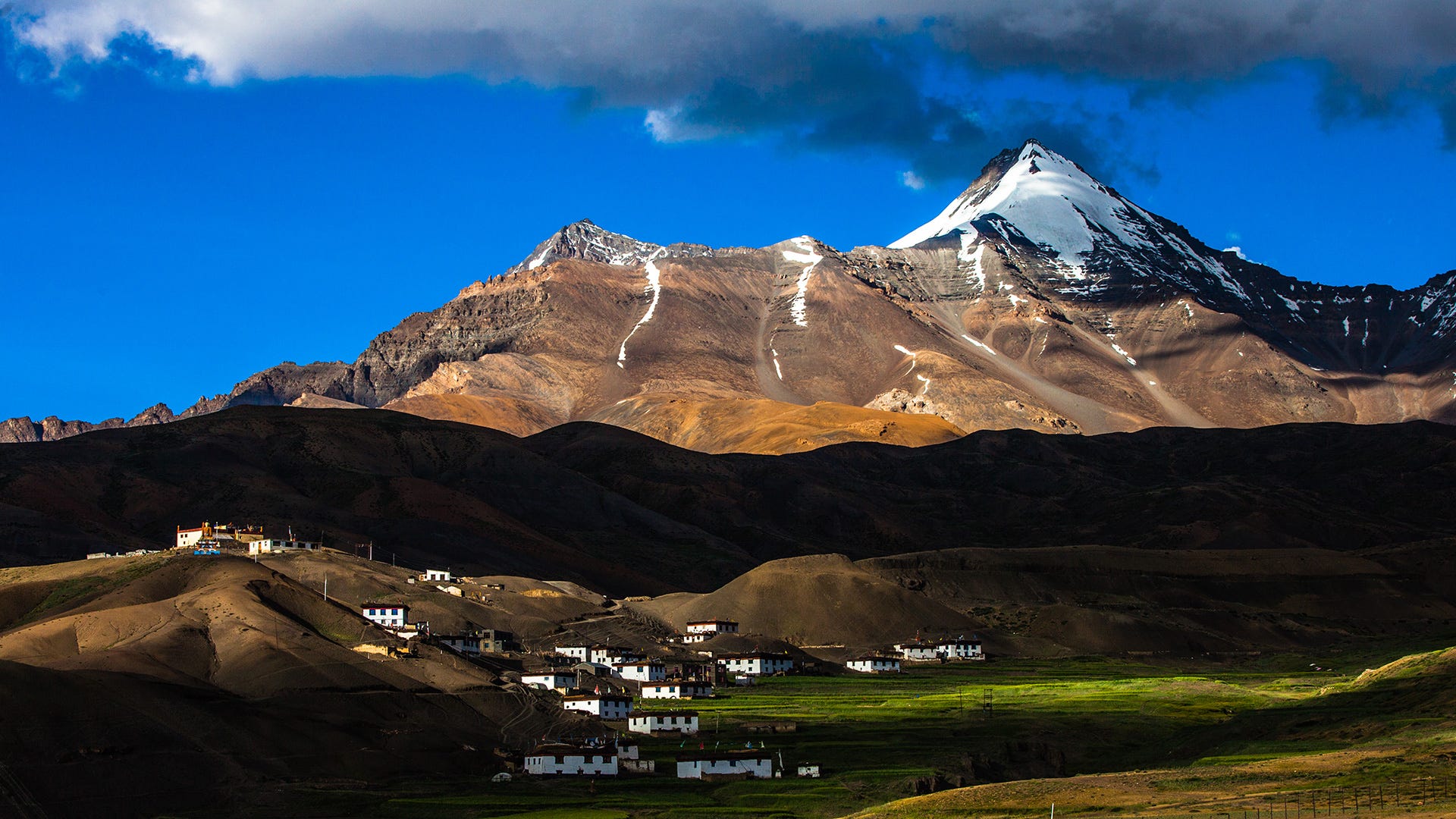
Spiti Valley 8 Days: Complete Itinerary And Route Plan
Plan perfect 8 days Spiti Valley trip from Delhi/Manali. Discover complete itinerary, best time to visit, budget & essential travel tips.
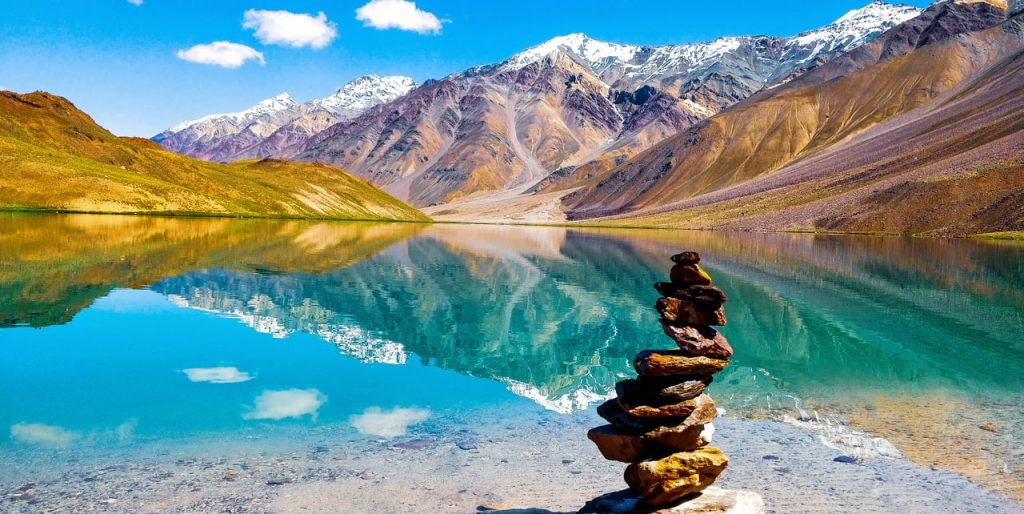
Best Time to Visit Spiti Valley: Road Status, Season & Itinerary Fit
Discover the best time to visit Spiti Valley with season-wise weather, road status windows, and month-by-month planning tips for road trips, treks, and Chandratal.
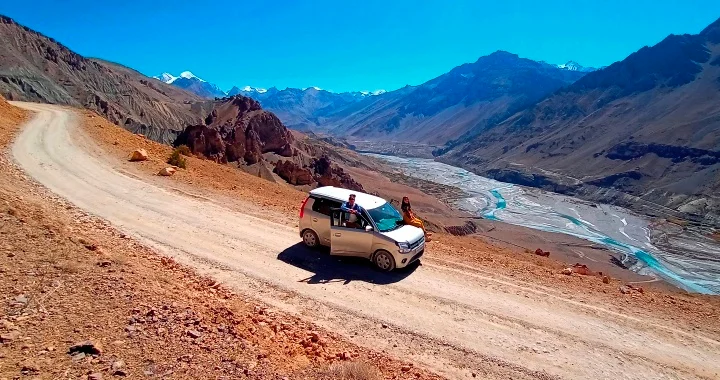
How To Reach Spiti Valley: Routes And Travel Options
Planning a trip to Spiti Valley? Learn how to reach Spiti from Manali & Shimla by road, flight & train. Get routes, timings, permits & essential travel tips.
Never Miss an Adventure
Get the latest trekking guides, travel tips, and exclusive offers delivered straight to your inbox.
