
Spiti Valley Road Trip: The Ultimate Guide to Himalayan Adventure

Ananya Sharma
December 5, 2025
Spiti Valley road trip guide: routes from Shimla/Manali, best time, permits, vehicles, itinerary, accommodation & tips for the ultimate Himalayan adventure.
Introduction: Journey to the Middle Land
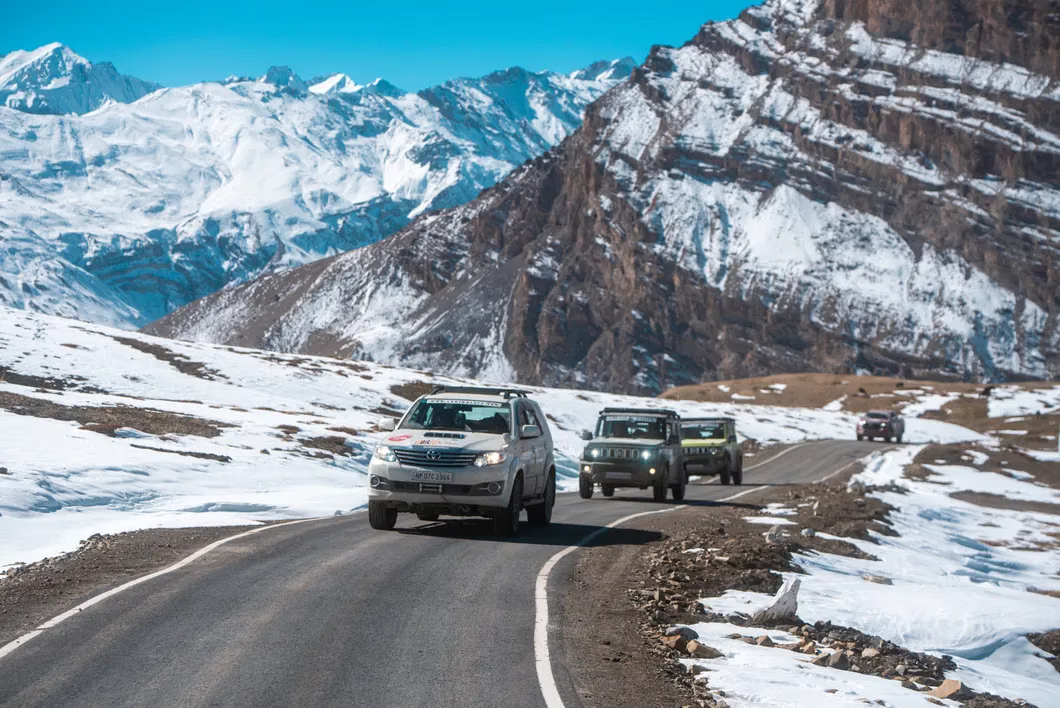
Nestled in the trans-Himalayan region of Himachal Pradesh, Spiti Valley is one of India's most remote and spectacular destinations. Its name translates to "the middle land" - referring to its position between India and Tibet. A Spiti Valley road trip takes you through some of the most dramatic landscapes on Earth: high-altitude deserts, ancient monasteries, pristine glaciers, and villages that seem frozen in time. This isn't just a road trip - it's an expedition that tests your limits and rewards you with experiences that will stay with you forever. For those exploring Himachal Pradesh, this journey is an absolute must-do.
What makes Spiti truly special is its accessibility. You don't need to be an expert mountaineer or trek for weeks to reach these heights. A road trip allows you to experience the grandeur of the trans-Himalayas while returning to a comfortable bed each night (or camping under some of the darkest skies you'll ever see). The region's average elevation of 4,000+ meters means you're constantly in the realm of snow-capped peaks, high mountain passes, and landscapes so starkly beautiful they feel otherworldly.
But Spiti is more than just stunning scenery. It's a living Buddhist culture that has flourished in these harsh conditions for over a millennium. Ancient monasteries cling to cliff edges, monks chant prayers that have echoed for centuries, and traditional villages practice sustainable agriculture that has survived generations. A Spiti road trip is as much a cultural journey as a geographical one - an opportunity to witness a way of life that has adapted to one of the planet's most challenging environments with remarkable resilience and grace.
About Spiti Valley
Geography and Location
Spiti Valley is located in the Lahaul and Spiti district of Himachal Pradesh, bordering Tibet. The region is a high-altitude cold desert, sandwiched between the Zanskar and Himalaya ranges. Spiti's average elevation is around 4,000 meters (13,000 feet), making it one of the highest permanently inhabited regions on Earth.
The valley is traversed by the Spiti River, which originates at the Kunzum Pass and flows through the valley before joining the Sutlej River. The landscape is characterized by barren mountains, deep gorges, alluvial fans, and stunning geological formations. Despite the harsh conditions, Spiti supports unique ecosystems including snow leopards, Himalayan wolves, and the famous Himalayan ibex.
Climate
Spiti experiences a harsh trans-Himalayan climate:
- Summer (June-September): Pleasant days (15-25°C), cold nights (-5 to 5°C). Best time to visit.
- Autumn (October-November): Days get cooler (5-15°C), nights very cold (-10 to 0°C). Road access becomes uncertain.
- Winter (December-March): Extreme cold. Daytime temperatures below freezing, nights -20 to -30°C. Valley largely cut off.
- Spring (April-May): Transition season. Snow begins melting, roads reopening, weather unpredictable.
The region receives very little rainfall (less than 200mm annually) but significant snowfall in winter. The arid conditions mean dramatic temperature variations - days can be warm while nights are freezing even in summer.
Culture and Religion
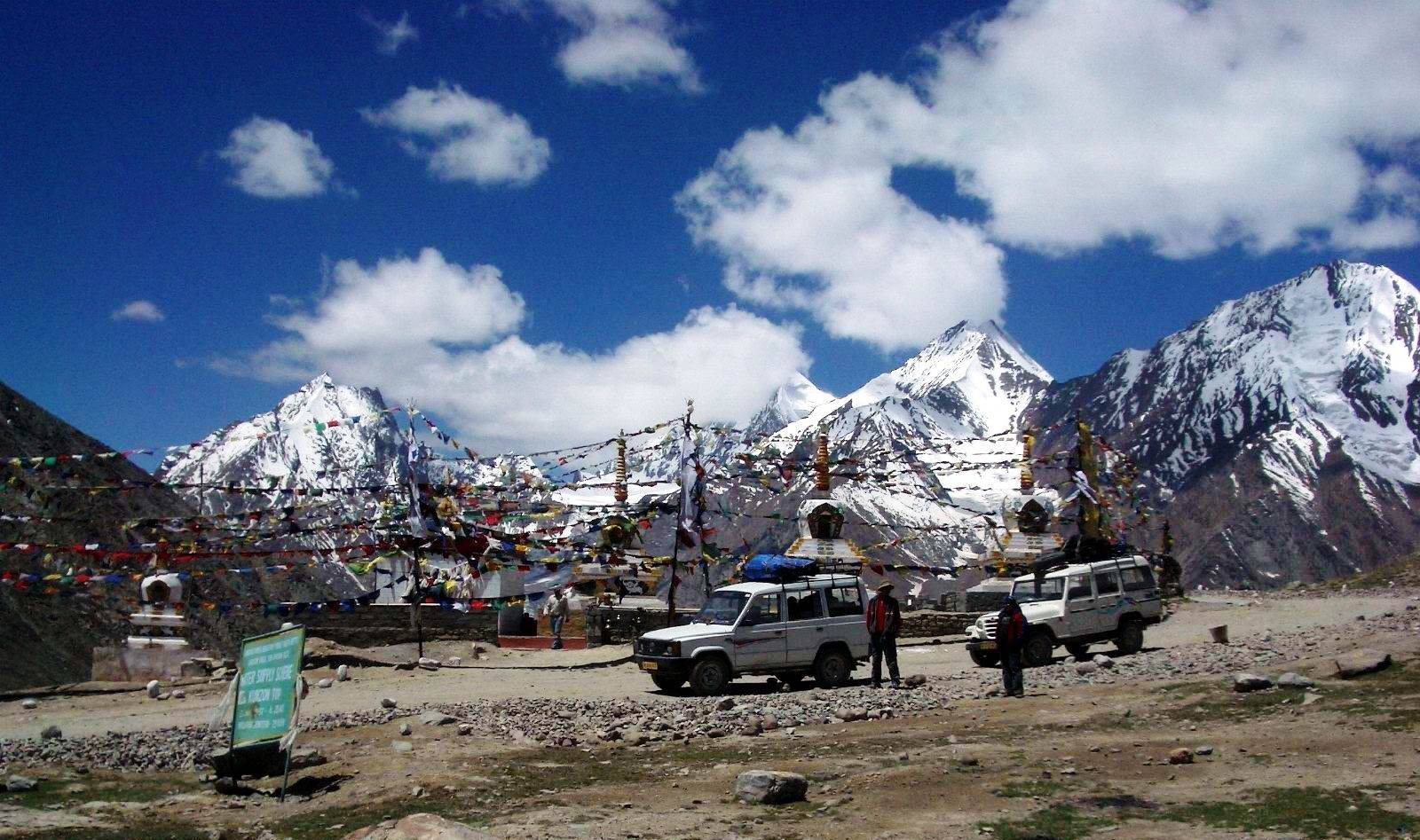
Spiti is predominantly Buddhist, following the Gelugpa (Yellow Hat) school of Tibetan Buddhism. The valley is dotted with ancient monasteries, chortens (stupas), and mani walls (stone piles inscribed with Buddhist prayers). The culture is fundamentally Tibetan - the language (Spiti Bhoti), food, dress, and customs all reflect centuries of Tibetan influence.
The people of Spiti are known for their warmth and resilience. Living in such a harsh environment has forged communities that are interdependent, hospitable, and deeply spiritual. Buddhism isn't just a religion here - it's a way of life that shapes daily routines, agricultural cycles, and community interactions.
Best Routes for Spiti Valley Road Trip
Route 1: Shimla - Kaza - Manali Loop (Most Popular)
This circular route allows gradual acclimatization and covers the most attractions:
Day 1: Shimla to Sarahan (170 km, 7-8 hours)
- Route: Shimla → Narkanda → Rampur → Sarahan
- Highlights: Hatu Peak, Narkanda apple orchards, Bhimakali Temple (Sarahan)
- Stay: Sarahan (basic hotels available)
Day 2: Sarahan to Sangla/Chitkul (90 km, 4-5 hours)
- Route: Sarahan → Karchham → Sangla → Chitkul
- Highlights: Baspa River valley, Kamru Fort, Chitkul (last Indian village on Tibet border)
- Stay: Sangla or Chitkul (good homestays and camps)
Day 3: Sangla to Kalpa (50 km, 3 hours)
- Route: Sangla → Karchham → Powari → Reckong Peo → Kalpa
- Highlights: Sutlej River valley, Kinnaur Kailash views, Kalpa monastery
- Stay: Kalpa (several hotels with mountain views)
Day 4: Kalpa to Nako (110 km, 6-7 hours)
- Route: Kalpa → Pooh → Nako
- Highlights: Nako Lake, Nako Monastery, spectacular mountain scenery
- Stay: Nako (basic homestays)
Day 5: Nako to Tabo (65 km, 4-5 hours)
- Route: Nako → Sumdo → Tabo
- Highlights: Dhankar Monastery (detour), Tabo Monastery (over 1000 years old)
- Stay: Tabo (several guesthouses)
Day 6: Tabo to Kaza (50 km, 3 hours)
- Route: Tabo → Kaza
- Highlights: Lalung Monastery, Kaza (Spiti's capital)
- Stay: Kaza (most accommodation options in Spiti)
Day 7: Kaza Local Sightseeing
- Ki Monastery, Kibber Village, Gette Village, Tashyud Monastery
- Stay: Kaza
Day 8: Kaza to Chandratal Lake (100 km, 5-6 hours)
- Route: Kaza → Losar → Kunzum Pass → Chandratal
- Highlights: Kunzum Pass (4,590m), Chandratal Lake (camping)
- Stay: Camp at Chandratal (tent accommodation available June-September)
Day 9: Chandratal to Manali (115 km, 6-7 hours)
- Route: Chandratal → Batal → Gramphoo → Rohtang Pass → Manali
- Highlights: Chandra River valley, Rohtang Pass (3,979m)
- Stay: Manali
Route 2: Manali - Kaza - Manali (Quicker Option)
For those with limited time, start and end in Manali:
Day 1: Manali to Kaza (200 km, 8-10 hours)
- Route: Manali → Gramphoo → Batal → Kunzum Pass → Losar → Kaza
- Very long day, challenging roads, limited stops. Not ideal for acclimatization.
Day 2-3: Explore Kaza and surroundings
Day 4: Kaza to Manali (200 km, 8-10 hours)
This route is faster but much harder due to steep elevation gain (Manali to Kaza in one day) and poor road conditions.
Route 3: Shimla - Kaza - Shimla (Same Route Return)
For those wanting to avoid the Manali road:
- Follow Shimla-Kaza route (Route 1) to Kaza
- Return via same route
- More days needed but safer and more comfortable
Key Destinations in Spiti
Kaza
The capital of Spiti and the main base for travelers. Kaza has the most accommodation options, restaurants, and facilities. Visit the market, the old monastery, and use Kaza as a base for exploring surrounding attractions. There are excellent hotels in Spiti Valley and homestays in Spiti Valley available for your stay.
Ki Monastery
At 4,116 meters, Ki is Spiti's largest and most famous monastery. Founded in the 11th century, it houses beautiful paintings, statues, and ancient manuscripts. The monastery's location on a hilltop offers spectacular valley views. Try to visit during morning or evening prayers. The Key Monastery is a highlight of any Spiti road trip.
Kibber Village
At 4,270 meters, Kibber is one of the highest permanently inhabited villages in the world. The village offers stunning scenery, traditional Spiti architecture, and opportunities to spot wildlife (ibex, snow leopards in winter).
Tabo Monastery
Founded in 996 AD, Tabo is often called the "Ajanta of the Himalayas" for its exquisite wall paintings. The monastery complex includes 9 temples, numerous chortens, and monks' quarters. It's a UNESCO World Heritage Site tentative list.
Dhankar Monastery
Perched precariously on a cliff edge, Dhankar was once the capital of Spiti. The 7th-century monastery offers breathtaking views of the confluence of Spiti and Pin rivers. The main temple contains beautiful statues and ancient murals.
Chandratal Lake
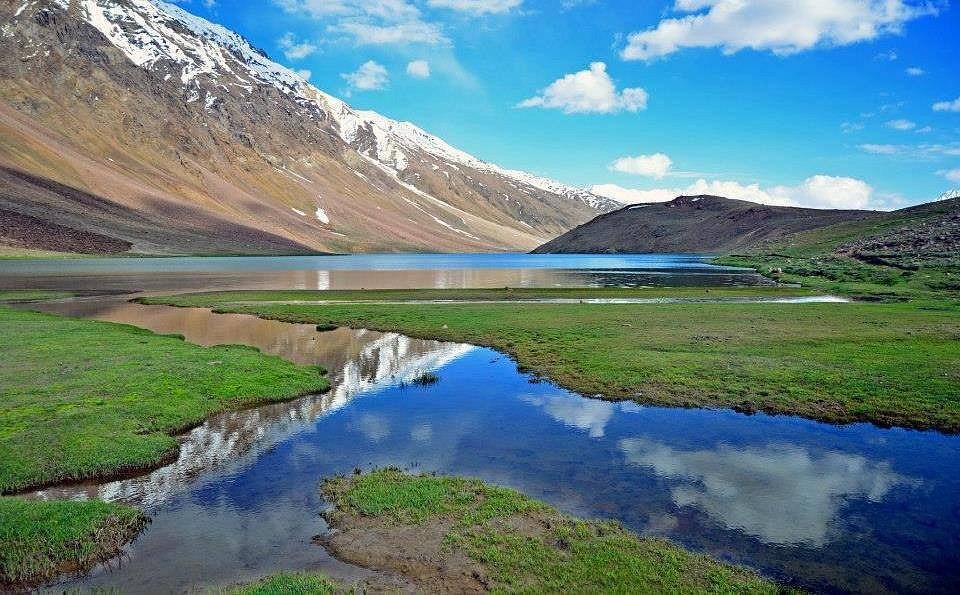
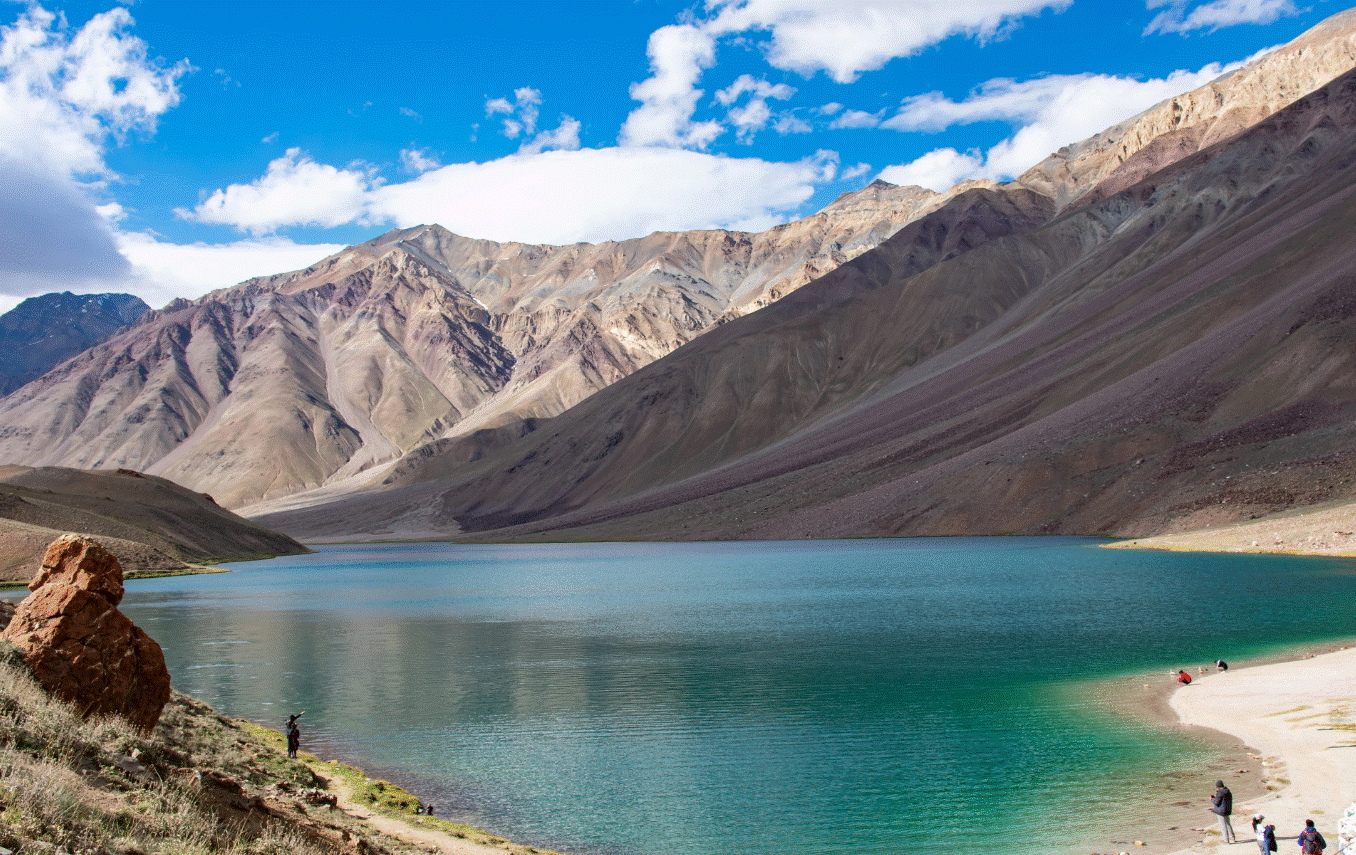
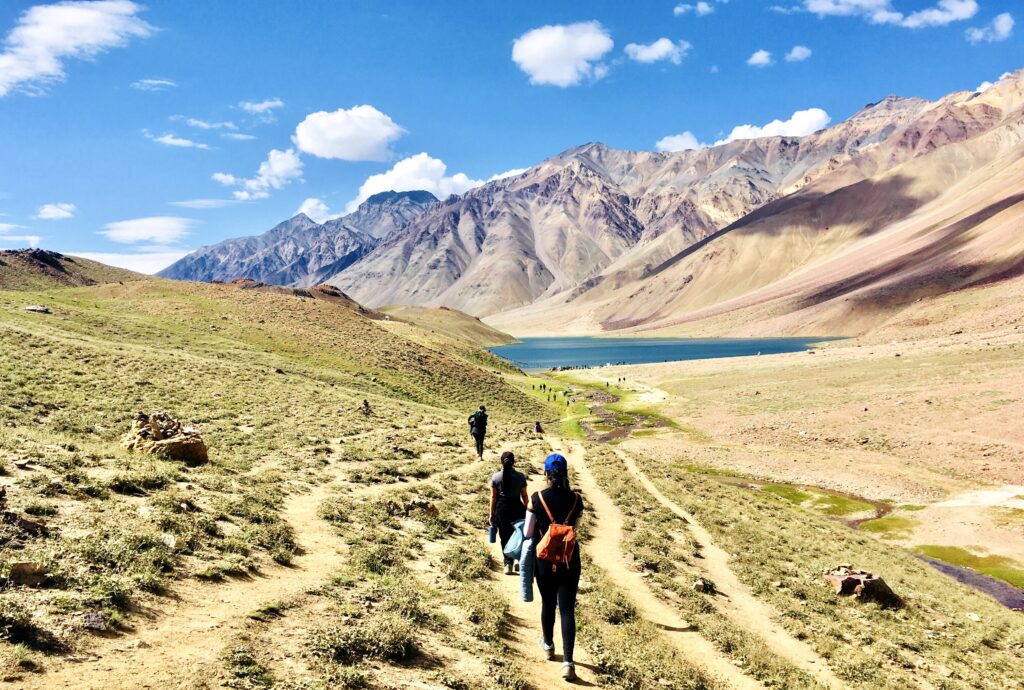
The "Moon Lake" at 4,300 meters is one of Himalaya's most beautiful high-altitude lakes. The deep blue waters, surrounded by mountains and meadows, are truly spectacular. Camping is permitted (seasonal) and the stargazing is incredible.
Pin Valley
A beautiful side valley known for its wildlife (snow leopards, Himalayan wolves), Pin Valley National Park, and the Mudh village trek. The valley is greener than main Spiti and offers a different landscape experience.
Best Time for Spiti Road Trip
Summer (June - September)
Best Season: Roads are open, weather is pleasant, all accommodations operational. If you're wondering about the best time to visit Spiti Valley, summer offers the most accessible conditions for your adventure.
- June: Roads just opened, some snow at high passes, fewer tourists
- July-August: Peak season, warmest weather, lush green in valleys, but monsoon can cause landslides
- September: Ideal time - clear skies, pleasant temperatures, fewer crowds, excellent for photography
Winter (November - March)
For Adventurous Only: Extreme cold, most facilities closed, but incredible winter landscapes and possibility of seeing snow leopards. The Manali route is closed; access via Shimla is possible but challenging. Not recommended for first-time visitors.
Spring (April - May)
Shoulder Season: Roads reopening, unpredictable weather, variable snow conditions. Good for avoiding crowds but be prepared for road closures and delays.
Permits and Documentation
Indian Citizens
- No Inner Line Permit required for most of Spiti
- Required for: Kaziga (near Kibber), some areas near Tibet border
- Available at: Kaza, Reckong Peo
- Documents: ID proof (Aadhaar, voter ID), passport-size photos
Foreign Nationals
- Protected Area Permit (PAP) required
- Available at: Reckong Peo, Kaza (or apply through registered travel agent)
- Documents: Passport, visa, passport-size photos
- Cost: Variable, processing takes 1-2 days
- Restrictions: Some areas may be off-limits to foreigners
Vehicle Documents
- Registration certificate (RC)
- Driving license
- Pollution certificate
- Insurance
- Permit for commercial vehicles (if applicable)
Vehicle Preparation
Recommended Vehicles
SUVs: Toyota Innova, Mahindra Scorpio, Mahindra Thar, Force Gurkha. 4x4 is not mandatory but helpful in challenging conditions.
Motorcycles: Royal Enfield (Himalayan, Classic), Bajaj Avenger, KTM Duke (350+cc recommended). Bikes under 350cc will struggle at high altitude.
Vehicle Preparation Checklist
- Full servicing before trip
- Check brakes (crucial for descents)
- Check suspension (rough roads)
- Spare tire (essential)
- Extra fuel (carry 20-30 liters - limited fuel stations)
- Tool kit and repair kit (puncture repair for bikes)
- Jumper cables
- Tow rope
Health and Acclimatization
Altitude Sickness Prevention
- Acclimatize Gradually: The Shimla route is better for this as you gain altitude slowly
- Stay Hydrated: Drink 3-4 liters of water daily
- Avoid Alcohol: Especially in first few days
- Eat Light: Heavy meals are harder to digest at altitude
- Diamox: Consider acetazolamide (consult doctor)
- Descend if Symptoms Worsen: AMS can be fatal if ignored
Medical Kit
- Diamox (for AMS)
- Painkillers (for headaches)
- Anti-nausea medication
- First aid supplies
- Any personal medications
- Oxygen cylinder (optional but recommended)
Accommodation
Hotels and Guesthouses
- Kaza: Most options - Hotel City Palace, Sakya Abode, Spiti Holiday. ₹800-2500 per night
- Tabo: Tabo Monastery Guest House, Hotel Milarepa. ₹600-1500 per night
- Sangla/Chitkul: Banjara Camps, Riverside Tents. ₹1000-3000 per night
- Kalpa: Hotel Kinner Kailash, Kalpa Fort. ₹1000-2500 per night
Homestays
Available in most villages. Basic but authentic experiences. ₹500-1200 per night including meals. Great for cultural immersion.
Camping
Allowed at Chandratal (designated sites), some villages with permission. Carry your own tent or rent at Chandratal (June-September). Be prepared for cold nights (-5 to 5°C even in summer).
Packing List
Clothing
- Warm layers (thermals, fleece, down jacket)
- Windproof and waterproof jacket
- Warm pants and comfortable pants
- Warm hat, gloves, scarf
- Comfortable shoes with good grip
- Sunglasses (UV protection essential)
- Sunscreen (SPF 50+)
Essentials
- Water bottles (2 liters)
- Water purification tablets
- Lip balm
- Moisturizer (air is very dry)
- Power bank
- Torch/headlamp
- Cash (ATMs limited to Kaza, Reckong Peo)
- Snacks
Food and Water
What to Expect
- Local Cuisine: Tibetan momos, thukpa (noodle soup), skyu (local pasta), butter tea
- Indian Food: Rice, dal, vegetables, roti available everywhere
- Eggs: Widely available (protein is important at altitude)
- Vegetarian: Easy to find (Spiti is largely vegetarian)
Water Safety
- Carry water purification tablets or filter
- Bottled water available in Kaza, larger villages
- Avoid drinking directly from streams
- Stay hydrated (crucial for AMS prevention)
Road Conditions and Driving Tips
What to Expect
- Shimla-Kaza Route: Mostly good, some rough patches, well-maintained
- Kaza-Manali Route: Challenging - lots of broken roads, water crossings, steep gradients
- Kunzum Pass: Rough, dusty, can be scary in bad weather
- Rohtang Pass: Traffic jams, landslides in monsoon, chaotic
Driving Tips
- Start early (6 AM) to avoid traffic and reach before dark
- Don't rush - average speeds will be 20-30 km/h
- Honk before blind corners
- Give way to uphill traffic
- Stay on your side of the road (crucial on narrow sections)
- Take breaks - fatigue at altitude is real
- Carry extra fuel - last pumps at Shimla/Manali
Why Spiti Road Trip is Unforgettable
A Spiti Valley road trip is more than just a journey through stunning landscapes - it's a transformative experience that challenges and rewards in equal measure. The sheer scale of the mountains, the vastness of the valleys, the thinness of the air - all combine to create a journey that feels elemental, almost primeval.
What makes Spiti special is that it remains genuinely remote. Despite increasing tourism, this isn't a manufactured destination. People here live real lives in a real place that happens to be one of the most beautiful on Earth. The monasteries aren't museums - they're living religious centers where monks chant prayers that have echoed for a millennium. The villages aren't cultural exhibits - they're communities that have survived in these harsh mountains for generations.
The road itself is part of the adventure. Spiti's roads are among the most challenging and spectacular in India. Every hairpin bend reveals a new vista more stunning than the last. Every river crossing tests your nerve and skill. Every high pass leaves you breathless - both from the exertion and the sheer beauty.
But perhaps what makes Spiti truly unforgettable is the silence. In our noisy world, Spiti offers profound silence - the silence of high mountains, of thin air, of places where human presence is still a recent addition. That silence has a quality that's hard to describe but impossible to forget.
You'll return from Spiti changed. The vastness of those landscapes puts human concerns in perspective. The resilience of those people redefines what's possible. The simplicity of that life questions our complexities. And the beauty of those mountains stays with you - a touchstone you return to in memory whenever you need to remember what true beauty looks like.
That's the gift of Spiti. Not just photos and memories, but a shift in how you see the world and your place in it. And that's the greatest journey any road trip can offer.
Location
Frequently Asked Questions
Q1.When is the best time for a Spiti Valley road trip?
Q2.Which is the best route for Spiti Valley - Shimla or Manali?
Q3.Do I need permits for Spiti Valley road trip?
Q4.What kind of vehicle do I need for Spiti Valley?
Q5.How many days are needed for Spiti Valley road trip?
Q6.Is altitude sickness a concern in Spiti Valley?
Q7.What are the road conditions like in Spiti Valley?
Q8.Where can I stay during Spiti Valley road trip?
Recommended For You
Chandratal Lake: Trek Route Best Time And Packages
Plan Chandratal Lake Spiti with Manali/Kaza routes, road-window months, camping rules, altitude tips, and practical trekking guidance for a safe trip.
Chandratal Trek Spiti: Difficulty, Route and Itinerary
Plan Chandratal Trek in Spiti with route options, difficulty level, itinerary, packing list, camping rules, and altitude safety guidance for a reliable trip.
Manali to Spiti Valley: Route, Road Status & Itinerary Tips
Complete guide for traveling from Manali to Spiti Valley covering routes, distances, best time to visit, itinerary options, permits, and essential travel tips.
Never Miss an Adventure
Get the latest trekking guides, travel tips, and exclusive offers delivered straight to your inbox.
