
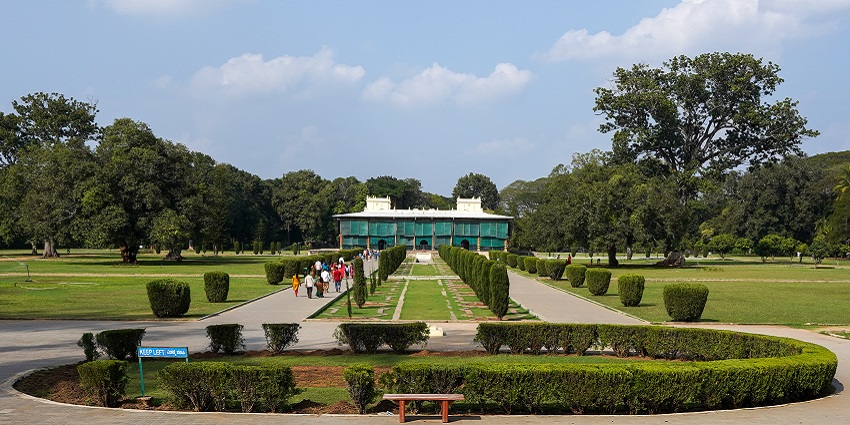
Srirangapatna: Historic Island Town on the Kaveri River

Rohan Malhotra
February 19, 2026
Discover Srirangapatna, a historic island town on the Kaveri River featuring Tipu Sultan's legacy, ancient temples, and colonial history near Mysore.
Introduction to Srirangapatna
Srirangapatna, a historic island town formed by the Kaveri River, stands as one of Karnataka's most significant heritage destinations. Located just 15 kilometers from Mysore, this town was the capital of the Kingdom of Mysore under Hyder Ali and Tipu Sultan. The town derives its name from the famous Sri Ranganathaswamy Temple, making it both a major pilgrimage center and a historical treasure trove.
The island's strategic location made it a formidable fortress city that witnessed decisive battles in South Indian history. Today, Srirangapatna offers visitors a unique blend of religious significance, military history, and architectural marvels. Combine this visit with Mysore Palace and Brindavan Gardens for a complete heritage circuit.
Historical Significance
Srirangapatna served as the capital of the Mysore Kingdom under Hyder Ali and Tipu Sultan from 1761 to 1799. The town witnessed the Fourth Anglo-Mysore War, which ended with Tipu Sultan's death and marked the end of Mysore's resistance to British expansion. The fortifications of Srirangapatna were considered among the strongest in India, yet they fell to the British forces in 1799.
The town's history predates the Mysore Kingdom, with mentions in ancient Tamil literature and Vijayanagara Empire records. The Ganga dynasty originally established Srirangapatna in the 9th century. The town passed through various dynasties including the Hoysalas, Vijayanagara rulers, and finally the Wadiyars of Mysore.
The Sri Ranganathaswamy Temple
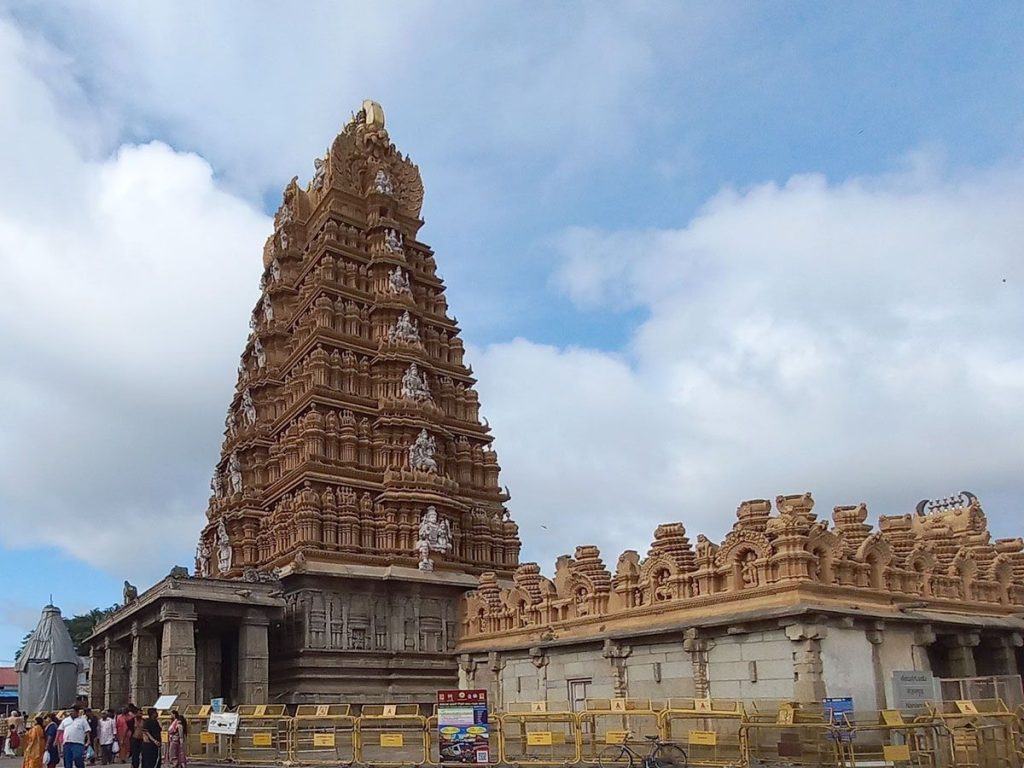
The Sri Ranganathaswamy Temple, dedicated to Lord Vishnu in his reclining form, is one of the most important Vaishnavite shrines in South India. Built in the Dravidian style of architecture, the temple features a massive gopuram (tower) adorned with intricate sculptures. The temple complex includes various shrines, mantapas (halls), and sacred tanks.
The temple attracts thousands of devotees, especially during festivals and religious occasions. The peaceful atmosphere within the temple provides a contrast to the military history associated with the town. The temple's architecture showcases the excellence of the Vijayanagara period builders.
Tipu Sultan's Legacy
Srirangapatna is intimately connected with Tipu Sultan, the Tiger of Mysore, who made it his capital and fortified it extensively. The town houses Tipu's summer palace (Daria Daulat Bagh), his mosque (Jamia Masjid), and the spot where he fell fighting the British. The dungeons where British prisoners were held provide a glimpse into the harsh realities of 18th-century warfare.
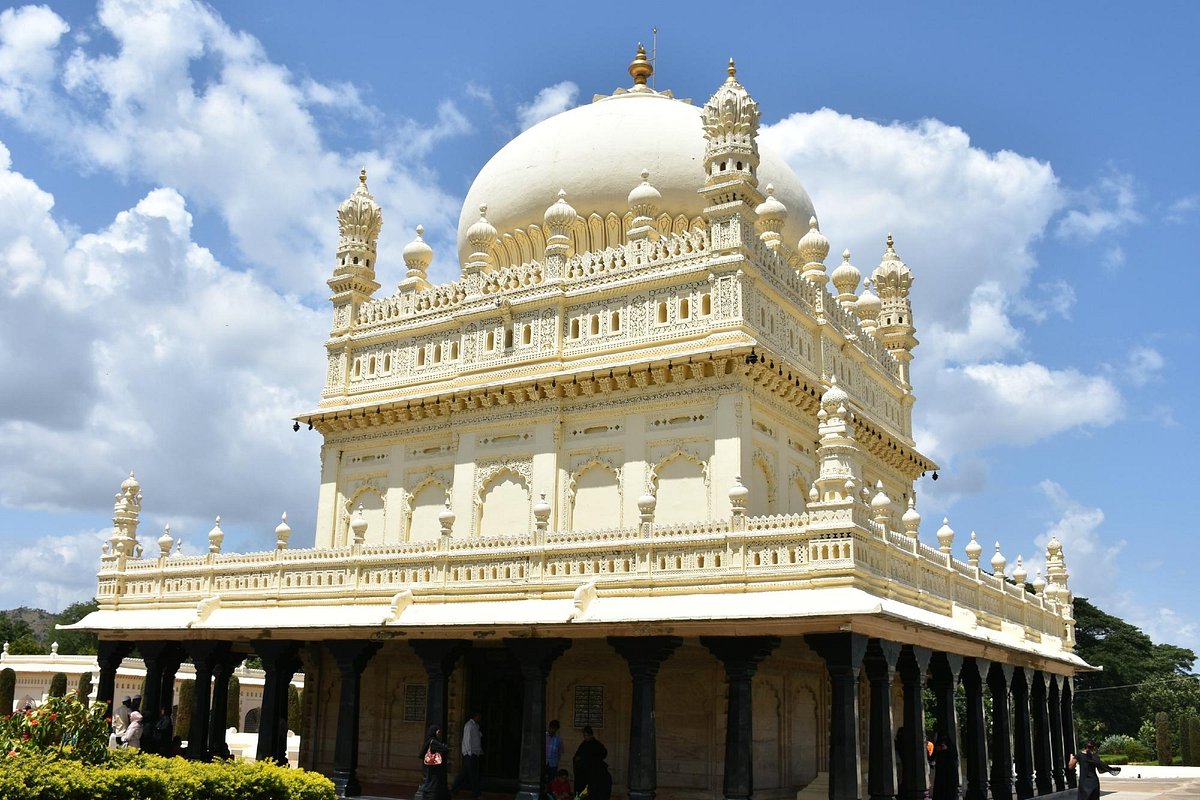
The British Cemetery, where soldiers who died in the final siege were buried, stands as a silent memorial to the decisive battle. The Gumbaz, Tipu's mausoleum, features an elegant structure with ivory-white domes and houses the graves of Tipu, his father Hyder Ali, and his mother Fathima Begum.
The Srirangapatna Fort
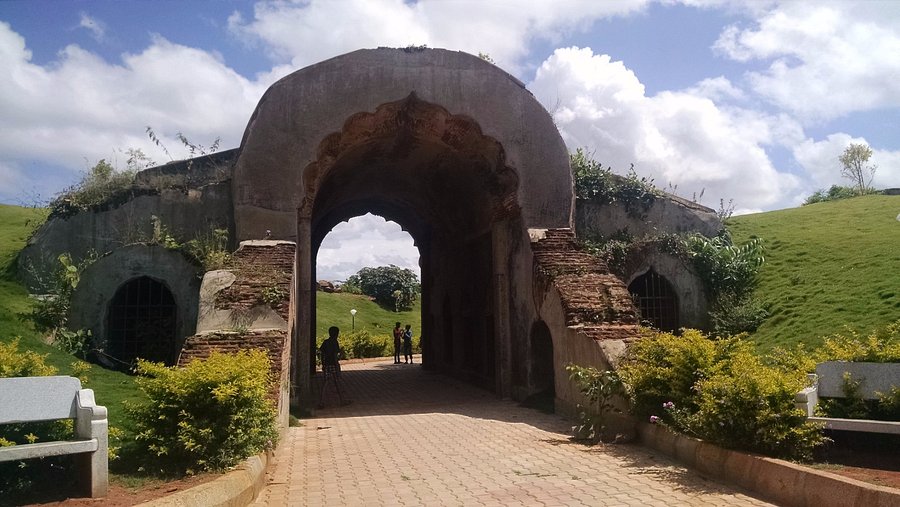
The Srirangapatna Fort, surrounded by the Kaveri River, represents excellent military architecture of the 18th century. The double walls, bastions, and strategically placed cannons made it one of the most formidable fortresses in South India. The fort features several gates including the Bangalore Gate and Delhi Gate, each with historical significance.
The fort's walls stretch for miles and offer excellent views of the surrounding countryside. The Lal Mahal (Red Palace) within the fort was Tipu's residence, though it was largely destroyed during the British siege. The fort area also houses several temples, a mosque, and various administrative buildings.
Nature and Wildlife
Srirangapatna offers excellent opportunities for nature enthusiasts. The Ranganathittu Bird Sanctuary, just 3 kilometers from the town, is home to numerous species of resident and migratory birds. The sanctuary's islands are accessible by boat, allowing visitors to observe birds in their natural habitat.
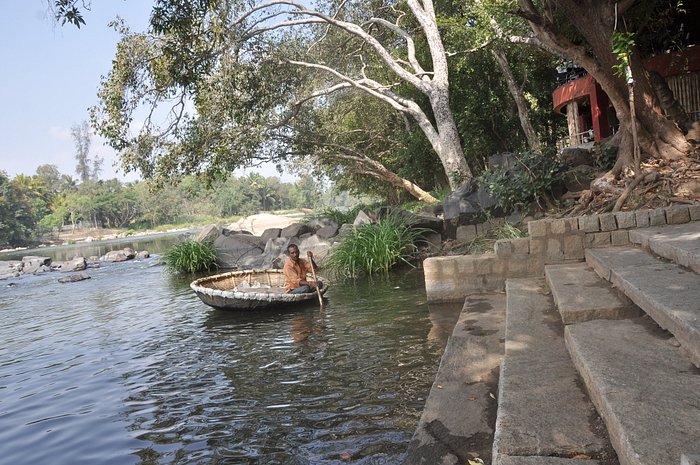
The Kaveri River that surrounds Srirangapatna creates beautiful landscapes and offers opportunities for coracle rides. The river's flow creates small islands and scenic spots that are perfect for photography. The surrounding countryside features lush agricultural fields and traditional villages.
Visitor Information
Srirangapatna can be explored as a day trip from Mysore or Bangalore. The town's compact size allows visitors to cover all major attractions in one day. The best time to visit is from October to March when the weather is pleasant. Early morning visits to the temple provide a peaceful experience.
The town offers basic facilities including restaurants, restrooms, and parking. Most attractions are within walking distance of each other, though auto-rickshaws are available for longer distances. Guides are available at major sites for detailed historical information.
Getting There
Srirangapatna is located 15 kilometers from Mysore and 125 kilometers from Bangalore on the Bangalore-Mysore highway. The town has its own railway station with trains connecting to Mysore, Bangalore, and other major cities. Regular buses connect Srirangapatna to Mysore and Bangalore.
Many visitors stop at Srirangapatna en route to or from Mysore. The highway passes through the town, making it easily accessible by private vehicle. Auto-rickshaws and taxis are available from Mysore for day trips to Srirangapatna.
Nearby Attractions
The Ranganathittu Bird Sanctuary, just 3 kilometers away, is perfect for bird watching enthusiasts. The town is also close to Mysore, which offers numerous attractions including the Mysore Palace, Chamundi Hills, and the Mysore Zoo.
The Karighatta Hill, overlooking Srirangapatna, features a temple and panoramic views of the surrounding landscape. The Balmuri Falls and Yedamuri Falls are scenic picnic spots nearby. The countryside around Srirangapatna offers beautiful drives through villages and agricultural fields.
Practical Tips
Wear comfortable walking shoes as exploring Srirangapatna involves considerable walking. Carry sufficient water, especially during summer visits. Hire a guide to fully appreciate the historical significance of various sites. Allocate a full day to explore all major attractions.
Combine your visit with Ranganathittu Bird Sanctuary if you're interested in wildlife. Visit the temple early morning for a peaceful experience. Photography is permitted at most sites, but be respectful of religious practices within temples.
Conclusion
Srirangapatna offers a unique combination of religious significance, military history, and natural beauty. Its well-preserved monuments, strategic location, and connection to Tipu Sultan make it an essential destination for anyone exploring Karnataka's heritage. The town provides a fascinating window into South India's rich historical tapestry.
Location
Frequently Asked Questions
Q1.What is Srirangapatna famous for?
Q2.How far is Srirangapatna from Mysore?
Q3.What are the main attractions in Srirangapatna?
Q4.How much time is needed to visit Srirangapatna?
Q5.Where did Tipu Sultan die?
Q6.Is Ranganathittu Bird Sanctuary worth visiting?
Q7.What is the best time to visit Srirangapatna?
Q8.Is Srirangapatna worth visiting?
Recommended For You
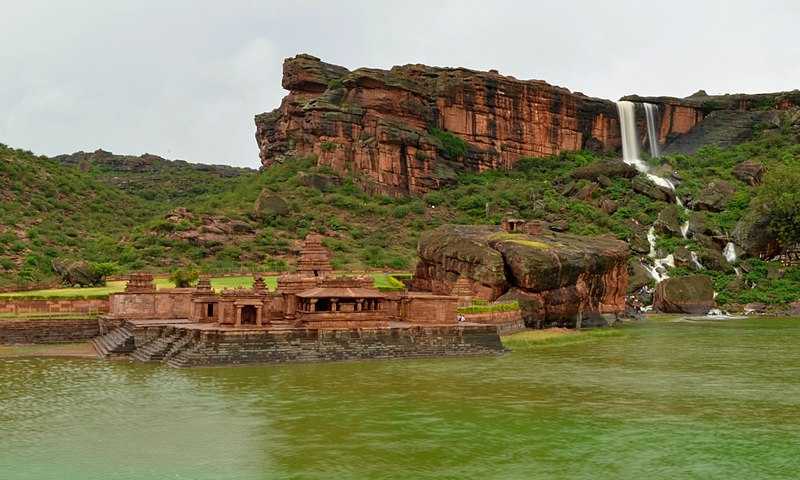
Places to Visit in Karnataka: Coast, Hills & Heritage Cities
Explore the best places to visit in Karnataka with a complete guide to Hampi, Coorg, Mysore, beaches, wildlife parks, trekking routes, and practical travel planning.
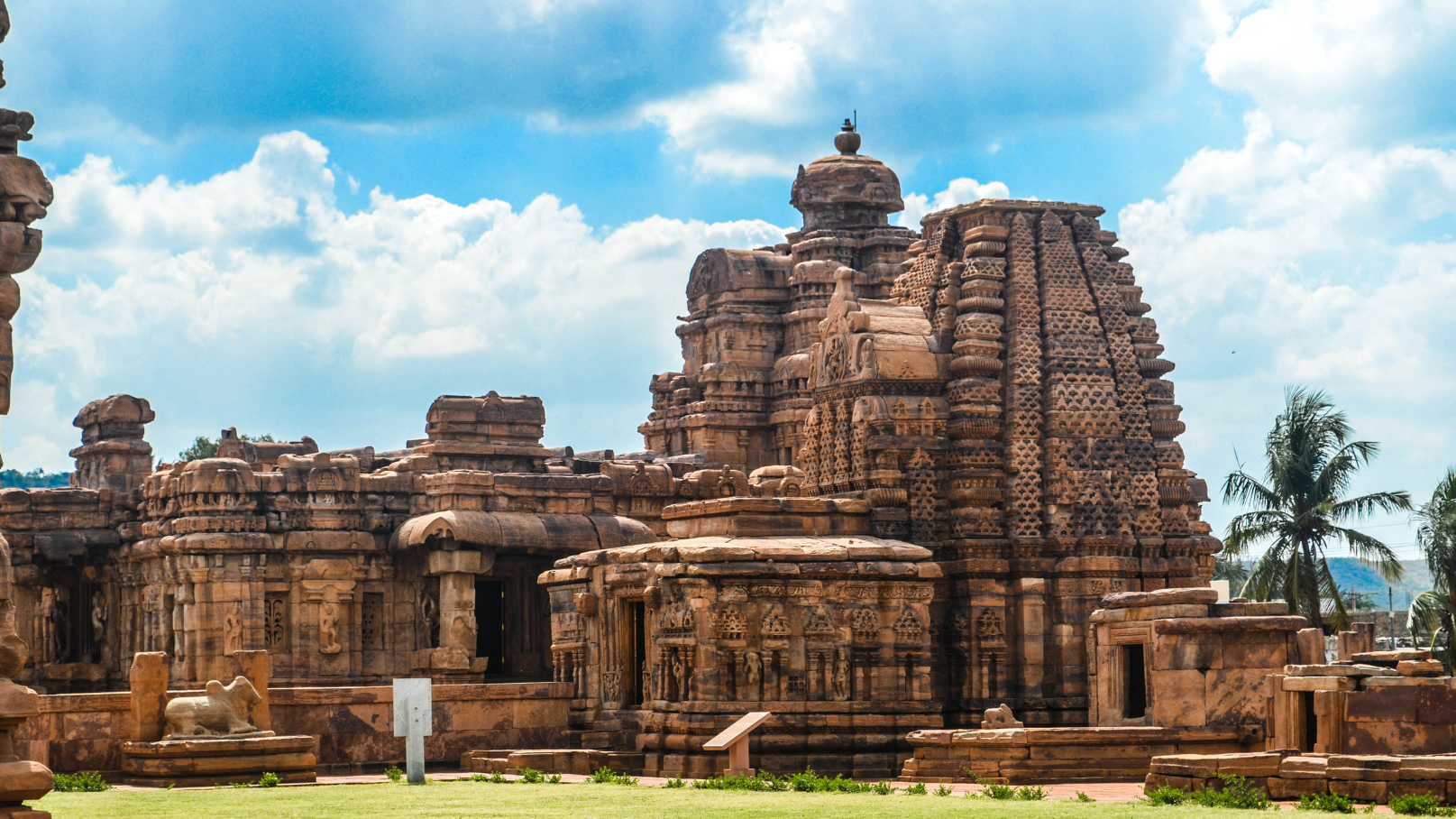
Aihole Temples: Cradle of Chalukya Architecture
Visit Aihole temples, the cradle of Chalukya architecture. Discover 125+ ancient temples, Durga Temple, history & travel guide.
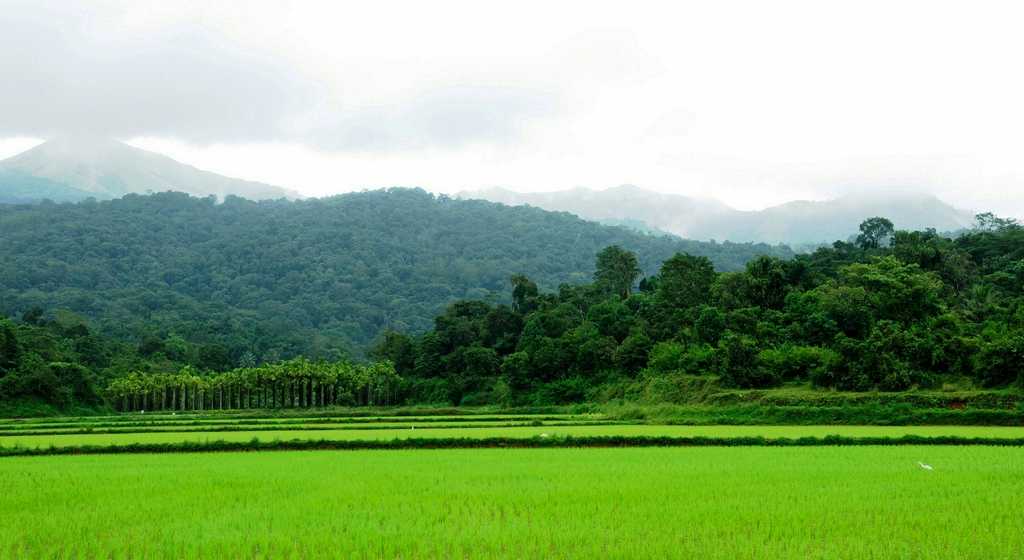
Places to Visit in Karnataka During Monsoon: Scenic Drives & Falls
Plan places to visit in Karnataka monsoon with route clusters, weather-aware timing, and practical safety guidance.
Never Miss an Adventure
Get the latest trekking guides, travel tips, and exclusive offers delivered straight to your inbox.
