
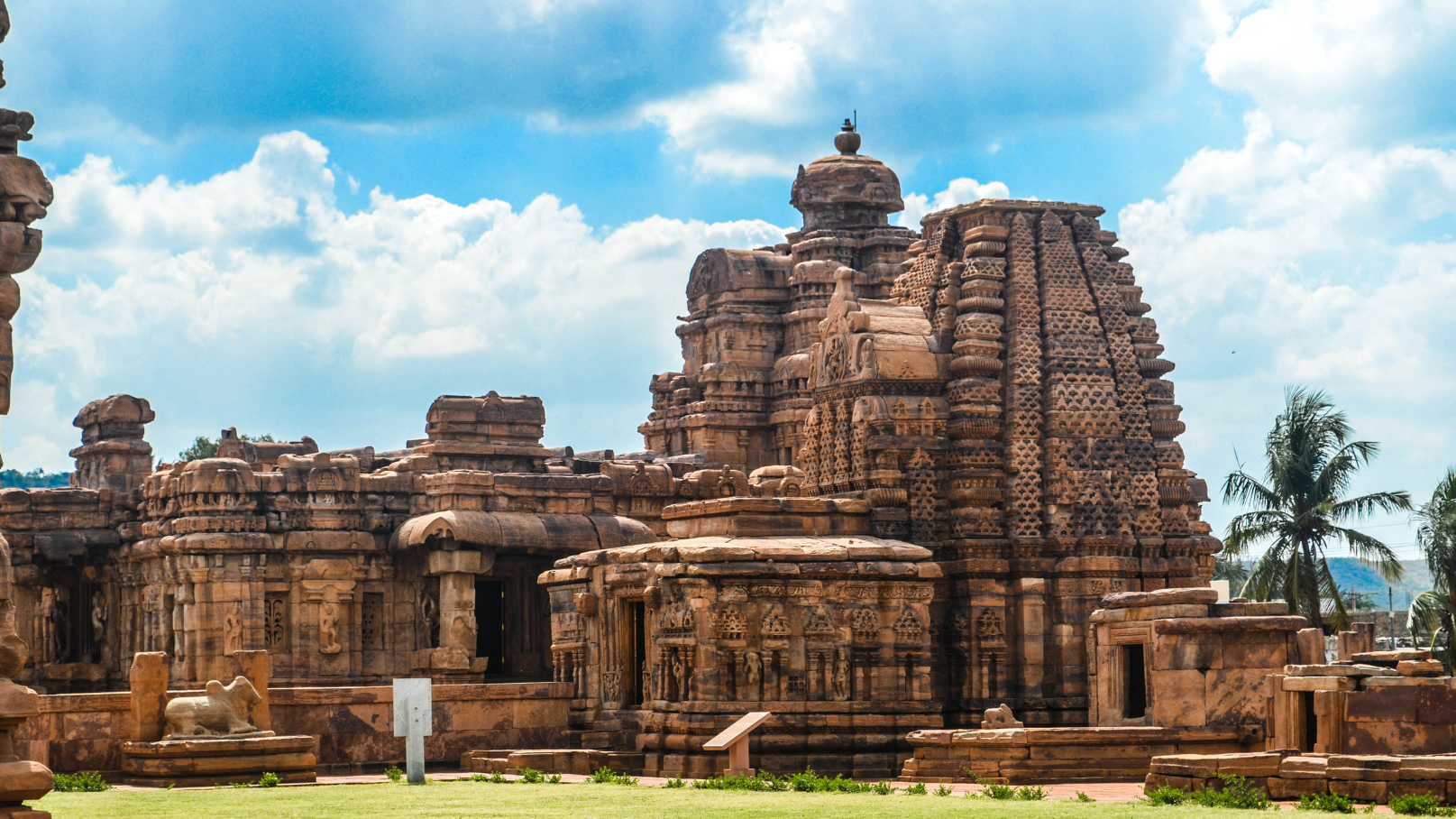
Aihole Temples: Cradle of Chalukya Architecture

Ananya Sharma
February 19, 2026
Visit Aihole temples, the cradle of Chalukya architecture. Discover 125+ ancient temples, Durga Temple, history & travel guide.
Aihole in Karnataka is one of the most important heritage destinations for understanding how Indian temple architecture evolved. Unlike single-monument sites, Aihole is a full landscape of experiments where different plans, tower forms, and sculptural styles were tested across centuries. If you are planning a North Karnataka heritage circuit, begin with this guide to places to visit in Karnataka and place Aihole at the center of your route.
Travelers often hear Aihole called the “cradle of Chalukya architecture,” and the label is accurate. Here, you can see the transition from early structural ideas to more refined temple forms that later matured at Pattadakal and Badami. This makes Aihole valuable not only for sightseeing but also for learning architectural history in sequence.
Why Aihole Matters Historically
Aihole was associated with the Early Chalukyas and became a major cultural center between the 6th and 8th centuries. The region’s political stability and patronage allowed architects and sculptors to test multiple design systems. Instead of one fixed style, you find variety across temples, which is rare and academically significant.
This heritage value is not limited to specialists. Even casual visitors notice how each temple feels different in form and proportion. That diversity is the strongest reason to spend proper time at Aihole rather than treating it as a short stop between larger sites.
Must-Visit Temples in Aihole
Durga Temple
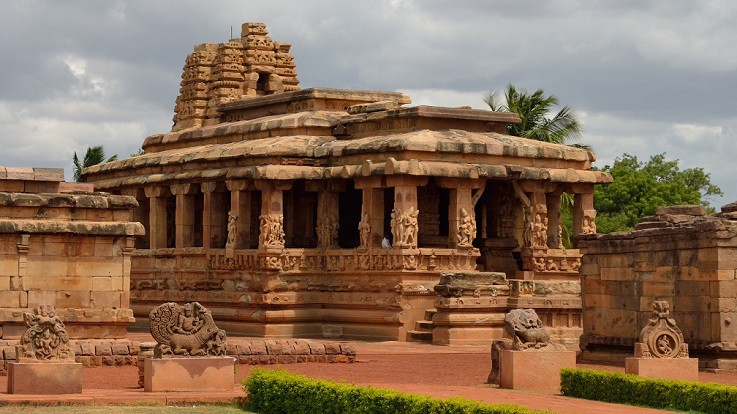
Durga Temple is the most recognizable structure in Aihole and a great starting point for first-time visitors. Its apsidal rear form and pillared corridor make it visually distinct. The exterior carvings and rhythm of columns help explain how Chalukya artists balanced sculpture with structural clarity.
Lad Khan Temple
Lad Khan Temple is often cited as one of the earliest experiments in the site. Its low profile and hall-based composition show how temple architecture was still searching for later canonical forms. Spend time here to understand the “experimental phase” narrative that defines Aihole.
Ravana Phadi Cave
This rock-cut space preserves early sculptural energy and religious iconography. The cave context adds contrast to structural temples nearby and helps visitors understand how carved and built traditions influenced each other.
Huchappayya and Other Shrines
Smaller shrines such as Huchappayya Matha are worth visiting because they reveal variation in tower treatment and wall articulation. Even when less famous, these monuments add essential detail to the larger architectural story.
How to Explore Aihole Efficiently
Do not rush temple-to-temple without context. A better method is thematic exploration:
Theme 1: Plan forms (square, rectangular, apsidal).
Theme 2: Pillar and facade treatment.
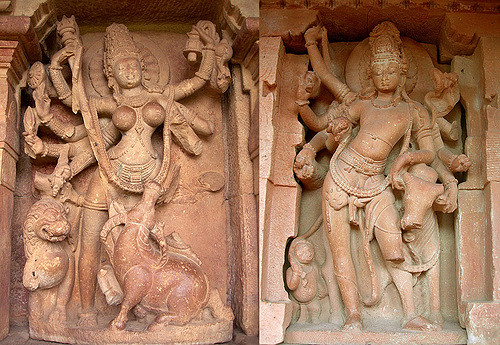
Theme 3: Iconography and narrative panels.
Theme 4: Structural vs. rock-cut design logic.
This framework turns a sightseeing visit into a meaningful heritage study, even for non-specialists. Hiring a local guide is strongly recommended if you want chronology and comparative insights.
Timings, Entry, and On-Ground Reality
Most visitors explore Aihole during daytime windows, and early morning is best for light and comfort. Carry water, sun protection, and footwear suited for uneven heritage surfaces. Facilities can be limited depending on season and crowd levels, so plan essentials before entering deeper clusters.
Ticket counters and monument zones may have different operational nuances. Keep a small time buffer for local logistics, especially if you are clubbing multiple sites in one day.
Aihole-Badami-Pattadakal Circuit
Aihole is best experienced as part of the classic heritage triangle. Pair it with Badami Caves and Pattadakal Temples to see architectural evolution in clear sequence: experimentation, refinement, and monumental maturity.
If time is limited, keep one full day for Aihole and Pattadakal together, then reserve Badami for a separate day. This avoids fatigue and gives enough space for interpretation rather than checklist tourism.
Best Season to Visit
October to February is the most comfortable season for long walking days. Summer afternoons can be harsh, so start early if you travel in hotter months. Monsoon brings greenery and mood but can affect ground movement in some stretches.
Photography enthusiasts should prioritize morning and late-afternoon sessions for softer contrast on stone surfaces. Midday light is workable for documentation but less ideal for dramatic compositions.
Where Aihole Fits in a Karnataka Itinerary
Aihole is perfect for travelers interested in architecture, history, and temple traditions beyond mainstream routes. Combine it with Hampi or central Karnataka zones for a deeper heritage journey. This guide to places to visit in Hampi, Karnataka can help extend your trip with another major historical landscape.
For temple-focused travelers, comparing Aihole with later traditions is insightful. You can continue with this resource on Hoysala temples in Karnataka to observe how design language shifts across centuries.
Common Mistakes Travelers Make
The biggest mistake is treating Aihole as “just one temple stop.” It is a distributed heritage field, so time management is critical. Another common issue is skipping guide support and missing the logic behind stylistic variations. Finally, many visitors underestimate walking distances between clusters and arrive unprepared for heat.
A practical fix is simple: start early, choose priority clusters, and follow a theme-based exploration method. This improves both learning and enjoyment.
Final Take
Aihole Temples deserve focused attention because they preserve the process of architectural invention, not just the final masterpiece. If you want to understand Chalukya design development in a real-world setting, this is one of India’s most important destinations. Plan with context, allocate enough time, and connect Aihole with nearby heritage sites for a complete and rewarding experience.
For first-time visitors to North Karnataka, Aihole often becomes the highlight precisely because it rewards slow, curious travel.
Suggested One-Day Route Plan
For travelers with one full day in the region, start at Aihole early, spend the first half on major temples, and use the second half for selected secondary clusters. Break for lunch, then continue either to Pattadakal or toward Badami depending on your night halt. This route works better than rushing all three major heritage sites in one daylight block. The goal is quality interpretation, not just monument counts.
Families and senior travelers should keep transition buffers between clusters. Distances may look short on maps, but walking in open sun and reading site details can be tiring. Carry light snacks, hydration, and a cap. If you are traveling in a private vehicle, coordinate pickup points in advance to avoid long return walks at the end of the day.
For Architecture Students: What to Observe Closely
Aihole is ideal for field notes. Track how plinth height changes across temples, compare pillar geometry, and map differences between wall articulation styles. Observe how circulation is handled around sanctum areas and whether circumambulatory paths are integrated or absent. These details explain why Aihole is described as an architectural workshop rather than a single-style monument zone.
Also compare narrative carving density across structures. Some temples prioritize sculptural storytelling, while others emphasize spatial form. Recording these differences helps build a practical understanding of design priorities in Early Chalukya construction.
Extend the Heritage Circuit
If you have additional days, expand your route with other Karnataka heritage zones instead of repeating the same monument type. The wider network of temple and settlement sites adds chronological depth to your trip. Travelers already covering Hampi can also browse this broader resource on temples of Hampi to align architectural comparisons across regions.
Location
Frequently Asked Questions
Q1.Why is Aihole called the cradle of temple architecture?
Q2.How many temples are there in Aihole?
Q3.What is the Durga Temple at Aihole famous for?
Q4.How far is Aihole from Badami?
Q5.What is special about Aihole compared to Pattadakal?
Q6.What are Aihole temple timings?
Q7.Who built the Aihole temples?
Q8.Can we visit Aihole, Badami, and Pattadakal together?
Recommended For You
Places to Visit in Karnataka: Coast, Hills & Heritage Cities
Explore the best places to visit in Karnataka with a complete guide to Hampi, Coorg, Mysore, beaches, wildlife parks, trekking routes, and practical travel planning.
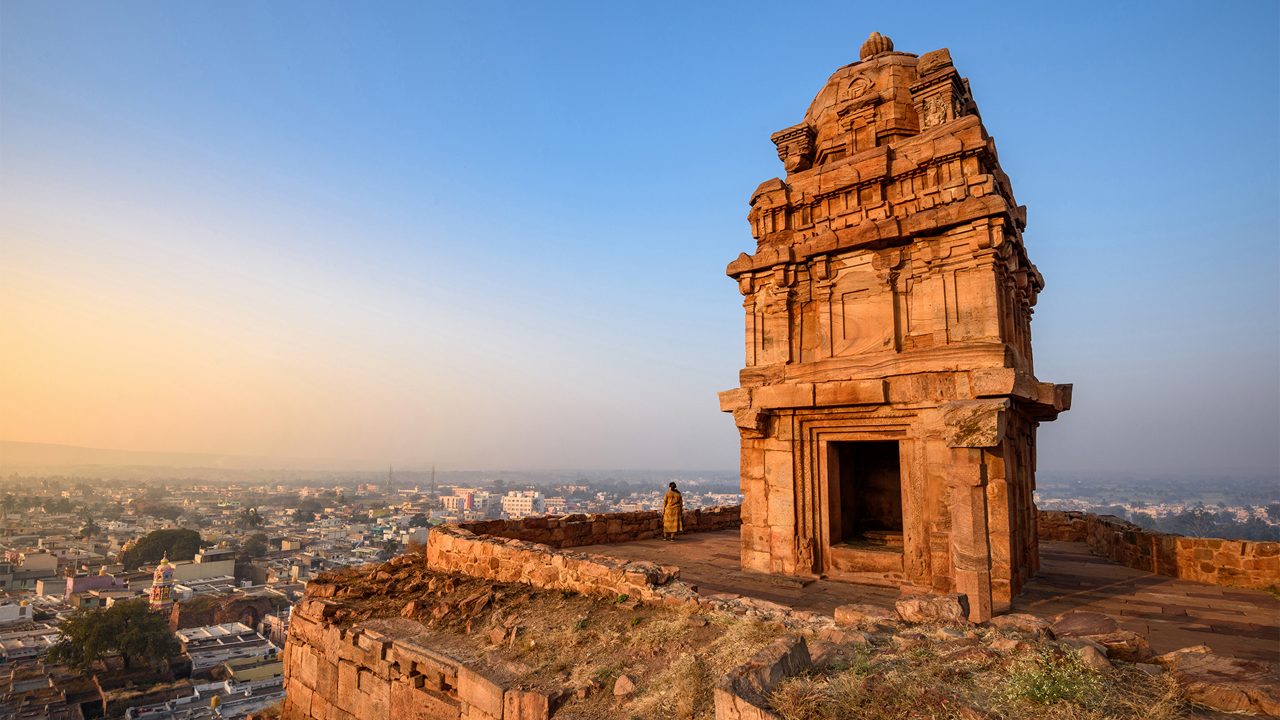
Badami Caves Karnataka: Rock-Cut Temples, Timings & Route
Explore Badami caves, magnificent rock-cut temples from 6th century. Discover Chalukya architecture, sculptures, timings & travel guide.
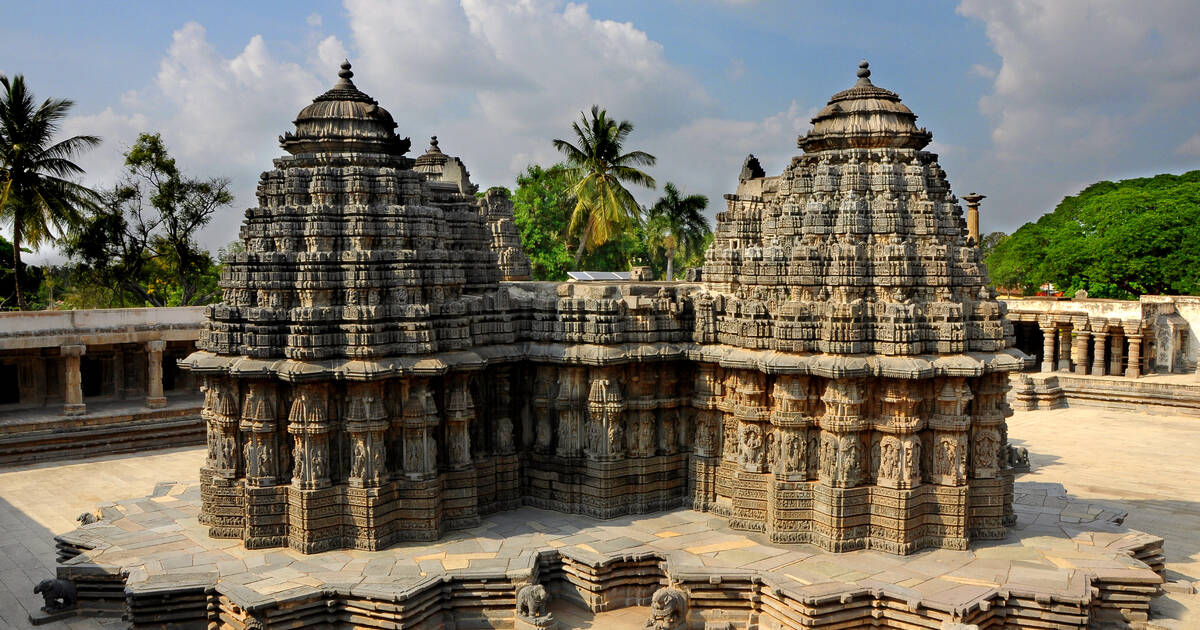
Hoysala Temples Karnataka: Belur-Halebidu Circuit, Timings & Route
Complete guide to Hoysala temples in Karnataka including Belur, Halebidu, and Somnathpura with temple circuit planning, history, and travel tips.
Never Miss an Adventure
Get the latest trekking guides, travel tips, and exclusive offers delivered straight to your inbox.
