
Best Street Food in Mumbai: Top 25 Must-Try Dishes & Locations

Ananya Sharma
December 18, 2025
Discover the best street food in Mumbai - from iconic vada pav and buttery pav bhaji to spicy misal pav and delicious chaat. Explore 25+ must-try dishes, famous food locations, hygiene tips, and price guides in this comprehensive Mumbai street food guide.
Mumbai is one of the few cities where food is both a daily routine and a public celebration. From station exits to beach promenades, vendors serve fresh snacks that match the city’s pace: quick, flavorful, and affordable. If you are planning your first food trail, start by understanding neighborhoods, peak timings, and dish types. Pair this guide with our Mumbai travel guide so you can combine food stops with city sightseeing without wasting time in traffic.
The best part of Mumbai street food is variety. You can begin with a light breakfast, move to spicy farsan at noon, eat chaat by the sea at sunset, and finish with late-night kebabs. Most dishes are under budget, and many stalls have generations of loyal customers. Before diving into stalls and signatures, shortlist the areas you want to explore from this list of places to visit in Mumbai, then build your food route around those spots.
How to Plan a Street Food Day in Mumbai
Plan by zone, not by random pin drops. South Mumbai works best for heritage walks plus snacks, while Western suburbs are ideal for beach-side chaat and café-to-cart hopping. Keep sessions short: 2-3 hours in one zone gives you enough room to taste multiple dishes without fatigue. Carry water, wet wipes, and cash. If you want cleaner service and stable quality, choose stalls with high turnover and visible prep counters. Freshly cooked hot food is usually a safer choice than pre-plated items.
Must-Try Street Foods in Mumbai
1. Vada Pav
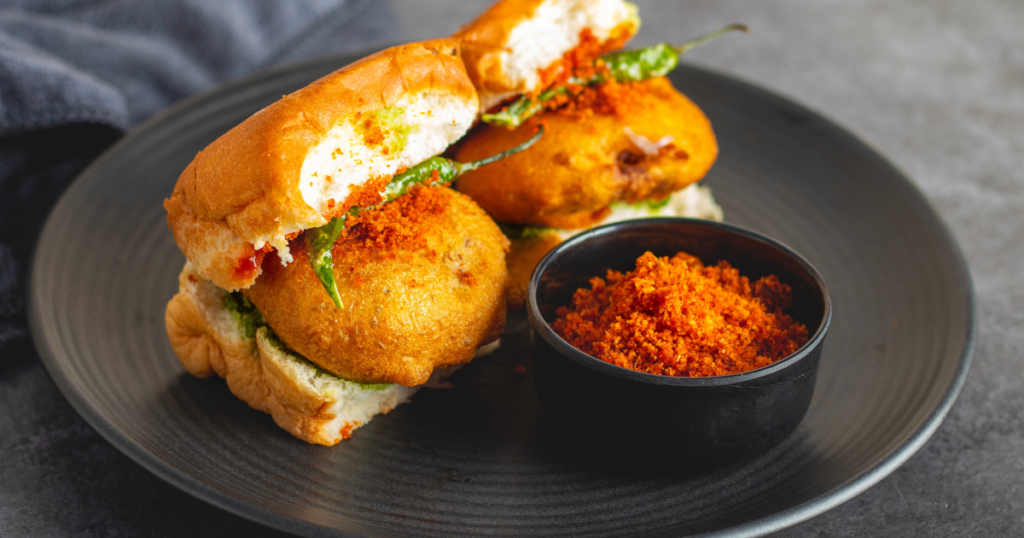
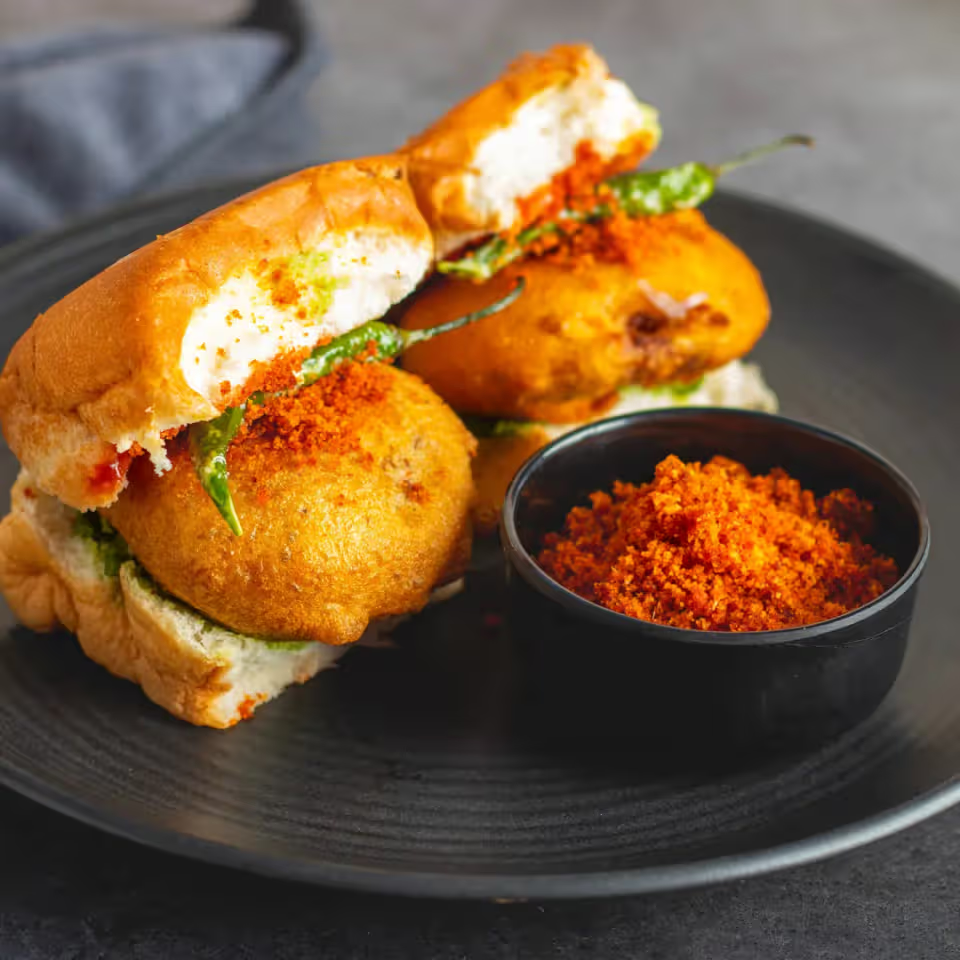
Vada pav is Mumbai’s identity snack: soft pav, hot potato fritter, dry garlic chutney, and fried green chili on the side. A good vada pav balances spice, crunch, and softness in one bite. Early evening is the best time because batches are fresh and turnover is fast. If you are exploring the city coast later, add this snack before heading toward Marine Drive so you can continue with chaat and desserts near the seafront.
2. Pav Bhaji
Pav bhaji is thick, buttery, and deeply satisfying after long walks. The bhaji should be smooth, masala-forward, and finished with lemon and chopped onions. Toasted pav must be crisp outside and soft inside. For many visitors, this is the easiest Mumbai street dish to start with because the spice can be controlled. Ask for medium masala if you are sensitive to heat.
3. Bhel Puri and Sev Puri
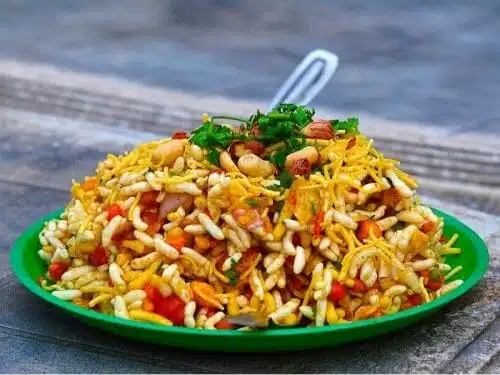
Bhel puri is all about texture: puffed rice, chutneys, onions, coriander, and crunchy sev mixed quickly and served immediately. Sev puri is richer and more layered, with chutney-heavy toppings over crisp puris. Try both at coastal food stretches in the evening when stalls are at peak rhythm. These are perfect between bigger dishes because they are light yet flavorful.
4. Pani Puri
Pani puri in Mumbai has multiple styles: spicy mint water, tangy tamarind water, and sometimes sweeter versions for balance. Eat on the spot; delay kills texture. Prefer vendors who assemble per serving and use covered water containers. If you are building a couple-friendly itinerary, combine pani puri breaks with sunset points from this Juhu Beach Mumbai guide for a relaxed evening plan.
5. Misal Pav
Misal pav is hearty and fiery, ideal for breakfast or late brunch. It is made with sprouted lentil curry, farsan, chopped onions, and lemon. Spice levels vary dramatically by stall, so ask before ordering. If you enjoy bold flavors and don’t mind heat, this becomes a repeat dish quickly. Pair it with buttermilk or plain curd to balance the masala intensity.
6. Kheema Pav and Baida Items
For non-vegetarians, kheema pav is a major highlight. Minced meat cooked with aromatics and masala, served with buttered pav, makes a filling meal. In older neighborhoods, you will also find baida roti and egg wraps that are excellent for evening hunger. These options are heavier than chaat, so keep dessert light after them.
Best Food Areas and What to Eat There
Girgaon Chowpatty: Chaat, pav bhaji, kulfi, and family-friendly stalls. Best after sunset.
Juhu belt: Chaat, sandwiches, gola, and fusion snacks. Great for long evening walks and casual tasting.
Mohammad Ali Road zone: Rich non-veg food, kebabs, and festive energy, especially around special seasons.
Dadar-Matunga side: Misal, Maharashtrian snacks, and excellent South Indian breakfast chains.
If you want a day that mixes landmarks and food, start with the Gateway of India, then move to Colaba and coastal stretches for snacks, and finish with a neighborhood famous for your preferred cuisine.
Vegetarian, Jain, and Family-Friendly Choices
Mumbai is convenient for vegetarian travelers. Besides classic vada pav and chaat, you will find sabudana vada, dosas, idli, medu vada, and veg frankies across busy roads and station markets. Jain-friendly modifications are common in many stalls and quick-service counters, especially in mixed residential areas. Families with kids should prefer places with seating nearby, bottled water access, and quicker service to avoid long wait times in crowded evening hours.
For broader meal planning beyond carts and stalls, shortlist alternatives from this curated list of restaurants in Mumbai. It helps when weather changes suddenly or when you want one comfortable sit-down meal between street-food rounds.
Street Food Budget Guide
Mumbai street food can be very affordable if you order smartly and split portions. Typical budget range:
Basic snacks (vada pav, bhel, tea): budget-friendly per item.
Mid-range plates (pav bhaji, rolls, dosa, misal): moderate cost per plate.
Heavier non-veg specials and premium dessert counters: relatively higher.
To stay efficient, try “one signature dish + one shared snack” per stop. This lets you taste more neighborhoods without overspending or feeling too full too early.
Hygiene and Safety Checklist
Choose vendors with steady queues and fresh turnover. Watch how water is stored and whether chutney containers are covered. Prefer hot cooked dishes over raw cut items during humid days. Avoid overloading on dairy-heavy dishes during peak heat if you are not used to local weather. Keep oral rehydration salts in your daypack during summer. These small habits let you enjoy more stops with fewer interruptions.
Another useful strategy is to begin your day with lighter options and increase spice gradually. Starting straight with very spicy misal or extra-hot chutneys may reduce appetite for the rest of the trail. Also, do not rush through portions. Street food is best enjoyed at a steady pace with short walking breaks between stalls.
Best Time to Explore Mumbai Street Food
Evenings are ideal for variety and atmosphere, especially in beach and promenade zones. Mornings are better for idli-dosa, misal, and tea-focused breakfast circuits in residential neighborhoods. Late nights offer iconic experiences in selected pockets, but transport planning becomes important. During monsoon, choose covered stalls or cleaner fixed counters and avoid water-prone pockets.
If your trip is short, schedule one weekday evening food crawl and one weekend breakfast trail. Weekdays give smoother movement in tourist-heavy zones, while weekends are better for local buzz and broader stall operations.
How to Build a Practical One-Day Food Trail
Start with breakfast in Dadar-Matunga (idli, misal, tea), move to South Mumbai for history walks and light snacks, continue to Chowpatty for sunset chaat, and close with a hearty dinner-style street dish in your preferred zone. Add buffer time for local trains, cabs, and weather changes. If shopping is part of your plan, integrate food breaks into your retail route using this guide on shopping in Mumbai so the day stays efficient.
This route works well for first-timers because it balances iconic dishes with neighborhood variety. You avoid repeating the same taste profile and still cover Mumbai’s core street-food personality in one full day.
Final Take
The best street food in Mumbai is not one dish or one lane. It is the city’s ability to serve distinct flavors across communities, budgets, and schedules. Start with icons like vada pav and pav bhaji, expand into misal, chaat, and kheema pav, then finish with local sweets or kulfi. Keep your route neighborhood-based, pace your portions, and prioritize freshness. Follow this approach and Mumbai’s street-food experience becomes memorable, practical, and repeat-worthy for every kind of traveler.
Location
Frequently Asked Questions
Q1.What is the most famous street food in Mumbai?
Q2.Where can I find the best vada pav in Mumbai?
Q3.What are the must-try street foods in Mumbai for first-time visitors?
Q4.Is Mumbai street food safe to eat?
Q5.What is the best time to explore Mumbai street food?
Q6.Where is the best pav bhaji in Mumbai?
Q7.What are the top street food locations in Mumbai?
Q8.How much does street food cost in Mumbai?
Q9.Where can I find the best misal pav in Mumbai?
Q10.What is famous at Chowpatty Beach?
Recommended For You
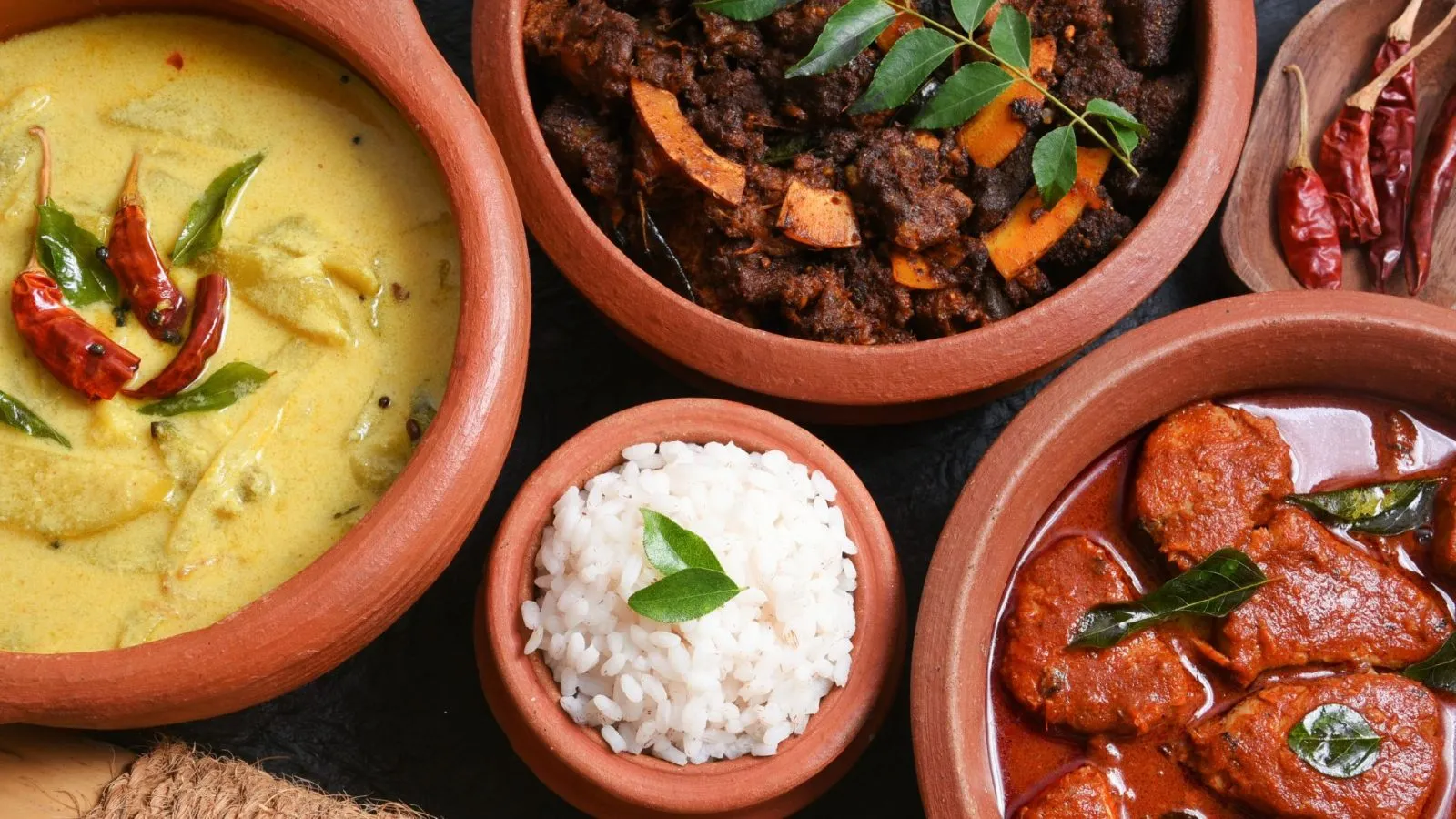
Famous Food in Kerala: 15 Must-Try Dishes
Discover the famous food of Kerala. From Appam & Stew to Karimeen Pollichathu and Sadhya. A culinary journey through God's Own Country with 15 must-try dishes.
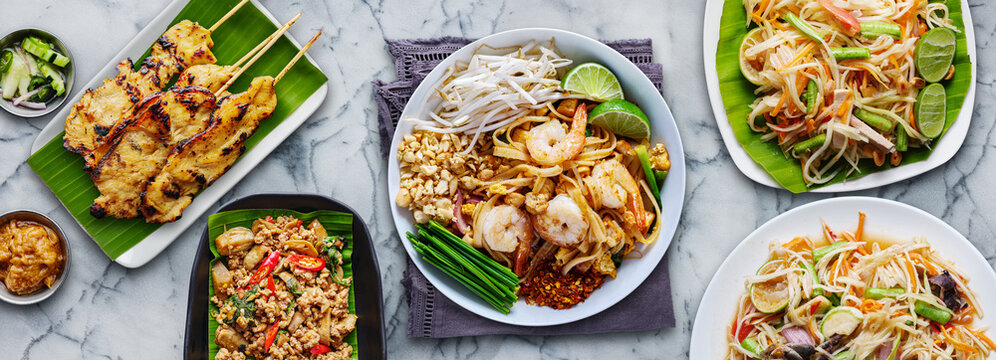
Best Food in Thailand: 20 Must-Try Dishes & Street Eats
Discover the best food in Thailand. From Pad Thai to Tom Yum Goong. A complete guide to Thai street food, curries, and local delicacies for every foodie.
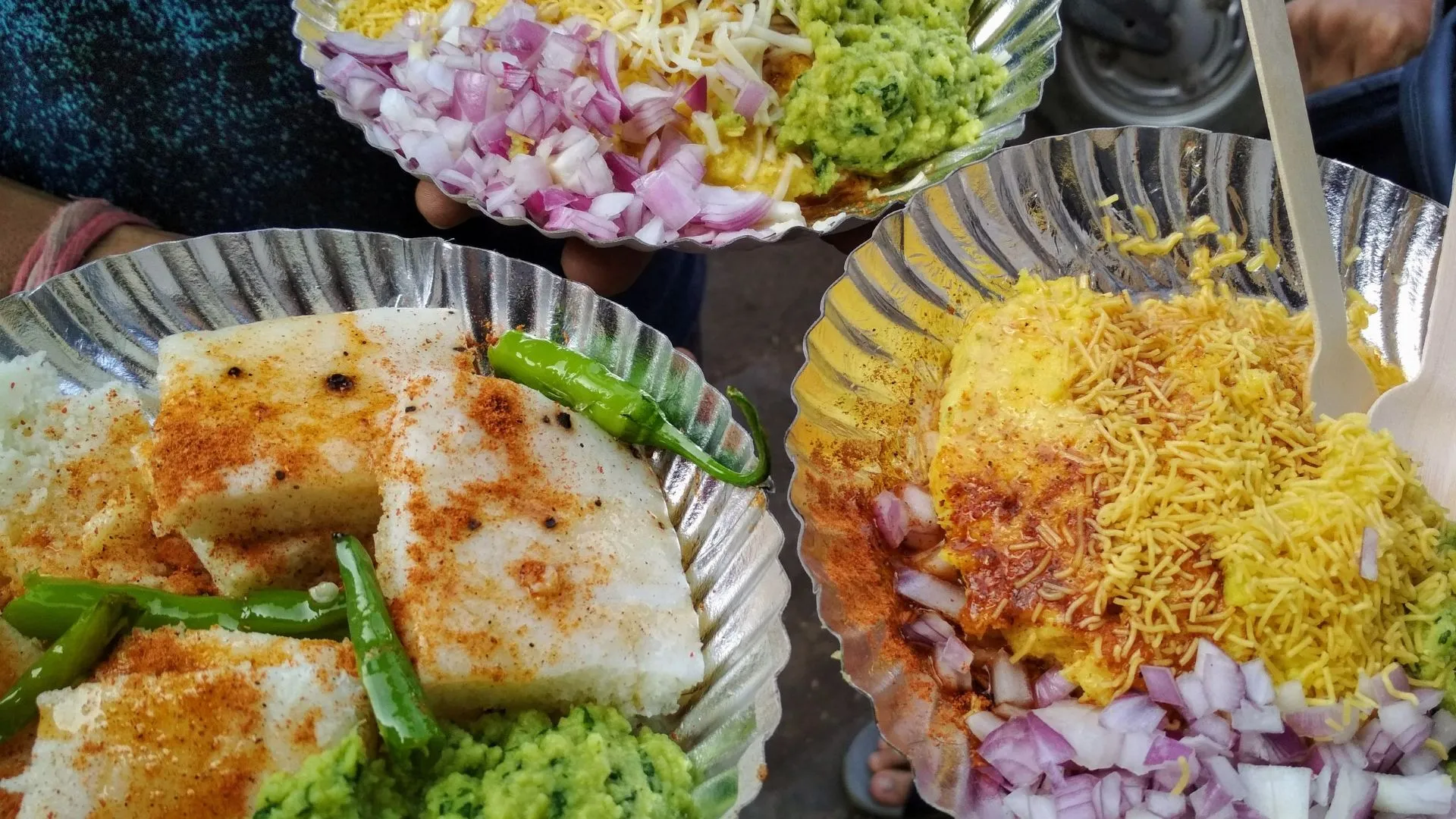
Street Food in Ahmedabad: Must-Try Dishes, Markets & Timings
Discover the best street food in Ahmedabad with must-try dishes, famous eating areas like Manek Chowk and Law Garden, ideal timings, and hygiene tips for travelers.
Never Miss an Adventure
Get the latest trekking guides, travel tips, and exclusive offers delivered straight to your inbox.
