
Surinsar Lake Kashmir: Guide, Boating & Myths

Ananya Sharma
January 25, 2026
Surinsar Lake in Kashmir guide! Boating, how to reach from Jammu, timings, myths & nearby attractions. Discover this sacred lake's legends.
Surinsar Lake Kashmir: Boating, Local Legends, and Easy Day-Trip Planning
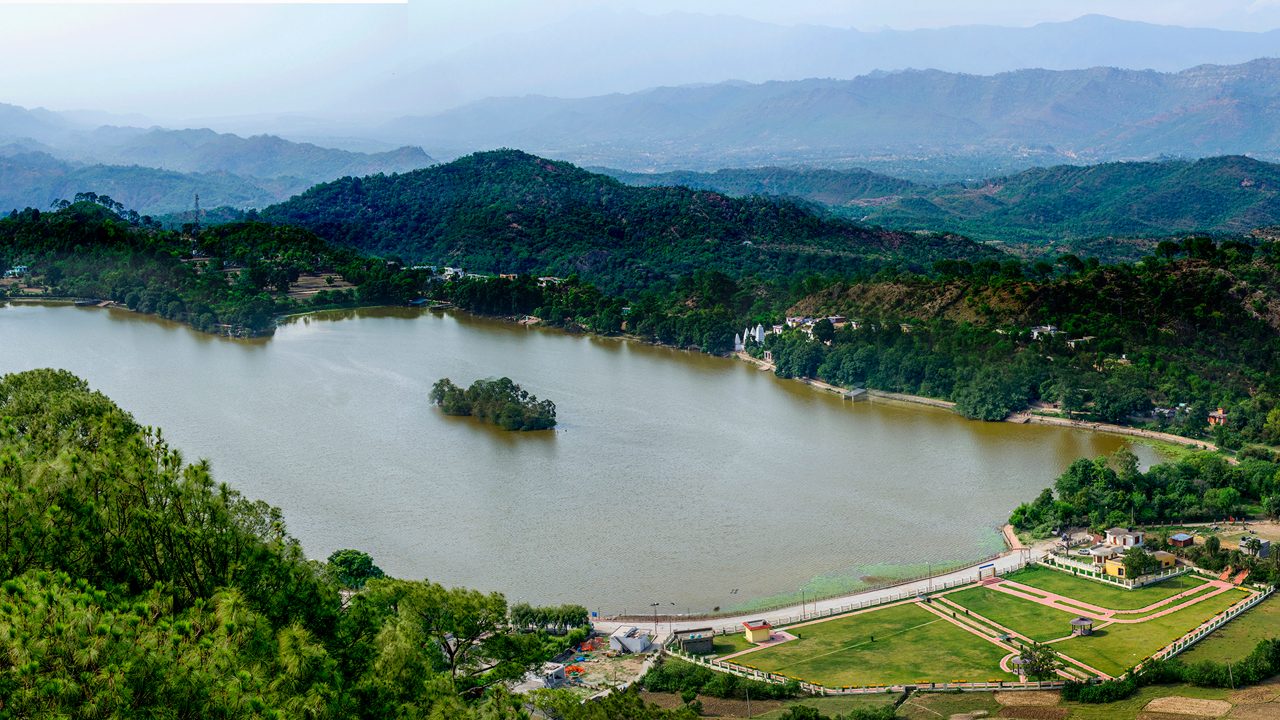
Surinsar Lake is a calm, scenic lake destination in the Jammu region that works well for travelers seeking a low-intensity nature outing with cultural context. It is often paired with nearby circuits and is especially useful for families or short stays that cannot include long mountain drives. The lake is associated with local myths and is valued for its serene setting rather than high-adventure activity. For better regional planning, combine this with Kashmir travel guide, seasonal route decisions from best time to visit Kashmir, nearby alternatives like Sanasar Lake, and highland contrasts such as Sinthan Top. This guide covers practical access, experience quality, and respectful lake travel.
Why Surinsar Lake Is Worth Visiting
The destination offers a peaceful atmosphere, manageable access, and flexible duration. You can visit for a short boating segment, a quiet lakeside walk, or a low-stress afternoon in nature. This makes it ideal as a recovery day between longer Kashmir transfer days.
Myth and Cultural Significance
Local storytelling links Surinsar to older mythological narratives, and this adds cultural depth beyond visual appeal. Whether you interpret these stories spiritually or symbolically, they shape how the lake is experienced by local communities. Respectful behavior around the lake matters because it is treated as more than a tourist photo point.
Boating and On-Site Experience
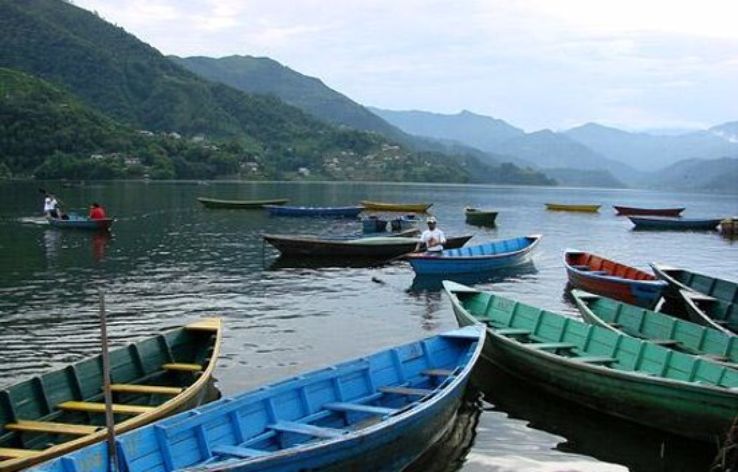
Boating is typically one of the primary visitor activities. Keep expectations simple: this is a relaxed water experience, not an adrenaline activity. The value is in pace and scenery. Families and couples generally find this format easy and enjoyable.
| Activity | Best Time | Tip |
|---|---|---|
| Boating | Morning or late afternoon | Avoid peak rush window |
| Lakeside walk | Cooler hours | Carry hydration and light layer |
| Photography | Golden hour | Use reflection angles |
How to Reach and Plan Timing
Surinsar is usually visited by road and can be covered as a half-day or full-day segment depending on your route. Keep transfer margins realistic and avoid late-day aggressive add-ons. If your day includes other destinations, prioritize one major and one minor stop only.
- Start with a fixed return target time.
- Carry light snacks and weather-ready essentials.
- Use local updates for road/traffic variations.
- Pre-plan transport for smoother exit.
Best Time to Visit Surinsar Lake
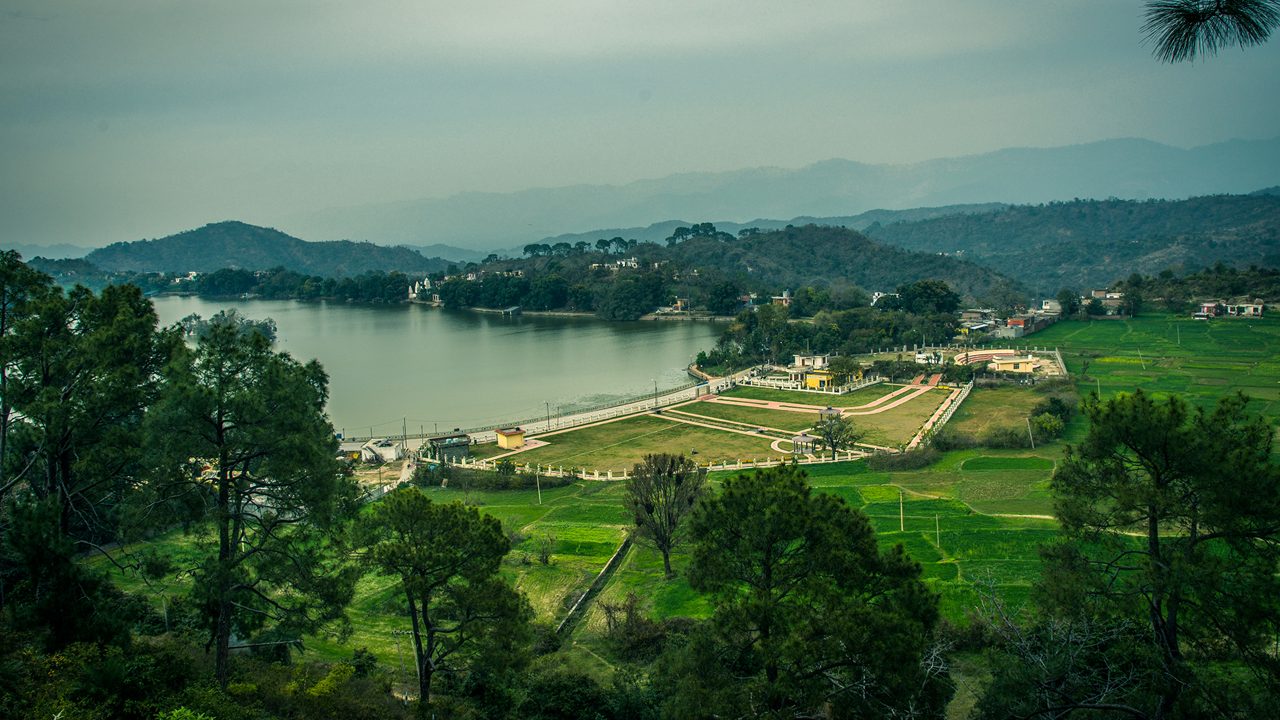
Most travelers prefer clear-weather months for comfort and lake visibility. Shoulder seasons can also be pleasant with lower crowd density. During unstable weather windows, maintain flexible timing and avoid forcing long outdoor exposure.
How to Pair with Nearby Routes
Surinsar pairs well with light regional circuits. You can combine it with Sanasar Lake for a lake-focused day or integrate it as a calm segment between longer Kashmir travel blocks from route planning guides. For mountain contrast, use a separate day for Sinthan Top.
Common Mistakes to Avoid
- Treating the lake as a rushed photo stop.
- Overloading the same day with distant attractions.
- Skipping transport planning for evening return.
- Ignoring weather comfort needs.
- Disrespecting local cultural sensitivities.
Final Takeaway
Surinsar Lake is best enjoyed slowly, with simple planning and respectful behavior. If you keep your itinerary realistic and focus on one quality lake segment, the experience is consistently peaceful and rewarding.
Use it as a calm nature anchor in your Jammu-Kashmir route.
A relaxed schedule improves both comfort and photo quality.
Slow travel works especially well at lake destinations like Surinsar.
Half-Day Lake Planning Framework
Surinsar is ideal for half-day planning when you want low-stress travel. Use one simple structure: arrival, boating/walk, rest break, and return. Avoid adding too many distant stops afterward. Lake destinations are best when you preserve calm pace and reduce transition stress.
Family Comfort and Elder-Friendly Tips
For family groups, keep shaded breaks and hydration pauses built into your timeline. Seniors usually enjoy Surinsar when movement is gentle and unhurried. Keep footwear stable near water-edge zones and avoid slippery steps after rain.
- Arrive before crowd-heavy windows if possible.
- Use one fixed meetup point for larger groups.
- Carry light snacks and basic medicines.
- Pre-plan return transport for smoother exit.
Final Planning Principle
Surinsar Lake delivers best value when treated as a calm nature segment, not a fast checklist stop. Keep your plan simple and your timing flexible for a consistently better experience.
Extended Planning Playbook
Strong travel outcomes usually come from preparation habits, not from adding more destinations. Use a layered plan before departure: define one primary objective, one secondary objective, and one fallback option. The primary objective is what makes the day worthwhile even if weather or delays affect everything else. The secondary objective is optional and should be dropped quickly if timing slips. The fallback option should be low-risk and close to your route so you can still have a meaningful day without forcing difficult movement. This structure reduces stress and protects experience quality.
Next, map your day in realistic blocks rather than exact minute-by-minute promises. A practical approach is to assign 90-120 minute activity blocks with 20-30 minute transition buffers. Most travelers skip buffers and then rush decisions late in the day. Buffer time is not wasted time; it is decision margin. It allows for weather delays, traffic shifts, short rest stops, or queue variation without breaking the entire plan. Trips feel smoother when flexibility is built in from the start.
On-Ground Execution Rules
Once on site, run a simple three-step check before every major movement: current weather, group energy, and daylight margin. If any of these are weak, reduce scope immediately. This is the most effective way to prevent avoidable risk. Travelers often keep original plans even when conditions change, and that creates rushed exits and lower-quality experiences. Smart travel means adapting early, not reacting late.
- Hydrate at regular intervals instead of waiting for fatigue signs.
- Keep food simple and energy-stable to avoid long unplanned breaks.
- Maintain one clear group communication rule for movement timing.
- Protect return schedules, especially in low-support or mountain routes.
- Use conservative decision-making when weather uncertainty appears.
Budget and Comfort Controls
Good itineraries also control hidden costs. Carry essential basics so you are not forced into overpriced last-minute purchases. Keep a small contingency budget for transport changes and safety-driven rerouting. Comfort planning matters too: appropriate footwear, light weather layers, and power backup improve decision quality throughout the day. Small discomforts become major problems when combined with long transit and shifting weather.
Content and Photography Balance
If you are capturing photos or video, separate documentation from exploration. Spend the first pass understanding the place, and the second pass creating content. This prevents rushed, repetitive shots and reduces unsafe positioning choices. The best travel content usually comes from patient observation rather than constant motion. When the environment is dynamic, a stable viewpoint often gives better results than frequent location switching.
Post-Visit Reset
End each day with a short reset: hydrate, review what worked, and simplify the next day’s plan based on real conditions. This keeps multi-day itineraries sustainable. Travelers who do quick daily resets make better choices and avoid cumulative fatigue. The goal is not maximum checklist completion, it is high-quality, safe, and memorable travel across the full trip.
For the best experience, keep your lake visit unhurried and allow time for quiet observation after boating.
Keep the final hour flexible for a smoother return.
A flexible finish keeps lake visits peaceful and efficient.
Location
Frequently Asked Questions
Q1.Where is Surinsar Lake located?
Q2.How far is Surinsar Lake from Jammu?
Q3.What is Surinsar Lake famous for?
Q4.Is boating available at Surinsar Lake?
Q5.What is the best time to visit Surinsar Lake?
Q6.What is the mythological significance of Surinsar Lake?
Q7.How do I reach Surinsar Lake from Jammu?
Q8.Are there accommodations near Surinsar Lake?
Recommended For You
Beautiful Lakes in Ladakh: Best Routes, Guide and Tips
Explore beautiful lakes in Ladakh with route logic, altitude-aware planning, and practical safety tips for a smoother high-altitude trip.
Sinthan Top Kashmir: Complete Guide, Route & Best Time 2026
Complete Sinthan Top Kashmir guide featuring route from Srinagar/Pahalgam, best time to visit, trekking options, weather, and travel tips for 2026.
Kashmir: Complete Travel Plan Places And Weather
Complete Kashmir travel guide! Discover best time to visit, places to visit, itineraries, things to do, budget planning & tips for your Kashmir valley trip.
Never Miss an Adventure
Get the latest trekking guides, travel tips, and exclusive offers delivered straight to your inbox.
