
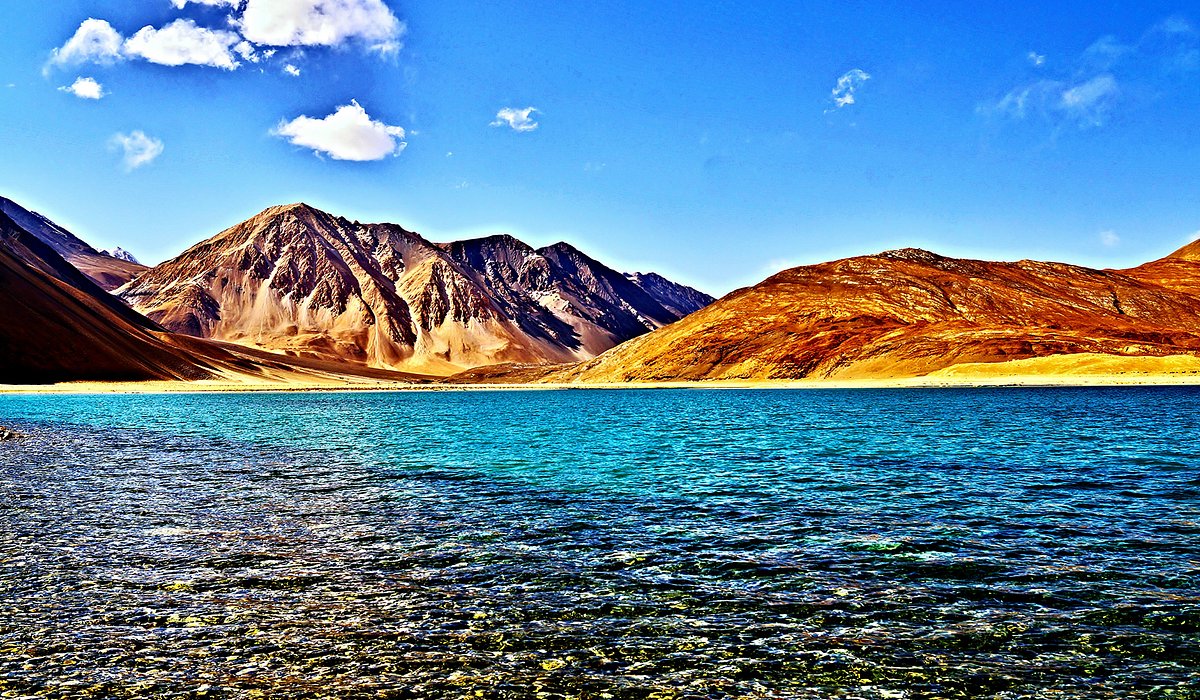
Beautiful Lakes in Ladakh: Best Routes, Guide and Tips

Neha Kapoor
February 18, 2026
Explore beautiful lakes in Ladakh with route logic, altitude-aware planning, and practical safety tips for a smoother high-altitude trip.
Introduction
Ladakh is known for its dramatic high-altitude lakes that combine unique landscapes with long-distance route planning. A good lake circuit depends on acclimatization, weather readiness, and realistic daily movement across remote terrain.
You can combine this with guide to pangong lake ladakh, tso kar lake ladakh, and leh to tso moriri bike trip for a better route.
Major Lakes and What Makes Them Special
Each lake zone offers different visual character, altitude profile, and access complexity. Travelers should choose based on available days, acclimatization status, and driving tolerance rather than checklist pressure.
Best Season and Altitude Planning
Season affects road access, wind comfort, and photography conditions. Even in favorable windows, altitude stress and weather changes can affect pace, so buffer days are essential.
| Factor | What to Expect | Tip |
|---|---|---|
| Timing | Changes by season and crowd | Start early |
| Budget | Range varies by preference | Compare options |
| Comfort | Improves with planning | Keep buffers |
How to Build a Lake Circuit in Ladakh
Cluster your route logically and avoid repeated backtracking. A slower plan with fewer lake targets often gives better safety and a richer experience than aggressive high-distance scheduling.
Safety and Practical Advice
- Confirm current access and timings.
- Carry essentials and hydration.
- Avoid overpacked day itineraries.
- Respect local guidelines and culture.
Helpful add-on: best time to visit ladakh.
How to Choose Lakes by Itinerary Type
Not every Ladakh itinerary should include every famous lake. Your route should depend on acclimatization, available days, and transport style. First-time travelers often do better with one major lake and one secondary lake rather than aggressive multi-lake loops. This reduces altitude strain and allows better landscape observation.
If you are short on days, prioritize one iconic route with strong weather chances and safer logistics. If you have more time, add secondary lake zones with built-in rest days. High-altitude planning should always favor stability over ambition.
Altitude Management and Health Signals
Lakes in Ladakh are visually stunning but physically demanding because of altitude exposure and long drives. Hydration, slow ascent, and proper rest windows are essential. Ignore the pressure to copy social-media itineraries that compress too much distance in too little time.
- Sleep adequately before major lake transfer days.
- Avoid heavy meals immediately before high-pass drives.
- Track fatigue, headache, and dizziness early.
- Use acclimatized pacing, not speed-based travel.
Safety-first movement improves both comfort and photography outcomes.
Camping, Weather, and Night Planning
Lake-side nights can be windy and cold even in otherwise pleasant seasons. Confirm stay facilities, backup heating, and water availability before arrival. For travelers trying camping experiences, keep expectations realistic: weather shifts can alter comfort quickly and require schedule adjustments.
If conditions worsen, choose safer lodging over rigid campsite plans. In Ladakh, flexible execution is a strength, not a compromise.
Photography Strategy for Lake Routes
The best lake photos come from timing and composition discipline, not nonstop shooting. Capture one broad establishing frame, one shoreline texture frame, one route-context frame, and one human-scale frame for depth. This gives a complete visual story while keeping travel pace manageable.
For better route support, combine this guide with Pangong Lake planning and best time to visit Ladakh before fixing your day-by-day circuit.
Route Sequencing Across Major Lake Zones
A successful Ladakh lake circuit is built around sequence, not popularity. Select one main high-altitude lake, then add one complementary lake only if acclimatization and weather are stable. Backtracking across long distances reduces both safety and enjoyment. Plan one loop with minimal reversals.
Use morning transfer starts and preserve afternoon buffers for weather and road variability.
Permit and Documentation Discipline
Some lake corridors require specific travel documentation. Keep physical and digital copies of permits and IDs, and verify requirements before each transfer day. Do not depend on old screenshots because zone rules can change seasonally. Documentation discipline avoids last-minute blocks in remote regions.
High-Altitude Comfort Framework
- Hydrate consistently throughout transit days.
- Keep meal timing regular and moderate.
- Avoid speed-based itineraries in initial days.
- Prioritize sleep quality before major lake drives.
- Monitor body signals and adjust plan early.
Comfort and safety at altitude are system outcomes, not one-time decisions.
Photography and Light Management at Lakes
High-altitude light can shift quickly. Capture broad landscapes first, then selective detail frames. Wind and cloud patterns can dramatically alter lake color and reflection quality. Avoid chasing every viewpoint; choose fewer strong compositions with better timing.
Lake circuits in Ladakh are most rewarding when you protect energy and let the landscape pace the itinerary.
Distance Fatigue and Energy Management
Ladakh lake circuits can look manageable on maps but still feel physically demanding due to altitude, road conditions, and wind exposure. Protect energy by spacing long transfer days with lighter observation days. If you feel pressure to cover more lakes, choose one additional scenic stop instead of forcing another full-distance detour.
Energy consistency matters more than distance totals in high-altitude travel.
Fallback Planning for Weather or Road Changes
Always keep one fallback plan in case roads, permits, or weather shift unexpectedly. This can be a shorter viewpoint day, a local acclimatized walk, or a rest-and-recover block near your current stay. Travelers who maintain fallback options generally complete safer and more satisfying Ladakh itineraries than those with rigid schedules.
Adaptive planning is a sign of experienced mountain travel, not a compromise.
Final Lake-Circuit Execution Tip
At the end of each day, review next-day altitude gain, road duration, and fuel/food availability before sleeping. This nightly reset prevents rushed mornings and improves safety consistency across multi-lake routes. Travelers who maintain this discipline generally have smoother, more enjoyable Ladakh experiences.
Micro Strategy for High-Altitude Days
Use one major movement block, one observation block, and one recovery block every day. This simple structure stabilizes energy and keeps lake routes sustainable over multiple days.
When conditions change, protect sleep and hydration first, then adjust route complexity second.
Final Execution Checklist for Lake Days
Review altitude profile, weather outlook, fuel range, permit status, and overnight stop distance every evening. Keep one optional segment removable without damaging the day objective. This checklist is simple but highly effective for reducing risk and preserving energy in Ladakh lake circuits.
When in doubt, cut distance and keep recovery time. Safer pacing always creates better long-term trip quality.
Conclusion
Carry essentials, respect altitude signals, and confirm route updates before departure. Lake travel in Ladakh is best when planned with risk awareness and conservative pacing.
Location
Frequently Asked Questions
Q1.What is the best way to visit lakes in Ladakh?
Q2.Is altitude planning necessary?
Q3.Can I cover many lakes quickly?
Q4.When should I plan a Ladakh lake trip?
Q5.Do weather changes affect plans?
Q6.What should I carry?
Q7.Is this suitable for first-time Ladakh visitors?
Q8.What improves trip quality most?
Recommended For You
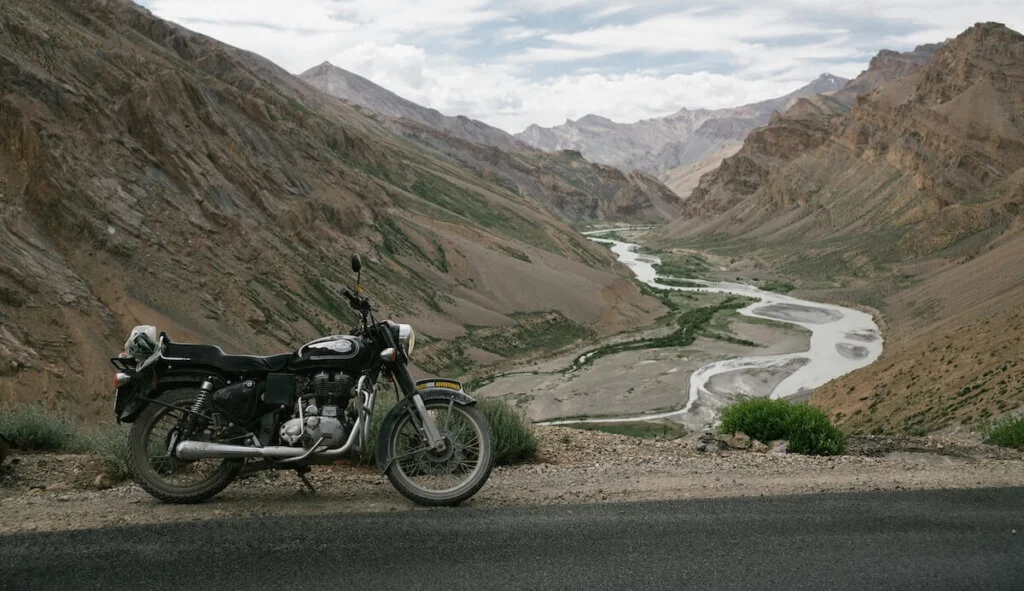
Leh Ladakh Bike Trip: Complete Route And Itinerary Plan
Plan Leh Ladakh bike trip with route choices, itinerary, cost, permits, acclimatization tips, and practical riding prep for a safer high-altitude ride.
Spiti vs Ladakh: Which is Better?
Comprehensive comparison between Spiti and Ladakh road trips covering difficulty, cost, best time to visit, scenery, and which destination to choose.
Best Time to Visit Ladakh: Season, Road Openings & Temperature
Find the best time to visit Ladakh with season-wise weather, road opening windows, monthly travel insights, and practical tips for road trips, trekking, and Chadar plans.
Never Miss an Adventure
Get the latest trekking guides, travel tips, and exclusive offers delivered straight to your inbox.
