
Suwat Waterfall Bali: Complete Guide to This Hidden Gem

Priya Mehta
February 12, 2026
Suwat Waterfall Bali: Complete guide to tickets, best time to visit, swimming tips & how to reach this hidden gem with natural pool and cascading falls.
Introduction: Bali's Hidden Paradise
Suwat Waterfall, locally known as Air Terjun Suwat, is one of Bali's best-kept secrets and a refreshing escape from the island's tourist crowds. Located in Gianyar Regency, this stunning waterfall cascades into a crystal-clear natural pool perfect for swimming, making it a favorite among locals and adventurous travelers who discover its beauty. Unlike the more popular and crowded waterfalls like Tegenungan or Sekumpul, Suwat remains relatively untouched, offering visitors an authentic and tranquil Bali nature experience.
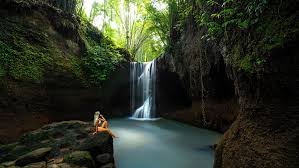
What makes Suwat Waterfall truly special is its accessibility combined with its pristine natural beauty. The waterfall drops approximately 15 meters into a shallow pool surrounded by lush tropical vegetation, creating a serene oasis that feels worlds away from Bali's busy tourist areas. Whether you're looking to swim in natural pools, photograph cascading water against jungle backdrops, or simply relax in nature's embrace, Suwat Waterfall delivers an unforgettable experience that showcases Bali's incredible natural diversity.
About Suwat Waterfall
Suwat Waterfall is a natural wonder that embodies the untouched beauty of Bali's interior.
Location and Geography
Suwat Waterfall is located in the village of Suwat, Gianyar Regency, central Bali. The waterfall is part of the Pakerisan River watershed, which flows through some of Bali's most culturally and spiritually significant areas. The region is known for its ancient rice terraces, traditional villages, and important Hindu temples, making a visit to Suwat Waterfall an opportunity to experience both natural and cultural Bali.
The waterfall itself drops approximately 15 meters into a serene pool. The water originates from natural springs in the mountains above, ensuring a continuous flow of cool, fresh water year-round. The surrounding area is characterized by dense tropical vegetation including bamboo groves, ferns, and various flowering plants that thrive in the humid environment.
The Name and Local Significance
"Suwat" comes from the name of the village where the waterfall is located. The waterfall is considered sacred by local Balinese Hindus, as are many natural water features on the island. Water plays a crucial role in Balinese Hinduism, used for purification rituals and ceremonies. While less famous than water temples like Tirta Empul, Suwat Waterfall retains spiritual significance for the local community.
Local villagers have long known about the waterfall, using it for recreation and spiritual purposes. It's only in recent years that tourists have begun discovering Suwat, though it remains far less visited than other waterfalls, preserving its authentic and tranquil atmosphere.
Entrance Fee and Timings
Entrance Fees
Adults: IDR 15,000-20,000 (approximately US$1-1.50)
Children: IDR 10,000 (approximately US$0.70)
Parking: IDR 2,000-5,000 for motorbikes, IDR 5,000-10,000 for cars
Entrance fees are paid at a small ticket booth at the main entrance. The fee helps maintain the area and supports the local community. Prices may increase during peak tourist seasons, and additional fees might be charged for photography or videography equipment.
Opening Hours
Daily: 8:00 AM - 6:00 PM
Last Entry: Recommended before 5:00 PM to allow time to enjoy the waterfall
The waterfall is open every day of the year, including Nyepi (Balinese Day of Silence) when other attractions close - though on Nyepi, only locals would be visiting. The best time to arrive is early morning (8-10 AM) when the area is quietest and the light is best for photography. Weekends tend to be busier with local visitors.
How to Reach Suwat Waterfall
From Popular Tourist Areas
From Ubud: Approximately 30-40 minutes drive (15-20 km). Head south on Jalan Raya Ubud, then east towards Gianyar. Follow signs to Suwat Village. You might also want to explore the Ubud Art Market during your visit.
From Seminyak/Kuta: Approximately 1 hour 15 minutes drive (35-40 km). Take the main road east towards Sanur, then continue to Gianyar, and follow signs to Suwat Village.
From Sanur: Approximately 50 minutes drive (25-30 km). Head inland towards Gianyar, then follow directions to Suwat Village.
From Canggu: Approximately 1 hour 20 minutes drive (40-45 km). Take the route towards Ubud, then continue south-east to Gianyar and Suwat Village.
Transportation Options
Scooter Rental: The most popular and flexible option. Scooters can be rented for IDR 60,000-100,000 per day. The roads to Suwat are in good condition, though the final stretch can be narrow. International driving license required.
Private Driver/Car: Hire a driver for the day for IDR 600,000-1,000,000. This is the most comfortable option, especially for families or groups. Most drivers know the way to Suwat Waterfall.
Grab/Gojek: Ride-hailing apps can take you to the main road junction near Suwat Village, but you may need to walk or take an ojek (motorcycle taxi) for the final stretch. Costs IDR 50,000-150,000 depending on starting location.
Organized Tour: Some tour operators include Suwat Waterfall in waterfall tour packages, usually combined with other waterfalls in the area. Full-day tours cost IDR 350,000-700,000 per person including transport and guide.
The Journey and Final Approach
The road to Suwat Waterfall is scenic, passing through rice terraces, traditional villages, and lush countryside. The final stretch is a narrow road leading to the parking area. From the parking area, it's a short and easy walk of approximately 5-10 minutes to reach the waterfall. The path is well-maintained with stone steps and passes through small bamboo bridges and dense vegetation, building anticipation as you hear the sound of falling water.
What to Expect at Suwat Waterfall
The Waterfall
Suwat Waterfall drops approximately 15 meters into a serene pool below. The waterfall is most impressive during the rainy season (November-March) when water flow is at its peak, creating a dramatic cascade. During the dry season (April-October), the flow is gentler, creating a more tranquil and peaceful scene.
The waterfall features two main sections. The main cascade drops into the primary swimming pool, while a smaller secondary waterfall flows adjacent to it. During wetter periods, the water spreads across the cliff face, creating a curtain-like effect. The water temperature is cool and refreshing, typically around 20-22°C, providing welcome relief from Bali's tropical heat.
Natural Pool and Swimming
The natural pool at the base of Suwat Waterfall is one of its main attractions. The pool is relatively shallow, ranging from approximately 1-2 meters in depth, making it suitable for confident swimmers. The water is crystal-clear when flow is lower, allowing you to see the rocky bottom.
Swimming Tips:
- The rocks can be slippery - wear water shoes or be extremely careful when entering
- There are no lifeguards - swim at your own risk and assess conditions before entering
- The deepest area is directly under the waterfall - be cautious of falling water pressure
- Best swimming conditions are during the dry season when water flow is gentler and clearer
- Avoid swimming during heavy rain when water flow and current can be dangerous
Surrounding Area
The area around Suwat Waterfall is lush and tropical, with dense vegetation creating a canopy overhead. Bamboo groves, ferns, moss, and tropical plants thrive in the humid environment. The combination of green vegetation, gray/black volcanic rock, and white water creates a stunning visual contrast.
Natural light filters through the canopy, creating dappled sunlight on the water's surface. Early morning light creates the most beautiful conditions, with sunbeams cutting through the mist from the falling water. The sound of falling water creates a peaceful ambiance that makes it easy to forget you're in one of the world's most popular tourist destinations.
Best Time to Visit Suwat Waterfall
Seasonal Considerations
Rainy Season (November-March): The waterfall is at its most dramatic with strong water flow. However, access paths can be muddy and slippery, and water levels in the pool can be too high for safe swimming. The surrounding vegetation is at its lushest. Morning visits are recommended as afternoon rains are common.
Dry Season (April-October): The best time to visit. Water flow is gentler but still impressive, and the pool is perfect for swimming. Paths are dry and safe. The dry season offers the best conditions for photography, swimming, and general exploration. July and August are peak months with the best weather but also more visitors.
Time of Day
Early Morning (8-10 AM): The best time to visit. The area is quietest, the light is soft and beautiful, and the water is at its clearest. You'll likely have the waterfall to yourself, especially on weekdays.
Late Morning (10 AM-12 PM): Still relatively quiet with good lighting. Some tour groups may start arriving.
Afternoon (12-4 PM): The busiest time with the most visitors. Light can be harsh for photography. The heat and humidity are at their peak.
Late Afternoon (4-6 PM): Crowds thin out and the light becomes softer and warmer, creating beautiful conditions for photography. However, you'll have less time before closing.
Day of Week
Weekdays (Monday-Friday): Significantly quieter, especially Tuesday-Thursday. You may have the waterfall to yourself, particularly in the morning.
Weekends: Busier with local Balinese visitors enjoying their weekend. Sundays are the busiest. However, even on weekends, Suwat is far less crowded than popular waterfalls like Tegenungan.
What to Bring
Essential Items
- Swimwear: If you plan to swim, wear your swimwear underneath your clothes or change on-site (there are basic changing facilities)
- Towel: Quick-dry microfiber towels are ideal
- Water Shoes: Highly recommended - the rocks are slippery and the pool bottom can be rough on bare feet
- Waterproof Bag/Dry Bag: Protect your electronics and valuables from water and humidity
- Cash: Small bills for entrance fees, parking, and local snacks
- Insect Repellent: Mosquitoes can be present in the lush vegetation
- Sunscreen: Even though it's shaded, UV can still reach you
Recommended Items
- Waterproof Camera/GoPro: Perfect for underwater shots and protecting your camera from water spray
- Snorkel Mask: The clear water makes for interesting underwater viewing of the pool bottom
- Change of Clothes: Dry clothes for after swimming
- Water and Snacks: While there are some local warungs (small shops), options are limited
- Plastic Bag: For wet swimsuit/towel
What to Wear
For Men: Swim shorts and t-shirt. Remove shirt before swimming.
For Women: Swimwear with a sarong or cover-up. Bikinis are acceptable for swimming, but bring a cover-up for walking to and from the waterfall. More conservative swimwear is respectful of local culture.
Footwear: Water shoes or sandals with good grip for walking on wet, slippery rocks. Flip-flops are not recommended for the waterfall area but fine for the walk in.
Photography Tips
Best Shots and Angles
Wide Shot: From the main viewing area, capture the entire waterfall and pool in one frame. This classic shot shows the waterfall in its jungle setting.
Detail Shot: Focus on the falling water itself, using a slower shutter speed to create the silky water effect. A tripod or stable surface is essential for this technique.
Underwater Shot: Use a GoPro or waterproof camera to capture the pool from below, showing the waterfall from a unique perspective.
Silhouette Shot: Position someone in front of the waterfall and expose for the bright water to create a dramatic silhouette.
Jungle Frame: Use the surrounding vegetation to frame the waterfall, creating depth and showing the waterfall in its lush context.
Camera Settings
Shutter Speed: Use a slow shutter speed (1/4 to 1/15 second) to create the silky water effect. For sharp water, use faster speeds (1/125+).
Aperture: f/8-f/16 ensures sharpness from foreground to background in most shots.
ISO: Keep as low as possible (100-400) to maintain image quality. In the shaded waterfall environment, you may need to compromise between ISO and shutter speed.
Polarizing Filter: Highly recommended to reduce glare on wet rocks and water, and to deepen the green colors of the vegetation.
Timing for Best Light
Early morning (8-10 AM) provides the most beautiful, soft light. Sunbeams filtering through the canopy create magical atmospheric conditions. Late afternoon (4-6 PM) offers warm, golden light but you'll have less time to shoot. Avoid midday when the light is harsh and contrasty.
Nearby Attractions
Combine your visit to Suwat Waterfall with these nearby attractions for a full day of exploration:
Within 15-20 Minutes
Tegenungan Waterfall: Bali's most famous and accessible waterfall. Much more crowded than Suwat but impressive. Approximately 15 minutes drive south. Entrance fee: IDR 20,000. Check out our Kanto Lampo Waterfall guide for more waterfall options.
Gunung Kawi Temple: Ancient 11th-century temple carved into rock faces. One of Bali's most important archaeological sites. Approximately 15 minutes north. Entrance fee: IDR 30,000.
Tirta Empul Temple: Holy water temple where Balinese come for purification rituals. You can participate in the purification ritual. Approximately 20 minutes north. Entrance fee: IDR 50,000.
Kintamani Volcano: View of Mount Batur and its crater lake from the village of Kintamani. Approximately 30-40 minutes drive north. Popular for sunrise tours.
In the Gianyar Area
Ubud: Bali's cultural heart, approximately 30-40 minutes away. Visit the Monkey Forest, art markets, rice terraces, and countless temples. Learn more about Bali's cultural heritage and attractions.
Tegalalang Rice Terraces: Bali's most famous rice terraces with stunning layered green landscapes. Approximately 40 minutes north. Entrance donation: IDR 10,000-20,000.
Celuk Village: Famous for silver and gold workshops. Watch artisans creating intricate jewelry. Approximately 20 minutes south.
Facilities and Amenities
On-Site Facilities
Parking: Designated parking area available for motorbikes and cars. Parking fee: IDR 2,000-10,000 depending on vehicle.
Ticket Counter: Small booth where you pay entrance fees.
Restrooms: Basic toilet facilities available near the entrance.
Changing Rooms: Basic facilities for changing into swimwear. Modest and rustic.
Local Warungs: Small shops selling cold drinks, snacks, and simple meals. Options are limited - bring your own water and snacks if you have specific preferences.
Souvenir Stalls: A few small stalls selling local handicrafts and sarongs.
What's NOT Available
- Lockers or secure storage for valuables
- Rentals (towels, swimwear, water shoes)
- Lifeguards
- ATMs
- WiFi (or extremely limited)
- English-speaking staff (though basic English is usually understood)
Safety Tips and Precautions
Water Safety
- Assess Conditions: Before entering, check the water flow and depth. If in doubt, don't go in.
- Slippery Rocks: All rocks around the waterfall are extremely slippery, especially when wet. Move slowly and carefully. Water shoes are highly recommended.
- Never Dive: The pool depth varies and underwater hazards may exist. Enter feet-first and cautiously.
- Watch Children: Keep children under close supervision at all times. The pool can be deeper than it appears.
- Avoid the Falls: Don't swim directly under the waterfall - the falling water can be powerful and disorienting.
- Leave Before Dark: The area becomes dangerous after sunset with uneven paths and slippery rocks.
Health Considerations
- Water Quality: While generally clean, natural water sources can contain bacteria. Avoid swallowing water and cover open wounds.
- Mosquitoes: Apply insect repellent, especially during rainy season when mosquitoes are more prevalent.
- Physical Fitness: The walk to the waterfall is short but involves steps and uneven ground. A moderate level of mobility is required.
- Weather Awareness: Do not swim during heavy rain or if rain is forecast. Flash floods can occur suddenly in Bali's mountainous terrain.
Valuables and Belongings
- Don't Leave Valuables Unattended: Theft is rare but possible. Keep valuables with you or leave them at your accommodation.
- Waterproof Electronics: Use waterproof cases or bags for phones and cameras. Water damage from spray or accidental drops is common.
- Secure Footwear: Don't leave flip-flops at the water's edge - they can easily float away or be taken.
Cultural Respect
Suwat Waterfall, like many natural sites in Bali, holds spiritual significance for local Balinese Hindus. Please show respect:
- Dress Modestly: While swimwear is acceptable for swimming, cover up when walking to and from the waterfall. A sarong is perfect for this.
- Quiet Behavior: Keep voices down and avoid loud music. The waterfall is a place of natural beauty and tranquility.
- Don't Litter: Take all trash with you or dispose of it properly. Help keep this beautiful place clean.
- Respect Locals: Be polite and respectful to local villagers and staff working at the waterfall. A smile and "terima kasih" (thank you) go a long way.
- Ask Before Photographing People: Always ask permission before taking close-up photos of local people.
- Follow Local Customs: If you see locals performing rituals or prayers, maintain a respectful distance and observe quietly.
Suwat Waterfall vs. Other Bali Waterfalls
Suwat vs. Tegenungan: Tegenungan is Bali's most famous waterfall, easily accessible and impressive but often very crowded with tourists. Suwat is less tall, smaller, and receives a fraction of the visitors, making it more peaceful and authentic. Tegenungan has better facilities but Suwat has better atmosphere.
Suwat vs. Sekumpul: Sekumpul is Bali's most beautiful waterfall - a series of 7 cascades in a stunning jungle setting. However, it's far from tourist areas, requires significant hiking, and can be challenging to access. Suwat is easily accessible, requires minimal walking, and is perfect for a relaxed visit. For more Bali waterfalls, read our guide on the Banyumala Twin Waterfall.
Suwat vs. Nungnung: Nungnung is a tall, powerful waterfall requiring a long walk down (and back up) many stairs. It's impressive but physically demanding. Suwat offers a more relaxed experience with easier access.
Suwat vs. Gitgit: Gitgit in North Bali is popular with tourists doing waterfall tours. It's scenic but can be crowded. Suwat offers a similar experience with fewer crowds and is closer to popular tourist areas like Ubud.
Suggested Itineraries
Half-Day from Ubud
- 8:00 AM: Depart Ubud
- 8:40 AM: Arrive at Suwat Waterfall
- 8:40-11:00 AM: Explore and swim at Suwat Waterfall
- 11:00 AM: Depart for Tegenungan Waterfall (optional)
- 11:20 AM: Arrive at Tegenungan Waterfall
- 11:20 AM-12:30 PM: Explore Tegenungan Waterfall
- 12:30 PM: Lunch at local warung
- 2:00 PM: Return to Ubud or continue exploring
Full-Day Waterfall Tour
- 8:00 AM: Depart from your accommodation
- 8:40 AM: Visit Suwat Waterfall (1 hour)
- 10:00 AM: Visit Tegenungan Waterfall (1 hour)
- 11:30 AM: Visit Kanto Lampo Waterfall (1 hour)
- 1:00 PM: Lunch break
- 2:30 PM: Visit Tukad Cepung Waterfall (1.5 hours)
- 4:30 PM: Return journey
Cultural and Natural Combination
- 8:00 AM: Visit Tirta Empul Temple (purification ritual)
- 10:00 AM: Visit Gunung Kawi Temple
- 12:00 PM: Lunch in local warung
- 1:30 PM: Suwat Waterfall for swimming and relaxation
- 4:00 PM: Return via Tegalalang Rice Terraces
Suwat Waterfall: Final Thoughts
Suwat Waterfall offers the perfect balance of accessibility, beauty, and tranquility. It's impressive enough to be worth visiting, yet peaceful enough to feel like a hidden gem. The combination of cascading water, swimming opportunities, and lush jungle setting creates a quintessential Bali nature experience.
What makes Suwat special is that it feels authentic. Unlike some attractions that seem designed for tourists, Suwat feels like a place locals genuinely enjoy. The simple facilities, low-key atmosphere, and relative obscurity all contribute to its charm.
Whether you're spending a week in Ubud and want to explore nearby attractions, or you're based in southern Bali and looking for a nature escape, Suwat Waterfall delivers. It's perfect for families, couples, solo travelers, and groups - anyone who appreciates natural beauty and tranquility.
The key to enjoying Suwat is to arrive early, swim safely, respect the natural environment, and take time to simply be present in this beautiful place. In a world of over-touristed attractions, Suwat Waterfall remains a refreshingly authentic Balinese experience - one that you'll remember long after you've left Bali.
Location
Frequently Asked Questions
Q1.How much is the entrance fee to Suwat Waterfall?
Q2.Can you swim at Suwat Waterfall?
Q3.How do I get to Suwat Waterfall from Ubud?
Q4.What is the best time to visit Suwat Waterfall?
Q5.Is Suwat Waterfall suitable for children?
Q6.What should I bring to Suwat Waterfall?
Q7.Is there a lot of walking at Suwat Waterfall?
Q8.Are there facilities at Suwat Waterfall?
Recommended For You
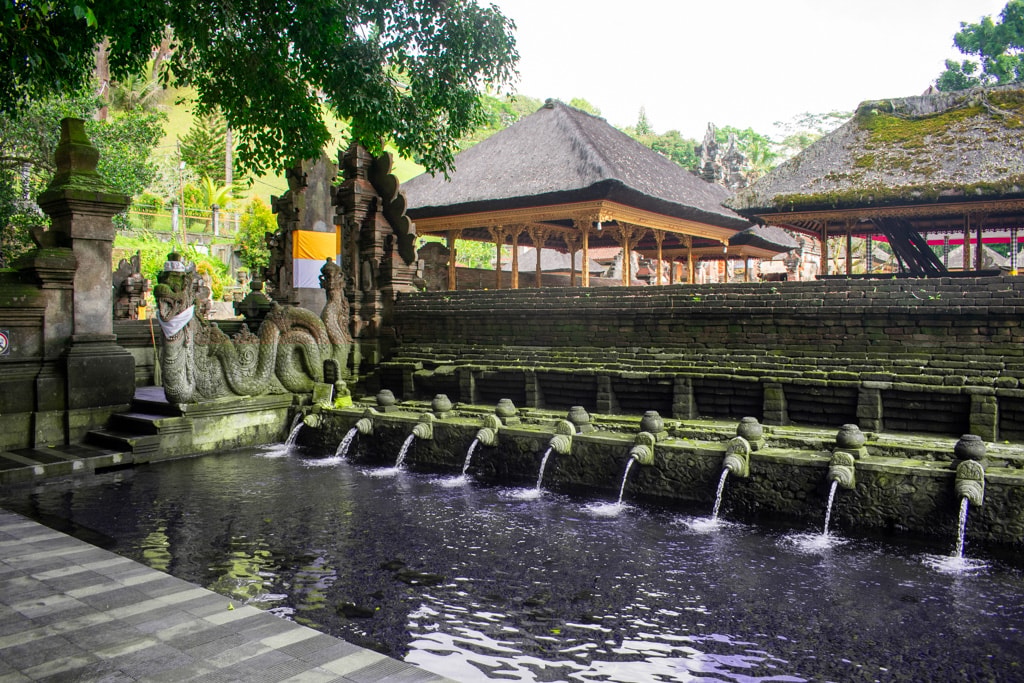
Pura Tirta Empul Bali: Holy Water Rituals, Timings & Dress Code
Visit Pura Tirta Empul Bali's Holy Water Temple. Complete guide to Melukat purification ritual, timings, history & how to reach. Sacred temple experience.
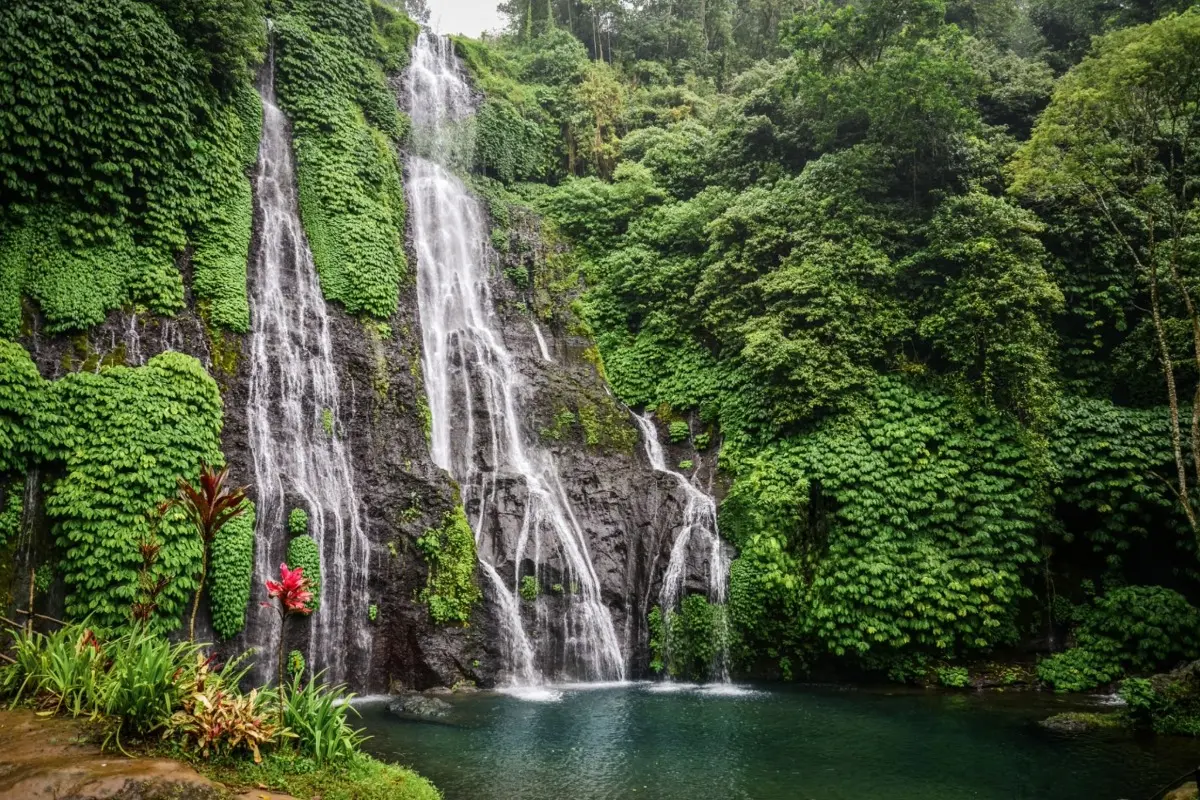
Banyumala Twin Waterfall Bali: Route, Entry Fee & Best Time
Discover Banyumala Twin Waterfall in Bali, featuring stunning twin cascades, a crystal-clear swimming pool, dramatic cliff views, and a scenic jungle trek. Complete travel guide with practical tips on reaching from Ubud, best time to visit, entry fees, and photography tips.
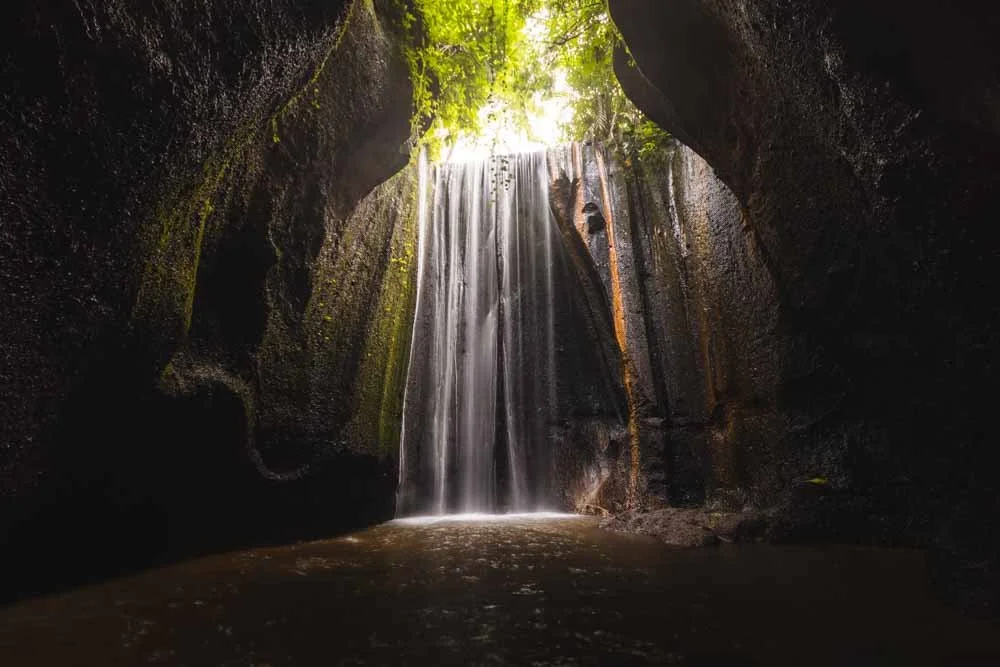
Tukad Cepung Waterfall Bali: Cave Access, Timings & Photo Tips
Visit Tukad Cepung Waterfall Bali with practical tips on timings, sunbeam photography, entry planning, trek safety, and nearby waterfall combinations.
Never Miss an Adventure
Get the latest trekking guides, travel tips, and exclusive offers delivered straight to your inbox.
